
Hinglaj Mata
About
Hinglaj Mata — also called Hinglaj Devī, Hingula Devī, and Nani Mandir — is a sacred Hindu shrine set within a natural rock cavern along the Hingol River, near the town of Hinglaj on the Makran coast in Balochistan's Lasbela district. The site rests at the heart of Hingol National Park, where the rugged terrain of eroded cliffs and river gorges creates an atmosphere of raw, primal sanctity entirely unlike an urban temple precinct.
The presiding presence here is understood as a form of Durgā or Devī — the Great Goddess in her fierce, luminous aspect. As one of the 51 Śākta pīthas recognised within the Śākta denomination of Hinduism, the site belongs to a sacred geography spanning the subcontinent, with each pītha marking a spot where a portion of the goddess Satī is said to have fallen to earth. Hinglaj Mata and Sharada Peeth in the Neelum Valley are the two Śākta pīthas located within present-day Pakistan, making Hinglaj especially precious to Hindu communities in that country.
The journey to the shrine — through canyon country and desert landscape — is itself considered an act of devotion. Each spring, around 300,000 pilgrims undertake the Hinglaj Yātrā, making it the single largest Hindu pilgrimage gathering held anywhere in Pakistan. Over recent decades the site has grown into a powerful symbolic meeting point for the diverse Hindu communities across the country.
History
Hinglaj Mata is counted among the ancient Śākta pīthas, a network of sites whose origins are embedded in the mythic geography of the Devī Bhāgavata and related Purāṇic traditions. The shrine's enduring presence in Balochistan — far from the subcontinent's major Hindu population centres — speaks to the deep antiquity of pilgrimage routes along the Makran coast. Though the precise founding date of the current cave shrine is not documented in the available sources, the site's identity as a pītha places it within a sacred framework considered by tradition to predate recorded history. In the past three decades, visitation has grown markedly, with the Hinglaj Yātrā now drawing hundreds of thousands of devotees annually and cementing the site's role as a focal point of Hindu religious life in Pakistan.
Significance
As one of the 51 Śākta pīthas, Hinglaj Mata holds a position of rare theological weight within the Śākta tradition, understood as a seat where the divine feminine is not merely worshipped but is believed to be genuinely present. For Pakistan's Hindu communities — a minority navigating the complexities of a predominantly Muslim nation — the shrine has taken on meaning that extends beyond ritual: it is a shared gathering ground, a living affirmation of ancient roots, and a place where communal identity is renewed each spring. The annual Hinglaj Yātrā, drawing around 300,000 pilgrims, stands as the country's largest Hindu religious congregation, a testament to the continuing vitality of this remote Devī shrine.
Visiting
Engage with Hinglaj Mata
Through the four pathways
Seva सेवा — Service
Offer your time and skills here. The following opportunities are open at Hinglaj Mata:
No Seva offerings listed yet.
Sādhana साधना — Practice
Learn the worship and practice associated with Hinglaj Mata:
No Sādhana offerings listed yet.
Sandhāna सन्धान — Wisdom
Unite with the wisdom of this tradition:
No Sandhāna offerings listed yet.
Sādhya साध्य — Giving
Support this sacred place according to your means:
No Sādhya offerings listed yet.
All giving flows directly to Hinglaj Mata. Adisthan does not take a commission.
Related sacred places
 Hinduism
Airavatesvara Temple
· India · temple
A jewel of 12th-century Chola craftsmanship at Darasuram near Kumbakonam in Tamil Nadu, this Śaiva shrine dedicated to Lord Śiva stands among the UNESCO-listed Great Living Chola Temples for its extraordinary sculptural refinement.
Aisanyesvara Siva Temple
· India · temple
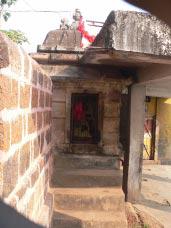
A living Śaiva temple from the thirteenth century, nestled near the western boundary of the great Lingarāja complex in Bhubaneswar, Odisha, where a Śivaliṅgam receives daily worship and the sacred rhythms of the liturgical year continue unbroken.
 Hinduism
Akhadachandi Temple
· India · temple
A 10th-century Hindu temple in the heart of Bhubaneswar's old town, Akhadachandi Temple stands on the southwestern shore of the sacred Bindusagar tank, honouring the goddess Mahiṣāsuramardinī in the ancient Kalinga style.
 Hinduism
Akshardham
· India · temple
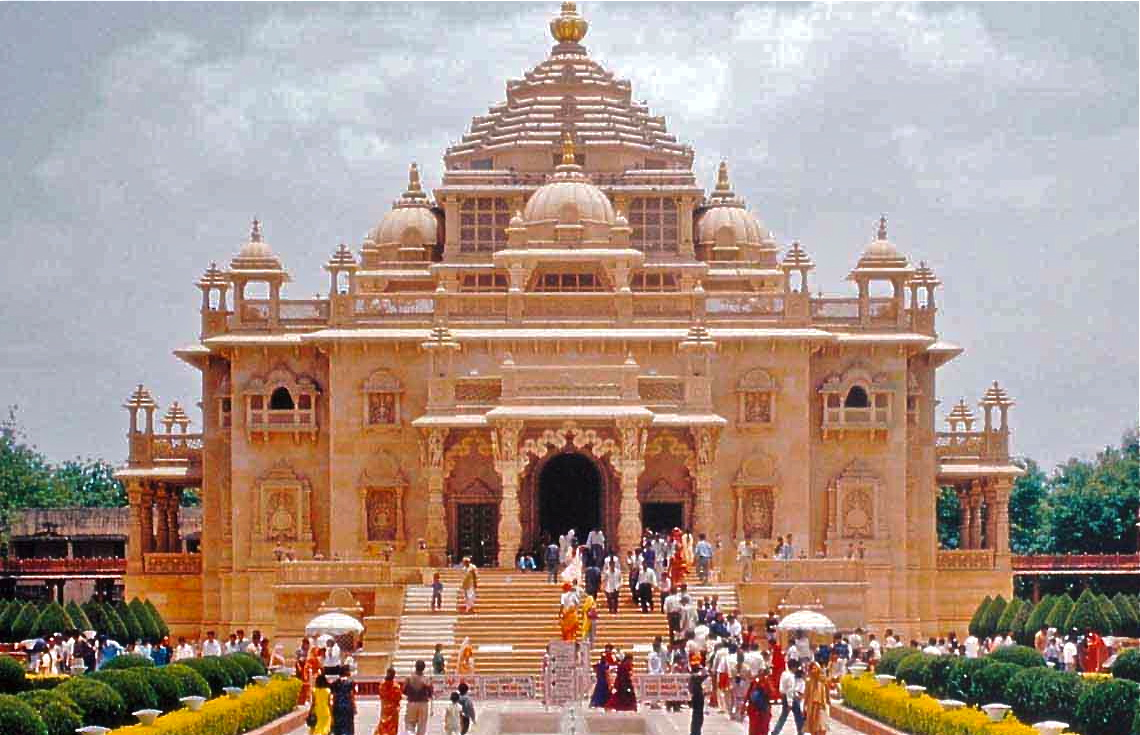
Swaminarayan Akshardham in Delhi is a vast Hindu mandir complex dedicated to devotion, learning, and harmony, drawing millions of pilgrims each year to its intricately carved sandstone and marble monument on the Yamuna's western bank.
 Hinduism
Akshardham (Gandhinagar)
· India · temple
A vast spiritual and cultural complex in Gujarat's capital, Gandhinagar, Swaminarayan Akshardham was conceived through the vision of Yogiji Maharaj and realized by Pramukh Swami Maharaj — a living testimony to the BAPS tradition's commitment to devotion, learning, and harmony.
 Hinduism
Amarnath Temple
· India · temple
A high Himalayan cave shrine in Jammu and Kashmir where a naturally forming ice lingam is venerated as Lord Śiva, drawing one of India's great seasonal pilgrimages.