Status Quo Ante Synagogue
Status Quo Synagogue · Sinagoga Status Quo Ante · Iskola utcai zsinagóga
About
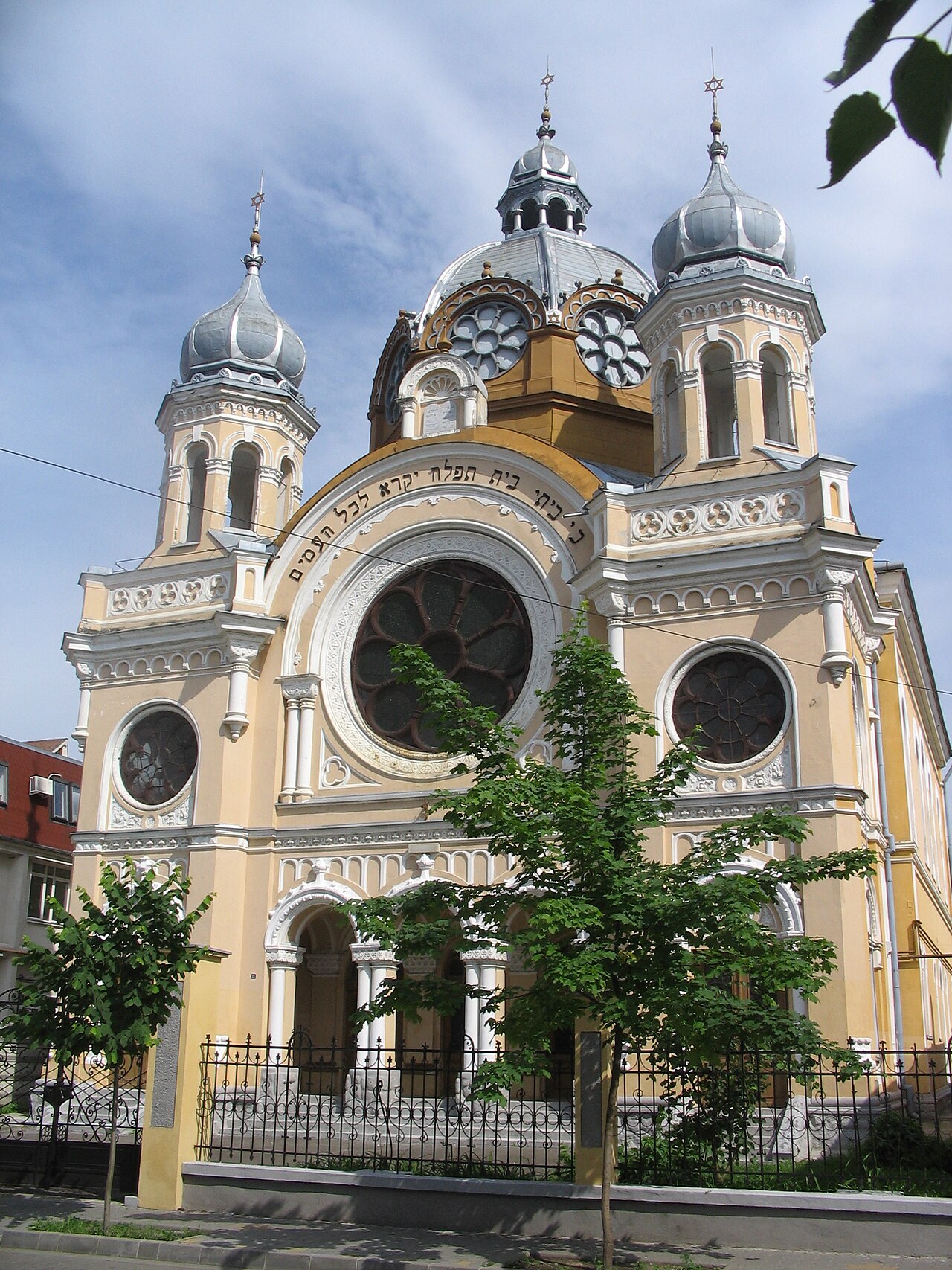
The Status Quo Synagogue stands in Târgu Mureș, in the heart of Transylvania, Romania, and is a notable example of the architectural and liturgical heritage of Hungarian Jewry as it took shape across the Austro-Hungarian Empire. The name Status Quo Ante refers to those congregations that, at the Hungarian Jewish Congress of 1868–69, chose to remain outside both the Neolog and the strictly Orthodox unions.
Following the schism of Hungarian Jewry into three movements, Status Quo Ante communities continued the inherited rabbinic tradition while accepting modest liturgical and educational reforms. Their synagogues retained traditional prayer practice, the central bimah and the separation of men and women, while embracing the architectural ambitions of the era of emancipation.
The Târgu Mureș synagogue was built in the early twentieth century to serve such a Status Quo community, and its structure reflects the late historicist style favoured by the synagogues of the region, with twin towers and ornamented façades drawn from Moorish, Romanesque and Eastern European motifs.
The Holocaust devastated the Jewish communities of Transylvania, and the synagogue today serves a small but resilient community that maintains the building as a place of prayer and memory. The Status Quo identity remains a quiet testimony to the diversity of nineteenth-century Hungarian Jewish life.
History
Jewish presence in Târgu Mureș is documented from 1682, and by the 1780s the community had already raised its first wooden synagogue. After the Hungarian Jewish Congress of 1868-69 split the country's Jewish communities into rival unions, the city's Status Quo Ante congregation, remaining outside both the Orthodox and Neolog paths, commissioned the Viennese architect Jakob Gartner to design a new sanctuary. Built in 1899-1900 and inaugurated with three days and nights of celebration, the synagogue rose in an eclectic style drawing on Gothic Revival, Moorish Revival and Romanesque Revival forms, its central octagonal tower and twin onion-domed turrets each crowned with a Star of David. Between 27 May and 8 June 1944, close to 7,550 Jews of Târgu Mureș were deported to Auschwitz; a plaque inside the synagogue today lists 5,943 of the city's martyrs. Restored between 1998 and 2000 with international support, the building was rededicated in 2000 and today also holds the city's Jewish Community Museum.
Significance
With 552 seats across its lower hall and women's gallery, this is the largest synagogue in Transylvania and one of the clearest surviving monuments to the Status Quo Ante path that some Hungarian Jewish congregations chose after the schism of 1868-69, honouring inherited tradition while accepting measured reform. Its survival through deportation and decades of decline, and its living use today for prayer, memory and the community's own museum, make it a place where Transylvanian Jewish history is still kept rather than only remembered.
Architecture
Eclectic Historicist synagogue architecture blending Gothic Revival, Moorish Revival and Romanesque Revival elements, with a central octagonal domed tower flanked by twin onion-domed turrets
Visiting
Hours
Hours not listed.
Contact
No contact details listed yet.
Engage with Status Quo Ante Synagogue
Through the four pathways
Seva सेवा — Service
Offer your time and skills here. The following opportunities are open at Status Quo Ante Synagogue:
No Seva offerings listed yet.
Sādhana साधना — Practice
Learn the worship and practice associated with Status Quo Ante Synagogue:
No Sādhana offerings listed yet.
Sandhāna सन्धान — Wisdom
Unite with the wisdom of this tradition:
No Sandhāna offerings listed yet.
Sādhya साध्य — Giving
Support this sacred place according to your means:
No Sādhya offerings listed yet.
All giving flows directly to Status Quo Ante Synagogue. Adisthan does not take a commission.
Gallery
Related sacred places
 Multi-faith
Cave of the Patriarchs (Ibrahimi Mosque)
Hebron · Palestine · shrine
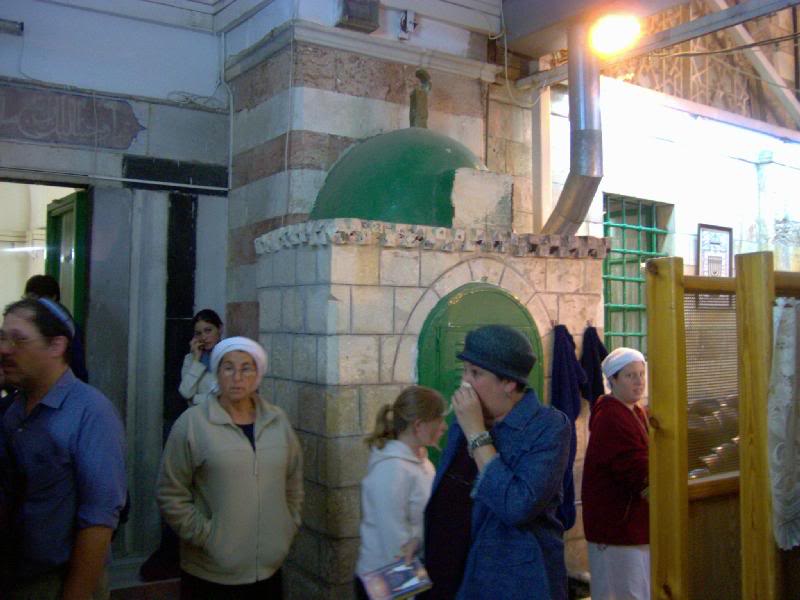
A Herodian stone enclosure in Hebron's Old City holding the traditional graves of Abraham, Sarah, Isaac, Rebecca, Jacob and Leah, revered as Me'arat HaMachpela by Jews and as the Ibrahimi Mosque by Muslims, and divided since 1994 into a synagogue and a mosque under one roof.
 Judaism
Galitska Synagogue
Kyiv · Ukraine · synagogue
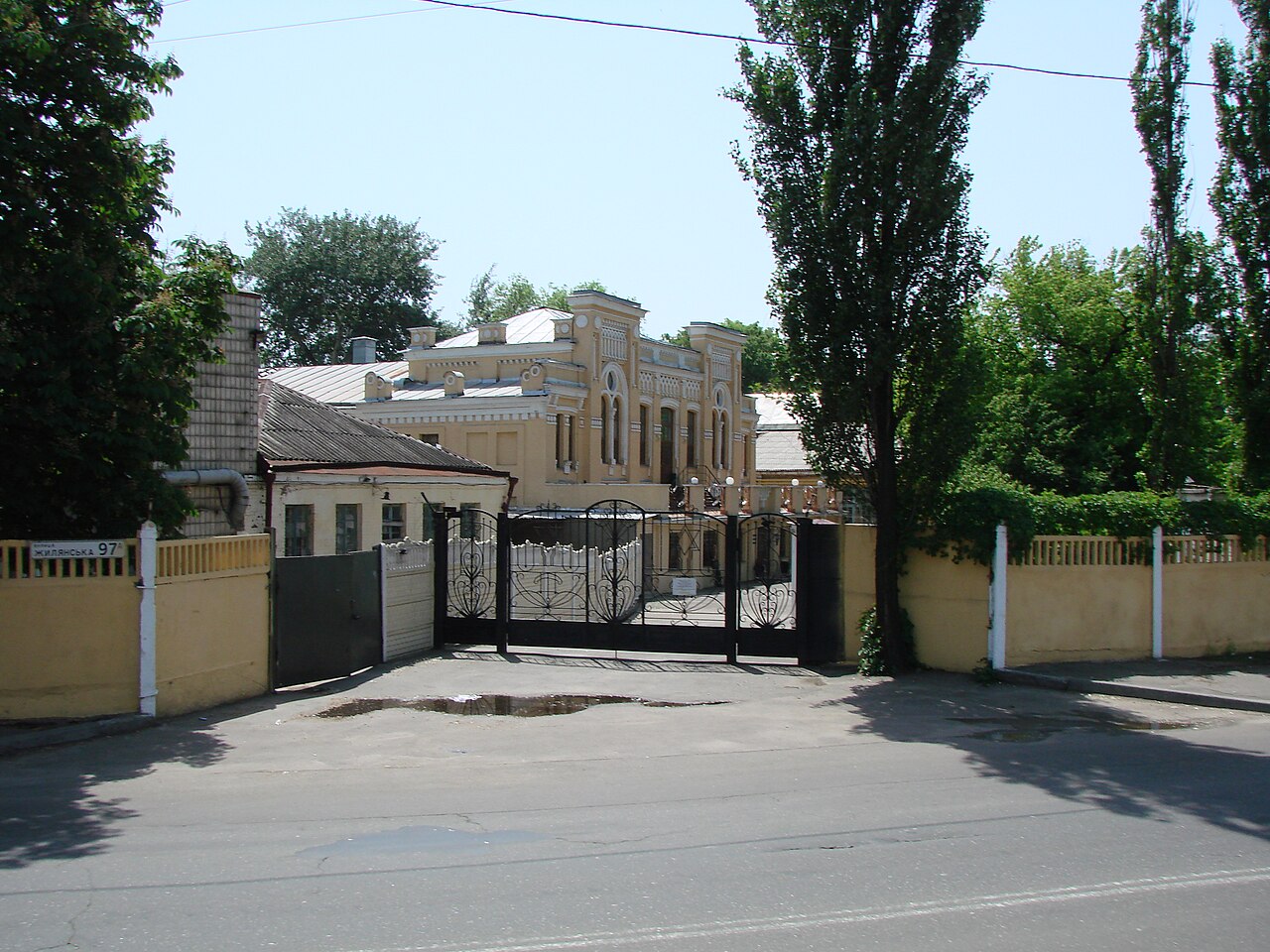
The Halytska Synagogue, also known as the Galitska Synagogue or Beit Yaakov Shul, is an Orthodox Jewish synagogue on Zhylianska Street in Kyiv, Ukraine, where the congregation prays in the Ashkenazi rite.
 Judaism
Grande Synagogue de Lyon
Lyon · France · synagogue
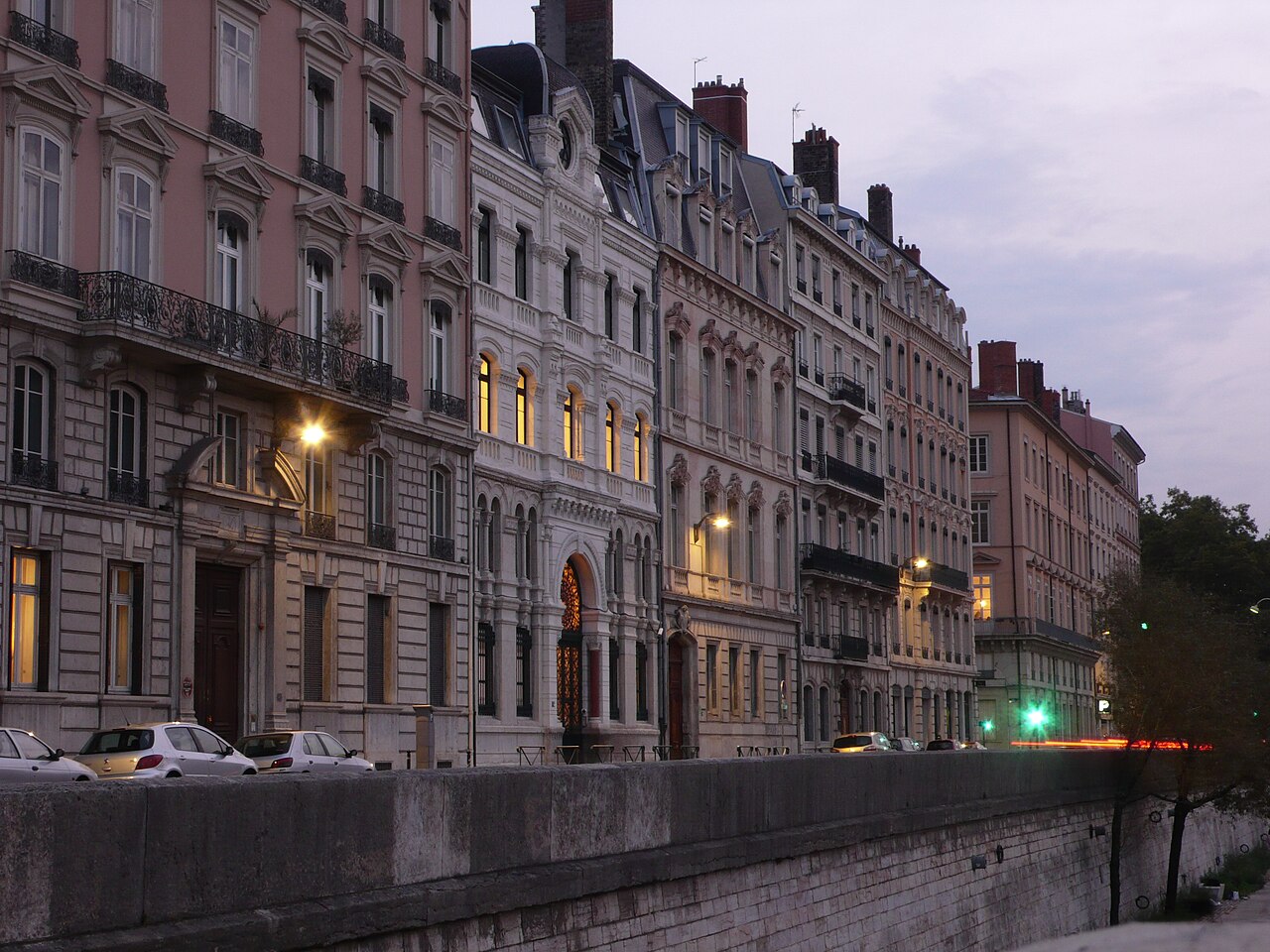
On the quai Tilsitt in central Lyon stands the Grande Synagogue, an Orthodox congregation built in 1863 and 1864 in the Byzantine Revival style and still the city's principal Ashkenazi house of prayer. Behind its ornate stone archway, carved with Hebrew lettering above wrought-iron gates, the congregation gathers for daily and Shabbat prayer.
 Judaism
Italian Synagogue
Venice · Italy · synagogue
The Italian Synagogue, the Scola Italiana, stands on the Campo del Ghetto Nuovo in Venice, a plain but luminous prayer hall raised in 1575 by Jews of the Italian rite within the world's first Jewish ghetto. Five tall arched windows light its upper floor, one of five historic synagogues still standing in the old ghetto quarter.
 Judaism
Łańcut Synagogue
Łańcut · Poland · synagogue
A Baroque masonry synagogue in Łańcut, southeastern Poland, completed in 1761 and one of the best preserved vaulted bimah-tower synagogues surviving in Central Europe, now cared for as a Jewish heritage museum.
 Judaism
Ostia Synagogue
Ostia Antica · Italy · synagogue
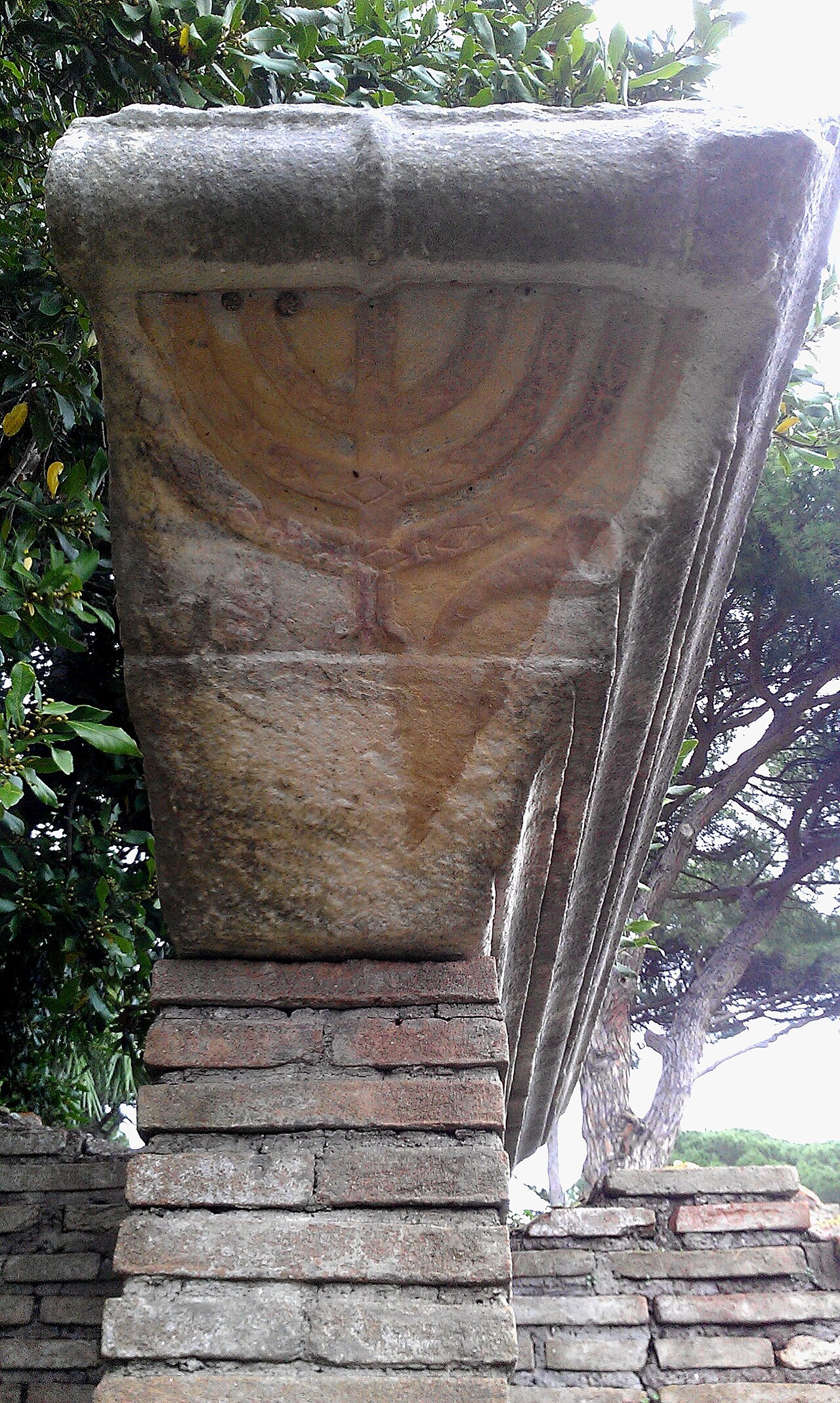
The oldest synagogue in Europe and the oldest yet found outside the Land of Israel, a Roman-era house of Jewish prayer standing among the ruins of Ostia, ancient Rome's seaport, dated to the reign of the Emperor Claudius.