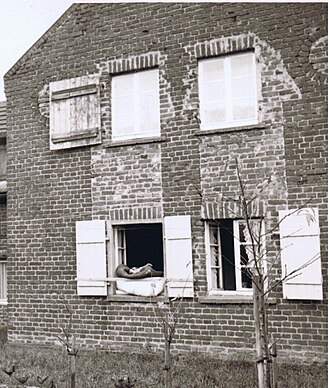
synagogue Zündorf
About
Tucked along the main thoroughfare of Zündorf, a formerly independent market settlement now absorbed into the Porz district of Cologne, this small synagogue once anchored the spiritual life of a close-knit Jewish congregation. Standing on Hauptstraße 159, the building also served the community as both a gathering place and, in earlier times, was associated with a communal cemetery whose modest remnants, eight graves marked by six surviving headstones, still endure nearby.
The structure itself was unpretentious by design: two storeys of brick beneath a gabled roof, measuring roughly 6.7 metres across and 8.9 metres deep, yielding a floor area of under sixty square metres. Despite its compact proportions, the building carried dignity through its fenestration, three generously scaled windows along the western face, each approximately 1.5 by 2.5 metres, flanked by a pair of arched openings that lent the facade a quiet solemnity. Access from the main road required passing through a narrow branch path beside an older adjacent structure, giving the synagogue a sheltered, inward quality.
Following the devastations of the Second World War, the building fell into neglect and was later converted into residential use. Two windows that had originally illuminated the sanctuary were remade as domestic openings as early as 1938, a telling mark of the upheaval that befell Jewish communal life in that era. Today the building stands transformed, its sacred origins visible only to those who know where to look.
History
Jewish settlement in Zündorf reaches back to at least the closing decades of the seventeenth century. The earliest documentary record is the burial of a man named Ishar on 2 July 1708, interred at the Deutz cemetery, the designated resting place for Zündorf's Jewish dead until the community established its own separate ground in 1923. From the early eighteenth century onward, Zündorf functioned as a modest commercial hub, and its Jewish residents occupied a range of trades: farming, butchery, money-lending, small-scale crafts, and the selling of goods.
The synagogue building was constructed in 1882, giving the congregation a dedicated house of worship after what had presumably been generations of more informal arrangements. The twentieth century brought catastrophic disruption: alterations to the fabric of the building in 1938 reflect the pressures and violence of that period, and the end of the Second World War left the structure without an active congregation to sustain it. Disrepair followed, and the building was eventually converted to domestic residential use, closing its chapter as a place of Jewish communal life.
Significance
The Zündorf Synagogue stands as a material record of a Jewish community whose roots in this part of the Rhineland predate the building itself by nearly two centuries. Though small in scale, it embodied the religious and social continuity of Jewish families who shaped the local economy as traders, artisans, and farmers across many generations. Its eventual conversion into a private dwelling, and the survival of only a handful of gravestones from the associated cemetery, speaks to the broader rupture in German Jewish life during the twentieth century. For those attentive to this history, the site carries a quiet but weighty significance as a point of remembrance and an emblem of resilience and loss.
Visiting
Engage with synagogue Zündorf
Through the four pathways
Seva सेवा — Service
Offer your time and skills here. The following opportunities are open at synagogue Zündorf:
No Seva offerings listed yet.
Sādhana साधना — Practice
Learn the worship and practice associated with synagogue Zündorf:
No Sādhana offerings listed yet.
Sandhāna सन्धान — Wisdom
Unite with the wisdom of this tradition:
No Sandhāna offerings listed yet.
Sādhya साध्य — Giving
Support this sacred place according to your means:
No Sādhya offerings listed yet.
All giving flows directly to synagogue Zündorf. Adisthan does not take a commission.
Related sacred places
 Multi-faith
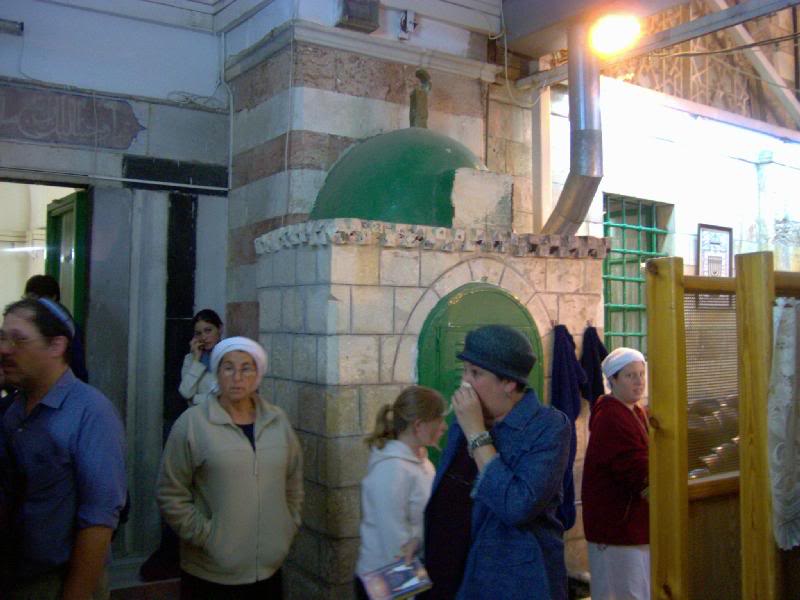
Cave of the Patriarchs (Ibrahimi Mosque)
Hebron · Palestine · shrine
A Herodian stone enclosure in Hebron's Old City holding the traditional graves of Abraham, Sarah, Isaac, Rebecca, Jacob and Leah, revered as Me'arat HaMachpela by Jews and as the Ibrahimi Mosque by Muslims, and divided since 1994 into a synagogue and a mosque under one roof.
 Judaism
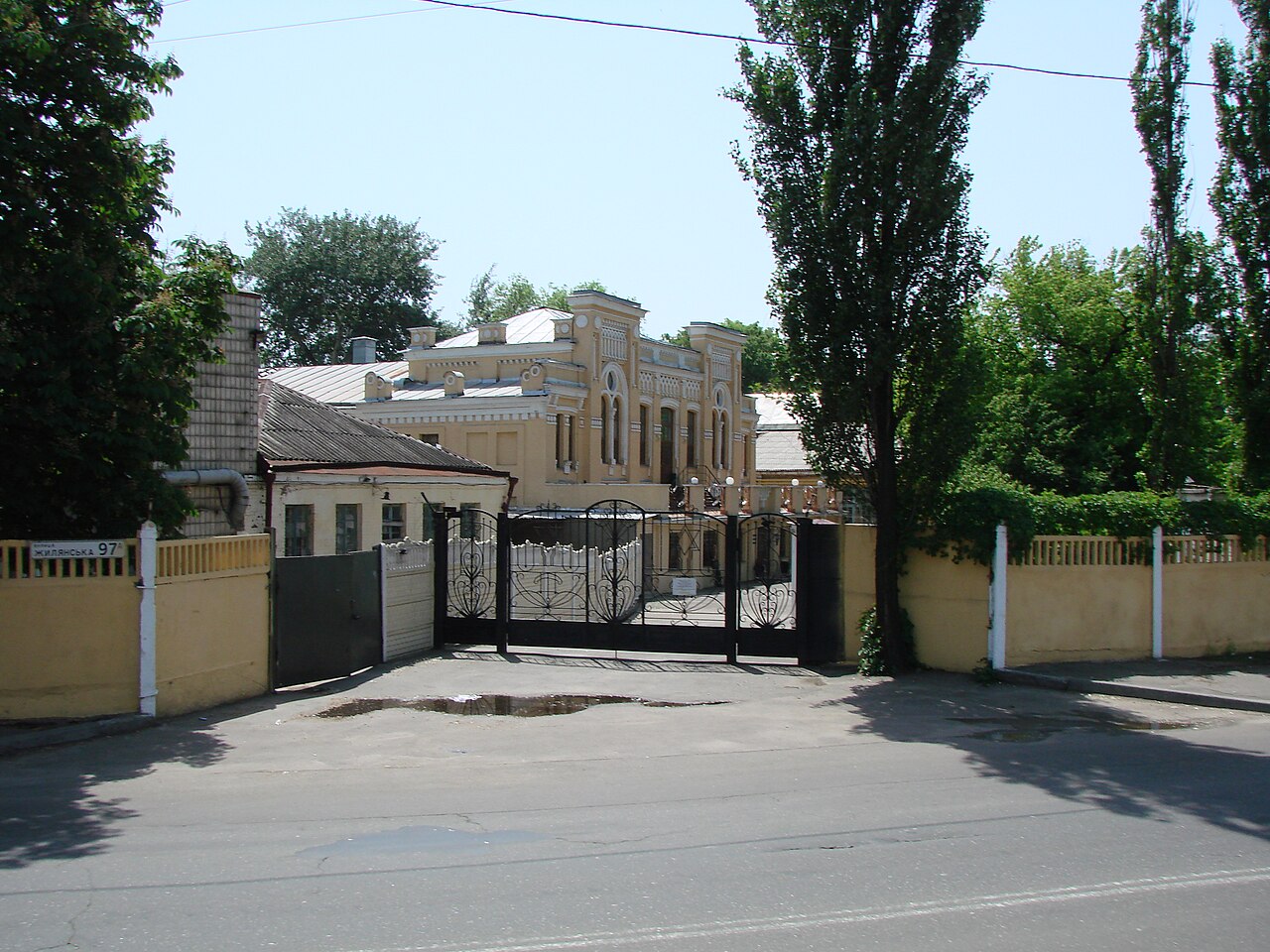
Galitska Synagogue
Kyiv · Ukraine · synagogue
The Halytska Synagogue, also known as the Galitska Synagogue or Beit Yaakov Shul, is an Orthodox Jewish synagogue on Zhylianska Street in Kyiv, Ukraine, where the congregation prays in the Ashkenazi rite.
 Judaism
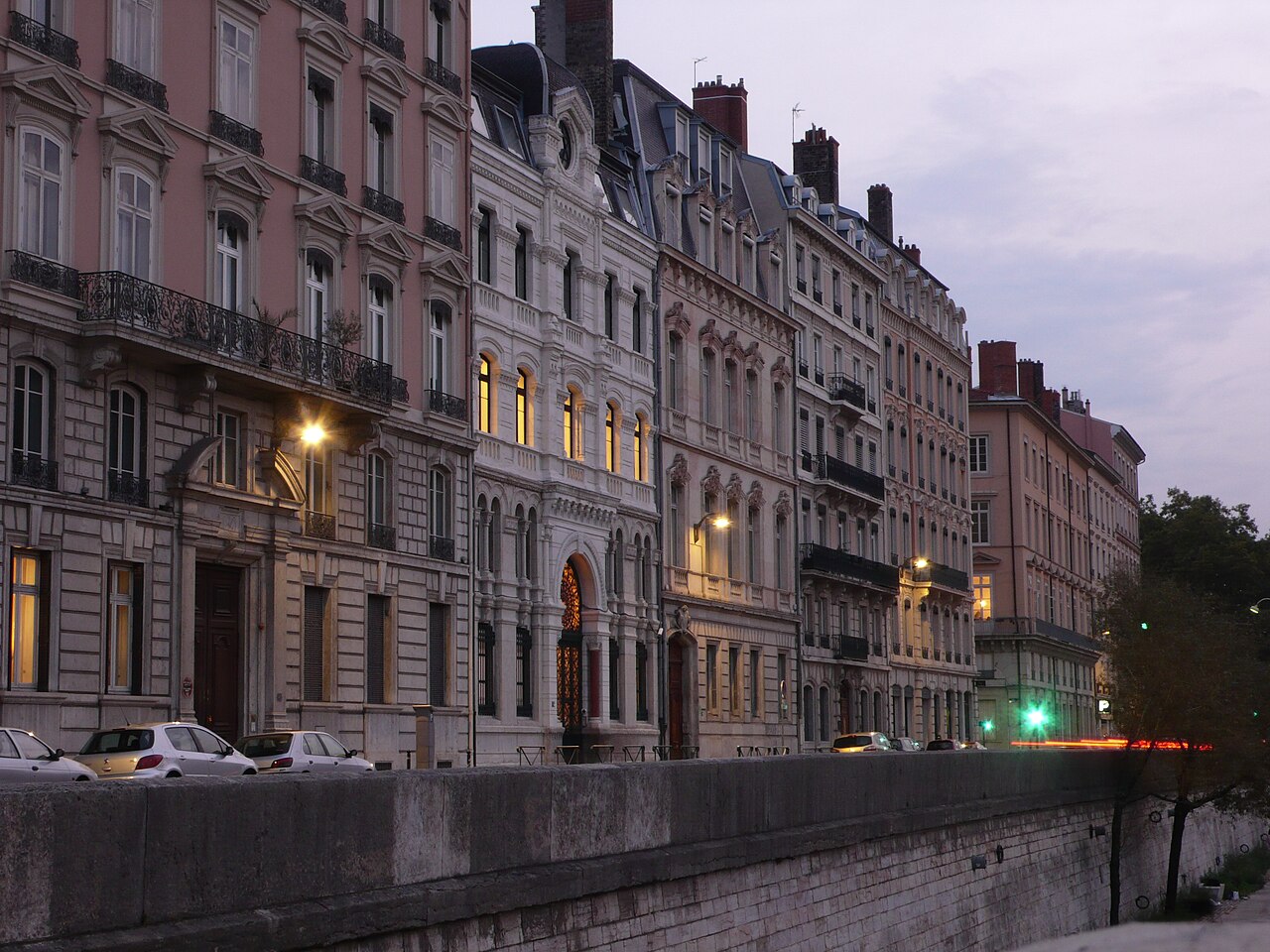
Grande Synagogue de Lyon
Lyon · France · synagogue
On the quai Tilsitt in central Lyon stands the Grande Synagogue, an Orthodox congregation built in 1863 and 1864 in the Byzantine Revival style and still the city's principal Ashkenazi house of prayer. Behind its ornate stone archway, carved with Hebrew lettering above wrought-iron gates, the congregation gathers for daily and Shabbat prayer.
 Judaism
Italian Synagogue
Venice · Italy · synagogue
The Italian Synagogue, the Scola Italiana, stands on the Campo del Ghetto Nuovo in Venice, a plain but luminous prayer hall raised in 1575 by Jews of the Italian rite within the world's first Jewish ghetto. Five tall arched windows light its upper floor, one of five historic synagogues still standing in the old ghetto quarter.
 Judaism
Łańcut Synagogue
Łańcut · Poland · synagogue
A Baroque masonry synagogue in Łańcut, southeastern Poland, completed in 1761 and one of the best preserved vaulted bimah-tower synagogues surviving in Central Europe, now cared for as a Jewish heritage museum.
 Judaism
Ostia Synagogue
Ostia Antica · Italy · synagogue
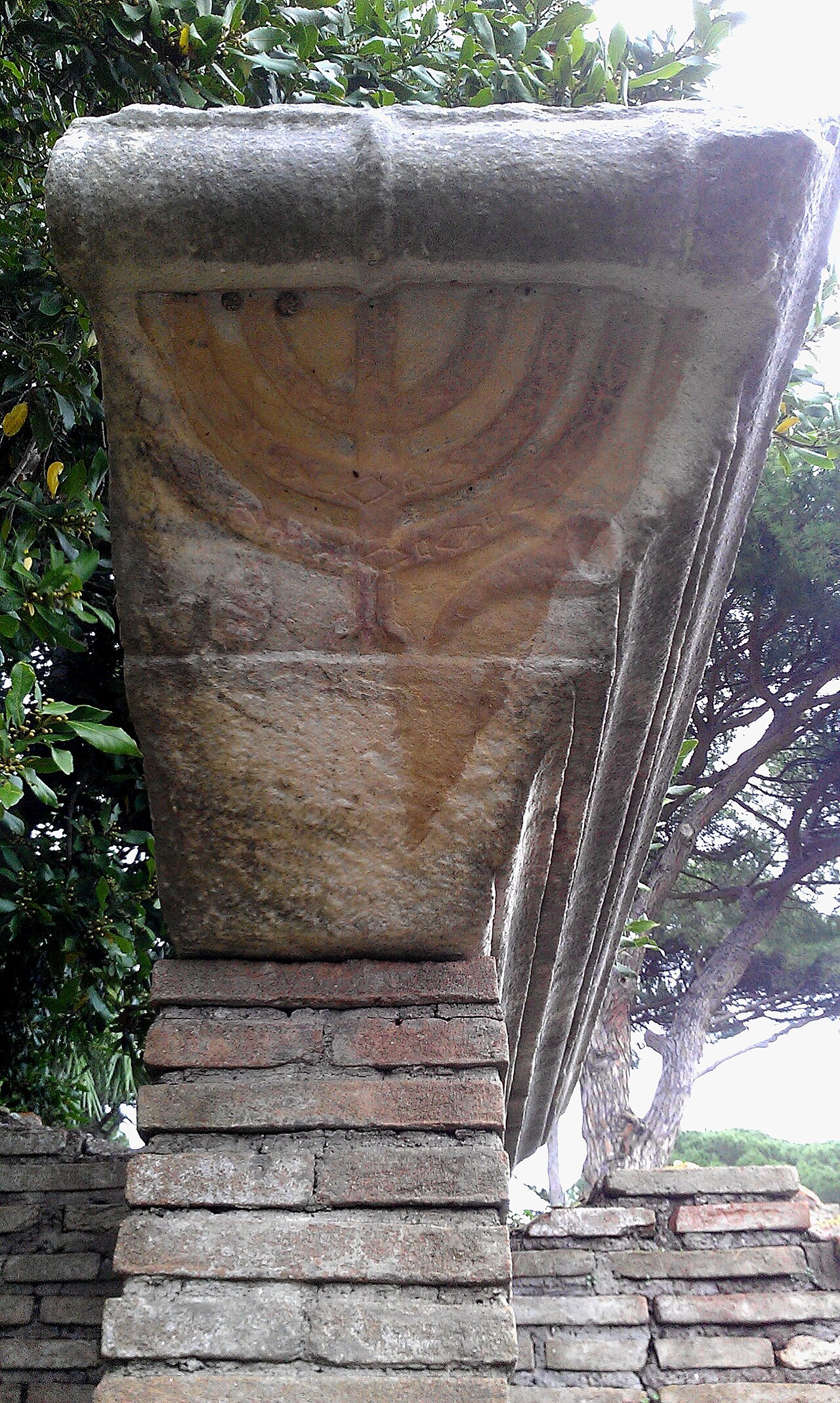
The oldest synagogue in Europe and the oldest yet found outside the Land of Israel, a Roman-era house of Jewish prayer standing among the ruins of Ostia, ancient Rome's seaport, dated to the reign of the Emperor Claudius.