
Szolnok Synagogue (Szolnok Gallery)
Szolnoki Galéria · Szolnok Zsinagóga · Szolnok Synagogue
About
Rising behind an ornate perimeter fence on Templom út in Szolnok, this former synagogue stands as one of the more distinctive works of the celebrated Hungarian architect Lipót Baumhorn, his third synagogue commission, completed in 1898. The structure reflects an eclectic imagination shaped by Baumhorn's studies in Italy and by the creative influence of Ödön Lechner, fusing Romanesque Revival massing with decorative elements drawn from Italian Gothic architecture across its four façades.
At the centre of the composition a dome rises above a square prayer hall, its ornamental treatment echoing the manner of the Budapest Museum of Applied Arts, a kinship that gives the interior a ceremonial grandeur unusual for a provincial town. Slender columnar supports bear the dome's weight from below, while a women's gallery wraps the upper perimeter of the hall. Before the eastern wall, the raised platform and the elaborately formed Ark were once set apart by a cast-iron screen, marking the sacred focal point of congregational prayer.
The building's outer dimensions measure approximately 19.83 by 34.11 metres, enclosing an almost square interior of roughly 17.95 by 17.85 metres. A winter hall and administrative offices complete the ensemble. After extensive restoration in 1960, the structure reopened as the Szolnok Gallery, an art museum now administered by the Damjanich János Museum, carrying the memory of its earlier sacred life within walls that once gathered Jewish worshippers in prayer.
History
Lipót Baumhorn, one of Central Europe's most prolific synagogue architects, completed the building in 1898 as his third synagogue commission, drawing on his study of Italian architecture and the influence of Ödön Lechner to fuse Romanesque Revival massing with Gothic and Moorish ornament beneath a central octagonal dome. The synagogue served Szolnok's Neolog Jewish congregation, a Hungarian expression of Reform Judaism, until the Holocaust destroyed the community that had gathered here. A bronze plaque set into the building's wall in 2004 records the loss directly: before 1944 these walls held the congregation's prayers to the Lord of the Heavens for a peaceful, humane life; fascist terror expelled them, and the Temple fell silent. Following restoration, the building reopened in 1960 as an art gallery, administered today by the Damjanich János Museum.
Significance
The Szolnok Gallery preserves one of Baumhorn's most ambitious provincial commissions, its octagonal drum, paired rose windows and banded facade unlike anything else Baumhorn built for this town. It stands equally as a site of memory for Szolnok's vanished Jewish community, its walls now framing rotating art exhibitions and concerts rather than the prayers they were raised to hold. A statue of Baumhorn stands before the building, said to be Hungary's only monument to the architect.
Architecture
Eclectic Romanesque Revival with Italian Gothic and Hungarian Art Nouveau ornament, by architect Lipót Baumhorn; central octagonal dome over a nearly square prayer hall with a women's gallery
Visiting
Daily worship
| Gallery open to visitors (the building no longer serves as a synagogue; Szolnok's Jewish congregation was destroyed in the Holocaust); closed Mondays | 09:00 to 17:00 |
Hours
Hours not listed.
Contact
No contact details listed yet.
Engage with Szolnok Synagogue (Szolnok Gallery)
Through the four pathways
Seva सेवा — Service
Offer your time and skills here. The following opportunities are open at Szolnok Synagogue (Szolnok Gallery):
No Seva offerings listed yet.
Sādhana साधना — Practice
Learn the worship and practice associated with Szolnok Synagogue (Szolnok Gallery):
No Sādhana offerings listed yet.
Sandhāna सन्धान — Wisdom
Unite with the wisdom of this tradition:
No Sandhāna offerings listed yet.
Sādhya साध्य — Giving
Support this sacred place according to your means:
No Sādhya offerings listed yet.
All giving flows directly to Szolnok Synagogue (Szolnok Gallery). Adisthan does not take a commission.
Gallery
Related sacred places
 Multi-faith
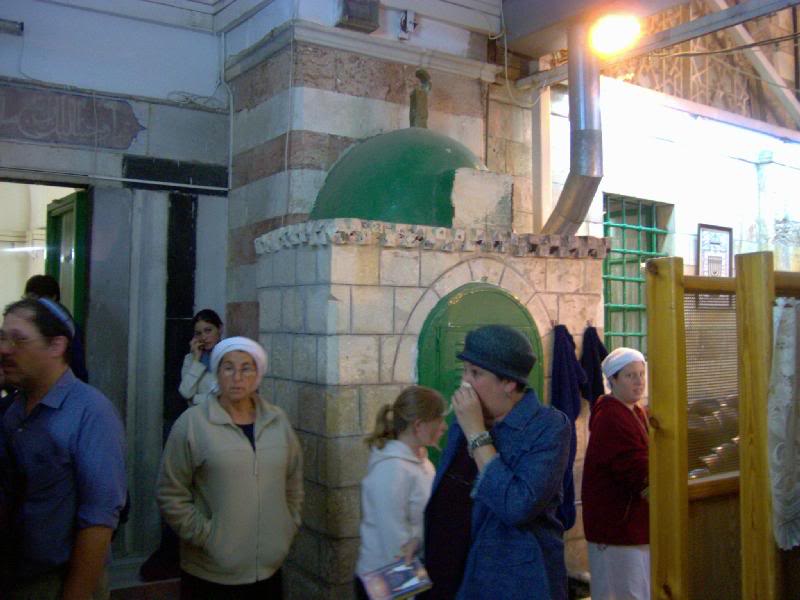
Cave of the Patriarchs (Ibrahimi Mosque)
Hebron · Palestine · shrine
A Herodian stone enclosure in Hebron's Old City holding the traditional graves of Abraham, Sarah, Isaac, Rebecca, Jacob and Leah, revered as Me'arat HaMachpela by Jews and as the Ibrahimi Mosque by Muslims, and divided since 1994 into a synagogue and a mosque under one roof.
 Judaism
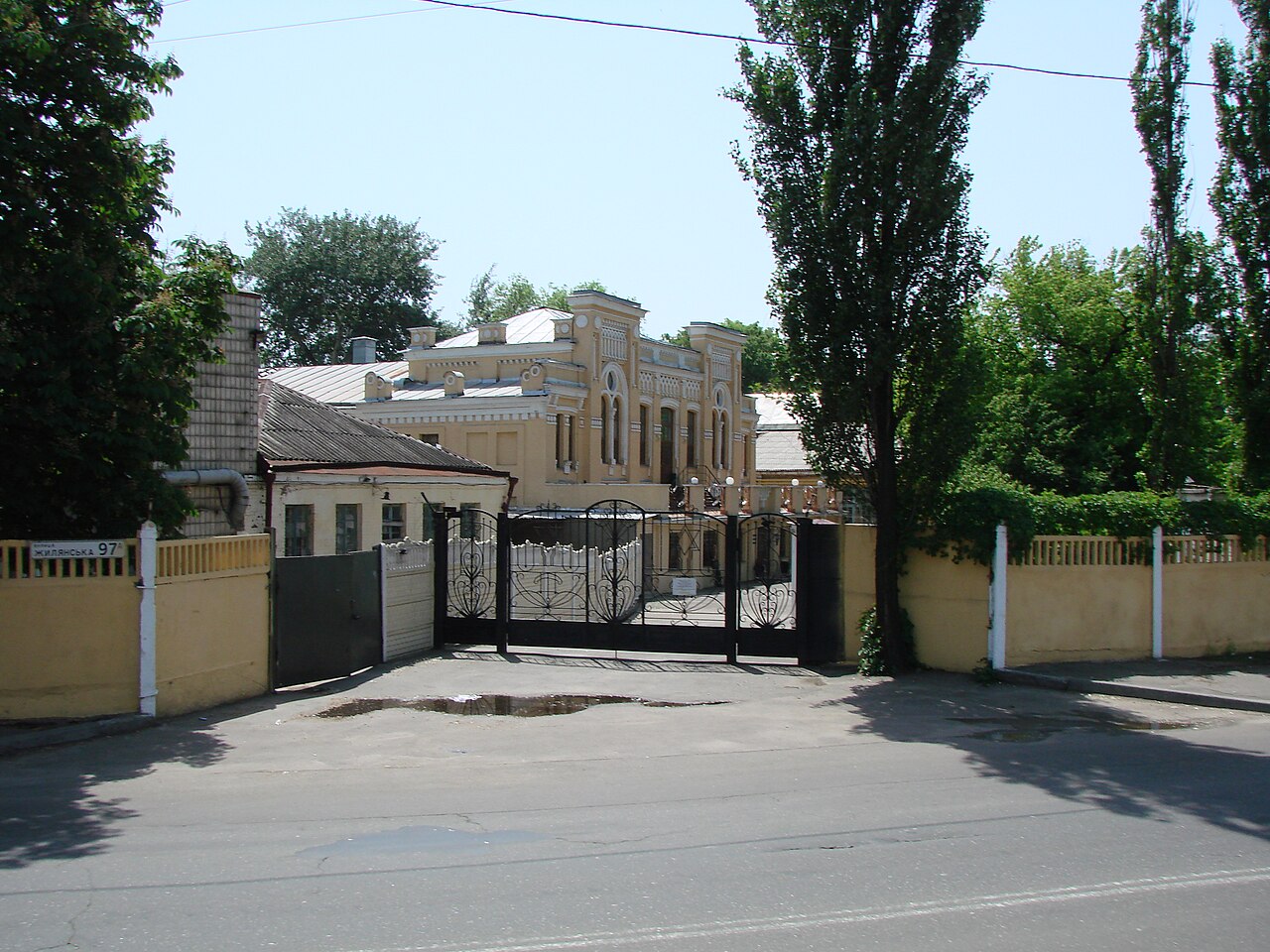
Galitska Synagogue
Kyiv · Ukraine · synagogue
The Halytska Synagogue, also known as the Galitska Synagogue or Beit Yaakov Shul, is an Orthodox Jewish synagogue on Zhylianska Street in Kyiv, Ukraine, where the congregation prays in the Ashkenazi rite.
 Judaism
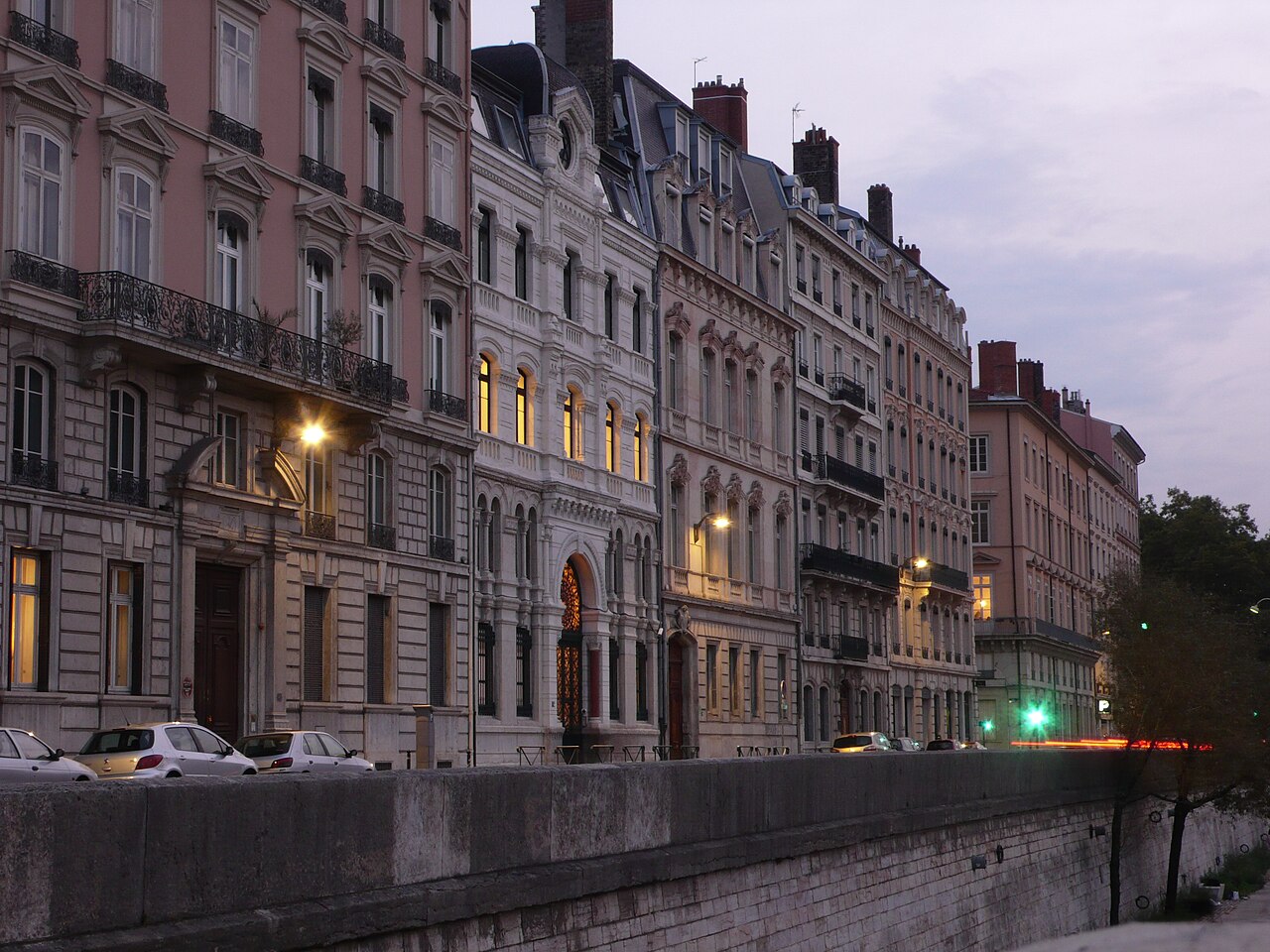
Grande Synagogue de Lyon
Lyon · France · synagogue
On the quai Tilsitt in central Lyon stands the Grande Synagogue, an Orthodox congregation built in 1863 and 1864 in the Byzantine Revival style and still the city's principal Ashkenazi house of prayer. Behind its ornate stone archway, carved with Hebrew lettering above wrought-iron gates, the congregation gathers for daily and Shabbat prayer.
 Judaism
Italian Synagogue
Venice · Italy · synagogue
The Italian Synagogue, the Scola Italiana, stands on the Campo del Ghetto Nuovo in Venice, a plain but luminous prayer hall raised in 1575 by Jews of the Italian rite within the world's first Jewish ghetto. Five tall arched windows light its upper floor, one of five historic synagogues still standing in the old ghetto quarter.
 Judaism
Łańcut Synagogue
Łańcut · Poland · synagogue
A Baroque masonry synagogue in Łańcut, southeastern Poland, completed in 1761 and one of the best preserved vaulted bimah-tower synagogues surviving in Central Europe, now cared for as a Jewish heritage museum.
 Judaism
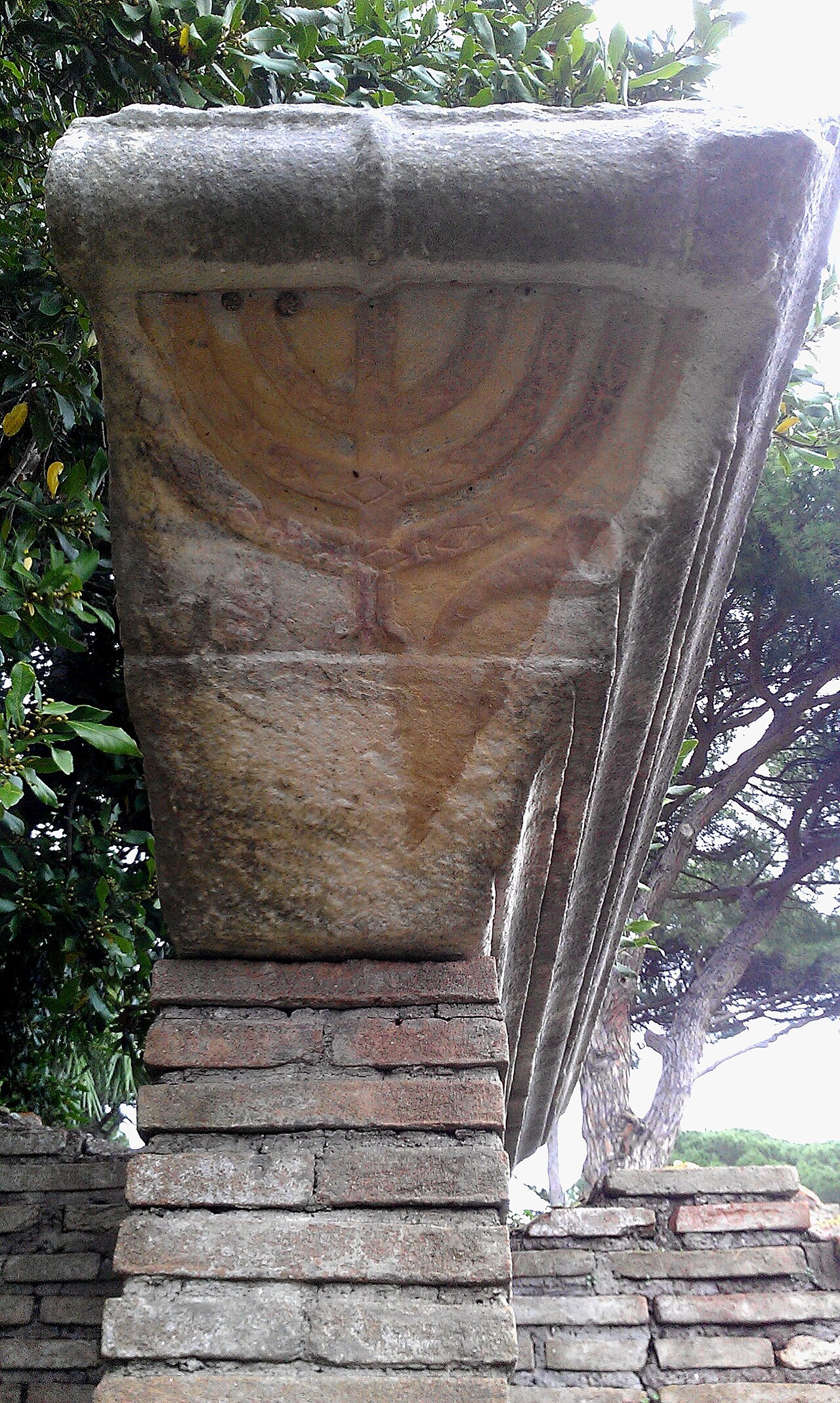
Ostia Synagogue
Ostia Antica · Italy · synagogue
The oldest synagogue in Europe and the oldest yet found outside the Land of Israel, a Roman-era house of Jewish prayer standing among the ruins of Ostia, ancient Rome's seaport, dated to the reign of the Emperor Claudius.