
Tripura Sundari Temple
About
Affectionately called Matabari by its devotees, this sacred hillock in the ancient town of Udaipur, roughly 55 kilometres from Agartala, rises in a profile that ancient texts describe as Kurmapṛṣṭhākṛti — the shape of a tortoise's back. This configuration, known as Kurma Pīṭha, is regarded within the Śākta tradition as an especially auspicious foundation for a temple to the Divine Mother.
The presiding deity, Devī Tripura Sundarī — also venerated locally under the name Tripureśwarī or Ṣoḍaśī — is honoured as the third of the ten mahāvidyās, understood as a transcendent form of Pārvatī. Inside the sanctum sanctorum stand two black stone images: a five-foot mūrti of Goddess Tripura Sundarī and a smaller, two-foot image of Goddess Chandī, known fondly as Chhoto-Ma, or Little Mother. The latter was traditionally carried by the kings of Tripura on campaigns and hunts, reflecting how deeply the Goddess was woven into the royal life of the region.
The main shrine is a compact cubic structure, measuring 24 square feet at its base and rising to 75 feet, roofed in the Bengali Ek-ratna style with three ascending tiers crowned by a finial. Service within the temple continues to be performed by hereditary Brahmin priests. Adjacent to the shrine lies the Kalyan Sagar, a sacred pond of 6.4 acres famed for its population of rare bostami turtles, which devotees feed with puffed rice and biscuits as an act of devotion. The turtle itself holds symbolic resonance here, as the temple's kurmapīṭha designation and the ancient association of the site with Viṣṇu's Kūrma avatāra both lend these creatures a particularly honoured status.
History
According to tradition, King Dhanya Manikya — who reigned over Tripura in the final decades of the fifteenth century — received a visionary summons one night in which the Goddess Tripura Sundarī directed him to establish her worship on the hilltop above the royal capital of Udaipur. The king discovered that an existing shrine there was already consecrated to Lord Viṣṇu, and he felt uncertain how an image of Śakti could dwell in a Vaiṣṇava sanctuary. A second vision resolved his doubt: the divine showed him that Viṣṇu and Śakti are different manifestations of the same supreme Brahman. With that understanding, the temple of Tripura Sundarī was founded around 1501 CE. This founding legend is remembered as a living parable of harmony between the Vaiṣṇava and Śākta streams within Hinduism. The shrine has now completed more than five centuries of continuous worship.
Significance
The temple ranks among the 51 Śākta pīṭhas, the network of sacred sites where, according to the Purāṇic account of Dakṣa yajña and Satī's self-immolation, parts of the Goddess's body came to rest upon the earth. Tradition holds that the right foot of Satī — specifically the big toe — fell at this location; here the presiding Śakti is worshipped as Tripurasundarī and her accompanying Bhairava is Tripureś. The state of Tripura itself takes its name from this goddess, making the temple the symbolic origin-point of the entire region. As the most visited temple in Northeast India after Kamakhya in Assam, its influence extends well beyond Tripura: each year during Diwali an enormous pilgrimage fair draws more than two hundred thousand devotees to celebrate the Goddess at the foot of the hill.
Visiting
Engage with Tripura Sundari Temple
Through the four pathways
Seva सेवा — Service
Offer your time and skills here. The following opportunities are open at Tripura Sundari Temple:
No Seva offerings listed yet.
Sādhana साधना — Practice
Learn the worship and practice associated with Tripura Sundari Temple:
No Sādhana offerings listed yet.
Sandhāna सन्धान — Wisdom
Unite with the wisdom of this tradition:
No Sandhāna offerings listed yet.
Sādhya साध्य — Giving
Support this sacred place according to your means:
No Sādhya offerings listed yet.
All giving flows directly to Tripura Sundari Temple. Adisthan does not take a commission.
Related sacred places
 Hinduism
Airavatesvara Temple
· India · temple
A jewel of 12th-century Chola craftsmanship at Darasuram near Kumbakonam in Tamil Nadu, this Śaiva shrine dedicated to Lord Śiva stands among the UNESCO-listed Great Living Chola Temples for its extraordinary sculptural refinement.
Aisanyesvara Siva Temple
· India · temple
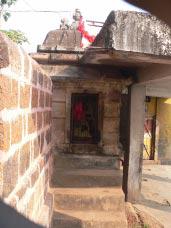
A living Śaiva temple from the thirteenth century, nestled near the western boundary of the great Lingarāja complex in Bhubaneswar, Odisha, where a Śivaliṅgam receives daily worship and the sacred rhythms of the liturgical year continue unbroken.
 Hinduism
Akhadachandi Temple
· India · temple
A 10th-century Hindu temple in the heart of Bhubaneswar's old town, Akhadachandi Temple stands on the southwestern shore of the sacred Bindusagar tank, honouring the goddess Mahiṣāsuramardinī in the ancient Kalinga style.
 Hinduism
Akshardham
· India · temple
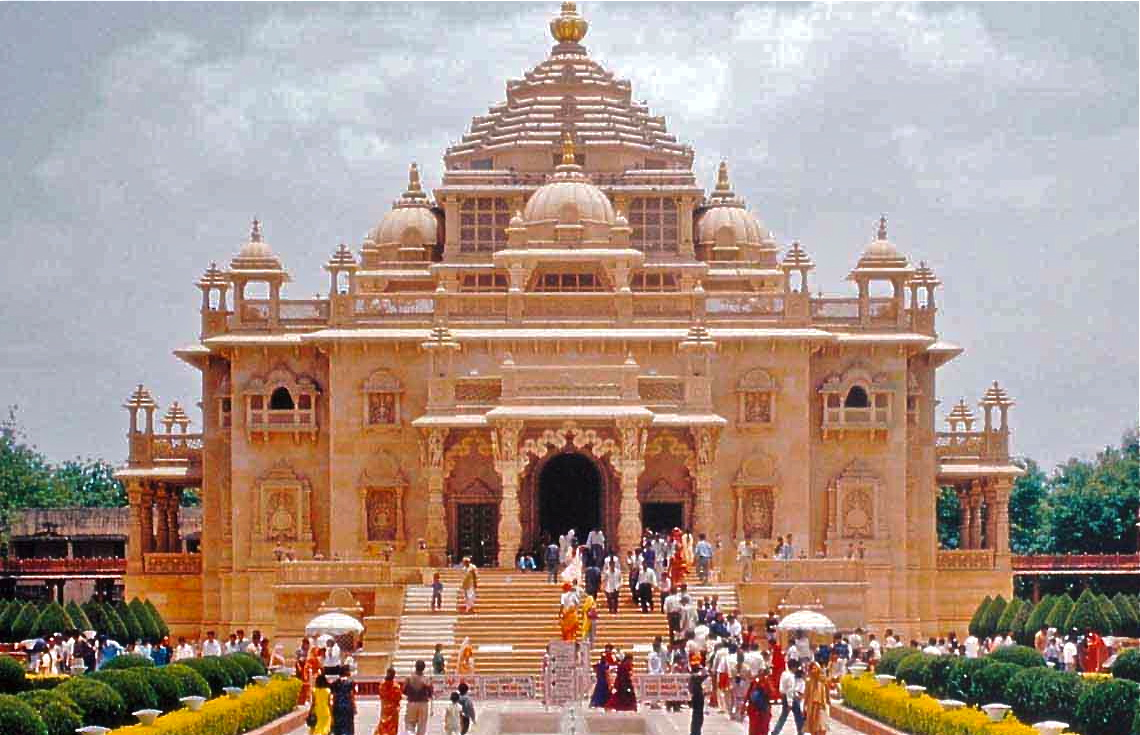
Swaminarayan Akshardham in Delhi is a vast Hindu mandir complex dedicated to devotion, learning, and harmony, drawing millions of pilgrims each year to its intricately carved sandstone and marble monument on the Yamuna's western bank.
 Hinduism
Akshardham (Gandhinagar)
· India · temple
A vast spiritual and cultural complex in Gujarat's capital, Gandhinagar, Swaminarayan Akshardham was conceived through the vision of Yogiji Maharaj and realized by Pramukh Swami Maharaj — a living testimony to the BAPS tradition's commitment to devotion, learning, and harmony.
 Hinduism
Amarnath Temple
· India · temple
A high Himalayan cave shrine in Jammu and Kashmir where a naturally forming ice lingam is venerated as Lord Śiva, drawing one of India's great seasonal pilgrimages.