Union Libérale Israélite de France
ULIF · Synagogue Copernic · Copernic Synagogue
About
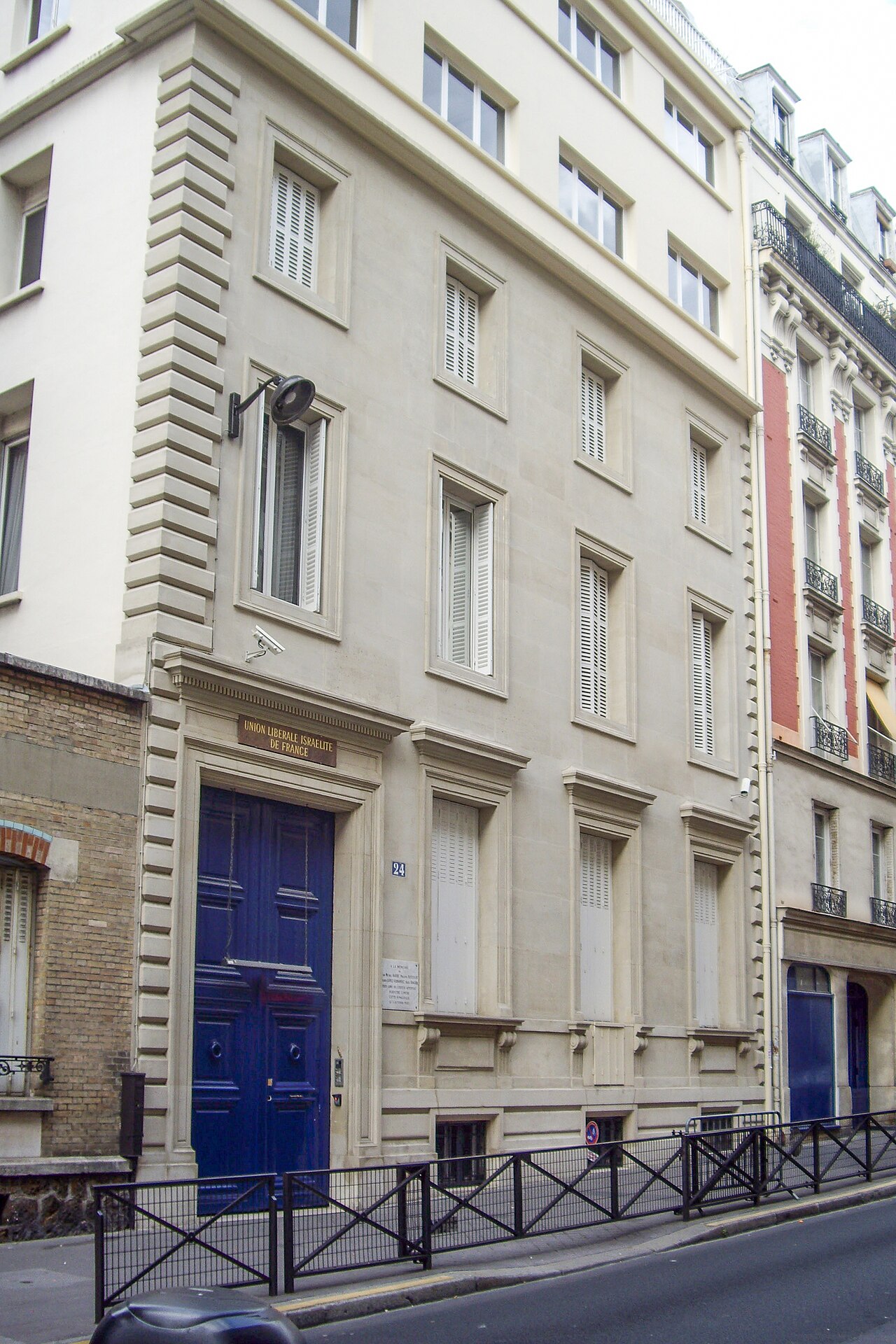
The Union Libérale Israélite de France, abbreviated ULIF and commonly known as the rue Copernic synagogue, is a Reform Jewish congregation in the sixteenth arrondissement of Paris and the oldest Reform synagogue in the country. It was inaugurated on the first of December 1907 and continues today as a leading voice of liberal Judaism in France.
The synagogue was founded by Rabbi Louis Germain Lévy, trained at the Séminaire Israélite de France. The community first gathered in a converted painter's studio at 24 rue Copernic, rented in 1907 and purchased in 1921, before a purpose-built Art Deco sanctuary was constructed on the site between 1923 and 1924 to designs by the architect Marcel Lemarié.
The congregation has endured the tragic intrusions of antisemitic violence. On the night of the second to third of October 1941, during the German occupation, a bomb planted by the Mouvement Social Révolutionnaire damaged the building, which was repaired only after the Liberation. On the third of October 1980, on the eve of Simchat Torah, a motorcycle bomb detonated outside the synagogue, killing four passers-by.
Under successive rabbis including Louis Germain Lévy, André Chalom Zaoui and Daniel Farhi, the congregation has developed a Reform tradition adapted to French Jewish life, with services in Hebrew and French and equal participation of women and men. In 2019 the ULIF announced its merger with the Mouvement Juif Libéral de France into the new association Judaïsme en Mouvement.
History
Rabbi Louis Germain Lévy founded the congregation in 1907, first meeting in a converted painter's studio at 24 rue Copernic that the community rented that year and purchased in 1921. Between 1923 and 1924 the congregation built a new sanctuary in Art Deco style, designed by the architect Marcel Lemarié, keeping the original oratory as a hall for Kiddush. The synagogue has twice suffered antisemitic violence: a bomb damaged the building on the night of 2 to 3 October 1941 under the German occupation, and on 3 October 1980, on the eve of Simchat Torah, a bomb hidden in a motorcycle exploded outside the synagogue and killed four passers-by in the street. In 2019 the congregation joined with the Mouvement Juif Libéral de France to form Judaïsme en Mouvement, and Copernic continues today as one of its constituent synagogues.
Significance
As the founding congregation of Reform Judaism in France, the Union Libérale Israélite de France carries a double inheritance: a century of liturgical and communal life within French Judaism, and the memory of violence endured simply for gathering to pray. Today, joined with the Mouvement Juif Libéral de France within Judaïsme en Mouvement, the community continues the liberal Jewish tradition its founders began, with services conducted in Hebrew and French and full participation of women and men alike.
Architecture
Art Deco synagogue architecture, designed by Marcel Lemarié
Visiting
Daily worship
| Kabbalat Shabbat (Friday evening service) | 18:30 to | |
| Shabbat morning service | 10:30 to |
Hours
Hours not listed.
Contact
Engage with Union Libérale Israélite de France
Through the four pathways
Seva सेवा — Service
Offer your time and skills here. The following opportunities are open at Union Libérale Israélite de France:
No Seva offerings listed yet.
Sādhana साधना — Practice
Learn the worship and practice associated with Union Libérale Israélite de France:
No Sādhana offerings listed yet.
Sandhāna सन्धान — Wisdom
Unite with the wisdom of this tradition:
No Sandhāna offerings listed yet.
Sādhya साध्य — Giving
Support this sacred place according to your means:
No Sādhya offerings listed yet.
All giving flows directly to Union Libérale Israélite de France. Adisthan does not take a commission.
Gallery
Related sacred places
 Multi-faith
Cave of the Patriarchs (Ibrahimi Mosque)
Hebron · Palestine · shrine
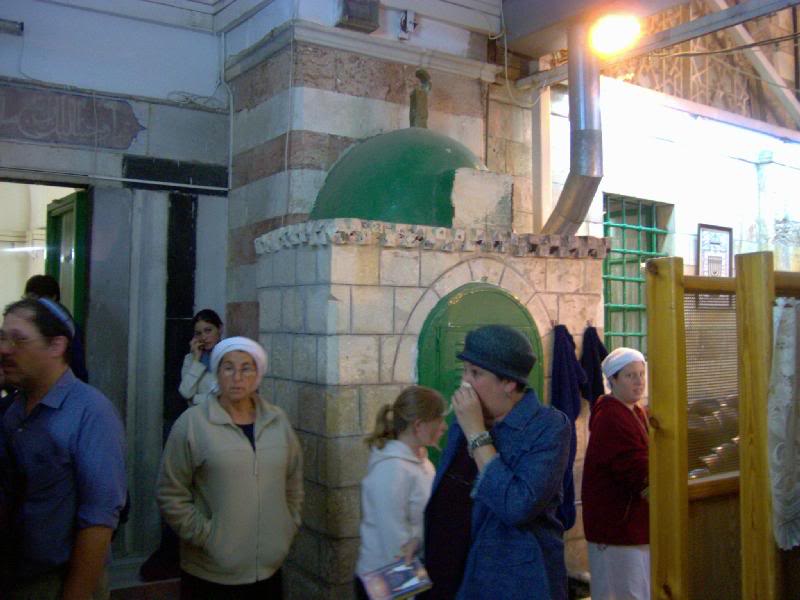
A Herodian stone enclosure in Hebron's Old City holding the traditional graves of Abraham, Sarah, Isaac, Rebecca, Jacob and Leah, revered as Me'arat HaMachpela by Jews and as the Ibrahimi Mosque by Muslims, and divided since 1994 into a synagogue and a mosque under one roof.
 Judaism
Galitska Synagogue
Kyiv · Ukraine · synagogue
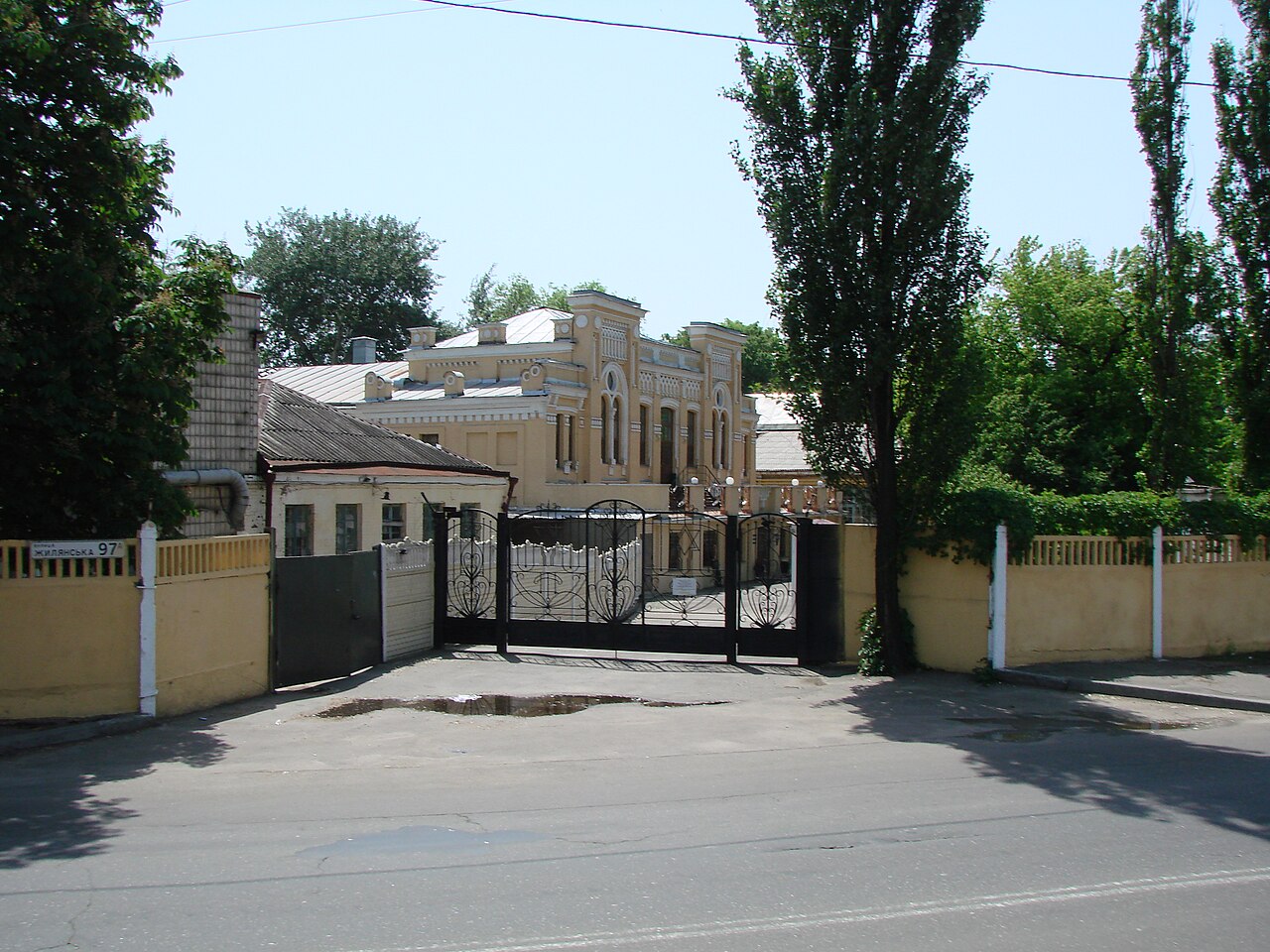
The Halytska Synagogue, also known as the Galitska Synagogue or Beit Yaakov Shul, is an Orthodox Jewish synagogue on Zhylianska Street in Kyiv, Ukraine, where the congregation prays in the Ashkenazi rite.
 Judaism
Grande Synagogue de Lyon
Lyon · France · synagogue
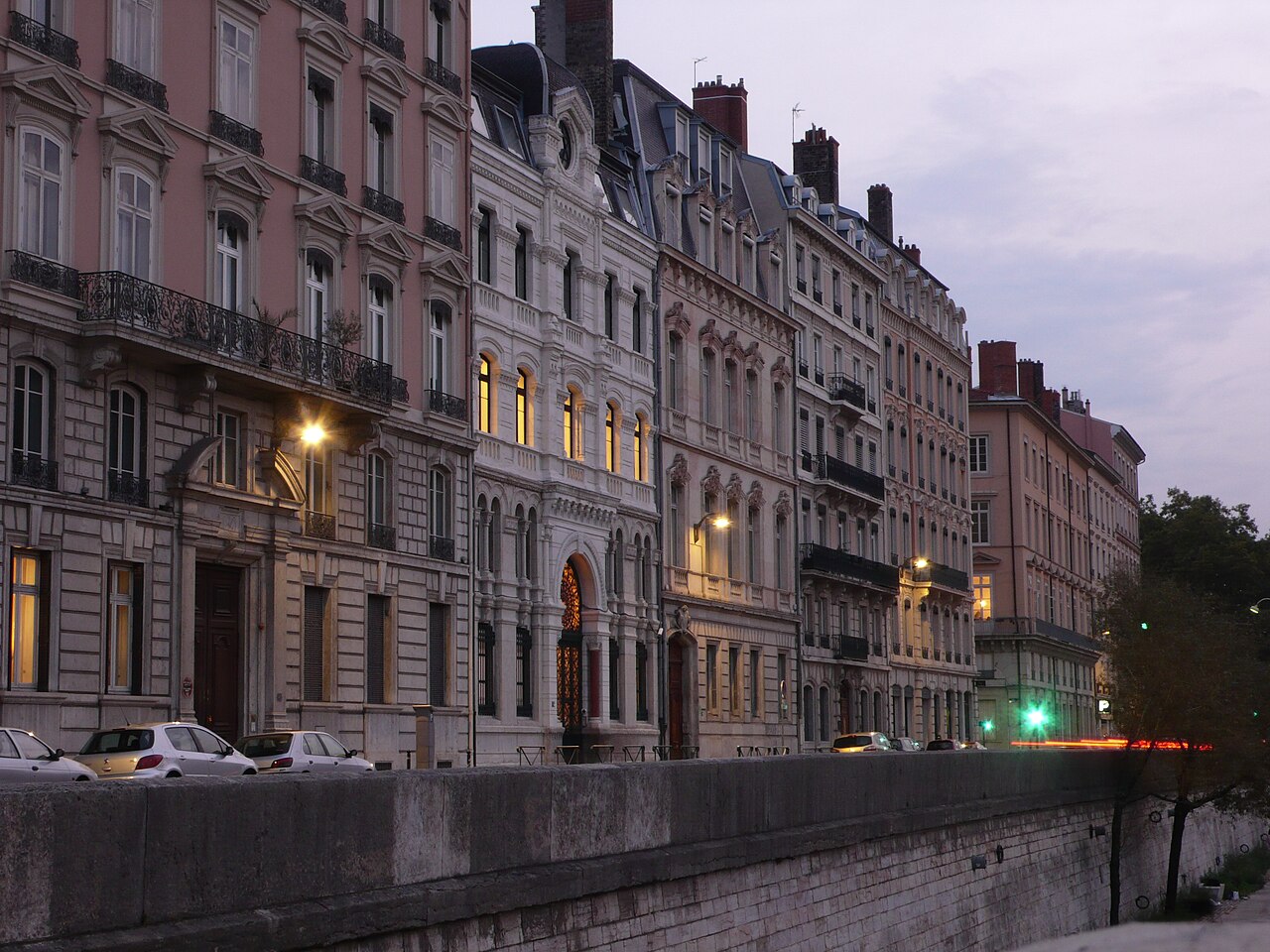
On the quai Tilsitt in central Lyon stands the Grande Synagogue, an Orthodox congregation built in 1863 and 1864 in the Byzantine Revival style and still the city's principal Ashkenazi house of prayer. Behind its ornate stone archway, carved with Hebrew lettering above wrought-iron gates, the congregation gathers for daily and Shabbat prayer.
 Judaism
Italian Synagogue
Venice · Italy · synagogue
The Italian Synagogue, the Scola Italiana, stands on the Campo del Ghetto Nuovo in Venice, a plain but luminous prayer hall raised in 1575 by Jews of the Italian rite within the world's first Jewish ghetto. Five tall arched windows light its upper floor, one of five historic synagogues still standing in the old ghetto quarter.
 Judaism
Łańcut Synagogue
Łańcut · Poland · synagogue
A Baroque masonry synagogue in Łańcut, southeastern Poland, completed in 1761 and one of the best preserved vaulted bimah-tower synagogues surviving in Central Europe, now cared for as a Jewish heritage museum.
 Judaism
Ostia Synagogue
Ostia Antica · Italy · synagogue
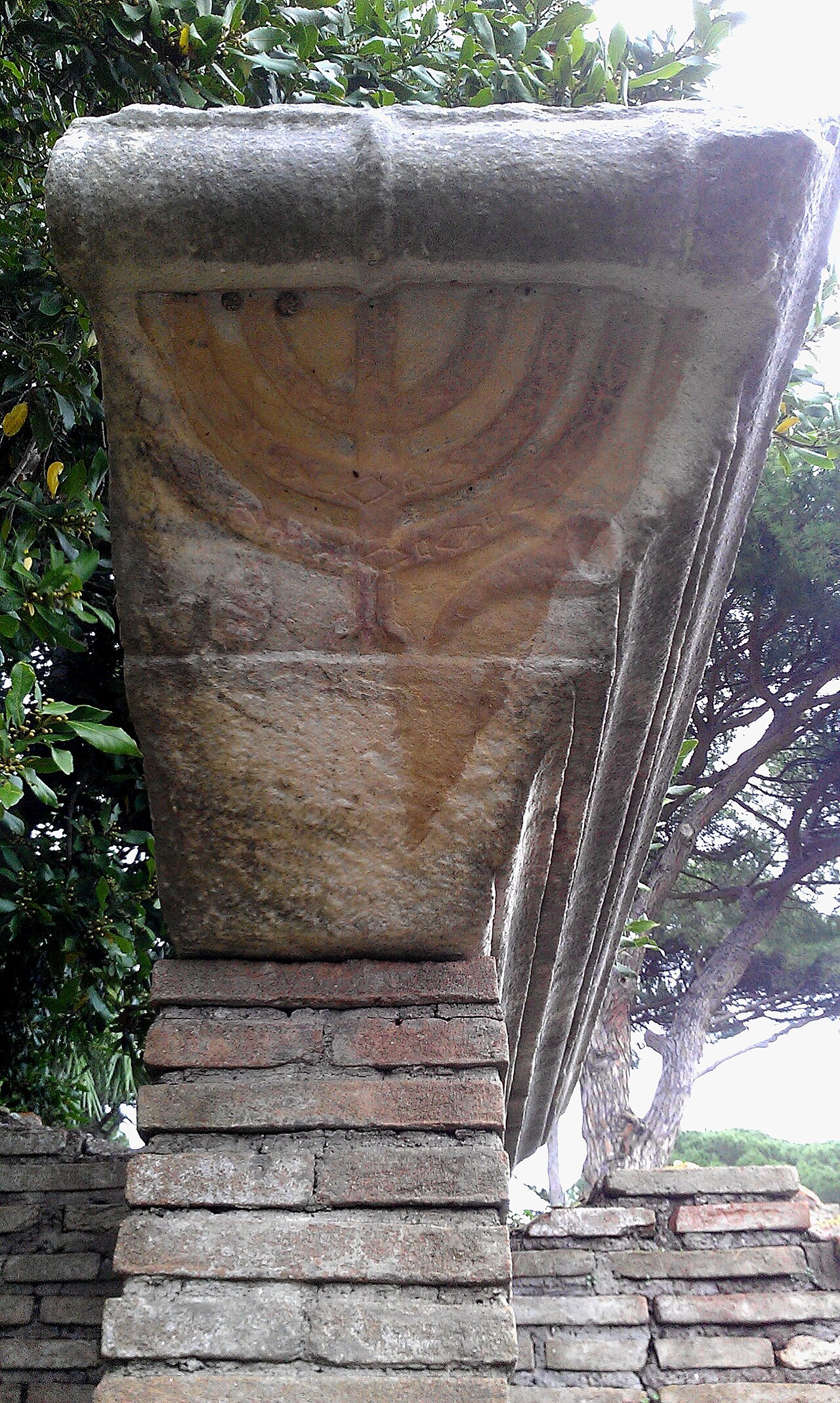
The oldest synagogue in Europe and the oldest yet found outside the Land of Israel, a Roman-era house of Jewish prayer standing among the ruins of Ostia, ancient Rome's seaport, dated to the reign of the Emperor Claudius.