
Abu'l-Fida Mosque
Jami' Abu'l-Fida · Jami' al-Hayyat (Mosque of the Serpents) · Mosque and Mausoleum of Abu al-Fida
About
Set along the banks of the Orontes in the city of Hama, the Abu'l-Fida Mosque (Jāmiʿ Abū'l-Fidāʾ) is a layered work of medieval Syrian Islamic architecture, combining a mausoleum and a congregational mosque within one walled enclosure.
The mausoleum at the heart of the complex was raised in 1327 CE by al-Mu'ayyid Isma'il during the Ayyubid era, built of pale limestone and crowned by a domed brick roof. Its attached minaret was constructed in contrasting bands of limestone and black basalt, and both structures still stand close to their original form.
The mosque itself, lying to the south of the central sahn (courtyard), is largely Mamluk-era work. Its haram faces the river, and the windows of the south façade are framed by carved pillars depicting intertwined serpents, a detail that has earned the building the affectionate local name Jāmiʿ al-Hayyāt, the Mosque of the Serpents.
Two of the original four gates of the complex survive; the northern one, dating to the Ayyubid period, opens into the courtyard and the resting place of al-Mu'ayyid.
History
The mausoleum at the heart of the complex was raised in 1326 or 1327 CE by the Ayyubid prince al-Mu'ayyid Isma'il, built of pale limestone beneath a domed brick roof and set beside a minaret banded in limestone and black basalt. The adjoining congregational mosque to the south is Mamluk-era work, its prayer hall facing the river. Two of the complex's original four gates survive, including an Ayyubid-period northern gate leading to al-Mu'ayyid's tomb.
Significance
Hama's residents know the building as Jami' al-Hayyat, the Mosque of the Serpents, for the intertwined-serpent pillars carved into its window frames. It remains a working Friday mosque and stands as one of the clearest surviving points of contact between Ayyubid and Mamluk religious patronage in Syria.
Architecture
Ayyubid-Mamluk Syrian religious architecture; ablaq (banded) limestone and basalt masonry
Visiting
Hours
Hours not listed.
Contact
No contact details listed yet.
Engage with Abu'l-Fida Mosque
Through the four pathways
Seva सेवा — Service
Offer your time and skills here. The following opportunities are open at Abu'l-Fida Mosque:
No Seva offerings listed yet.
Sādhana साधना — Practice
Learn the worship and practice associated with Abu'l-Fida Mosque:
No Sādhana offerings listed yet.
Sandhāna सन्धान — Wisdom
Unite with the wisdom of this tradition:
No Sandhāna offerings listed yet.
Sādhya साध्य — Giving
Support this sacred place according to your means:
No Sādhya offerings listed yet.
All giving flows directly to Abu'l-Fida Mosque. Adisthan does not take a commission.
Gallery
Related sacred places
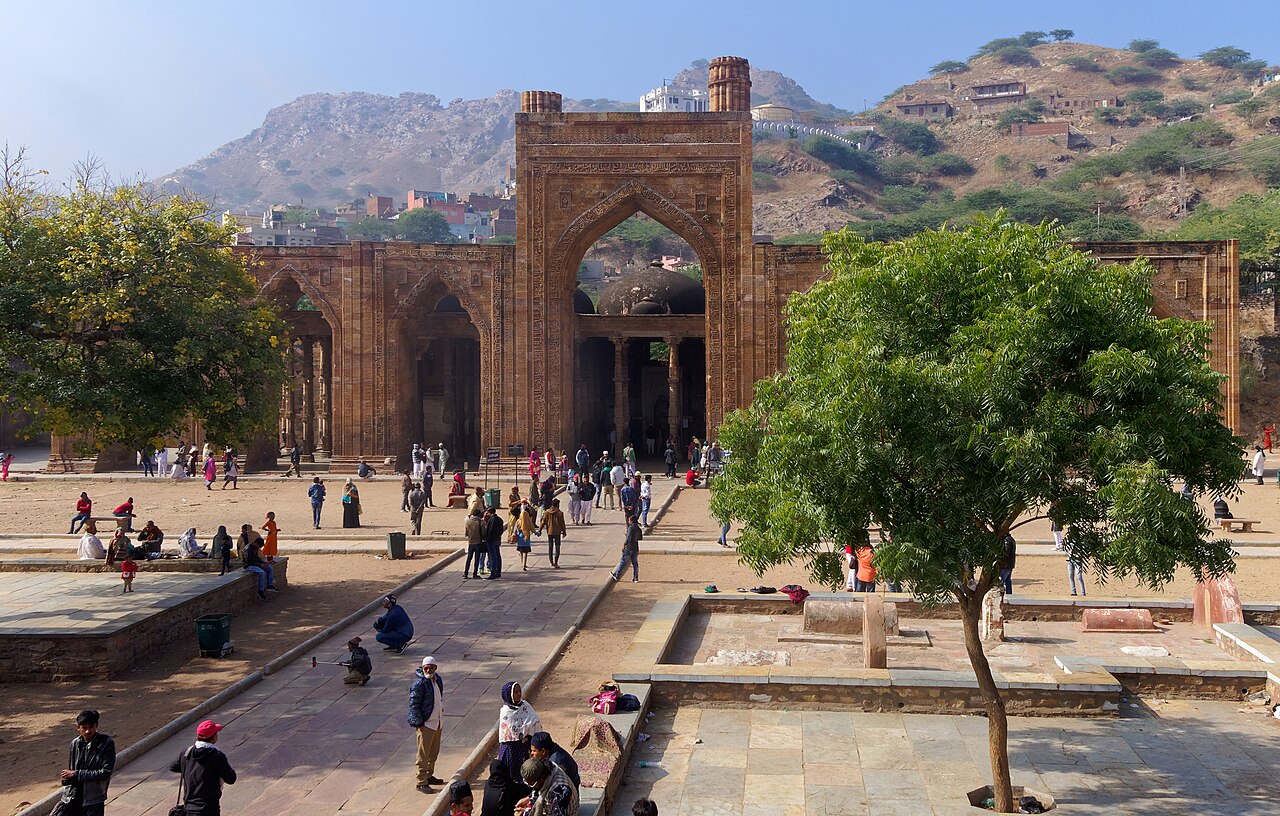 Islam
IslamAdhai Din Ka Jhonpra
Ajmer · India · mosque
The oldest surviving monument in Ajmer and among the earliest Indo-Islamic mosques in India, its 1199 CE prayer hall and Iltutmish's 1213 CE arched screen rise on 344 pillars carved by Hindu and Jain craftsmen from earlier Temples.
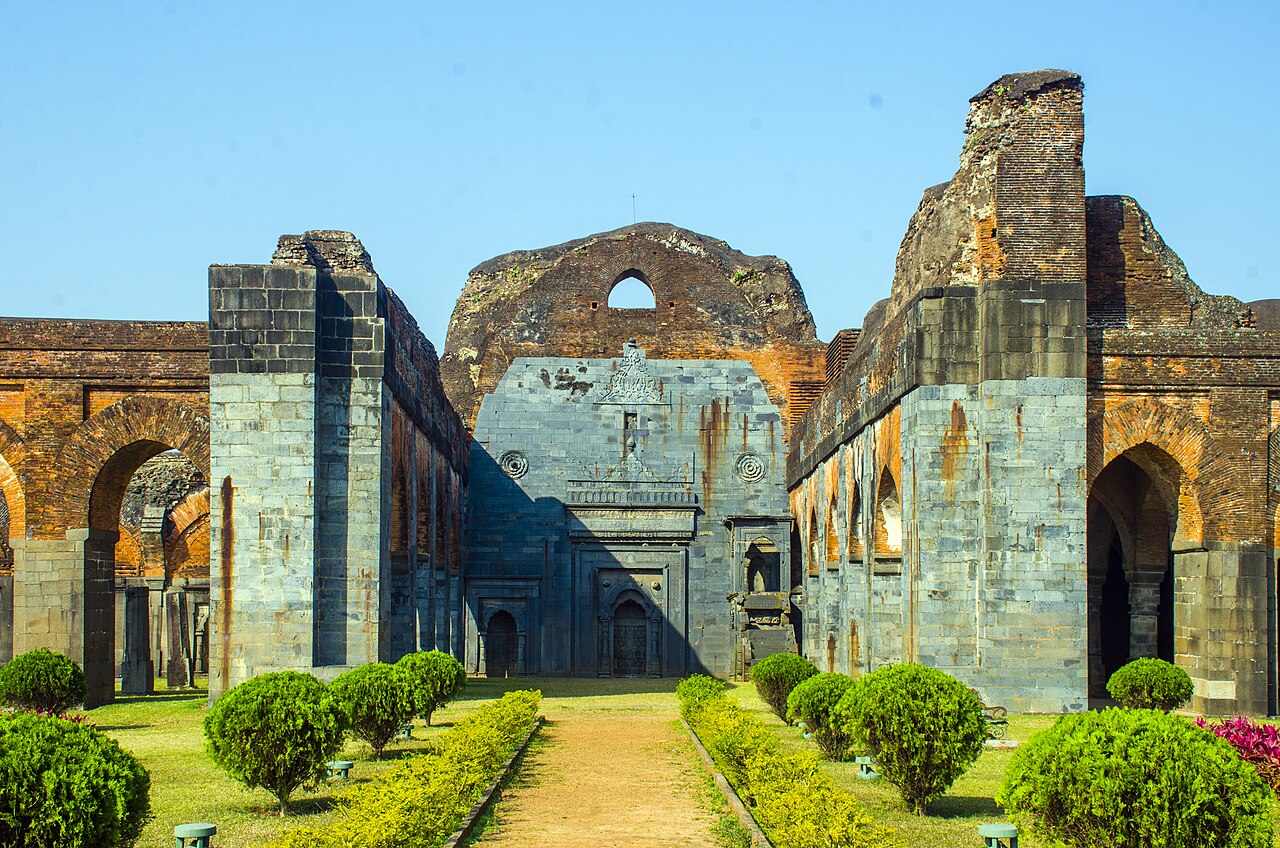 Islam
IslamAdina Mosque
Pandua · India · mosque
Once the largest mosque on the Indian subcontinent, the Adina Mosque at Pandua in West Bengal was raised by Sultan Sikandar Shah between 1373 and 1375 as the congregational mosque of the Bengal Sultanate, and holds his tomb within its western wall.
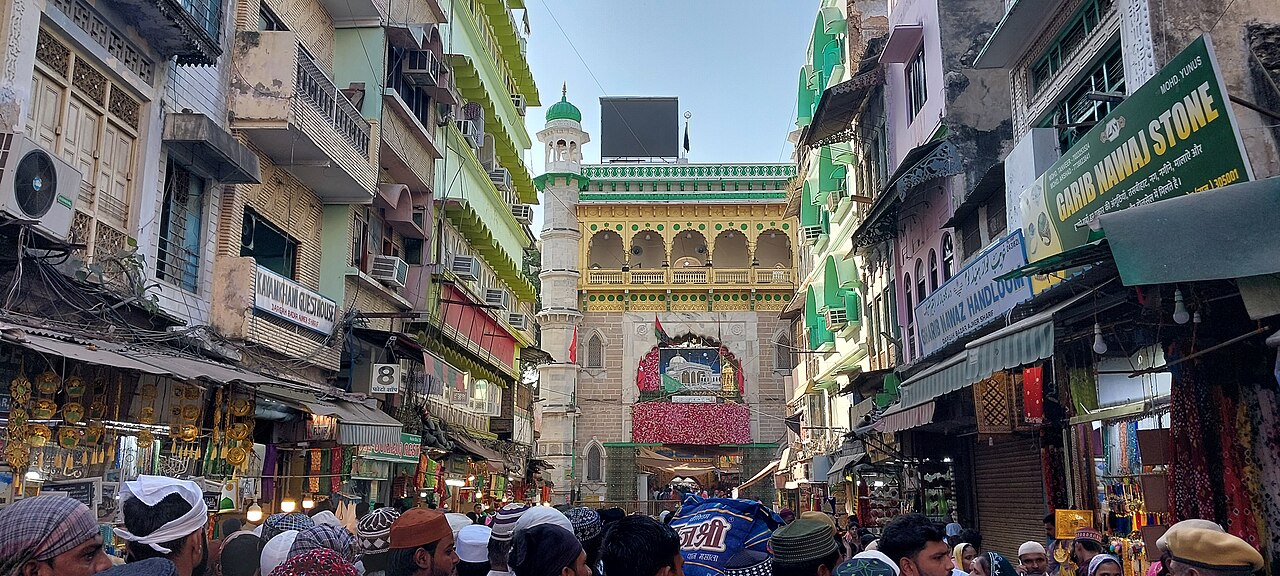 Islam
IslamAjmer Sharif Dargah
Ajmer · India · dargah
The tomb of Hazrat Khwaja Moinuddin Chishti, Gharib Nawaz, the benefactor of the poor, and the principal Sufi dargah of South Asia, where pilgrims of every community have offered chadars and shared the sweet rice of the great deghs for eight centuries.
Akbarabadi Mosque
Delhi · India · mosque
A mosque raised in 1650 by Akbarabadi Begum, a wife of the Mughal emperor Shah Jahan, in the walled city of Shahjahanabad, demolished by British forces in the aftermath of the 1857 Uprising and today marked only by disputed, unexcavated remains beneath Netaji Subhash Park in Old Delhi.
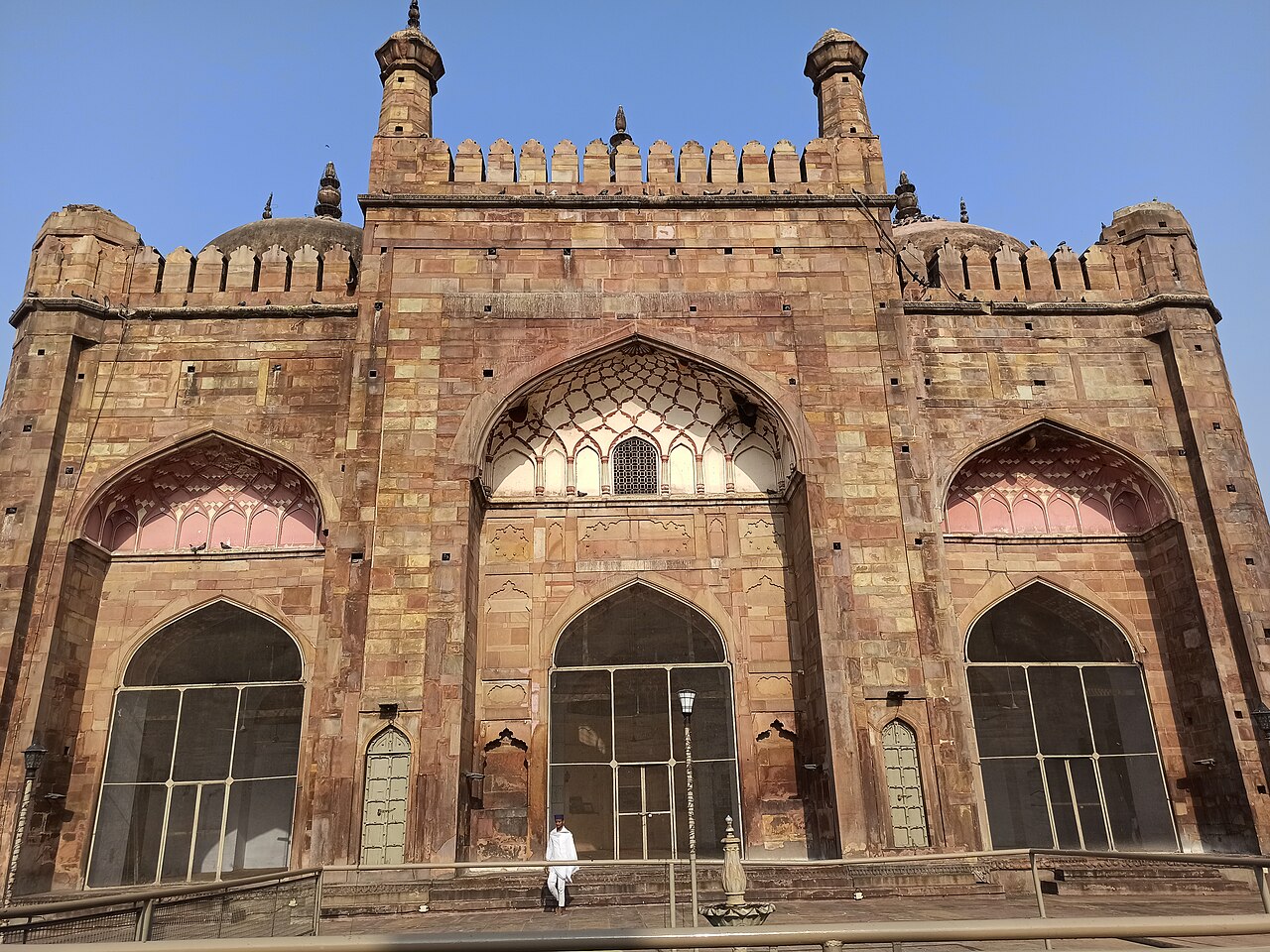 Islam
IslamAlamgir Mosque
Varanasi · India · mosque
Raised in 1669 by the Mughal emperor Aurangzeb on the high bank above Panchganga Ghat in Varanasi, the Alamgir Mosque stands where wide stone steps meet the Ganges, its domes and surviving corner turret rising over a site earlier accounts describe as the Hindu Temple of Bindu Madhava.
 Islam
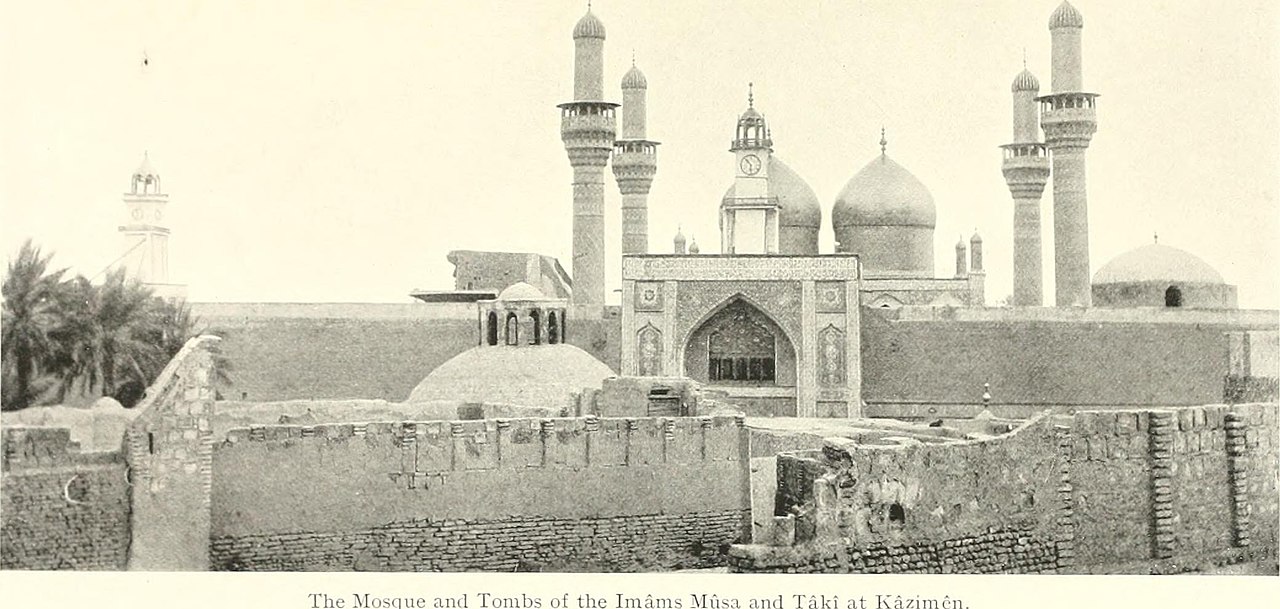
IslamAl-Kadhimiya Mosque
Baghdad · Iraq · mosque
The Twelver Shia shrine in Baghdad's Kadhimiya district holding the tombs of the 7th Imam, Musa al-Kadhim, and the 9th Imam, Muhammad al-Jawad, beneath twin gold domes.