Akbarabadi Mosque
Akbarabadi Masjid
About
Standing within the storied quarters of Shahjahanabad, the Mughal-era walled city of Delhi, the Akbarabadi Mosque was among the several houses of worship raised by royal women of the Mughal court. Commissioned by Akbarabadi Begum, a consort of Emperor Shah Jahan, it joined a distinguished circle of female-patronised mosques that included the Fatehpuri Masjid and Zeenat-ul Masjid, each a testament to the profound piety and civic generosity of Mughal noblewomen.
The mosque's memory carries particular scholarly weight: the renowned Islamic scholar Shah Abdul Qadir Dehlavi, a son of Shah Waliullah Dehlavi, is said to have composed at this very site the first-ever rendering of the Quran from Arabic into vernacular Urdu, a contribution of immeasurable consequence for Muslim devotional life across the subcontinent.
Though the structure itself no longer stands, its spiritual and cultural legacy endures. The rubble salvaged after its demolition was acquired by Sir Syed Ahmed Khan, who channelled it into the construction of the Sir Syed Mosque and what would become Aligarh Muslim University, a fitting afterlife for stones once consecrated to prayer. The site, believed to lie beneath what is now Netaji Subhash Park in Old Delhi, continues to draw the faithful and the curious alike.
History
Akbarabadi Begum completed the mosque in 1650 after two years of construction, joining a line of mosques endowed by royal Mughal women of Shahjahanabad alongside the Fatehpuri Masjid and the Zeenat-ul Masjid. It stood for roughly two centuries until British forces destroyed it after recapturing Delhi at the close of the 1857 Uprising, when buildings believed to have sheltered rebel sepoys were demolished across the old city. Its salvaged rubble was later bought by Sir Syed Ahmad Khan and used in building the Sir Syed Mosque at what became Aligarh Muslim University. In July 2012, Delhi Metro excavations at Netaji Subhash Park uncovered Mughal-era masonry and pottery that the Archaeological Survey of India dated to the period but could not conclusively identify as the mosque, and as of the most recent reporting found for this entry the remains still sit unexcavated beneath a police-guarded tent.
Significance
The mosque is remembered as one of several sacred buildings endowed by Mughal noblewomen, and tradition holds that the scholar Shah Abdul Qadir Dehlavi composed the first Urdu translation of the Quran at this site, a landmark in the religious life of the subcontinent's Urdu-speaking Muslims. No structure stands here today. The 2012 discovery reawakened local memory among Old Delhi's Muslim residents, some of whom began offering namaz at the unexcavated site, and the unresolved question of what lies beneath Netaji Subhash Park keeps the mosque's story open rather than settled.
Architecture
Mughal Shahjahanabad-era mosque architecture (no structure survives; original form known only from textual description, not from any surviving drawing or photograph confirmed to depict it)
Visiting
Hours
Hours not listed.
Contact
No contact details listed yet.
Address
Engage with Akbarabadi Mosque
Through the four pathways
Seva सेवा — Service
Offer your time and skills here. The following opportunities are open at Akbarabadi Mosque:
No Seva offerings listed yet.
Sādhana साधना — Practice
Learn the worship and practice associated with Akbarabadi Mosque:
No Sādhana offerings listed yet.
Sandhāna सन्धान — Wisdom
Unite with the wisdom of this tradition:
No Sandhāna offerings listed yet.
Sādhya साध्य — Giving
Support this sacred place according to your means:
No Sādhya offerings listed yet.
All giving flows directly to Akbarabadi Mosque. Adisthan does not take a commission.
Related sacred places
 Islam
IslamAbu'l-Fida Mosque
Hama · Syria · mosque
A fourteenth-century Ayyubid mausoleum and Mamluk-era congregational mosque on the banks of the Orontes in Hama, Syria, known locally as the Mosque of the Serpents for the carved pillars at its windows.
 Islam
IslamAdhai Din Ka Jhonpra
Ajmer · India · mosque
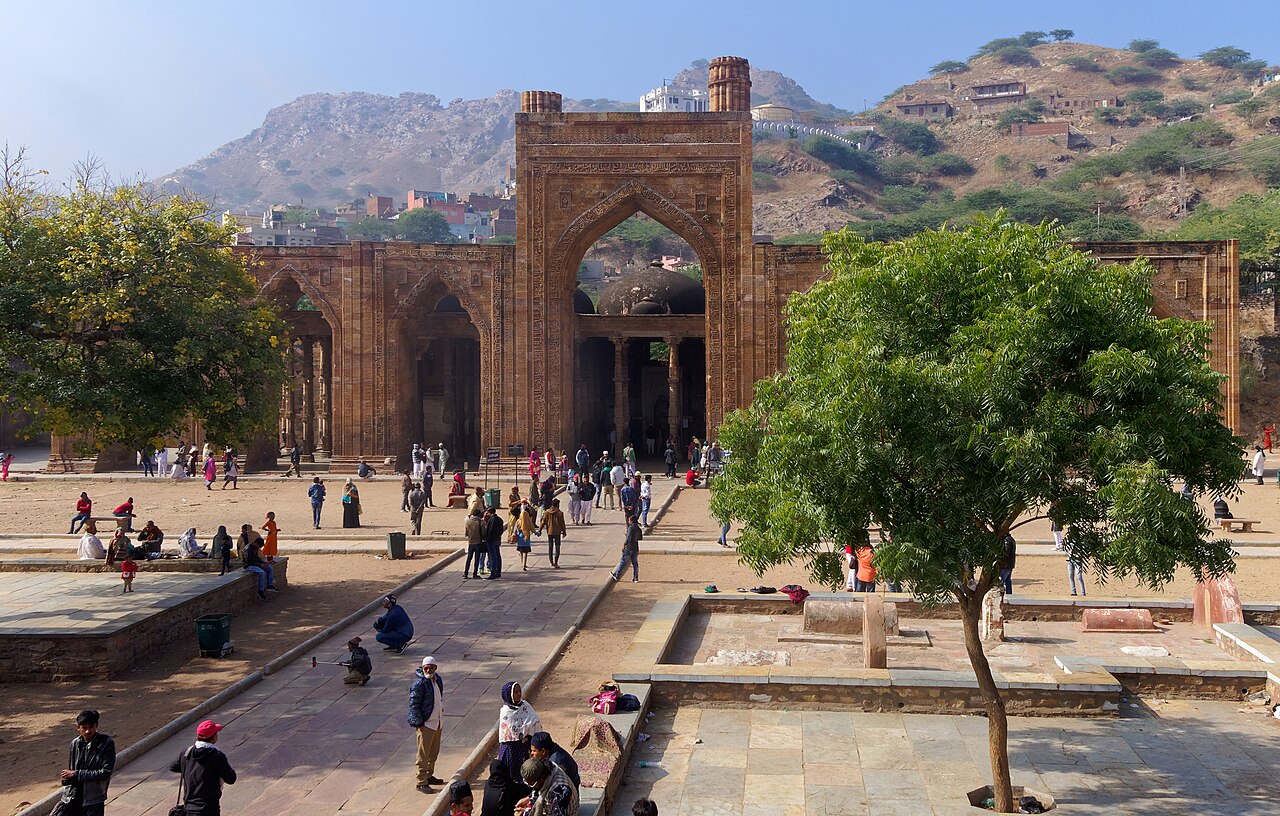
The oldest surviving monument in Ajmer and among the earliest Indo-Islamic mosques in India, its 1199 CE prayer hall and Iltutmish's 1213 CE arched screen rise on 344 pillars carved by Hindu and Jain craftsmen from earlier Temples.
 Islam
IslamAdina Mosque
Pandua · India · mosque
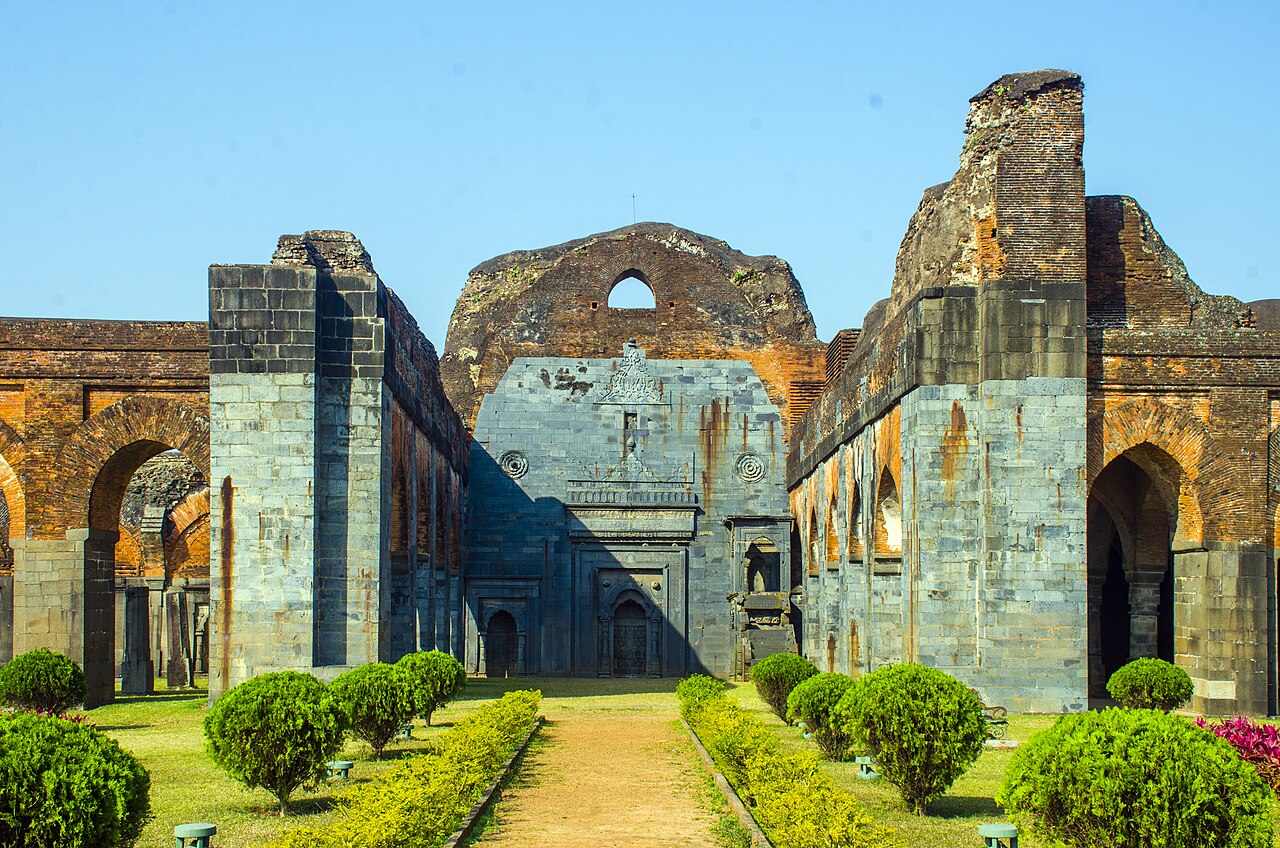
Once the largest mosque on the Indian subcontinent, the Adina Mosque at Pandua in West Bengal was raised by Sultan Sikandar Shah between 1373 and 1375 as the congregational mosque of the Bengal Sultanate, and holds his tomb within its western wall.
 Islam
IslamAjmer Sharif Dargah
Ajmer · India · dargah
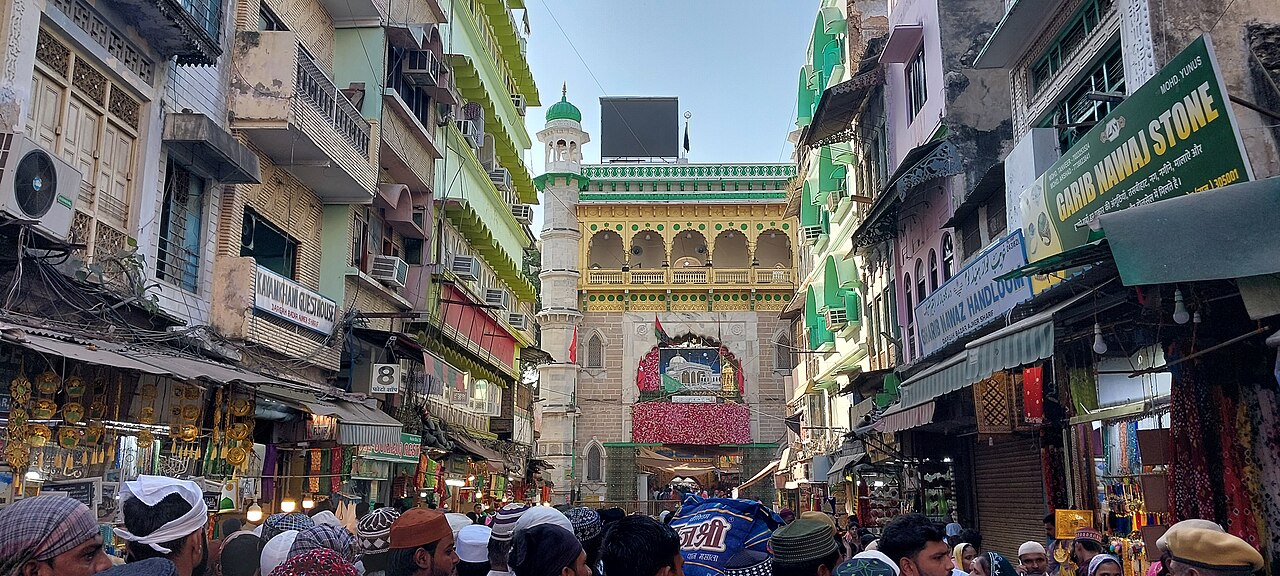
The tomb of Hazrat Khwaja Moinuddin Chishti, Gharib Nawaz, the benefactor of the poor, and the principal Sufi dargah of South Asia, where pilgrims of every community have offered chadars and shared the sweet rice of the great deghs for eight centuries.
 Islam
IslamAlamgir Mosque
Varanasi · India · mosque
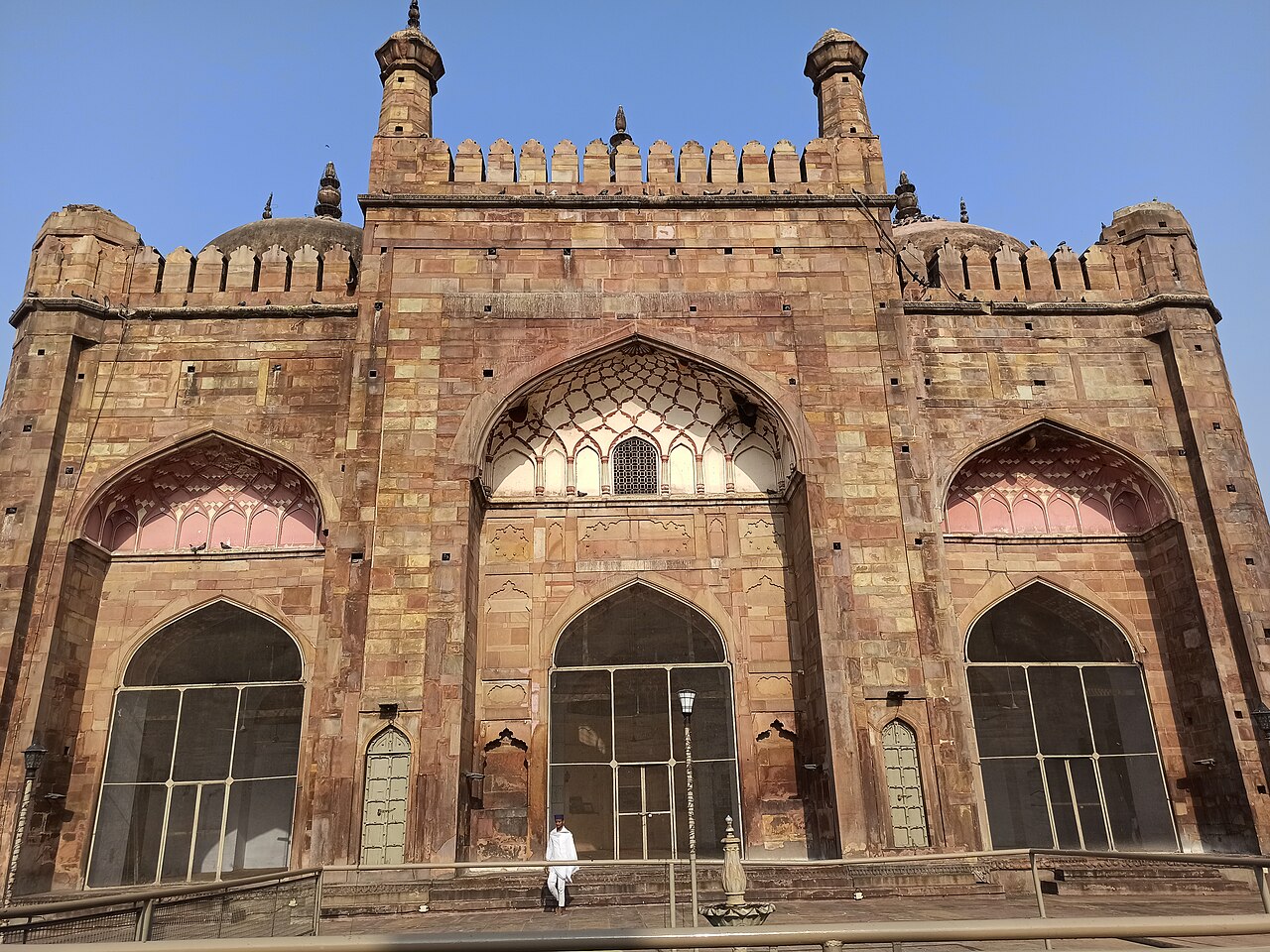
Raised in 1669 by the Mughal emperor Aurangzeb on the high bank above Panchganga Ghat in Varanasi, the Alamgir Mosque stands where wide stone steps meet the Ganges, its domes and surviving corner turret rising over a site earlier accounts describe as the Hindu Temple of Bindu Madhava.
 Islam
IslamAl-Kadhimiya Mosque
Baghdad · Iraq · mosque
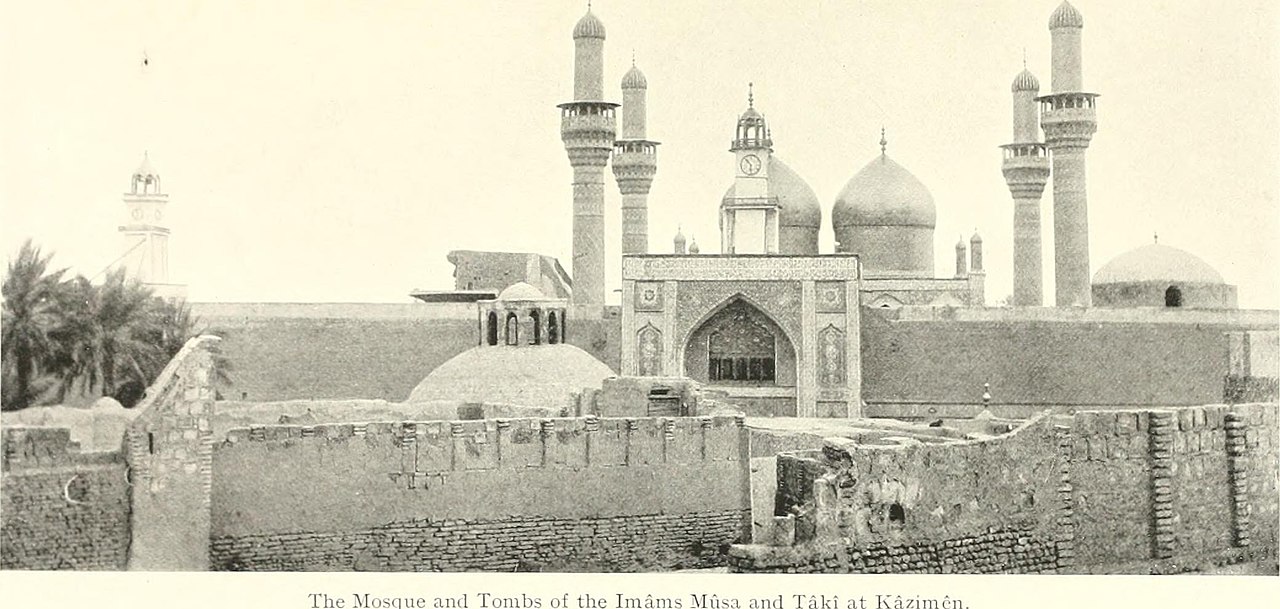
The Twelver Shia shrine in Baghdad's Kadhimiya district holding the tombs of the 7th Imam, Musa al-Kadhim, and the 9th Imam, Muhammad al-Jawad, beneath twin gold domes.