Adhai Din Ka Jhonpra
Arhai Din ka Jhompra · Dhai Din ki Masjid · Sanskrit college (pre-Islamic structure on this site)
About
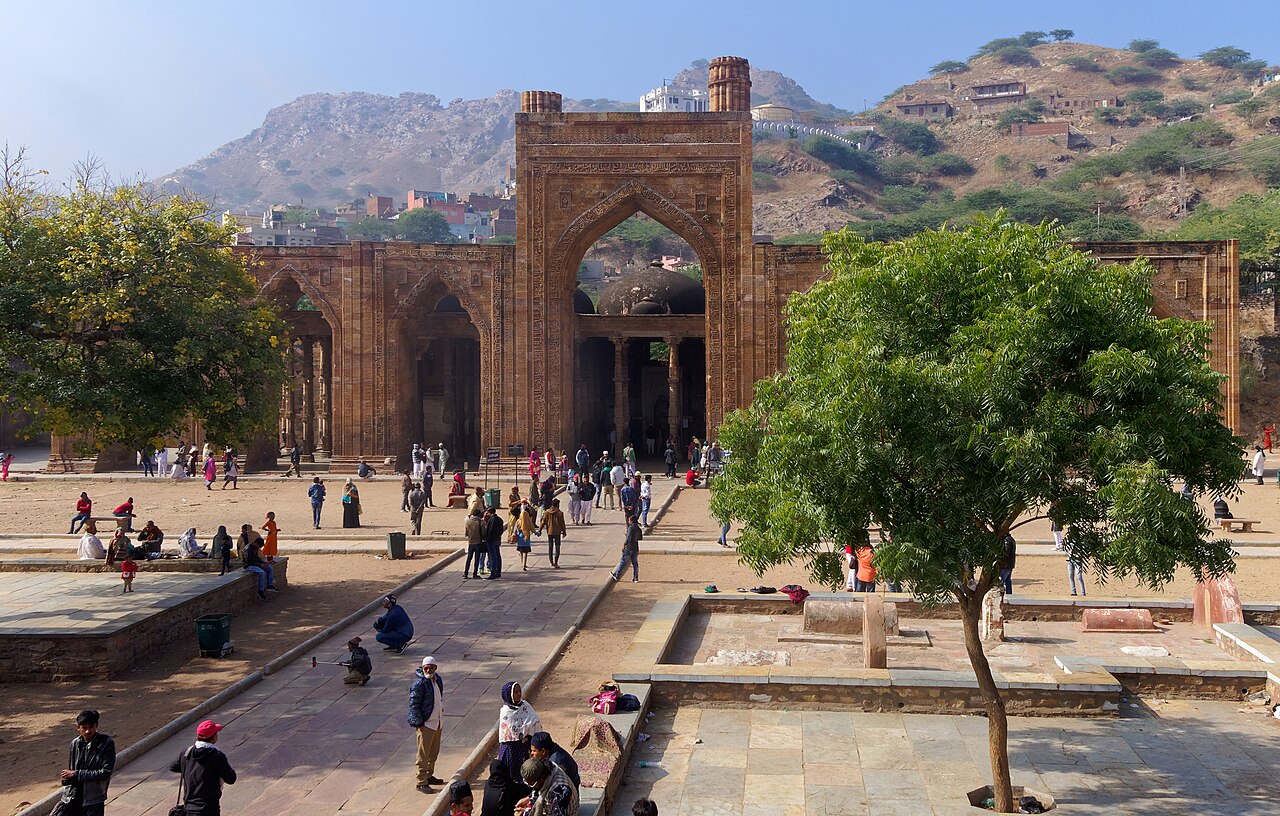
Rising on the edge of Ajmer's old quarter, Adhai Din Ka Jhonpra, whose name is commonly rendered as "shed of two-and-a-half days", carries an age and complexity that no single tradition can fully claim. Commissioned by Qutb-ud-Din-Aibak in the final years of the twelfth century and completed in 1199 CE, it was designed by Abu Bakr of Herat and raised almost entirely by Hindu craftsmen under Afghan oversight. The result is a structure that holds both worlds simultaneously: the soaring ambition of early Islamic sacred architecture fused with the ornate sensibility of northern Indian Temple craft.
The exterior forms a near-perfect square, each side stretching roughly 79 metres, with entrances on the south and east. Within, the courtyard opens onto a prayer sanctuary supported by 124 pillars on the western side alone, and 344 pillars across the whole enclosure, of which only 70 remain upright today. These tall, slender columns, drawn from earlier Hindu and Jain structures, bear carvings of extraordinary refinement: four-armed divine figures, floral arabesques, and geometric patterns that shift register as the eye moves from pillar to pillar.
The facade most celebrated by visitors is a great screen of yellow limestone erected during the reign of Iltutmish in 1213 CE, a wall of corbelled arches, the tallest rising to nearly 18 metres, flanked by two slender fluted minarets now partly ruined. Kufic and Tughra script winds through the archways alongside Qur'anic quotations, while the surrounding stonework mingles Persian filigree with carving traditions recognisable from tenth-century Rajasthani Temples. Since 1947 the site has been under the stewardship of the Archaeological Survey of India and receives visitors of every faith, drawn to what Alexander Cunningham once called the Great Mosque of Ajmer.
History
Commissioned by Qutb-ud-Din-Aibak after Muhammad of Ghor's 1192 CE victory at the Second Battle of Tarain, the mosque was completed in 1199 CE on the site of an earlier Sanskrit college linked to the Chahamana king Vigraharaja IV, using pillars drawn from an estimated twenty to thirty demolished Hindu and Jain Temples. Iltutmish added the great arched limestone screen, the first of its kind in India, in 1213 CE. The mosque served its congregation until 1947, after which the Archaeological Survey of India took over its care.
Significance
The name, 'shed of two-and-a-half days', comes not from its construction but from a two-and-a-half-day fair once held here in honour of wandering fakirs during the Maratha era. Inscribed tablets recovered from the site preserve fragments of Sanskrit court plays, making the mosque an irreplaceable record of Chahamana literary culture as well as an early landmark of Indo-Islamic architecture, now visited by people of every tradition.
Architecture
Early Indo-Islamic architecture built almost entirely by Hindu masons on repurposed Hindu and Jain Temple fabric
Visiting
Hours
Hours not listed.
Contact
No contact details listed yet.
Engage with Adhai Din Ka Jhonpra
Through the four pathways
Seva सेवा — Service
Offer your time and skills here. The following opportunities are open at Adhai Din Ka Jhonpra:
No Seva offerings listed yet.
Sādhana साधना — Practice
Learn the worship and practice associated with Adhai Din Ka Jhonpra:
No Sādhana offerings listed yet.
Sandhāna सन्धान — Wisdom
Unite with the wisdom of this tradition:
No Sandhāna offerings listed yet.
Sādhya साध्य — Giving
Support this sacred place according to your means:
No Sādhya offerings listed yet.
All giving flows directly to Adhai Din Ka Jhonpra. Adisthan does not take a commission.
Gallery
Related sacred places
 Islam
IslamAbu'l-Fida Mosque
Hama · Syria · mosque
A fourteenth-century Ayyubid mausoleum and Mamluk-era congregational mosque on the banks of the Orontes in Hama, Syria, known locally as the Mosque of the Serpents for the carved pillars at its windows.
 Islam
IslamAdina Mosque
Pandua · India · mosque
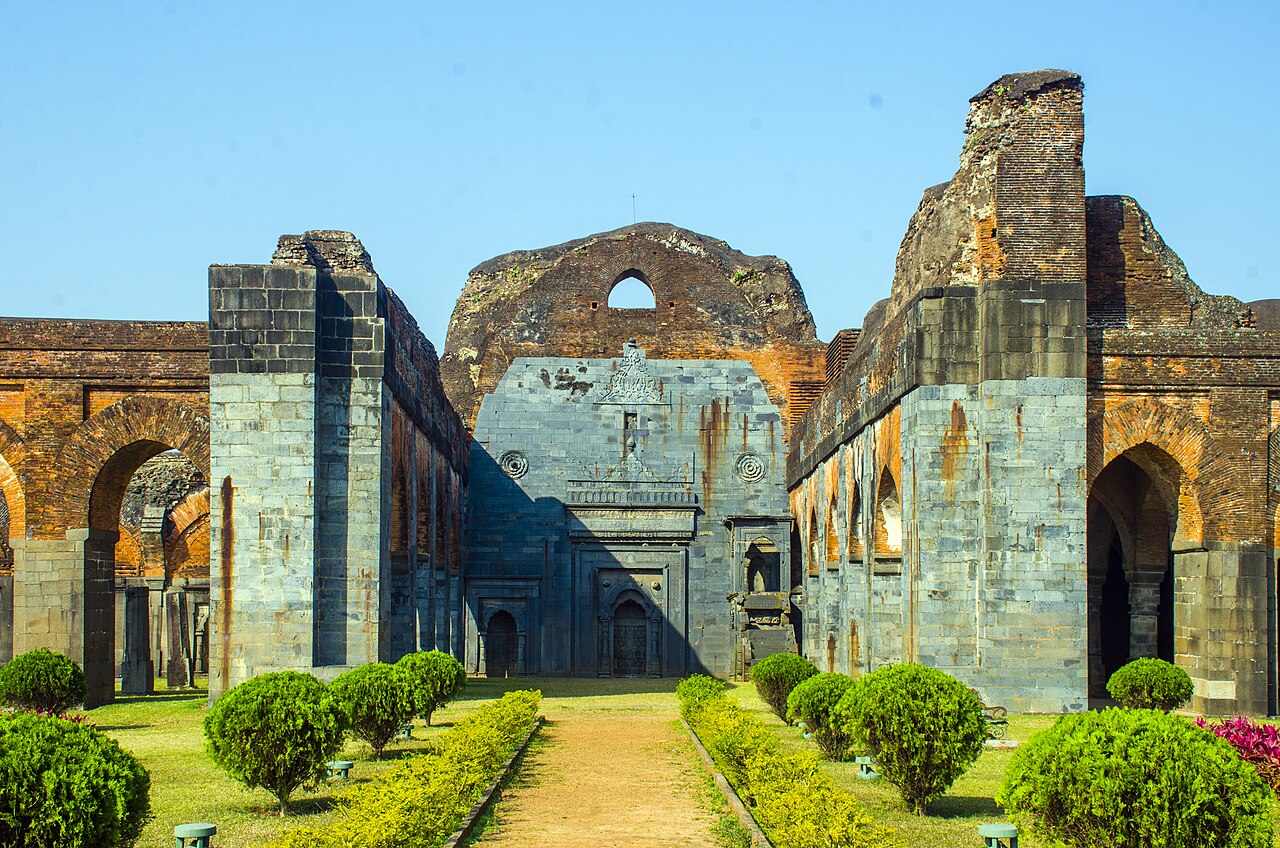
Once the largest mosque on the Indian subcontinent, the Adina Mosque at Pandua in West Bengal was raised by Sultan Sikandar Shah between 1373 and 1375 as the congregational mosque of the Bengal Sultanate, and holds his tomb within its western wall.
 Islam
IslamAjmer Sharif Dargah
Ajmer · India · dargah
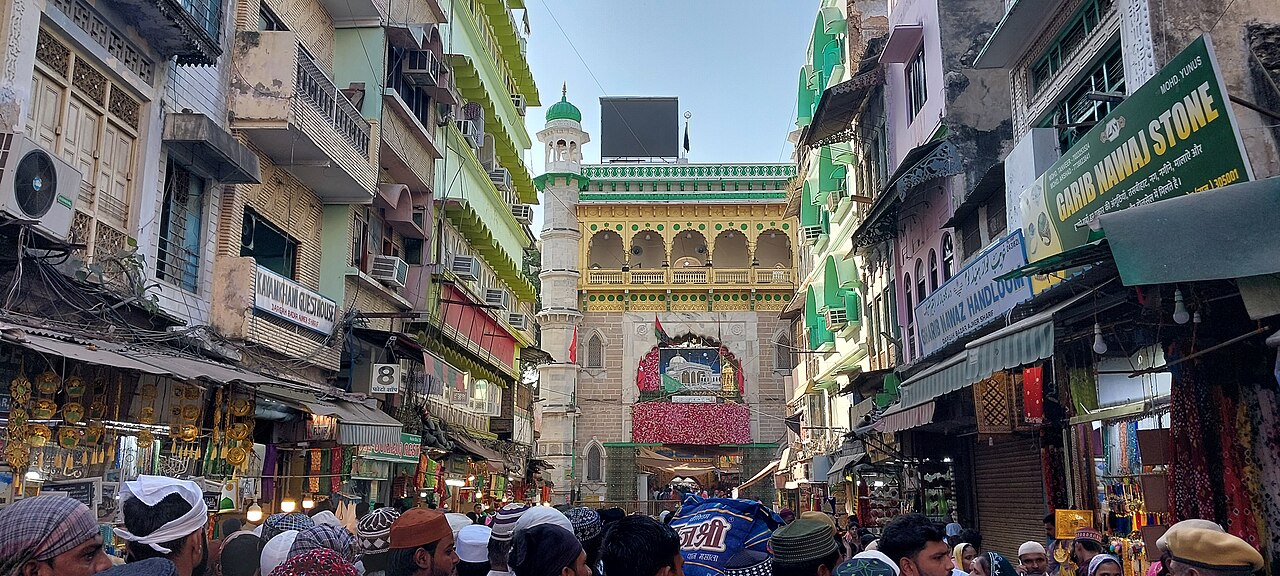
The tomb of Hazrat Khwaja Moinuddin Chishti, Gharib Nawaz, the benefactor of the poor, and the principal Sufi dargah of South Asia, where pilgrims of every community have offered chadars and shared the sweet rice of the great deghs for eight centuries.
Akbarabadi Mosque
Delhi · India · mosque
A mosque raised in 1650 by Akbarabadi Begum, a wife of the Mughal emperor Shah Jahan, in the walled city of Shahjahanabad, demolished by British forces in the aftermath of the 1857 Uprising and today marked only by disputed, unexcavated remains beneath Netaji Subhash Park in Old Delhi.
 Islam
IslamAlamgir Mosque
Varanasi · India · mosque
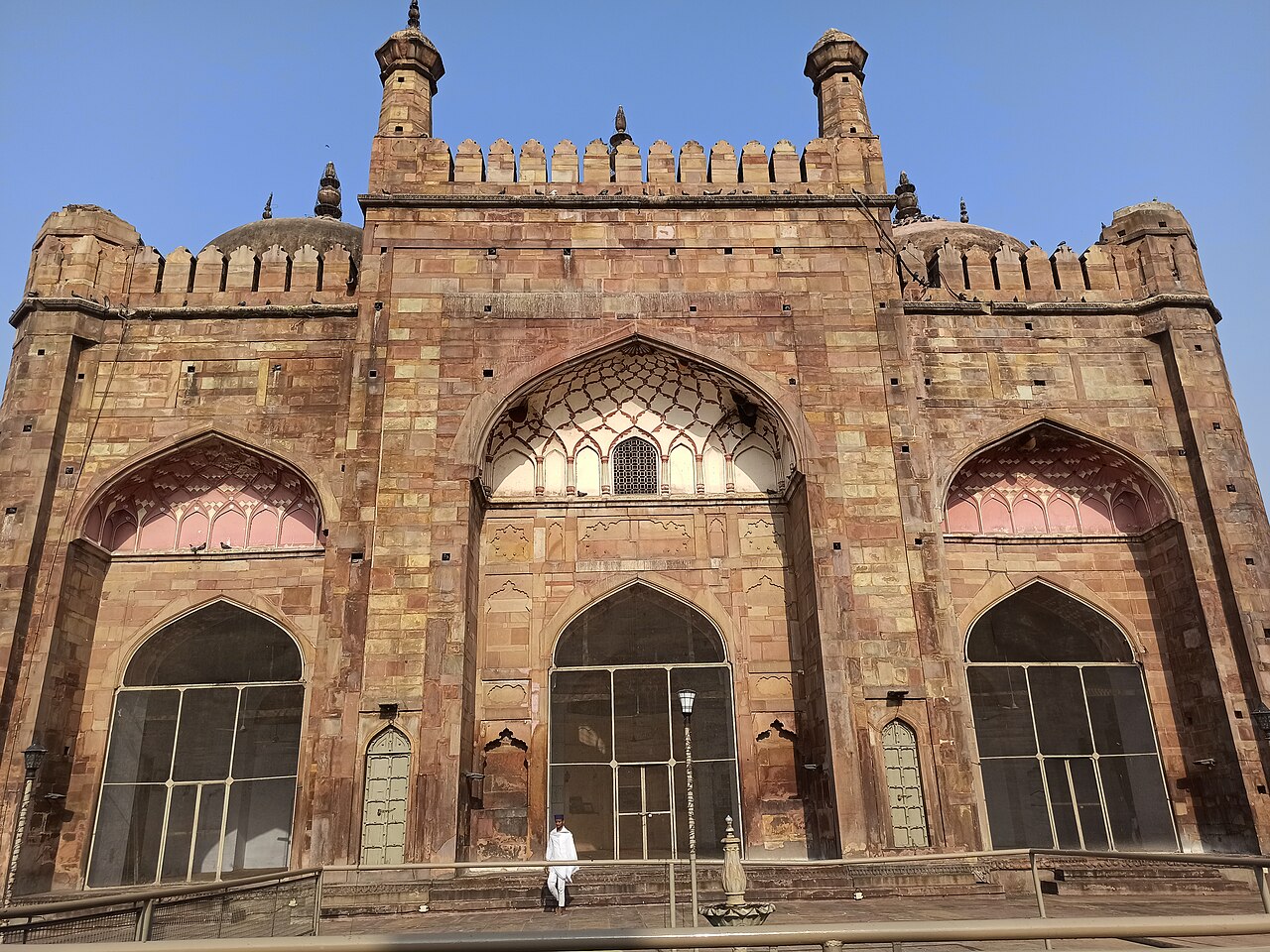
Raised in 1669 by the Mughal emperor Aurangzeb on the high bank above Panchganga Ghat in Varanasi, the Alamgir Mosque stands where wide stone steps meet the Ganges, its domes and surviving corner turret rising over a site earlier accounts describe as the Hindu Temple of Bindu Madhava.
 Islam
IslamAl-Kadhimiya Mosque
Baghdad · Iraq · mosque
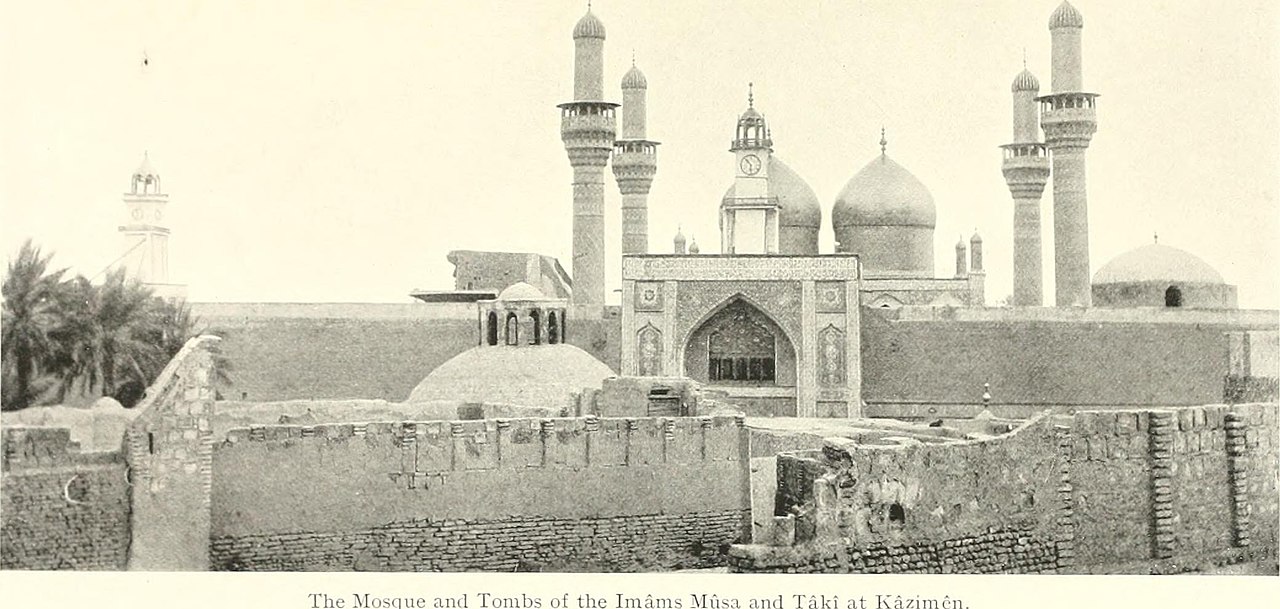
The Twelver Shia shrine in Baghdad's Kadhimiya district holding the tombs of the 7th Imam, Musa al-Kadhim, and the 9th Imam, Muhammad al-Jawad, beneath twin gold domes.
Page history · 1 recent change
- 17 Jul 2026 · visit checkin