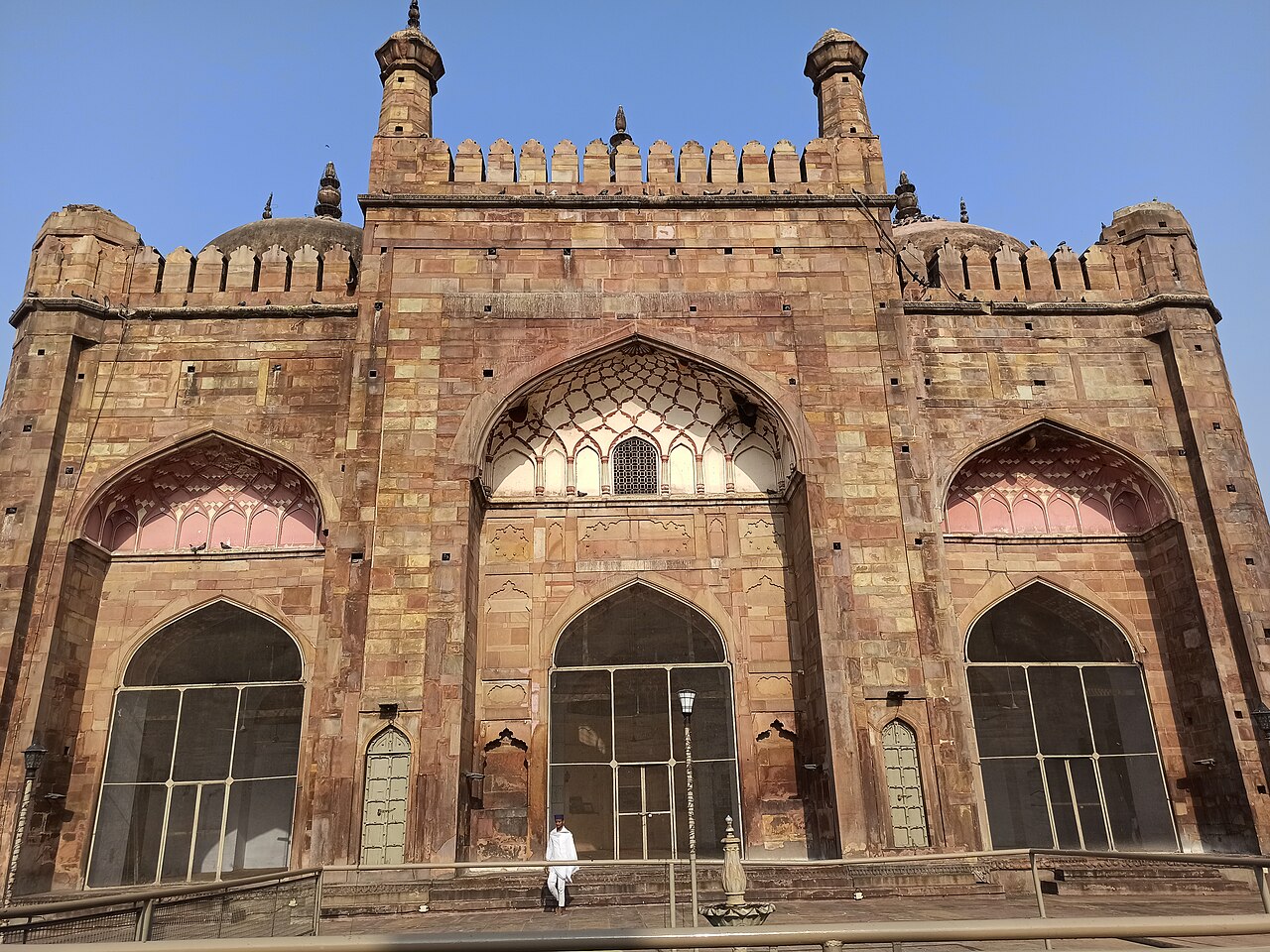
Alamgir Mosque
Aurangzeb's Mosque · Aurangzeb Mosque · Beni Madhav ka Darera · Alamgir Masjid
About
Rising from the embankment above Panchaganga Ghat in Varanasi, Uttar Pradesh, the Alamgir Mosque, also called the Aurangzeb Mosque, or in Hindi आलमगीर मस्जिद, occupies one of the most dramatically sited positions of any mosque in India. Wide stone steps descend from the ghat into the Ganges below, and the mosque crowns the high bank above them, visible from the river and from the ghats on either side.
Architecturally the building reflects a synthesis of Indo-Islamic and Hindu traditions, its rounded domes and remaining minaret drawing from Mughal conventions while elements of the earlier structures on this site linger in its proportions and stonework. Two of its minarets were lost over the centuries: one fell during floods in 1948, causing casualties, while authorities subsequently removed the second on grounds of structural danger. Scholar James Prinsep undertook restoration work on the minarets during the nineteenth century, leaving a record of European scholarly engagement with the monument.
The ghat below carries deep significance in its own right. Panchaganga is held to be the confluence of five sacred streams, and each October oil lamps are raised on bamboo staffs above the water as an offering to guide ancestral souls, a custom that lights the riverside and draws pilgrims long after the festival season has passed.
History
In 1669 the Mughal emperor Aurangzeb, ruling under the title "Alamgir", Conqueror of the World, which he had taken at his accession in 1658, ordered a mosque built on the embankment above Panchganga Ghat. Historical and local accounts describe the site as the former home of the Bindu Madhava Temple to Vishnu, rebuilt earlier in the seventeenth century by the Maratha chieftain Beni Madho Rao Scindia before its demolition made way for the mosque, a memory still carried in the mosque's other name, Beni Madhav ka Darera.
Two tall minarets once marked the building's skyline. The English scholar James Prinsep undertook repairs to them in the nineteenth century, but one collapsed during the floods of 1948, causing several deaths, and the other was subsequently pulled down by the authorities as a safety measure.
Significance
The mosque stands in constant view of the Hindu devotional life that surrounds it on every side: Panchganga Ghat is revered as the confluence of five sacred rivers, and each October pilgrims raise oil lamps on bamboo staffs along its steps in honour of departed ancestors, a custom of the ghat itself rather than of the mosque's own congregation. For Varanasi's Muslim community the mosque remains a place of prayer, and its layered history, with Temple foundations reported beneath its Mughal stonework, makes it one of the clearest sites in the city where different devotional currents share a single riverbank.
Architecture
Indo-Islamic Mughal mosque architecture set atop a riverside ghat embankment, with domes, a crenellated parapet, and a corner turret surviving from an originally twin-minareted composition
Visiting
Hours
Hours not listed.
Contact
No contact details listed yet.
Engage with Alamgir Mosque
Through the four pathways
Seva सेवा — Service
Offer your time and skills here. The following opportunities are open at Alamgir Mosque:
No Seva offerings listed yet.
Sādhana साधना — Practice
Learn the worship and practice associated with Alamgir Mosque:
No Sādhana offerings listed yet.
Sandhāna सन्धान — Wisdom
Unite with the wisdom of this tradition:
No Sandhāna offerings listed yet.
Sādhya साध्य — Giving
Support this sacred place according to your means:
No Sādhya offerings listed yet.
All giving flows directly to Alamgir Mosque. Adisthan does not take a commission.
Gallery
Related sacred places
 Islam
IslamAbu'l-Fida Mosque
Hama · Syria · mosque
A fourteenth-century Ayyubid mausoleum and Mamluk-era congregational mosque on the banks of the Orontes in Hama, Syria, known locally as the Mosque of the Serpents for the carved pillars at its windows.
 Islam
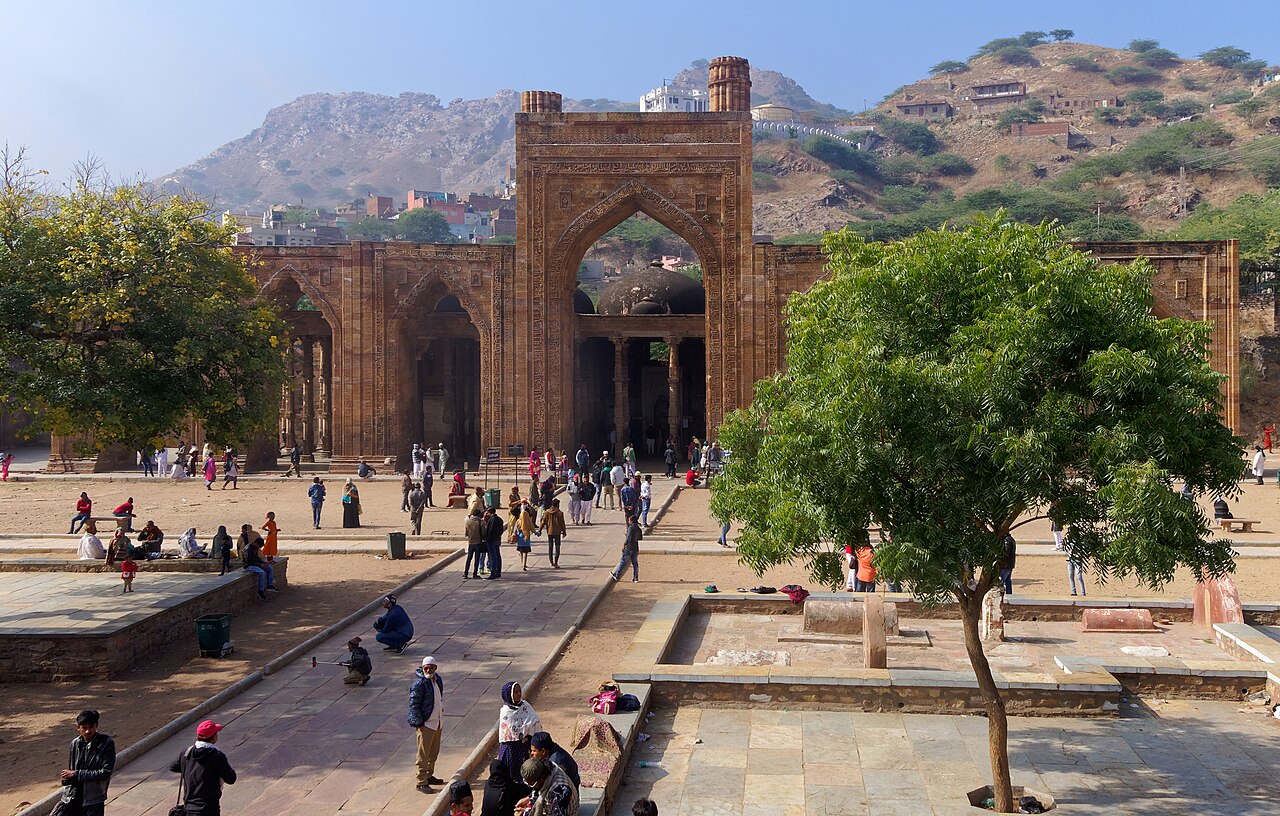
IslamAdhai Din Ka Jhonpra
Ajmer · India · mosque
The oldest surviving monument in Ajmer and among the earliest Indo-Islamic mosques in India, its 1199 CE prayer hall and Iltutmish's 1213 CE arched screen rise on 344 pillars carved by Hindu and Jain craftsmen from earlier Temples.
 Islam
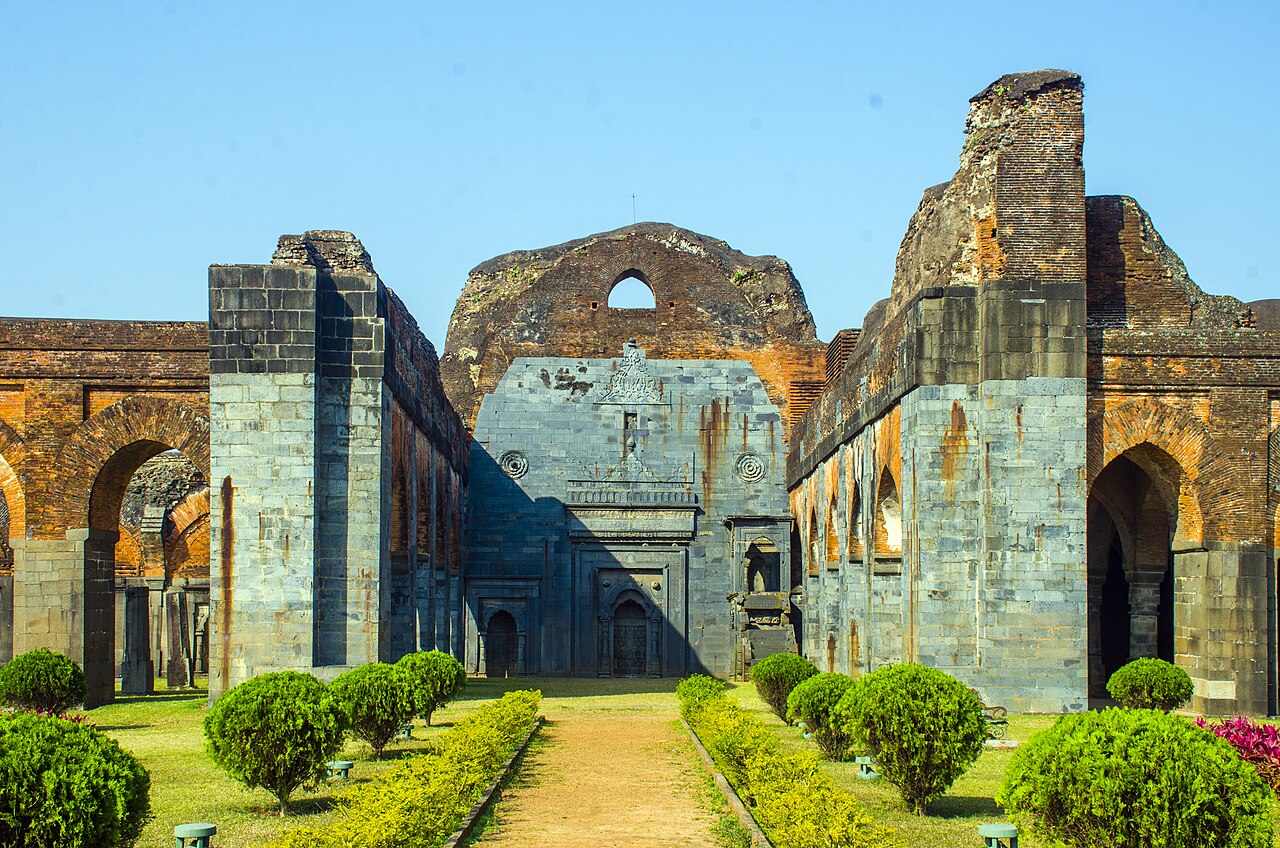
IslamAdina Mosque
Pandua · India · mosque
Once the largest mosque on the Indian subcontinent, the Adina Mosque at Pandua in West Bengal was raised by Sultan Sikandar Shah between 1373 and 1375 as the congregational mosque of the Bengal Sultanate, and holds his tomb within its western wall.
 Islam
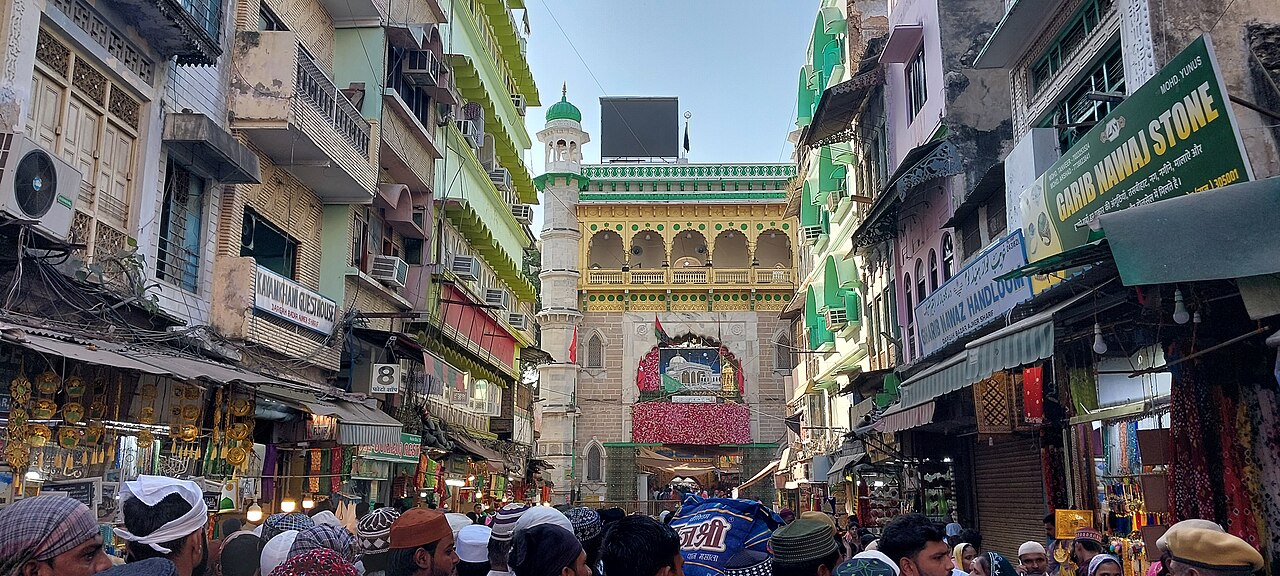
IslamAjmer Sharif Dargah
Ajmer · India · dargah
The tomb of Hazrat Khwaja Moinuddin Chishti, Gharib Nawaz, the benefactor of the poor, and the principal Sufi dargah of South Asia, where pilgrims of every community have offered chadars and shared the sweet rice of the great deghs for eight centuries.
Akbarabadi Mosque
Delhi · India · mosque
A mosque raised in 1650 by Akbarabadi Begum, a wife of the Mughal emperor Shah Jahan, in the walled city of Shahjahanabad, demolished by British forces in the aftermath of the 1857 Uprising and today marked only by disputed, unexcavated remains beneath Netaji Subhash Park in Old Delhi.
 Islam
IslamAl-Kadhimiya Mosque
Baghdad · Iraq · mosque
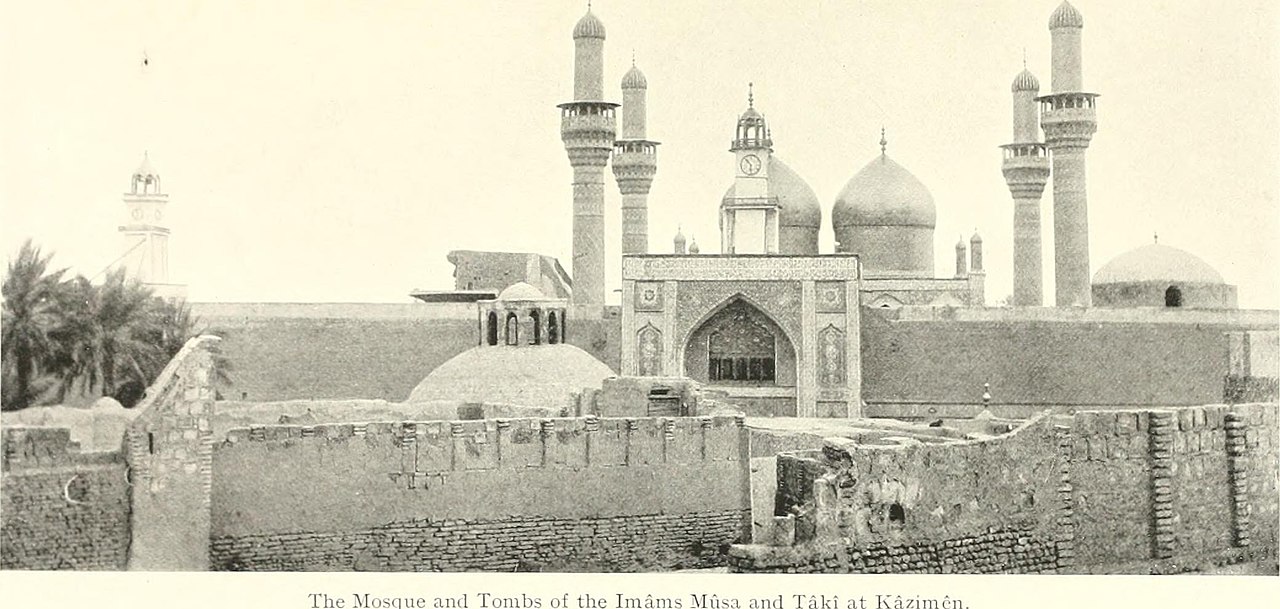
The Twelver Shia shrine in Baghdad's Kadhimiya district holding the tombs of the 7th Imam, Musa al-Kadhim, and the 9th Imam, Muhammad al-Jawad, beneath twin gold domes.