Adinatha Temple
Adinatha Mandir · Adinath Temple, Khajuraho
About
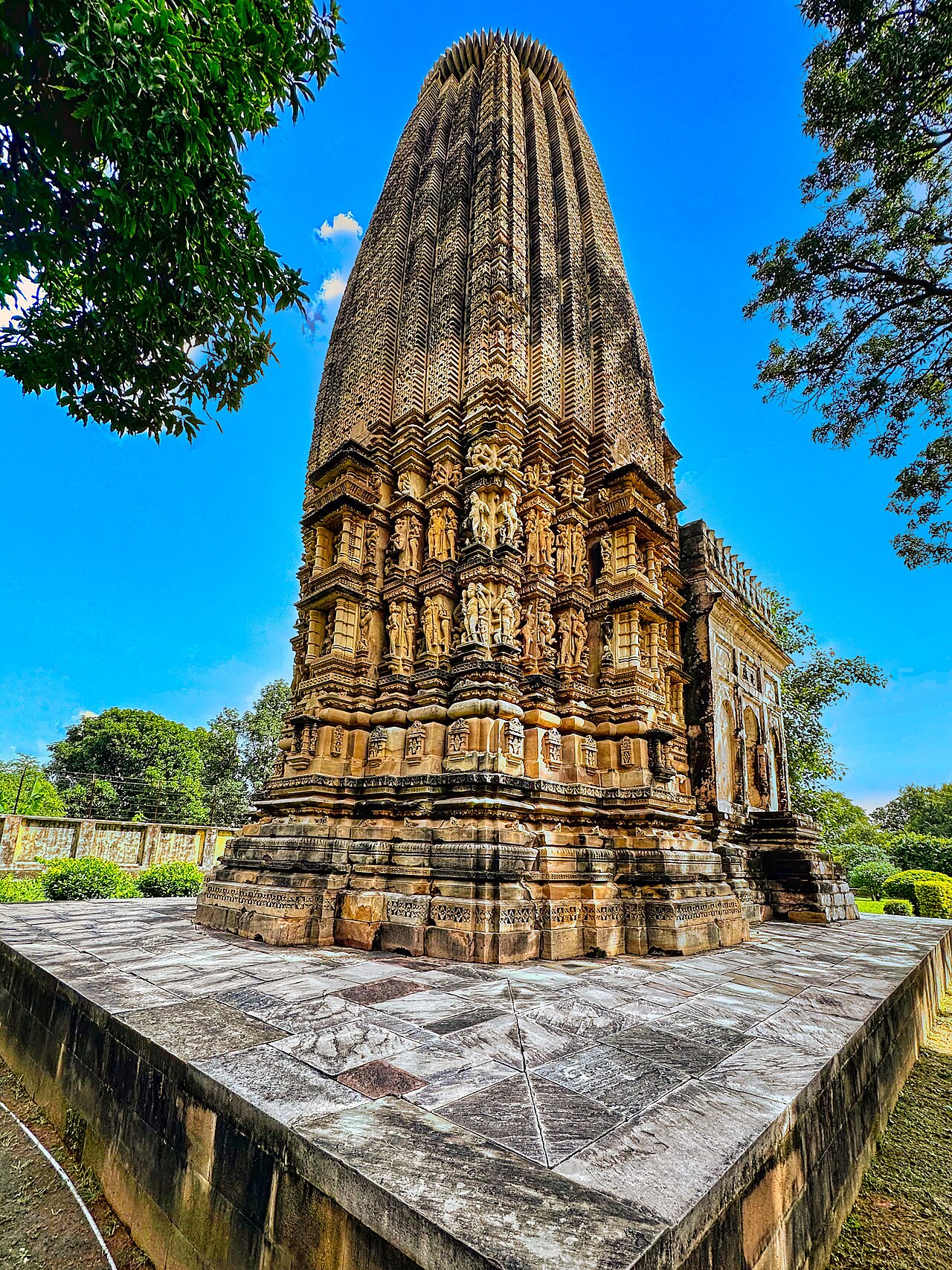
Rising within the celebrated Khajuraho complex in Madhya Pradesh, the Ādinātha Mandir now stands as a Digambara Jain place of worship, yet its stone walls carry the memory of an earlier identity. The outer surface is carved into three horizontal registers filled with graceful surasundarīs, soaring vidyādhara couples, mythical vyāla beasts, and a dancer accompanied by musicians, imagery that reflects the Temple's original Hindu context and has never been erased.
Despite this shared visual heritage, the interior shrine is unmistakably Jain. At the heart of the sanctum stands a dark schist image of Lord Ādinātha, the first of the twenty-four tīrthaṅkaras, shown seated in padmāsana on a cushioned lotus throne. A dharmachakra with a small bull figure accompanies the image, flanked by a pot-bellied yaksha holding a cup and a moneybag, and by the four-armed yakṣiṇī Chakreshvarī mounted on a Garuḍa.
Only two principal portions of the original structure remain intact: the vestibule and the inner sanctum. The vestibule roof stands out for its refined and graceful design, while the sanctum's curvilinear śikhara, considered more harmoniously proportioned than that of the neighbouring Vāmana Temple, speaks to the skill of the craftspeople who raised it in the late eleventh century. Niches along the exterior walls enshrine the Jain yakṣiṇīs Ambikā, Chakreshvarī, and Padmāvatī, quietly marking the building's transformation into a Jain sacred space.
History
Built in the late eleventh century CE, shortly after the neighbouring Vamana Temple, the shrine's architecture and sculpture indicate it was raised as a Hindu Temple before the Digambara Jain community took it into their care during the thirteenth century. A dedication inscription within the garbhagriha, dated Samvat 1215 (1158 CE), names the donor Kumarnandi and sculptor Ramaveva, and traces Kumarnandi's teachers back through the Mula Sangha monastic order. The Archaeological Survey of India lists the Temple as a Monument of National Importance within the UNESCO-inscribed Khajuraho Group of Monuments.
Significance
The Temple's outer walls still carry three bands of Hindu-era sculpture, graceful surasundaris, flying vidyadhara couples, and mythical vyalas, left untouched even after the sanctum within was consecrated to Lord Adinatha. Niches on the exterior hold the Jain yakshinis Ambika, Chakreshvari, and Padmavati, making the Temple a living record of how Hindu and Jain devotional life intertwined at Khajuraho.
Architecture
Central Indian Nagara Temple architecture of the Chandela era, curvilinear sandstone shikhara
Visiting
Hours
Hours not listed.
Contact
No contact details listed yet.
Engage with Adinatha Temple
Through the four pathways
Seva सेवा — Service
Offer your time and skills here. The following opportunities are open at Adinatha Temple:
No Seva offerings listed yet.
Sādhana साधना — Practice
Learn the worship and practice associated with Adinatha Temple:
No Sādhana offerings listed yet.
Sandhāna सन्धान — Wisdom
Unite with the wisdom of this tradition:
No Sandhāna offerings listed yet.
Sādhya साध्य — Giving
Support this sacred place according to your means:
No Sādhya offerings listed yet.
All giving flows directly to Adinatha Temple. Adisthan does not take a commission.
Festivals & Events
- Apr
Mahavir Jayanti
19 April 2027 · annual
The birth anniversary of Lord Mahavira, the twenty-fourth and final tirthankara, observed by the Jain community with processions, Temple decoration, and readings from Jain scripture.
- May
Akshaya Tritiya
9 May 2027 · annual
For Digambara Jains this day marks Lord Adinatha's own breaking of a year-long fast with sugarcane juice offered by King Shreyansa, the origin of the ahara-dana almsgiving rite, and is marked here with particular devotion given the Temple's dedication to Adinatha himself.
Gallery
Related sacred places
 Jainism
Aharji
Aharji · India · temple
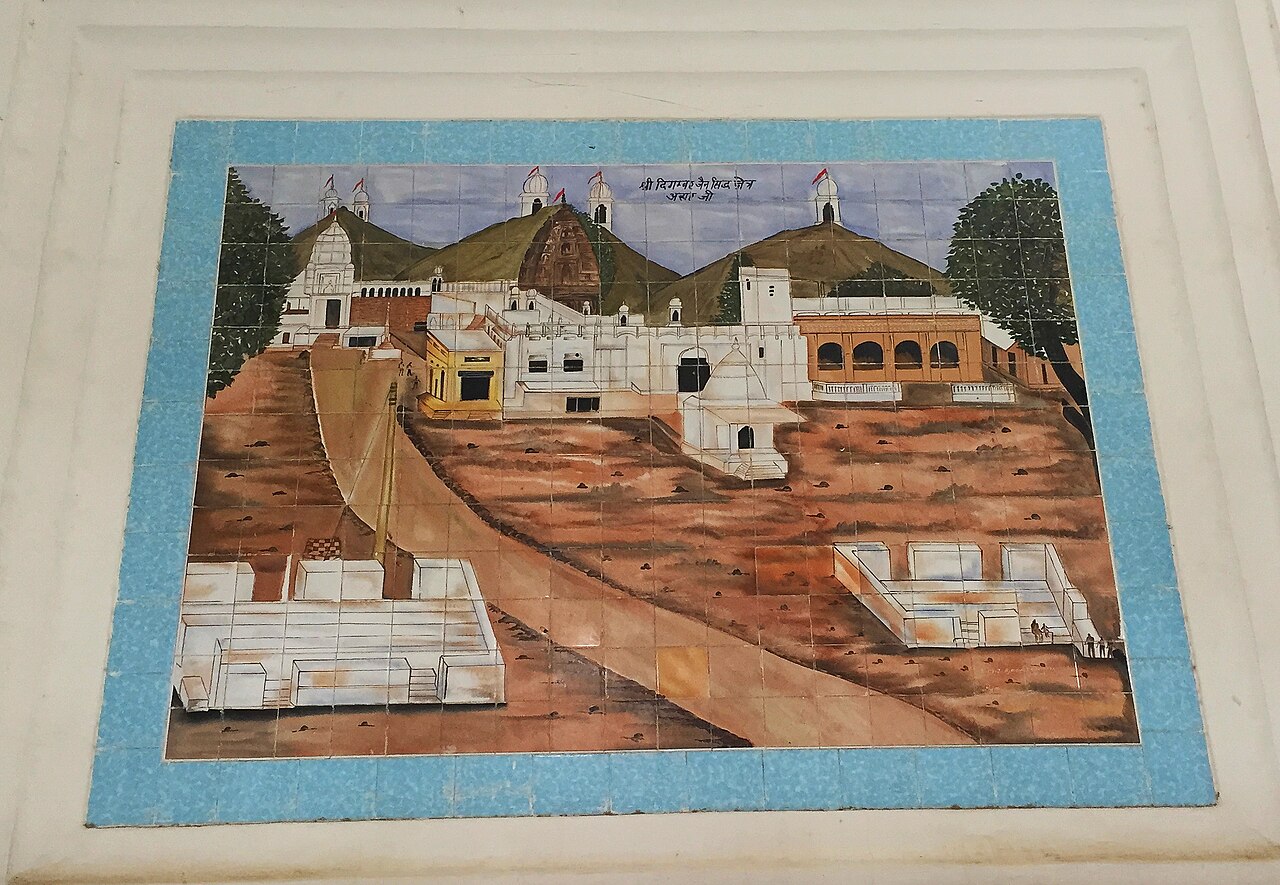
A Digambara Jain tirtha in the Bundelkhand region of Madhya Pradesh, where an eighteen-foot Chandella-era colossus of Lord Shantinatha stands in silent meditation at the heart of a Temple complex raised across three centuries.
 Jainism
Ahinsa Sthal
New Delhi · India · temple
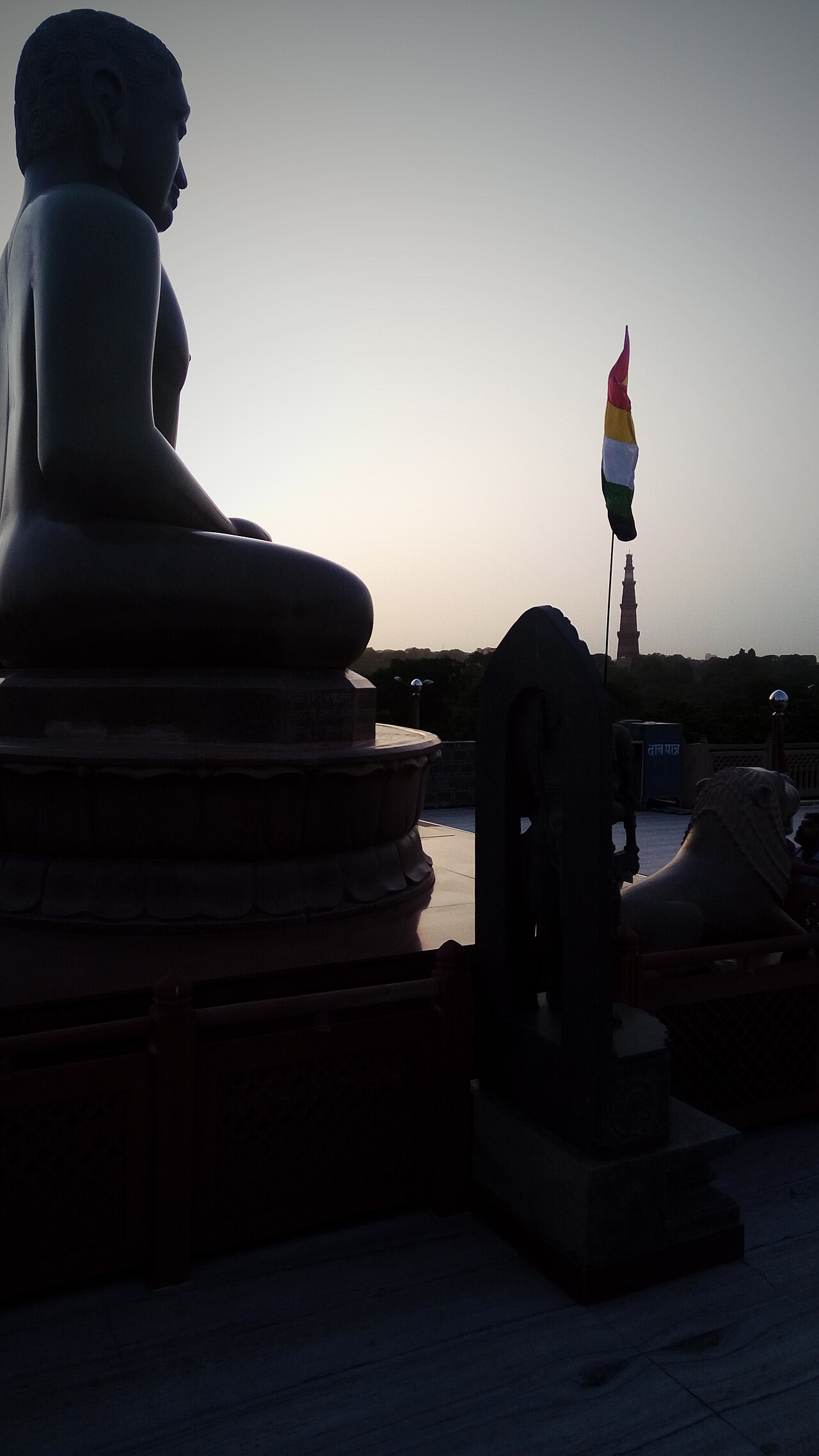
A modern Digambara Jain shrine on a terrace in Mehrauli, New Delhi, built in 1980 around a colossal granite image of Lord Mahavira seated in deep meditation, its very name declaring the tradition's central vow: ahimsa, harmlessness toward every living being.
 Jainism
Ajmer Jain Temple
Ajmer · India · temple
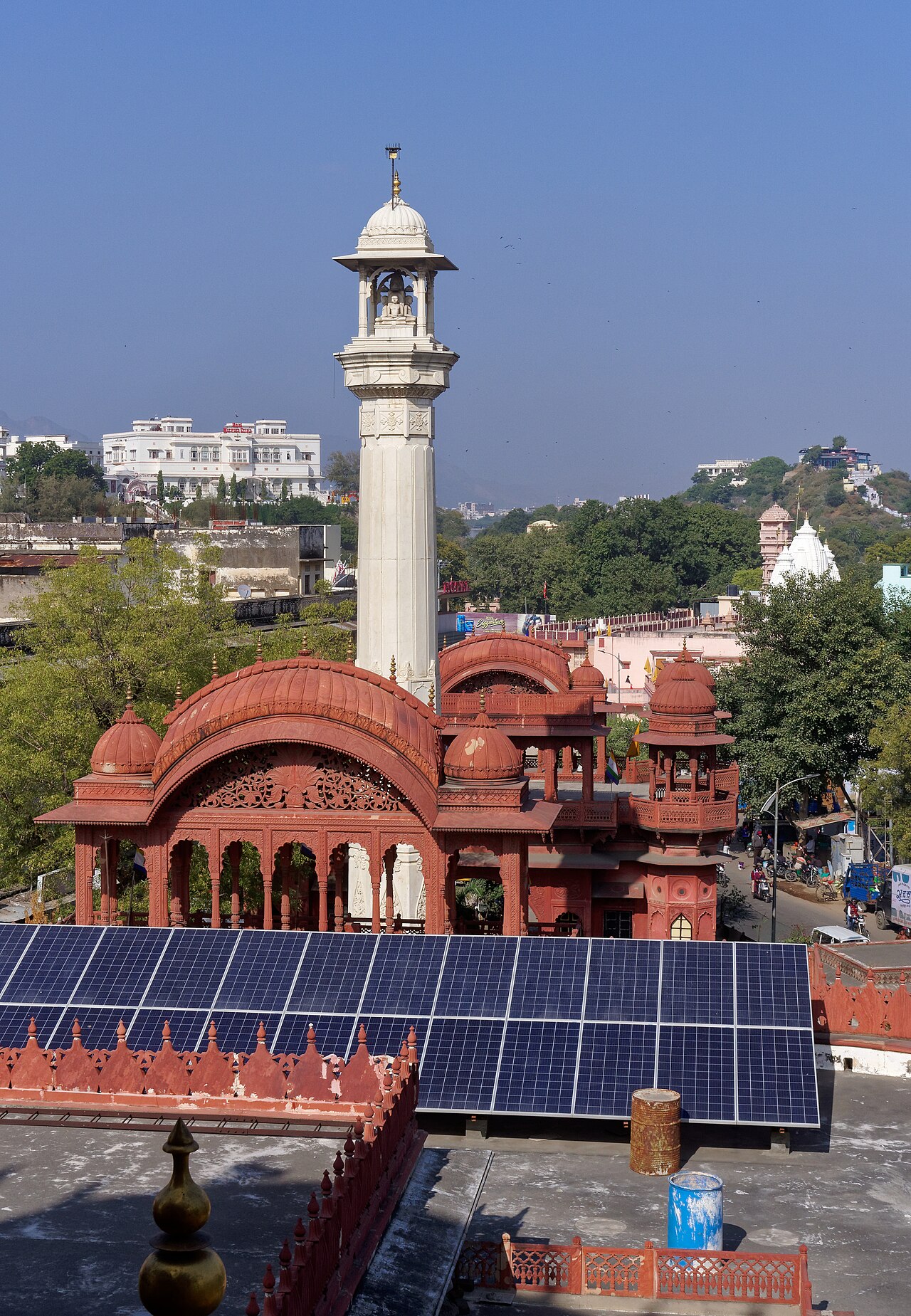
Popularly called Soniji Ki Nasiyan or the Red Temple, this Digambara Jain Temple on Prithviraj Marg in Ajmer pairs a red sandstone sanctuary, crowned by an eighty two foot marble pillar, with a golden upper hall whose gilded tableaux retell the life of Lord Rishabhdev, the first tirthankara.
 Jainism
Akkana Basadi
Shravanabelagola · India · temple
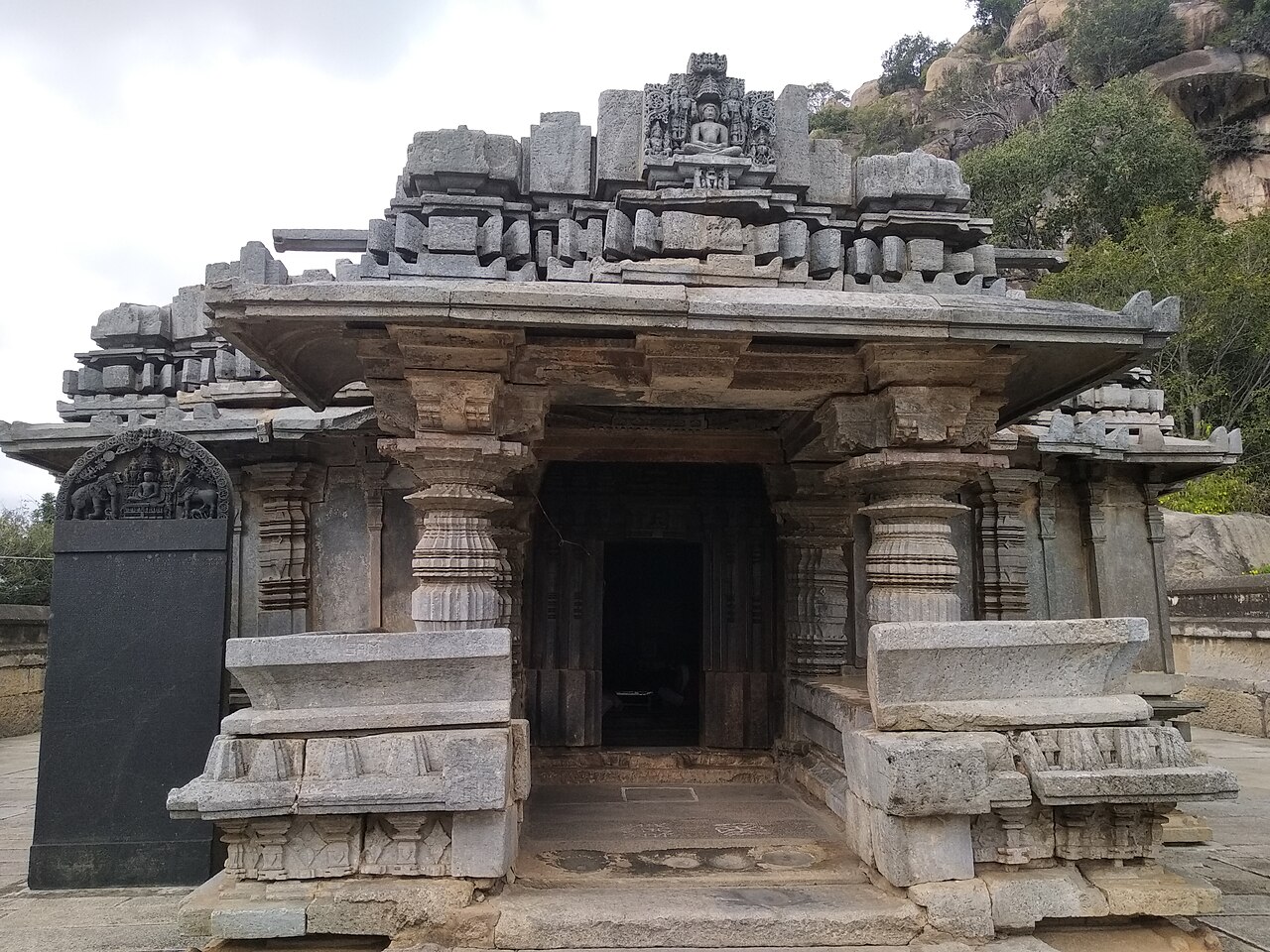
Consecrated in 1181 CE on Chandragiri hill at Shravanabelagola, Karnataka, Akkana Basadi is a Hoysala-era Jain basadi raised by the devout laywoman Achiyakka in honour of Tirthankara Parshvanatha, its deliberately plain stone walls and lathe-turned pillars a quiet expression of Jain austerity.
 Jainism
Bawangaja
Bawangaja · India · temple
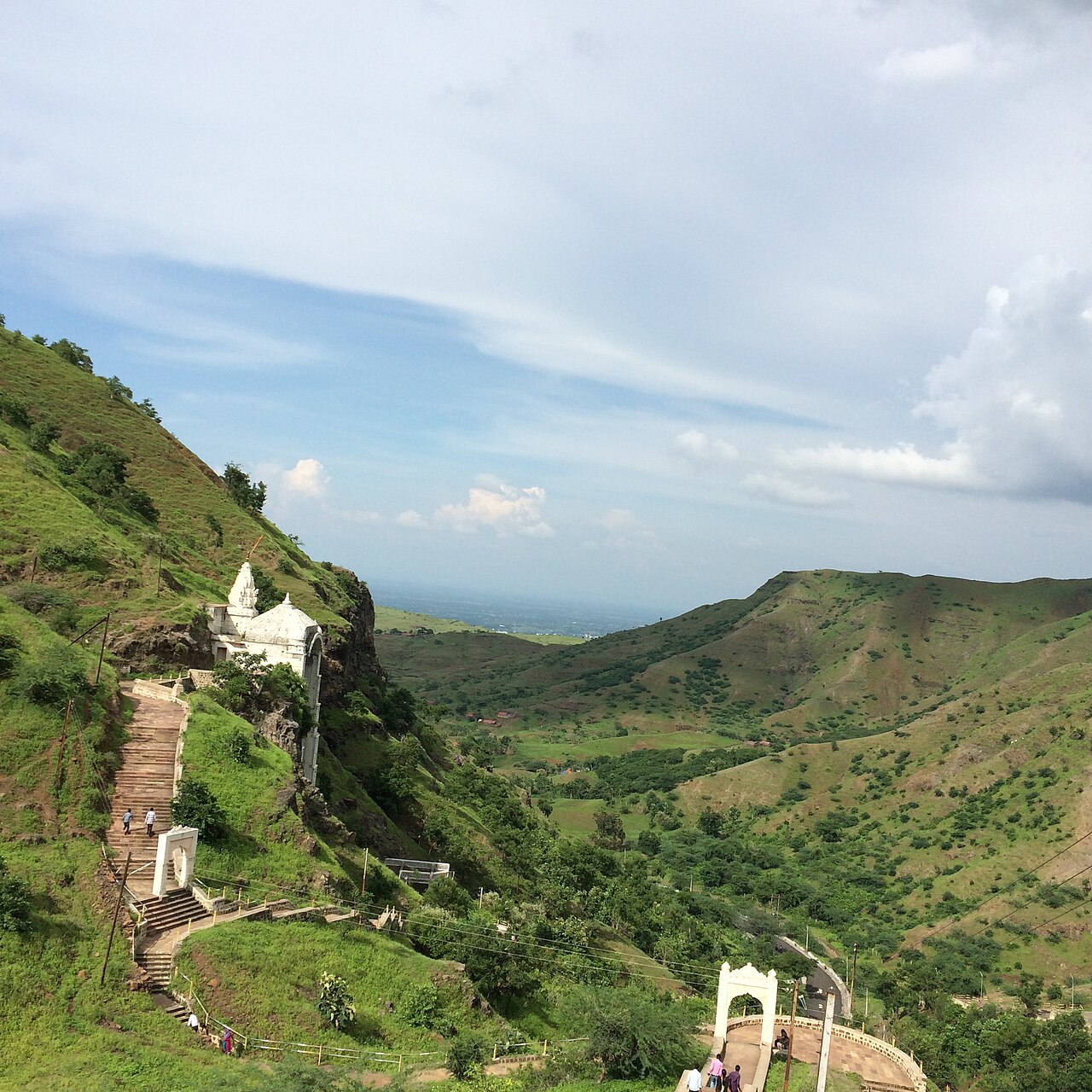
A Digambara Jain tirtha in the Satpura hills of Barwani district, Madhya Pradesh, where an 84-foot monolithic image of Lord Rishabhanatha (Adinatha), the first Tirthankara, stands carved directly from the mountain.
 Jainism
Brahma Jinalaya
Lakkundi · India · temple
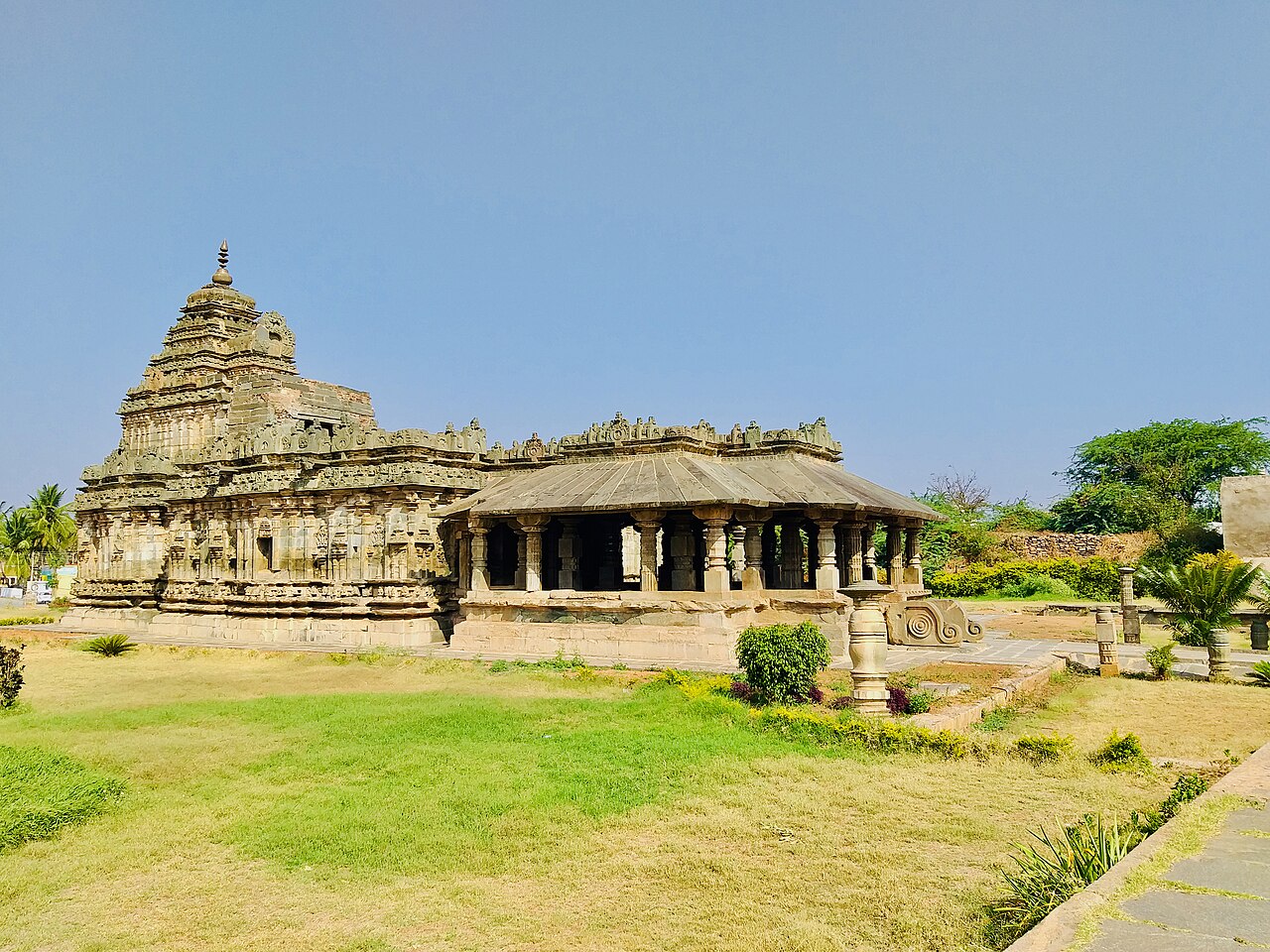
The Brahma Jinalaya, the oldest major Jain Temple in the Lakkundi region of Karnataka, was consecrated in 1007 CE under the patronage of the noblewoman Attimabbe and is celebrated for its finely carved soapstone tower and sculpture.