Ahinsa Sthal
Bhagwan Mahavir Ahinsa Sthal · Ahinsa Sthala
About
Ahinsa Sthal occupies a quiet corner of Mehrauli in southern Delhi, offering devotees of the Jain tradition a place of contemplation built around the figure of Mahāvīra. As the twenty-fourth Tirthankara of the Avasarpiṇī, the descending half-cycle of cosmic time, Mahāvīra represents the most recent of the enlightened beings who, through their own supreme effort, crossed the river of existence and showed others the way across.
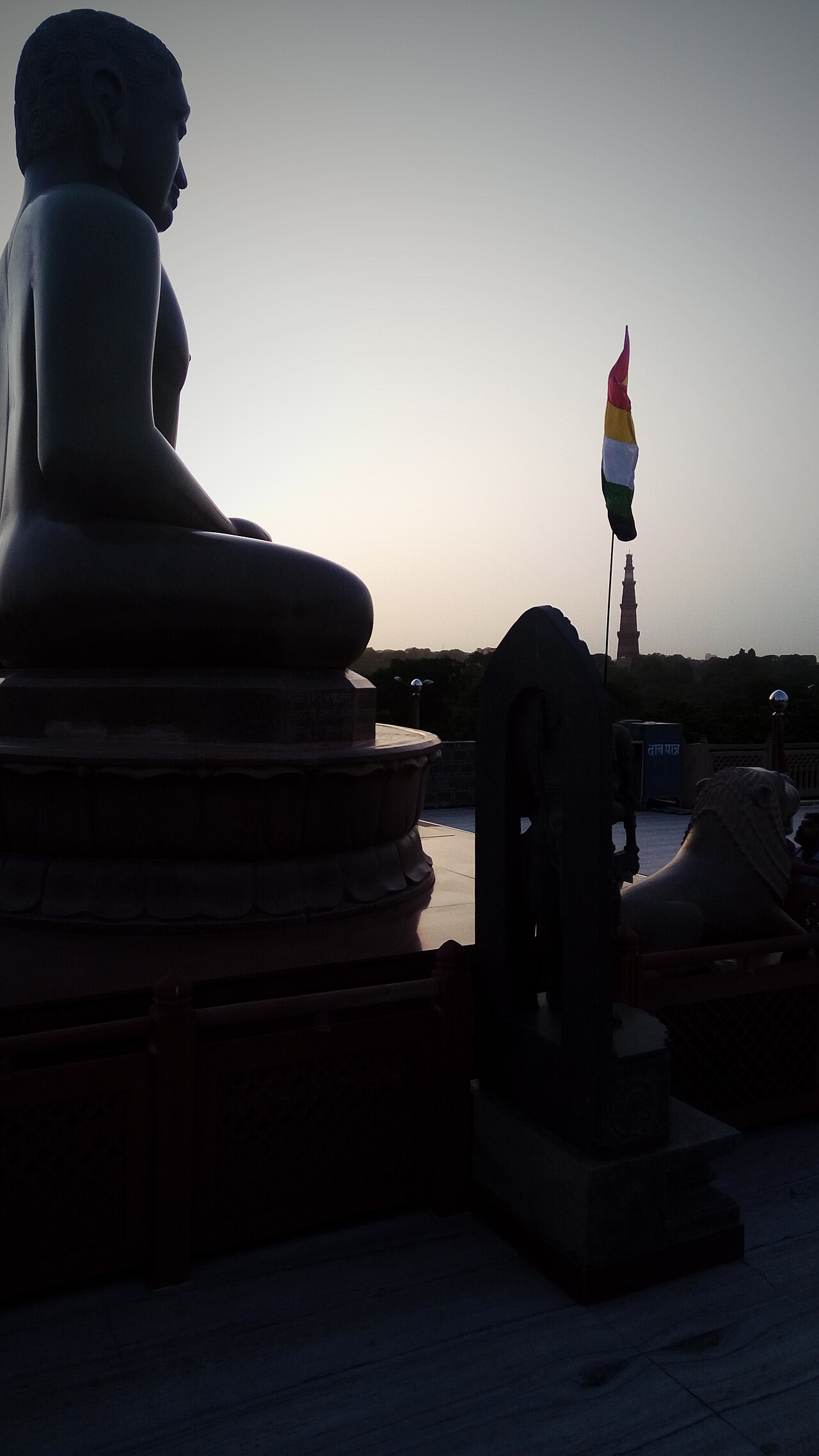
The presiding image of Mahāvīra was fashioned from a single granite rock quarried at Karkala, a town in Karnataka long renowned for its tradition of monolithic Jain sculpture. The figure is rendered in the padmāsana, the lotus posture of deep meditation, entirely still, entirely absorbed. It rises to a height of roughly thirteen and a half feet and weighs close to thirty tonnes, while the lotus plinth on which it rests adds a further two feet and eight inches and carries a weight of around seventeen tonnes.
The atmosphere of the site is unhurried and inward. The name itself, Ahinsa Sthal, meaning 'place of non-violence', announces the doctrinal heart of Jainism: ahiṃsā, the commitment to harmlessness in thought, word, and deed toward every living being. Visitors arrive carrying that understanding, and the massive, self-composed form of Mahāvīra gives it a tangible, almost architectural presence.
History
Ahinsa Sthal was established in 1980 on a terraced site in Mehrauli, close to the Qutub complex, giving Delhi's Digambara Jain community a dedicated place to honour Lord Mahavira, the twenty fourth and final Tirthankara of the present cosmic age. Its central image was carved from a single block of granite quarried at Karkala in Karnataka, a town long known for monolithic Jain sculpture, and raised here seated in padmasana atop a carved lotus pedestal roughly two feet eight inches tall. A stone plaque set into the platform names the site plainly: Shri Mahavir Bhagwan, Ahinsa Sthala.
Significance
The Temple's name, place of non-violence, keeps ahimsa, the Jain vow of harmlessness in thought, word and deed, before every visitor who climbs to its terrace. Guardian lion figures stand at the statue's base, and a nearby carved relief shows a lion and a bull sharing one pool of water undisturbed, a quiet image of the peace the site is named for. From the terrace the silhouette of the Qutub Minar rises just beyond the boundary wall, setting this modern shrine within one of Delhi's oldest sacred landscapes.
Architecture
Modern Digambara Jain Temple design centred on a single monolithic granite icon set on a carved lotus pedestal, with guardian lion figures and an open terrace
Visiting
Hours
Hours not listed.
Contact
No contact details listed yet.
Engage with Ahinsa Sthal
Through the four pathways
Seva सेवा — Service
Offer your time and skills here. The following opportunities are open at Ahinsa Sthal:
No Seva offerings listed yet.
Sādhana साधना — Practice
Learn the worship and practice associated with Ahinsa Sthal:
No Sādhana offerings listed yet.
Sandhāna सन्धान — Wisdom
Unite with the wisdom of this tradition:
No Sandhāna offerings listed yet.
Sādhya साध्य — Giving
Support this sacred place according to your means:
No Sādhya offerings listed yet.
All giving flows directly to Ahinsa Sthal. Adisthan does not take a commission.
Festivals & Events
- Apr
Mahavir Jayanti
19 April 2027 · annual
The birth anniversary of Lord Mahavira, the twenty fourth and final Tirthankara, marked here as the Temple's principal annual observance with prayer and gathering before the granite image.
Gallery
Related sacred places
 Jainism
Adinatha Temple
Khajuraho · India · temple
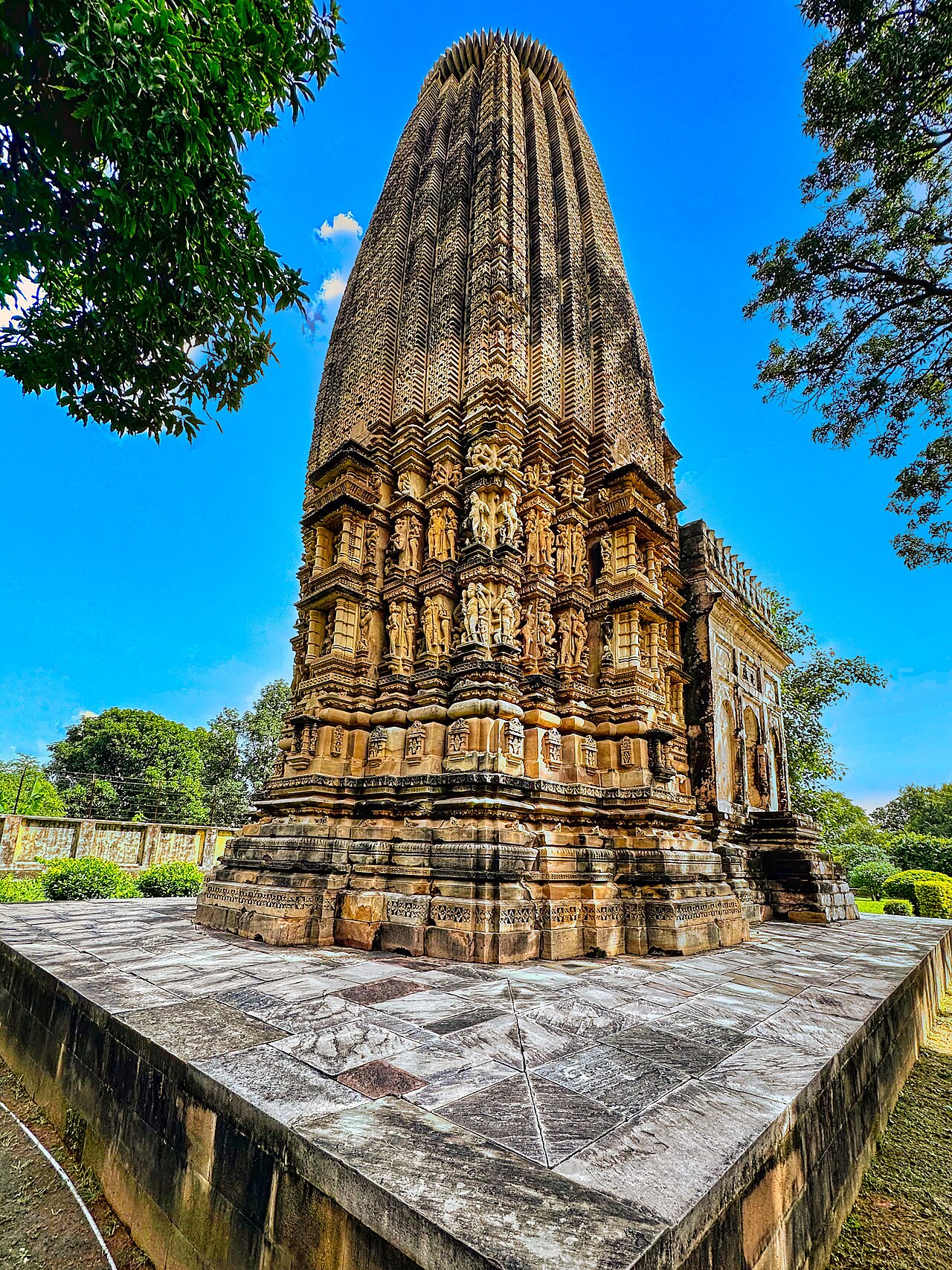
A Digambara Jain shrine within Khajuraho's Eastern Group of Temples, dedicated to Lord Adinatha, the first tirthankara, its curvilinear sandstone tower carved in the late eleventh century for a Hindu patron before passing into Jain hands.
 Jainism
Aharji
Aharji · India · temple
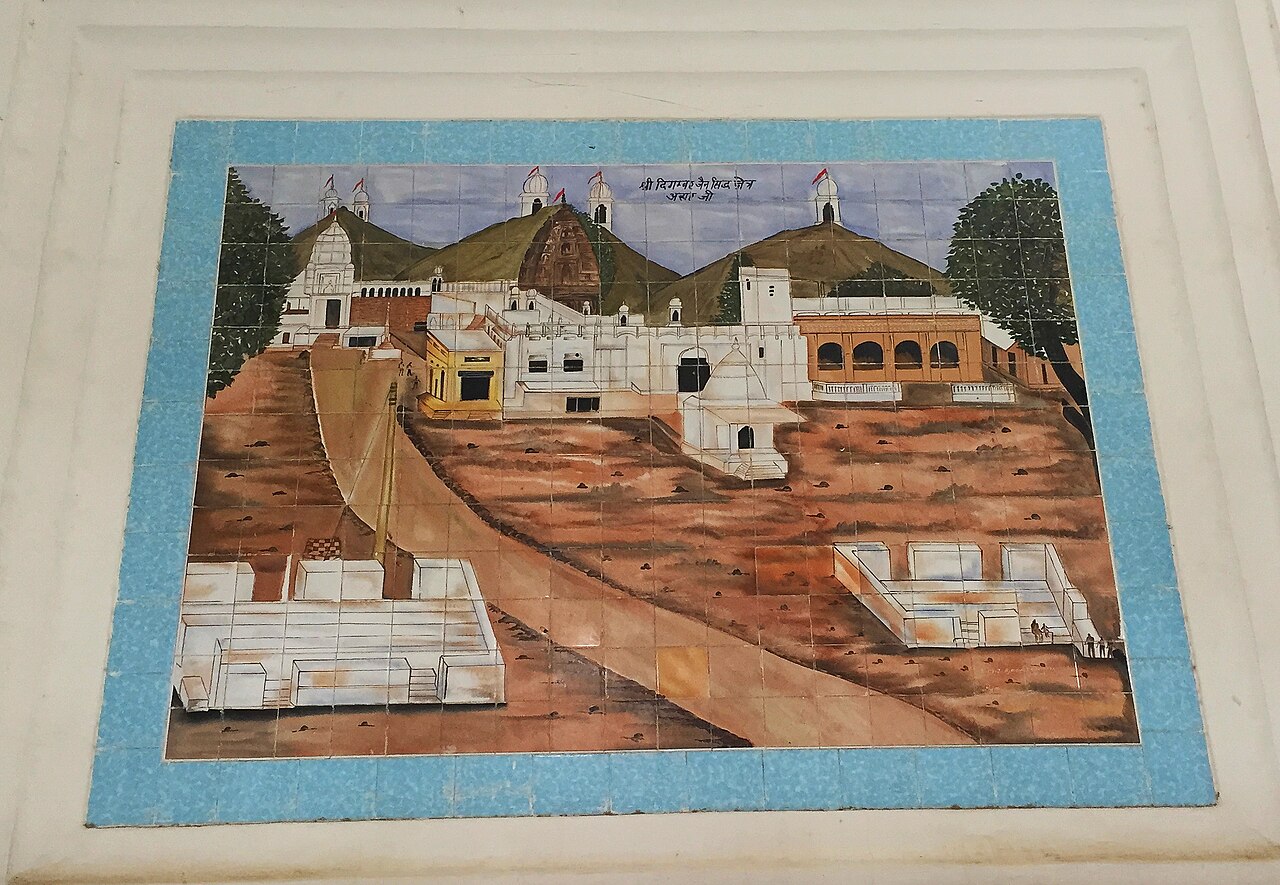
A Digambara Jain tirtha in the Bundelkhand region of Madhya Pradesh, where an eighteen-foot Chandella-era colossus of Lord Shantinatha stands in silent meditation at the heart of a Temple complex raised across three centuries.
 Jainism
Ajmer Jain Temple
Ajmer · India · temple
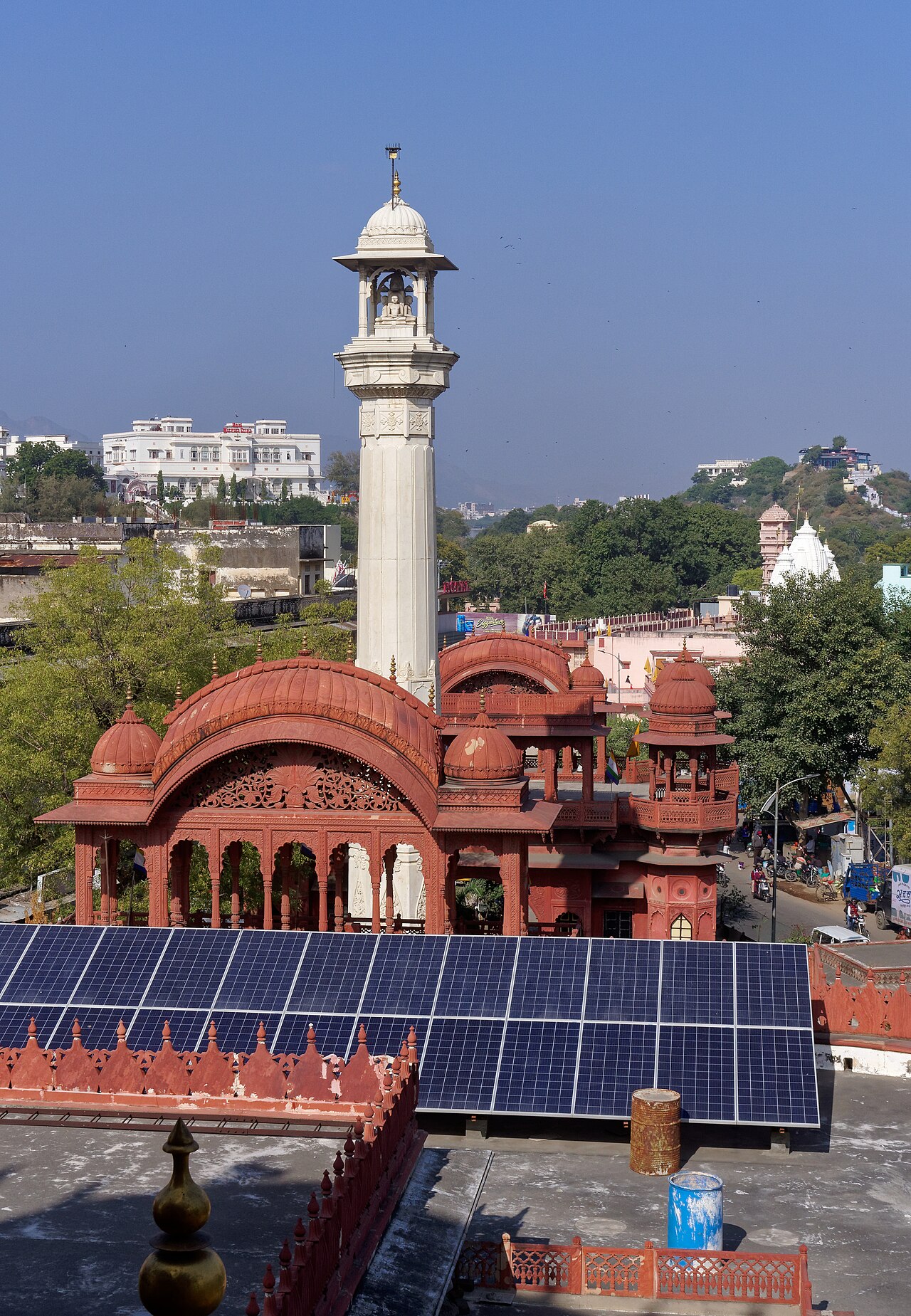
Popularly called Soniji Ki Nasiyan or the Red Temple, this Digambara Jain Temple on Prithviraj Marg in Ajmer pairs a red sandstone sanctuary, crowned by an eighty two foot marble pillar, with a golden upper hall whose gilded tableaux retell the life of Lord Rishabhdev, the first tirthankara.
 Jainism
Akkana Basadi
Shravanabelagola · India · temple
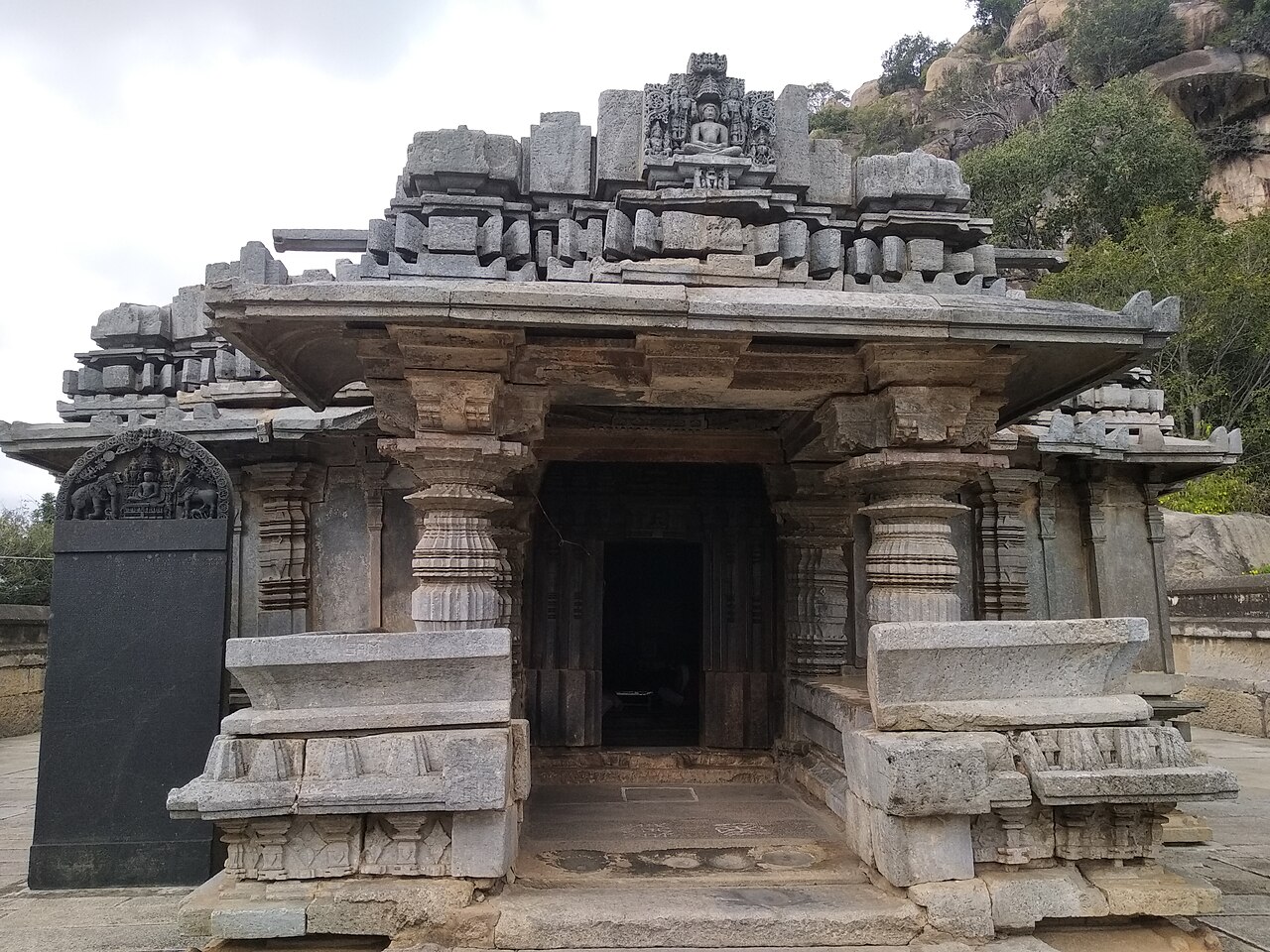
Consecrated in 1181 CE on Chandragiri hill at Shravanabelagola, Karnataka, Akkana Basadi is a Hoysala-era Jain basadi raised by the devout laywoman Achiyakka in honour of Tirthankara Parshvanatha, its deliberately plain stone walls and lathe-turned pillars a quiet expression of Jain austerity.
 Jainism
Bawangaja
Bawangaja · India · temple
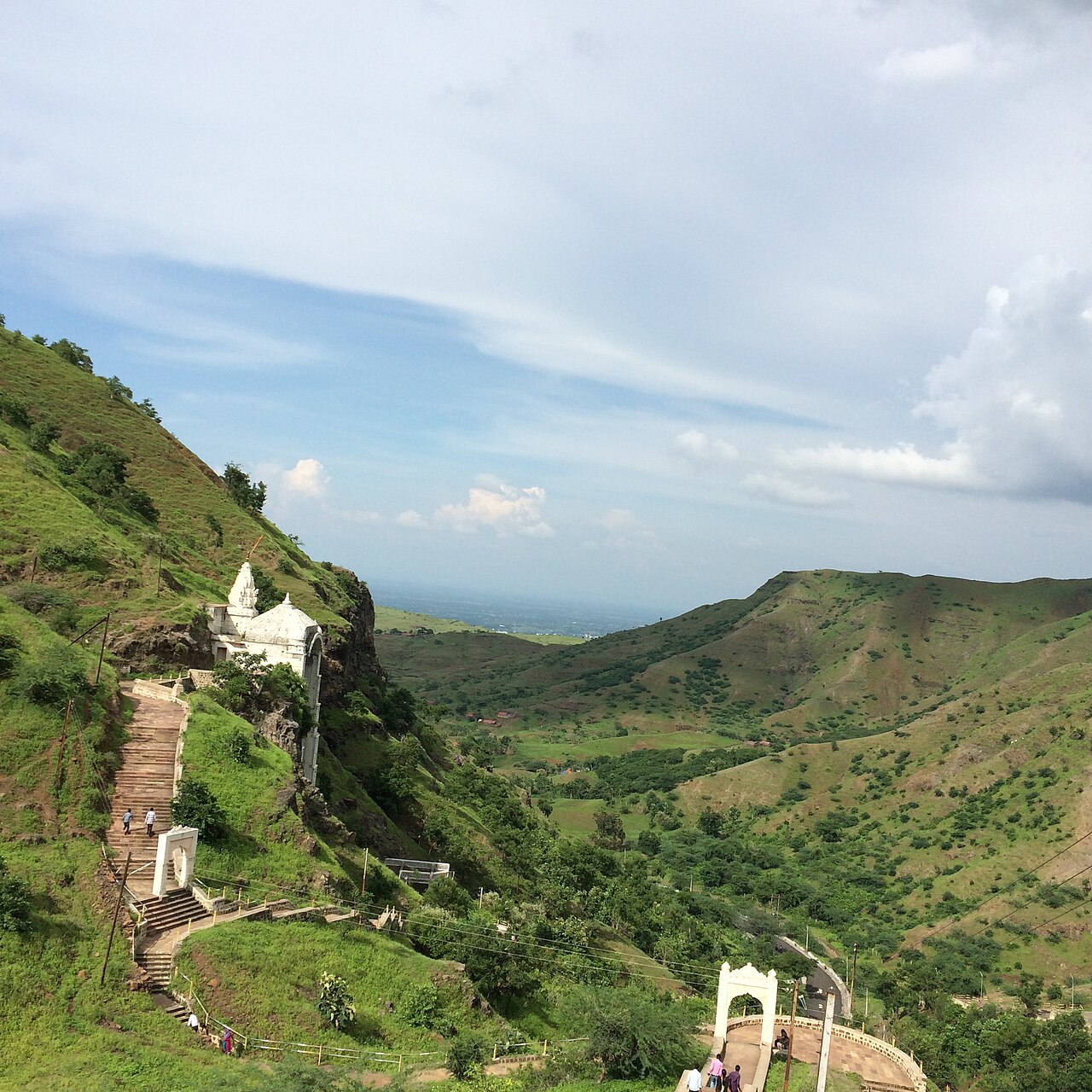
A Digambara Jain tirtha in the Satpura hills of Barwani district, Madhya Pradesh, where an 84-foot monolithic image of Lord Rishabhanatha (Adinatha), the first Tirthankara, stands carved directly from the mountain.
 Jainism
Brahma Jinalaya
Lakkundi · India · temple
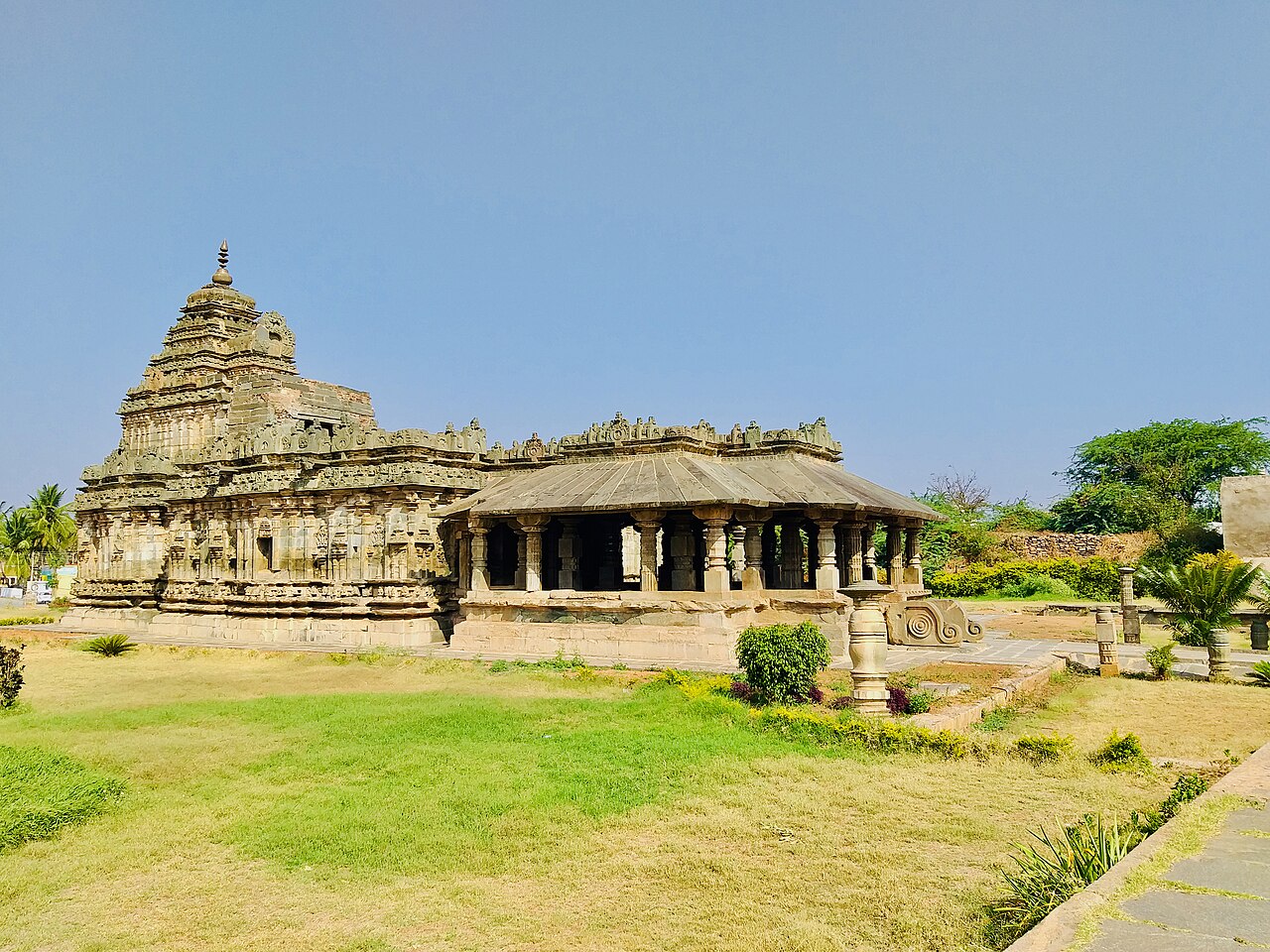
The Brahma Jinalaya, the oldest major Jain Temple in the Lakkundi region of Karnataka, was consecrated in 1007 CE under the patronage of the noblewoman Attimabbe and is celebrated for its finely carved soapstone tower and sculpture.