Akkana Basadi
Akkana Basti
About
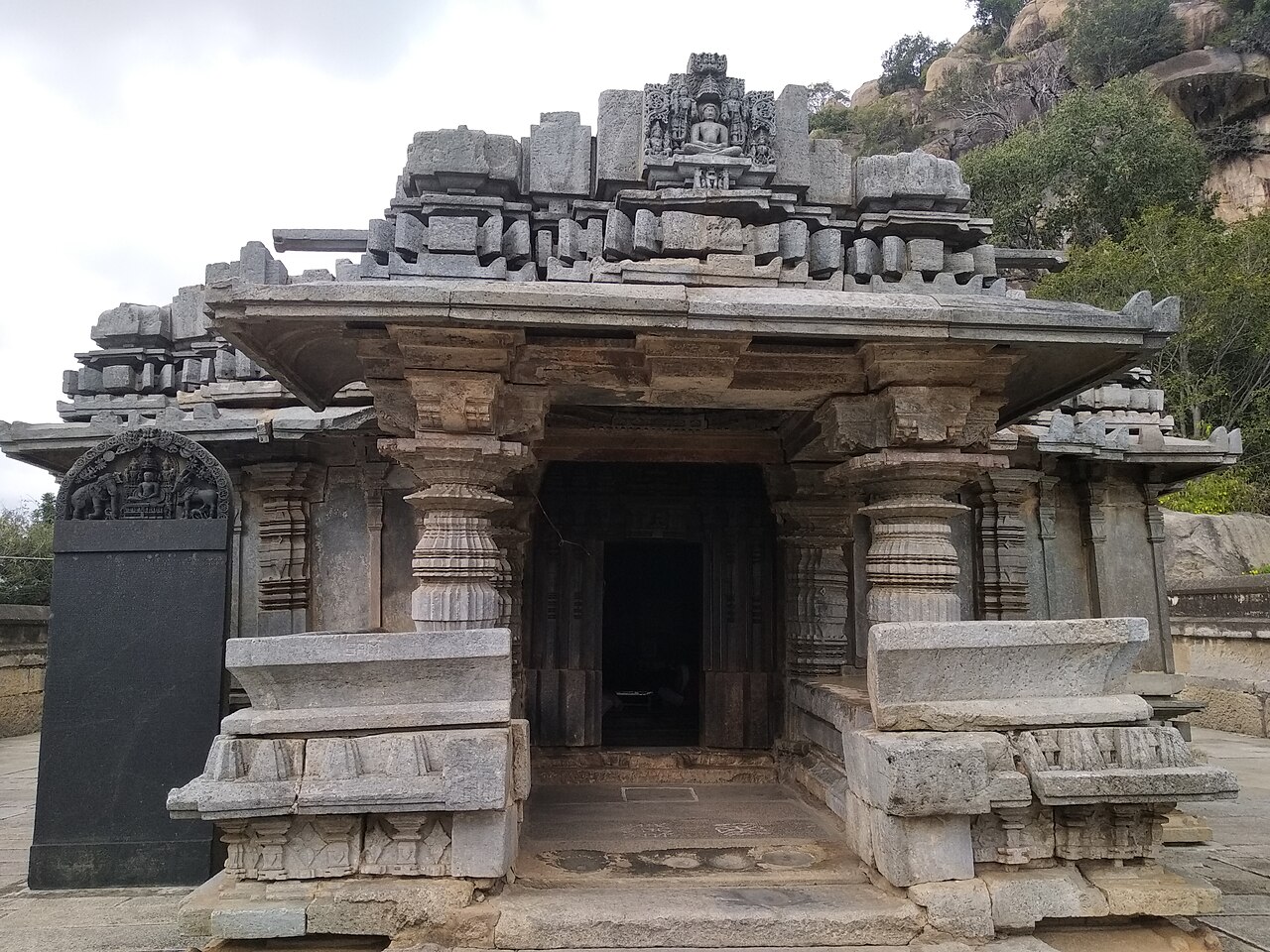
Akkana Basadi, whose name carries the meaning "Temple of the elder sister", stands among the sacred enclave of Jain shrines at Shravanabelagola in Karnataka, India. The presiding deity housed within its sanctum is Tīrthaṅkara Pārśvanātha, the twenty-third ford-maker of the Jain tradition, depicted in a five-foot standing form sheltered beneath a canopy of seven serpent hoods. The Temple's austerity is immediately apparent: its outer walls are intentionally unadorned, a choice consistent with the Jain aesthetic of renunciation, and the whole structure rests upon a base of five moldings carved from the fine-grained local soapstone.
In plan the shrine follows the Hoysala ekakūṭa vimāna form, a single sanctum with superstructure, opening through a vestibule (sukhanāsi) into a closed hall (maṇṭapa). The porch at the hall's entrance is supported by lathe-turned half-pillars, and inside, four large bell-shaped polished columns divide the ceiling into nine compartments whose relief carving rewards close attention. The shikhara above rises in three diminishing tiers and is crowned by a large dome-like āmalaka structure roughly two metres across. On the eastern face of the tower a relief panel portrays a saint flanked by benevolent yakṣa attendants, with a kīrtimukha presiding above, an intricate composition that stands as the Temple's most accomplished sculptural achievement. The vestibule also preserves freestanding figures of the yakṣa pair Dharaṇendra and Padmāvatī, while latticed stone screens lend delicacy to the doorways of both the sanctum and the vestibule.
History
Achiyakka, also known as Acala Devi, wife of Chandramouli, a Brahmin minister at the court of the Hoysala king Veera Ballala II, commissioned the basadi in 1181 CE, and it still carries her name today, akka meaning elder sister in Kannada. Its builders worked in dark chlorite schist, the fine grained stone the Hoysalas carved using techniques inherited from their predecessors, the Western Chalukyas. An on-site plaque records that the basadi's own enclosure also holds the smaller Siddhanta basadi at its western end and the Danasala basadi near its entrance. The Archaeological Survey of India protects all three today within the Shravanabelagola group of monuments, listed together as an Adarsh Smarak Monument.
Significance
The basadi's outer walls stay almost bare, but a single relief panel on the tower's eastern face carries its finest carving: a saint flanked by guardian yakshas beneath a kirtimukha. Within the sanctum stands a serpent-hooded image of Parshvanatha measuring six feet four inches, per the basadi's own site plaque, and the vestibule keeps its own figures of the guardian yaksha Dharanendra and the yakshini Padmavati, both drawn from the Tirthankara's own legend. For Jain pilgrims who climb Chandragiri today, Akkana Basadi remains a place of quiet veneration, where restraint itself is the offering.
Architecture
Hoysala ekakuta vimana architecture in dark chlorite schist (soapstone), a building technique inherited from the Western Chalukyas
Visiting
Hours
Hours not listed.
Contact
No contact details listed yet.
Engage with Akkana Basadi
Through the four pathways
Seva सेवा — Service
Offer your time and skills here. The following opportunities are open at Akkana Basadi:
No Seva offerings listed yet.
Sādhana साधना — Practice
Learn the worship and practice associated with Akkana Basadi:
No Sādhana offerings listed yet.
Sandhāna सन्धान — Wisdom
Unite with the wisdom of this tradition:
No Sandhāna offerings listed yet.
Sādhya साध्य — Giving
Support this sacred place according to your means:
No Sādhya offerings listed yet.
All giving flows directly to Akkana Basadi. Adisthan does not take a commission.
Festivals & Events
- Apr
Mahavir Jayanti
19 April 2027 · annual
The birth anniversary of Tirthankara Mahavira, the twenty-fourth and final Jina, marked by Jain communities with processions, Temple decoration, and readings from Jain scripture, observed with particular devotion at Shravanabelagola's basadis.
- May
Akshaya Tritiya
9 May 2027 · annual
The day tradition holds that Tirthankara Rishabhanatha broke a year-long fast with sugarcane juice offered by King Shreyansa, the origin of the Jain almsgiving rite of ahara-dana, observed at basadis such as Akkana Basadi with particular reverence.
Gallery
Related sacred places
 Jainism
Adinatha Temple
Khajuraho · India · temple
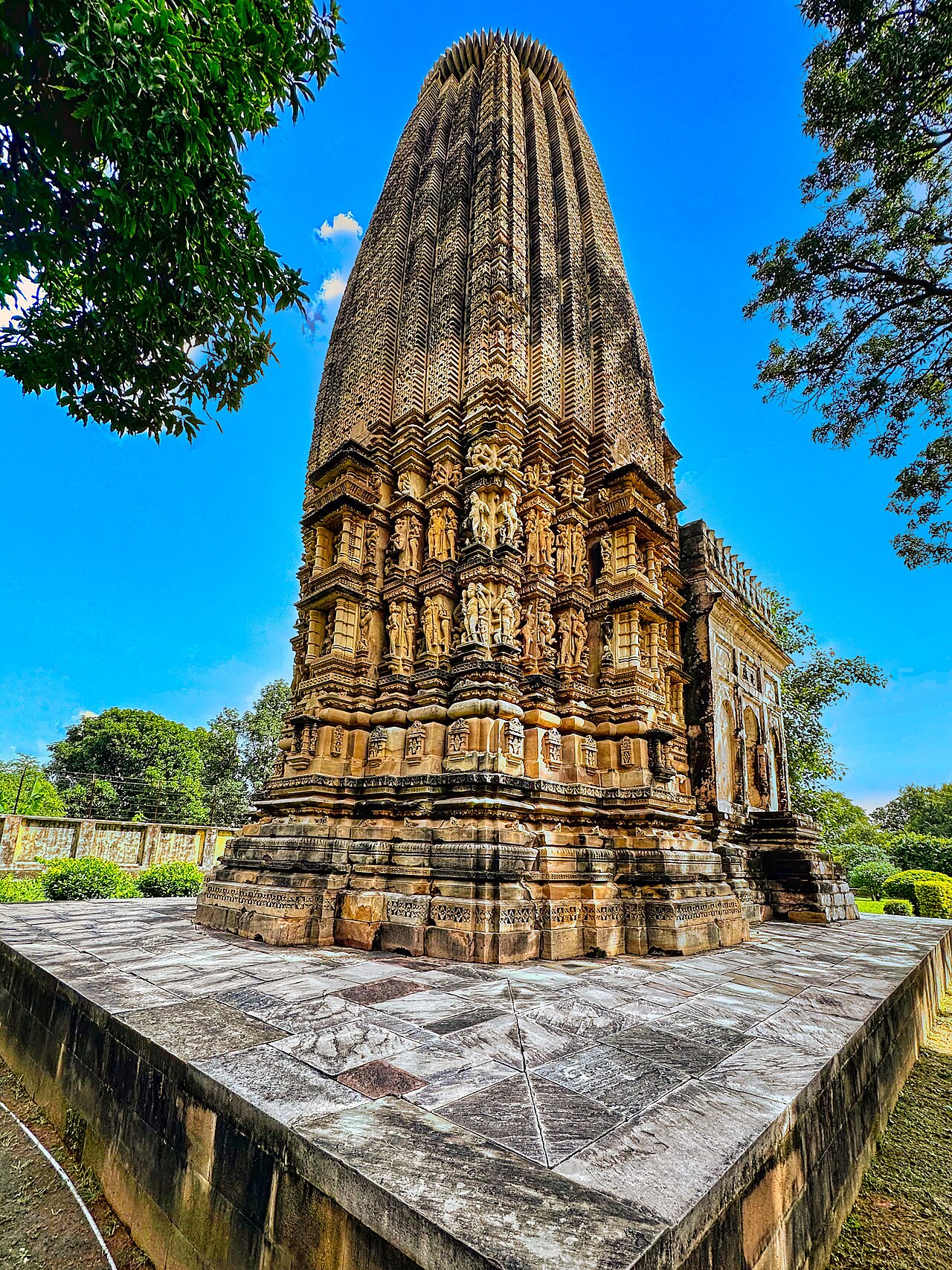
A Digambara Jain shrine within Khajuraho's Eastern Group of Temples, dedicated to Lord Adinatha, the first tirthankara, its curvilinear sandstone tower carved in the late eleventh century for a Hindu patron before passing into Jain hands.
 Jainism
Aharji
Aharji · India · temple
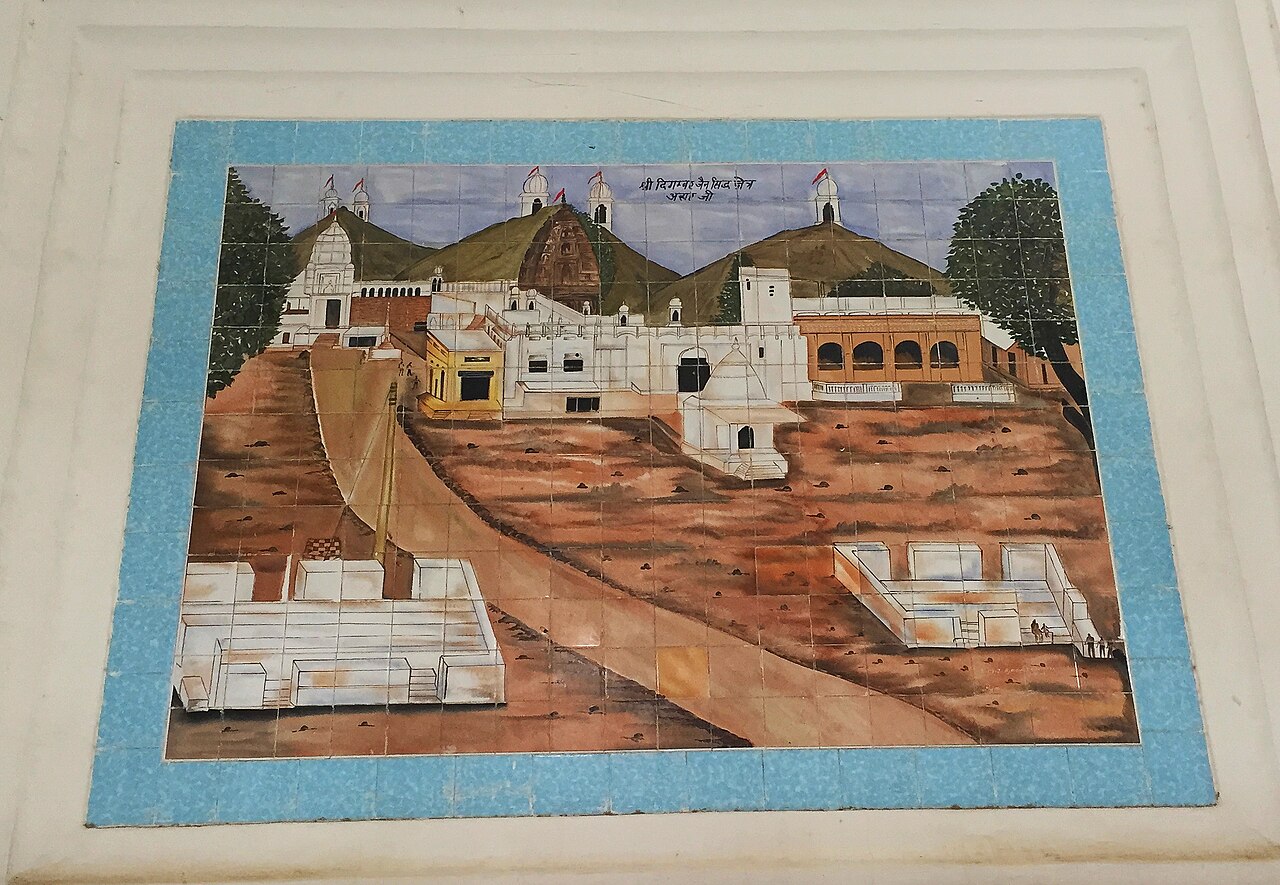
A Digambara Jain tirtha in the Bundelkhand region of Madhya Pradesh, where an eighteen-foot Chandella-era colossus of Lord Shantinatha stands in silent meditation at the heart of a Temple complex raised across three centuries.
 Jainism
Ahinsa Sthal
New Delhi · India · temple
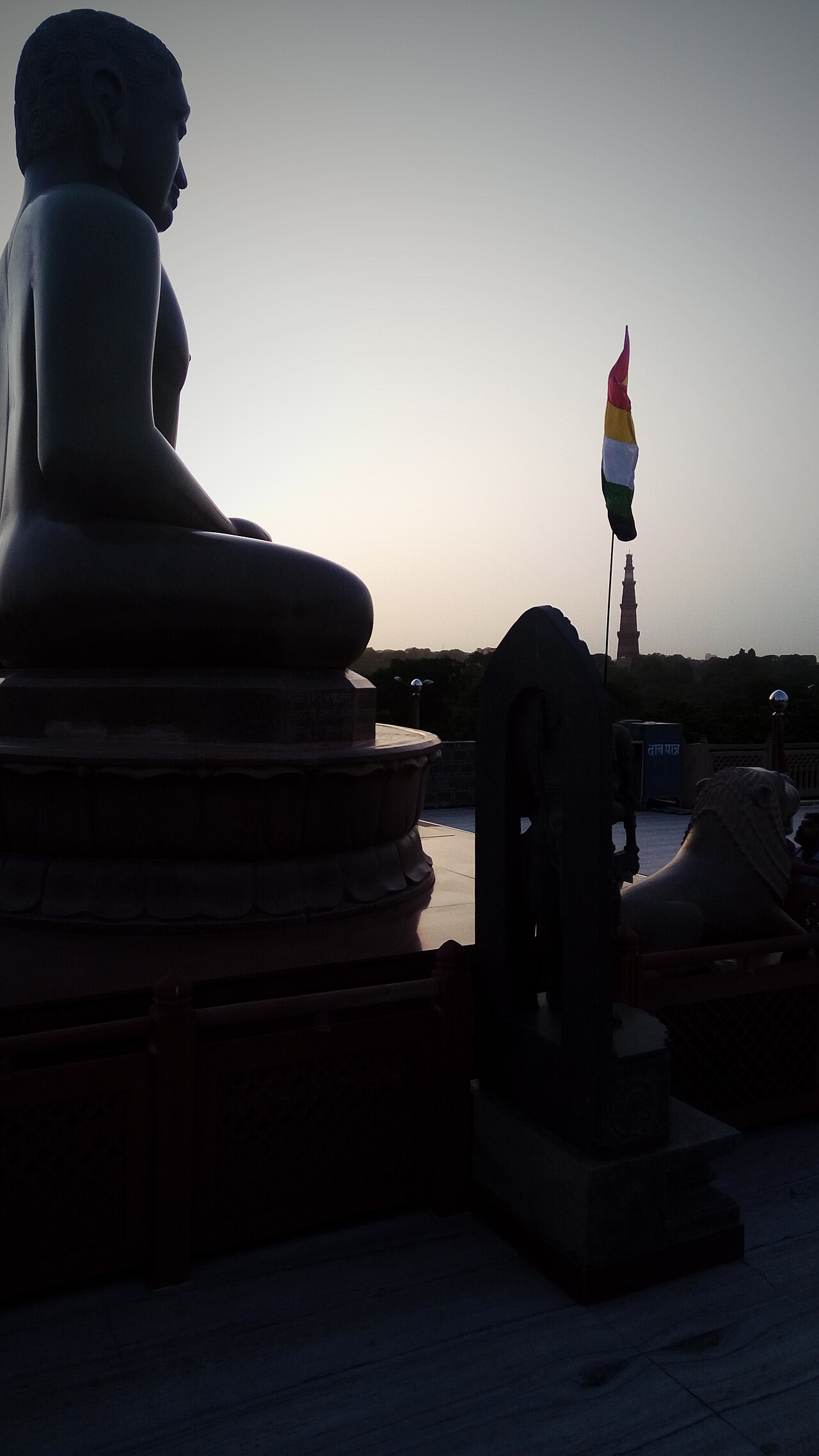
A modern Digambara Jain shrine on a terrace in Mehrauli, New Delhi, built in 1980 around a colossal granite image of Lord Mahavira seated in deep meditation, its very name declaring the tradition's central vow: ahimsa, harmlessness toward every living being.
 Jainism
Ajmer Jain Temple
Ajmer · India · temple
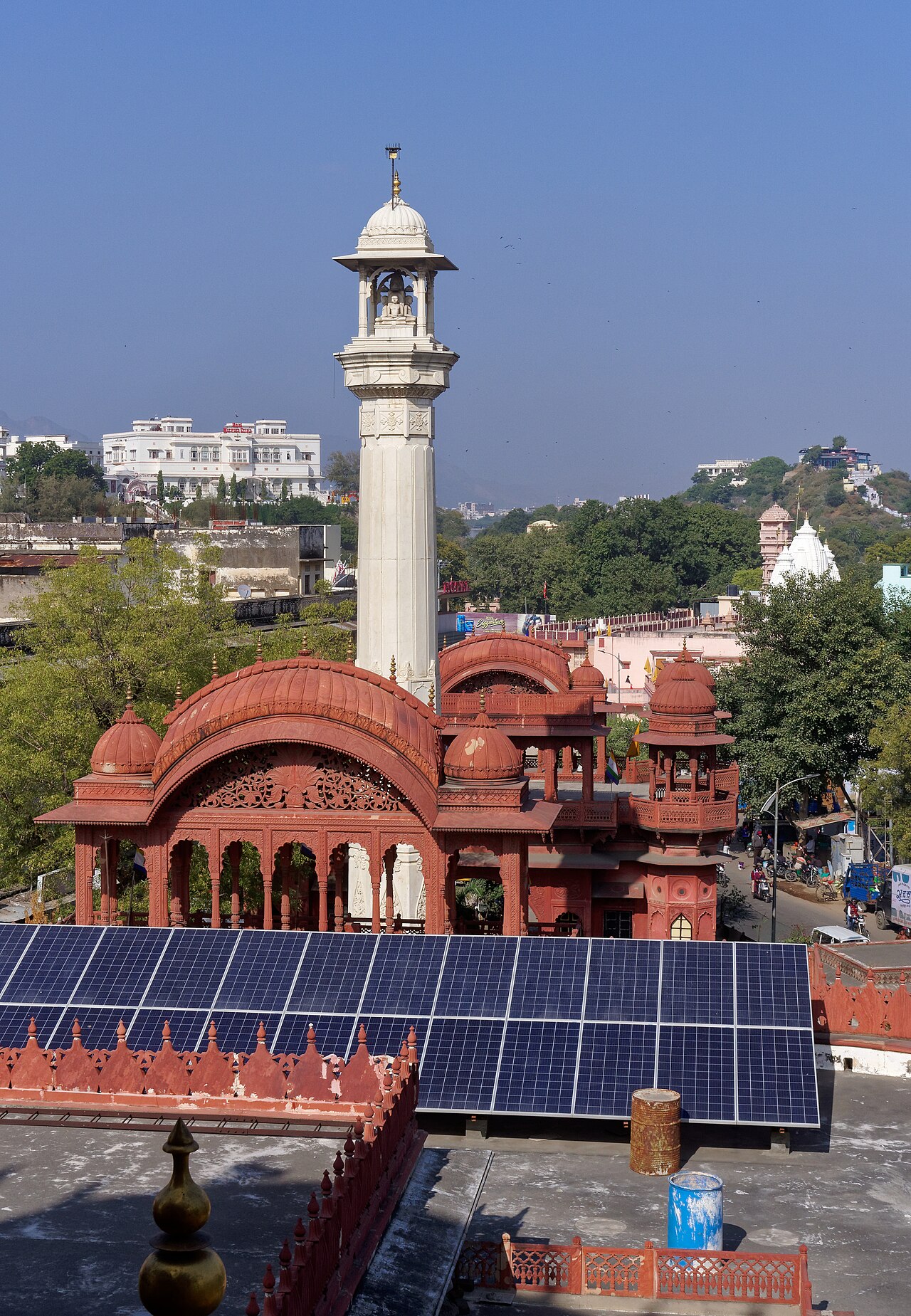
Popularly called Soniji Ki Nasiyan or the Red Temple, this Digambara Jain Temple on Prithviraj Marg in Ajmer pairs a red sandstone sanctuary, crowned by an eighty two foot marble pillar, with a golden upper hall whose gilded tableaux retell the life of Lord Rishabhdev, the first tirthankara.
 Jainism
Bawangaja
Bawangaja · India · temple
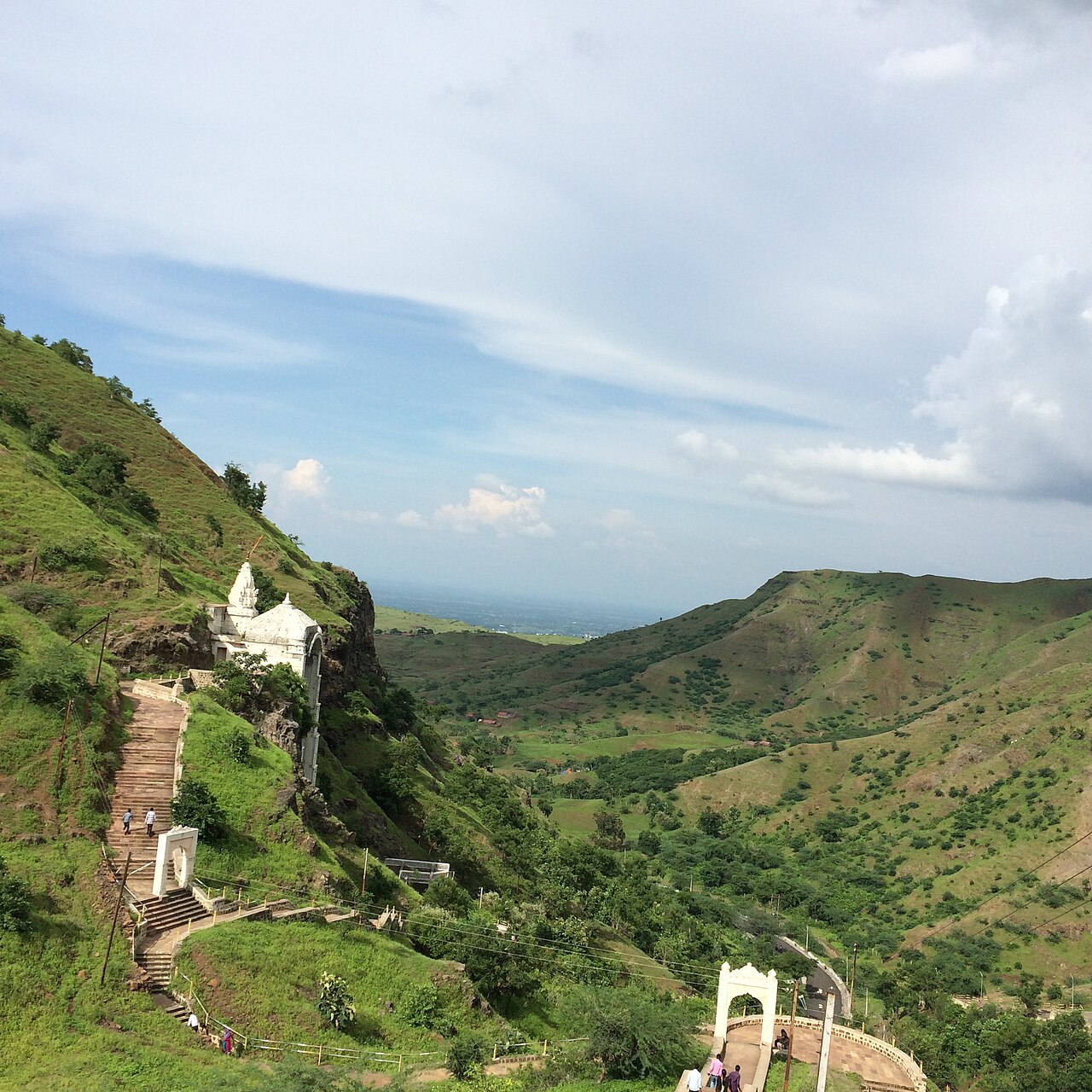
A Digambara Jain tirtha in the Satpura hills of Barwani district, Madhya Pradesh, where an 84-foot monolithic image of Lord Rishabhanatha (Adinatha), the first Tirthankara, stands carved directly from the mountain.
 Jainism
Brahma Jinalaya
Lakkundi · India · temple
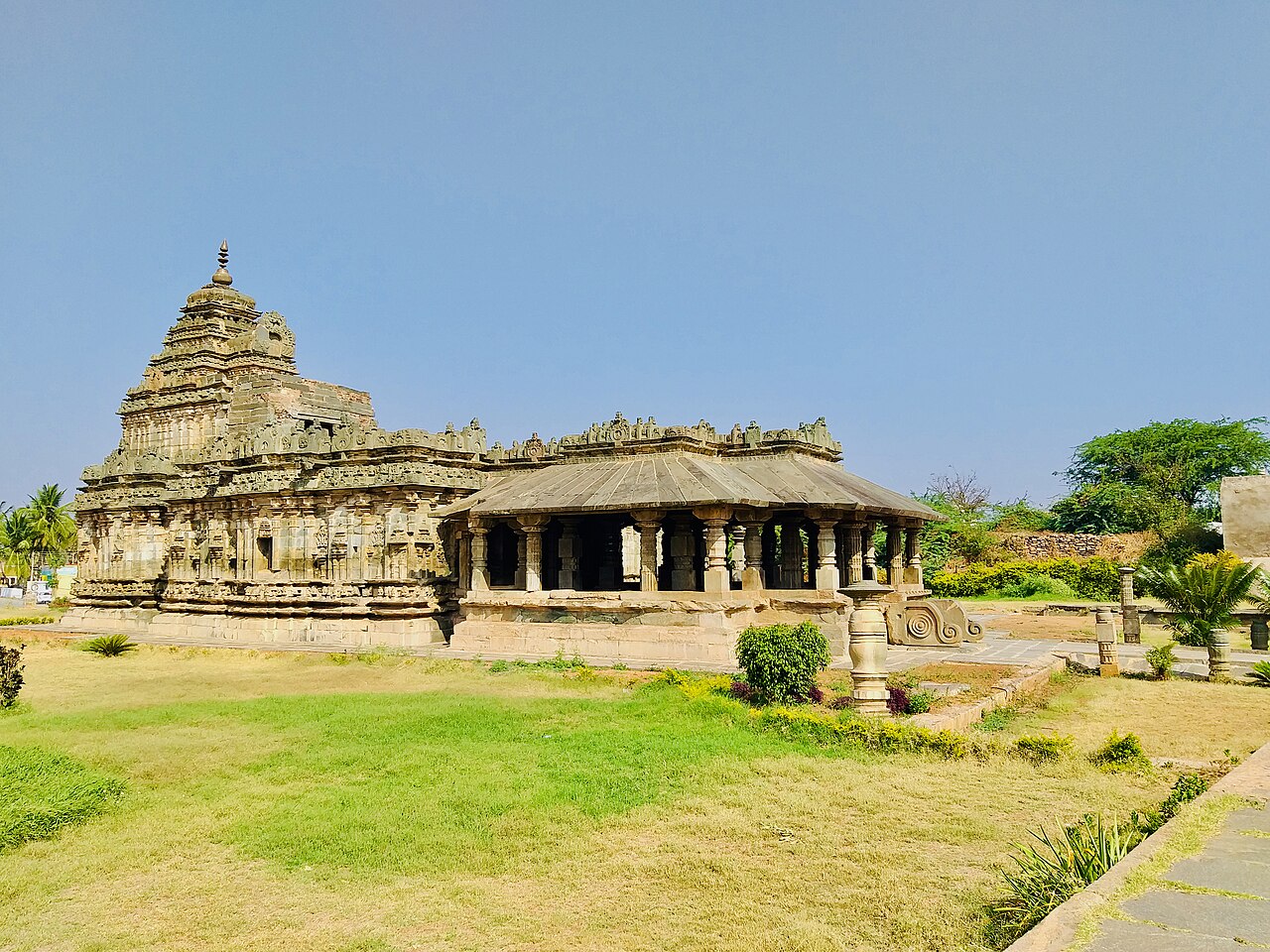
The Brahma Jinalaya, the oldest major Jain Temple in the Lakkundi region of Karnataka, was consecrated in 1007 CE under the patronage of the noblewoman Attimabbe and is celebrated for its finely carved soapstone tower and sculpture.