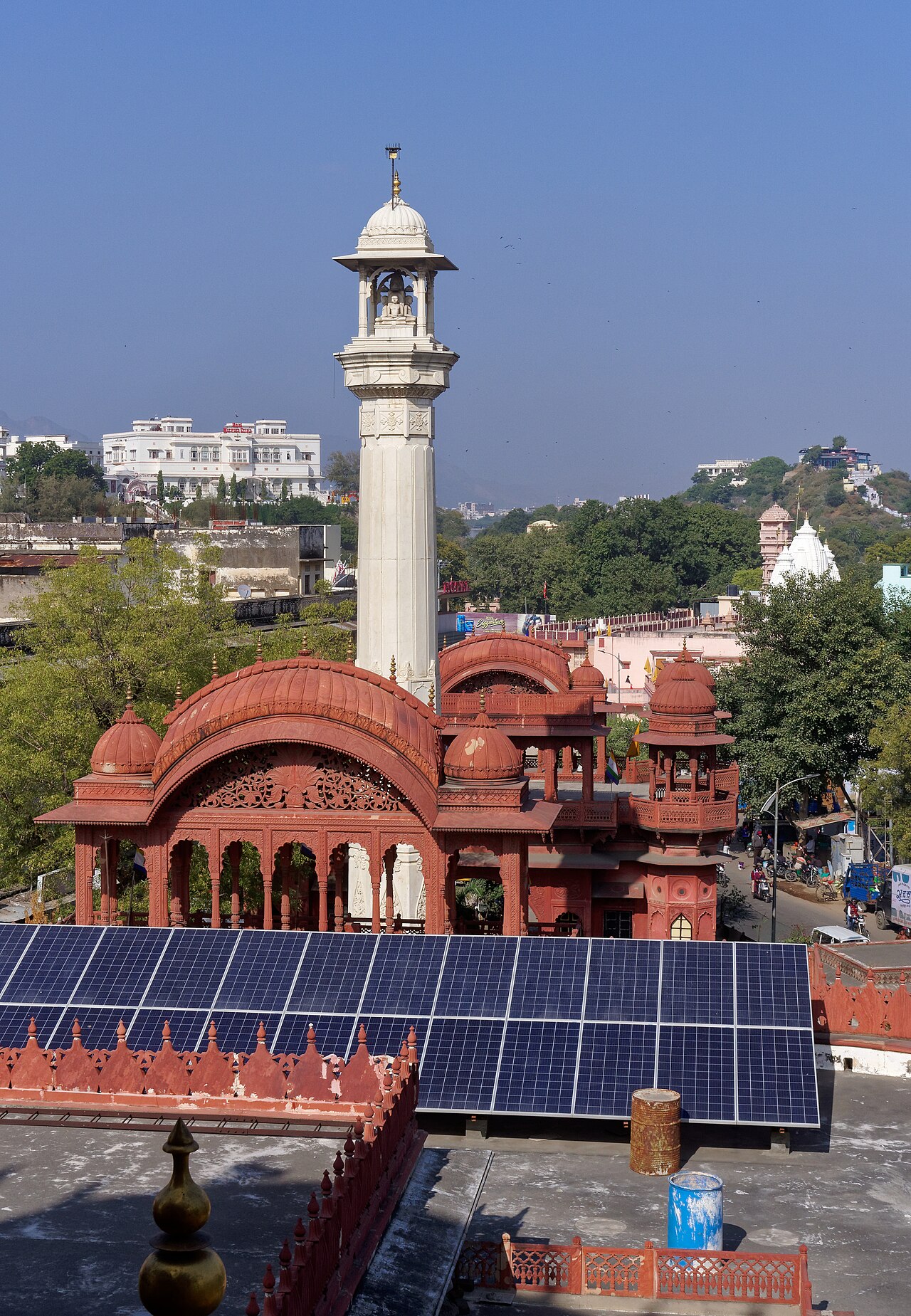
Ajmer Jain Temple
Soniji Ki Nasiyan · Soni Ji Ki Nasiyan · Nasiyan Jain Temple · Red Temple (Lal Mandir) · Shri Digamber Jain Sidhkut Chaityalaya
About
Popularly called Soniji Ki Nasiyan, this Jain Temple stands among Rajasthan's most distinctive places of worship, revered as much for the artistry it contains as for the spiritual tradition it embodies. Constructed toward the close of the nineteenth century, it represents a crowning expression of Jain devotional patronage from that era.
The Temple's central hall, known as the Swarna Nagari, a name that translates roughly as the City of Gold, is its most celebrated interior. Wooden figures finished in gold leaf populate this luminous chamber in remarkable number, each one drawn from Jain cosmology and narrative tradition. Taken together, they form an elaborate panorama intended to render visible the sacred landscape of Ayodhya, fashioned from approximately one thousand kilograms of gold across the ensemble.
The atmosphere within Soniji Ki Nasiyan carries the particular stillness of a space long saturated with prayer and contemplation. Pilgrims move through the golden hall with quiet attention, and the warm gleam of the gilded figures lends the interior a quality that seems to exist slightly apart from ordinary time.
History
The Temple's foundation was laid on 10 October 1864 by Rai Bahadur Seth Moolchand Soni and Nemichand Soni, and the image of Lord Rishabhdev was installed in its sanctum on 26 May 1865. Artisans spent twenty five years, from 1870 to 1895, fashioning the thousands of gilded wooden and limestone figures that fill the upper hall, known as the Swarna Nagari or City of Gold. R.B. Seth Bhagchand Soni and his sons later raised the Temple's eighty two foot marble manastambha, consecrated over ten days in June 1953, and in 1974 the Temple established a library of rare Jain scriptural texts in the presence of Acharya Vidhyasagar Ji Maharaj.
Significance
For Digambara Jains, the Swarna Nagari hall makes the Panchkalyanak, the five auspicious events of Lord Rishabhdev's life, visible in gold leaf and limestone rather than only in scripture, down to a model of Hastinapur, where tradition holds he took his first meal after renunciation. The Temple's nineteenth century processional chariots are still brought out for Mahavir Jayanti, keeping the building's oldest devotional objects in active use rather than as museum pieces alone.
Architecture
Digambara Jain Temple architecture in red sandstone brought from Karauli, with a carved marble entrance staircase and a freestanding marble manastambha pillar; the adjoining Swarna Nagari hall is worked in gold leafed limestone and wood in a jewelled tableau style
Visiting
Daily worship
| Darshan (Temple open to visitors) | 08:30 to 16:30 |
Hours
Hours not listed.
Contact
No contact details listed yet.
Engage with Ajmer Jain Temple
Through the four pathways
Seva सेवा — Service
Offer your time and skills here. The following opportunities are open at Ajmer Jain Temple:
No Seva offerings listed yet.
Sādhana साधना — Practice
Learn the worship and practice associated with Ajmer Jain Temple:
No Sādhana offerings listed yet.
Sandhāna सन्धान — Wisdom
Unite with the wisdom of this tradition:
No Sandhāna offerings listed yet.
Sādhya साध्य — Giving
Support this sacred place according to your means:
No Sādhya offerings listed yet.
All giving flows directly to Ajmer Jain Temple. Adisthan does not take a commission.
Festivals & Events
- Apr
Mahavir Jayanti
19 April 2027 · annual
The birth anniversary of Lord Mahavira, the twenty fourth and final tirthankara, marked here with the Temple's own nineteenth century chariots brought out for procession.
- May
Akshaya Tritiya
9 May 2027 · annual
For Digambara Jains this day marks Lord Rishabhdev's own breaking of a year long fast with sugarcane juice, the origin of the ahara dana almsgiving rite, observed here with particular devotion given the Temple's own dedication to him.
Gallery
Related sacred places
 Jainism
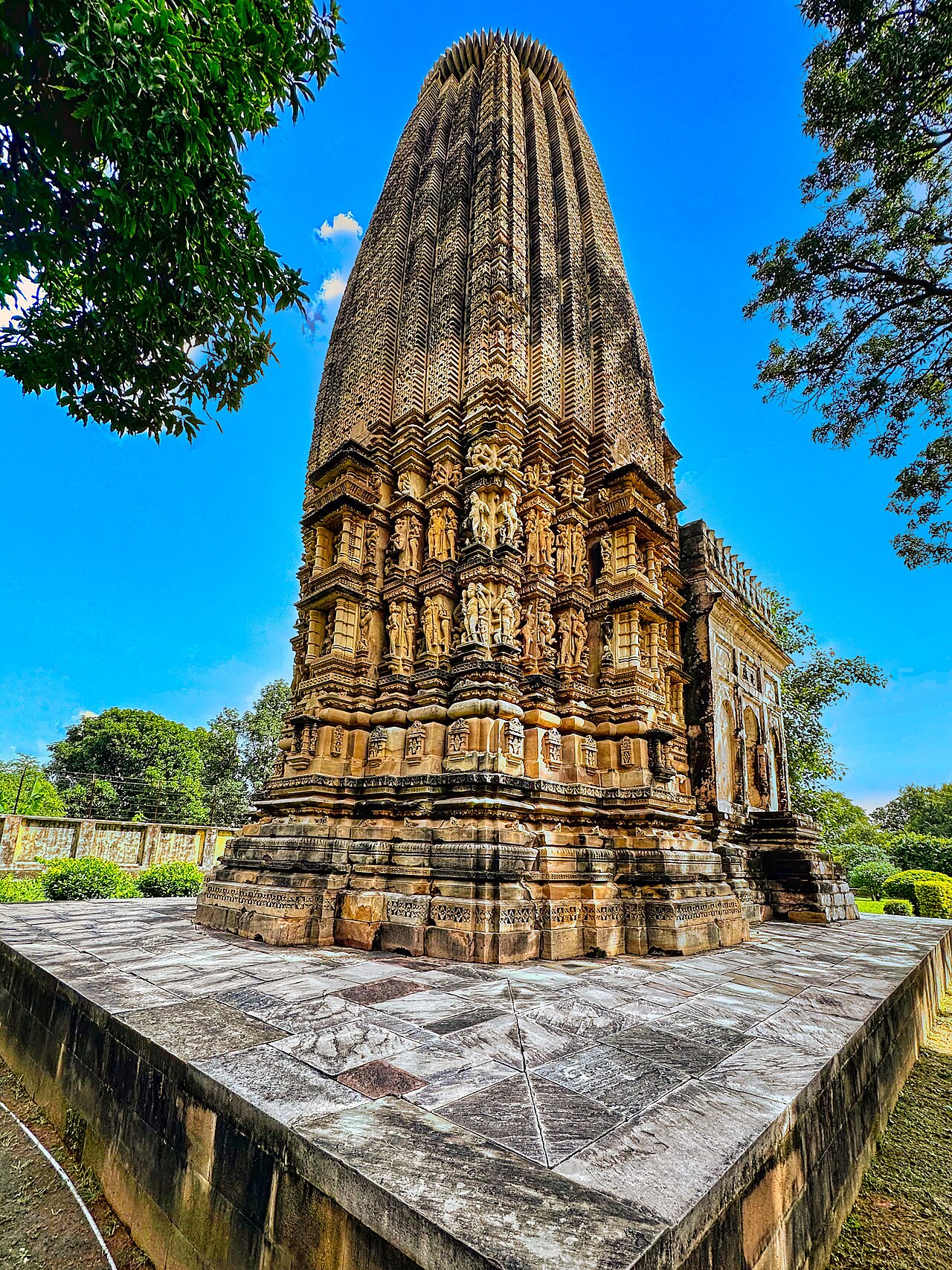
Adinatha Temple
Khajuraho · India · temple
A Digambara Jain shrine within Khajuraho's Eastern Group of Temples, dedicated to Lord Adinatha, the first tirthankara, its curvilinear sandstone tower carved in the late eleventh century for a Hindu patron before passing into Jain hands.
 Jainism
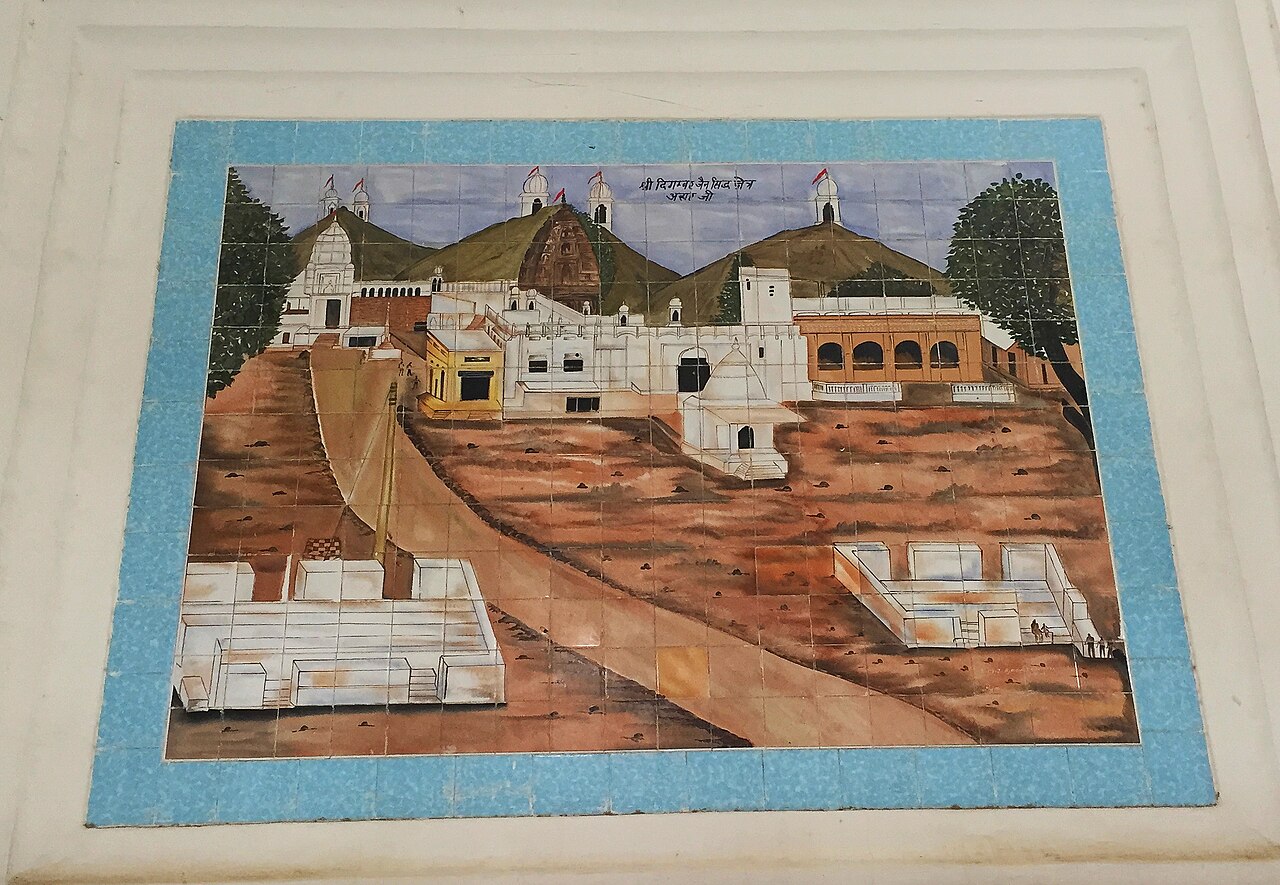
Aharji
Aharji · India · temple
A Digambara Jain tirtha in the Bundelkhand region of Madhya Pradesh, where an eighteen-foot Chandella-era colossus of Lord Shantinatha stands in silent meditation at the heart of a Temple complex raised across three centuries.
 Jainism
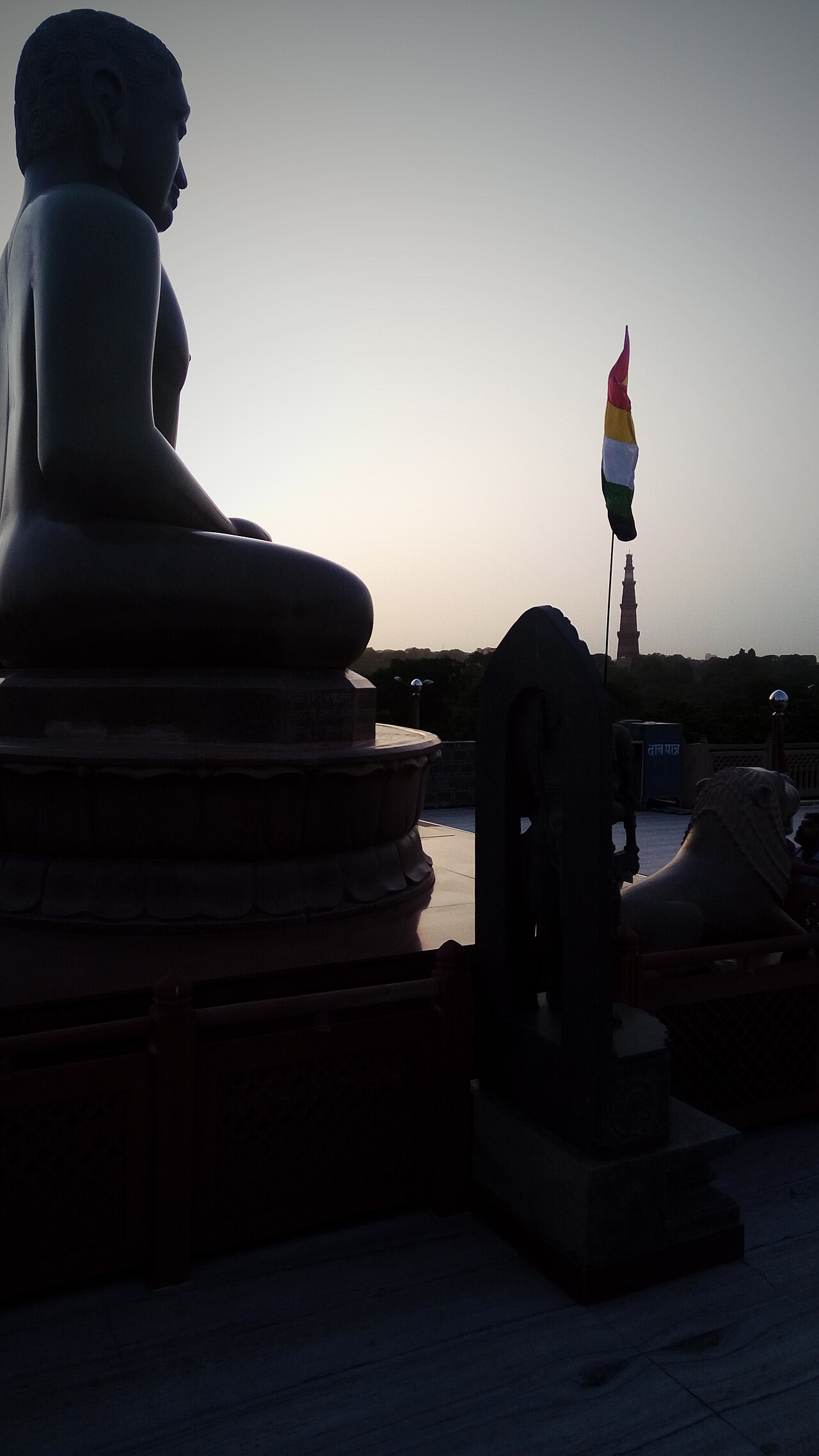
Ahinsa Sthal
New Delhi · India · temple
A modern Digambara Jain shrine on a terrace in Mehrauli, New Delhi, built in 1980 around a colossal granite image of Lord Mahavira seated in deep meditation, its very name declaring the tradition's central vow: ahimsa, harmlessness toward every living being.
 Jainism
Akkana Basadi
Shravanabelagola · India · temple
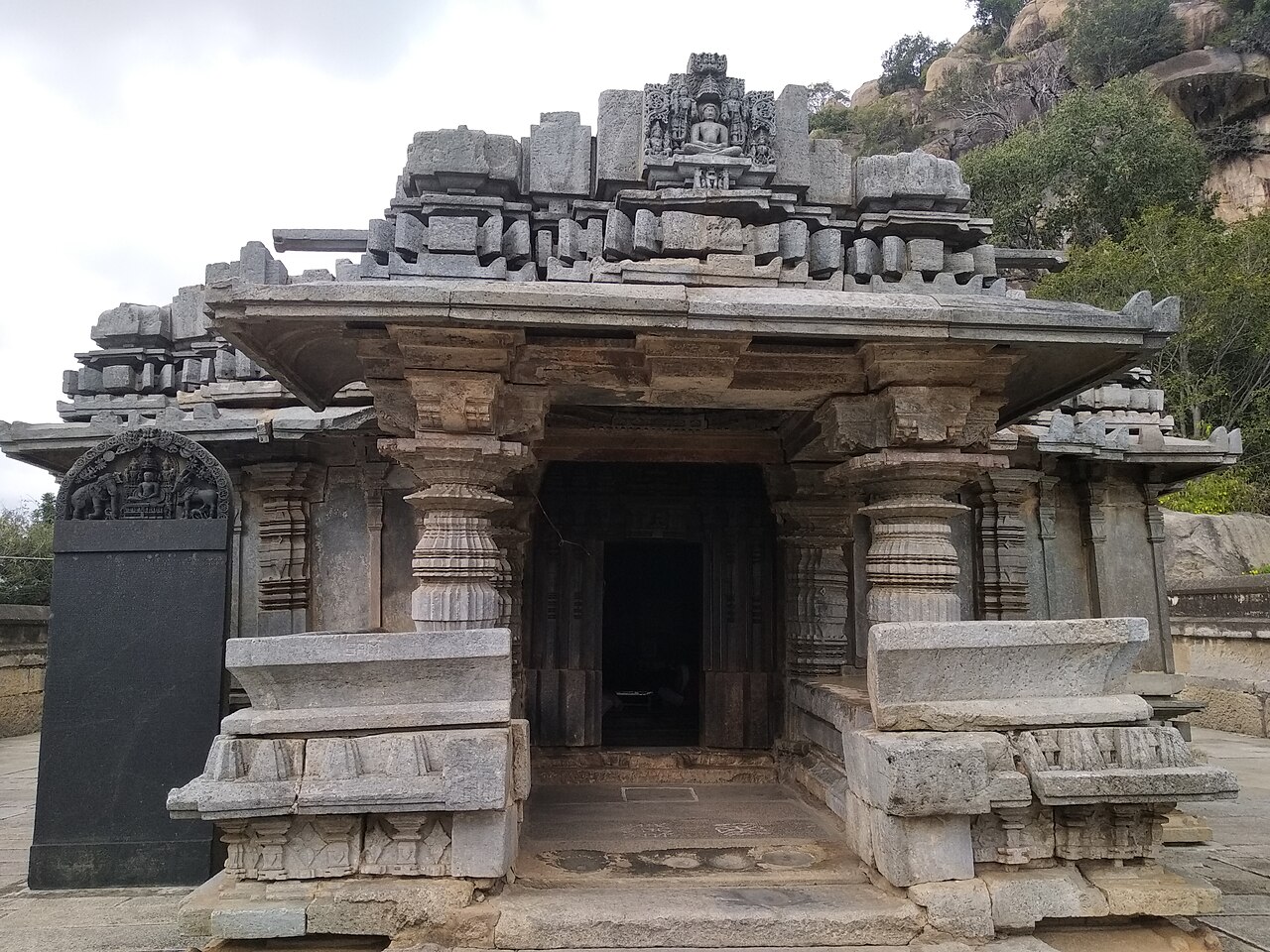
Consecrated in 1181 CE on Chandragiri hill at Shravanabelagola, Karnataka, Akkana Basadi is a Hoysala-era Jain basadi raised by the devout laywoman Achiyakka in honour of Tirthankara Parshvanatha, its deliberately plain stone walls and lathe-turned pillars a quiet expression of Jain austerity.
 Jainism
Bawangaja
Bawangaja · India · temple
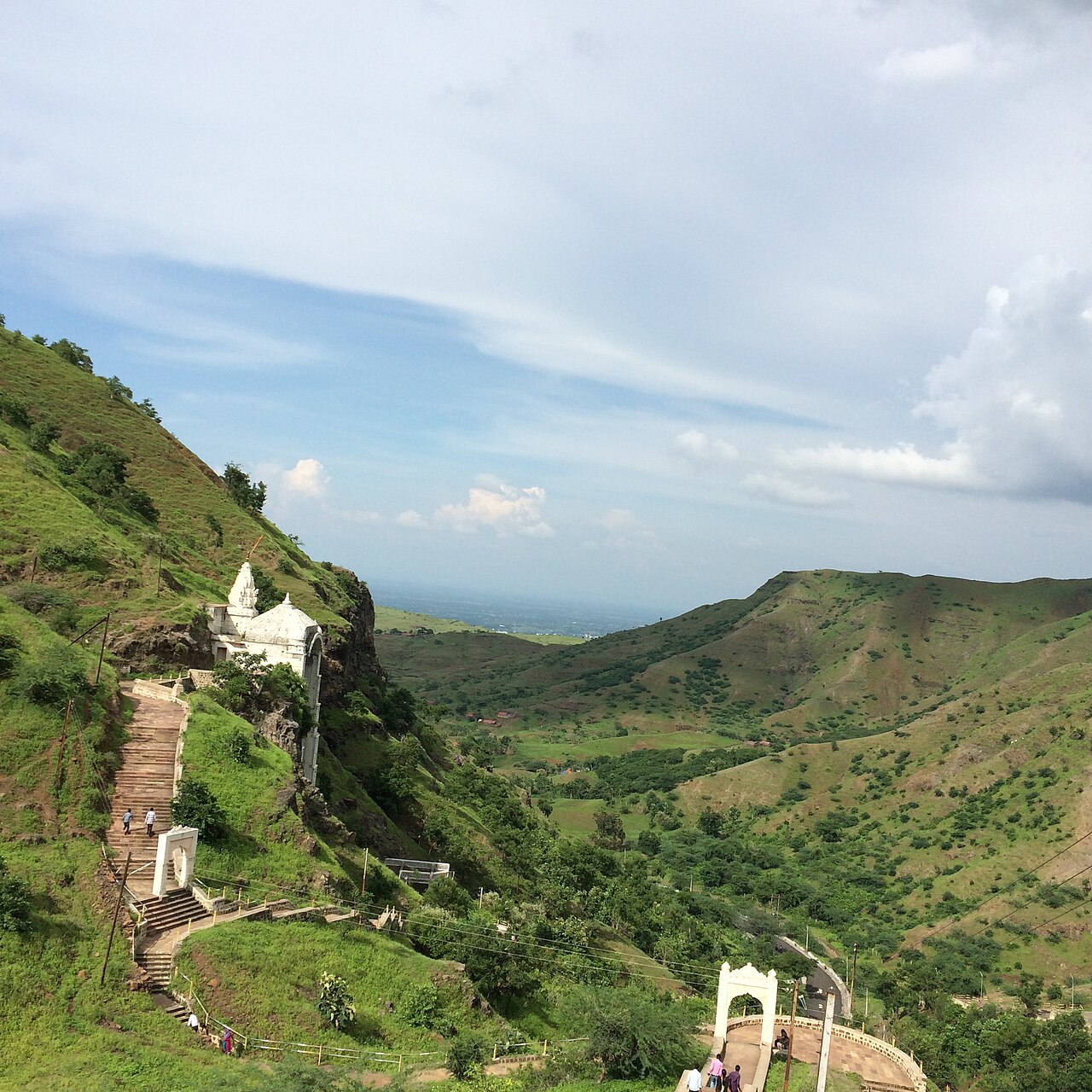
A Digambara Jain tirtha in the Satpura hills of Barwani district, Madhya Pradesh, where an 84-foot monolithic image of Lord Rishabhanatha (Adinatha), the first Tirthankara, stands carved directly from the mountain.
 Jainism
Brahma Jinalaya
Lakkundi · India · temple
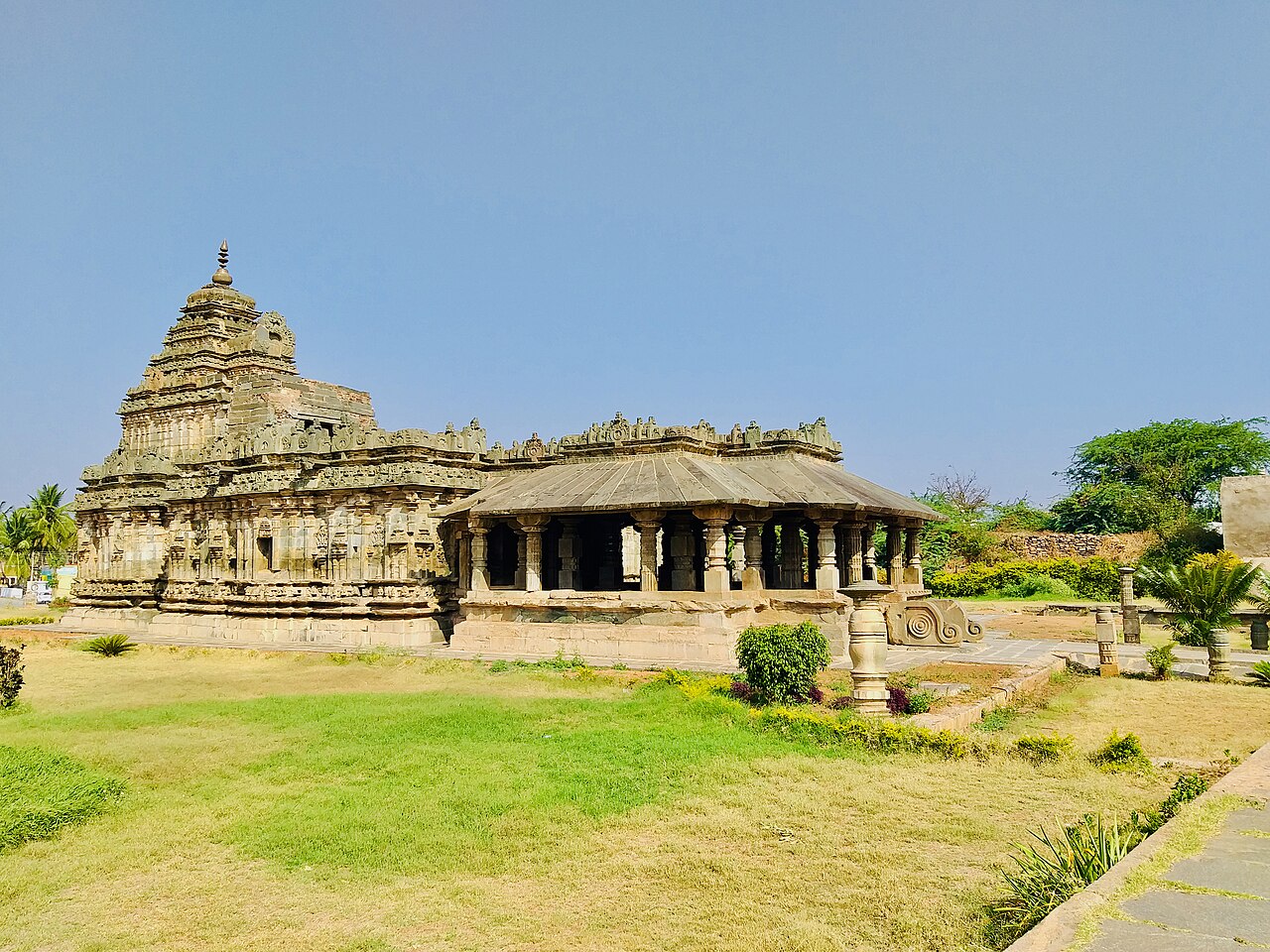
The Brahma Jinalaya, the oldest major Jain Temple in the Lakkundi region of Karnataka, was consecrated in 1007 CE under the patronage of the noblewoman Attimabbe and is celebrated for its finely carved soapstone tower and sculpture.