Bawangaja
Bawangaja Tirtha · Bawangajaji · Siddha Kshetra Bawangaja
About
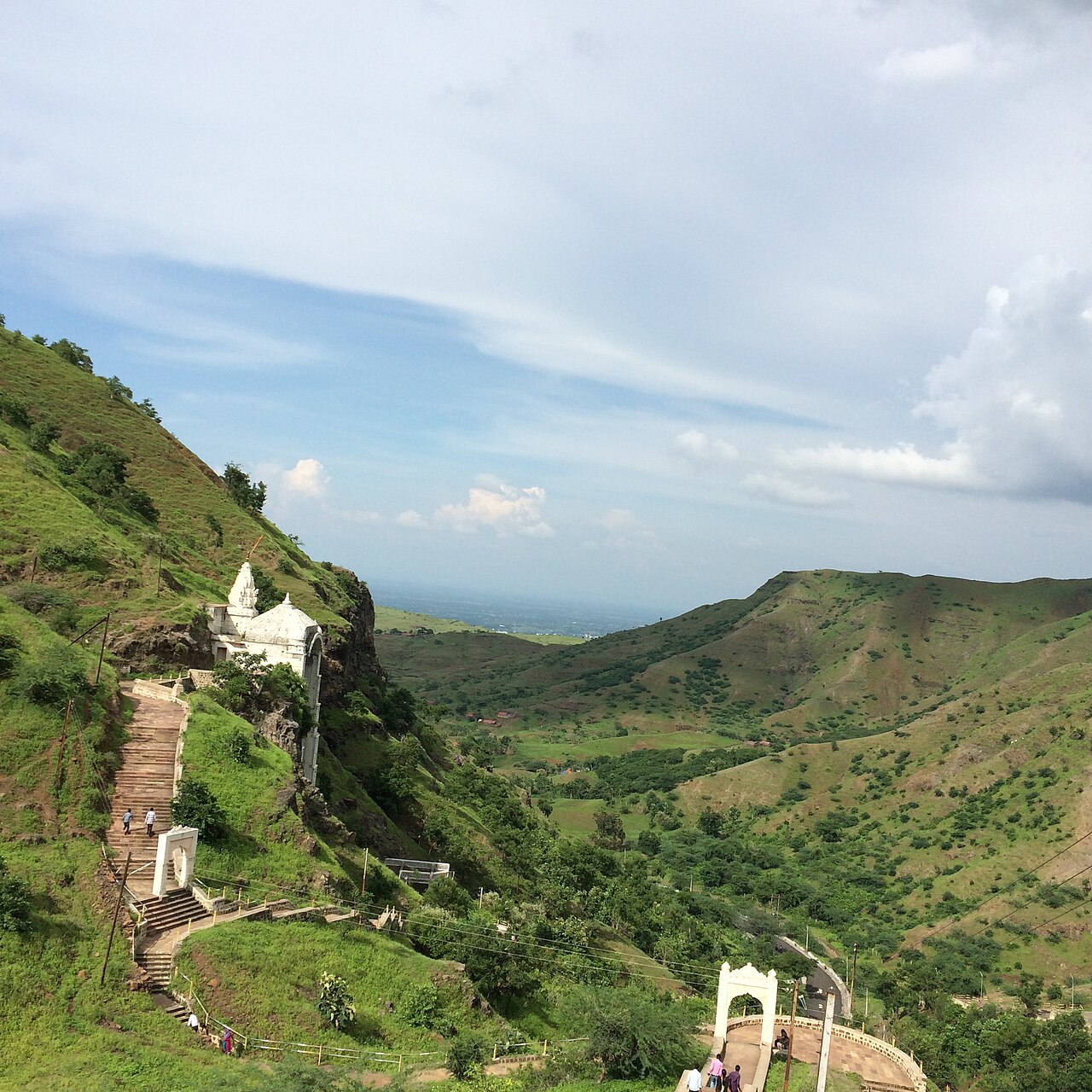
Bawangaja stands among the forested ridges of the Satpura Range in Barwani district, southwestern Madhya Pradesh, roughly eight kilometres from the town of Barwani and a short distance south of the sacred River Narmadā. The name itself carries a precise, dignified meaning, fifty-two yards, a measure that speaks to the colossal devotion that shaped this hilltop sanctuary over centuries.
The defining presence here is a towering monolithic form of Lord Ṛṣabhadeva (also known as Ādinātha), the founding Tīrthaṅkara of Jainism, carved directly from the mountain's granite at an elevation of approximately 1,219 metres. Rising 84 feet (26 metres), it is counted among the world's greatest single-rock religious sculptures, surpassed in scale only by the celebrated Statue of Ahiṃsā. Unlike the Gommaṭeśvara image at Shravanabelagola, this figure is supported at the rear rather than standing entirely free. The idol is fashioned in the Kāyotsarga posture, arms held serenely apart from the body, in warm brown stone, with features said to convey an exquisite balance of compassion, equanimity, and inner stillness.
Flanking the great image are attendant figures: to the left, Gomukha with four arms; to the right, the sixteen-armed Chakreshvarī rendered with careful artistry. The surrounding hillside complex encompasses eleven Temple shrines. Nearby, the Chulgiri Jain Temple, itself a Siddha-Kṣetra where the Digambara saints Indrajit, Kumbhakarna, and others are said to have attained liberation, preserves two stone inscriptions dated 1166 and 1459 CE, along with ancient footprint images and consecrated images of Lord Māllīnātha and Chandraprabha.
History
The great image of Lord Rishabhanatha was carved in the early twelfth century CE, standing 84 feet high at an elevation of roughly 1,219 metres in the middle of the Satpura range, supported at the rear rather than free standing like the Gommateshvara statue at Shravanabelagola. An inscription records restoration work carried out by a Bhattaraka in 1503 CE, and the eleven shrines that today surround the great image largely belong to the fifteenth century. The idol was conserved again in 1989 and 1990 and reconsecrated in January 1991, and the Bawangaja Trust carried out further restoration in 2016, including a three-storey dharamshala of 108 rooms for pilgrims.
Significance
For Digambara Jains, Bawangaja ranks as an atishaya kshetra, a place marked by miraculous or spiritually exceptional qualities, and Lord Rishabhanatha's colossal image, flanked by the four-armed Gomukha and the sixteen-armed Chakreshvari, draws pilgrims from across India. On the adjoining Chulgiri hill, a Siddha Kshetra where Digambara tradition holds that the ascetics Indrajit, Kumbhakarna, and others attained liberation, two inscriptions dated 1166 and 1459 CE stand alongside footprint images and consecrated images of Lord Mallinatha and Chandraprabha. The Bawangaja Yatra, held every year on the full moon day of the month of Pausha, brings large numbers of pilgrims up the hillside, and once every twelve years the site hosts a Mahamastakabhisheka, the great head-anointing ceremony, for the towering image.
Architecture
A monolithic rock-cut Digambara Jain colossus in kayotsarga posture, set within a hillside complex of eleven later shrines
Visiting
Hours
Hours not listed.
Contact
No contact details listed yet.
Address
Engage with Bawangaja
Through the four pathways
Seva सेवा — Service
Offer your time and skills here. The following opportunities are open at Bawangaja:
No Seva offerings listed yet.
Sādhana साधना — Practice
Learn the worship and practice associated with Bawangaja:
No Sādhana offerings listed yet.
Sandhāna सन्धान — Wisdom
Unite with the wisdom of this tradition:
No Sandhāna offerings listed yet.
Sādhya साध्य — Giving
Support this sacred place according to your means:
No Sādhya offerings listed yet.
All giving flows directly to Bawangaja. Adisthan does not take a commission.
Festivals & Events
- Jan
Bawangaja Yatra
22 January 2027 · annual
The annual pilgrimage fair held on the full moon day of the calendar month of Pausha, when pilgrims climb the Satpura hillside to venerate the great image of Lord Rishabhanatha.
Gallery
Related sacred places
 Jainism
Adinatha Temple
Khajuraho · India · temple
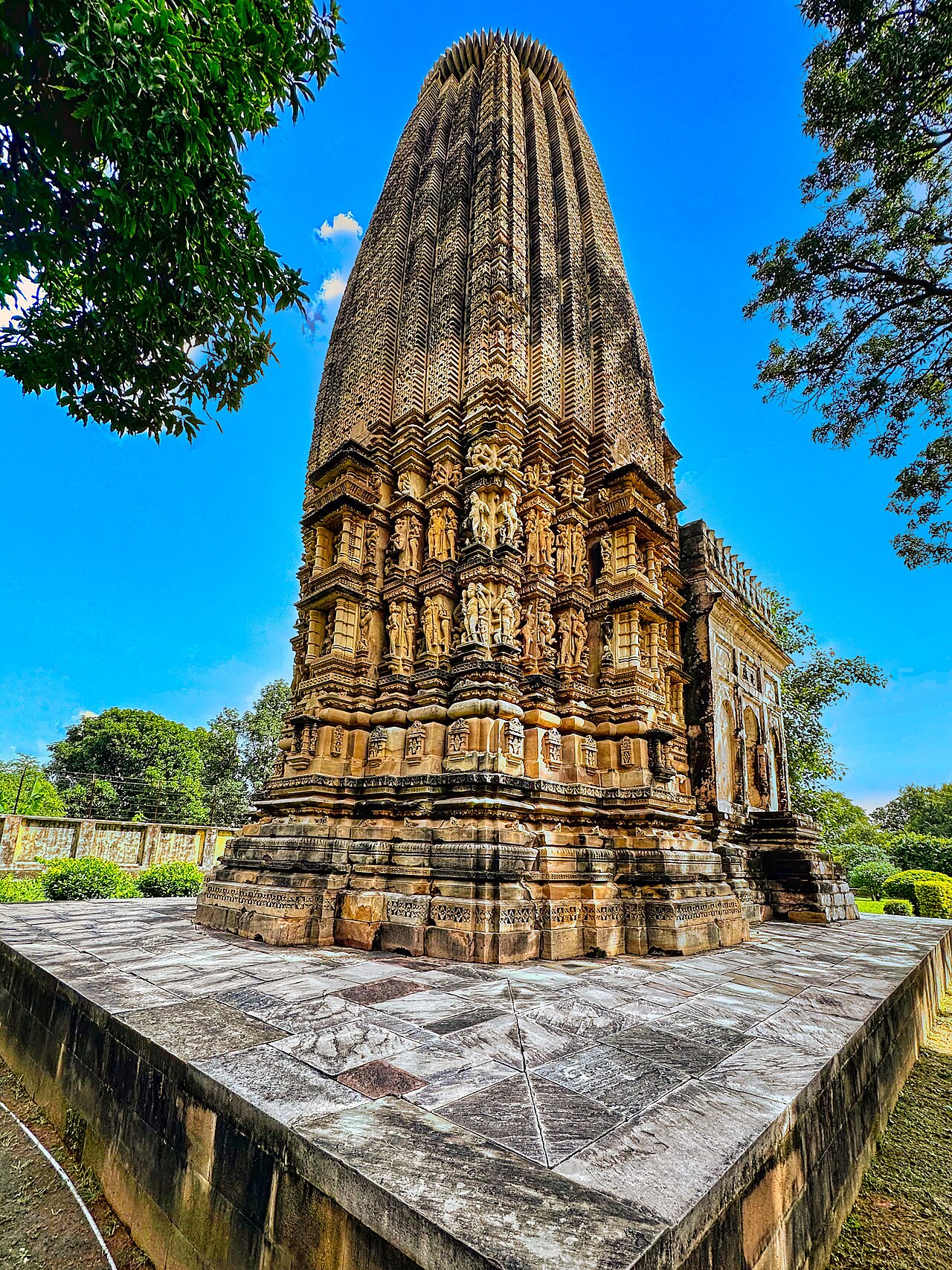
A Digambara Jain shrine within Khajuraho's Eastern Group of Temples, dedicated to Lord Adinatha, the first tirthankara, its curvilinear sandstone tower carved in the late eleventh century for a Hindu patron before passing into Jain hands.
 Jainism
Aharji
Aharji · India · temple
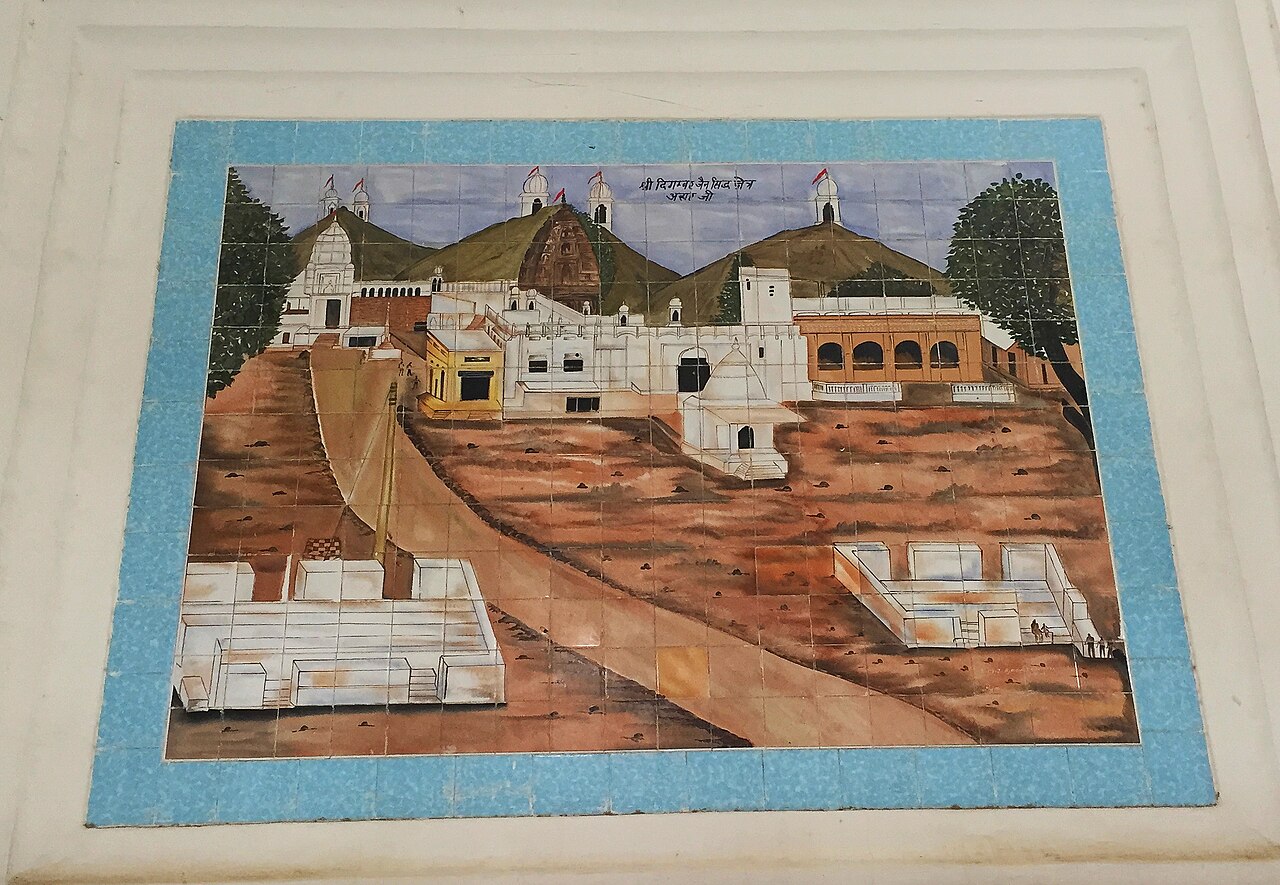
A Digambara Jain tirtha in the Bundelkhand region of Madhya Pradesh, where an eighteen-foot Chandella-era colossus of Lord Shantinatha stands in silent meditation at the heart of a Temple complex raised across three centuries.
 Jainism
Ahinsa Sthal
New Delhi · India · temple
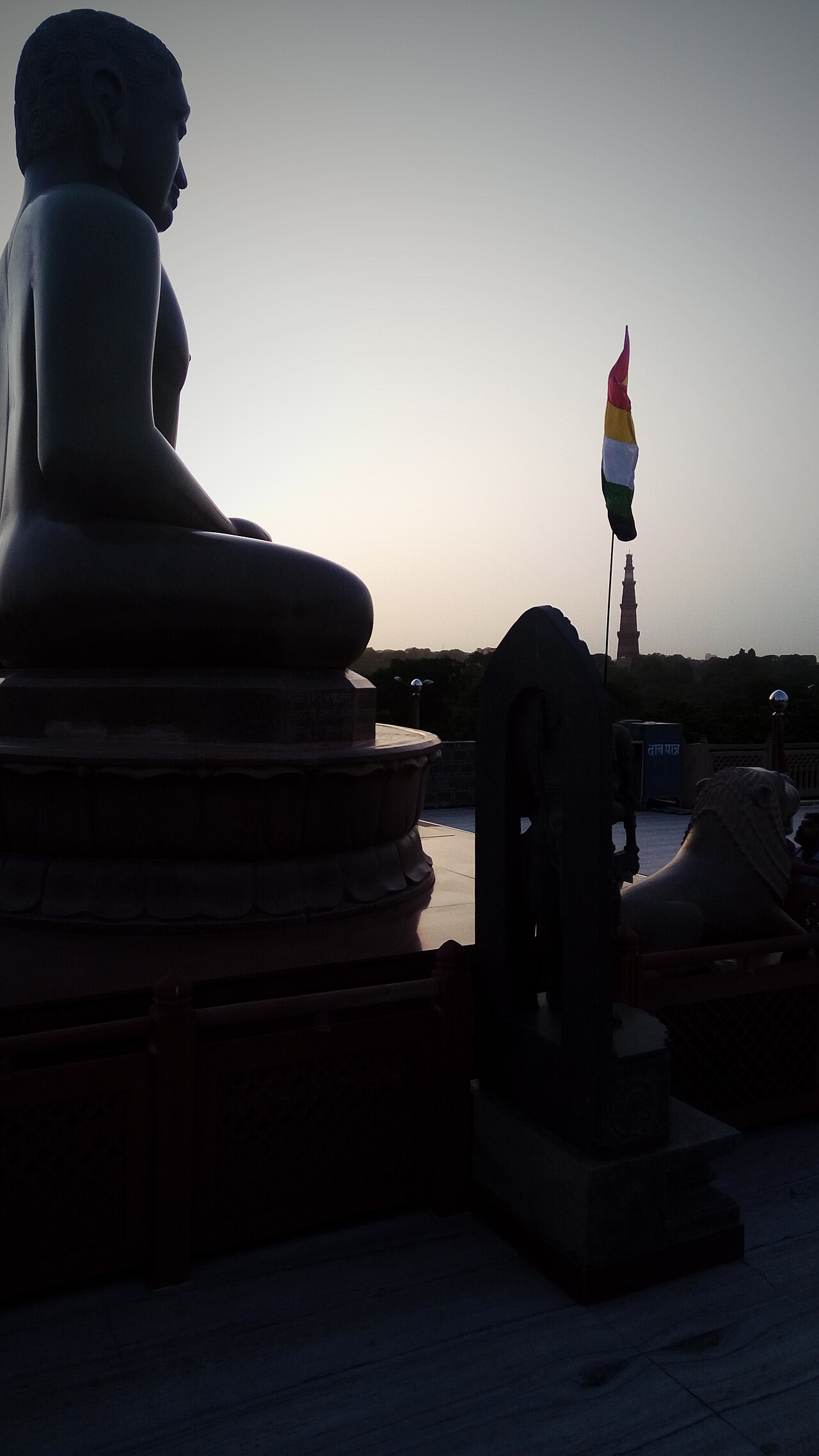
A modern Digambara Jain shrine on a terrace in Mehrauli, New Delhi, built in 1980 around a colossal granite image of Lord Mahavira seated in deep meditation, its very name declaring the tradition's central vow: ahimsa, harmlessness toward every living being.
 Jainism
Ajmer Jain Temple
Ajmer · India · temple
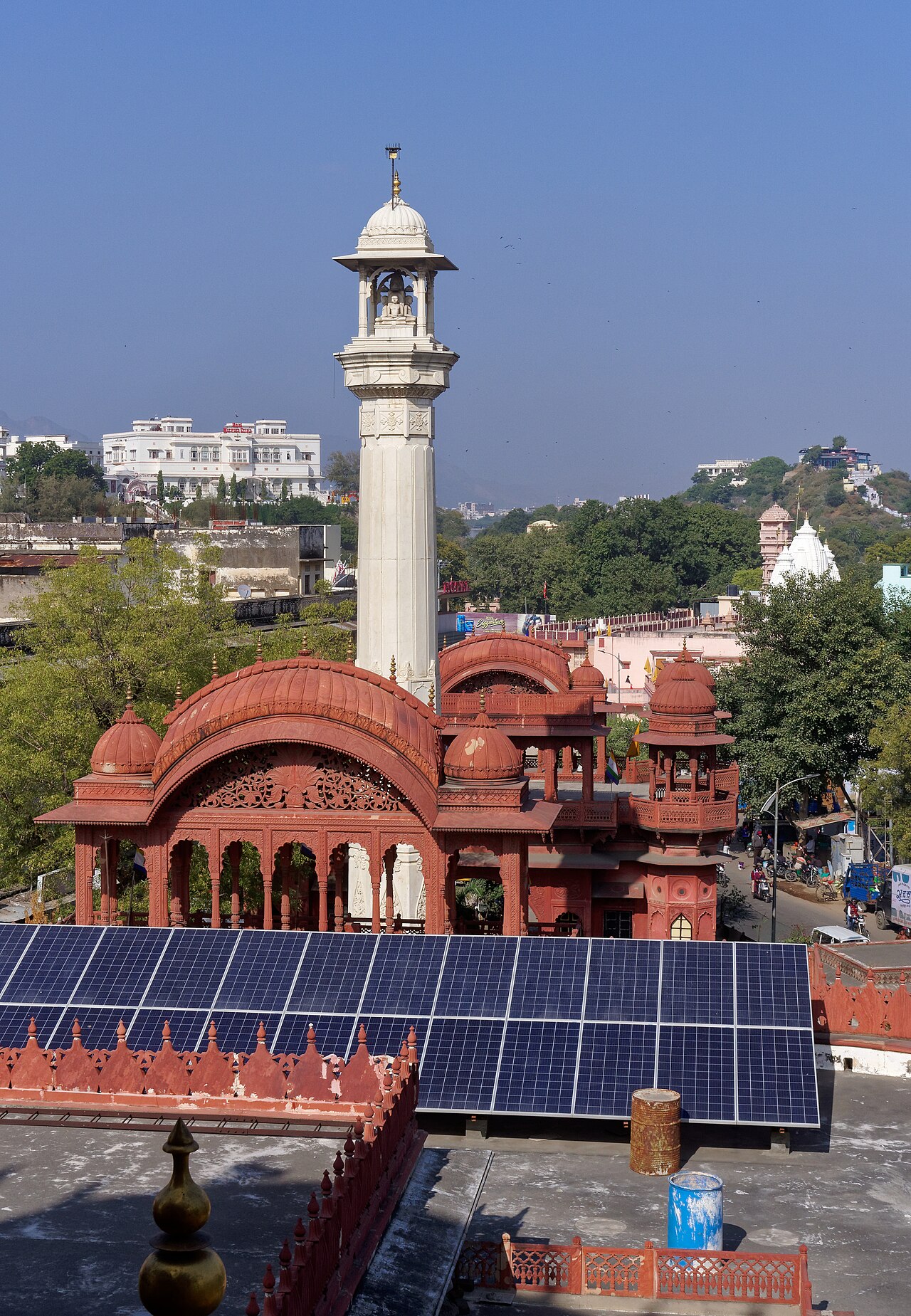
Popularly called Soniji Ki Nasiyan or the Red Temple, this Digambara Jain Temple on Prithviraj Marg in Ajmer pairs a red sandstone sanctuary, crowned by an eighty two foot marble pillar, with a golden upper hall whose gilded tableaux retell the life of Lord Rishabhdev, the first tirthankara.
 Jainism
Akkana Basadi
Shravanabelagola · India · temple
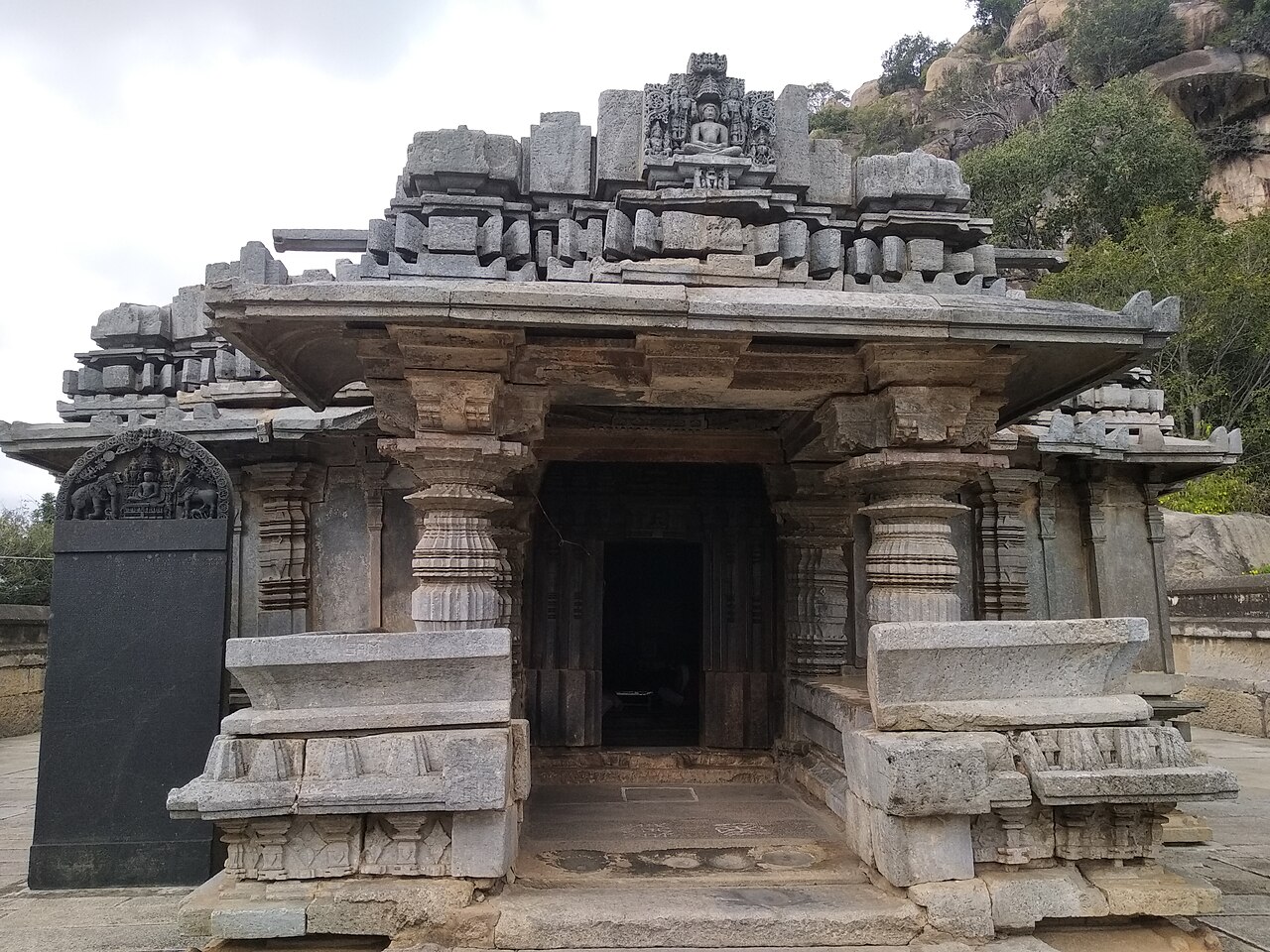
Consecrated in 1181 CE on Chandragiri hill at Shravanabelagola, Karnataka, Akkana Basadi is a Hoysala-era Jain basadi raised by the devout laywoman Achiyakka in honour of Tirthankara Parshvanatha, its deliberately plain stone walls and lathe-turned pillars a quiet expression of Jain austerity.
 Jainism
Brahma Jinalaya
Lakkundi · India · temple
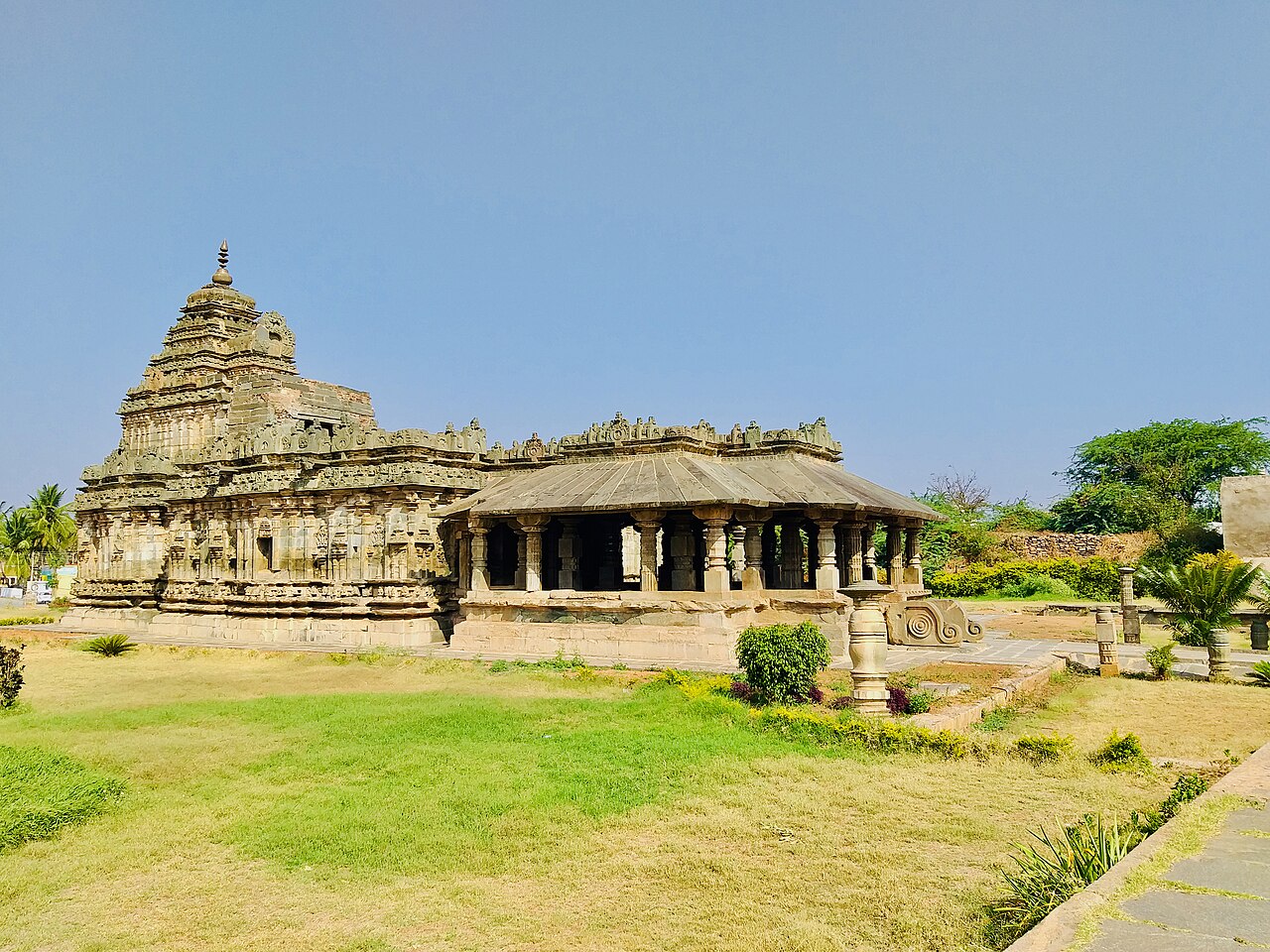
The Brahma Jinalaya, the oldest major Jain Temple in the Lakkundi region of Karnataka, was consecrated in 1007 CE under the patronage of the noblewoman Attimabbe and is celebrated for its finely carved soapstone tower and sculpture.