Brahma Jinalaya
Greater Jain Temple of Lakkundi · Jain Basti, Lakkundi
About
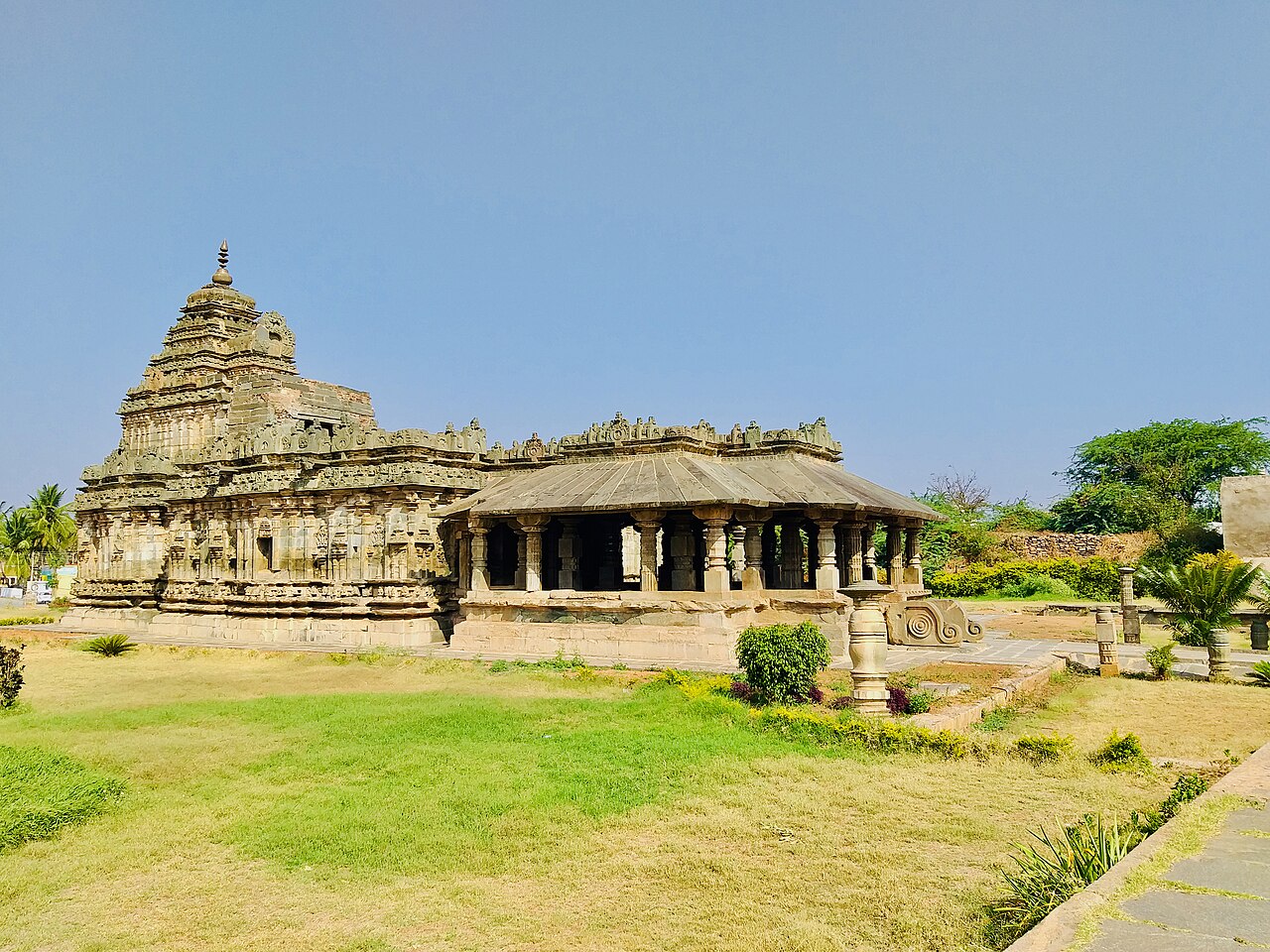
Situated on the southwestern edge of Lakkundi village, the Brahma Jinalaya, also known as the Greater Jain Temple of the settlement, is a soapstone monument whose eastern-facing plan unfolds through a sequence of interconnected halls. Entering from the east, one passes through an open columned porch before arriving at a closed navaranga maṇḍapa, then a vestibule joining the hall to the inner sanctum. The garbhagṛha is crowned by a three-tiered nirāndharā vimāna with a square gīvā and śikhara, a form that art historian Henry Cousens praised for its well-proportioned, majestic silhouette. Thirty-two columns support the outermost porch, and the ceilings above them, while relatively plain, contrast with the elaborate carving on every vertical surface.
The choice of chloritic schist, soapstone, distinguishes this structure from the sandstone Temples of the earlier Bādāmi Chalukya period at Pattadakal. Art historian Adam Hardy categorises the Brahma Jinalaya within the mainstream Lakkundi school of the mid-eleventh century, with the superstructure reflecting a late-eleventh-century phase of building. Percy Brown noted that soapstone later became the defining medium of Hoysala construction, a lineage the Brahma Jinalaya helped inaugurate. Doorframes carved in five parallel registers demonstrate the Karnata plateresque tradition, with hamsavalī, padmamālā, bhūtaśākha, and ratnaśākha framing the passages. At intervals above the cornice, circular niches each shelter a seated Jain saint beneath a kīrtimukha flourish, while the wall surfaces carry miniature aedicules and decorative towers on slender half-pilasters in a density of ornament exceeding anything attempted by earlier builders.
The sculptural programme within the Temple moves beyond strictly Jain iconography. Inside the inner maṇḍapa, a monolithic four-headed Brahma carved in the round stands with Hindu attributes, yet his pedestal bears Jain decorative motifs including lions. Facing him across the hall, a four-armed goddess, identified by Cousens and most scholars as Saraswatī, carries an aṅkuśa, a petalled flower, a book, and a citron in her four hands. The sanctum enshrines Neminatha as mūlanāyak accompanied by yaksha and yakṣī, while nearby a seven-hooded Pārśvanātha stands in kāyotsarga posture, and Padmāvatī sits gracefully beside Parśva with hands in varadamudrā. These presences together speak to a devotional atmosphere at once singular in its Jain dedication and generous in its embrace of the wider sacred world.
History
The Brahma Jinalaya was raised in 1007 CE through the patronage of Attimabbe, styled Danachintamani Attimabbe, wife of the governor and general Dandanayaka Nagadeva, who served the Western Chalukya rulers Taila II and Satyashraya Irivabedanga. The Temple's carved door lintel depicts Lord Mahavira in the traditional place of sanctum dedication, and a large image of Mahavira, its head lost in the wars that swept the region after the Hoysala king Veera Ballala II garrisoned the town in 1191 CE, still stands near the entrance. British archaeologist Henry Cousens found the shrine derelict and inhabited by bats when he surveyed it in the early twentieth century, and while some later accounts identify the sanctum image as Neminatha, the door lintel and the ancient statue at its threshold both point to Lord Mahavira, whom Jain heritage sources name as the deity enshrined today. The Archaeological Survey of India has since restored the complex and protects it as a Monument of National Importance.
Significance
As the oldest major Jain Temple in the Lakkundi region, the Brahma Jinalaya marks a turning point in Western Chalukya Temple building, when architects moved from the sandstone of the earlier Badami Chalukya shrines to the more workable soapstone that would later define Hoysala architecture. Within its pillared hall stand a monolithic four-headed Brahma and a four-armed goddess many scholars identify as Maa Saraswati, a richly worked presence of Hindu iconography inside a Jain sanctuary that reflects the shared devotional culture of eleventh-century Karnataka. The Temple continues to receive daily worship and lends its founder's name to the main stage of the annual Lakkundi Utsav, the Daana Chintamani Attimabbe Vedike.
Architecture
Western Chalukya (Karnata Dravida) Temple architecture of the Lakkundi school, built in soapstone rather than the sandstone of earlier Badami Chalukya Temples, with a three-tiered nirandhara vimana superstructure
Visiting
Hours
Hours not listed.
Contact
No contact details listed yet.
Engage with Brahma Jinalaya
Through the four pathways
Seva सेवा — Service
Offer your time and skills here. The following opportunities are open at Brahma Jinalaya:
No Seva offerings listed yet.
Sādhana साधना — Practice
Learn the worship and practice associated with Brahma Jinalaya:
No Sādhana offerings listed yet.
Sandhāna सन्धान — Wisdom
Unite with the wisdom of this tradition:
No Sandhāna offerings listed yet.
Sādhya साध्य — Giving
Support this sacred place according to your means:
No Sādhya offerings listed yet.
All giving flows directly to Brahma Jinalaya. Adisthan does not take a commission.
Festivals & Events
- Apr
Mahavir Jayanti
19 April 2027 · annual
The birth anniversary of Lord Mahavira, observed with prayer, Temple decoration, and readings from Jain scripture, of particular devotion at a Temple that traditionally enshrines him.
Gallery
Related sacred places
 Jainism
Adinatha Temple
Khajuraho · India · temple
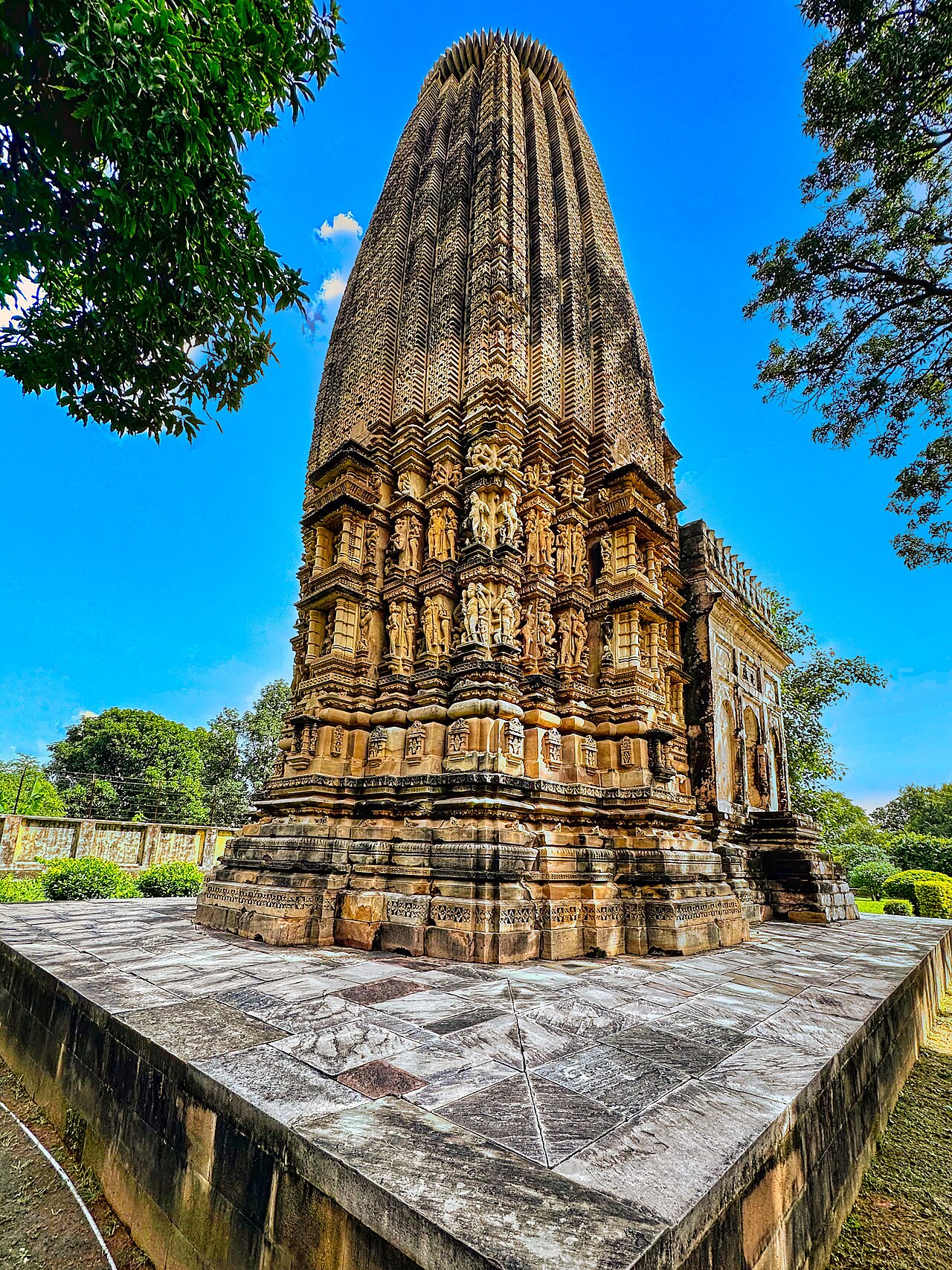
A Digambara Jain shrine within Khajuraho's Eastern Group of Temples, dedicated to Lord Adinatha, the first tirthankara, its curvilinear sandstone tower carved in the late eleventh century for a Hindu patron before passing into Jain hands.
 Jainism
Aharji
Aharji · India · temple
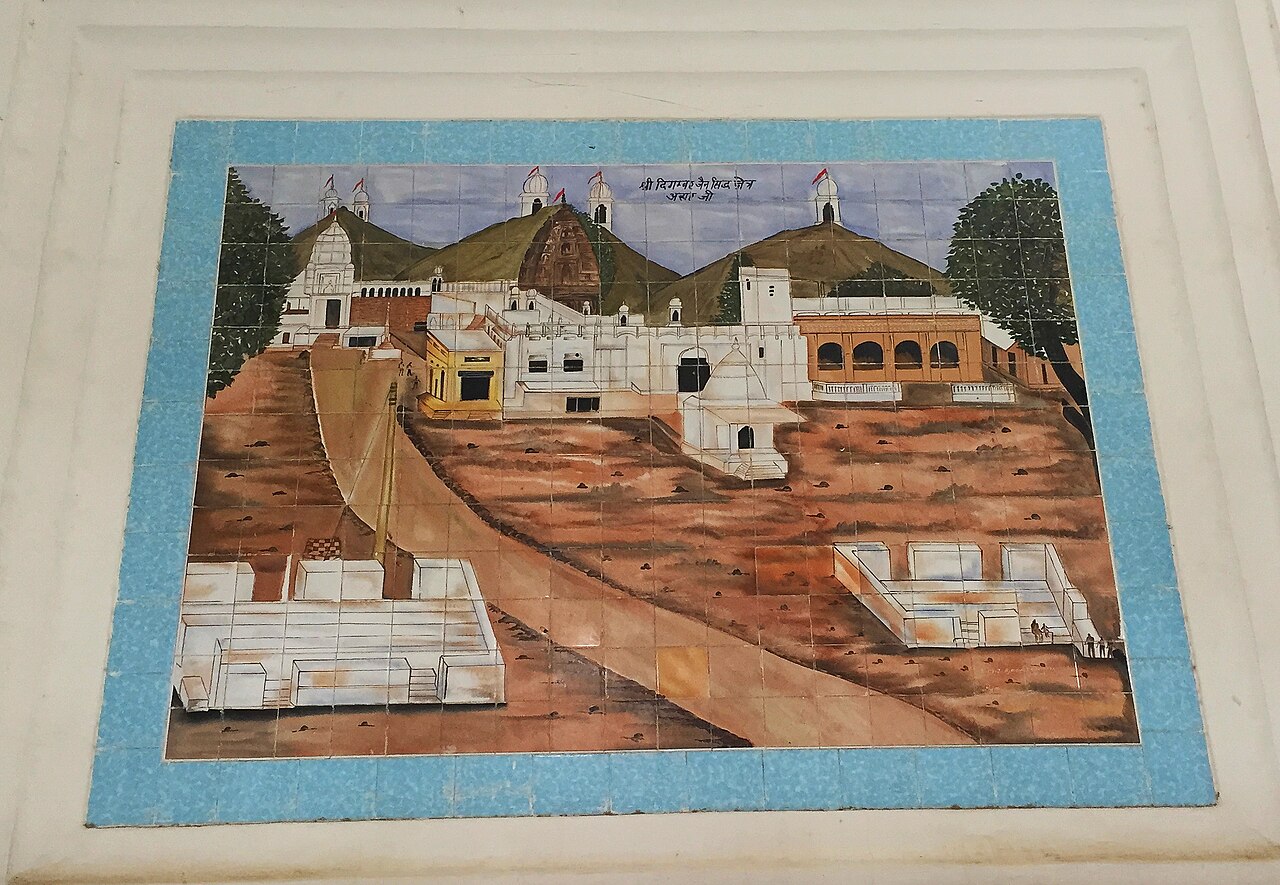
A Digambara Jain tirtha in the Bundelkhand region of Madhya Pradesh, where an eighteen-foot Chandella-era colossus of Lord Shantinatha stands in silent meditation at the heart of a Temple complex raised across three centuries.
 Jainism
Ahinsa Sthal
New Delhi · India · temple
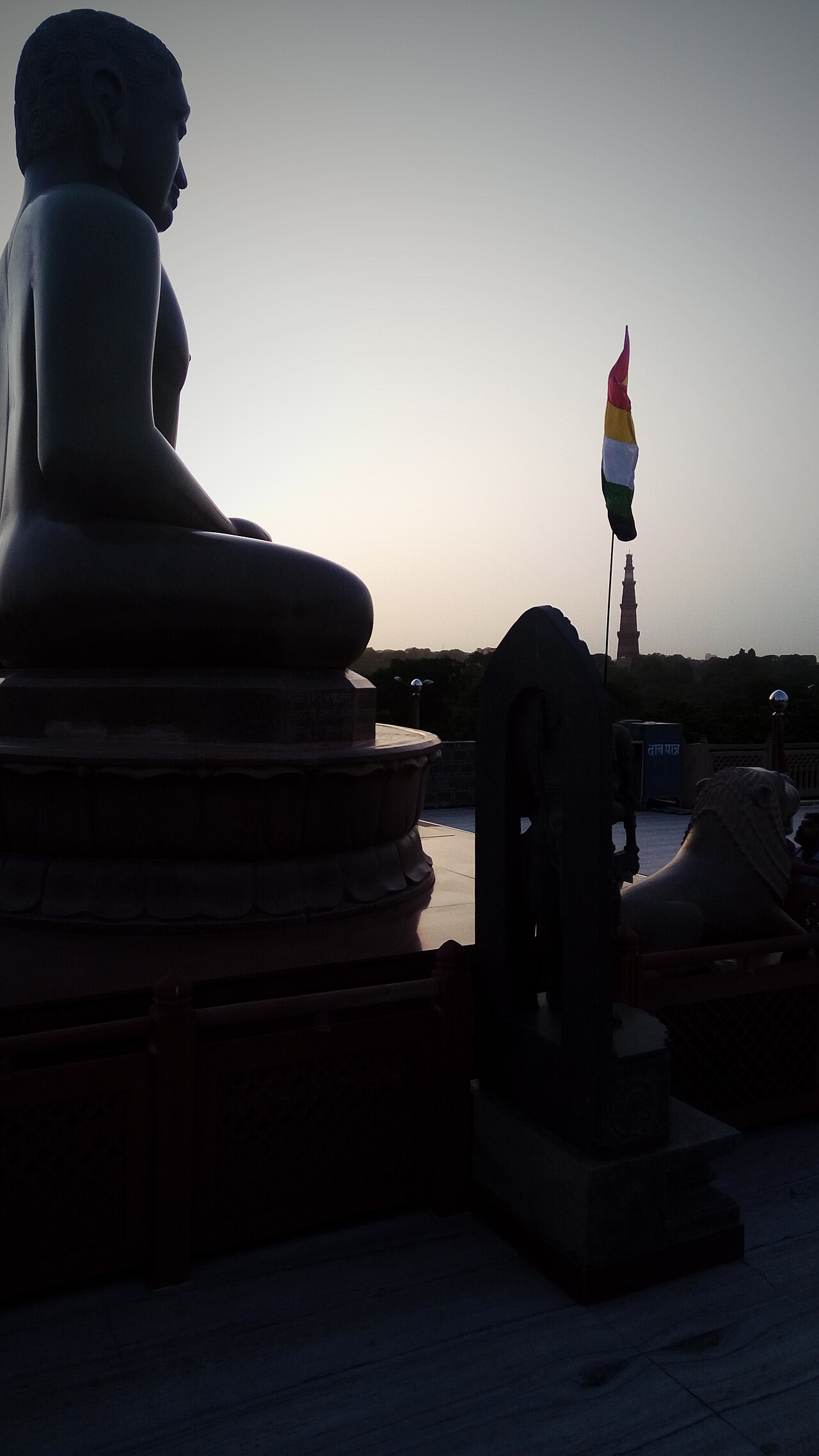
A modern Digambara Jain shrine on a terrace in Mehrauli, New Delhi, built in 1980 around a colossal granite image of Lord Mahavira seated in deep meditation, its very name declaring the tradition's central vow: ahimsa, harmlessness toward every living being.
 Jainism
Ajmer Jain Temple
Ajmer · India · temple
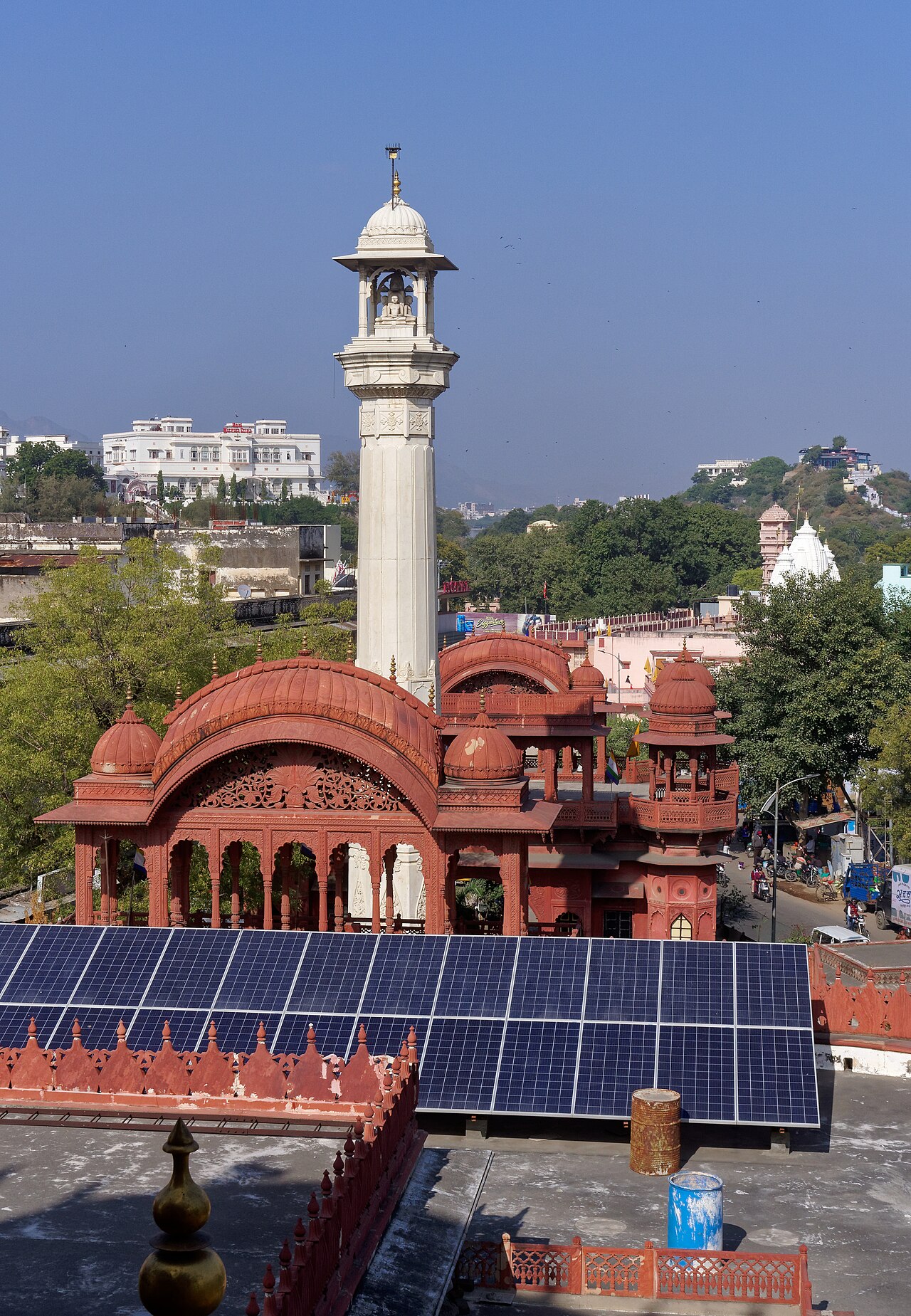
Popularly called Soniji Ki Nasiyan or the Red Temple, this Digambara Jain Temple on Prithviraj Marg in Ajmer pairs a red sandstone sanctuary, crowned by an eighty two foot marble pillar, with a golden upper hall whose gilded tableaux retell the life of Lord Rishabhdev, the first tirthankara.
 Jainism
Akkana Basadi
Shravanabelagola · India · temple
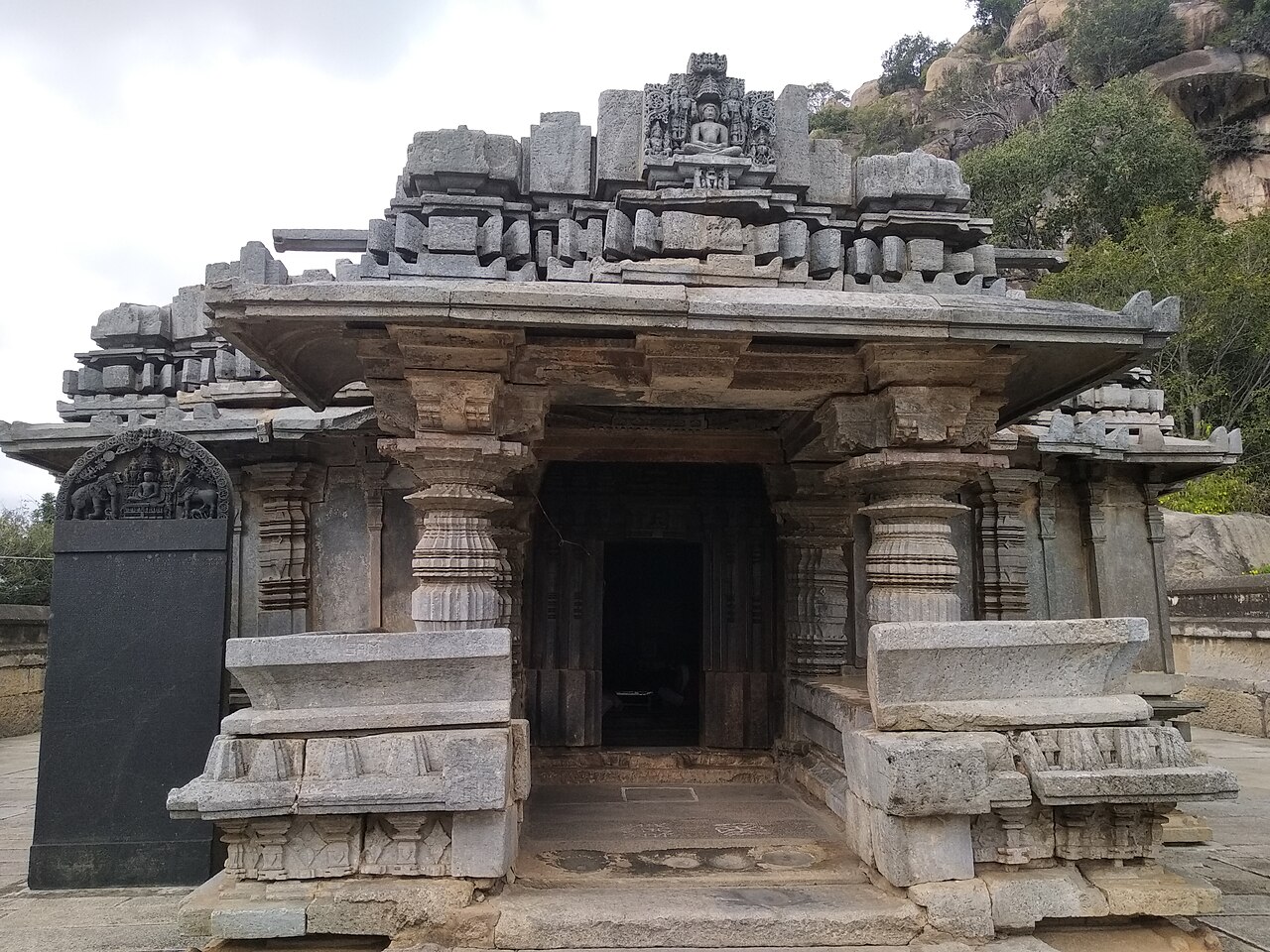
Consecrated in 1181 CE on Chandragiri hill at Shravanabelagola, Karnataka, Akkana Basadi is a Hoysala-era Jain basadi raised by the devout laywoman Achiyakka in honour of Tirthankara Parshvanatha, its deliberately plain stone walls and lathe-turned pillars a quiet expression of Jain austerity.
 Jainism
Bawangaja
Bawangaja · India · temple
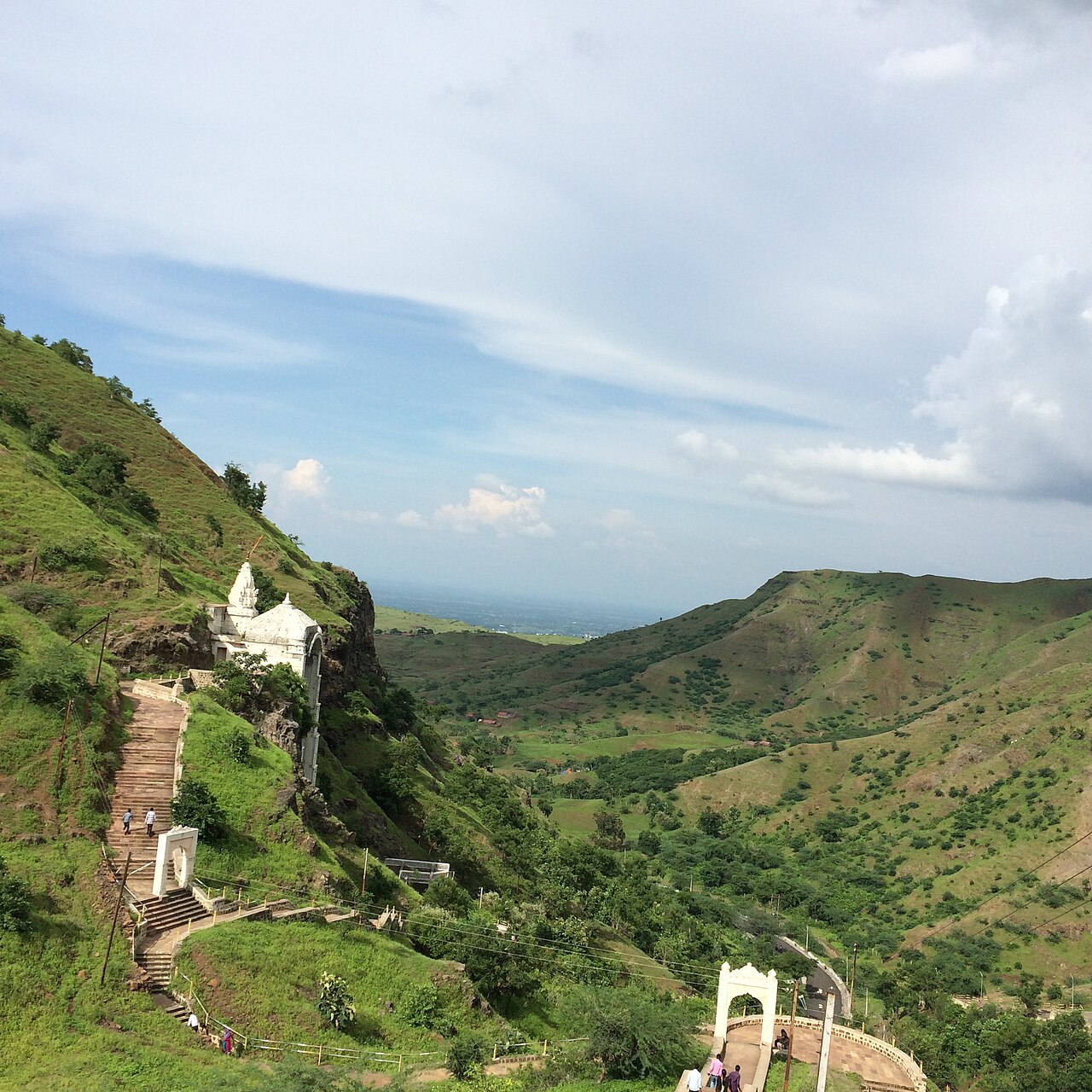
A Digambara Jain tirtha in the Satpura hills of Barwani district, Madhya Pradesh, where an 84-foot monolithic image of Lord Rishabhanatha (Adinatha), the first Tirthankara, stands carved directly from the mountain.