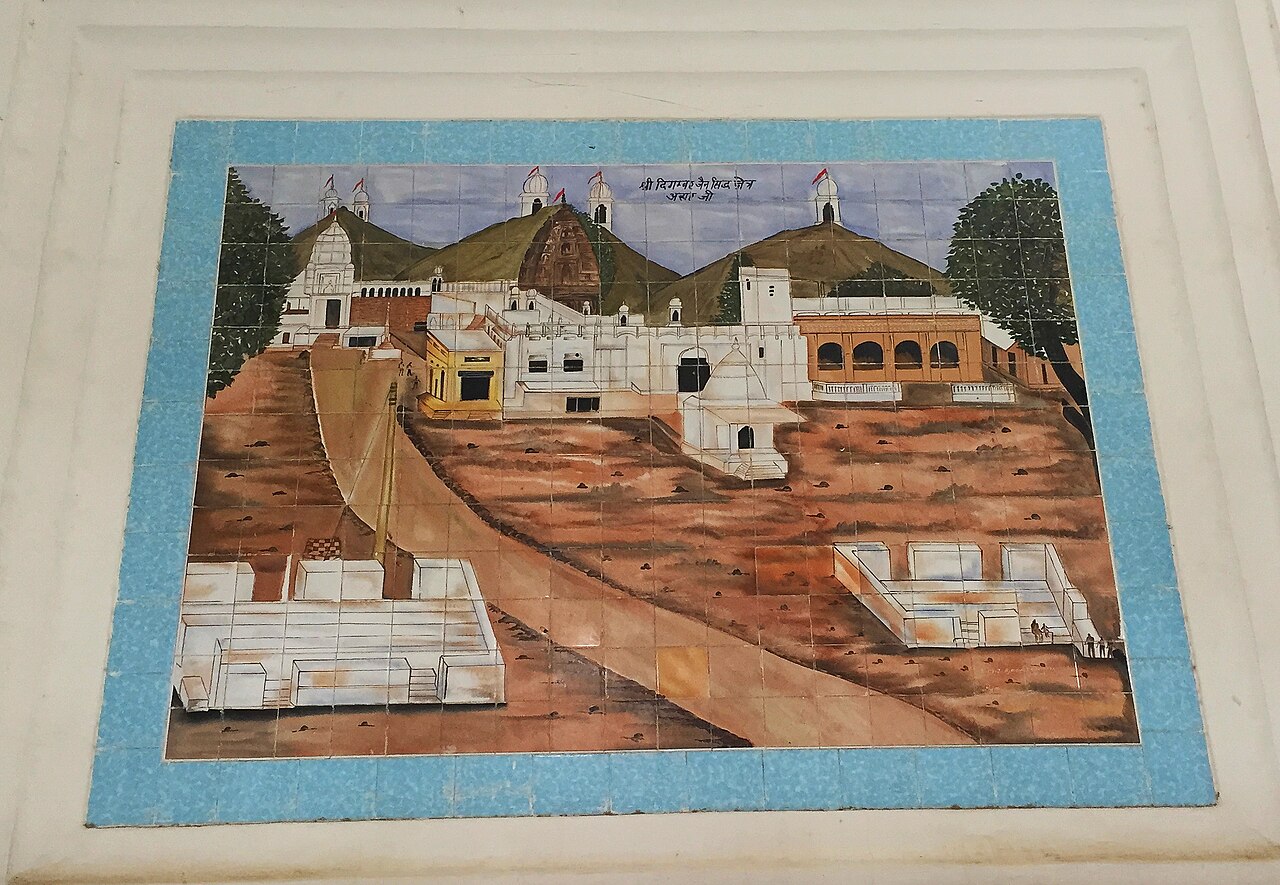
Aharji
Aharji Jain Teerth · Ahaarji
About
Aharji is a historic Digambara Jain pilgrimage site (tīrtha) set among the gentle landscape of central India, on the road that runs between Tikamgarh and Chhatarpur in Madhya Pradesh.
The site is best known for a monumental colossus of Bhagwān Shāntinātha, the sixteenth Tīrthaṅkara, carved standing in the meditative khaḍgāsana (kāyotsarga) posture. Eighteen feet tall and dating to the late Chandella period, this image is the spiritual centerpiece of the kṣetra and the focus of devotee darśana.
The main Temple housing the Shāntinātha image bears an inscription dated 1180 CE (Vikram Samvat 1237), and was the last major shrine raised here in the Chandella era. Several smaller Temples were built around it during the same period, and excavations have uncovered hundreds of Jain images installed between 954 and 1275 CE, attesting to Aharji's standing as a major Jain center under six successive Chandella rulers.
Inscriptions at the site record the names of thirty-two distinct Jain communities, including the Golapurva, Parwar, Khandelwal, Golalare and Jaiswal, who contributed to its Temples, painting a vivid picture of a thriving lay Jain world in medieval Bundelkhand.
History
The main Temple enshrining the great Shantinatha image carries an inscription dated 1180 CE, Vikram Samvat 1237, and was the last major shrine built here during the Chandella dynasty. The inscription names two brothers of the Grahapati community, Jahad and Udaichandra, as its builders, working under the Chandella king Paramardideva, remembered in Bundelkhand's own Alha-Khand ballads as Raja Parmal, and credits a sculptor named Papat with carving the colossus. Excavations at the site have uncovered several hundred Jain images installed here between 954 and 1275 CE, spanning six Chandella reigns, and inscriptions record the names of thirty-two separate Jain communities who contributed to its Temples.
Significance
Aharji is counted among Bundelkhand's principal Digambara Jain tirthas. The towering image of Lord Shantinatha, standing in the meditative kayotsarga posture and flanked in its shrine by the Tirthankaras Kunthunatha and Aranatha, remains the focus of pilgrim darshana. The site is cared for today by the Shri Digamber Jain Siddha Kshetra Aharji Prabandhakarini Samiti, continuing a lay Jain devotional tradition in this corner of Madhya Pradesh that stretches back more than eight centuries.
Architecture
Chandella-era Digambara Jain Temple architecture of Bundelkhand, centred on a monolithic standing colossus
Visiting
Hours
Hours not listed.
Contact
No contact details listed yet.
Engage with Aharji
Through the four pathways
Seva सेवा — Service
Offer your time and skills here. The following opportunities are open at Aharji:
No Seva offerings listed yet.
Sādhana साधना — Practice
Learn the worship and practice associated with Aharji:
No Sādhana offerings listed yet.
Sandhāna सन्धान — Wisdom
Unite with the wisdom of this tradition:
No Sandhāna offerings listed yet.
Sādhya साध्य — Giving
Support this sacred place according to your means:
No Sādhya offerings listed yet.
All giving flows directly to Aharji. Adisthan does not take a commission.
Festivals & Events
- Apr
Mahavir Jayanti
19 April 2027 · annual
The birth anniversary of Lord Mahavira, the twenty-fourth and final Tirthankara, observed across the Digambara Jain world with processions and scriptural readings. Devotees at Aharji mark the day before the great standing image of Lord Shantinatha in the tirtha's main shrine.
Gallery
Related sacred places
 Jainism
Adinatha Temple
Khajuraho · India · temple
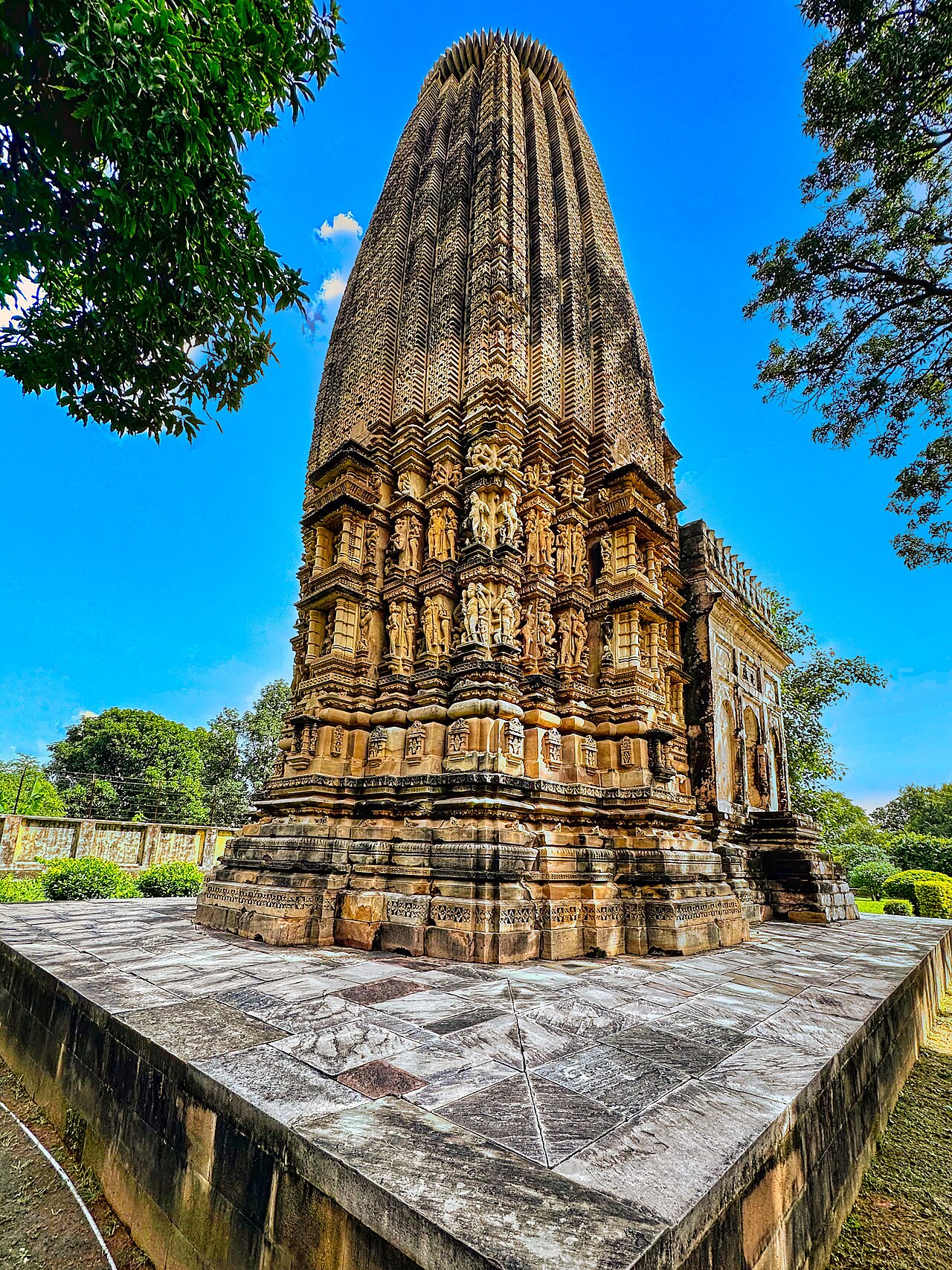
A Digambara Jain shrine within Khajuraho's Eastern Group of Temples, dedicated to Lord Adinatha, the first tirthankara, its curvilinear sandstone tower carved in the late eleventh century for a Hindu patron before passing into Jain hands.
 Jainism
Ahinsa Sthal
New Delhi · India · temple
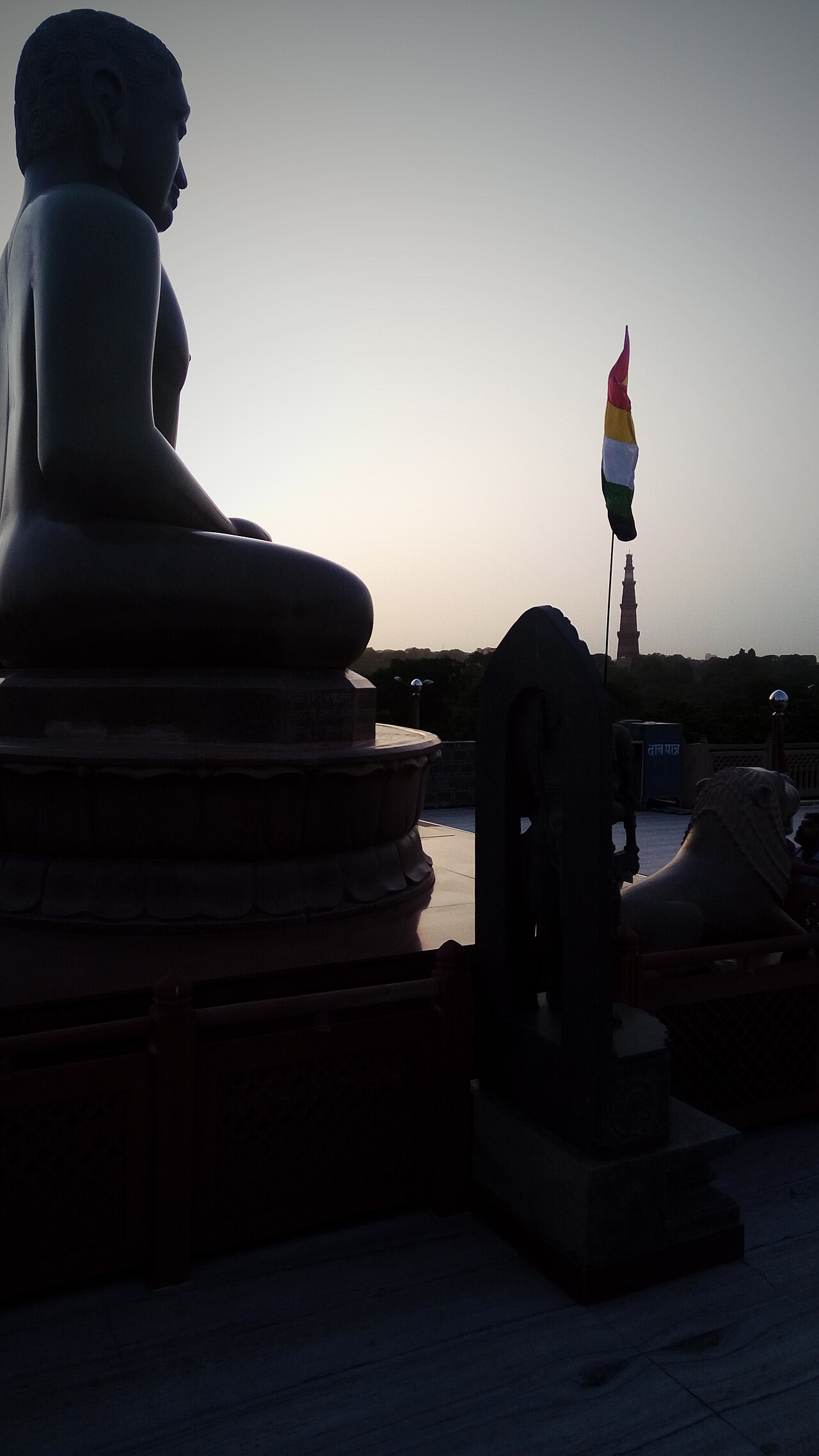
A modern Digambara Jain shrine on a terrace in Mehrauli, New Delhi, built in 1980 around a colossal granite image of Lord Mahavira seated in deep meditation, its very name declaring the tradition's central vow: ahimsa, harmlessness toward every living being.
 Jainism
Ajmer Jain Temple
Ajmer · India · temple
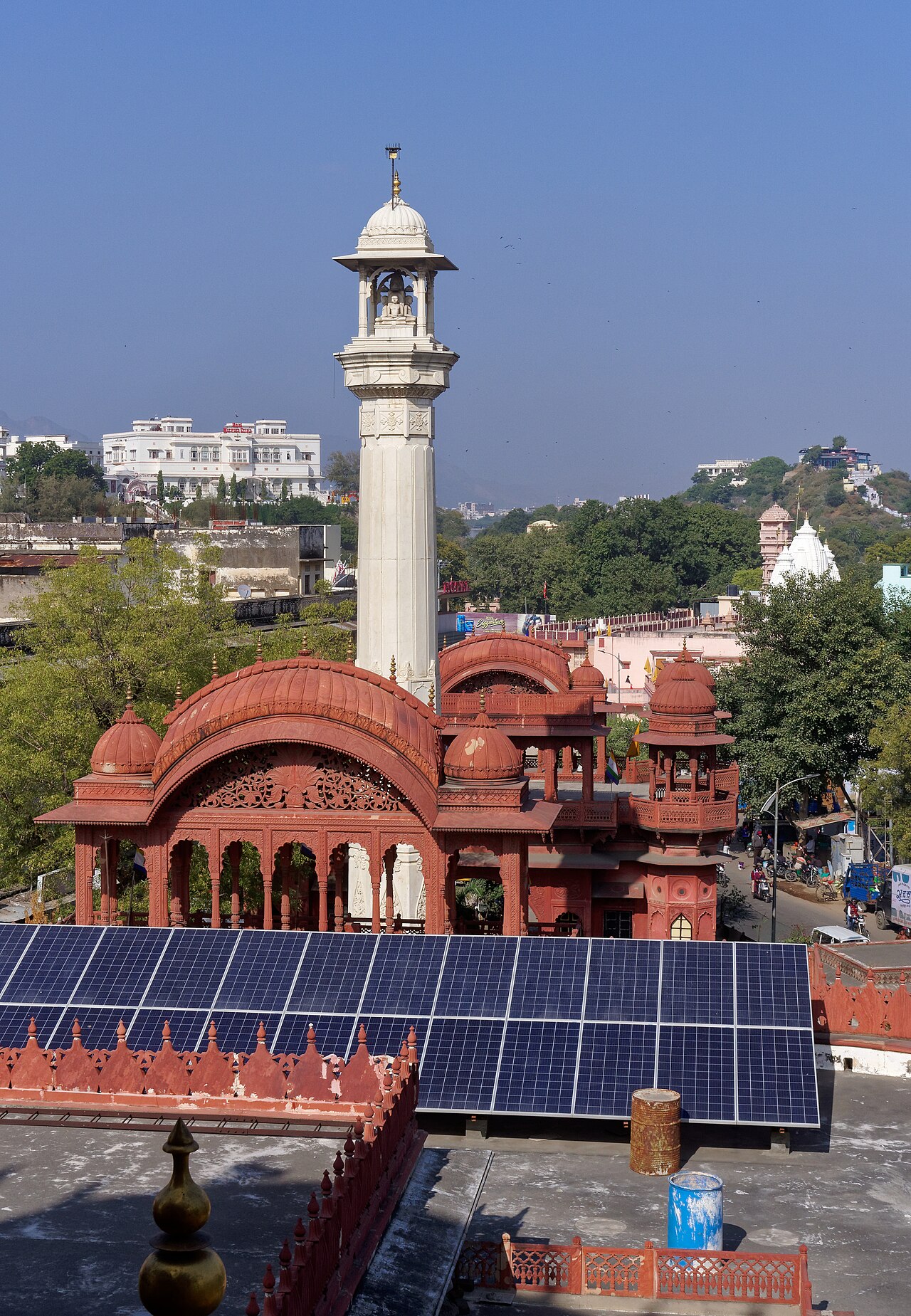
Popularly called Soniji Ki Nasiyan or the Red Temple, this Digambara Jain Temple on Prithviraj Marg in Ajmer pairs a red sandstone sanctuary, crowned by an eighty two foot marble pillar, with a golden upper hall whose gilded tableaux retell the life of Lord Rishabhdev, the first tirthankara.
 Jainism
Akkana Basadi
Shravanabelagola · India · temple
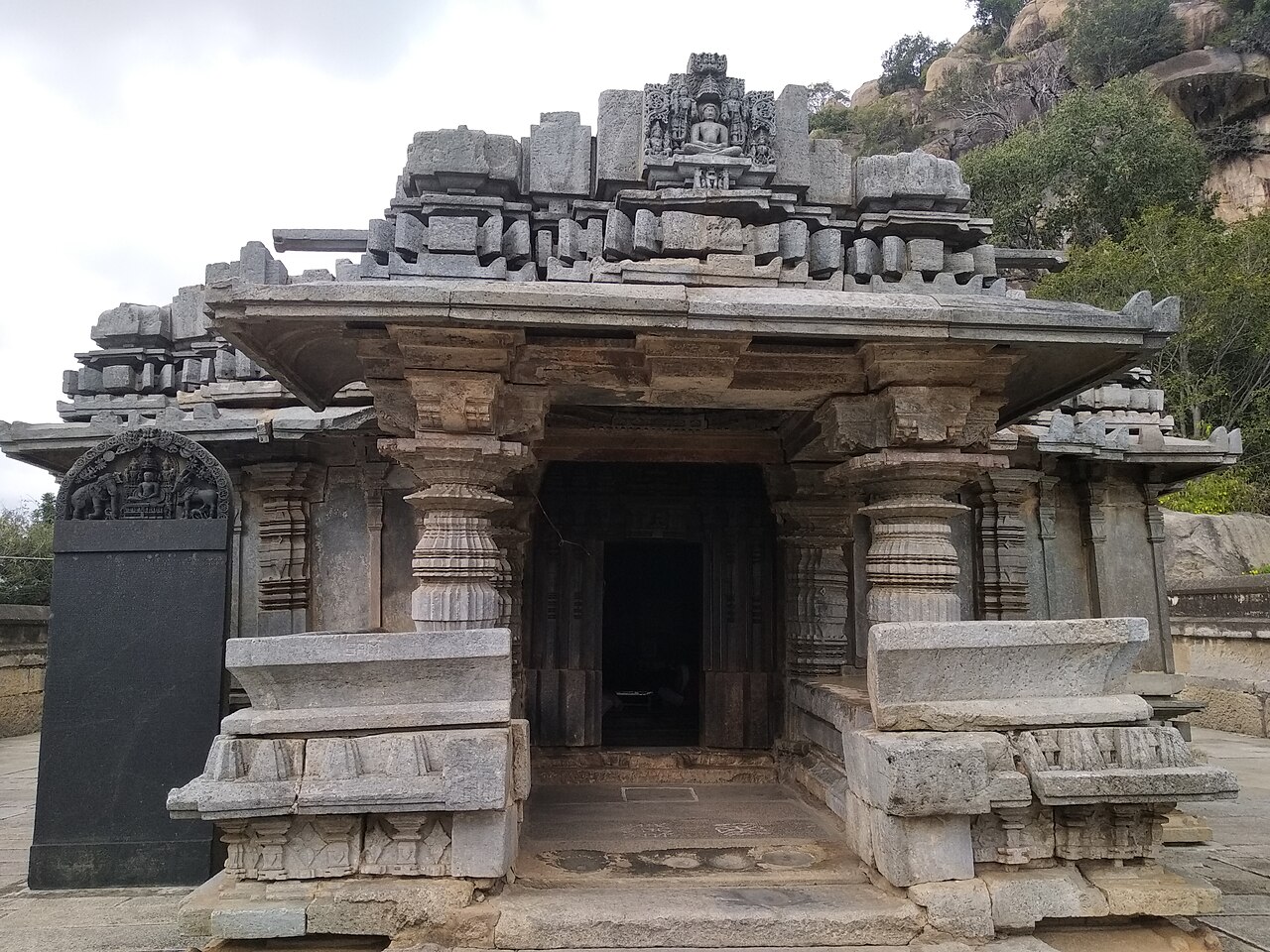
Consecrated in 1181 CE on Chandragiri hill at Shravanabelagola, Karnataka, Akkana Basadi is a Hoysala-era Jain basadi raised by the devout laywoman Achiyakka in honour of Tirthankara Parshvanatha, its deliberately plain stone walls and lathe-turned pillars a quiet expression of Jain austerity.
 Jainism
Bawangaja
Bawangaja · India · temple
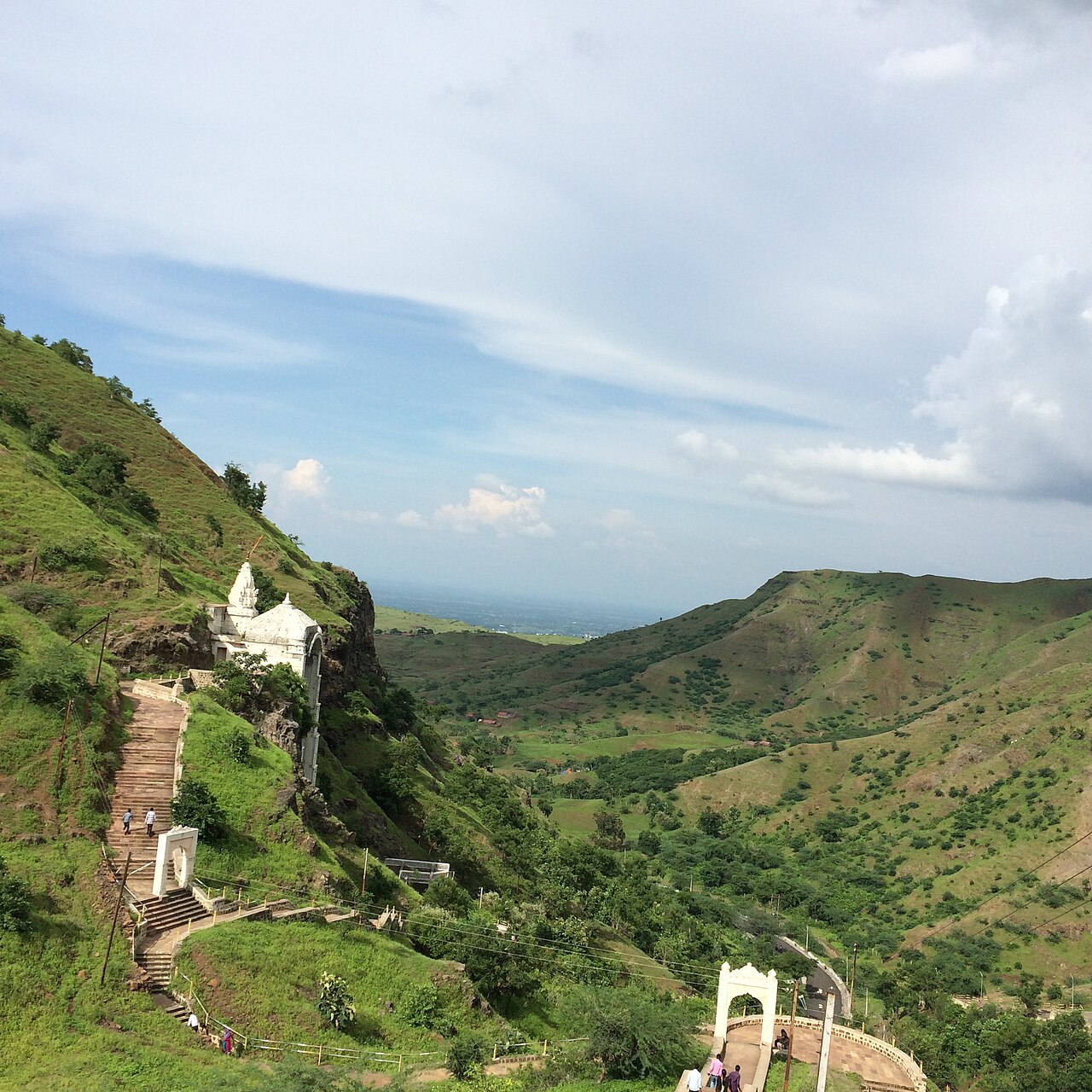
A Digambara Jain tirtha in the Satpura hills of Barwani district, Madhya Pradesh, where an 84-foot monolithic image of Lord Rishabhanatha (Adinatha), the first Tirthankara, stands carved directly from the mountain.
 Jainism
Brahma Jinalaya
Lakkundi · India · temple
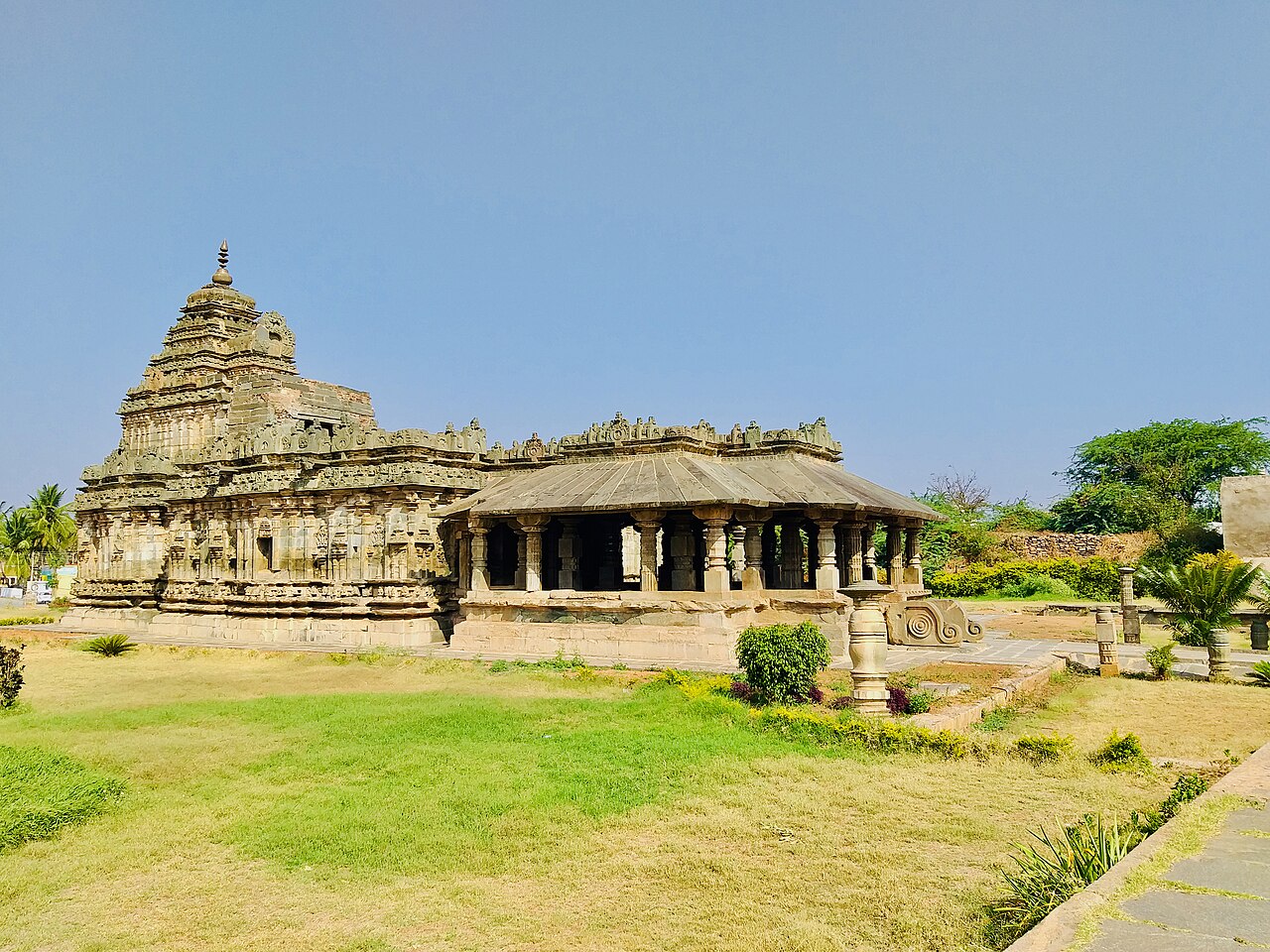
The Brahma Jinalaya, the oldest major Jain Temple in the Lakkundi region of Karnataka, was consecrated in 1007 CE under the patronage of the noblewoman Attimabbe and is celebrated for its finely carved soapstone tower and sculpture.