Adrian Temple
Adorian Fire Temple · Great Adorian · Niayeshgah-e Adrian (نیایشگاه آدریان)
About
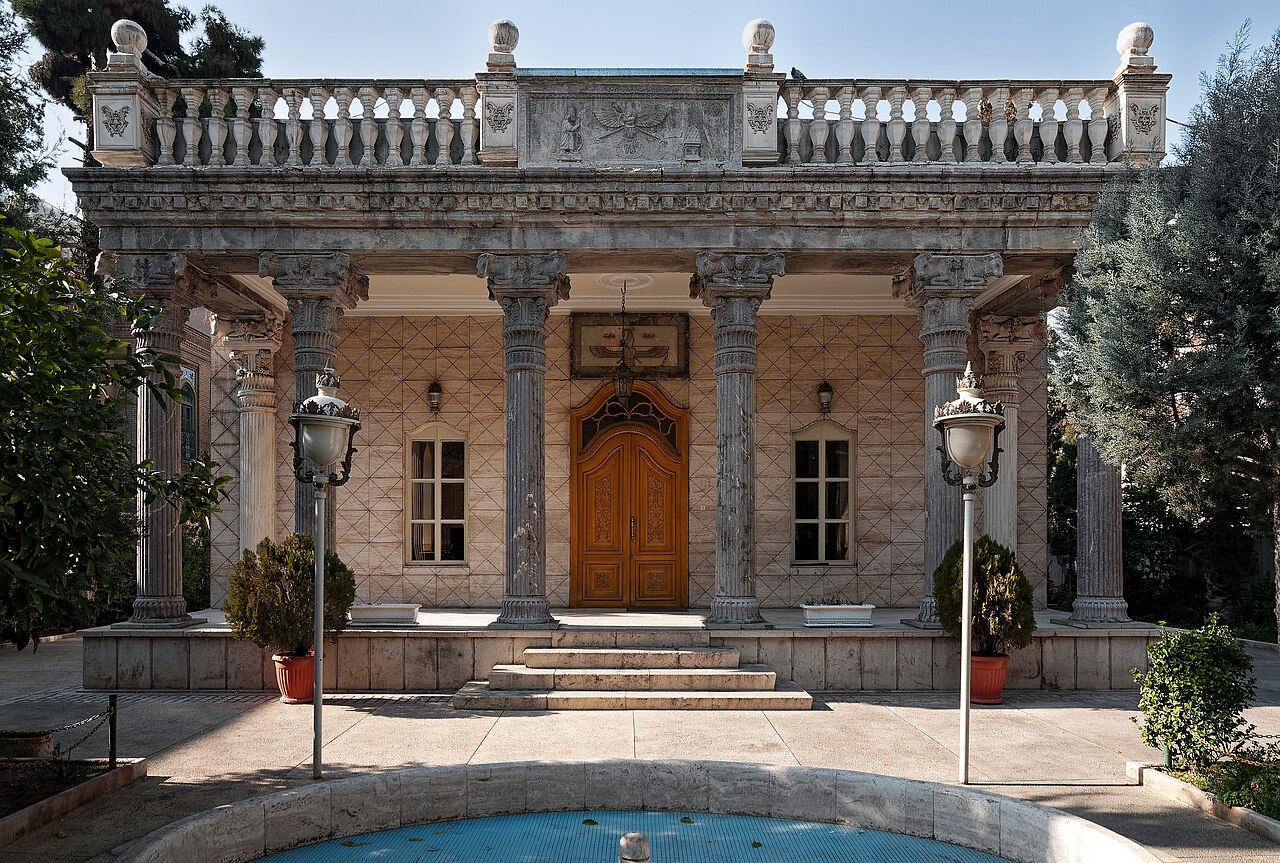
Rising from a quiet district of Tehran, the Adrian Temple (نیایشگاه آدریان) stands as the only active Zoroastrian fire Temple in the Iranian capital. Consecrated on 30 November 1917, the ninth day of the ninth month in both the Zoroastrian and Persian calendars, the day of the ancient fire festival of Azergan, it brought to completion a community undertaking that had required decades of cross-continental cooperation. Since that ceremony, its sacred fire has burned without interruption, tended by the Zoroastrian Association of Tehran, which oversees all devotional activities and opens the Temple at designated times to visitors of any background who wish to stand before the flame.
The flame itself carries remarkable depth of heritage. Transported over a journey of twenty-five days from Yazd's fire Temple, it descends from an unbroken chain of fires documented to at least 470 CE. That antiquity is palpable in the Temple's interior: the domed fire chamber, the ātašgāh, positions the sacred blaze so that it can be seen from three directions through glass panels, creating an atmosphere of quiet luminosity for all who approach. The structure, designed along Parsi architectural lines, presents six columns at its portico, leading through into an assembly hall used for prayer and congregation. An oval water basin, roughly four by eight metres, graces the front courtyard, and an additional ceremonial hall called Iraj serves the rites that animate community life, among them Nowruz, Sadeh, and wedding observances.
The building's outer face was reclad in marble in 1966, a transformation made possible by Fereydoun Farahmand as an act of remembrance for Shirmard Farahmand, replacing what had previously been a brick facade. The entire complex covers approximately 1,300 square metres. In 2003, the Iranian government formally acknowledged its cultural importance by placing it on the National Heritage List.
History
Iranian Zoroastrians and Parsi donors from Bombay funded the Temple together after Mehdi Qoli Hedayat laid its foundation stone in August 1913, though critical press coverage in India briefly halted funding from abroad and left the building without a roof until Tehran's own Zoroastrian community completed it. The Temple was consecrated on 30 November 1917, the day of the fire festival of Azargan, when its flame arrived after a twenty-five day journey from the fire Temple of Yazd. The building's brick facade was reclad in marble in 1966 in memory of Shirmard Farahmand.
Significance
Managed by the Zoroastrian Association of Tehran, the Temple is the community's living centre for Nowruz, Sadeh, weddings, and daily devotion, and has stood on Iran's National Heritage List since 2003. Its flame, visible through glass on three sides of the domed atashgah, connects present-day Tehran to a chain of continuously tended fire reaching back over a thousand years.
Architecture
Parsi-influenced Temple design with a Neoclassical marble colonnade of six columns and a domed fire chamber
Visiting
Hours
Hours not listed.
Contact
No contact details listed yet.
Engage with Adrian Temple
Through the four pathways
Seva सेवा — Service
Offer your time and skills here. The following opportunities are open at Adrian Temple:
No Seva offerings listed yet.
Sādhana साधना — Practice
Learn the worship and practice associated with Adrian Temple:
No Sādhana offerings listed yet.
Sandhāna सन्धान — Wisdom
Unite with the wisdom of this tradition:
No Sandhāna offerings listed yet.
Sādhya साध्य — Giving
Support this sacred place according to your means:
No Sādhya offerings listed yet.
All giving flows directly to Adrian Temple. Adisthan does not take a commission.
Festivals & Events
- Nov
Jashn-e Azargan
24 November 2026 · annual
The fire festival that fell on the Temple's own consecration day in 1917, when the day-name and month-name Adar (fire) coincide in the Zoroastrian calendar; the anniversary of the Temple's founding.
- Dec
Jashn-e Sadeh
10 December 2026 · annual
A midwinter fire festival celebrating the discovery of fire, one hundred days before Nowruz, observed communally at the Temple in the Fasli calendar tradition.
- Mar
Nowruz
21 March 2027 · annual
The Persian new year, marking the spring equinox, observed at the Temple with community prayer and celebration and among the ceremonies the Zoroastrian Association of Tehran holds here each year.
Gallery
Related sacred places
 Zoroastrianism
Aspakhu Fire Temple
Aspakhu · Iran · shrine
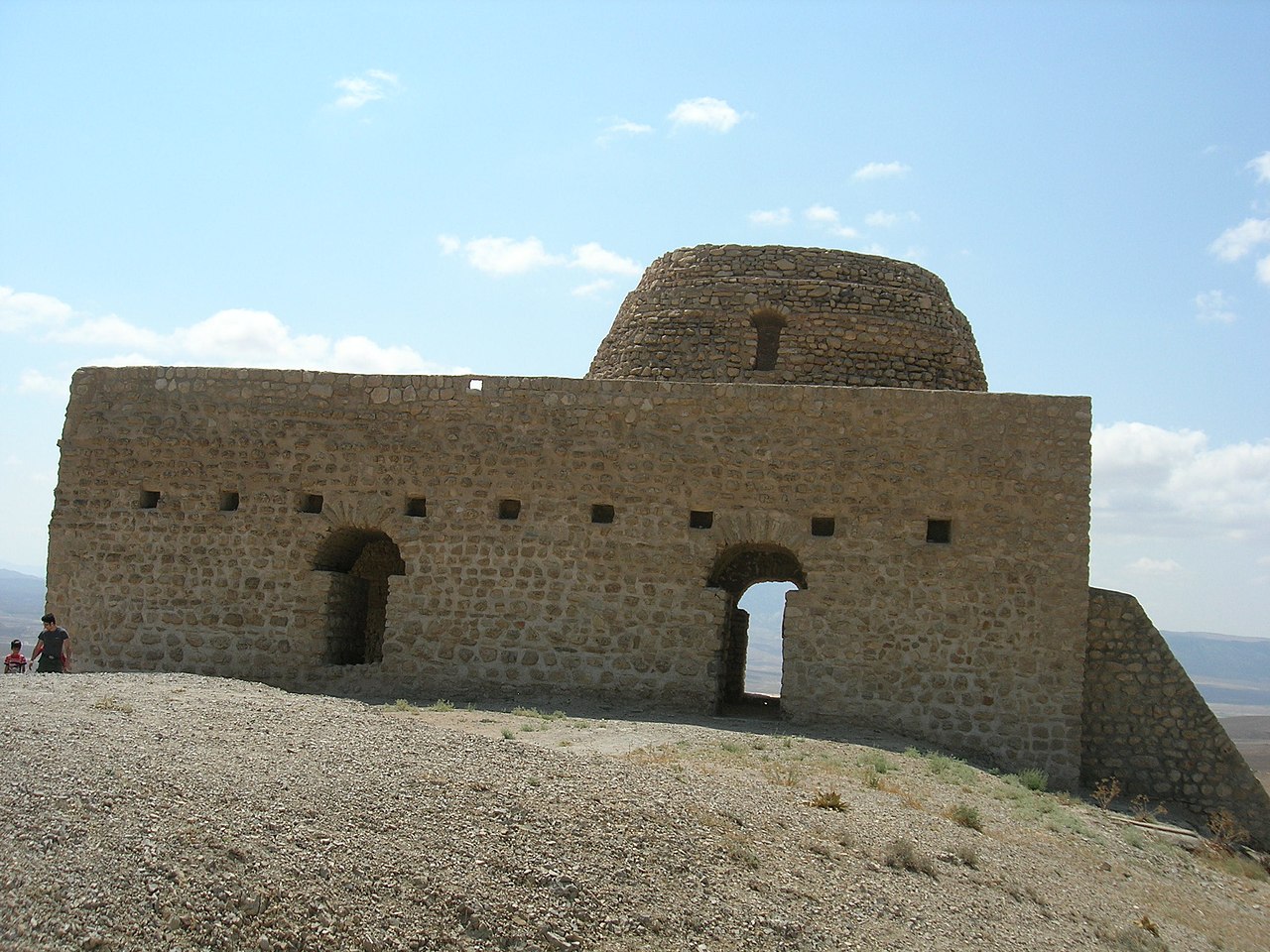
A Sasanian-era Zoroastrian fire Temple crowning a hilltop above the village of Aspakhu in Iran's North Khorasan province, its stone dome and vaulted eastern portal counted among the oldest standing structures in the region.
 Zoroastrianism
Bandian Complex
Dargaz · Iran · shrine
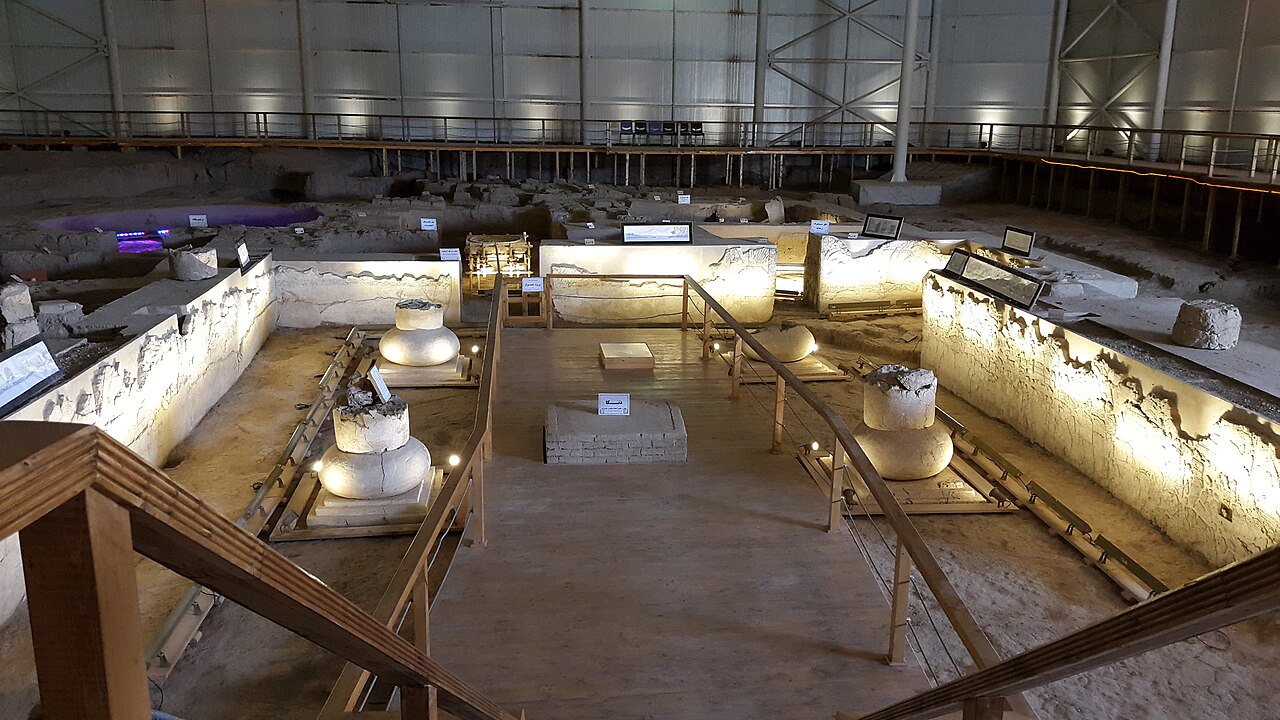
A Sassanid-era Zoroastrian fire sanctuary excavated near the medieval town of Abiward in Dargaz County, Razavi Khorasan, its stucco-decorated hall carrying some of the most vivid surviving relief carvings of pre-Islamic Iran.
 Zoroastrianism
Kerman Fire Temple
Kerman · Iran · shrine
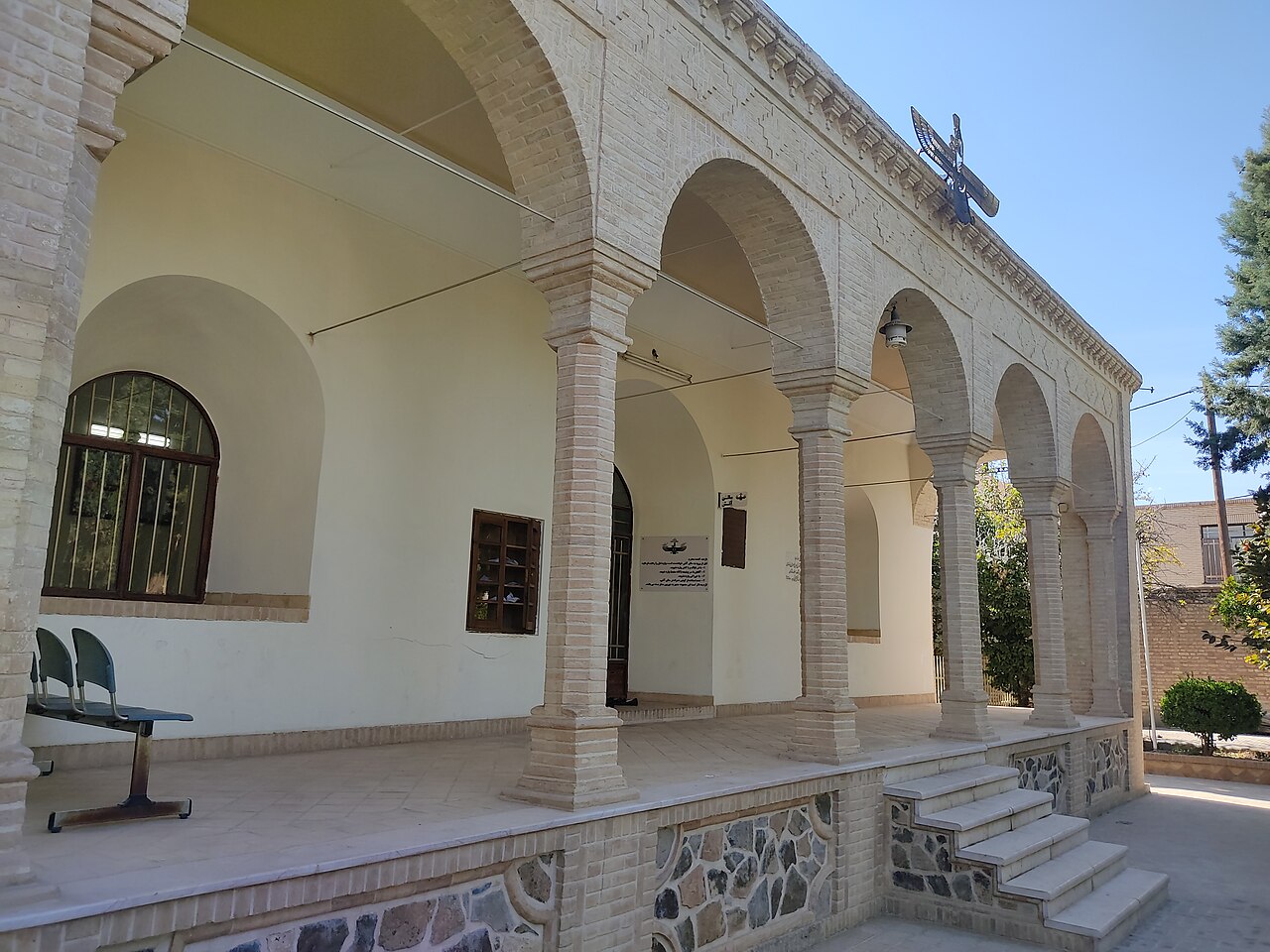
The Kerman Fire Temple shelters a sacred flame said to descend from Adur Farnbag, one of the three great fires of Sasanian Iran, within a sanctuary that also houses the world's only anthropology museum dedicated to the Zoroastrian people.
 Zoroastrianism
Marbin Fortress
· Iran · shrine
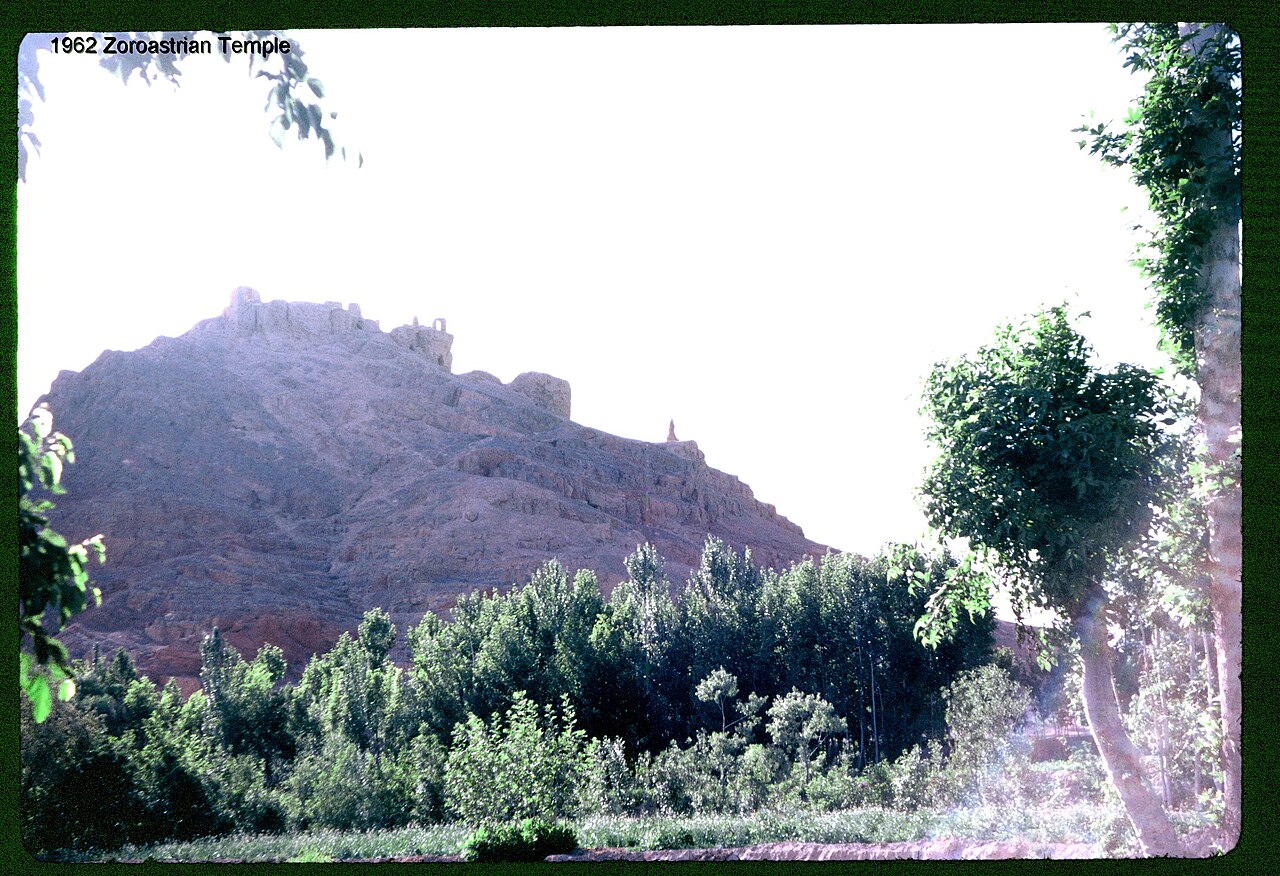
Perched atop a hill eight kilometres west of Isfahan, the Ātashgāh is a Sasanian-era sacred complex whose ruins preserve the remnants of Zoroastrian fire-shrines, priestly quarters, and a sentinel tower that once kept watch over the plain below.
 Zoroastrianism
Tappeh Mill
· Iran · shrine
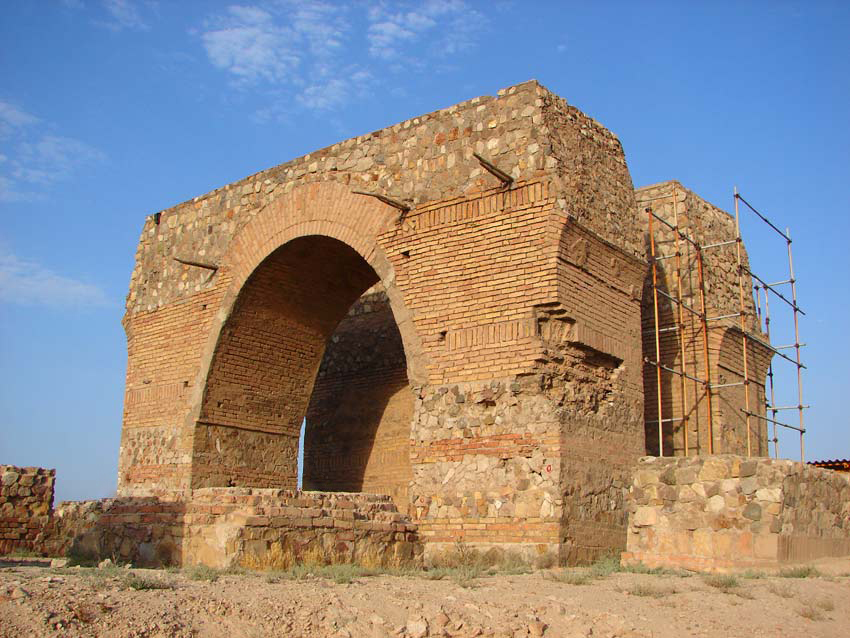
An ancient Zoroastrian atashkade (fire Temple) crowning a broad hilltop in Rey, Iran, this Sasanian-era sanctuary bears the name of King Bahram V and endures as a protected national heritage site.
 Zoroastrianism
Yazd Fire Temple
· Iran · shrine
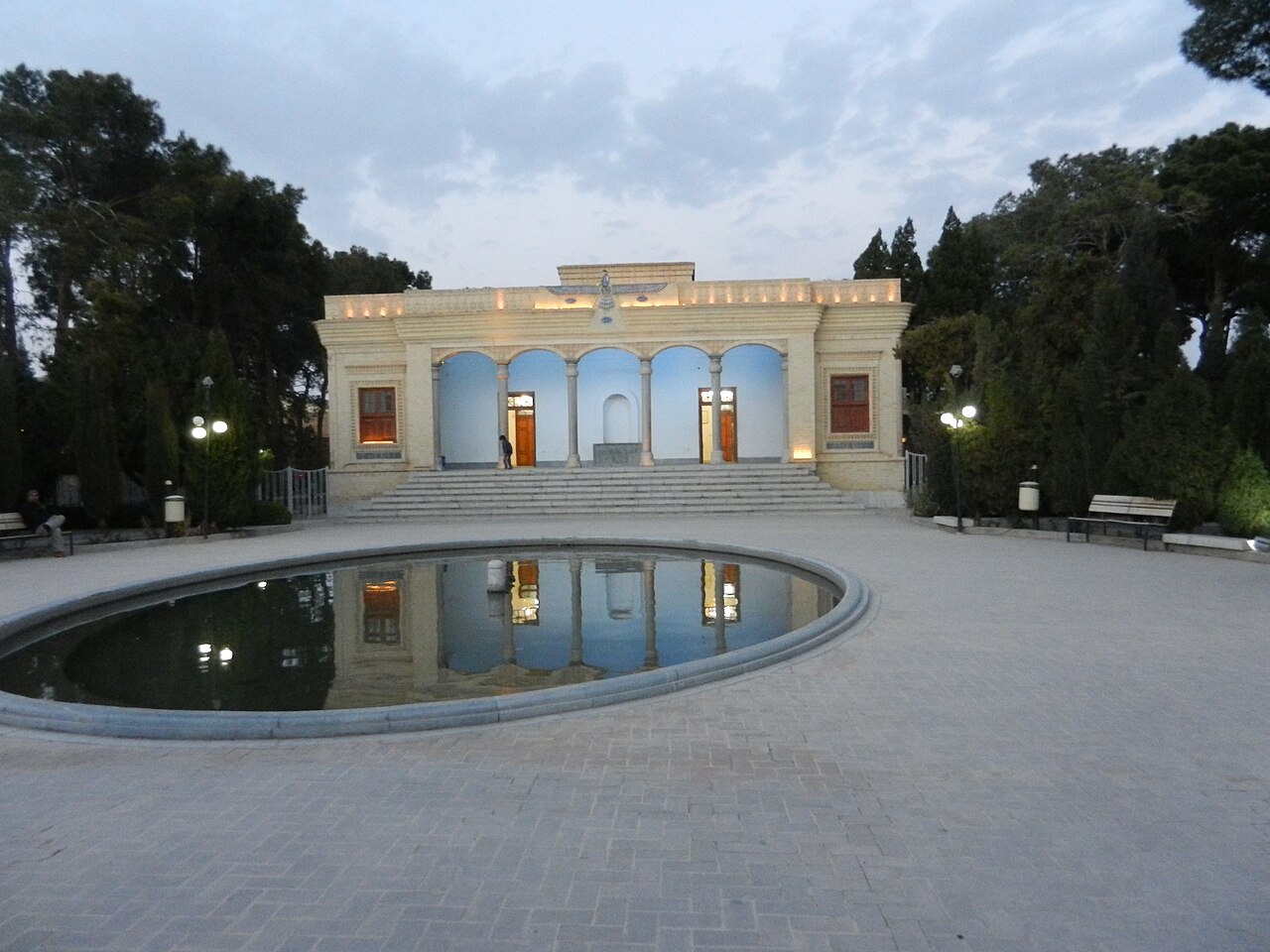
The Yazd Atash Behram (Ātaškade-ye Yazd) is Iran's sole surviving highest-grade Zoroastrian fire Temple, sheltering a sacred flame whose continuous burning dates to around 470 AD, a living ember of the ancient faith in the desert heartland of Yazd.