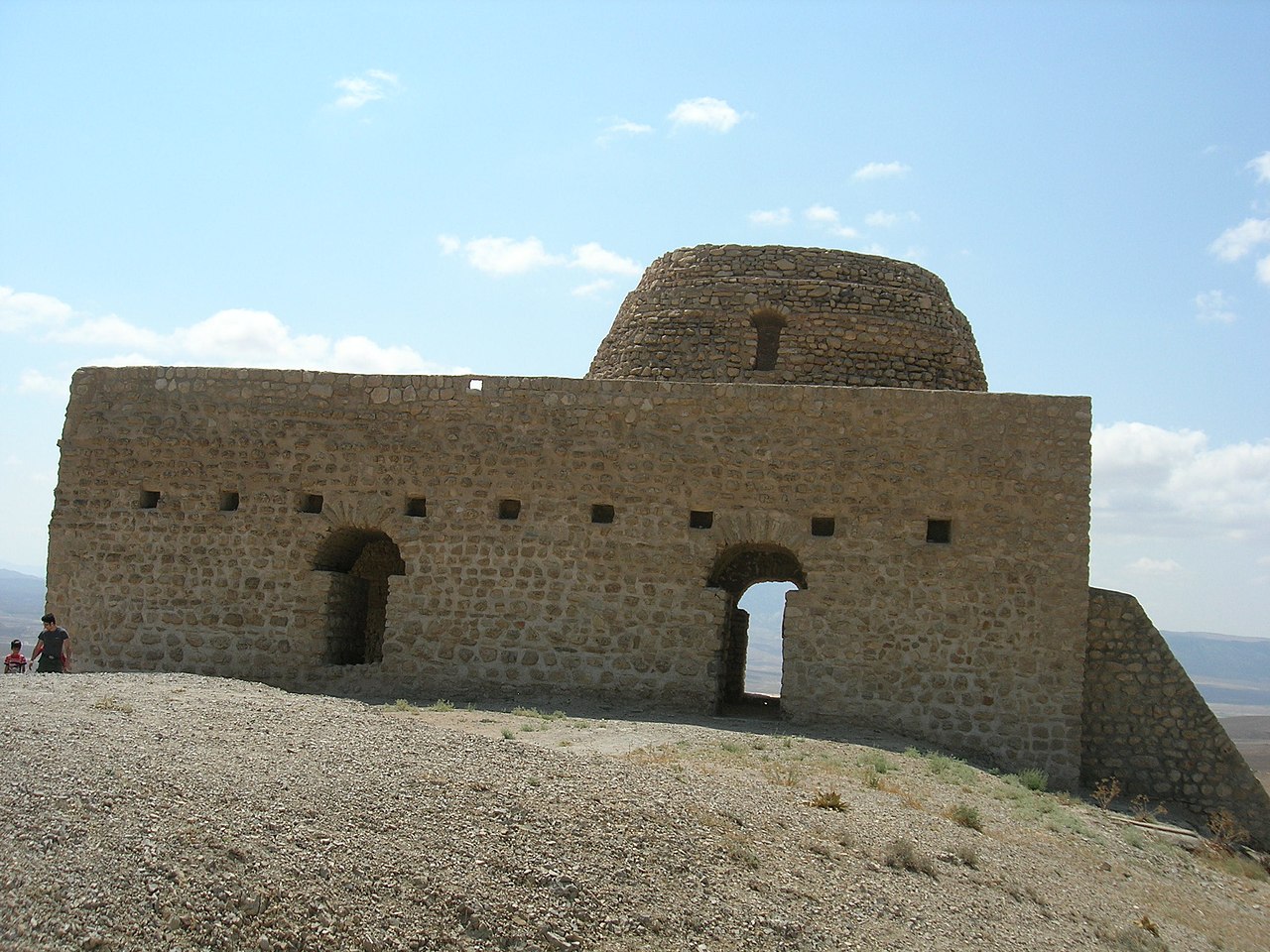
Aspakhu Fire Temple
Espakhu Fire Temple · Ātashkadeh-ye Aspākhū (آتشکده اسپاخو)
About
The Aspakhu Fire Temple (Persian: آتشکده اسپاخو, Ātashkadeh-ye Aspākhū) is a Sasanian-period Zoroastrian fire Temple in the village of Aspakhu, in the Maneh and Samalqan County of Iran's North Khorasan province. It belongs to the wider tradition of the ātashkadeh, the sanctified houses of the sacred fire (ātar) that lie at the heart of Zoroastrian worship and that flourished across the late antique Iranian world.
The site has been formally protected since 23 January 1978, when it was inscribed on the Iranian national heritage list under registration number 1579. As one of the surviving fire Temples of the Sasanian era, it remains a tangible witness to the long history of Zoroastrian devotion in this corner of Khorasan, where the worship of the sacred fire has been kept alive across many centuries, from the great Sasanian sanctuaries through the modern small communities of the Zoroastrian diaspora.
History
Built in rubble stone and sarooj mortar during Iran's Sasanian era, the fire Temple at Aspakhu rises on a hilltop in the southern part of the village, its rectangular chamber roofed by a stone dome and entered through a tall, barrel-vaulted iwan on the east side. Iran's Cultural Heritage Organization inscribed the building on the national heritage list on 23 January 1978 under registration number 1579, recognising it as among the oldest surviving structures in North Khorasan province. The site lies roughly sixty kilometres southwest of Ashkhaneh, the nearest town, along the road that runs between Bojnord and the Golestan forests.
Significance
Small window slits piercing the dome's drum would have let smoke escape from the fire once tended within, and researchers read a circular niche inside as the fire's own altar, evidence, together with a nearby cemetery whose burials follow Zoroastrian rather than Islamic custom, that this hilltop chamber sheltered a sacred flame rather than serving some other purpose. No congregation gathers here today, but the Temple endures as a rare physical witness to Zoroastrian devotion in a corner of Khorasan far from the faith's better-known sanctuaries at Yazd and Kerman.
Architecture
Sasanian Zoroastrian religious architecture: rubble-stone and sarooj-mortar construction, a domed square fire-chamber entered through a tall barrel-vaulted iwan
Visiting
Hours
Hours not listed.
Contact
No contact details listed yet.
Address
Engage with Aspakhu Fire Temple
Through the four pathways
Seva सेवा — Service
Offer your time and skills here. The following opportunities are open at Aspakhu Fire Temple:
No Seva offerings listed yet.
Sādhana साधना — Practice
Learn the worship and practice associated with Aspakhu Fire Temple:
No Sādhana offerings listed yet.
Sandhāna सन्धान — Wisdom
Unite with the wisdom of this tradition:
No Sandhāna offerings listed yet.
Sādhya साध्य — Giving
Support this sacred place according to your means:
No Sādhya offerings listed yet.
All giving flows directly to Aspakhu Fire Temple. Adisthan does not take a commission.
Gallery
Related sacred places
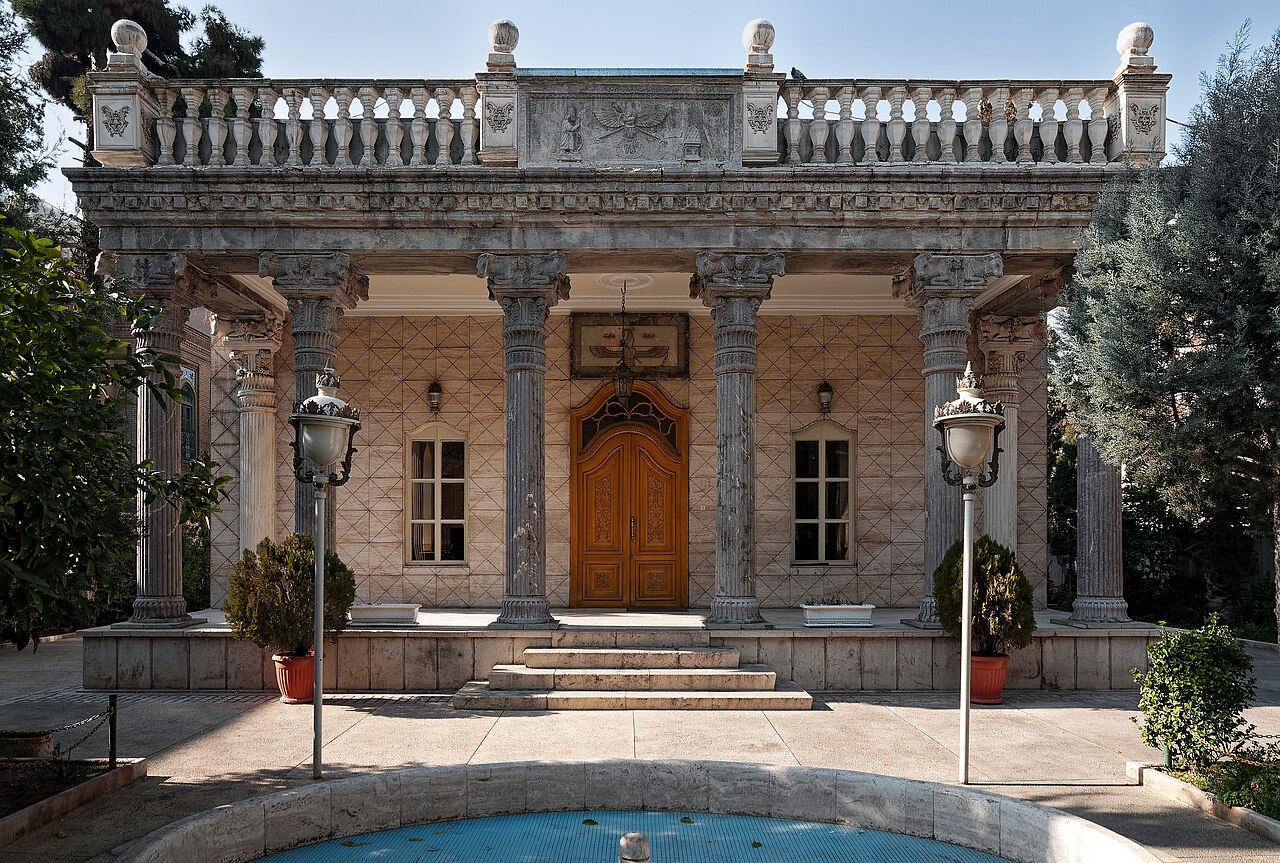 Zoroastrianism
Adrian Temple
Tehran · Iran · shrine
Tehran's only active Zoroastrian fire Temple, the Adrian Temple has sheltered a continuously tended flame since its consecration in 1917, a lineage of fire traced to at least 470 CE.
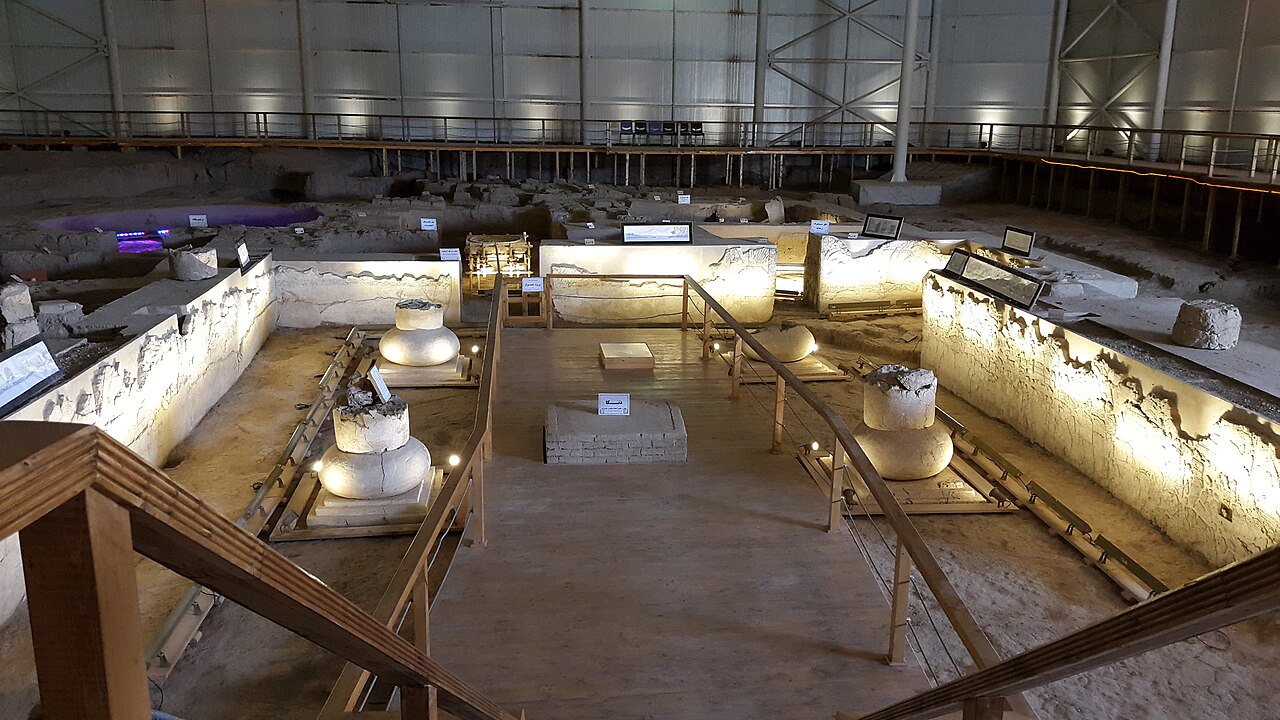 Zoroastrianism
Bandian Complex
Dargaz · Iran · shrine
A Sassanid-era Zoroastrian fire sanctuary excavated near the medieval town of Abiward in Dargaz County, Razavi Khorasan, its stucco-decorated hall carrying some of the most vivid surviving relief carvings of pre-Islamic Iran.
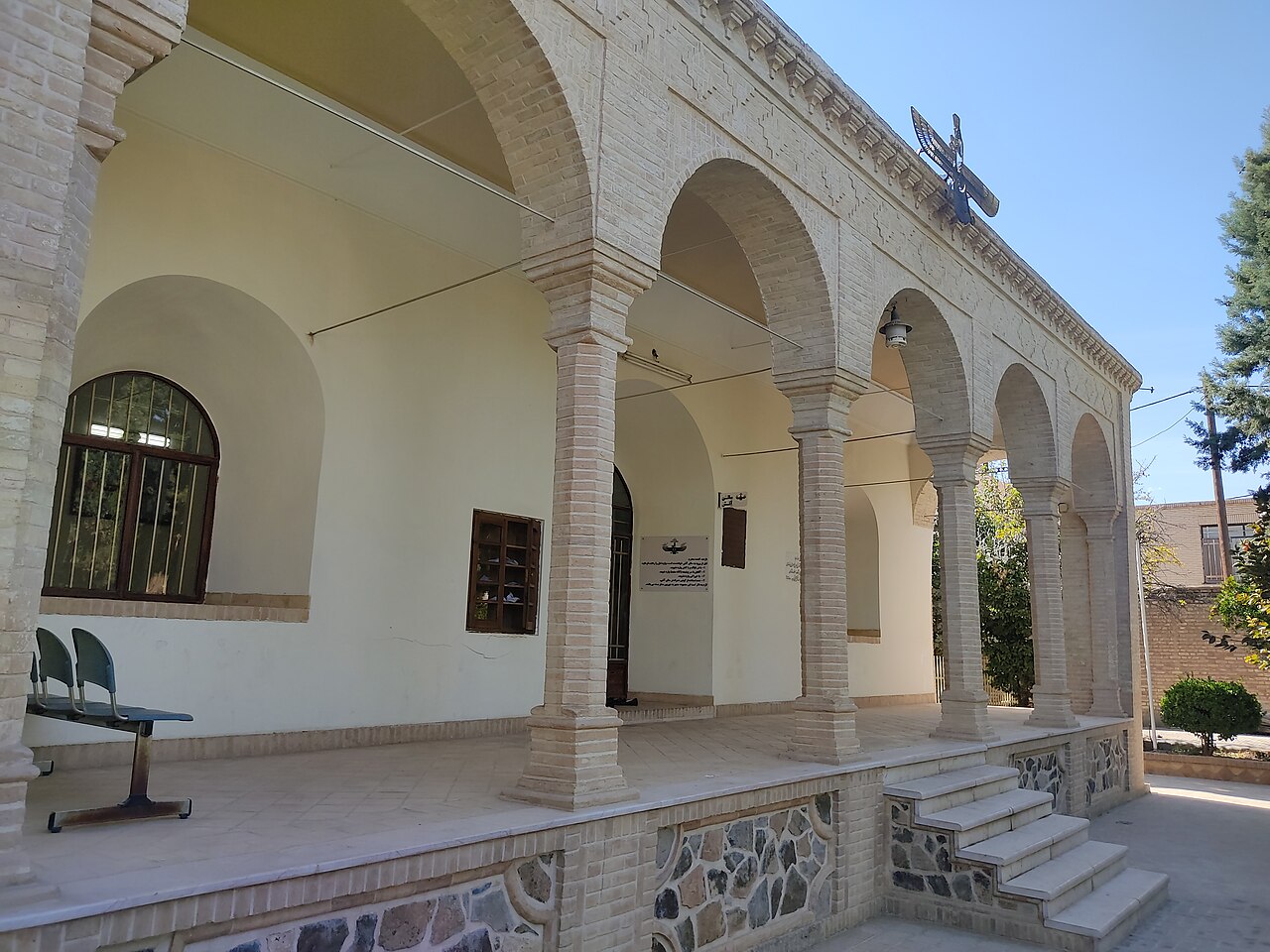 Zoroastrianism
Kerman Fire Temple
Kerman · Iran · shrine
The Kerman Fire Temple shelters a sacred flame said to descend from Adur Farnbag, one of the three great fires of Sasanian Iran, within a sanctuary that also houses the world's only anthropology museum dedicated to the Zoroastrian people.
 Zoroastrianism
Marbin Fortress
· Iran · shrine
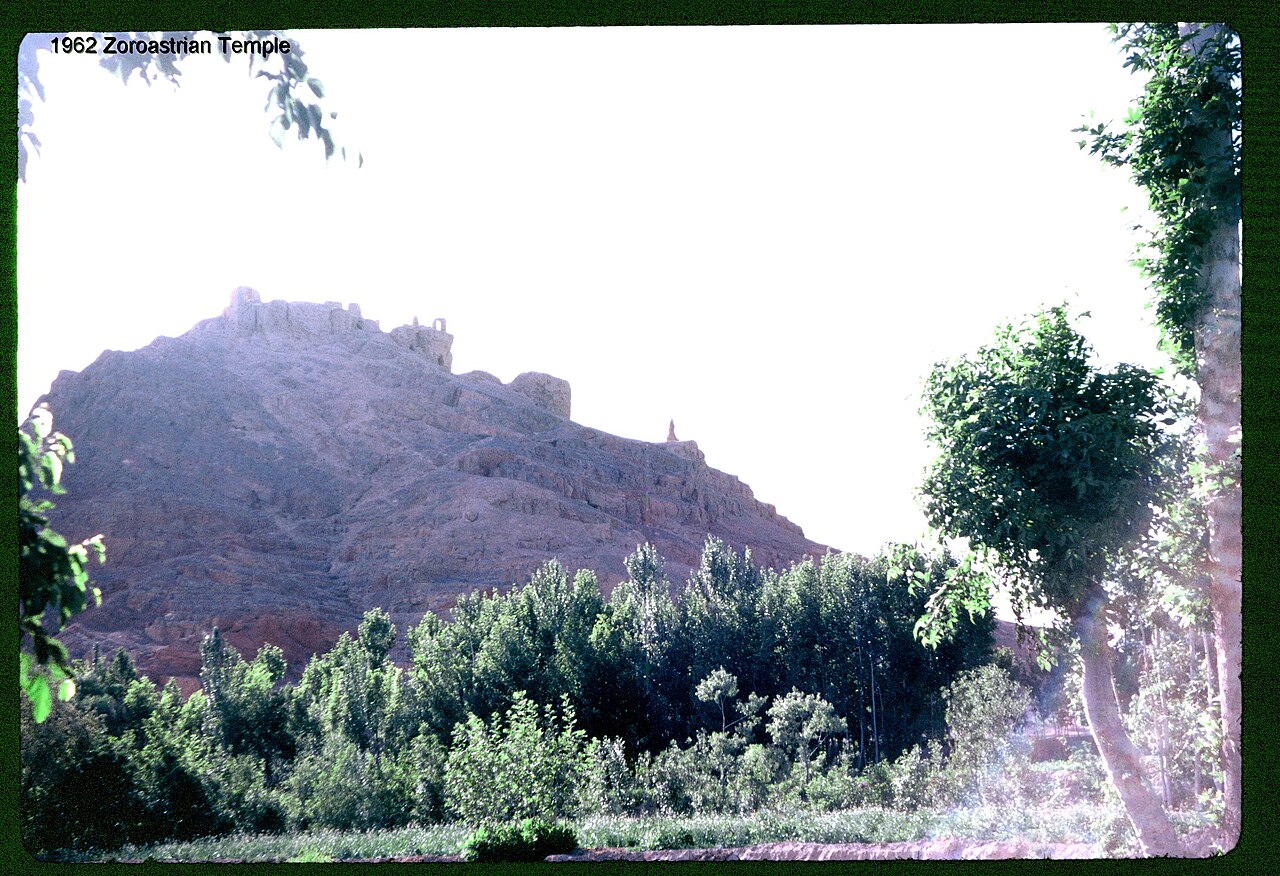
Perched atop a hill eight kilometres west of Isfahan, the Ātashgāh is a Sasanian-era sacred complex whose ruins preserve the remnants of Zoroastrian fire-shrines, priestly quarters, and a sentinel tower that once kept watch over the plain below.
 Zoroastrianism
Tappeh Mill
· Iran · shrine
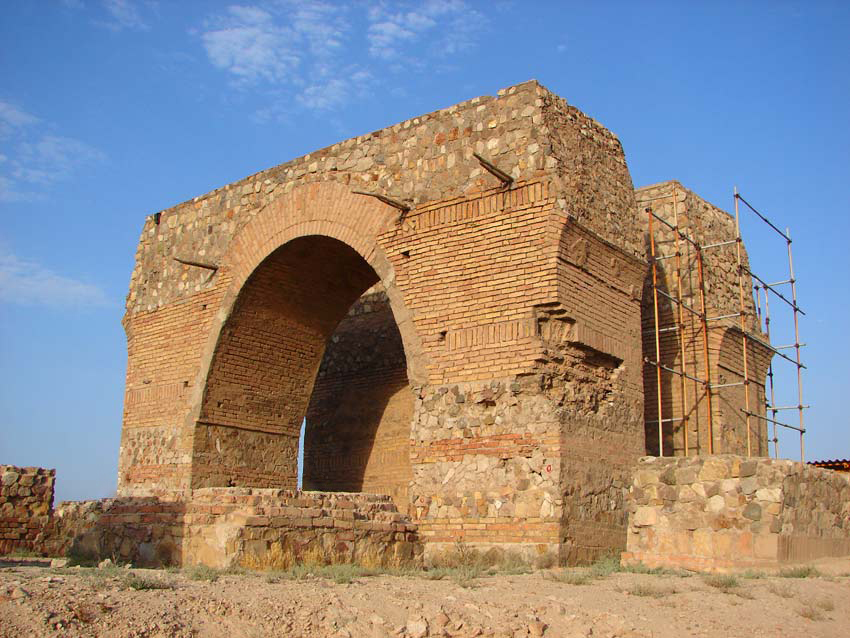
An ancient Zoroastrian atashkade (fire Temple) crowning a broad hilltop in Rey, Iran, this Sasanian-era sanctuary bears the name of King Bahram V and endures as a protected national heritage site.
 Zoroastrianism
Yazd Fire Temple
· Iran · shrine
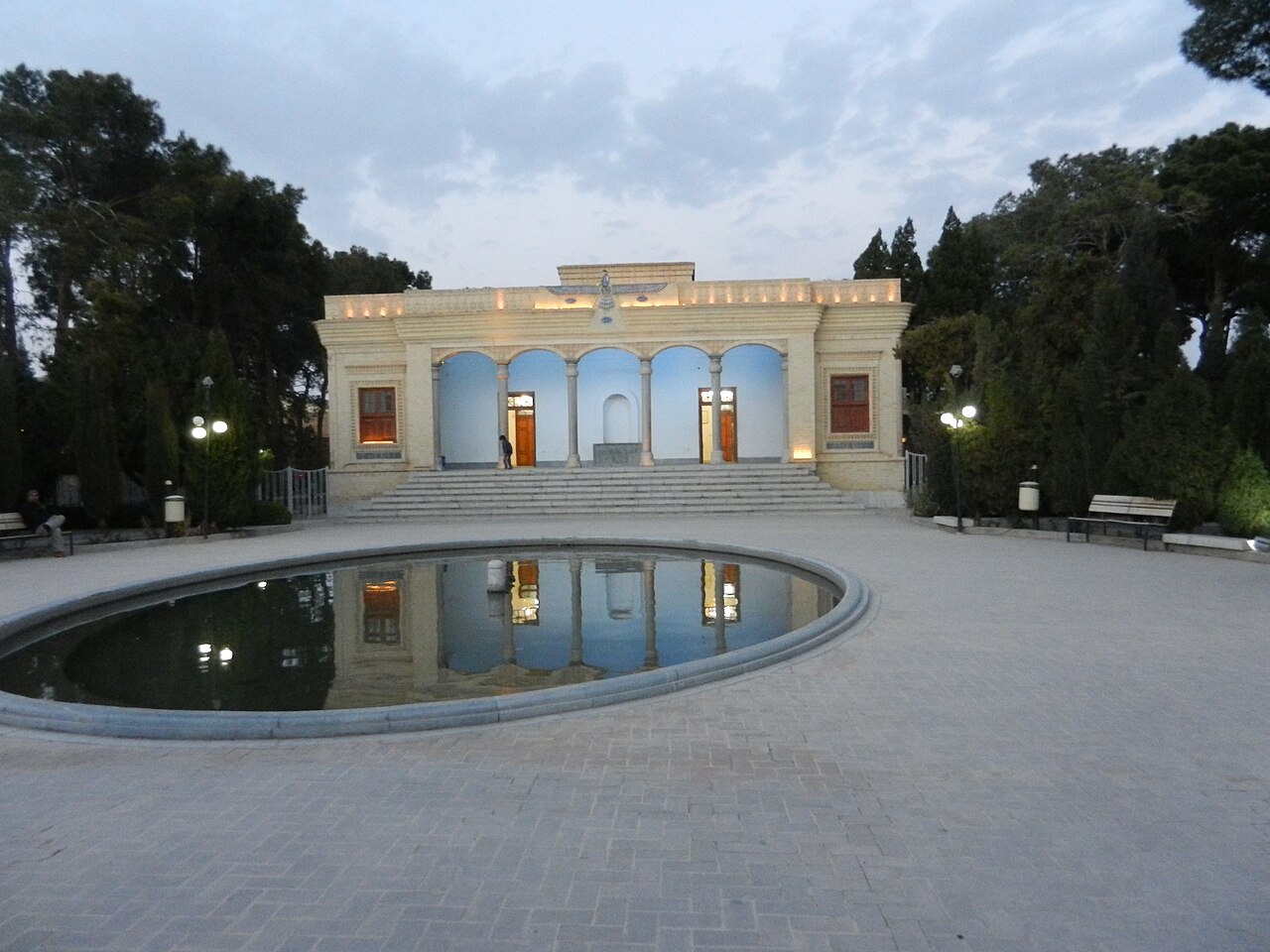
The Yazd Atash Behram (Ātaškade-ye Yazd) is Iran's sole surviving highest-grade Zoroastrian fire Temple, sheltering a sacred flame whose continuous burning dates to around 470 AD, a living ember of the ancient faith in the desert heartland of Yazd.