Yazd Fire Temple
About
Rising from the arid landscape of Yazd province in central Iran, the Yazd Atash Behram stands as the only Atash Behram, the highest category of Zoroastrian fire Temple, within Iran's borders. (The remaining eight Atash Behrams are maintained in India.) Within its walls burns the Victorious Fire, a consecrated flame whose lineage the tradition traces to roughly 470 AD, tended with unbroken devotion across fifteen centuries.
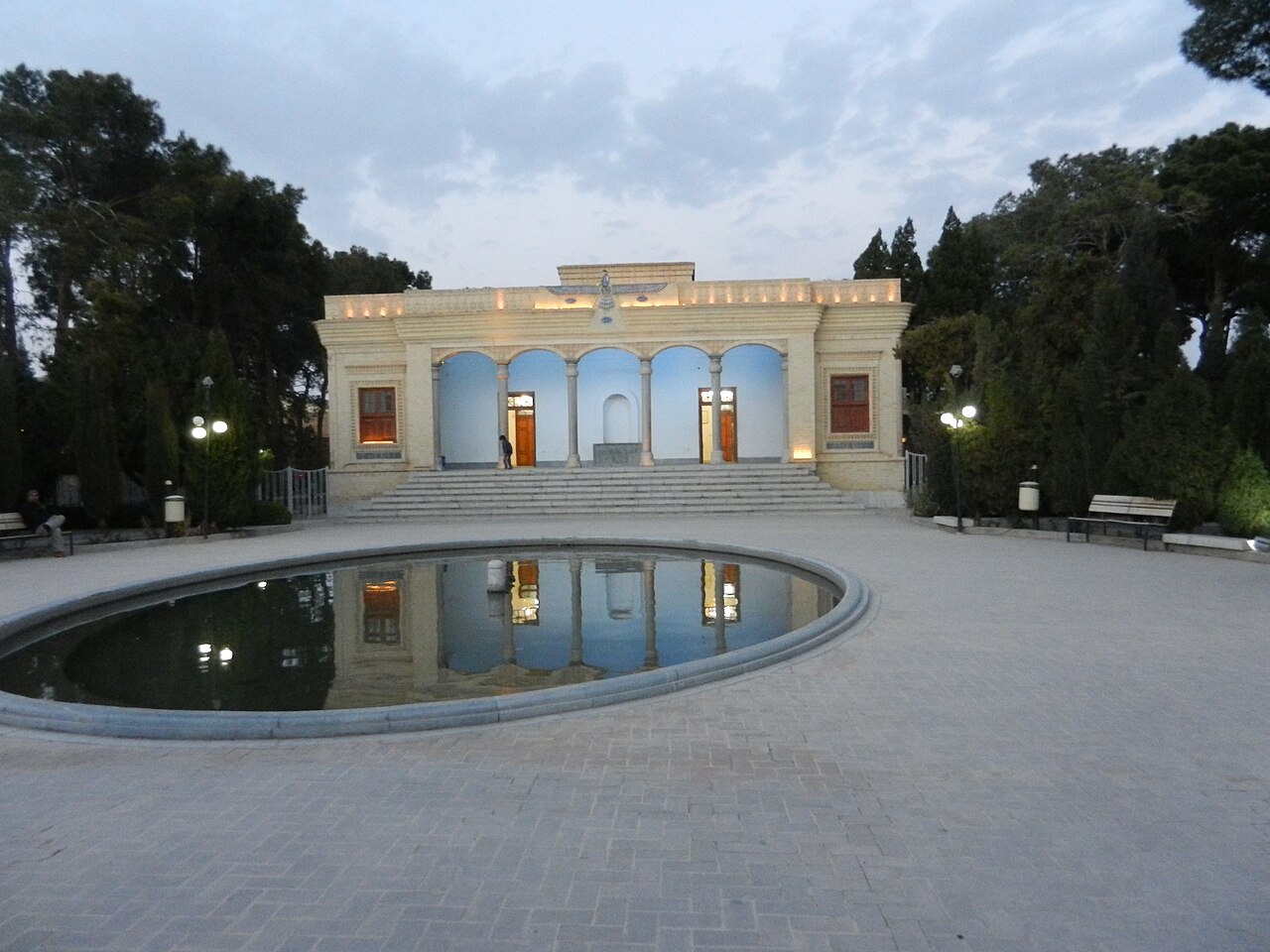
The building itself was completed in 1934, constructed in Achaemenid architectural style using brick masonry, following plans prepared by architects who came from Bombay. Its design closely echoes the Atash Behram Temples found across the Indian subcontinent. A cultivated garden of fruit trees wraps around the structure, and above the entrance a carved winged figure of Ahura Mazda watches over those who approach. A reflective pool was added to supply the symbolic presence of water, since the ancient custom called for a spring or stream near every fire Temple, so that all four elements might be gathered in one place.
The sacred fire rests within the Temple on a great bronze vessel, tended by a consecrated keeper known as the Hirbod. It burns behind an amber-tinted glass enclosure; Zoroastrian worshippers may enter the inner sanctum, while others are welcomed to observe from beyond the glass. Since the Anjuman-i Nasiri opened the Temple to non-Zoroastrian guests during the 1960s, the flame has become a place of quiet wonder for visitors of many backgrounds.
History
Zoroastrian veneration of fire reaches back far earlier than this particular Temple. Scholars trace the practice to ancient Indo-European nomadic life, when maintaining a hearth against the fierce winters of the Central Asian steppes was a matter of survival, and fire came to be addressed as Atas Yazata, a divine presence worthy of offerings and care. The city of Yazd, situated to the east of Shiraz in its desert province, has served as a Zoroastrian heartland since approximately 400 BC, when adherents of the faith first settled there in significant numbers.
The Victorious Fire now housed in the Temple is believed to have been kindled during the Sasanian era, around 470 AD, first burning in the Pars Karyan fire Temple in the southern Pars district of Larestan. Over the following centuries it was moved for safekeeping: first to Aqda, where it remained for some seven hundred years, then in 1173 to the Nahid-e Pars Temple in nearby Ardakan for another three hundred years, and after that to the home of a senior priest in Yazd. The present building was constructed under the direction of Jamshid Amanat, with financial support drawn from the Parsi Zoroastrian community of India through their Association, and officially consecrated in 1934. A bust of Maneckji Limji Hataria, whose fundraising efforts were central to realizing the project, stands in the Temple precincts, adorned with the Zoroastrian symbols of the Sun and the Moon.
Significance
The Yazd Atash Behram occupies a singular place in the living Zoroastrian tradition. As the only highest-grade fire Temple remaining in Iran, where followers of the faith have worshipped continuously since about 400 BC, it serves both as a spiritual center and as a testament to a community's endurance through many centuries of change. The fire it enshrines is regarded as the longest continuously burning sacred flame in Iran, its consecration requiring sixteen distinct sources of fire, among them one kindled by a lightning bolt. For Zoroastrians, fire is the manifest presence of Ahura Mazda, the Wise Lord, and to tend it without interruption is an act of profound devotion. The Temple thus represents not only a historic monument but a practice renewed with every prayer recited before the amber glow of a flame that, by tradition, has never been allowed to go out.
Visiting
Engage with Yazd Fire Temple
Through the four pathways
Seva सेवा — Service
Offer your time and skills here. The following opportunities are open at Yazd Fire Temple:
No Seva offerings listed yet.
Sādhana साधना — Practice
Learn the worship and practice associated with Yazd Fire Temple:
No Sādhana offerings listed yet.
Sandhāna सन्धान — Wisdom
Unite with the wisdom of this tradition:
No Sandhāna offerings listed yet.
Sādhya साध्य — Giving
Support this sacred place according to your means:
No Sādhya offerings listed yet.
All giving flows directly to Yazd Fire Temple. Adisthan does not take a commission.
Gallery
Related sacred places
 Zoroastrianism
Adrian Temple
Tehran · Iran · shrine
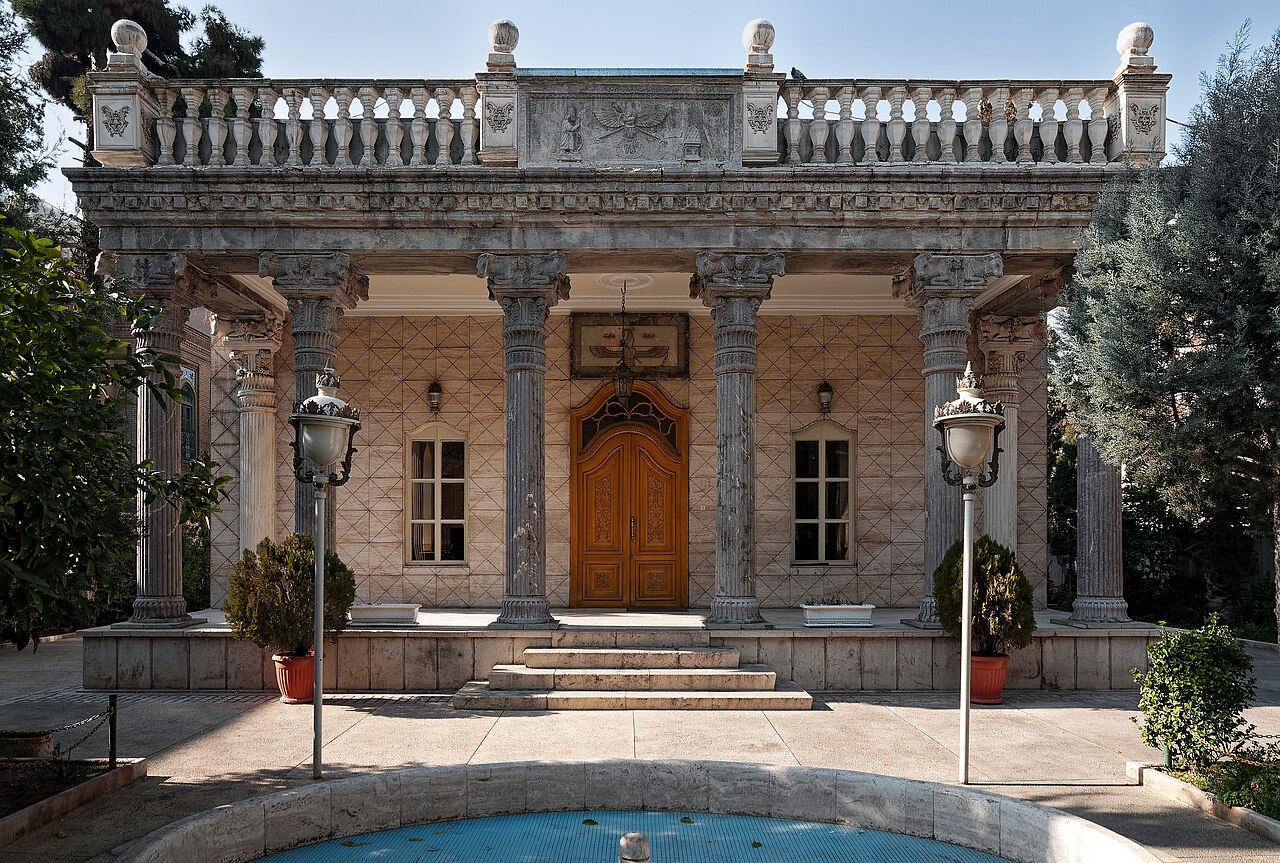
Tehran's only active Zoroastrian fire Temple, the Adrian Temple has sheltered a continuously tended flame since its consecration in 1917, a lineage of fire traced to at least 470 CE.
 Zoroastrianism
Aspakhu Fire Temple
Aspakhu · Iran · shrine
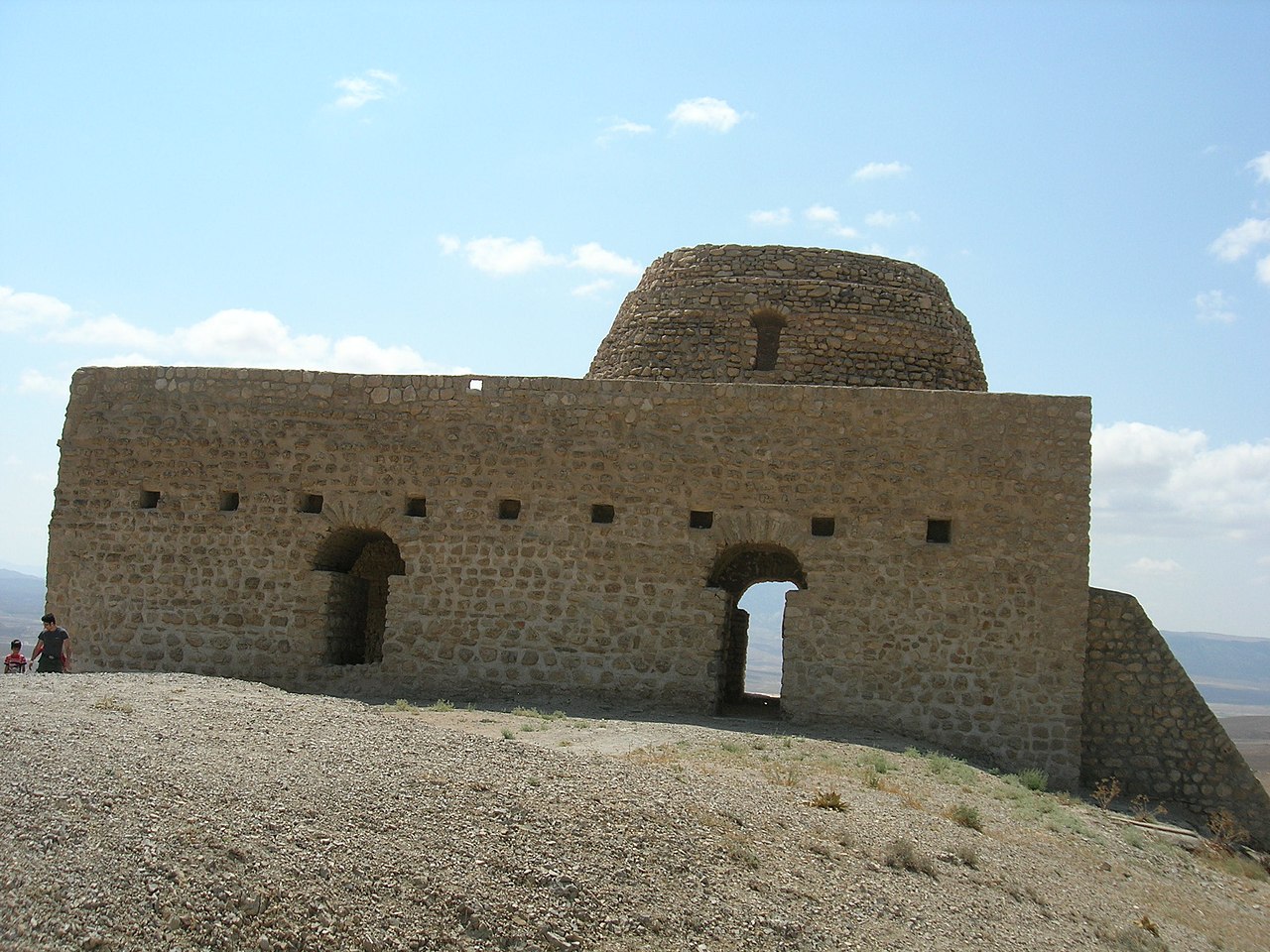
A Sasanian-era Zoroastrian fire Temple crowning a hilltop above the village of Aspakhu in Iran's North Khorasan province, its stone dome and vaulted eastern portal counted among the oldest standing structures in the region.
 Zoroastrianism
Bandian Complex
Dargaz · Iran · shrine
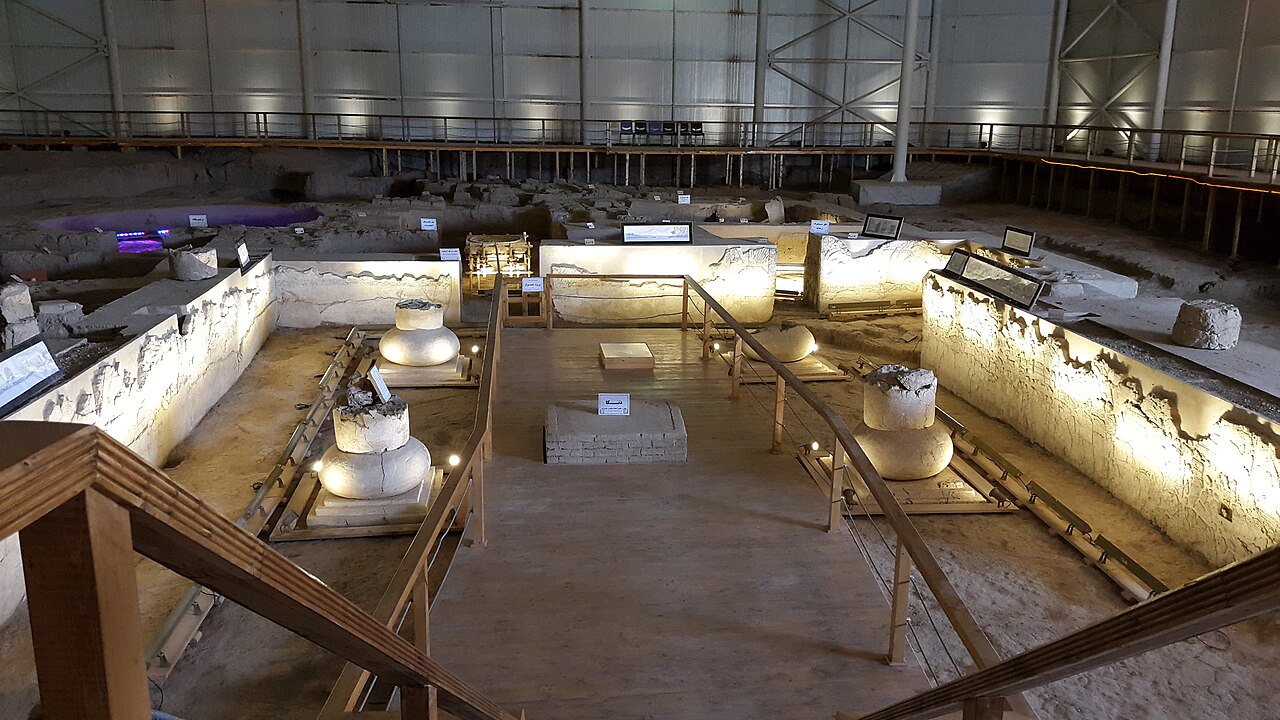
A Sassanid-era Zoroastrian fire sanctuary excavated near the medieval town of Abiward in Dargaz County, Razavi Khorasan, its stucco-decorated hall carrying some of the most vivid surviving relief carvings of pre-Islamic Iran.
 Zoroastrianism
Kerman Fire Temple
Kerman · Iran · shrine
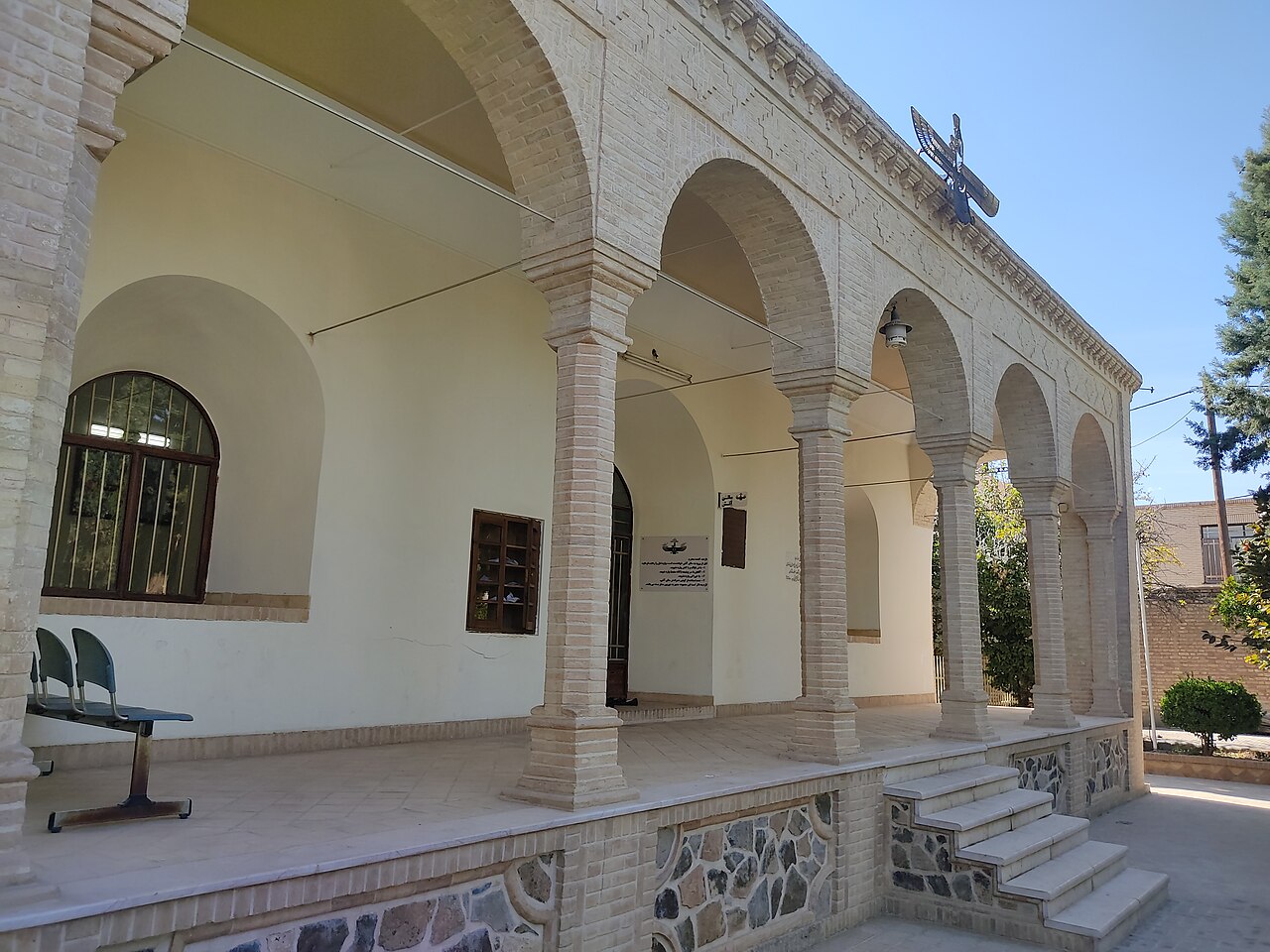
The Kerman Fire Temple shelters a sacred flame said to descend from Adur Farnbag, one of the three great fires of Sasanian Iran, within a sanctuary that also houses the world's only anthropology museum dedicated to the Zoroastrian people.
 Zoroastrianism
Marbin Fortress
· Iran · shrine
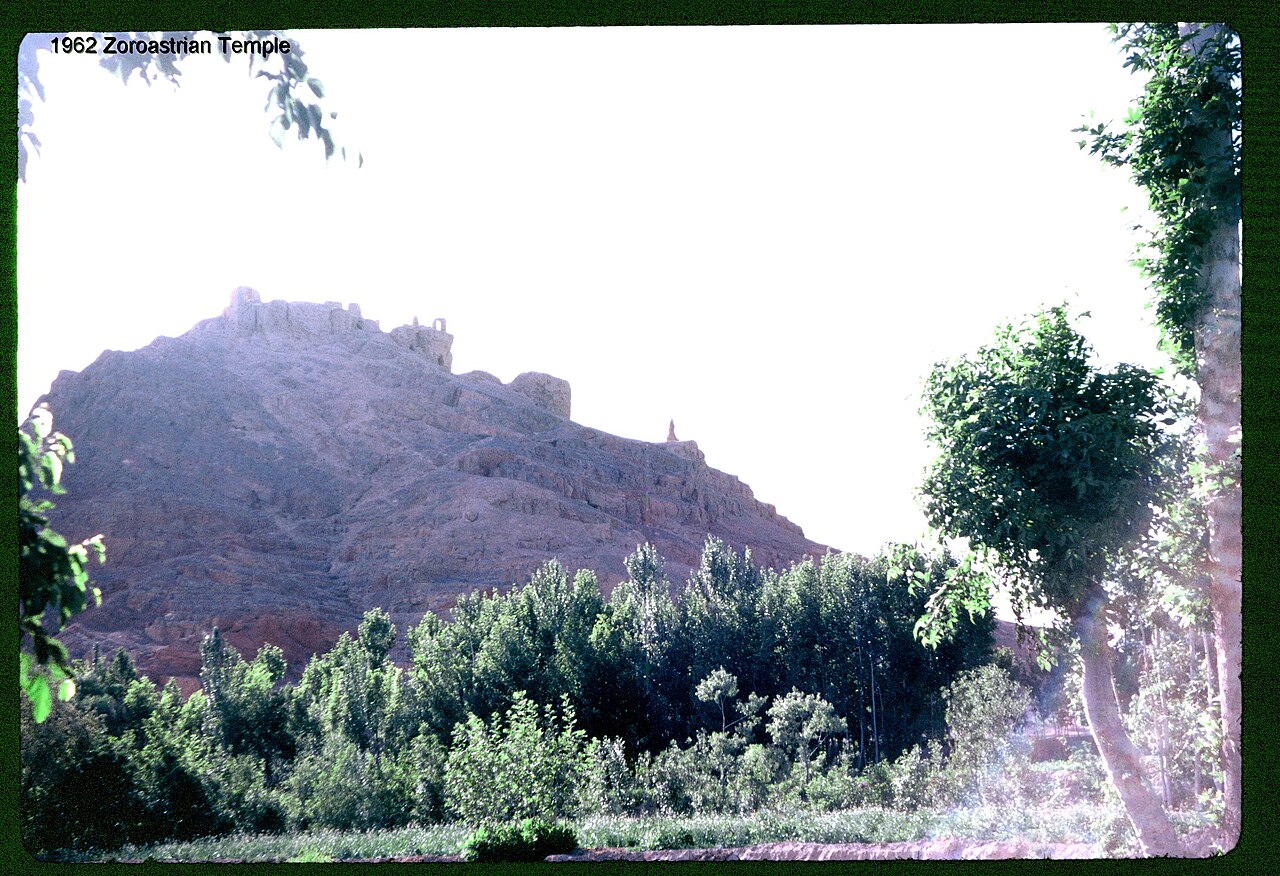
Perched atop a hill eight kilometres west of Isfahan, the Ātashgāh is a Sasanian-era sacred complex whose ruins preserve the remnants of Zoroastrian fire-shrines, priestly quarters, and a sentinel tower that once kept watch over the plain below.
 Zoroastrianism
Tappeh Mill
· Iran · shrine
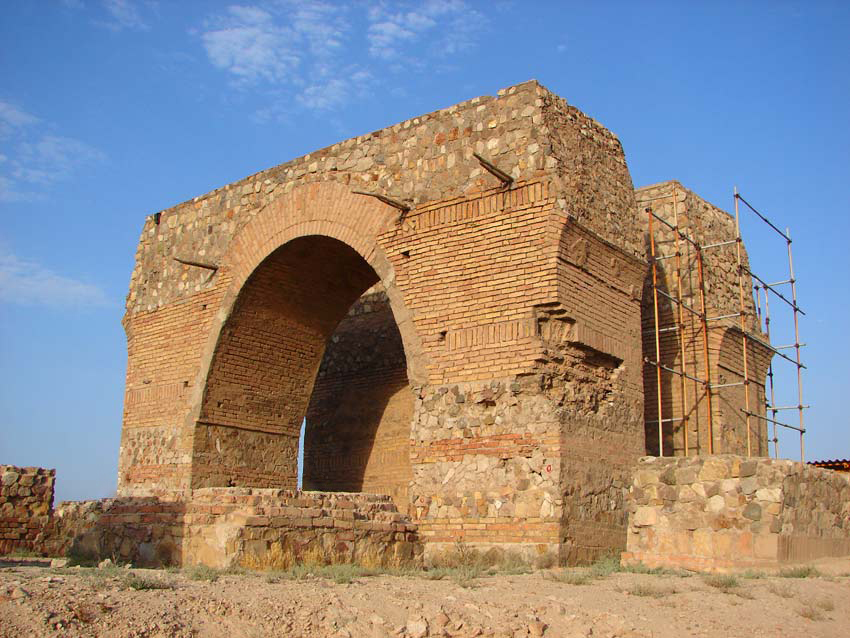
An ancient Zoroastrian atashkade (fire Temple) crowning a broad hilltop in Rey, Iran, this Sasanian-era sanctuary bears the name of King Bahram V and endures as a protected national heritage site.