Bandian Complex
Bandian Fire Temple · Bandiyan · محوطه باستانی بندیان (Mahowte-ye Bastani-ye Bandian)
About
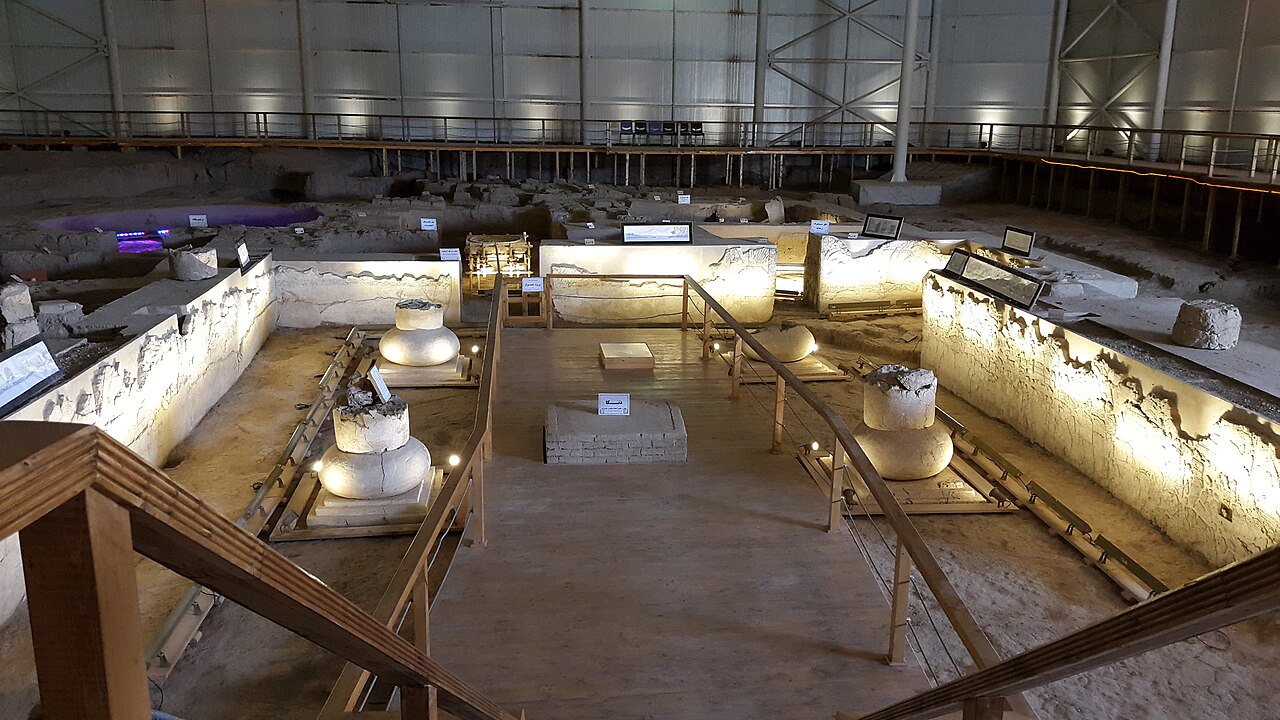
Situated close to the ancient medieval town of Abiward in Dargaz County, Razavi Khorasan Province, the Bandian Complex preserves one of the most evocative surviving examples of pre-Islamic Iranian sacred architecture. Designated as a site of Iranian national heritage, it shelters the remains of a Zoroastrian fire sanctuary whose decorative programme, while the topmost sections of its stucco reliefs did not survive, retains a remarkable degree of its original ornamental character.
The central hall of the complex, measuring roughly 10.25 by 8.45 metres, once rose on four lime-plastered columns that bore the weight of a flat ceiling. The structural ingenuity behind those columns drew the particular attention of researchers. An arched niche, or mihrab, approximately 2.80 by 1.70 metres, adds a further architectural accent of considerable interest.
Across the broad surfaces of the main hall, stucco reliefs narrate the ceremonial and martial life of the Sassanid court: hunting parties, triumphal processions, ritual investitures, celebratory banquets, and battle scenes that scholars read as commemorations of Persian victories against the Hephthalites. Among the other finds were Sassanid Pahlavi inscriptions and brick architectural fragments counted among the most precious discoveries from this period. Today, the excavated precinct has been adapted as an open-air site museum.
History
Archaeologists date the sanctuary to the reign of the Sassanid king Peroz I, who ruled from 459 to 484 CE, or to that of his son Kavad I, who ruled from 488 to 497 CE. Six seasons of excavation uncovered a central hall measuring roughly 10.25 by 8.45 metres, raised on four lime-plastered columns beneath a flat ceiling, together with an arched niche about 2.80 by 1.70 metres that excavators have labelled a mihrab. Sassanid Pahlavi inscriptions and brick architectural fragments recovered at the site are counted among the most significant finds of the period, and the excavated hall has since been enclosed under a protective roof and presented to visitors as a site museum.
Significance
The hall's stucco reliefs, though their uppermost sections have not survived, still narrate scenes of hunting, ritual investiture, banquet, and battle, including what scholars read as commemorations of Sassanid victories over the Hephthalites. As one of the most completely preserved fire sanctuaries of the Sassanid period, Bandian offers a rare direct witness to Zoroastrian ritual space and to how Sassanid kings joined worship and royal legitimacy within it. The site is registered on Iran's national heritage list and excavation has continued across further seasons since the first discoveries.
Architecture
Sassanid-era Zoroastrian sanctuary architecture: a four-columned, stucco-decorated hall with a flat ceiling and an arched niche, its walls carved with figural relief in the Sassanid courtly idiom
Visiting
Hours
Hours not listed.
Contact
No contact details listed yet.
Address
Engage with Bandian Complex
Through the four pathways
Seva सेवा — Service
Offer your time and skills here. The following opportunities are open at Bandian Complex:
No Seva offerings listed yet.
Sādhana साधना — Practice
Learn the worship and practice associated with Bandian Complex:
No Sādhana offerings listed yet.
Sandhāna सन्धान — Wisdom
Unite with the wisdom of this tradition:
No Sandhāna offerings listed yet.
Sādhya साध्य — Giving
Support this sacred place according to your means:
No Sādhya offerings listed yet.
All giving flows directly to Bandian Complex. Adisthan does not take a commission.
Gallery
Related sacred places
 Zoroastrianism
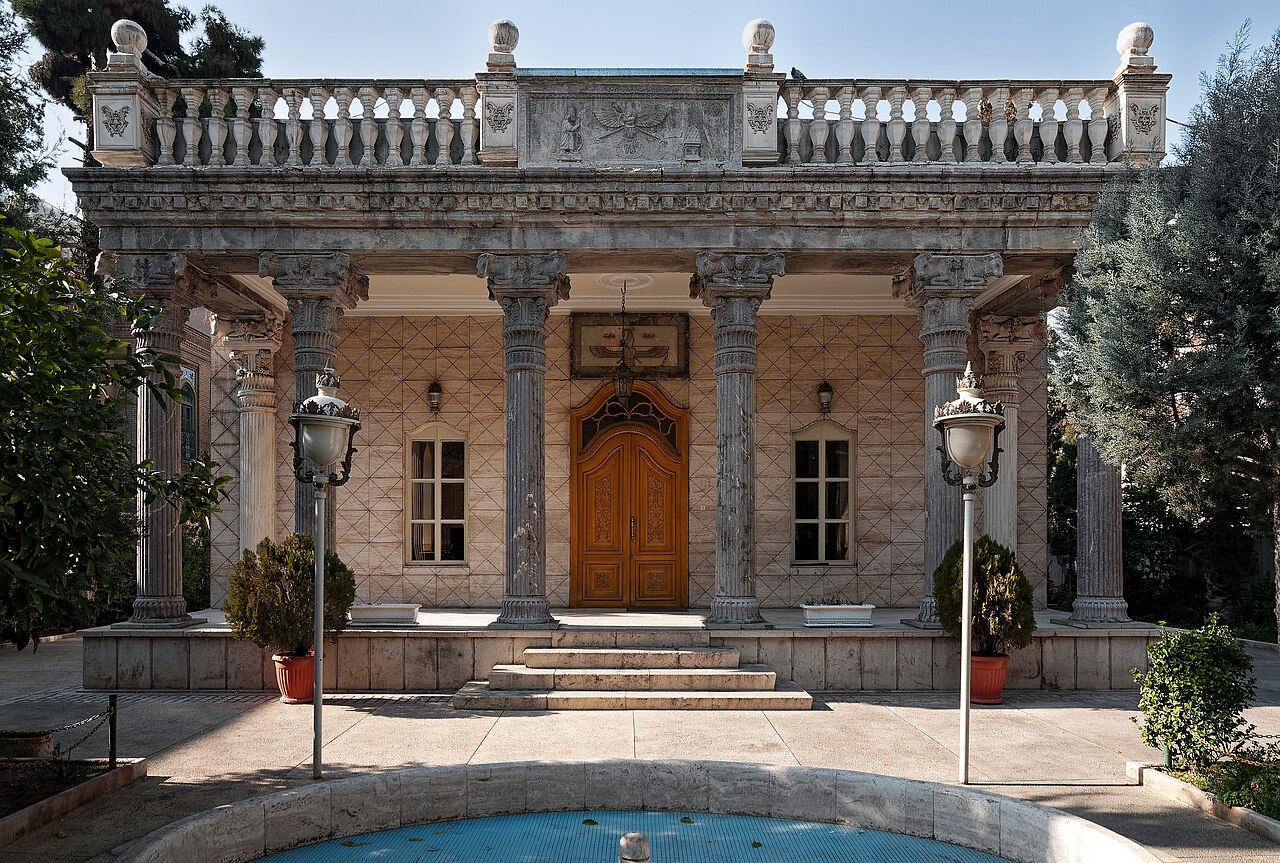
Adrian Temple
Tehran · Iran · shrine
Tehran's only active Zoroastrian fire Temple, the Adrian Temple has sheltered a continuously tended flame since its consecration in 1917, a lineage of fire traced to at least 470 CE.
 Zoroastrianism
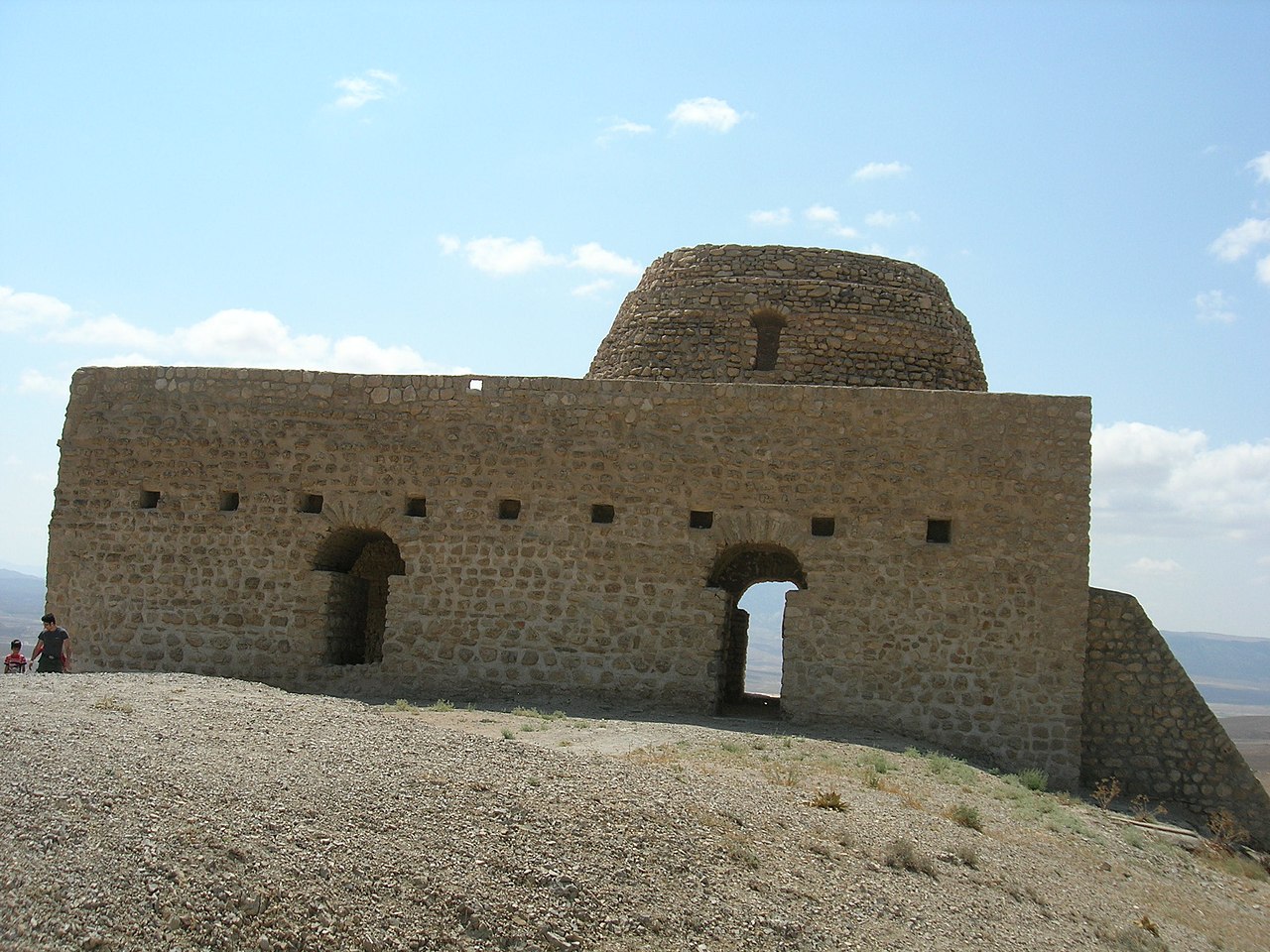
Aspakhu Fire Temple
Aspakhu · Iran · shrine
A Sasanian-era Zoroastrian fire Temple crowning a hilltop above the village of Aspakhu in Iran's North Khorasan province, its stone dome and vaulted eastern portal counted among the oldest standing structures in the region.
 Zoroastrianism
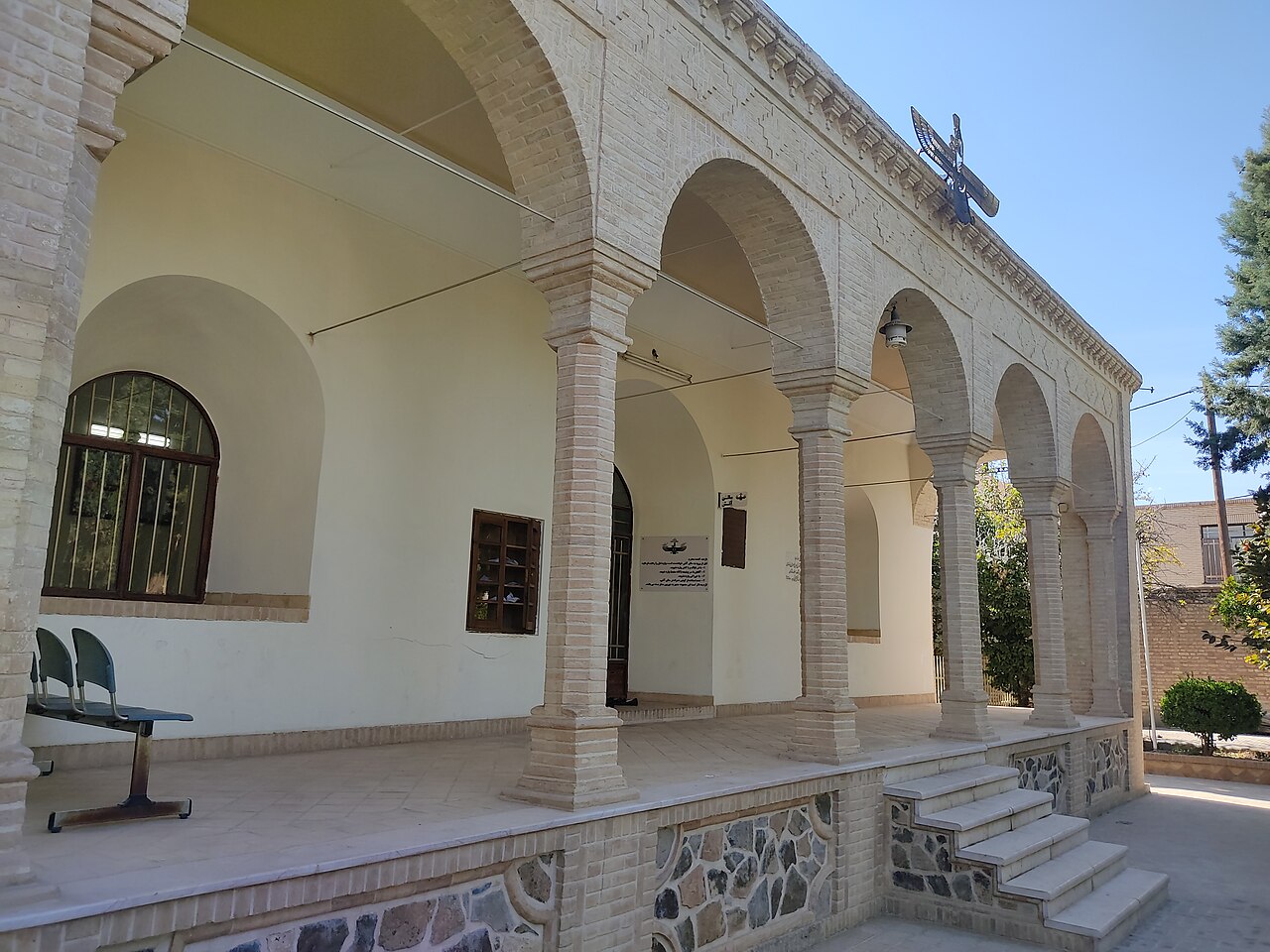
Kerman Fire Temple
Kerman · Iran · shrine
The Kerman Fire Temple shelters a sacred flame said to descend from Adur Farnbag, one of the three great fires of Sasanian Iran, within a sanctuary that also houses the world's only anthropology museum dedicated to the Zoroastrian people.
 Zoroastrianism
Marbin Fortress
· Iran · shrine
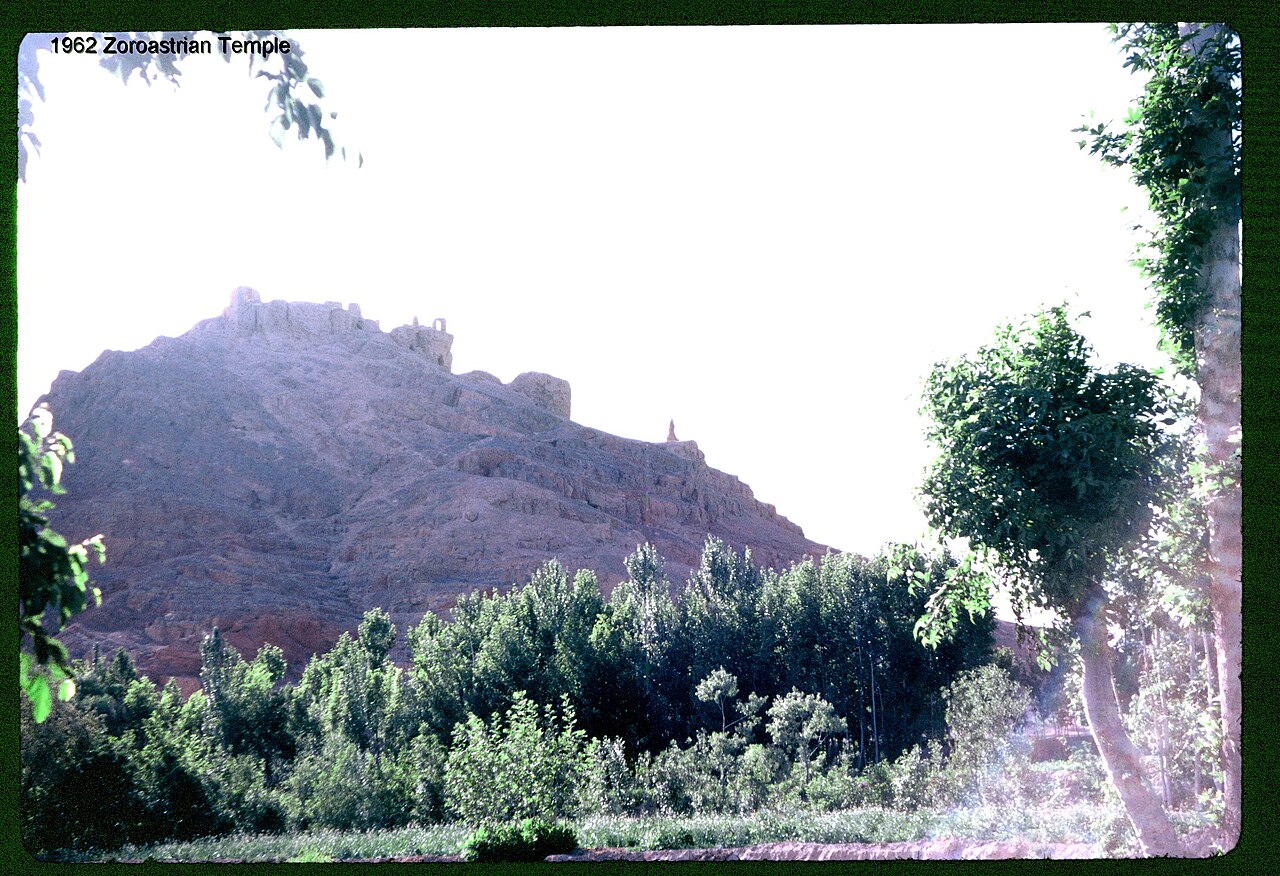
Perched atop a hill eight kilometres west of Isfahan, the Ātashgāh is a Sasanian-era sacred complex whose ruins preserve the remnants of Zoroastrian fire-shrines, priestly quarters, and a sentinel tower that once kept watch over the plain below.
 Zoroastrianism
Tappeh Mill
· Iran · shrine
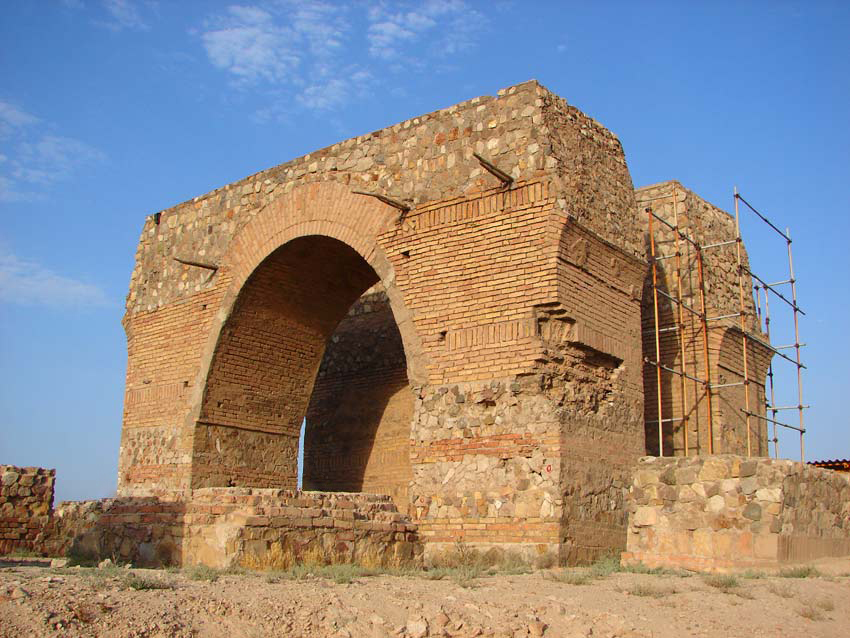
An ancient Zoroastrian atashkade (fire Temple) crowning a broad hilltop in Rey, Iran, this Sasanian-era sanctuary bears the name of King Bahram V and endures as a protected national heritage site.
 Zoroastrianism
Yazd Fire Temple
· Iran · shrine
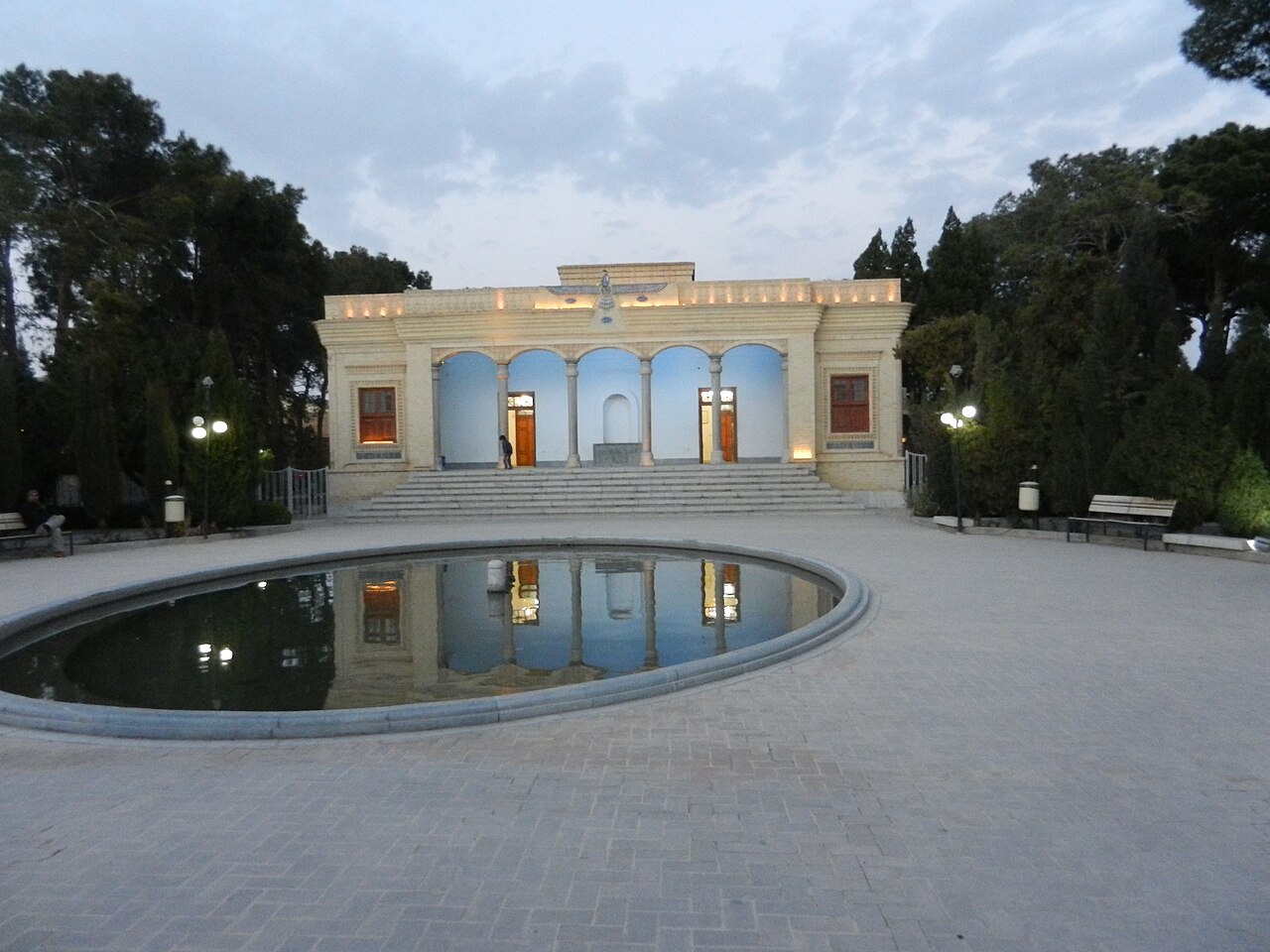
The Yazd Atash Behram (Ātaškade-ye Yazd) is Iran's sole surviving highest-grade Zoroastrian fire Temple, sheltering a sacred flame whose continuous burning dates to around 470 AD, a living ember of the ancient faith in the desert heartland of Yazd.