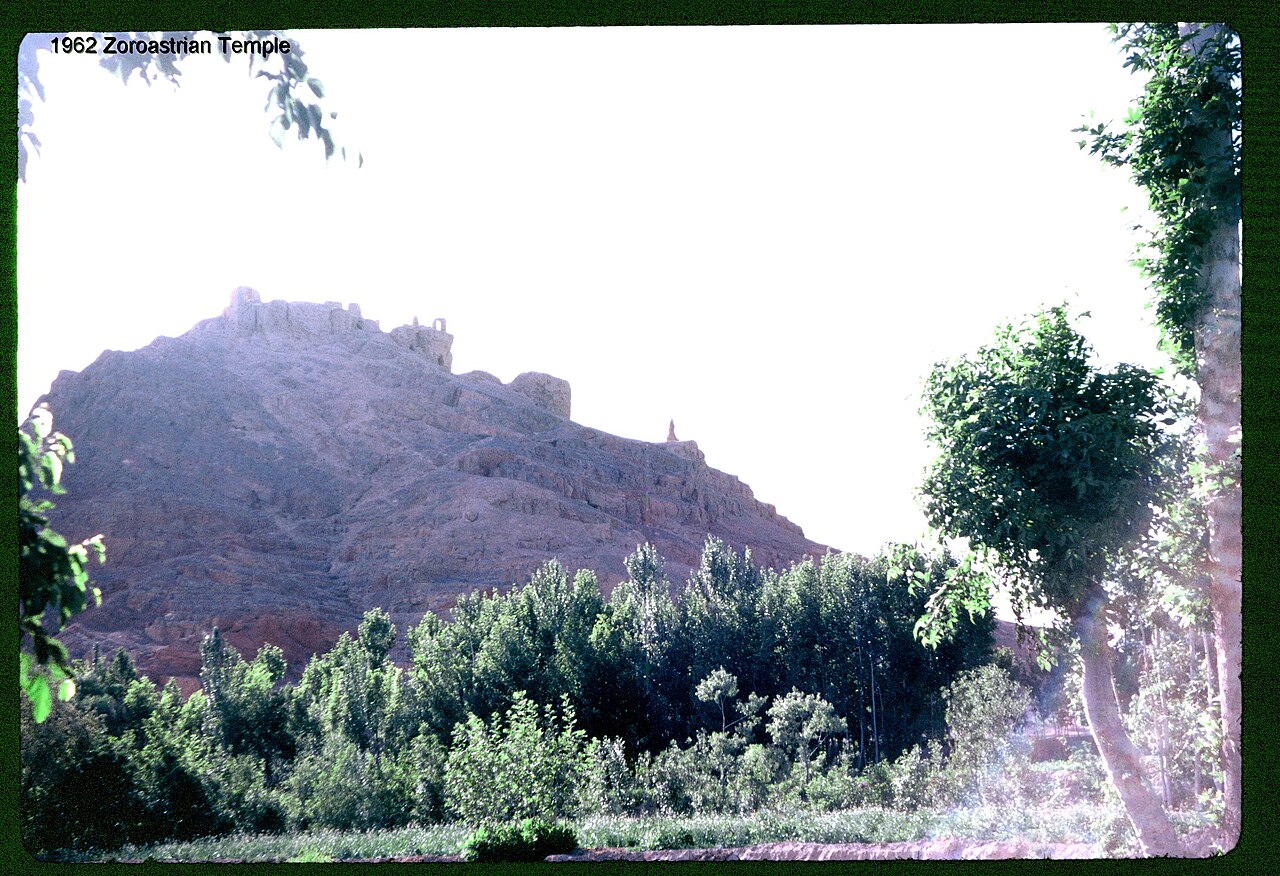
Marbin Fortress
About
Rising roughly 210 metres above the surrounding flatlands, the hill known today as Ātashgāh, and in older Arabic sources as Marabin, after a nearby village, shelters one of Iran's most evocative pre-Islamic archaeological ensembles. On its southern slope stands a cluster of around twenty structures, or the outlines of rooms within them, whose baked-brick walls were originally bonded with a mixture of clay and reed. Several of these buildings follow the classic chahārtāq layout, a square chamber opening on four sides through arched openings, a plan form closely associated with Zoroastrian fire-shrines from at least the third century onward. These were the sanctuaries where sacred fires burned. Alongside them stand traces of what appear to have been storerooms and accommodation for clergy and devout pilgrims.
At the very crown of the hill rises the ruin of a tall cylindrical tower known locally as the Burj-i Qurbān, the Tower of Sacrifice. Once standing at least twenty metres high, the structure is now thought to have served as a military beacon, a platform from which a flare could be lit to alert the surrounding settlements to an approaching threat. The remaining masonry, though weathered, still conveys the commanding presence this hilltop complex must have projected across the Zāyandeh-rūd valley. Today the site is an Iranian national heritage listing, though it receives little formal maintenance, and erosion, hastened by visitors navigating the clay-rich slopes, continues to take its toll.
History
The complex appears to have roots deep in pre-Islamic Iranian antiquity, with radiocarbon analysis suggesting that the earliest phase of construction may date to the Elamite period, placing it before the sixth century BCE. The site was later associated with the Zoroastrian tradition, and a local memory recorded by the Arab historian Masʿūdī around the tenth century held that the sanctuary had been converted from idol worship to fire veneration by King Vishtāspa, the royal patron of Zarathustra himself, when he embraced the religion of the Magi. By that same era, the buildings were being used by Ismāʿīlī residents of Isfahan as a refuge from tax collectors, evidence of a long afterlife well beyond the site's original sacred purpose.
Scholarly attention arrived only in the modern period. In 1937 the architectural historian André Godard made the first tentative identification of the ruins as a fire-temple complex; this was followed in the early 1960s by Maxime Siroux, who produced the first precise architectural drawings, allowing the site to be studied systematically for the first time. Klaus Schippman confirmed Godard's interpretation in 1971. In 2002, archaeologist Alireza Jafari Zand returned to the pre-Islamic stratigraphy in a published study emphasising both the religious function of the complex and the Elamite dating implied by decades of carbon-14 testing.
Significance
The Ātashgāh of Isfahan holds a quiet but profound place in the Zoroastrian heritage of Iran. Its chahārtāq shrines represent a building type that served the continuous tending of sacred fire, the living symbol of Ahura Mazdā's truth and light, for communities across the Iranian plateau during the Sasanian imperial period. The site's layered history, reaching back perhaps to Elamite antiquity and forward through Zoroastrian, early Islamic, and Ismāʿīlī occupation, makes it a remarkable material witness to the long religious biography of Isfahan. For those who honour the Zoroastrian path, the ruined walls still carry the memory of fires that burned here across centuries, and the hill retains a spare, wind-swept dignity that speaks to its ancient vocation as a meeting place between earth and the sacred flame.
Visiting
Engage with Marbin Fortress
Through the four pathways
Seva सेवा — Service
Offer your time and skills here. The following opportunities are open at Marbin Fortress:
No Seva offerings listed yet.
Sādhana साधना — Practice
Learn the worship and practice associated with Marbin Fortress:
No Sādhana offerings listed yet.
Sandhāna सन्धान — Wisdom
Unite with the wisdom of this tradition:
No Sandhāna offerings listed yet.
Sādhya साध्य — Giving
Support this sacred place according to your means:
No Sādhya offerings listed yet.
All giving flows directly to Marbin Fortress. Adisthan does not take a commission.
Gallery
Related sacred places
 Zoroastrianism
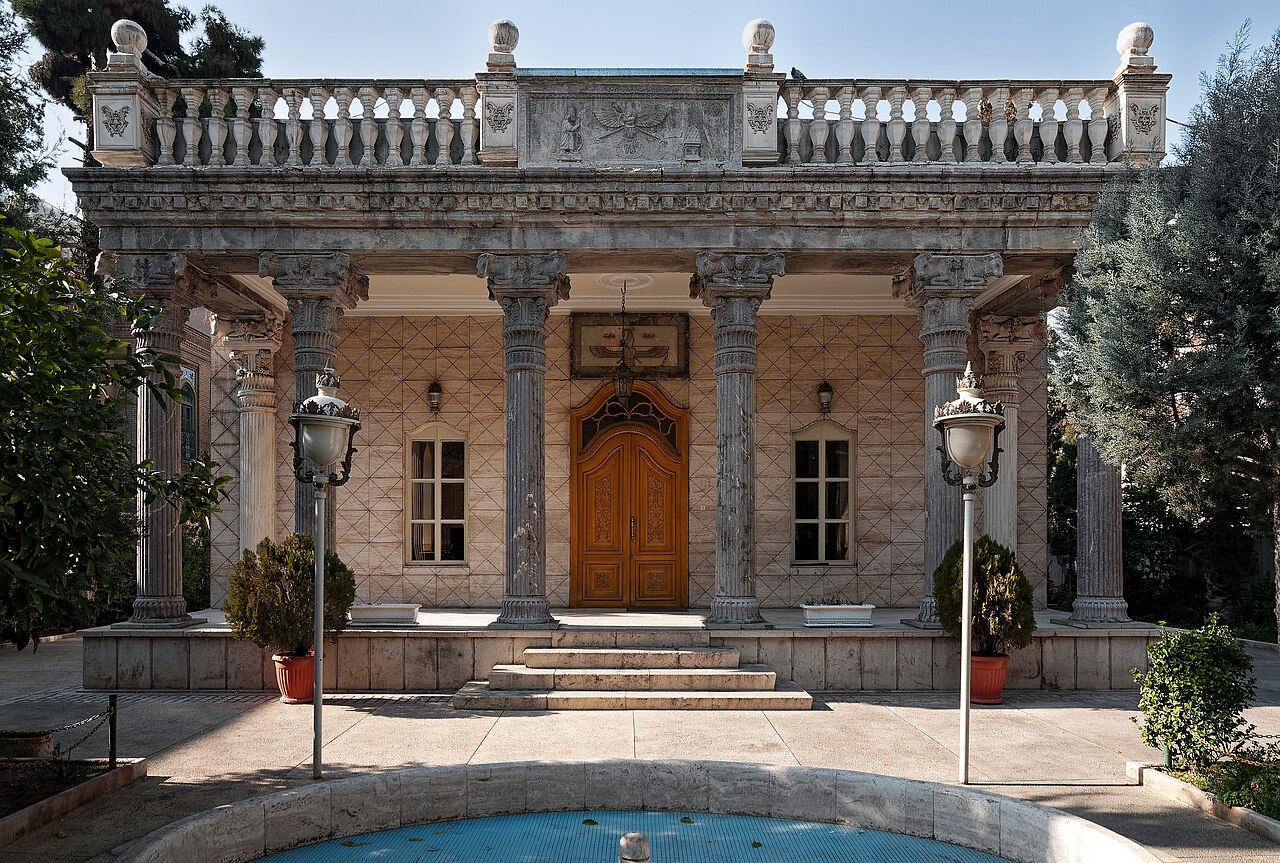
Adrian Temple
Tehran · Iran · shrine
Tehran's only active Zoroastrian fire Temple, the Adrian Temple has sheltered a continuously tended flame since its consecration in 1917, a lineage of fire traced to at least 470 CE.
 Zoroastrianism
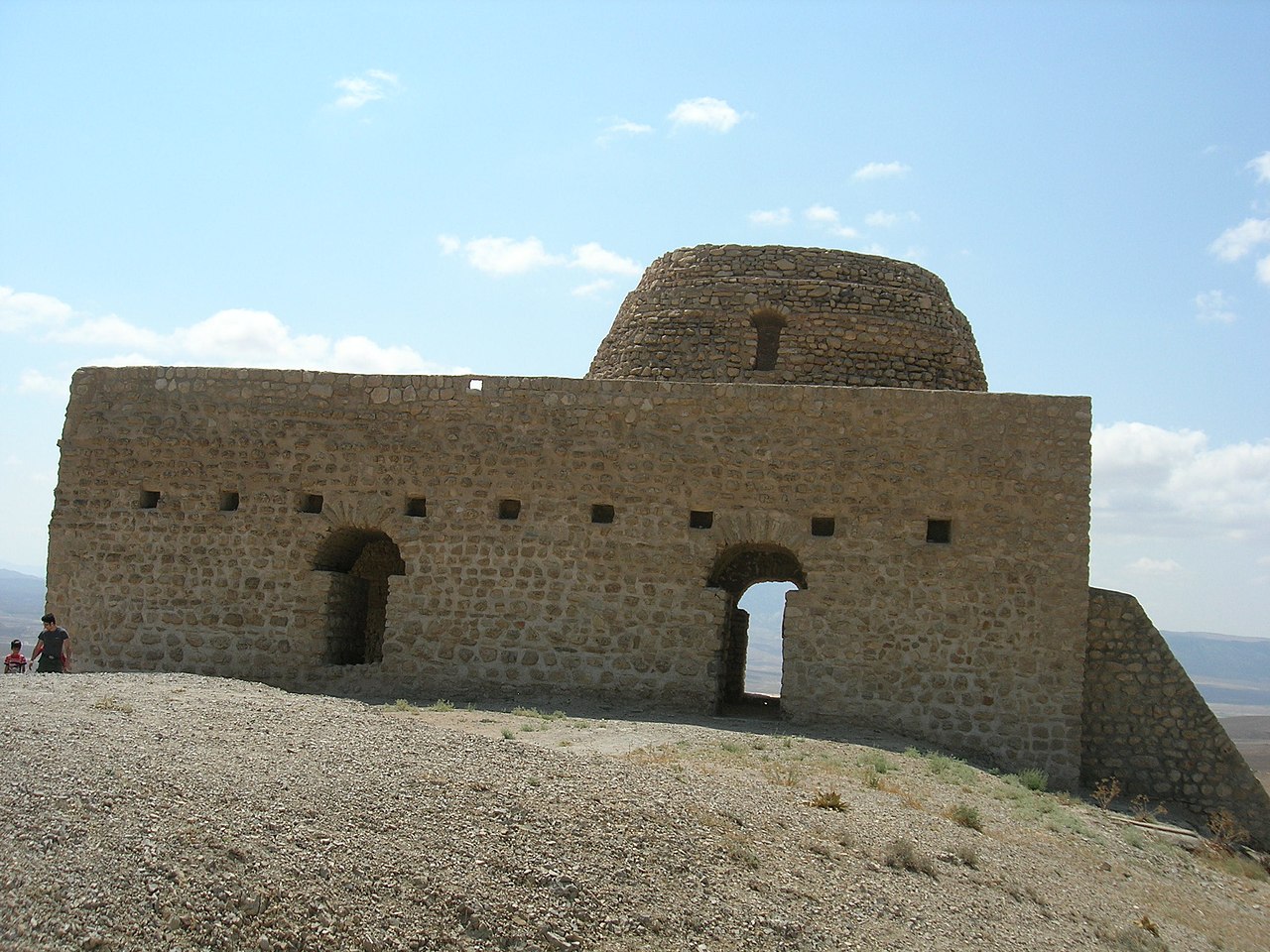
Aspakhu Fire Temple
Aspakhu · Iran · shrine
A Sasanian-era Zoroastrian fire Temple crowning a hilltop above the village of Aspakhu in Iran's North Khorasan province, its stone dome and vaulted eastern portal counted among the oldest standing structures in the region.
 Zoroastrianism
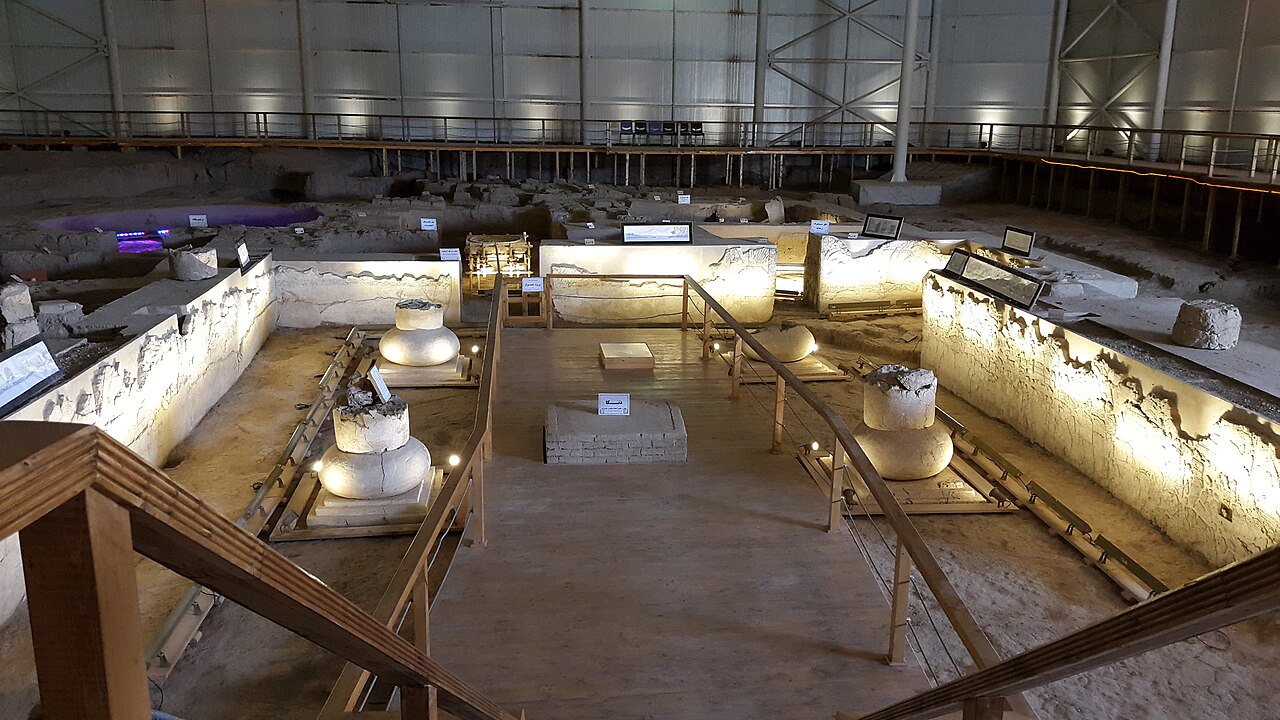
Bandian Complex
Dargaz · Iran · shrine
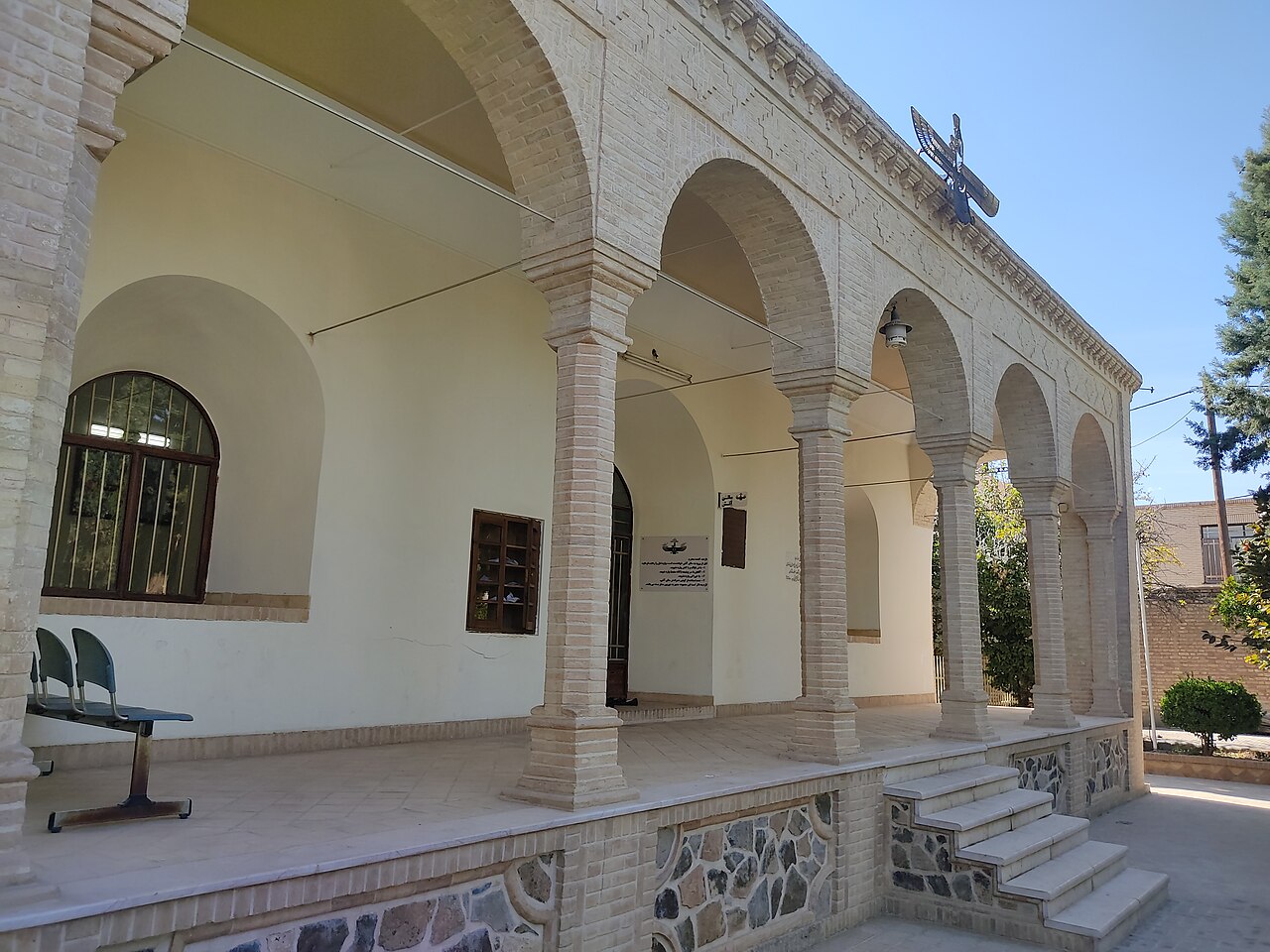
A Sassanid-era Zoroastrian fire sanctuary excavated near the medieval town of Abiward in Dargaz County, Razavi Khorasan, its stucco-decorated hall carrying some of the most vivid surviving relief carvings of pre-Islamic Iran.
 Zoroastrianism
Kerman Fire Temple
Kerman · Iran · shrine
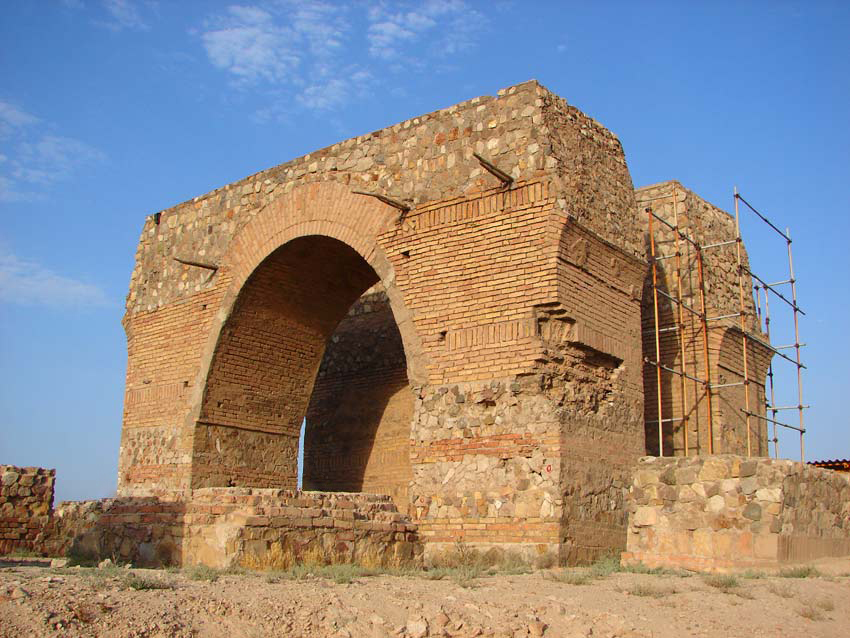
The Kerman Fire Temple shelters a sacred flame said to descend from Adur Farnbag, one of the three great fires of Sasanian Iran, within a sanctuary that also houses the world's only anthropology museum dedicated to the Zoroastrian people.
 Zoroastrianism
Tappeh Mill
· Iran · shrine
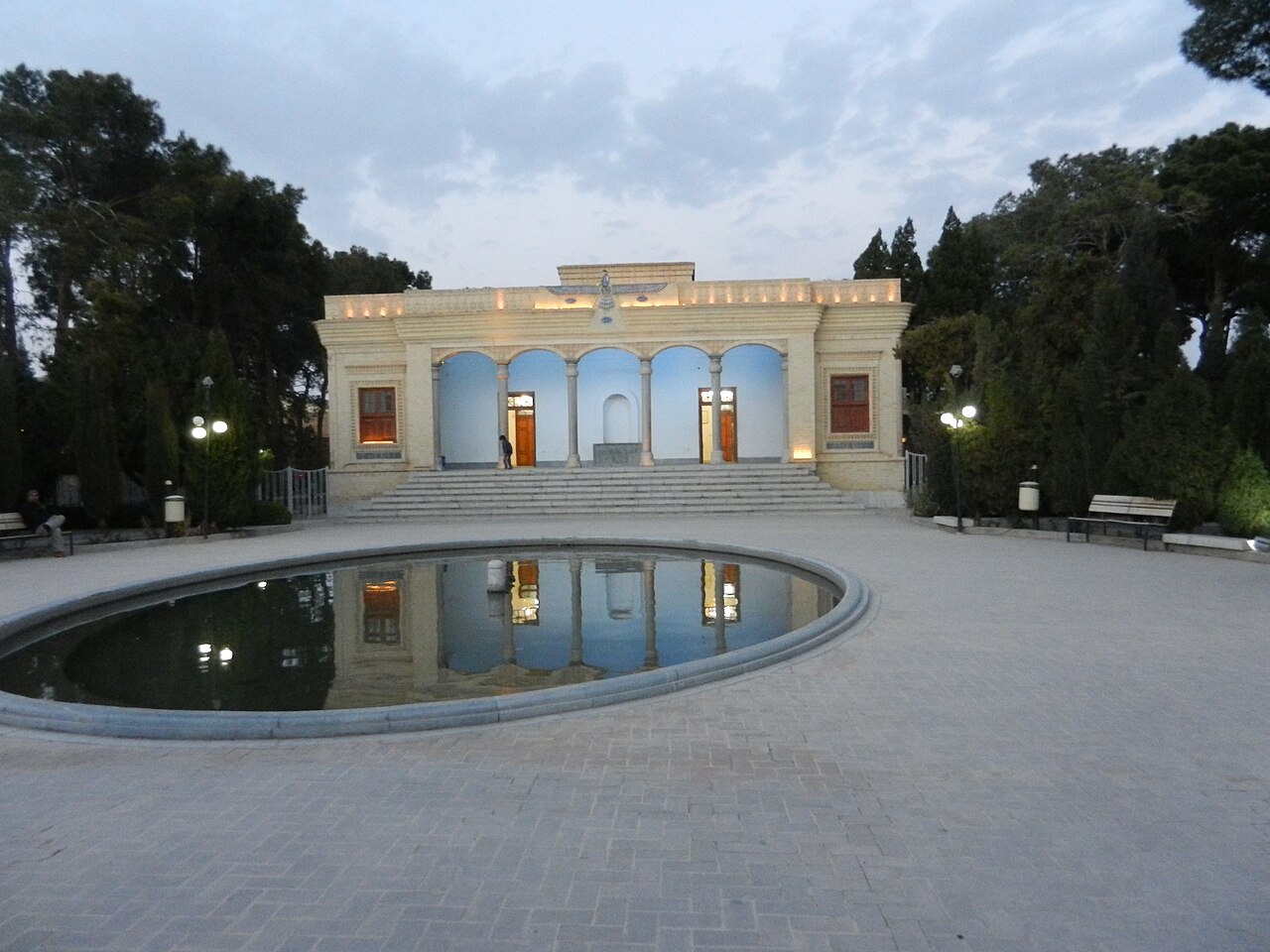
An ancient Zoroastrian atashkade (fire Temple) crowning a broad hilltop in Rey, Iran, this Sasanian-era sanctuary bears the name of King Bahram V and endures as a protected national heritage site.
 Zoroastrianism
Yazd Fire Temple
· Iran · shrine
The Yazd Atash Behram (Ātaškade-ye Yazd) is Iran's sole surviving highest-grade Zoroastrian fire Temple, sheltering a sacred flame whose continuous burning dates to around 470 AD, a living ember of the ancient faith in the desert heartland of Yazd.