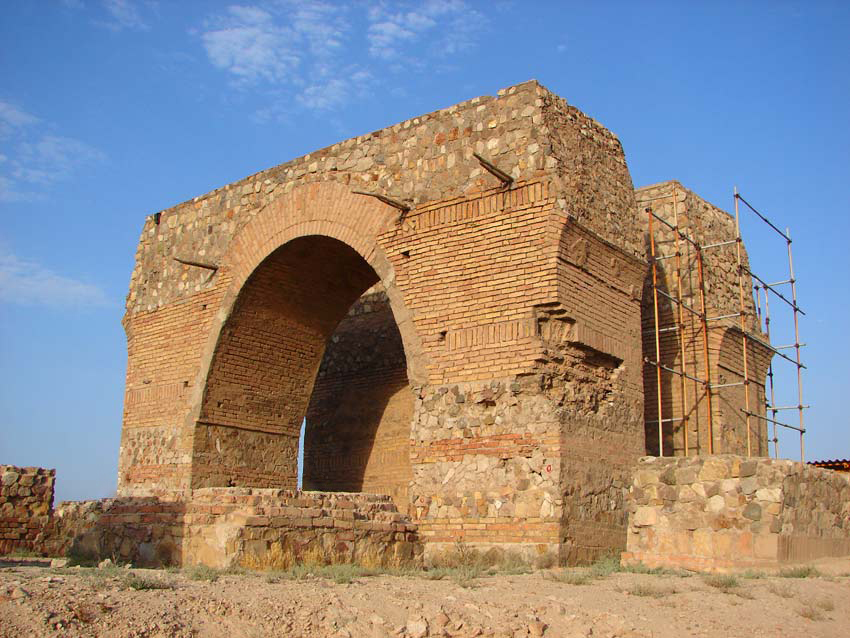
Tappeh Mill
About
Rising from a wide natural mound in the city of Ghalenou, roughly twelve kilometres southeast of Ray, along the road toward Varamin, Tappeh Mill preserves the remnants of what was once an imposing sacred complex of the Sasanian period. The site draws its Persian name, mil (میل), from a traditional architectural term denoting a narrow, tall structural form: from a distance, the surviving masonry resembles two such pillars standing sentinel on the hilltop, giving the mound its evocative title of "Pillar Hill."
The Temple was oriented along an east-west axis. At its eastern face stood an iwan, a vaulted entrance porch, flanked by four circular columns that once welcomed worshippers into the sacred precinct. At the heart of the structure lay a chahartaq, the four-arched chamber characteristic of Zoroastrian fire Temples, where the eternal flame was tended. Though much of the complex was damaged during Alexander's campaign through Iran, portions of that four-arched core and the two great pillars have endured across the centuries.
Today the site stands as a reminder of the devotional fire that once burned within, honored by the faithful who gathered here under Bahram V's rule and long afterward. Its place on Iran's national heritage register reflects the broader cultural and spiritual weight these ancient atashkade carry for the Zoroastrian tradition and for the history of the Iranian plateau.
History
Tappeh Mill dates to the Sasanian imperial era and takes its sacred identity from Bahram V, the Sasanian king in whose honor the fire Temple was consecrated. The complex suffered damage when Alexander's forces swept through Iran, leaving only parts of the chahartaq structure and two of its great pillars standing.
Modern scholarly attention came in 1913, when the French archaeologist Jacques de Morgan undertook the first restoration of the Temple and its surrounding structures. Two decades later, in 1933, the American archaeologist Eric Schmidt conducted systematic excavation of the site. More recently, Iranian researcher Firouzeh Shibani continued that excavation work, deepening the scholarly record of this enduring place.
Significance
As one of the identifiable fire Temples of the Sasanian world, Tappeh Mill occupies a meaningful place in the religious landscape of ancient Iran. Fire Temples, atashkade, served as the living heart of Zoroastrian community worship, their sacred flames symbolizing Ahura Mazda's divine presence. The dedication of this sanctuary to Bahram V links it to royal patronage and to Verethragna, the yazata of victory with whom Bahram kings were closely associated. Recognized today as an Iranian national heritage site, Tappeh Mill continues to represent the enduring spiritual legacy of the Zoroastrian tradition on the Iranian plateau.
Visiting
Engage with Tappeh Mill
Through the four pathways
Seva सेवा — Service
Offer your time and skills here. The following opportunities are open at Tappeh Mill:
No Seva offerings listed yet.
Sādhana साधना — Practice
Learn the worship and practice associated with Tappeh Mill:
No Sādhana offerings listed yet.
Sandhāna सन्धान — Wisdom
Unite with the wisdom of this tradition:
No Sandhāna offerings listed yet.
Sādhya साध्य — Giving
Support this sacred place according to your means:
No Sādhya offerings listed yet.
All giving flows directly to Tappeh Mill. Adisthan does not take a commission.
Gallery
Related sacred places
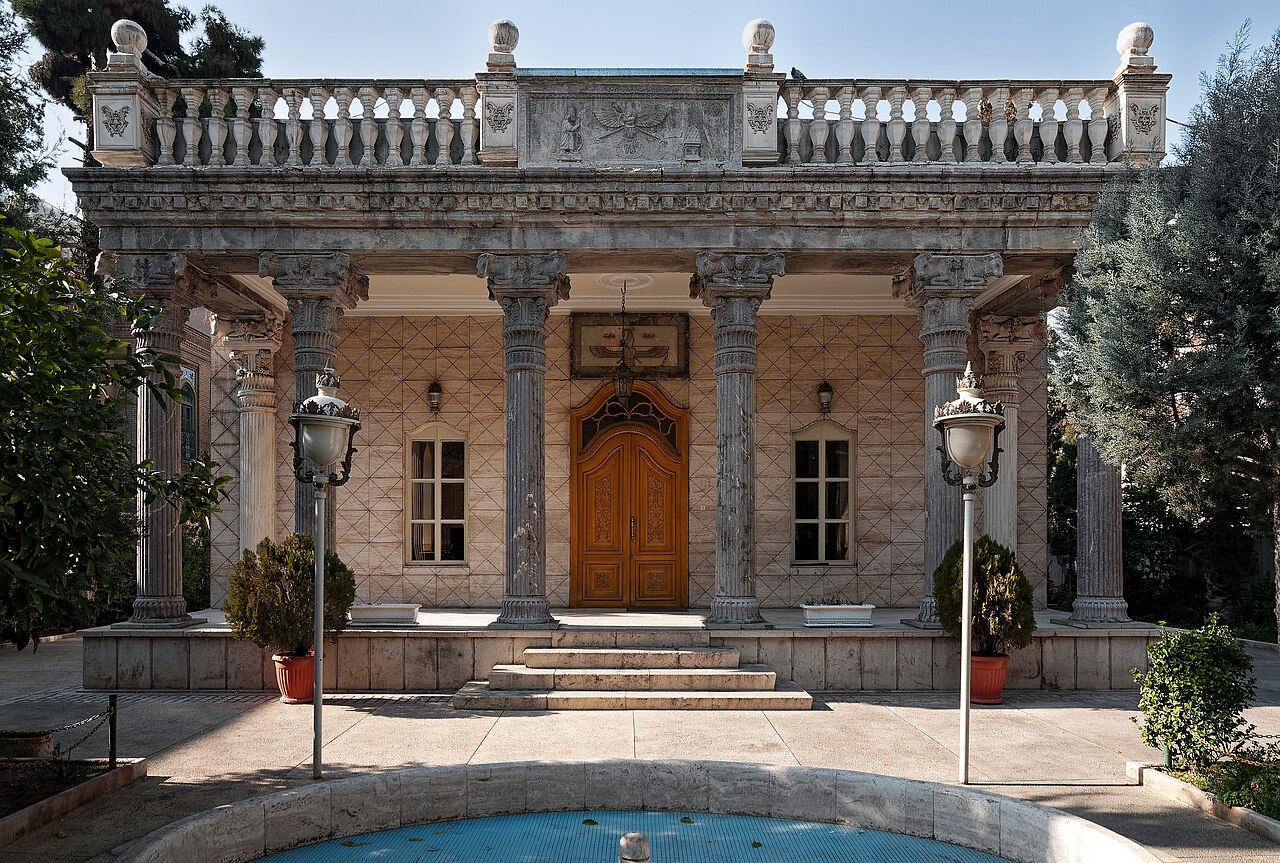 Zoroastrianism
Adrian Temple
Tehran · Iran · shrine
Tehran's only active Zoroastrian fire Temple, the Adrian Temple has sheltered a continuously tended flame since its consecration in 1917, a lineage of fire traced to at least 470 CE.
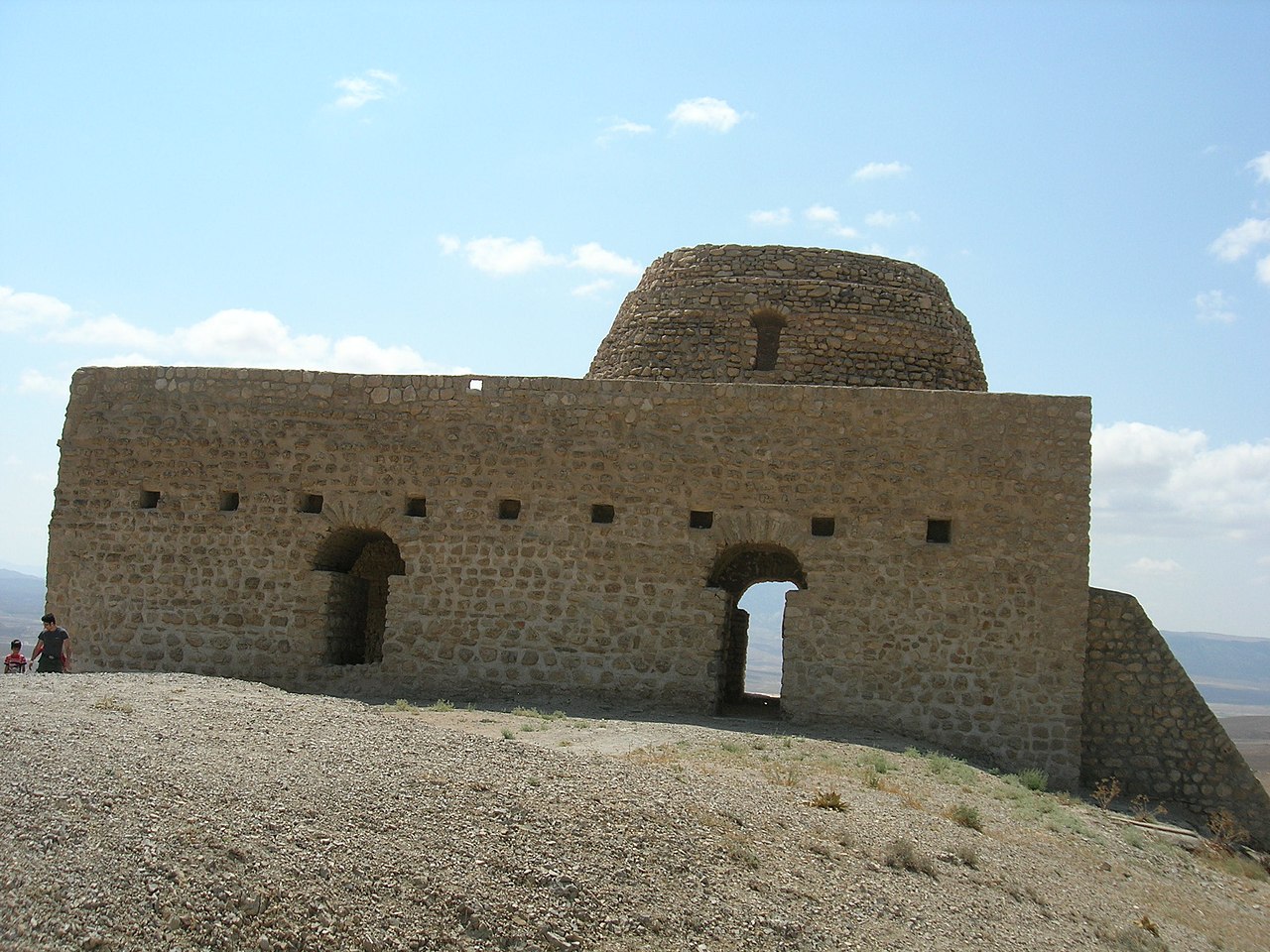 Zoroastrianism
Aspakhu Fire Temple
Aspakhu · Iran · shrine
A Sasanian-era Zoroastrian fire Temple crowning a hilltop above the village of Aspakhu in Iran's North Khorasan province, its stone dome and vaulted eastern portal counted among the oldest standing structures in the region.
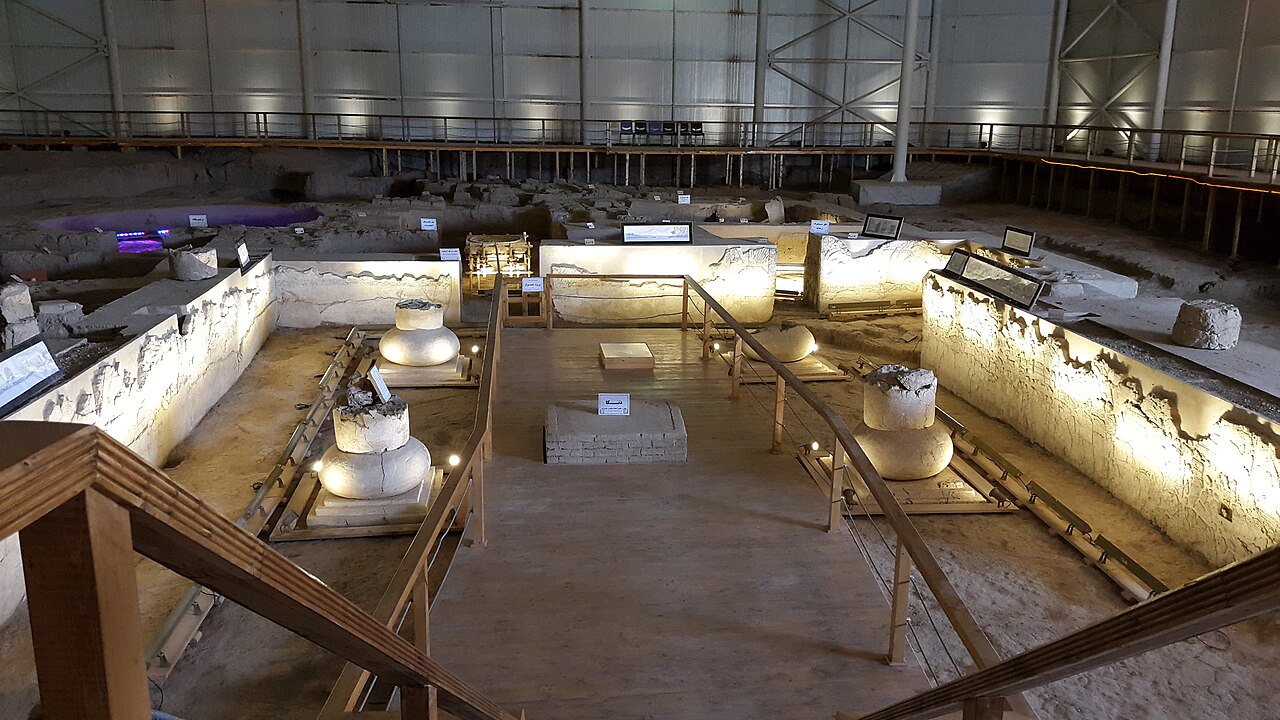 Zoroastrianism
Bandian Complex
Dargaz · Iran · shrine
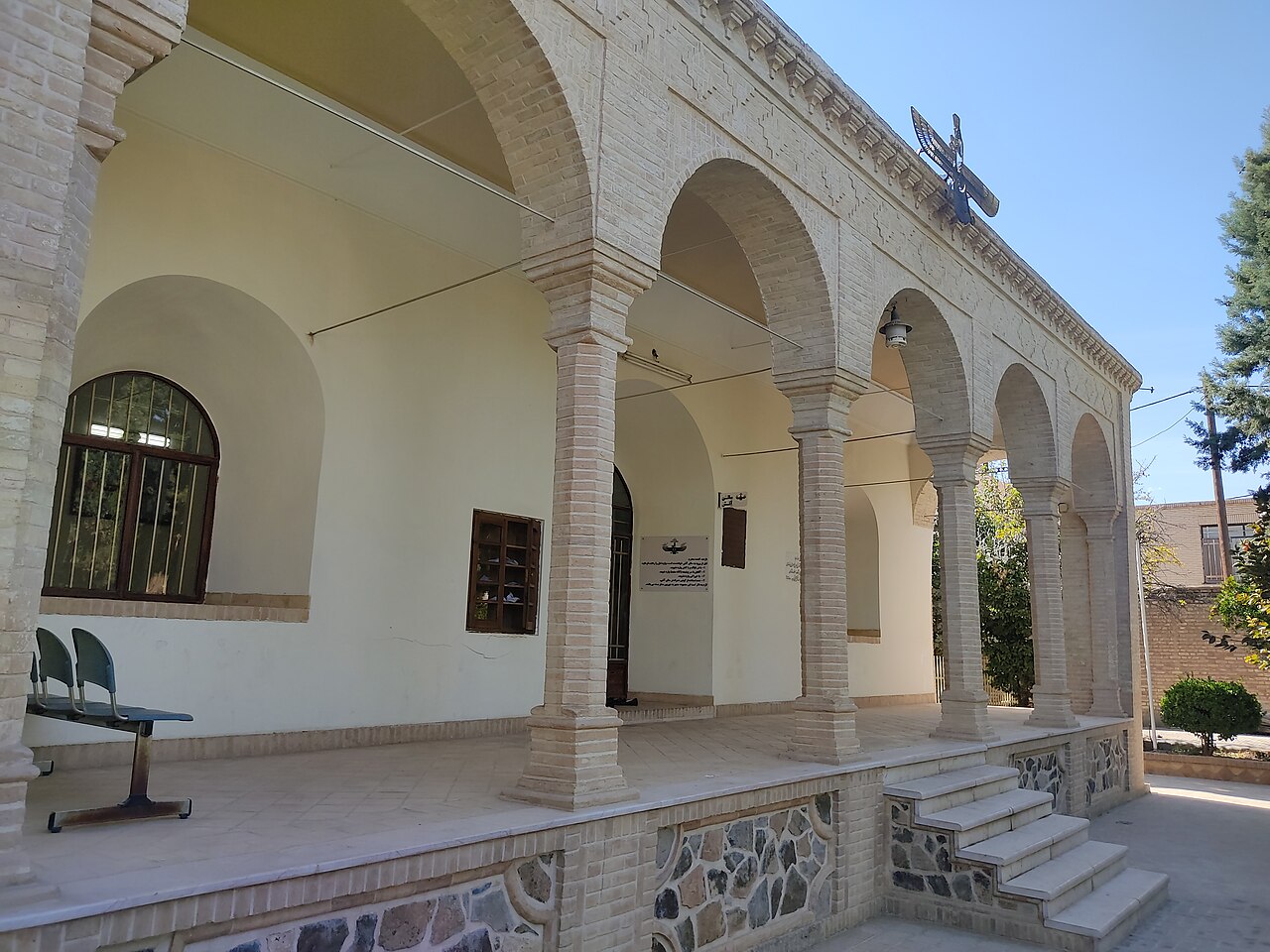
A Sassanid-era Zoroastrian fire sanctuary excavated near the medieval town of Abiward in Dargaz County, Razavi Khorasan, its stucco-decorated hall carrying some of the most vivid surviving relief carvings of pre-Islamic Iran.
 Zoroastrianism
Kerman Fire Temple
Kerman · Iran · shrine
The Kerman Fire Temple shelters a sacred flame said to descend from Adur Farnbag, one of the three great fires of Sasanian Iran, within a sanctuary that also houses the world's only anthropology museum dedicated to the Zoroastrian people.
 Zoroastrianism
Marbin Fortress
· Iran · shrine
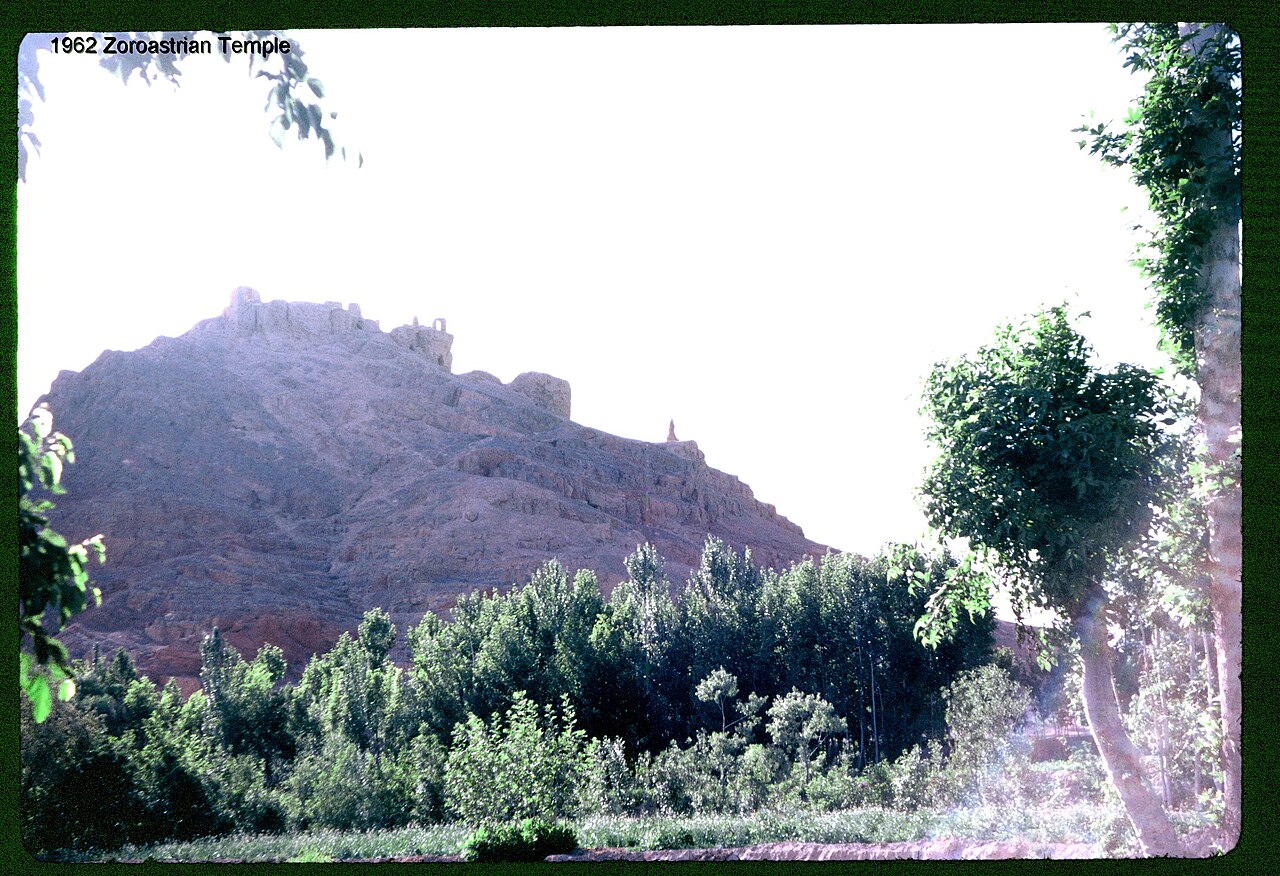
Perched atop a hill eight kilometres west of Isfahan, the Ātashgāh is a Sasanian-era sacred complex whose ruins preserve the remnants of Zoroastrian fire-shrines, priestly quarters, and a sentinel tower that once kept watch over the plain below.
 Zoroastrianism
Yazd Fire Temple
· Iran · shrine
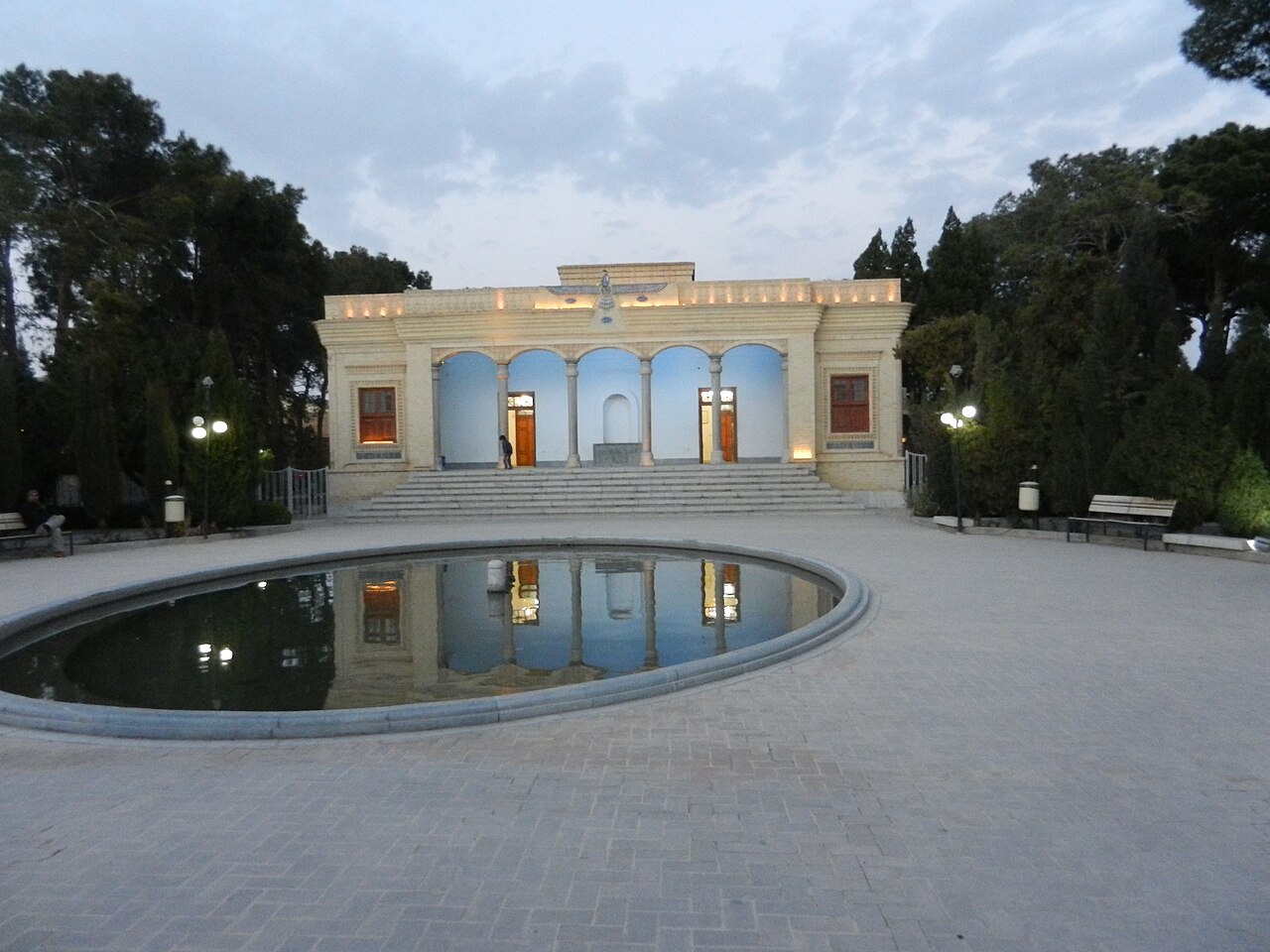
The Yazd Atash Behram (Ātaškade-ye Yazd) is Iran's sole surviving highest-grade Zoroastrian fire Temple, sheltering a sacred flame whose continuous burning dates to around 470 AD, a living ember of the ancient faith in the desert heartland of Yazd.