Kerman Fire Temple
Atashkadeh-ye Kerman · آتشکده کرمان · Kerman Zoroastrian Fire Temple and Anthropology Museum
About
The Kerman Fire Temple, known in Persian as آتشکدهٔ کرمان (Ātashkadeh-ye Kermān), stands as one of the most significant Zoroastrian places of worship in Iran. An atashkadeh, or fire Temple, is the focal point of Zoroastrian devotion, a sanctuary built to shelter and honour the sacred flame that embodies Ahura Mazda's divine light and purity. This particular Temple holds a flame regarded as of extraordinary spiritual lineage, said to have descended from Adur Farnbag, counted among the three supreme holy fires of the Sasanian imperial era.
Beyond its role as an active place of worship for the Zoroastrian community of Kerman, the Temple complex uniquely houses the world's sole anthropology museum dedicated entirely to Zoroastrian culture and heritage. Within its walls, visitors encounter a rare handwritten copy of the Gāthās, the ancient hymns attributed to the prophet Zarathustra, estimated to be at least two centuries old, offering a tangible connection to the tradition's literary and devotional inheritance.
The atmosphere here is one of quiet reverence, defined by the enduring warmth of the consecrated flame and the weight of millennia of continuous practice. For members of the global Zoroastrian community and for those drawn to explore humanity's oldest monotheistic traditions, the Kerman Fire Temple offers both a living centre of faith and a window into a civilization whose contributions to world religion and philosophy remain profound.
History
The present Temple was raised in 1924 under Reza Shah Pahlavi, its flame carried from India, where Parsi Zoroastrians had tended the faith through centuries of diaspora. The idea of a museum within the Temple was first proposed in 1983 and realised in 2005, gathering clothing, photographs, and ritual objects of Kerman's Zoroastrian community alongside a handwritten copy of the Gathas thought to be at least two centuries old. The site was entered onto Iran's national heritage list on 2 October 2001.
Significance
Kerman holds one of Iran's largest living Zoroastrian communities, and its fire Temple serves them still, a sanctuary where the flame is tended as an embodiment of Ahura Mazda's light and purity. The Gathas manuscript within its walls gives the site a rare textual depth, while its museum extends the Temple's reach beyond worship into memory, holding the everyday and sacred objects of a community that has kept its fire burning for generations.
Architecture
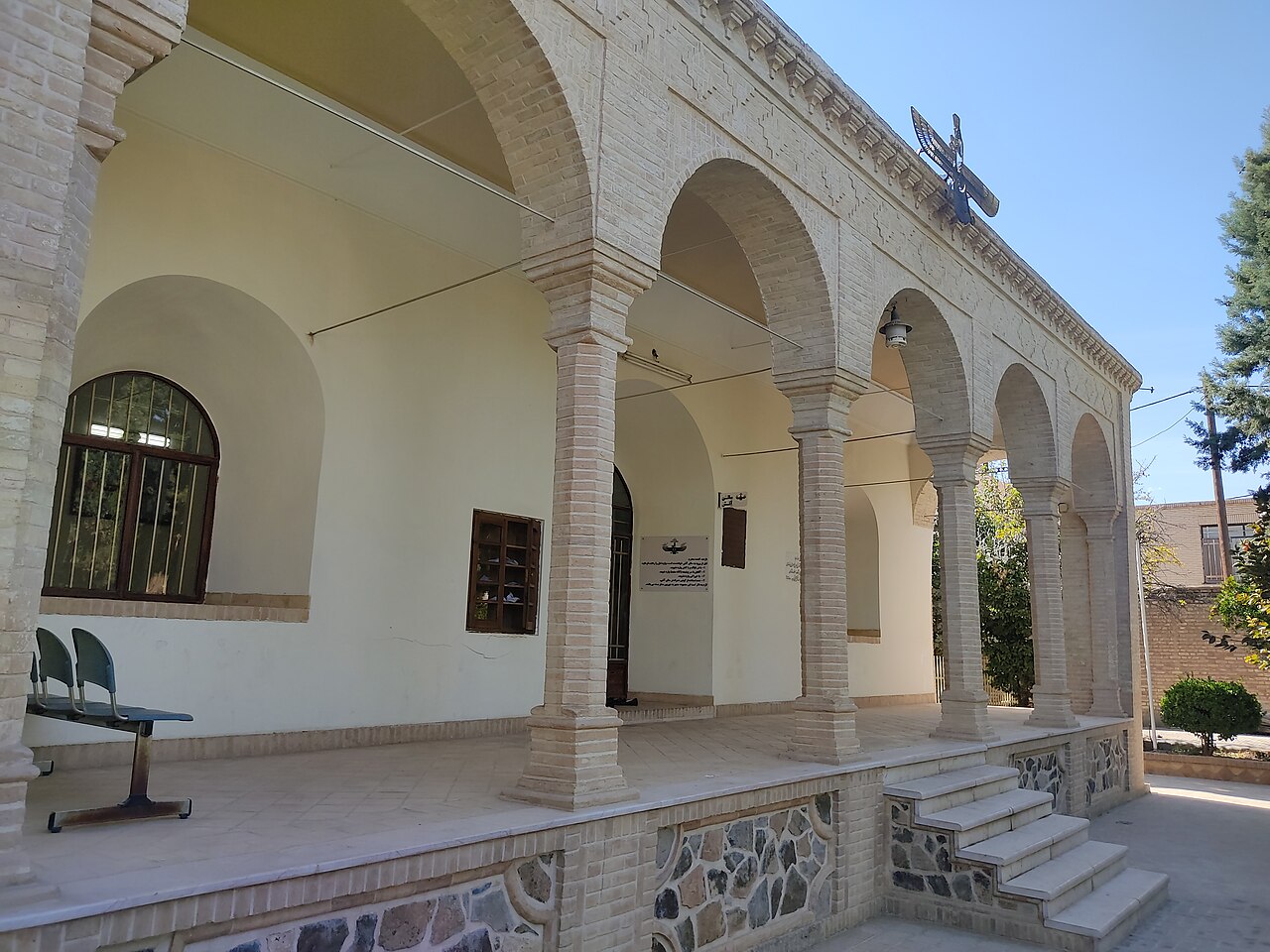
Early Pahlavi-era Zoroastrian Temple architecture: an arcaded colonnade in pale brick, set within a walled garden courtyard and marked by a Faravahar above its entrance
Visiting
Hours
Hours not listed.
Contact
No contact details listed yet.
Engage with Kerman Fire Temple
Through the four pathways
Seva सेवा — Service
Offer your time and skills here. The following opportunities are open at Kerman Fire Temple:
No Seva offerings listed yet.
Sādhana साधना — Practice
Learn the worship and practice associated with Kerman Fire Temple:
No Sādhana offerings listed yet.
Sandhāna सन्धान — Wisdom
Unite with the wisdom of this tradition:
No Sandhāna offerings listed yet.
Sādhya साध्य — Giving
Support this sacred place according to your means:
No Sādhya offerings listed yet.
All giving flows directly to Kerman Fire Temple. Adisthan does not take a commission.
Festivals & Events
- Mar
Nowruz
21 March 2027 · annual
The Persian new year and the most sacred day of the Zoroastrian calendar, marked at the Temple with communal prayer as Kerman's Zoroastrians, among the largest such community in Iran, gather before the flame.
Gallery
Related sacred places
 Zoroastrianism
Adrian Temple
Tehran · Iran · shrine
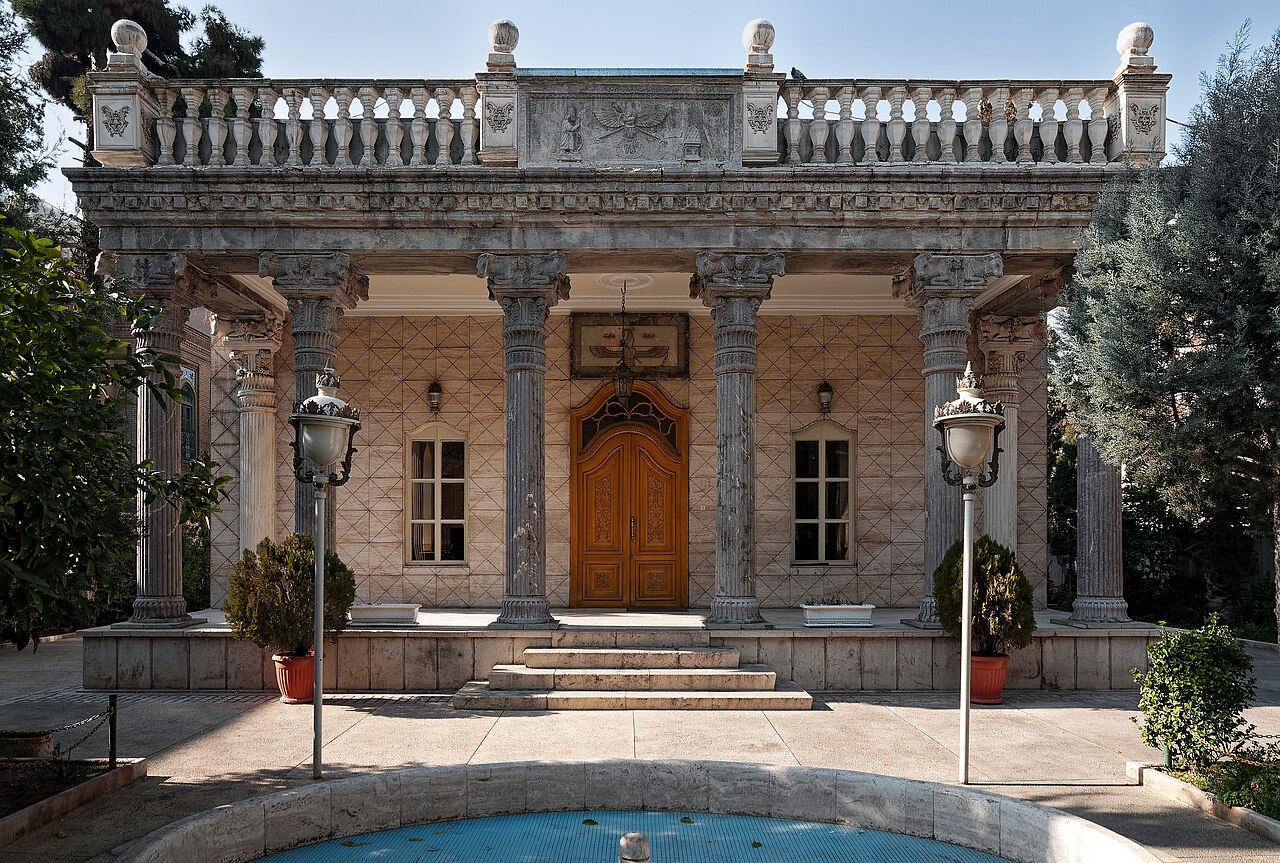
Tehran's only active Zoroastrian fire Temple, the Adrian Temple has sheltered a continuously tended flame since its consecration in 1917, a lineage of fire traced to at least 470 CE.
 Zoroastrianism
Aspakhu Fire Temple
Aspakhu · Iran · shrine
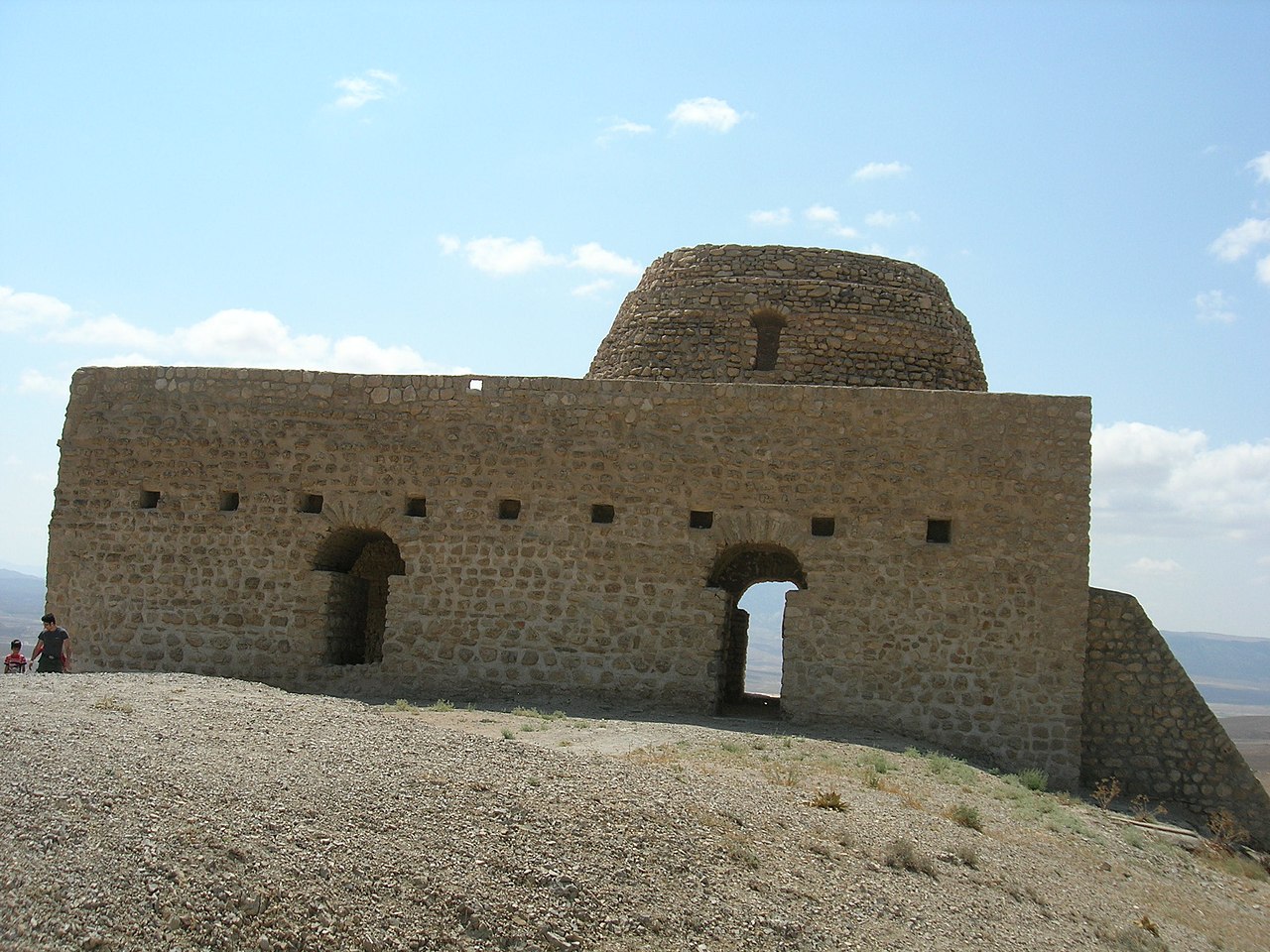
A Sasanian-era Zoroastrian fire Temple crowning a hilltop above the village of Aspakhu in Iran's North Khorasan province, its stone dome and vaulted eastern portal counted among the oldest standing structures in the region.
 Zoroastrianism
Bandian Complex
Dargaz · Iran · shrine
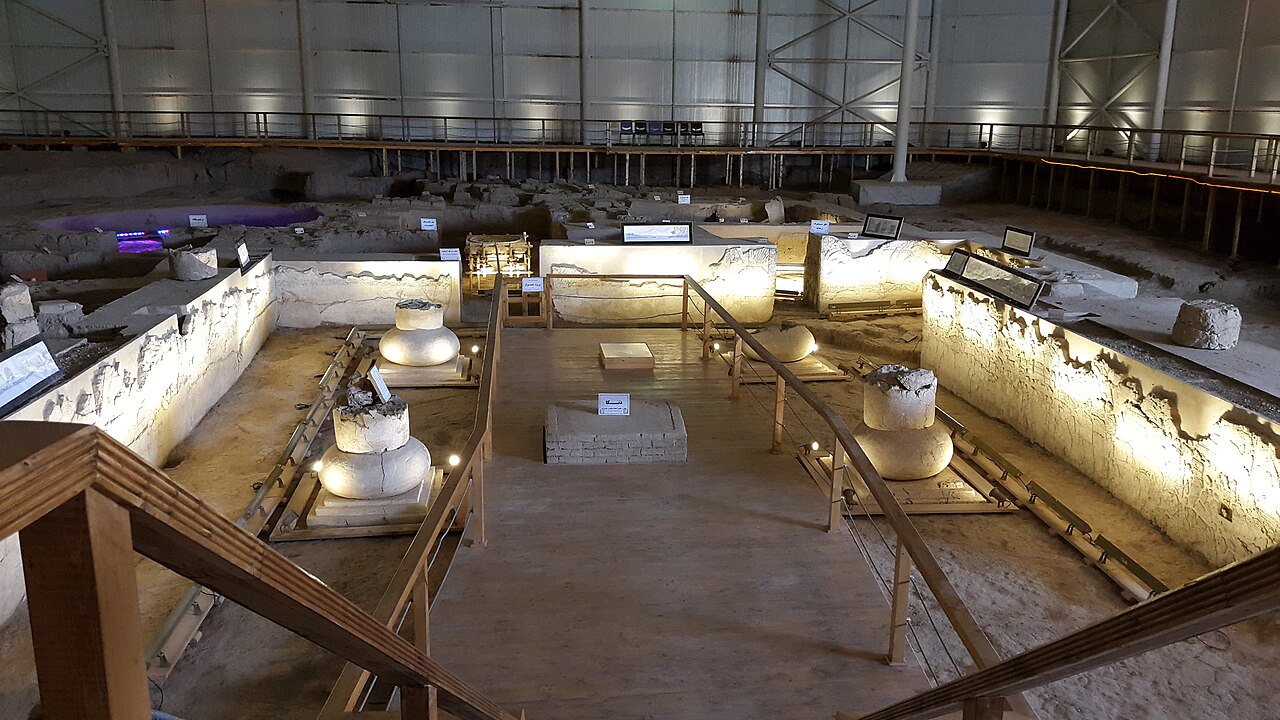
A Sassanid-era Zoroastrian fire sanctuary excavated near the medieval town of Abiward in Dargaz County, Razavi Khorasan, its stucco-decorated hall carrying some of the most vivid surviving relief carvings of pre-Islamic Iran.
 Zoroastrianism
Marbin Fortress
· Iran · shrine
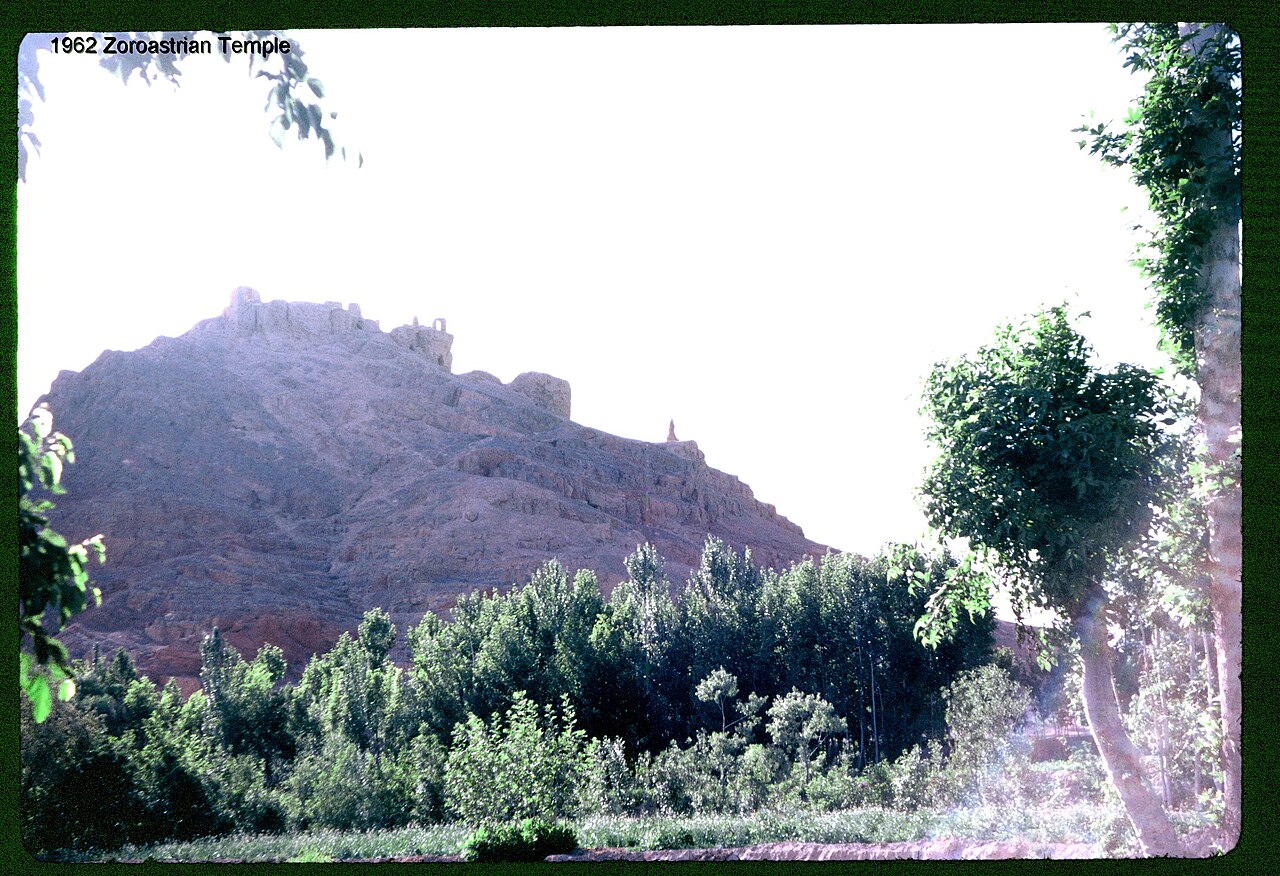
Perched atop a hill eight kilometres west of Isfahan, the Ātashgāh is a Sasanian-era sacred complex whose ruins preserve the remnants of Zoroastrian fire-shrines, priestly quarters, and a sentinel tower that once kept watch over the plain below.
 Zoroastrianism
Tappeh Mill
· Iran · shrine
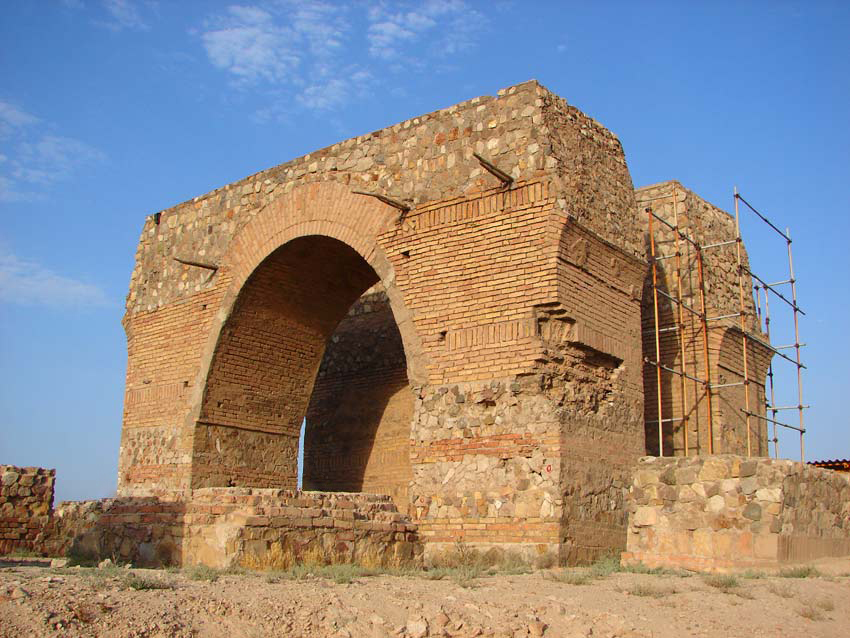
An ancient Zoroastrian atashkade (fire Temple) crowning a broad hilltop in Rey, Iran, this Sasanian-era sanctuary bears the name of King Bahram V and endures as a protected national heritage site.
 Zoroastrianism
Yazd Fire Temple
· Iran · shrine
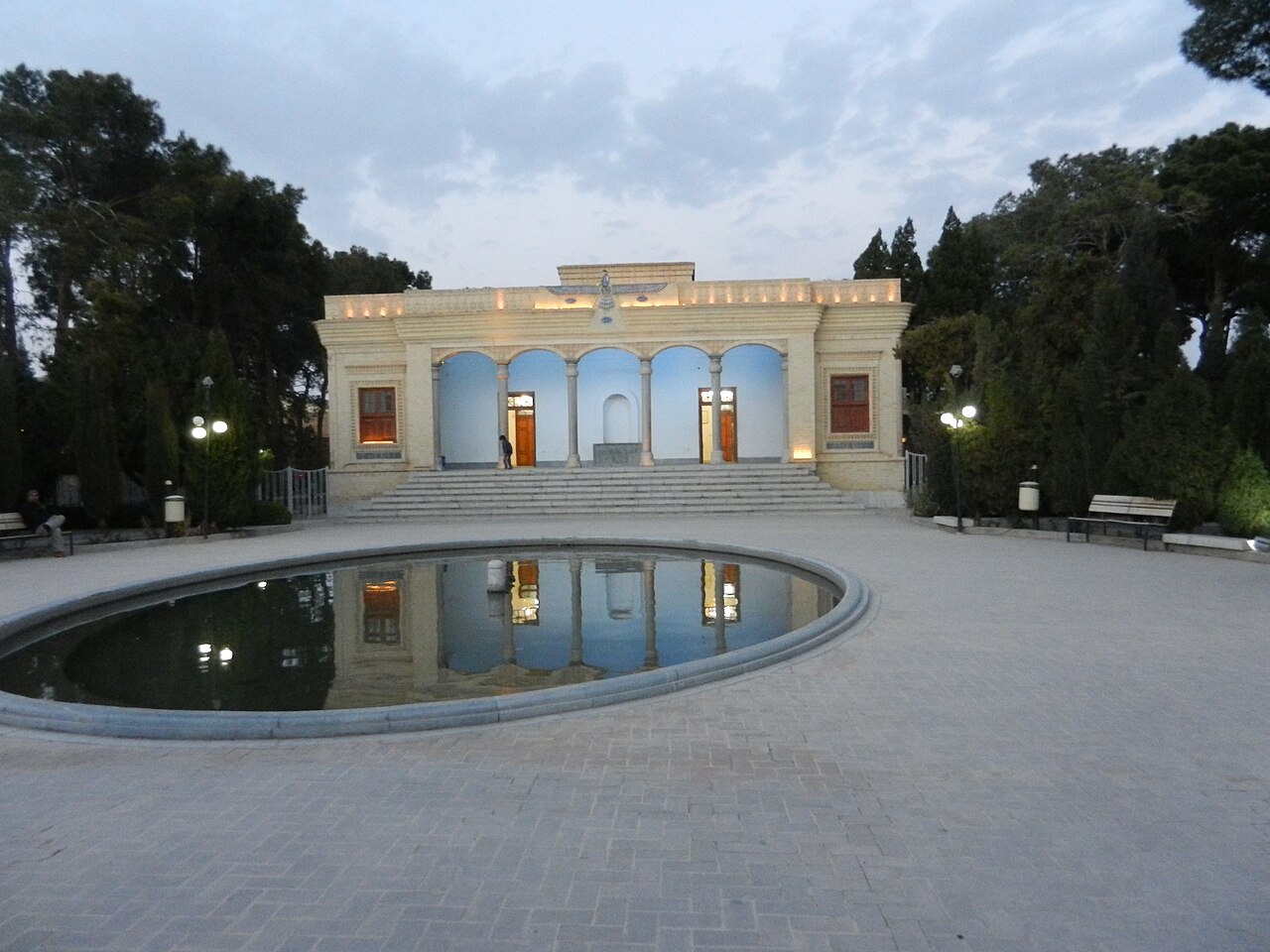
The Yazd Atash Behram (Ātaškade-ye Yazd) is Iran's sole surviving highest-grade Zoroastrian fire Temple, sheltering a sacred flame whose continuous burning dates to around 470 AD, a living ember of the ancient faith in the desert heartland of Yazd.