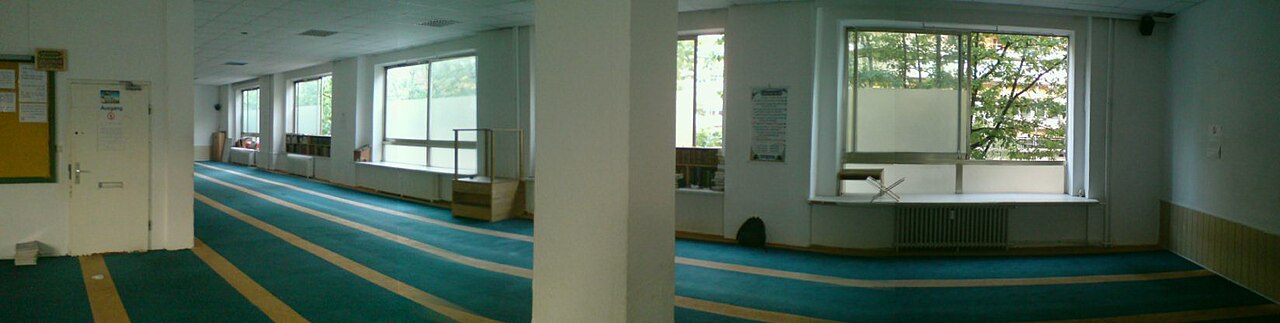
Al-Quds Mosque Hamburg
Al-Quds-Moschee · Masjid Taiba · Taiba-Moschee
About
The Al-Quds Mosque was a Sunni congregational masjid that operated in the northern German city of Hamburg for nearly two decades. It opened its doors in 1993 and served the daily ṣalāt and the weekly Friday gathering of a part of Hamburg's diverse Muslim community.
The mosque was closed in 2010 by order of German security authorities, ending its life as an active place of worship. Today it stands in the public record more as a chapter in the modern history of Islam in Germany than as a working sacred space.
The story of the Al-Quds Mosque reflects some of the wider complexities of Muslim community life in twenty-first century Europe, where mosques have grown alongside questions of integration, civic accountability, and the lawful exercise of religious freedom. It is included here as a place of memory, a building once filled with prayer that is no longer in devotional use.
History
The mosque opened in 1993 at Steindamm 103 in Hamburg's St. Georg district, a short walk from the city's main railway station, under the Arabischer Kulturverein e.V. (Arab Cultural Association). Salah Anouar served as its first imam. Between the late 1990s and the early 2000s a visiting preacher, Mohammed Fazazi, delivered sermons here that were later recorded for the 2006 documentary film Hamburger Lektionen. Among those who attended regularly and had close contact with Fazazi were Mohamed Atta, Marwan al-Shehhi and Ziad Jarrah, three of the four pilots who carried out the September 11, 2001 attacks in the United States.
In 2009 the operating association renamed itself Arabisch Deutscher Kulturverein e.V. and the prayer house began operating as Masjid Taiba, though many in Hamburg continued to know it by its old name. On 9 August 2010, after what Hamburg's interior senator Christoph Ahlhaus described as months of evidence gathering to make the case court proof, police sealed the building and searched the homes of several board members. The carrier association and its affiliated groups were banned and their assets seized, on the basis that authorities held the mosque to be a continuing gathering point for Hamburg's jihadist scene. It has not reopened as a mosque.
Significance
Al-Quds Mosque is included here as a place of memory rather than an active place of worship. Its history documents a difficult chapter in the modern experience of Islam in Germany, one in which a neighbourhood prayer house became entangled first in the planning of the September 11 attacks and, a decade later, in the German state's response to religious extremism. For seventeen years before that history overtook it, the building served as an ordinary first-floor prayer hall for Hamburg's Arabic-speaking Muslim community.
Architecture
A converted first-floor prayer hall inside an ordinary Hamburg street-front building, its floor marked with the striped prayer-row carpet common to storefront mosques. No minaret or dome; the surviving photographs of the interior show plain plastered walls, standard office-block windows and radiators.
Visiting
Hours
Hours not listed.
Contact
No contact details listed yet.
Engage with Al-Quds Mosque Hamburg
Through the four pathways
Seva सेवा — Service
Offer your time and skills here. The following opportunities are open at Al-Quds Mosque Hamburg:
No Seva offerings listed yet.
Sādhana साधना — Practice
Learn the worship and practice associated with Al-Quds Mosque Hamburg:
No Sādhana offerings listed yet.
Sandhāna सन्धान — Wisdom
Unite with the wisdom of this tradition:
No Sandhāna offerings listed yet.
Sādhya साध्य — Giving
Support this sacred place according to your means:
No Sādhya offerings listed yet.
All giving flows directly to Al-Quds Mosque Hamburg. Adisthan does not take a commission.
Gallery
Related sacred places
 Islam
IslamAbu'l-Fida Mosque
Hama · Syria · mosque
A fourteenth-century Ayyubid mausoleum and Mamluk-era congregational mosque on the banks of the Orontes in Hama, Syria, known locally as the Mosque of the Serpents for the carved pillars at its windows.
 Islam
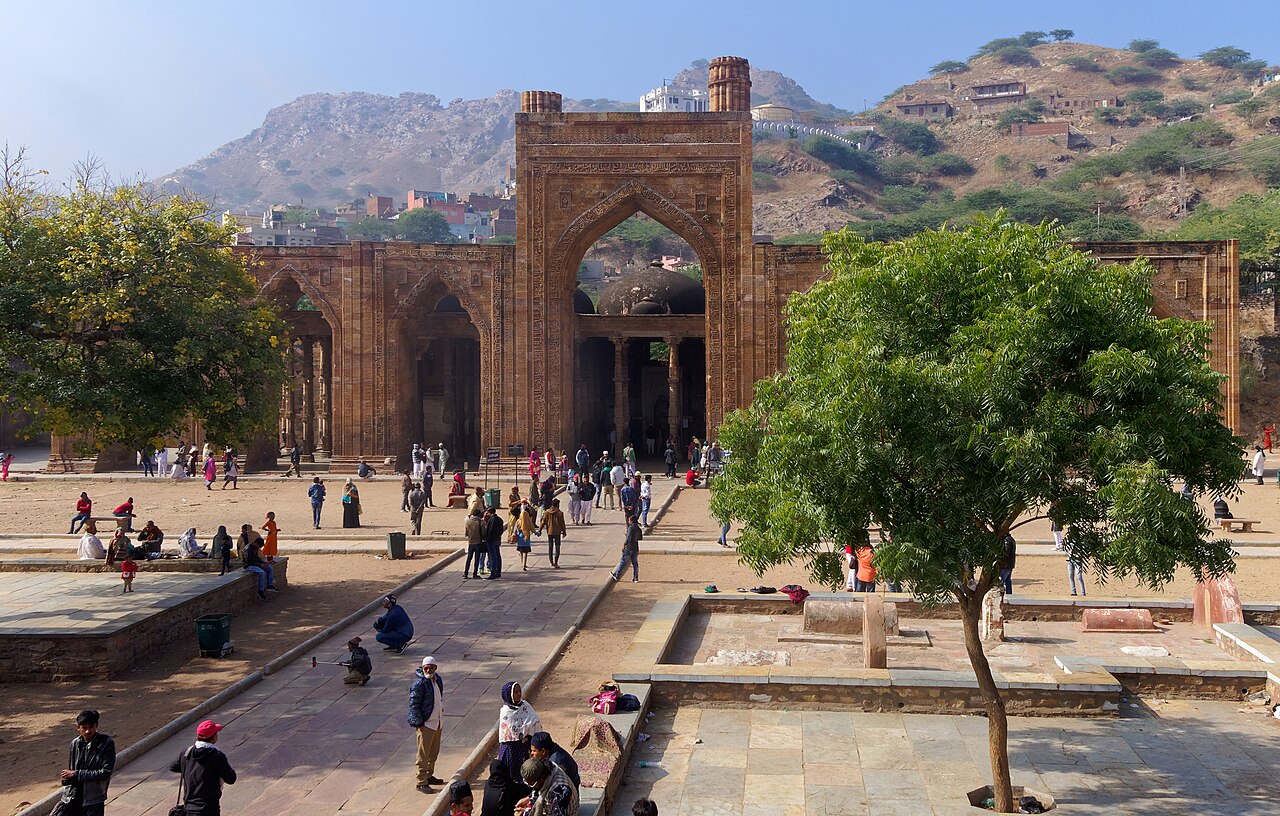
IslamAdhai Din Ka Jhonpra
Ajmer · India · mosque
The oldest surviving monument in Ajmer and among the earliest Indo-Islamic mosques in India, its 1199 CE prayer hall and Iltutmish's 1213 CE arched screen rise on 344 pillars carved by Hindu and Jain craftsmen from earlier Temples.
 Islam
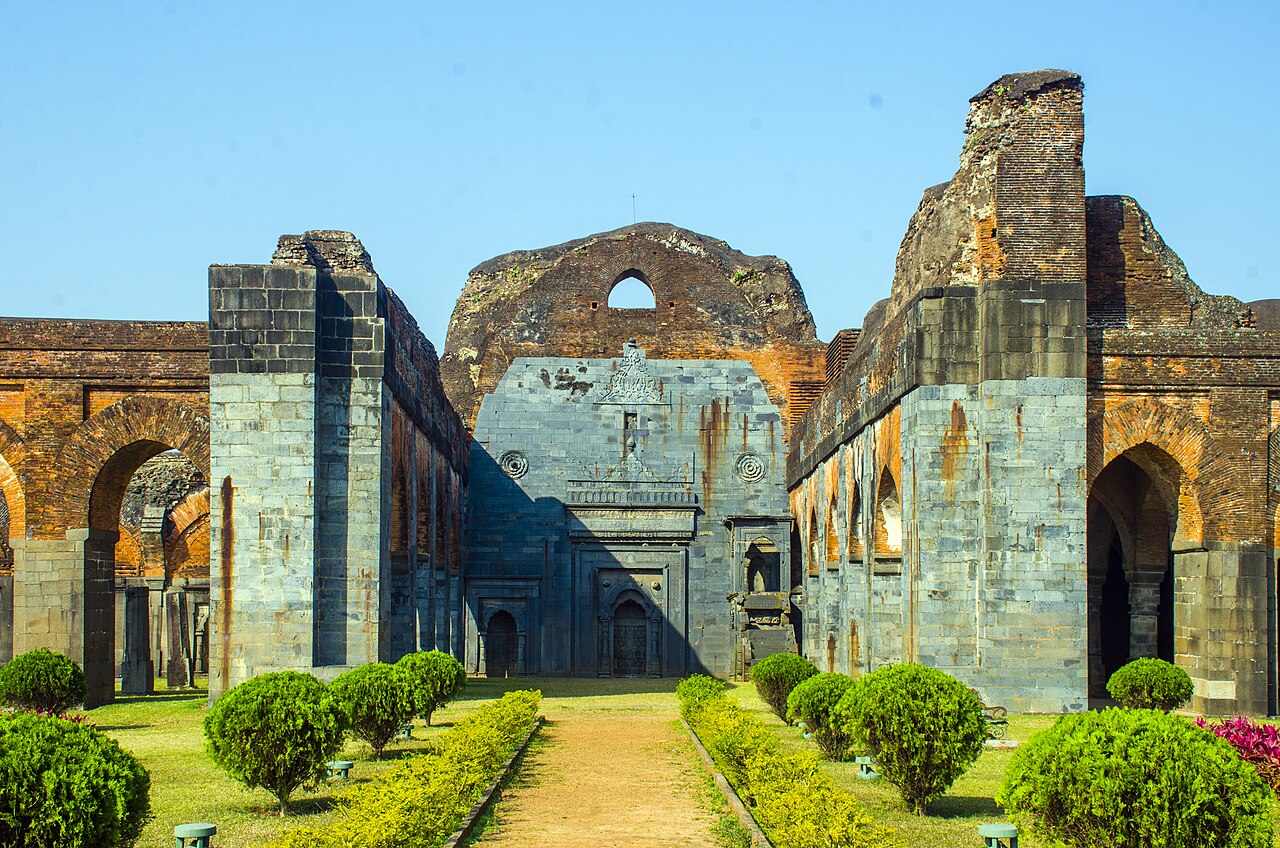
IslamAdina Mosque
Pandua · India · mosque
Once the largest mosque on the Indian subcontinent, the Adina Mosque at Pandua in West Bengal was raised by Sultan Sikandar Shah between 1373 and 1375 as the congregational mosque of the Bengal Sultanate, and holds his tomb within its western wall.
 Islam
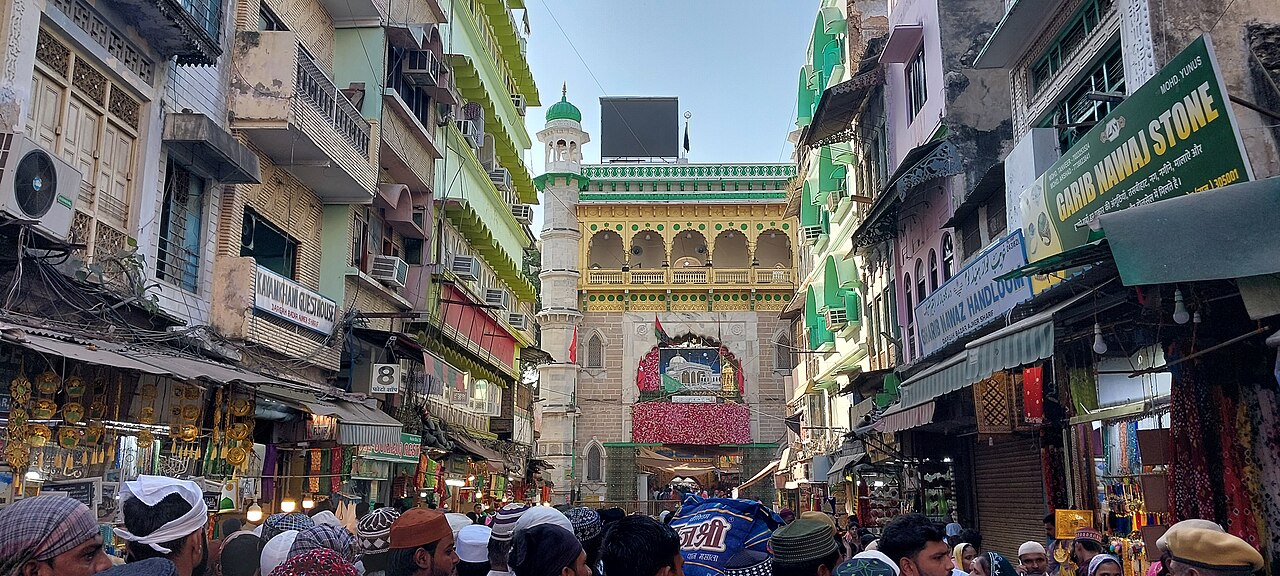
IslamAjmer Sharif Dargah
Ajmer · India · dargah
The tomb of Hazrat Khwaja Moinuddin Chishti, Gharib Nawaz, the benefactor of the poor, and the principal Sufi dargah of South Asia, where pilgrims of every community have offered chadars and shared the sweet rice of the great deghs for eight centuries.
Akbarabadi Mosque
Delhi · India · mosque
A mosque raised in 1650 by Akbarabadi Begum, a wife of the Mughal emperor Shah Jahan, in the walled city of Shahjahanabad, demolished by British forces in the aftermath of the 1857 Uprising and today marked only by disputed, unexcavated remains beneath Netaji Subhash Park in Old Delhi.
 Islam
IslamAlamgir Mosque
Varanasi · India · mosque
Raised in 1669 by the Mughal emperor Aurangzeb on the high bank above Panchganga Ghat in Varanasi, the Alamgir Mosque stands where wide stone steps meet the Ganges, its domes and surviving corner turret rising over a site earlier accounts describe as the Hindu Temple of Bindu Madhava.