Amatsu Shrine
Amatsu-jinja · 天津神社
About
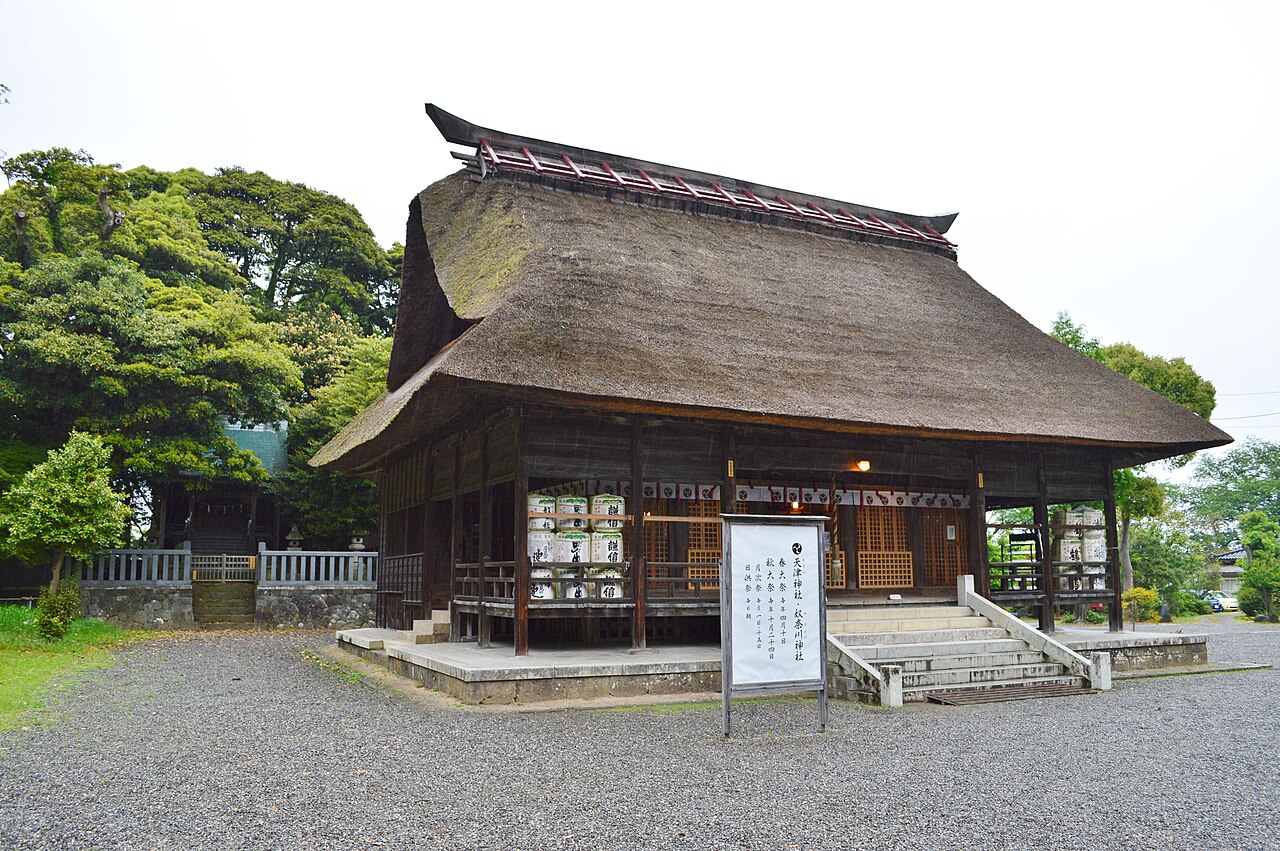
Nestled in the Ichinomiya quarter of Itoigawa city along Japan's Sea of Japan coast, Amatsu Shrine (天津神社, Amatsu-jinja) stands as one of three shrines that each assert the honored rank of ichinomiya, the principal shrine of the former Echigo Province. The competition for that title speaks to the shrine's deep rootedness in regional devotion across many centuries.
Three kami (divine beings) dwell within this sacred compound. The most exalted is Ninigi-no-Mikoto (瓊瓊杵尊), revered here under his fuller name Amatsuhikohikoho Ninigi no Mikoto, a grandson of the sun goddess Amaterasu and great-grandfather of Emperor Jimmu, the legendary first emperor of Japan. Beside him are enshrined Ame-no-Koyane (天児屋根神), progenitor of the Fujiwara clan, and Futodama no Mikoto (太玉命), progenitor of the Imbe clan, two divine ancestors whose lineages shaped Japan's courtly and ritual history.
The shrine's architectural ensemble includes a Heiden (offering hall) constructed in 1662 in the irimoya hip-and-gable style, seven bays wide by five deep and crowned with a thatched roof, and a Haiden (worship hall) raised in 1797 as a gabled three-by-two bay structure roofed in copper. Within the precincts stands the subsidiary Nunagawa Shrine (奴奈川神社), a single-bay structure with a graceful nagare-zukuri sweeping roof built one year later, in 1798. Reaching the shrine requires only a brief ten-minute walk from Itoigawa Station.
History
Amatsu Shrine holds that it was founded during the reign of the semi-legendary Emperor Keiko, placed by tradition somewhere between 71 and 130 CE, though whether that early foundation stood on this exact ground is uncertain. The shrine enters the documented record with Emperor Kotoku in the 7th century and again in the Engishiki of 927 CE, the imperial register that named it the principal shrine of Kubiki County in Echigo province. The Tokugawa shogunate granted the shrine a stipend of one hundred koku of rice in 1611 for its upkeep, and after the Meiji Restoration it was ranked among Niigata's prefectural shrines. The thatched Heiden offering hall standing today was built in 1662, and the copper-roofed Haiden worship hall in 1797.
Significance
Amatsu Shrine enshrines Ninigi-no-Mikoto, grandson of the sun goddess Amaterasu and great-grandfather of Japan's legendary first emperor, alongside Ame-no-Koyane and Futodama-no-Mikoto, ancestral kami of the Fujiwara and Imbe clans. Its Bugaku, the classical court dance and music performed each spring at the shrine's main festival, is recognised as a Nationally Important Intangible Folk Cultural Property, and a set of Heian and Kamakura-period wooden statues and Bugaku masks held within the grounds are designated tangible cultural properties of Niigata Prefecture.
Architecture
Shinto shrine architecture; an irimoya-style thatched Heiden and a gabled, copper-roofed Haiden
Visiting
Hours
Hours not listed.
Contact
No contact details listed yet.
Engage with Amatsu Shrine
Through the four pathways
Seva सेवा — Service
Offer your time and skills here. The following opportunities are open at Amatsu Shrine:
No Seva offerings listed yet.
Sādhana साधना — Practice
Learn the worship and practice associated with Amatsu Shrine:
No Sādhana offerings listed yet.
Sandhāna सन्धान — Wisdom
Unite with the wisdom of this tradition:
No Sandhāna offerings listed yet.
Sādhya साध्य — Giving
Support this sacred place according to your means:
No Sādhya offerings listed yet.
All giving flows directly to Amatsu Shrine. Adisthan does not take a commission.
Festivals & Events
- Apr
Amatsu Shrine Spring Grand Festival
10 April 2027 · annual
Known locally as the Itoigawa Kenka Matsuri, two 600-kilogram mikoshi carried by the young men of the Oshiage and Teramachi districts collide and wrestle around the shrine grounds on the morning of 10 April, before the shrine's Bugaku court dances, handed down through local families for centuries, are performed through the afternoon.
Gallery
Related sacred places
 Shinto
Fujisaki Hachimangū
Kumamoto · Japan · shrine
Fujisaki Hachimangū is a Shinto shrine in the heart of Kumamoto's Chūō ward, enshrining Hachiman as Emperor Ōjin together with Empress Jingū and the Sumiyoshi Sanjin, and revered for over a thousand years as guardian kami of the Higo region.
 Shinto
Fushimi Inari Taisha
Kyoto · Japan · shrine
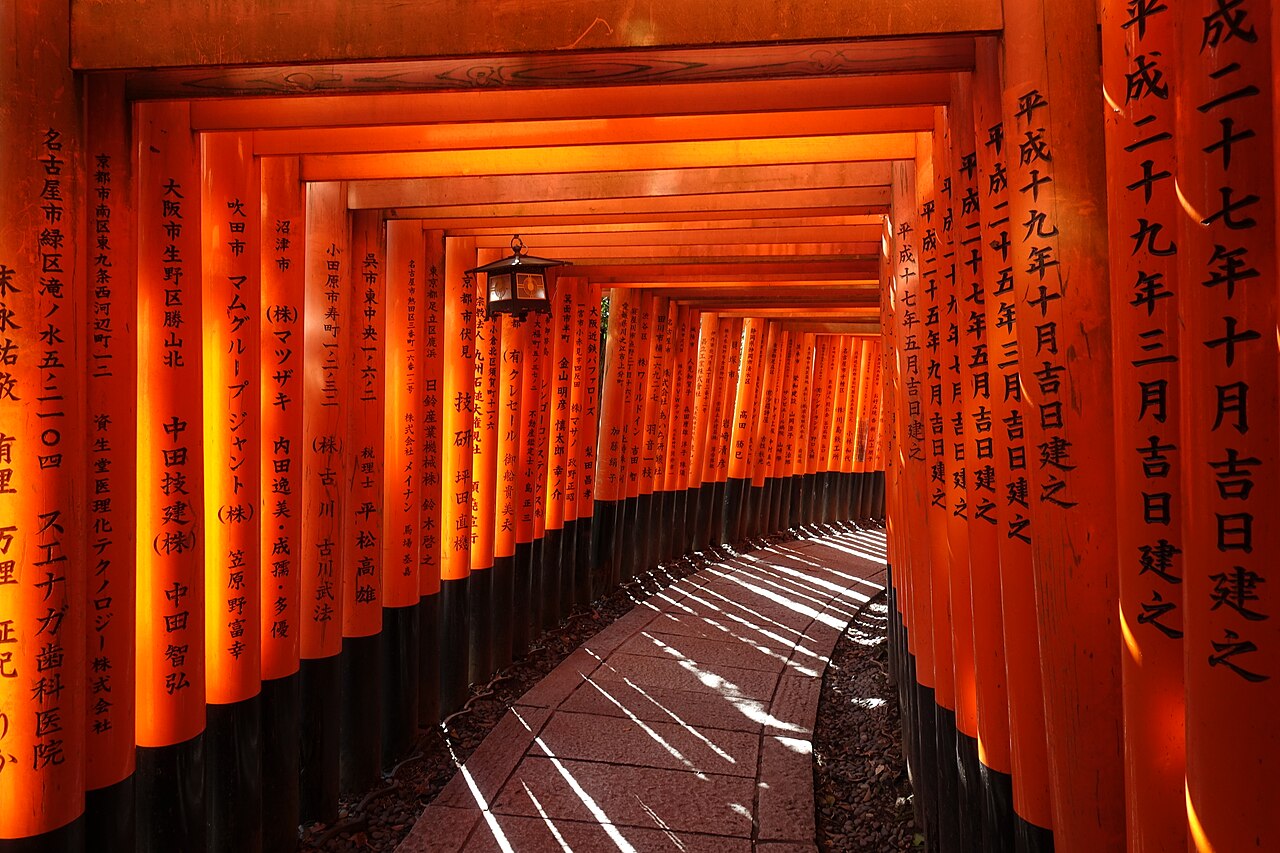
The head shrine of Japan's roughly 30,000 Inari shrines, where some 10,000 vermilion torii climb sacred Mount Inari and white fox messengers watch every path.
 Shinto
Hiraoka Shrine
Higashiosaka · Japan · shrine
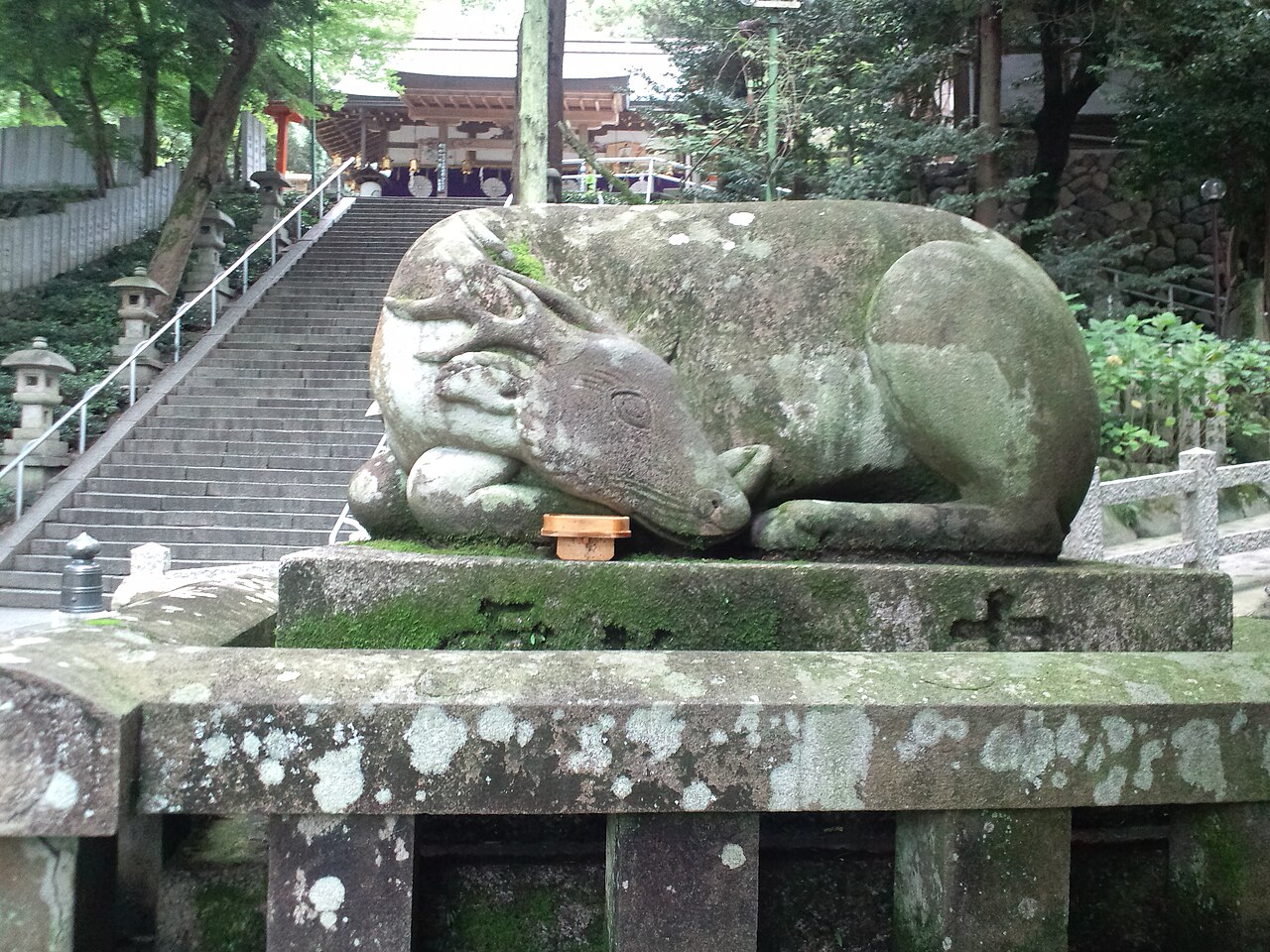
The Ichinomiya, or foremost shrine, of the old province of Kawachi, set on the wooded western slope of the Ikoma range, where the ancestral kami of the Fujiwara clan were worshipped centuries before two of them were carried east to found Nara's Kasuga Taisha.
 Shinto
Hiroshima Gokoku Shrine
Hiroshima · Japan · shrine
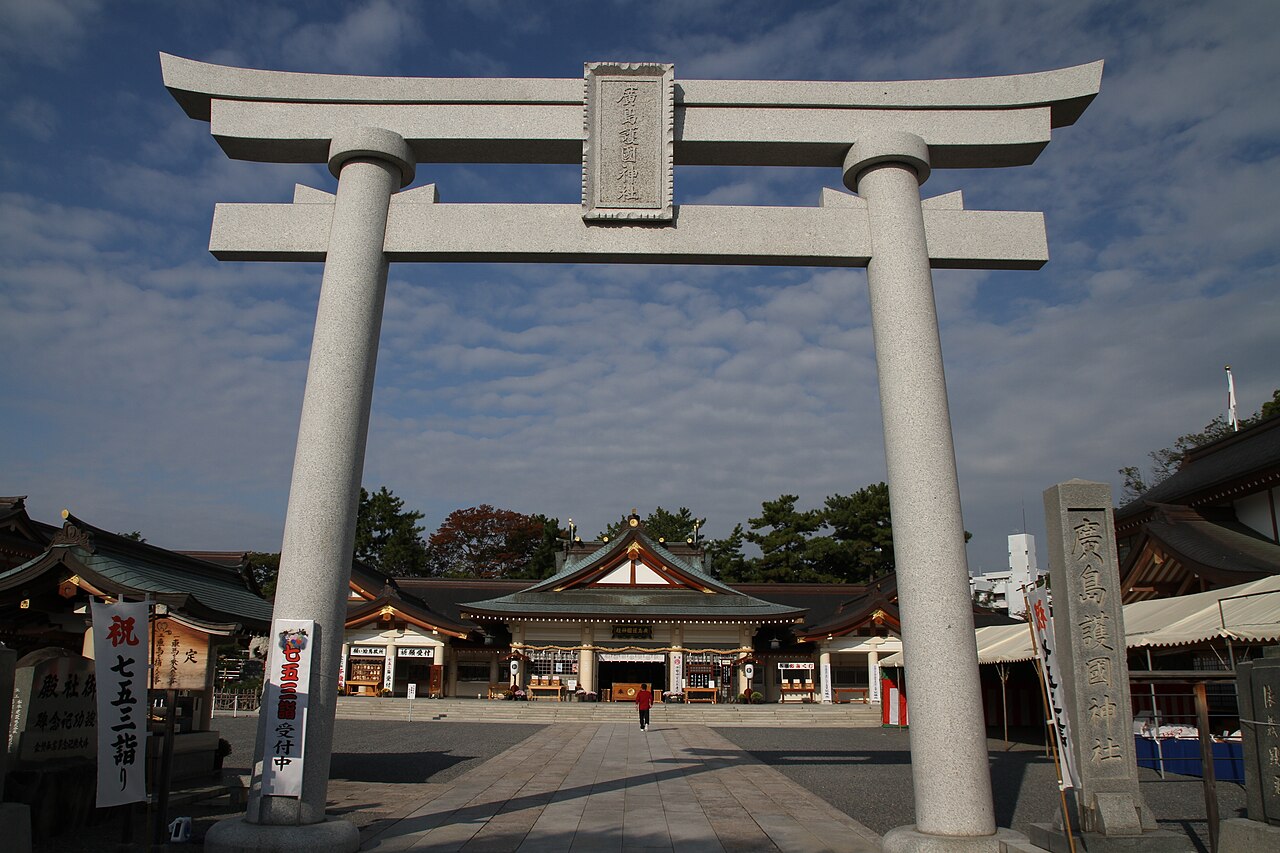
A Shinto shrine within the grounds of Hiroshima Castle honouring the war dead of Hiroshima, destroyed in the atomic bombing of 1945 and rebuilt by the city's own citizens in the years that followed.
 Shinto
Ise Jingu (Ise Grand Shrine)
Ise · Japan · shrine
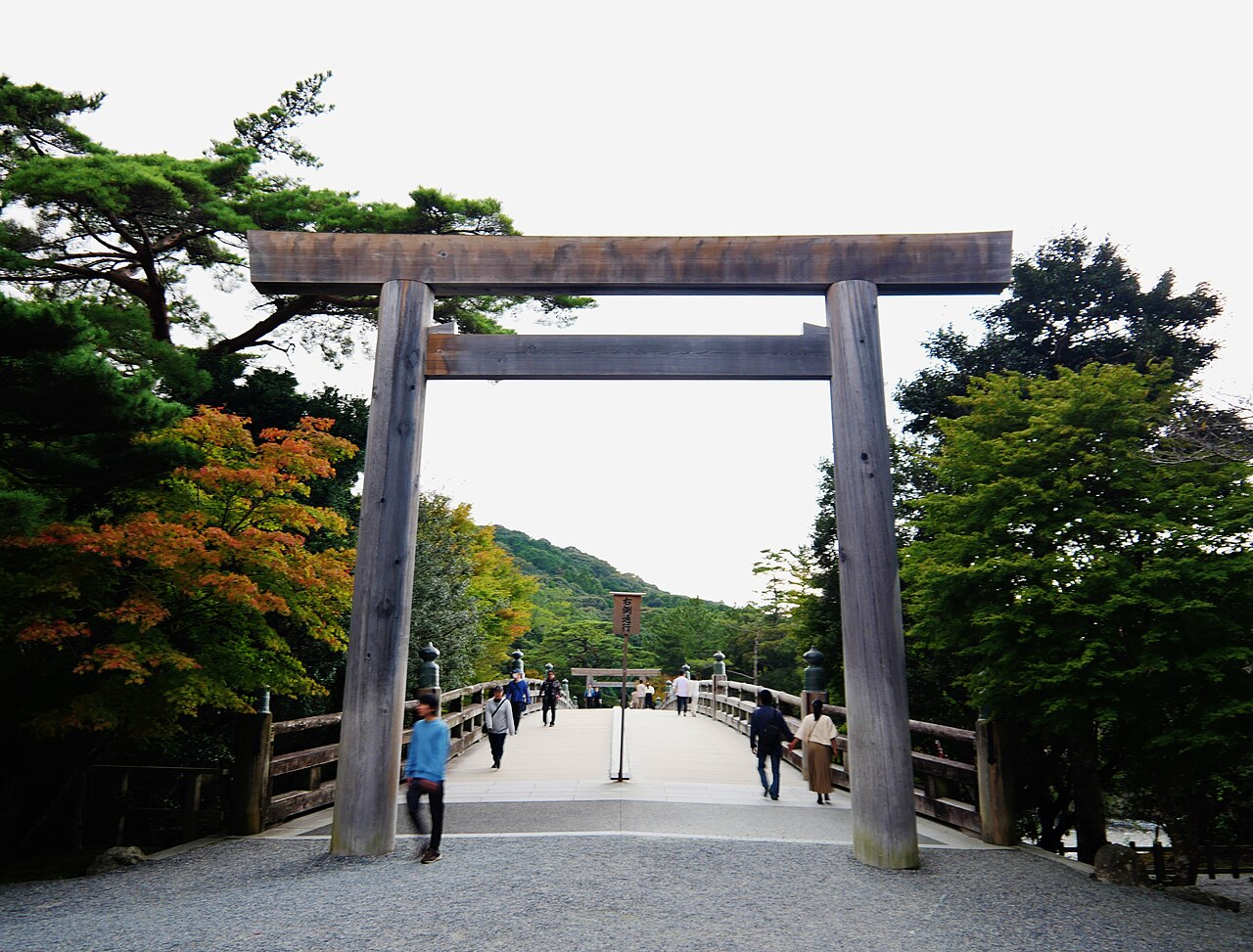
The most venerable sanctuary of Shinto: 125 shrines in the forests of Ise, where Amaterasu-Omikami dwells at the Naiku and Toyouke-Omikami at the Geku, and the whole sanctuary is rebuilt anew every twenty years.
 Shinto
Iwa Shrine
Shiso · Japan · shrine
Iwa Shrine, Iwa Jinja, stands among old cedar groves in the hills of Shiso, Hyogo Prefecture, the Ichinomiya, or foremost shrine, of the old province of Harima. Its kami is Okuninushi no Mikoto, the great land-builder of Japanese myth, worshipped here alongside Sukunabikona no Kami and Shitateru-hime no Kami.