
Fujisaki Hachimangū
藤崎八旛宮 · Fujisaki Hachiman-gū · Fujisaki Shrine
About
Fujisaki Hachimangū (藤崎八幡宮) stands in the heart of Chūō-ku, Kumamoto City, as one of the most venerated Shintō shrines in Kyushu. Its three principal enshrined deities, Emperor Ōjin, Empress Jingū, and the Sumiyoshi Sanjin, together form the Hachiman triad honoured across Japan as protectors of the land and its people.
Among the shrine's most cherished objects are a carved wooden image of a seated Hachiman deity and a figure of a female divinity, both recognized as Important Cultural Properties of Japan. The precinct also preserves ancient documents, swords, and ceremonial weapons that speak to centuries of devotion and local history.
Each September, the shrine comes vividly alive during its great autumn procession, in which sacred horses and their attendants move through the city streets. The cries of the festival participants, today echoing as "Doukai, doukai", carry the memory of generations, even as the community has thoughtfully shaped the celebration to reflect contemporary values of unity and reverence.
History
The shrine traces its founding to 935, when Emperor Suzaku ordered the sacred spirit of Hachiman divided from the great Iwashimizu Hachimangū near Kyoto and enshrined at Chausuyama, the hill where Kumamoto's Fujisakidai baseball stadium now stands. Tradition holds that the name Fujisaki recalls a sprig of wisteria, fuji, that took root at the moment of founding. In 1542 Emperor Go-Nara presented a wooden plaque inscribed with the shrine's name, still fixed above the torii, and the shrine was rebuilt at intervals by imperial order in the centuries that followed. Fire during the Satsuma Rebellion destroyed the buildings in 1877, and the shrine was raised again at its present site in Igawabuchi-machi.
Significance
Fujisaki Hachimangū has long stood as protector of Kumamoto and the wider Higo region, its kami invoked for the land, the harvest, and the people who tend both. A carved seated figure of Hachiman and a companion image of a female deity, both kept here, are recognised as Important Cultural Properties of Japan, alongside old swords, documents, and ceremonial weapons held on the grounds.
Architecture
Traditional Shinto shrine architecture: a honden and haiden complex approached through a stone torii and a two-storey romon gate
Visiting
Daily worship
| Shrine grounds open (1 April to 15 October) | 05:30 to 18:00 | |
| Shrine grounds open (16 October to 31 March) | 06:00 to 17:30 |
Hours
Hours not listed.
Contact
Address
Engage with Fujisaki Hachimangū
Through the four pathways
Seva सेवा — Service
Offer your time and skills here. The following opportunities are open at Fujisaki Hachimangū:
No Seva offerings listed yet.
Sādhana साधना — Practice
Learn the worship and practice associated with Fujisaki Hachimangū:
No Sādhana offerings listed yet.
Sandhāna सन्धान — Wisdom
Unite with the wisdom of this tradition:
No Sandhāna offerings listed yet.
Sādhya साध्य — Giving
Support this sacred place according to your means:
No Sādhya offerings listed yet.
All giving flows directly to Fujisaki Hachimangū. Adisthan does not take a commission.
Festivals & Events
- Sept
Reitaisai (Grand Festival), known locally as the Boshita festival
20 September 2026 · annual
The shrine's great annual festival, when decorated horses are led through Kumamoto's streets by attendants shouting 'Doukai, doukai', accompanied by processions of mounted and armoured zuihyo re-enacting the shrine's warrior escorts.
Gallery
Related sacred places
 Shinto
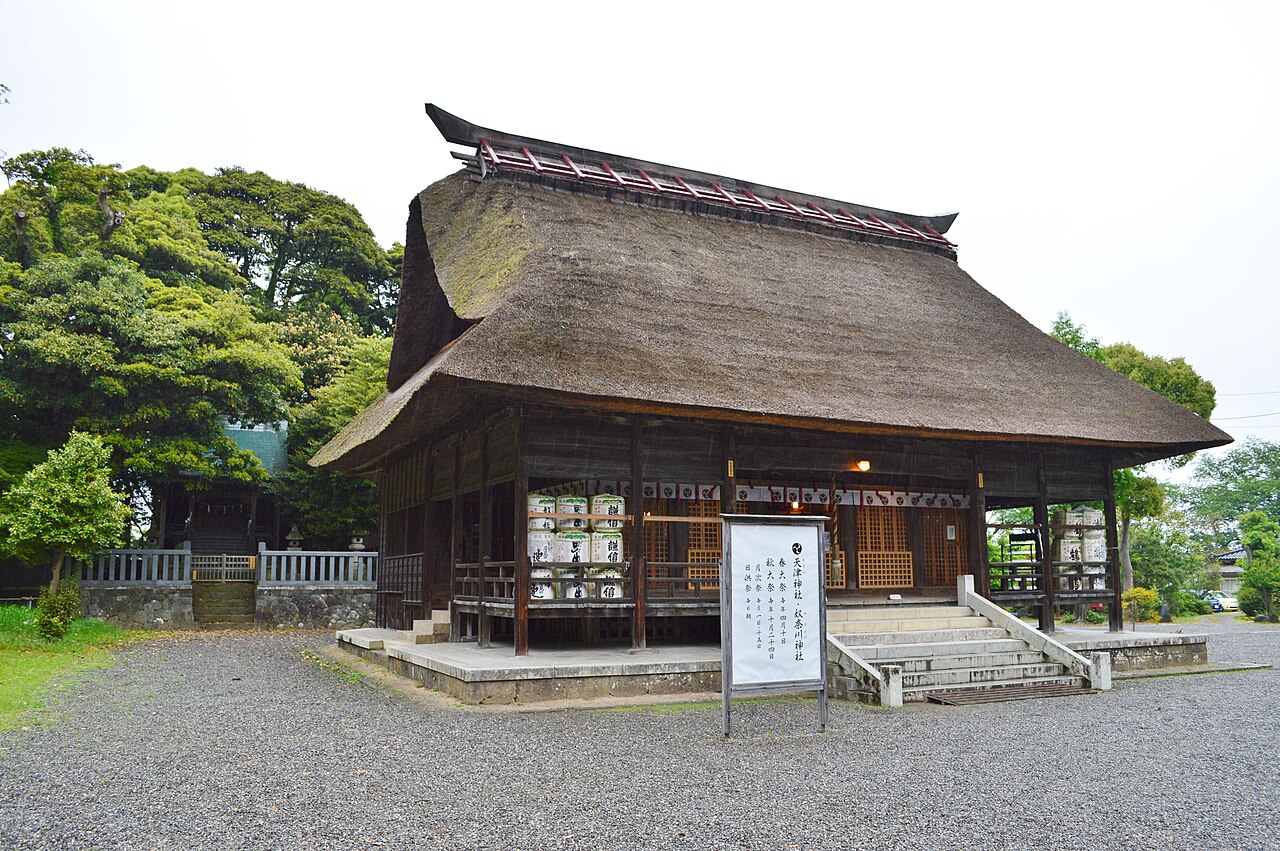
Amatsu Shrine
Itoigawa · Japan · shrine
A venerable jinja in the Ichinomiya quarter of Itoigawa on Japan's Sea of Japan coast, one of three shrines that each claim to have been the ichinomiya, the foremost shrine, of the old province of Echigo.
 Shinto
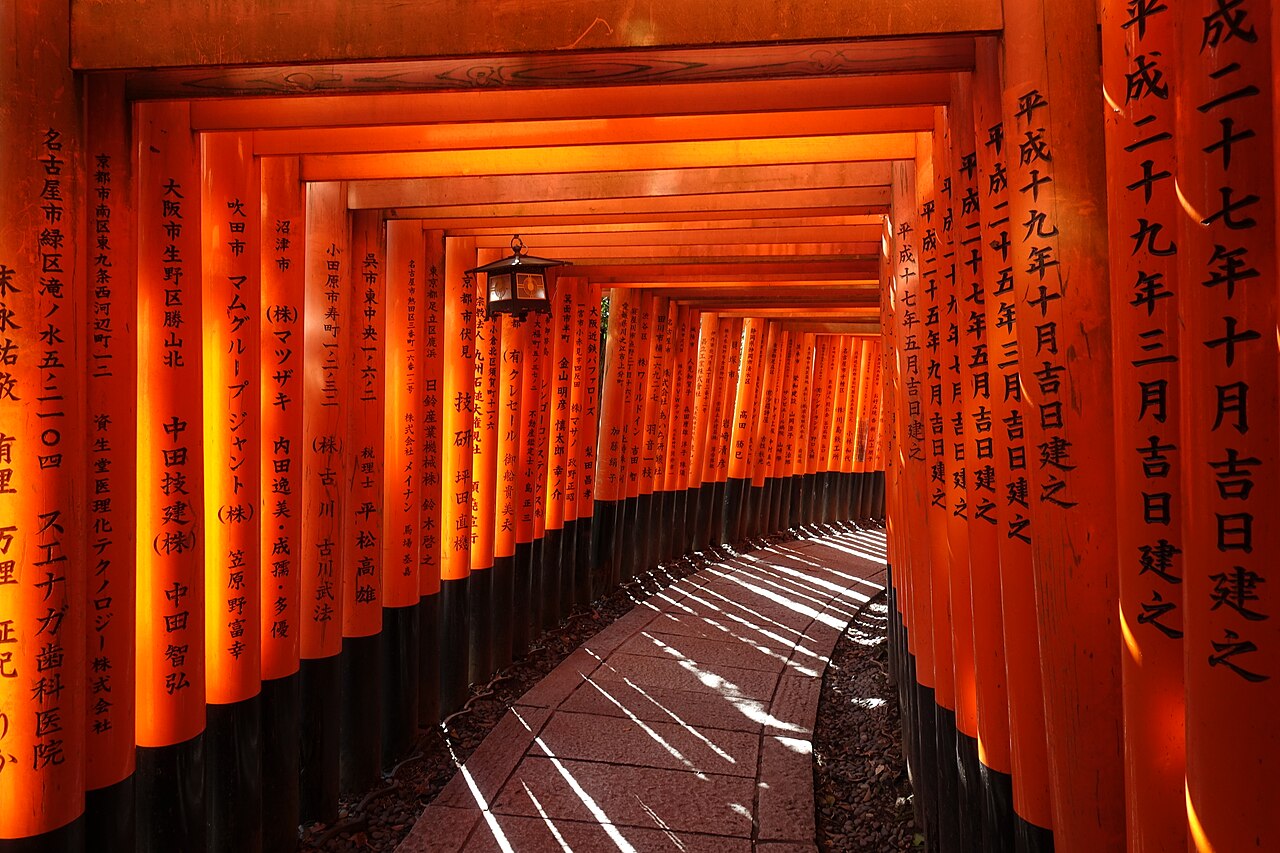
Fushimi Inari Taisha
Kyoto · Japan · shrine
The head shrine of Japan's roughly 30,000 Inari shrines, where some 10,000 vermilion torii climb sacred Mount Inari and white fox messengers watch every path.
 Shinto
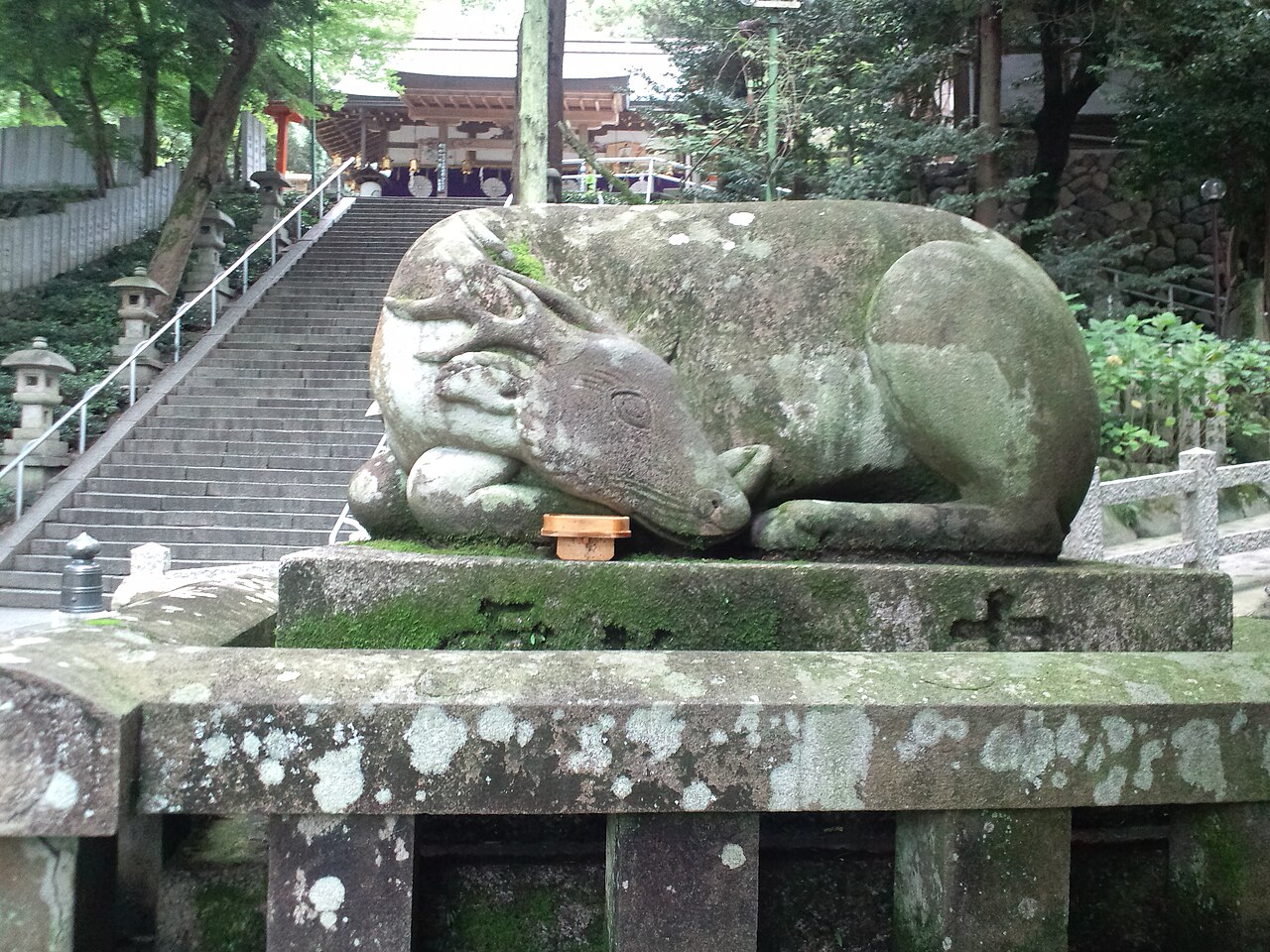
Hiraoka Shrine
Higashiosaka · Japan · shrine
The Ichinomiya, or foremost shrine, of the old province of Kawachi, set on the wooded western slope of the Ikoma range, where the ancestral kami of the Fujiwara clan were worshipped centuries before two of them were carried east to found Nara's Kasuga Taisha.
 Shinto
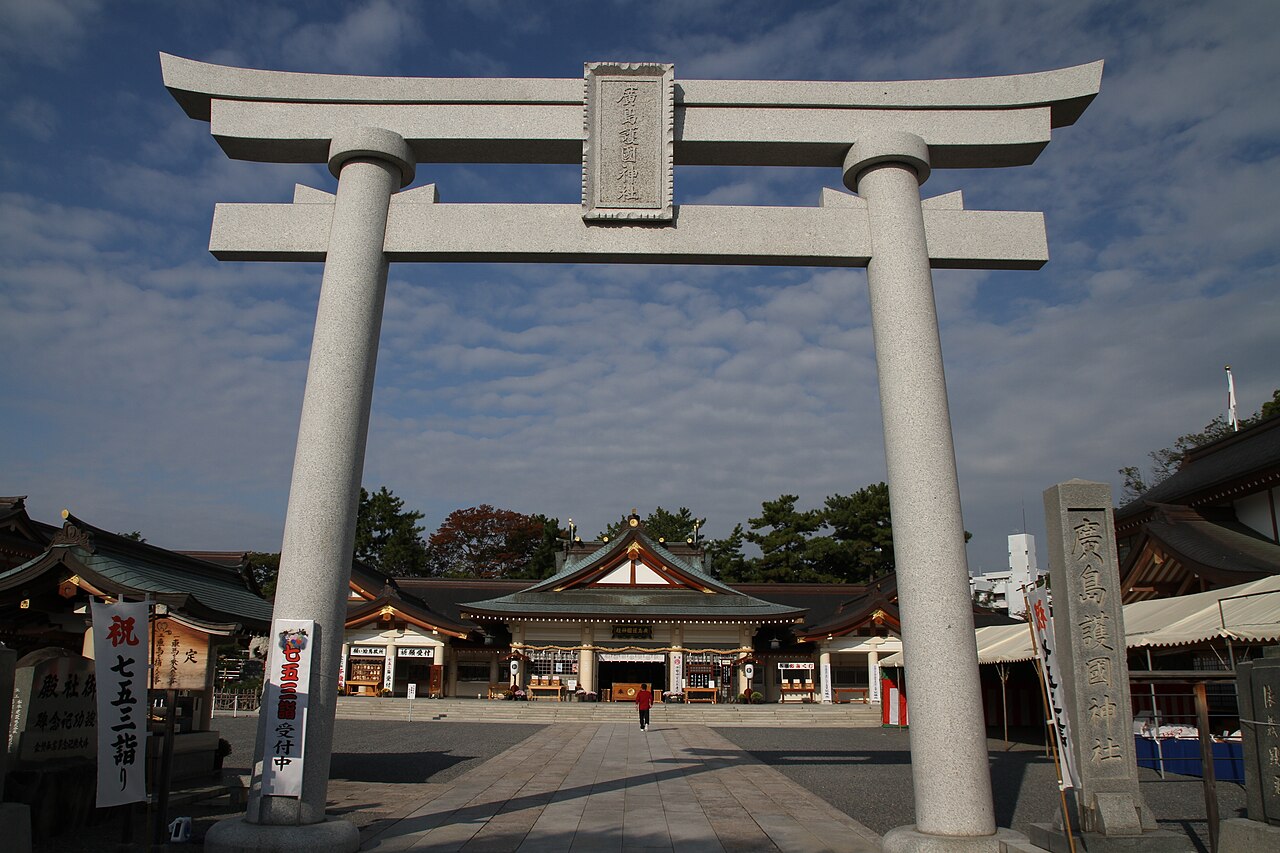
Hiroshima Gokoku Shrine
Hiroshima · Japan · shrine
A Shinto shrine within the grounds of Hiroshima Castle honouring the war dead of Hiroshima, destroyed in the atomic bombing of 1945 and rebuilt by the city's own citizens in the years that followed.
 Shinto
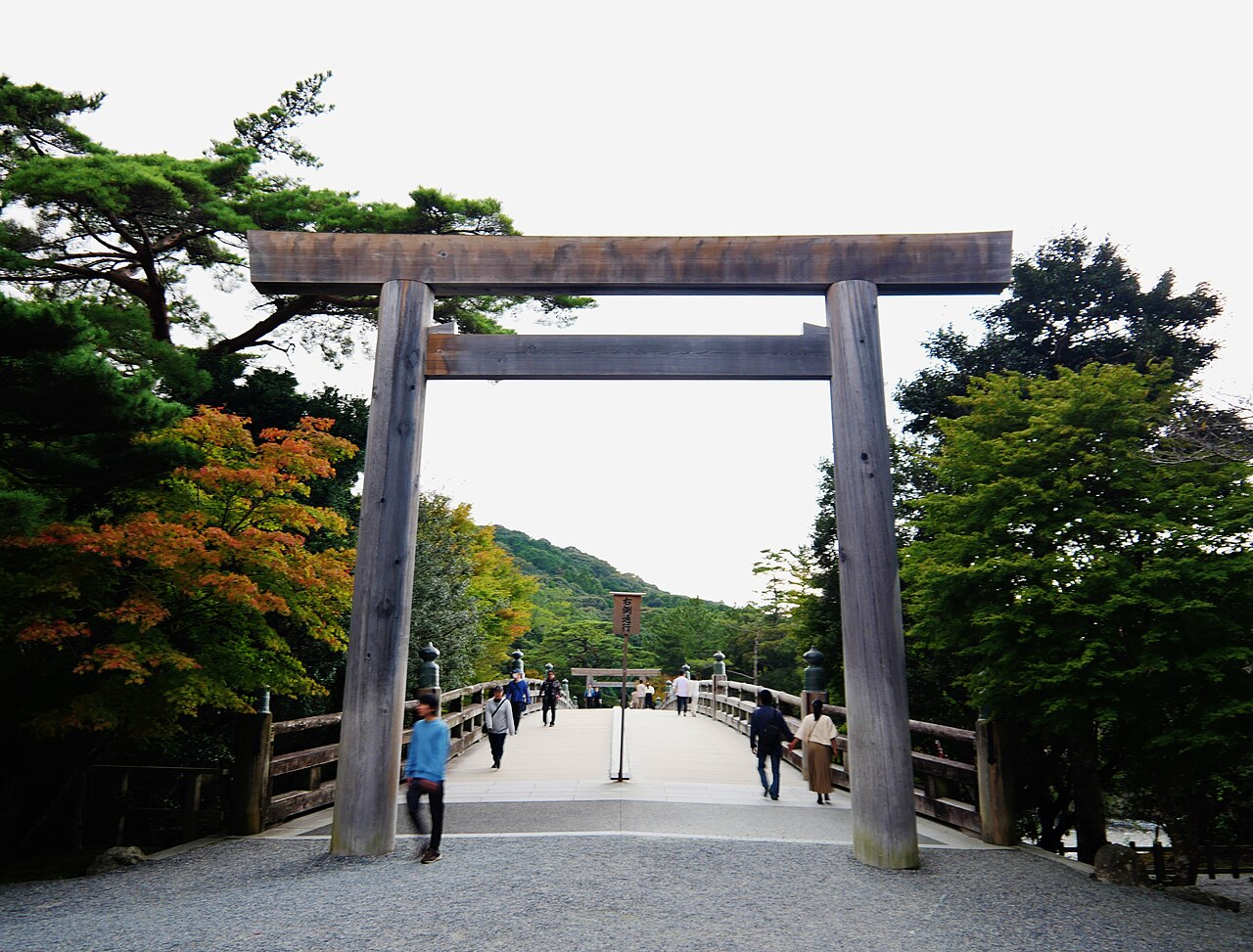
Ise Jingu (Ise Grand Shrine)
Ise · Japan · shrine
The most venerable sanctuary of Shinto: 125 shrines in the forests of Ise, where Amaterasu-Omikami dwells at the Naiku and Toyouke-Omikami at the Geku, and the whole sanctuary is rebuilt anew every twenty years.
 Shinto
Iwa Shrine
Shiso · Japan · shrine
Iwa Shrine, Iwa Jinja, stands among old cedar groves in the hills of Shiso, Hyogo Prefecture, the Ichinomiya, or foremost shrine, of the old province of Harima. Its kami is Okuninushi no Mikoto, the great land-builder of Japanese myth, worshipped here alongside Sukunabikona no Kami and Shitateru-hime no Kami.