
Iwa Shrine
Iwa Jinja · 伊和神社 · Harima Ichinomiya
About
Iwa Shrine stands quietly amid the wooded hills of inland Hyogo, an ancient Shinto sanctuary at the heart of what was once the province of Harima. The kami enshrined here are Okuninushi, the great builder of the country, together with his companion Sukunabikona and Shitateru-hime no kami.
The origins of the shrine reach into the mythic past. The Harima Fudoki traces the shrine's name to a syllable uttered by Okuninushi at the moment he completed the building of the land, and dates the foundation to the reigns of the emperors Seimu or Kinmei. By the early Heian period the shrine was listed in the Engishiki, and by the late Heian it had been recognised as the Ichinomiya of Harima.
Iwa Shrine observes two great cyclic rites with no parallel in most other Shinto sanctuaries. The Single Mountain Rite is held every twenty years and honours Mount Miya, said to be the resting place of Onamuchi-no-Mikoto. A new shrine is raised on the mountain top, a white banner unfurled, and worship is offered from afar towards three sacred peaks while a sacred palanquin is carried down to the river valley.
The Three Mountains Rite is held every sixty years, and an inverse cycle is observed at Itatehyozu Shrine in Himeji, a connection said to date from when the Iwa deity was transferred there through kanjo.
History
Tradition recorded in the eighth-century Harima Fudoki traces the shrine's founding to the reign of Emperor Seimu or Emperor Kinmei, and holds that its name comes from a word Okuninushi spoke upon completing the building of the land. The shrine appears in the tenth-century Engishiki registry of official shrines and was recognised by the end of the Heian period as the Ichinomiya of Harima Province. Fire has destroyed its halls more than once across the centuries, and each time the shrine was rebuilt with the support of the imperial court, the Akamatsu clan, and the feudal lords of the region; in 1871, after the Meiji Restoration, it was ranked a Kokuhei Chusha, a National Shrine of the Second Rank.
Significance
As Harima's Ichinomiya, Iwa Shrine has stood for centuries as the province's foremost shrine, drawing worshippers who seek Okuninushi's blessings on agriculture, matchmaking, and healing. Its grounds hold the Hitotsuyama Kofun, a burial mound of the Kofun period some four hundred metres to the southeast, setting the shrine within a landscape sacred long before the shrine itself was built. Once every twenty years the shrine's Single Mountain Rite and, once every sixty years, its Three Mountains Rite carry worship out to the peaks that ring the valley, rites shared in mirror form with Itatehyozu Shrine in nearby Himeji.
Architecture
Traditional Shinto shrine architecture set within old-growth cedar forest; the halls have been rebuilt repeatedly after fire
Visiting
Hours
Hours not listed.
Contact
No contact details listed yet.
Engage with Iwa Shrine
Through the four pathways
Seva सेवा — Service
Offer your time and skills here. The following opportunities are open at Iwa Shrine:
No Seva offerings listed yet.
Sādhana साधना — Practice
Learn the worship and practice associated with Iwa Shrine:
No Sādhana offerings listed yet.
Sandhāna सन्धान — Wisdom
Unite with the wisdom of this tradition:
No Sandhāna offerings listed yet.
Sādhya साध्य — Giving
Support this sacred place according to your means:
No Sādhya offerings listed yet.
All giving flows directly to Iwa Shrine. Adisthan does not take a commission.
Festivals & Events
- Aug
Fuchinsai (Wind-Calming Lantern Festival)
26 August 2026 · annual
An evening rite to calm the autumn winds ahead of the harvest, when worshippers fill small clay dishes with oil and light them across the shrine grounds at dusk.
- Oct
Aki Taisai (Autumn Grand Festival)
15 October 2026 · annual
The shrine's principal annual festival, when five decorated floats are paraded and drawn together through the parish over two days.
Gallery
Related sacred places
 Shinto
Amatsu Shrine
Itoigawa · Japan · shrine
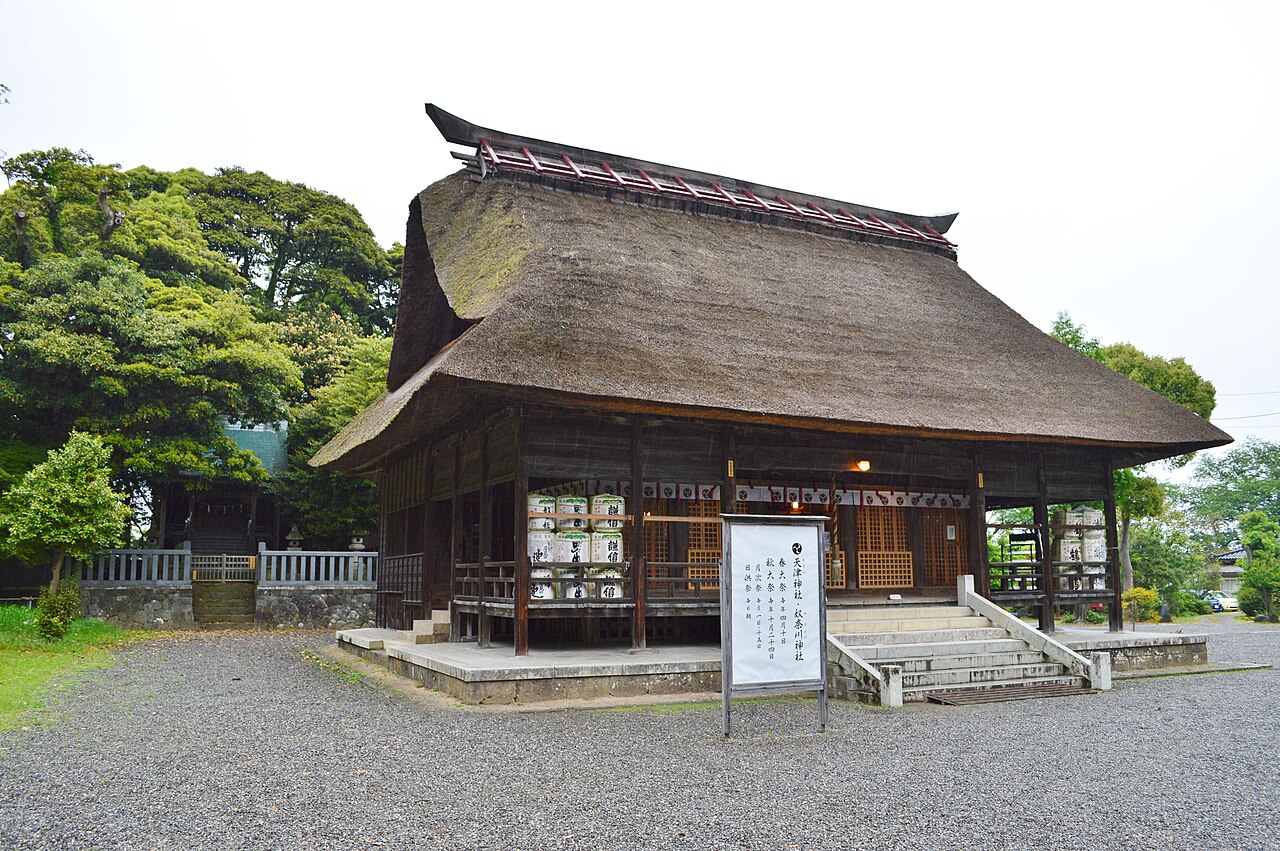
A venerable jinja in the Ichinomiya quarter of Itoigawa on Japan's Sea of Japan coast, one of three shrines that each claim to have been the ichinomiya, the foremost shrine, of the old province of Echigo.
 Shinto
Fujisaki Hachimangū
Kumamoto · Japan · shrine
Fujisaki Hachimangū is a Shinto shrine in the heart of Kumamoto's Chūō ward, enshrining Hachiman as Emperor Ōjin together with Empress Jingū and the Sumiyoshi Sanjin, and revered for over a thousand years as guardian kami of the Higo region.
 Shinto
Fushimi Inari Taisha
Kyoto · Japan · shrine
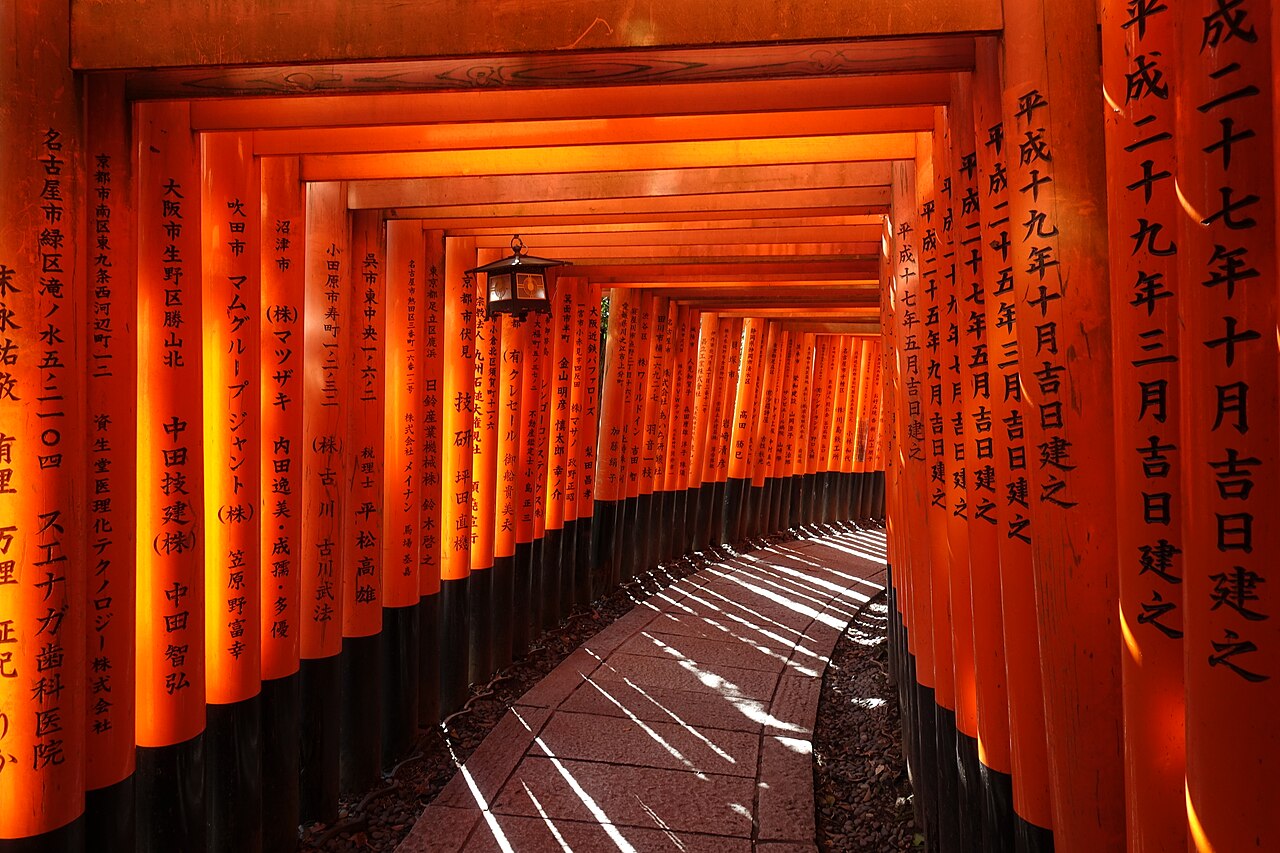
The head shrine of Japan's roughly 30,000 Inari shrines, where some 10,000 vermilion torii climb sacred Mount Inari and white fox messengers watch every path.
 Shinto
Hiraoka Shrine
Higashiosaka · Japan · shrine
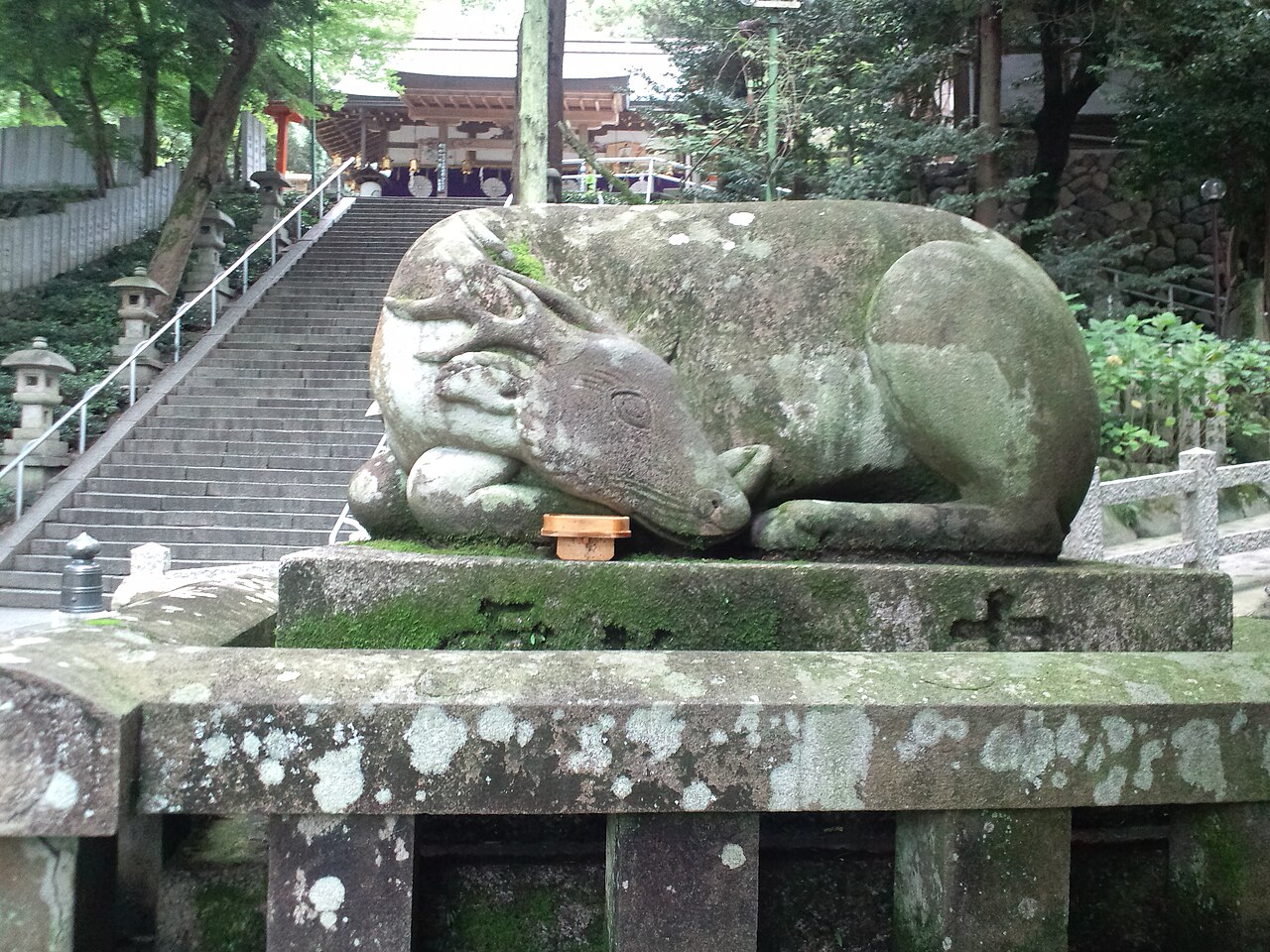
The Ichinomiya, or foremost shrine, of the old province of Kawachi, set on the wooded western slope of the Ikoma range, where the ancestral kami of the Fujiwara clan were worshipped centuries before two of them were carried east to found Nara's Kasuga Taisha.
 Shinto
Hiroshima Gokoku Shrine
Hiroshima · Japan · shrine
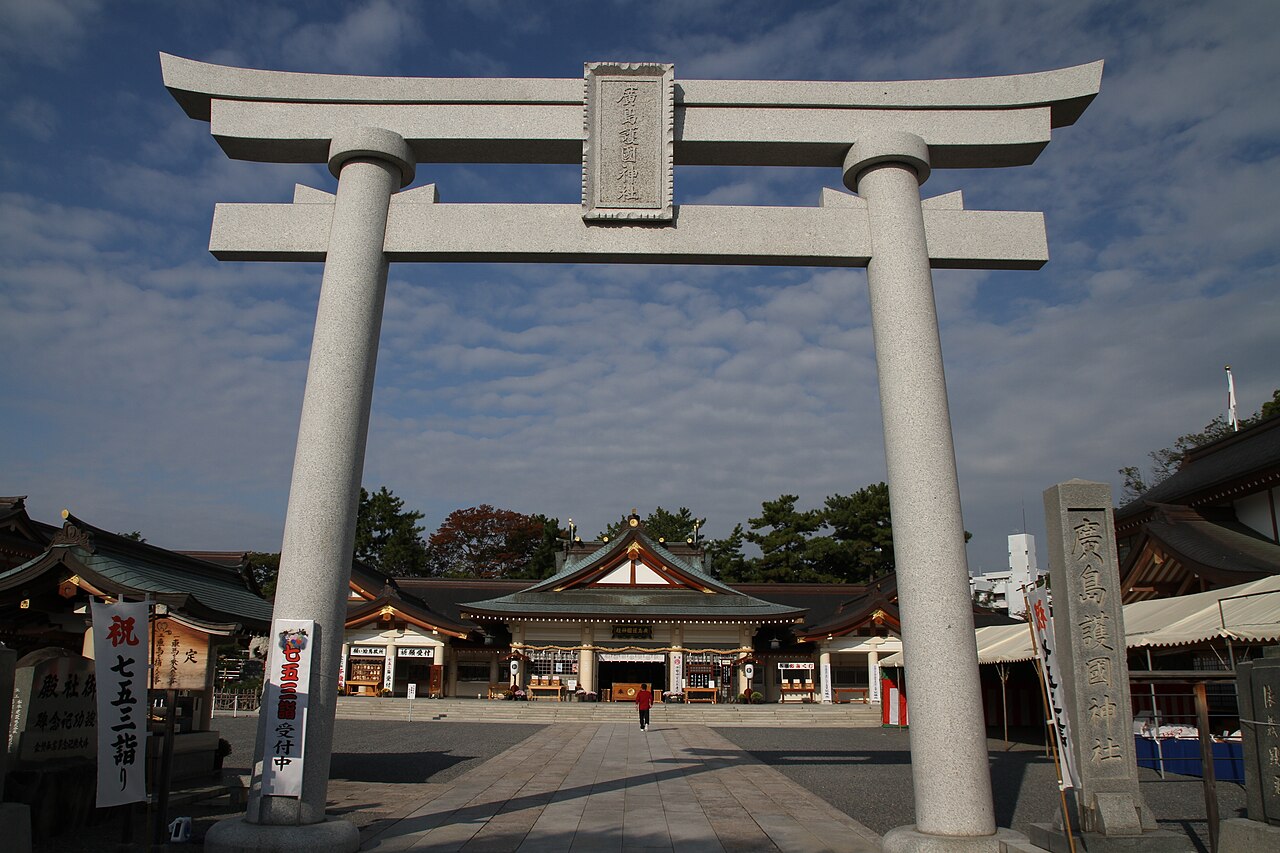
A Shinto shrine within the grounds of Hiroshima Castle honouring the war dead of Hiroshima, destroyed in the atomic bombing of 1945 and rebuilt by the city's own citizens in the years that followed.
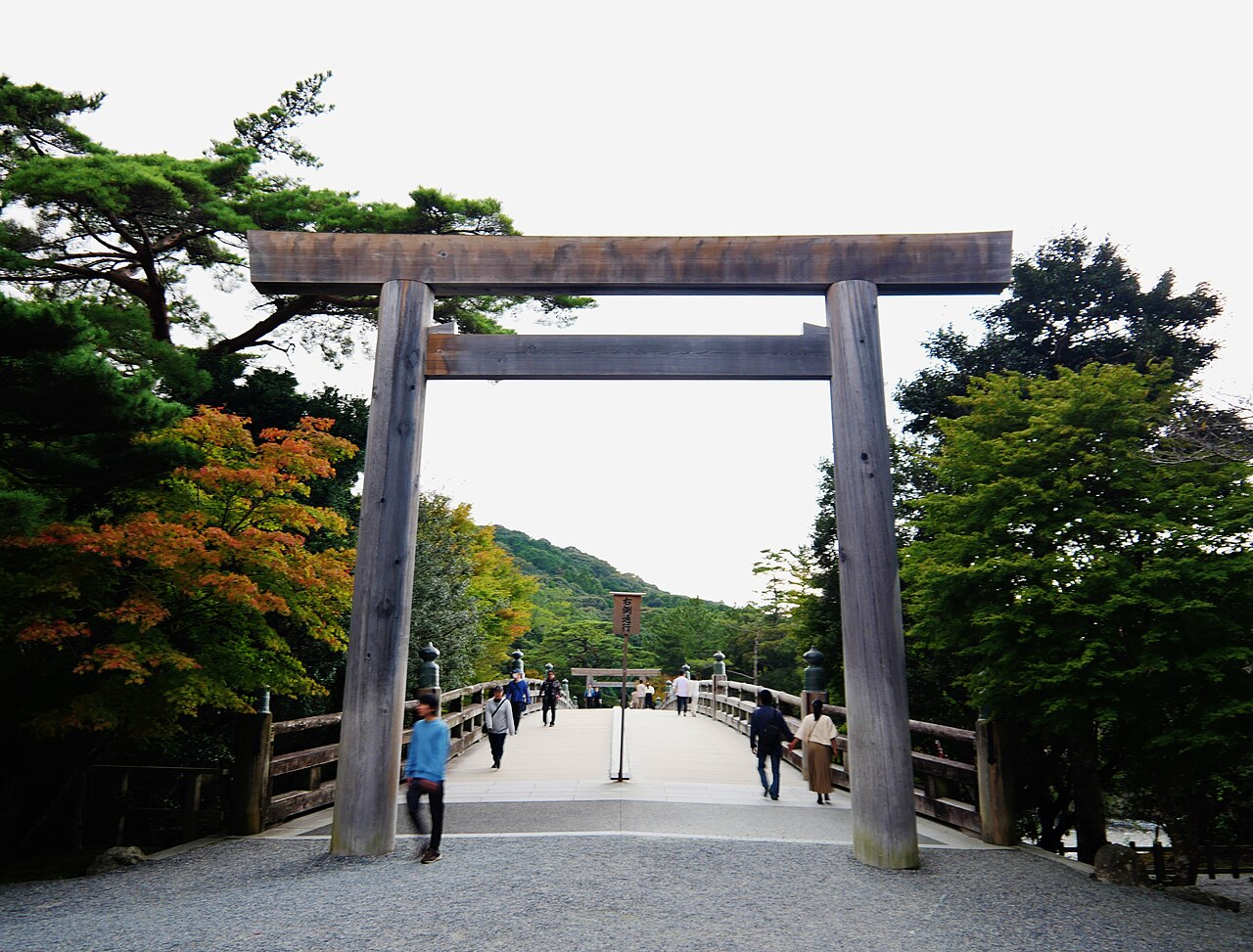 Shinto
Ise Jingu (Ise Grand Shrine)
Ise · Japan · shrine
The most venerable sanctuary of Shinto: 125 shrines in the forests of Ise, where Amaterasu-Omikami dwells at the Naiku and Toyouke-Omikami at the Geku, and the whole sanctuary is rebuilt anew every twenty years.