Hiraoka Shrine
Hiraoka Jinja · Moto-Kasuga
About
Hiraoka Shrine nestles on the western slopes of the Ikoma range in the centre of Osaka Prefecture. In its earliest days it was a place of mountain worship, with the kami of the peak Kozudake honoured behind the shrine. That mountain kami came in time to be identified with Ame-no-Koyane, the tutelary deity of the Nakatomi clan from which the great Fujiwara family descended.
Four kami are enshrined at Hiraoka: Ame-no-Koyane, ancestor of the Fujiwara; his consort Hime-gami; and the warrior deities Futsunushi of Katori Jingu and Takemikazuchi of Kashima Jingu, both protectors of the Fujiwara. These same four kami were transferred from Hiraoka to Nara when the Fujiwara established Kasuga Taisha, giving Hiraoka the affectionate title Moto-Kasuga, the original Kasuga.
The main shrine, like that of Kasuga, comprises four Kasuga-zukuri sanctuaries within a single roofed structure, and is designated a Tangible Cultural Property of Higashiosaka. The principal annual festival is observed on 1 February, when the shrine community gathers to renew the bond between kami and ujiko, the protected parishioners of the deity.
History
Hiraoka Shrine's founding lies beyond written record but is believed to reach back to the Kofun period, when the kami of Mount Kozudake behind the shrine was already honoured as Ame-no-Koyane, ancestor of the Nakatomi and Fujiwara clans. By the Heian era the shrine was named in the Engishiki as a Myojin-taisha and recognised as Kawachi province's Ichinomiya. Oda Nobunaga burned the shrine down in 1574, and it was rebuilt under Toyotomi Hideyori between 1602 and 1605; the present main hall dates to 1826.
Significance
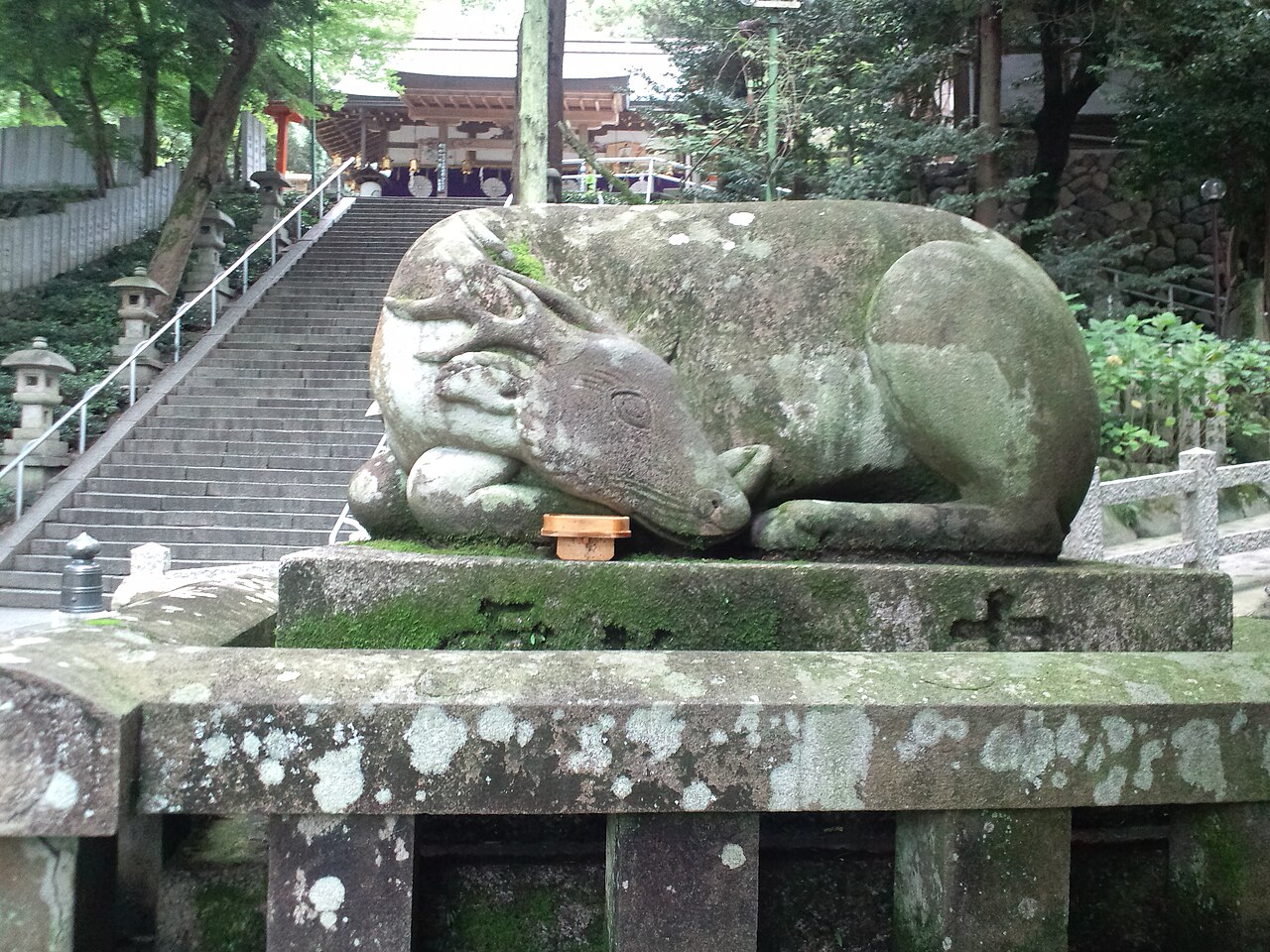
Because two of Hiraoka's four kami were carried to Nara to found Kasuga Taisha, the shrine is known with affection as Moto-Kasuga, the original Kasuga, and its honden still holds four Kasuga-zukuri sanctuaries beneath a single roof, the same design later built at its more famous descendant. The stone deer resting before its steps recalls that same kinship, deer being the sacred messengers of the Kasuga kami.
Architecture
Kasuga-zukuri: four sanctuaries housed beneath a single roof, the form later built at Kasuga Taisha
Visiting
Hours
Hours not listed.
Contact
Engage with Hiraoka Shrine
Through the four pathways
Seva सेवा — Service
Offer your time and skills here. The following opportunities are open at Hiraoka Shrine:
No Seva offerings listed yet.
Sādhana साधना — Practice
Learn the worship and practice associated with Hiraoka Shrine:
No Sādhana offerings listed yet.
Sandhāna सन्धान — Wisdom
Unite with the wisdom of this tradition:
No Sandhāna offerings listed yet.
Sādhya साध्य — Giving
Support this sacred place according to your means:
No Sādhya offerings listed yet.
All giving flows directly to Hiraoka Shrine. Adisthan does not take a commission.
Festivals & Events
- Oct
Akikyosai (Hiraoka Matsuri)
15 October 2026 · annual
The autumn festival of the shrine's ujiko parishioners giving thanks for the harvest, when massive drum floats (taikodai) are carried in procession to the shrine.
- Dec
Shimenawa-kake Shinji ("Owarai Shinji", the Laughing Ritual)
20 December 2026 · annual
A ritual re-enacting the myth of the sun goddess's emergence from the heavenly cave, in which shared laughter is offered to drive off the old year's misfortune and welcome good fortune; a designated intangible folk-cultural property of Higashiosaka.
- Feb
Reisai
1 February 2027 · annual
The shrine's single grand annual festival, marking the anniversary of its founding with formal Shinto rite.
Gallery
Related sacred places
 Shinto
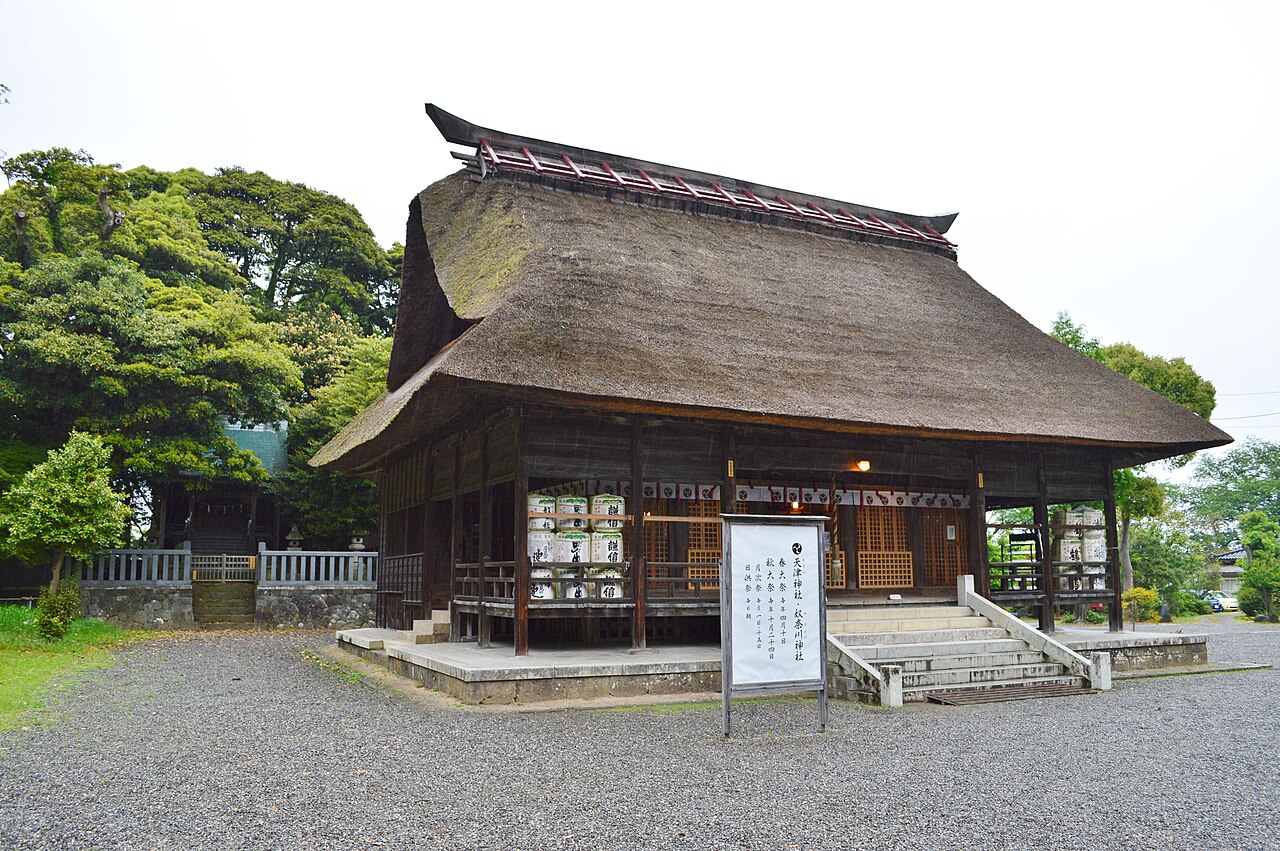
Amatsu Shrine
Itoigawa · Japan · shrine
A venerable jinja in the Ichinomiya quarter of Itoigawa on Japan's Sea of Japan coast, one of three shrines that each claim to have been the ichinomiya, the foremost shrine, of the old province of Echigo.
 Shinto
Fujisaki Hachimangū
Kumamoto · Japan · shrine
Fujisaki Hachimangū is a Shinto shrine in the heart of Kumamoto's Chūō ward, enshrining Hachiman as Emperor Ōjin together with Empress Jingū and the Sumiyoshi Sanjin, and revered for over a thousand years as guardian kami of the Higo region.
 Shinto
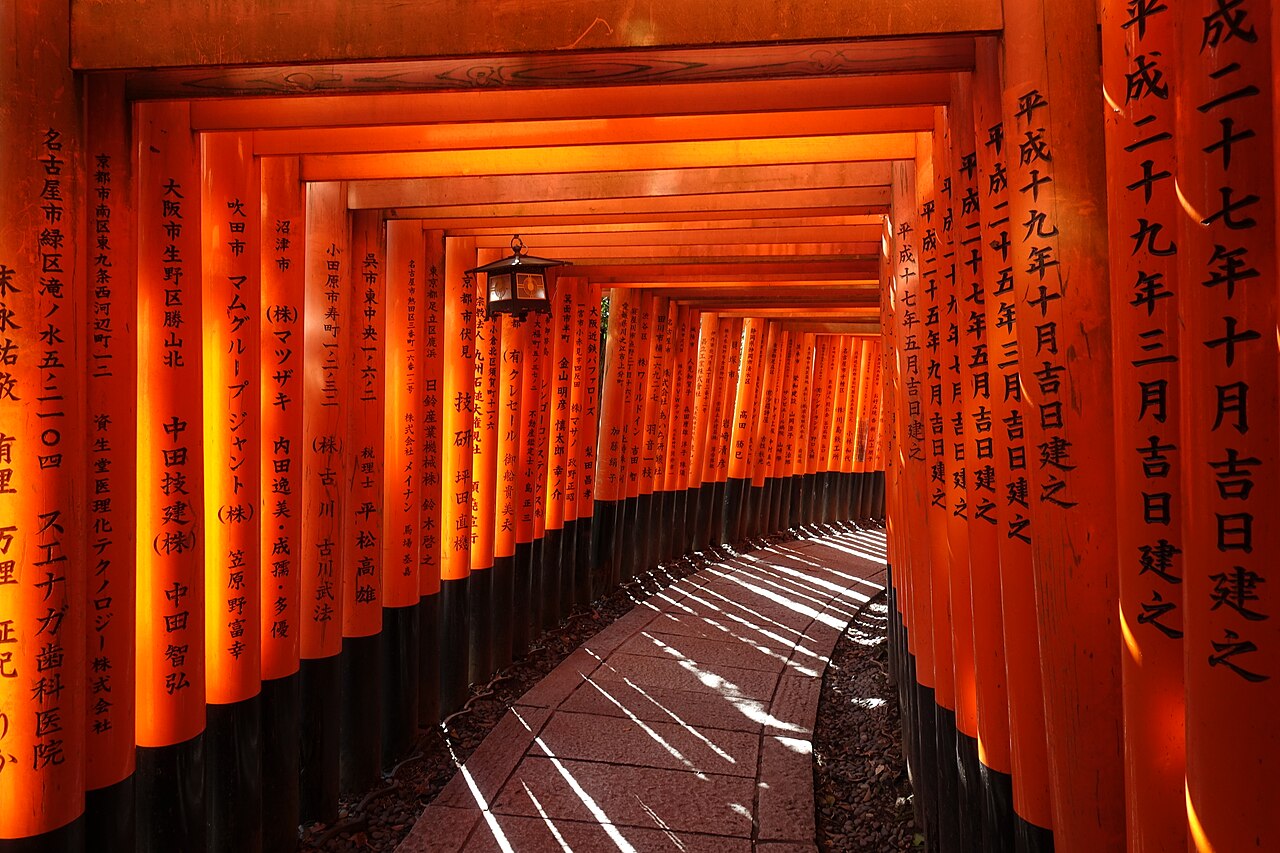
Fushimi Inari Taisha
Kyoto · Japan · shrine
The head shrine of Japan's roughly 30,000 Inari shrines, where some 10,000 vermilion torii climb sacred Mount Inari and white fox messengers watch every path.
 Shinto
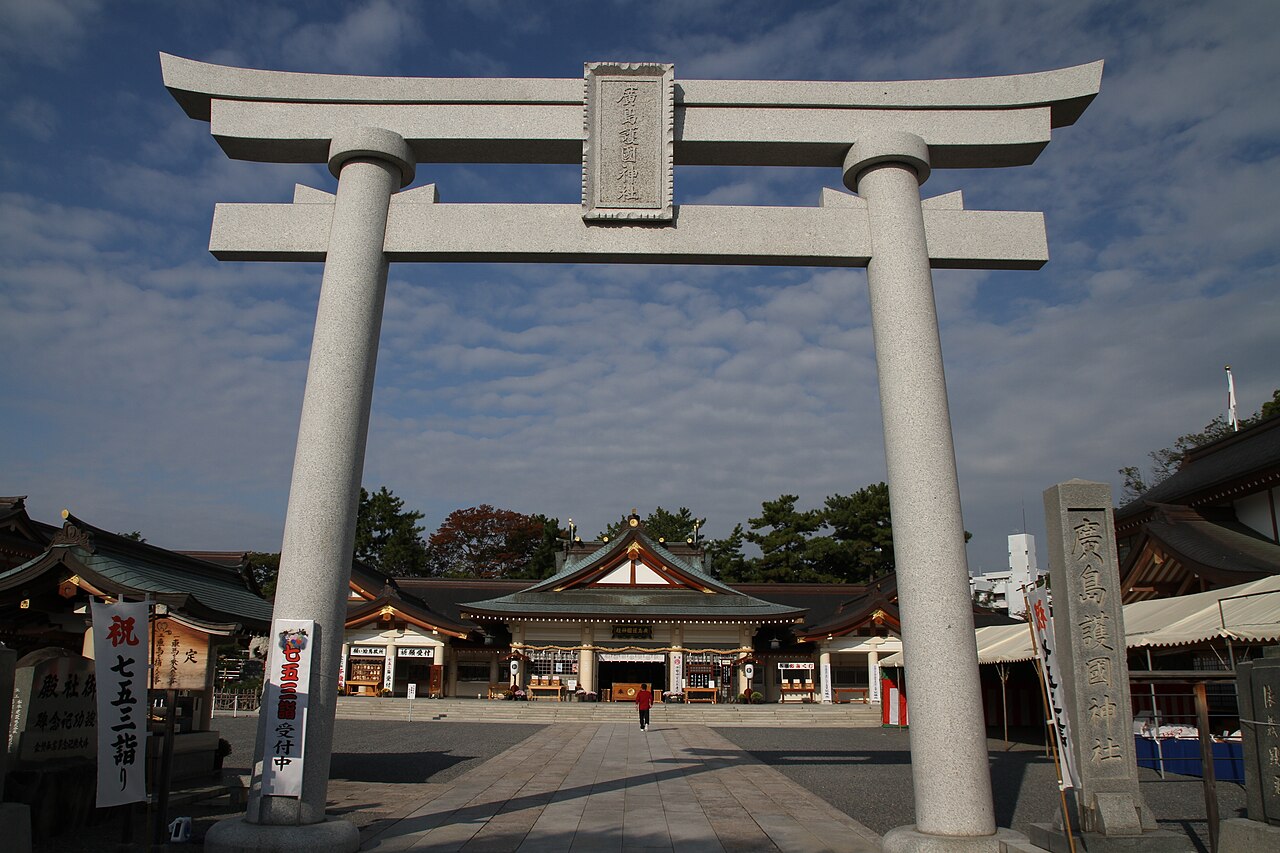
Hiroshima Gokoku Shrine
Hiroshima · Japan · shrine
A Shinto shrine within the grounds of Hiroshima Castle honouring the war dead of Hiroshima, destroyed in the atomic bombing of 1945 and rebuilt by the city's own citizens in the years that followed.
 Shinto
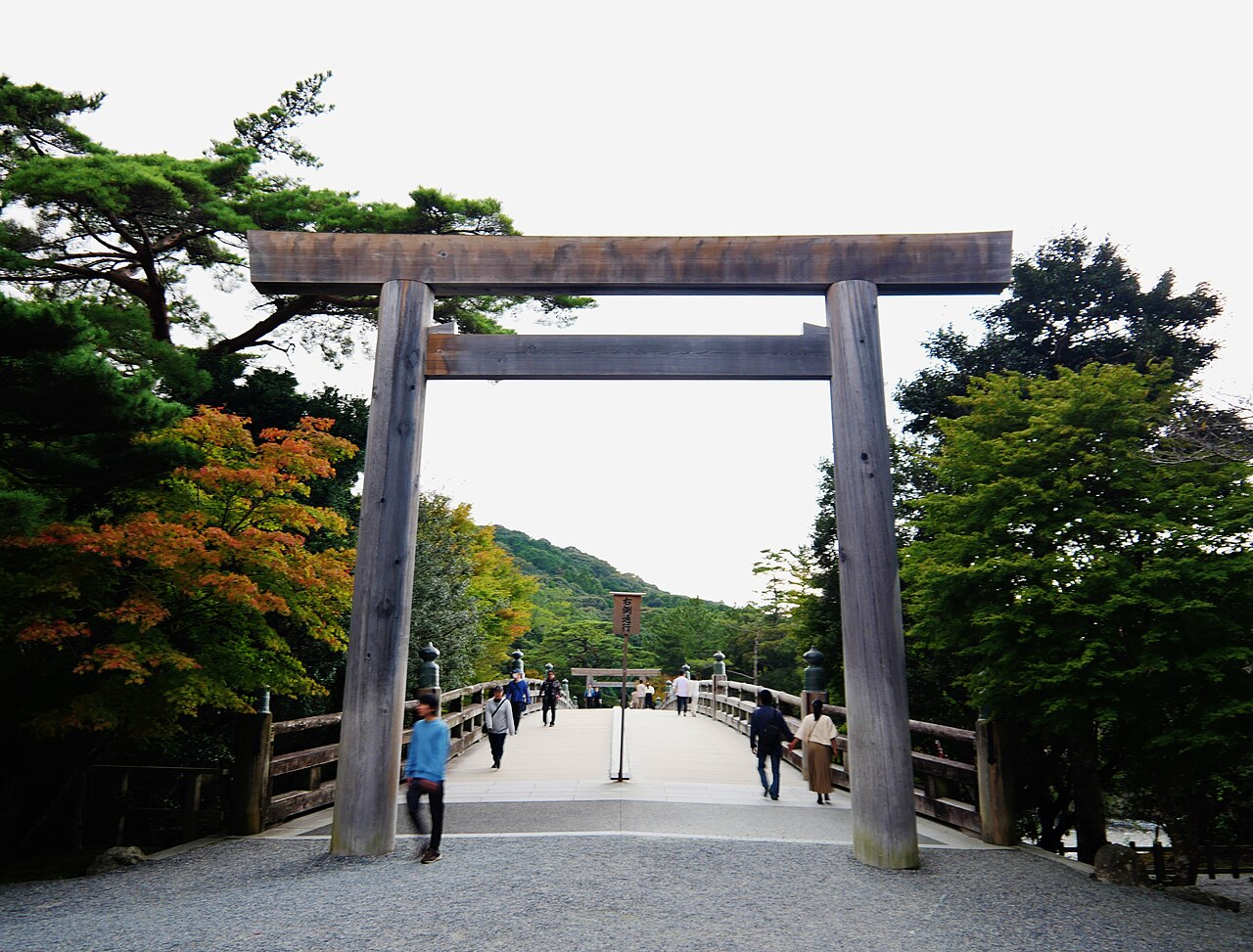
Ise Jingu (Ise Grand Shrine)
Ise · Japan · shrine
The most venerable sanctuary of Shinto: 125 shrines in the forests of Ise, where Amaterasu-Omikami dwells at the Naiku and Toyouke-Omikami at the Geku, and the whole sanctuary is rebuilt anew every twenty years.
 Shinto
Iwa Shrine
Shiso · Japan · shrine
Iwa Shrine, Iwa Jinja, stands among old cedar groves in the hills of Shiso, Hyogo Prefecture, the Ichinomiya, or foremost shrine, of the old province of Harima. Its kami is Okuninushi no Mikoto, the great land-builder of Japanese myth, worshipped here alongside Sukunabikona no Kami and Shitateru-hime no Kami.