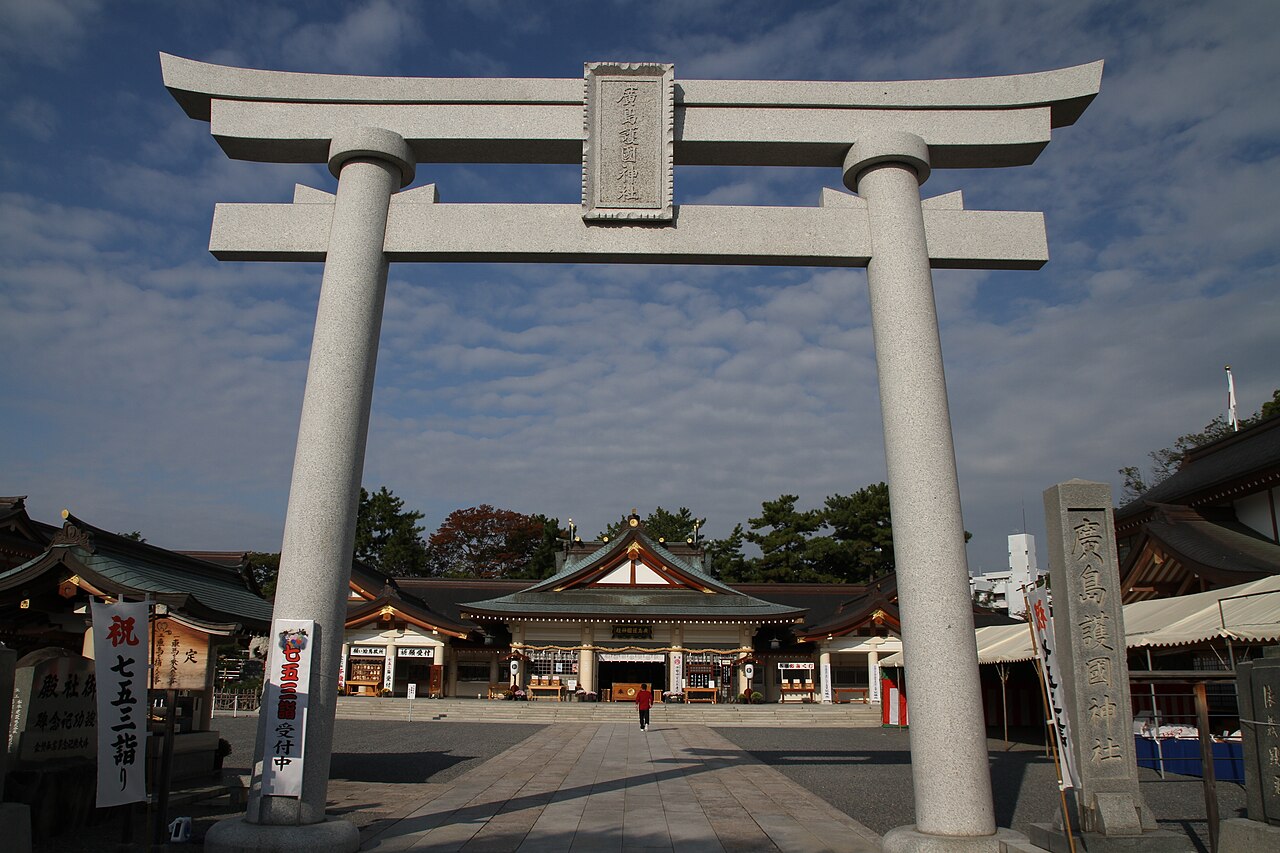
Hiroshima Gokoku Shrine
Hiroshima Gokoku Jinja · Hiroshima Shokonsha (historic name in use until 1939) · Mizukusa Reisha (original 1868/69 name)
About
The shrine stands within the precincts of Hiroshima Castle, in the centre of a city whose modern story has been shaped by both tragedy and renewal. As a Gokoku Jinja, a shrine for the protection of the nation, it enshrines the souls of those from the former Hiroshima Han and the wider region who lost their lives in service of their country.
The shrine was first founded in 1869, the opening year of the Meiji period, in the district of Futabanosato in Hiroshima, in mourning for those of the domain who had fallen in the Boshin War. It was relocated in 1934 to the site of what is now the Hiroshima Municipal Stadium and renamed Hiroshima Gokoku Shrine in 1939.
In 1945 the shrine was destroyed in the atomic bombing of Hiroshima. It was rebuilt in 1965 within Hiroshima Castle, the new sanctuary raised through the gifts of the citizens themselves, who had carried both their losses and their hopes forward into the post-war years.
Today Hiroshima Gokoku is among the most beloved shrines in the city for hatsumode, the first prayers of the New Year, and shichi-go-san, the autumn observance for children of three, five, and seven. The shrine continues to serve the people of Hiroshima as a place of quiet remembrance and seasonal renewal.
History
The shrine was first raised in the twelfth month of Meiji 1 (early January 1869 by the Gregorian calendar) at Futabanosato, to mourn seventy-eight men of the Hiroshima domain who fell in the Boshin War, and it was renamed as it grew, becoming Hiroshima Gokoku Shrine in 1939 after a 1934 move to the old western parade ground. On the morning of 6 August 1945 the atomic bomb detonated almost directly above the shrine and burned every building to the ground. A small temporary sanctuary carried its worship forward until, in the autumn of 1956, a new shrine was raised on its present site within the ruins of Hiroshima Castle, built through the gifts of the citizens of Hiroshima.
Significance
The shrine today enshrines the spirits of some ninety-two thousand men and women from Hiroshima who died in service to their country across the modern era, a number that includes roughly ten thousand mobilised students and members of the Women's Volunteer Corps who were killed by the atomic bomb while engaged in wartime labour. Alongside this remembrance, Hiroshima Gokoku is counted among the city's best-loved shrines for hatsumode, the first prayers of the New Year, and for shichi-go-san, the autumn blessing of children.
Architecture
Postwar Shinto shrine architecture, rebuilt 1956 within the grounds of Hiroshima Castle
Visiting
Daily worship
| Shrine office (prayer reception, goshuin, omamori) | 09:00 to 16:30 |
Hours
Hours not listed.
Contact
Engage with Hiroshima Gokoku Shrine
Through the four pathways
Seva सेवा — Service
Offer your time and skills here. The following opportunities are open at Hiroshima Gokoku Shrine:
No Seva offerings listed yet.
Sādhana साधना — Practice
Learn the worship and practice associated with Hiroshima Gokoku Shrine:
No Sādhana offerings listed yet.
Sandhāna सन्धान — Wisdom
Unite with the wisdom of this tradition:
No Sandhāna offerings listed yet.
Sādhya साध्य — Giving
Support this sacred place according to your means:
No Sādhya offerings listed yet.
All giving flows directly to Hiroshima Gokoku Shrine. Adisthan does not take a commission.
Festivals & Events
- Nov
Shichi-Go-San
15 November 2026 · annual
The autumn rite of thanksgiving for children aged three, five, and seven, one of the shrine's most beloved family observances.
- Jan
Hatsumode
1 January 2027 · annual
The first shrine visit of the New Year; Hiroshima Gokoku is among the most visited shrines in the city for the year's opening prayers.
- May
Manto Mitama Matsuri
28 May 2027 · annual
A lantern festival held over the final Friday through Sunday of May, when around two thousand lanterns are lit for the shrine's enshrined spirits and the grounds fill with taiko drumming, dance, and kagura performance.
Gallery
Related sacred places
 Shinto
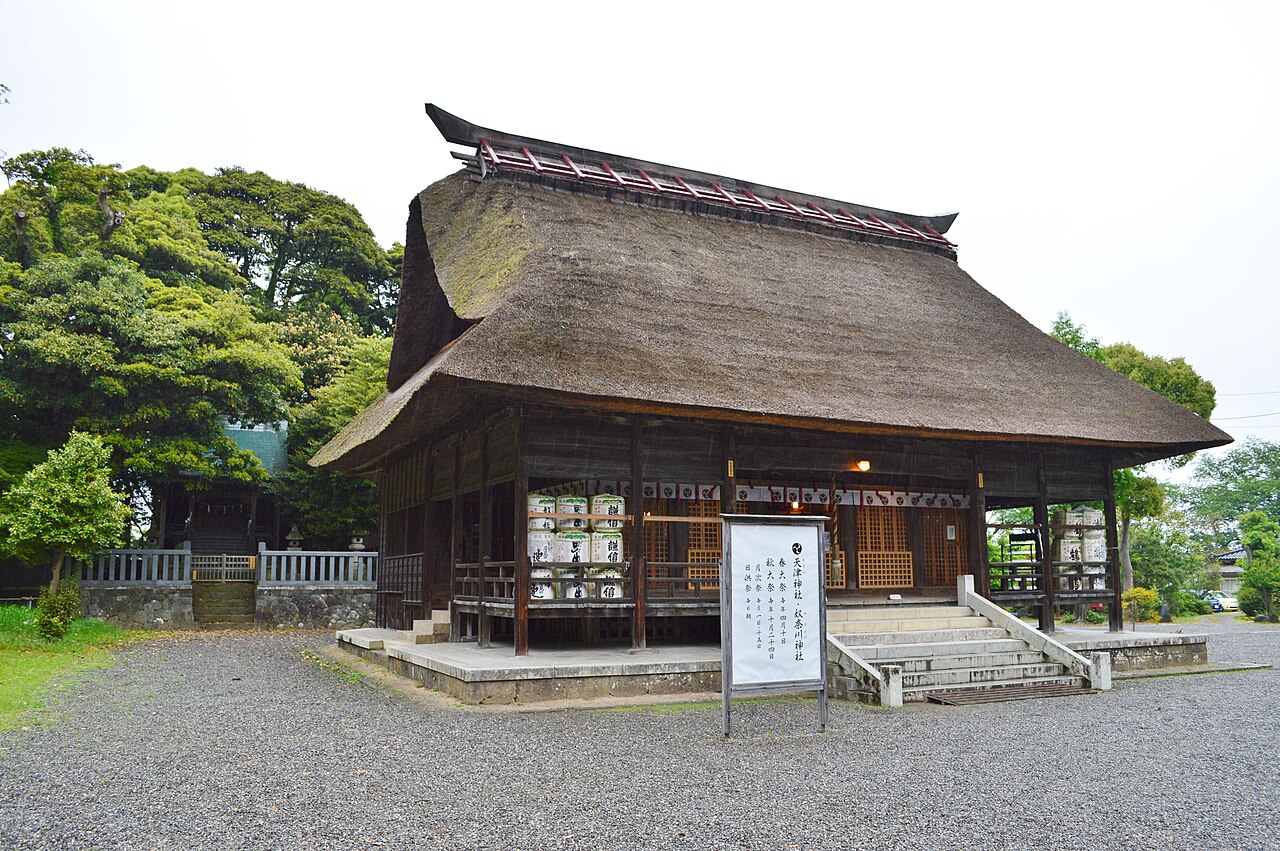
Amatsu Shrine
Itoigawa · Japan · shrine
A venerable jinja in the Ichinomiya quarter of Itoigawa on Japan's Sea of Japan coast, one of three shrines that each claim to have been the ichinomiya, the foremost shrine, of the old province of Echigo.
 Shinto
Fujisaki Hachimangū
Kumamoto · Japan · shrine
Fujisaki Hachimangū is a Shinto shrine in the heart of Kumamoto's Chūō ward, enshrining Hachiman as Emperor Ōjin together with Empress Jingū and the Sumiyoshi Sanjin, and revered for over a thousand years as guardian kami of the Higo region.
 Shinto
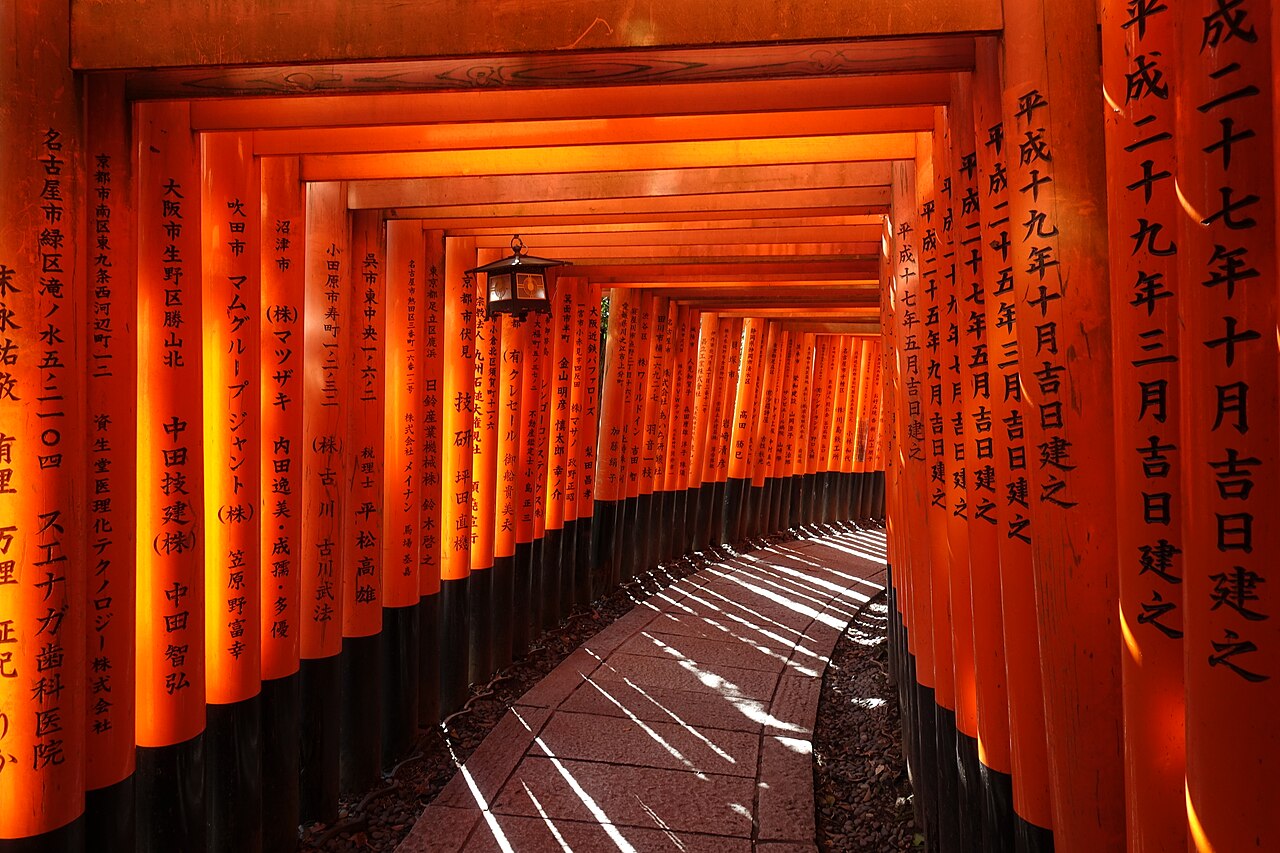
Fushimi Inari Taisha
Kyoto · Japan · shrine
The head shrine of Japan's roughly 30,000 Inari shrines, where some 10,000 vermilion torii climb sacred Mount Inari and white fox messengers watch every path.
 Shinto
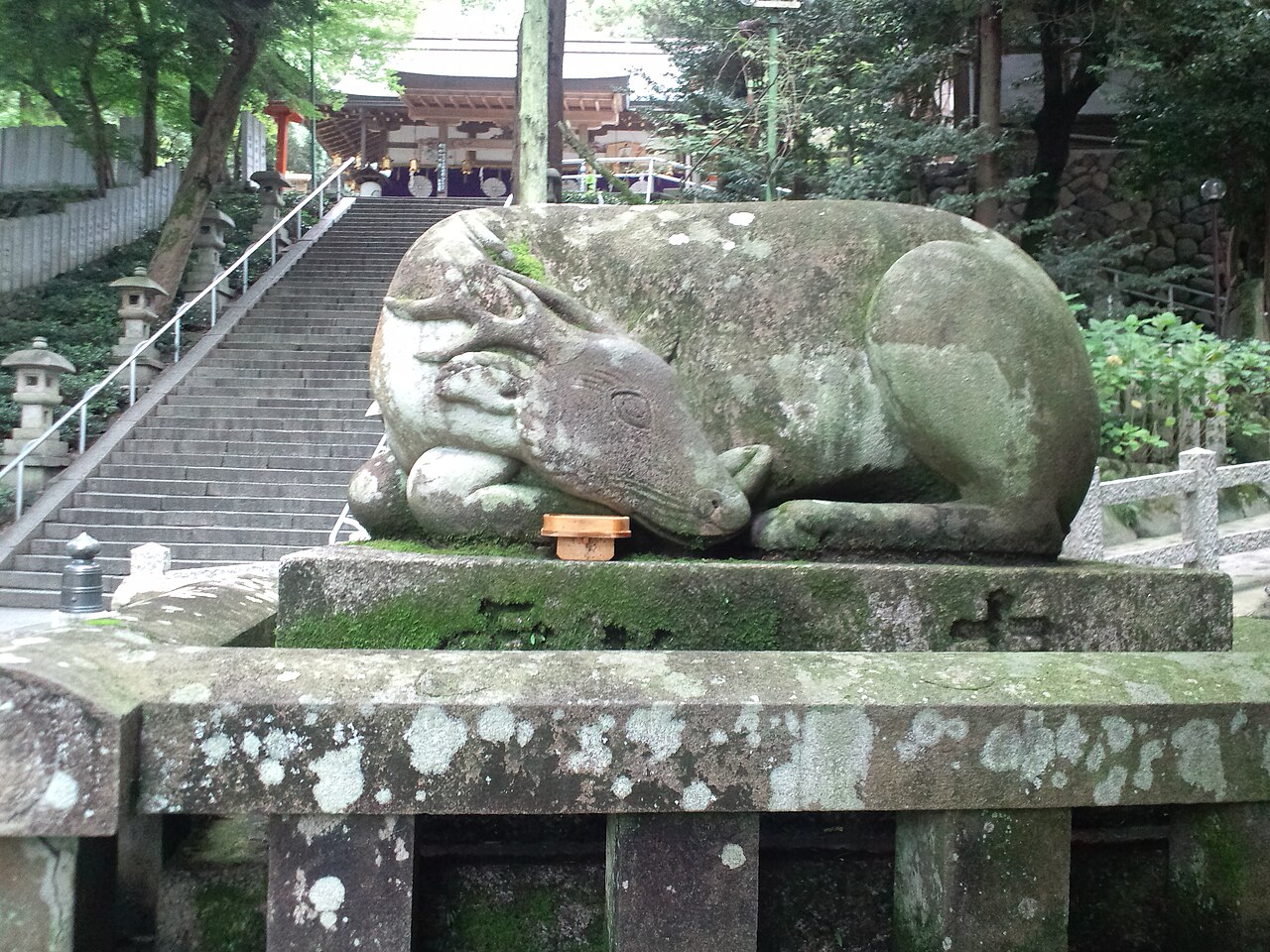
Hiraoka Shrine
Higashiosaka · Japan · shrine
The Ichinomiya, or foremost shrine, of the old province of Kawachi, set on the wooded western slope of the Ikoma range, where the ancestral kami of the Fujiwara clan were worshipped centuries before two of them were carried east to found Nara's Kasuga Taisha.
 Shinto
Ise Jingu (Ise Grand Shrine)
Ise · Japan · shrine
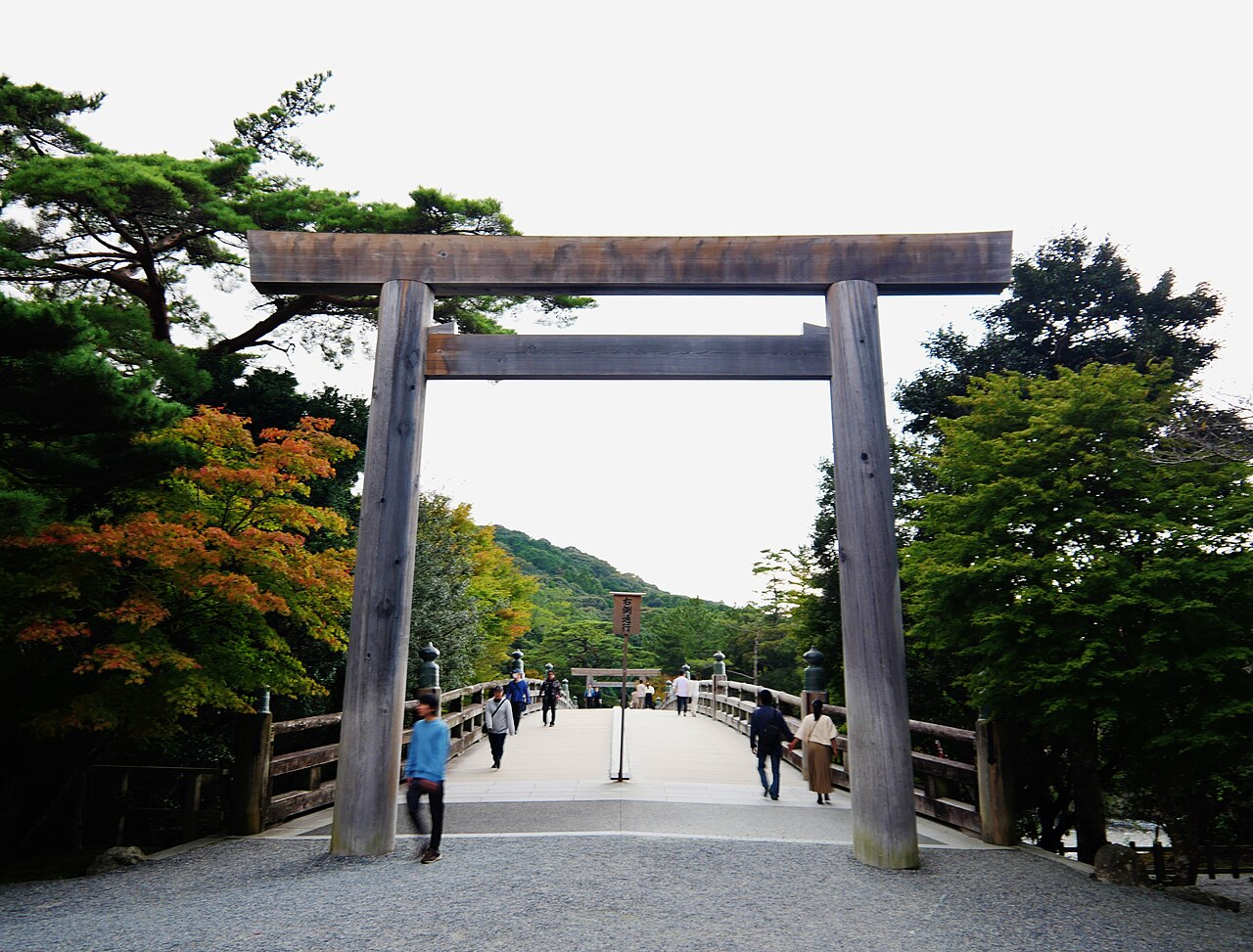
The most venerable sanctuary of Shinto: 125 shrines in the forests of Ise, where Amaterasu-Omikami dwells at the Naiku and Toyouke-Omikami at the Geku, and the whole sanctuary is rebuilt anew every twenty years.
 Shinto
Iwa Shrine
Shiso · Japan · shrine
Iwa Shrine, Iwa Jinja, stands among old cedar groves in the hills of Shiso, Hyogo Prefecture, the Ichinomiya, or foremost shrine, of the old province of Harima. Its kami is Okuninushi no Mikoto, the great land-builder of Japanese myth, worshipped here alongside Sukunabikona no Kami and Shitateru-hime no Kami.