Atala Masjid
Atala Mosque, Jaunpur · Shahi Atala Masjid
About
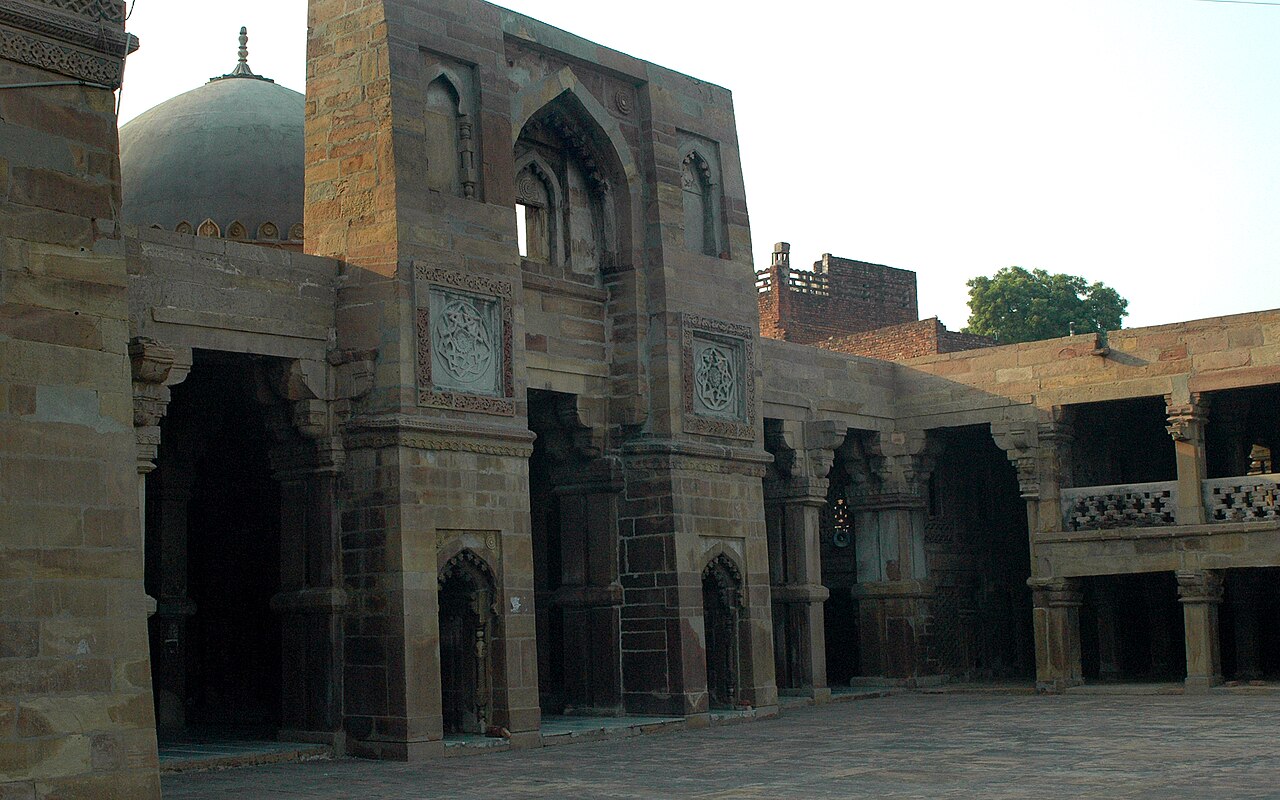
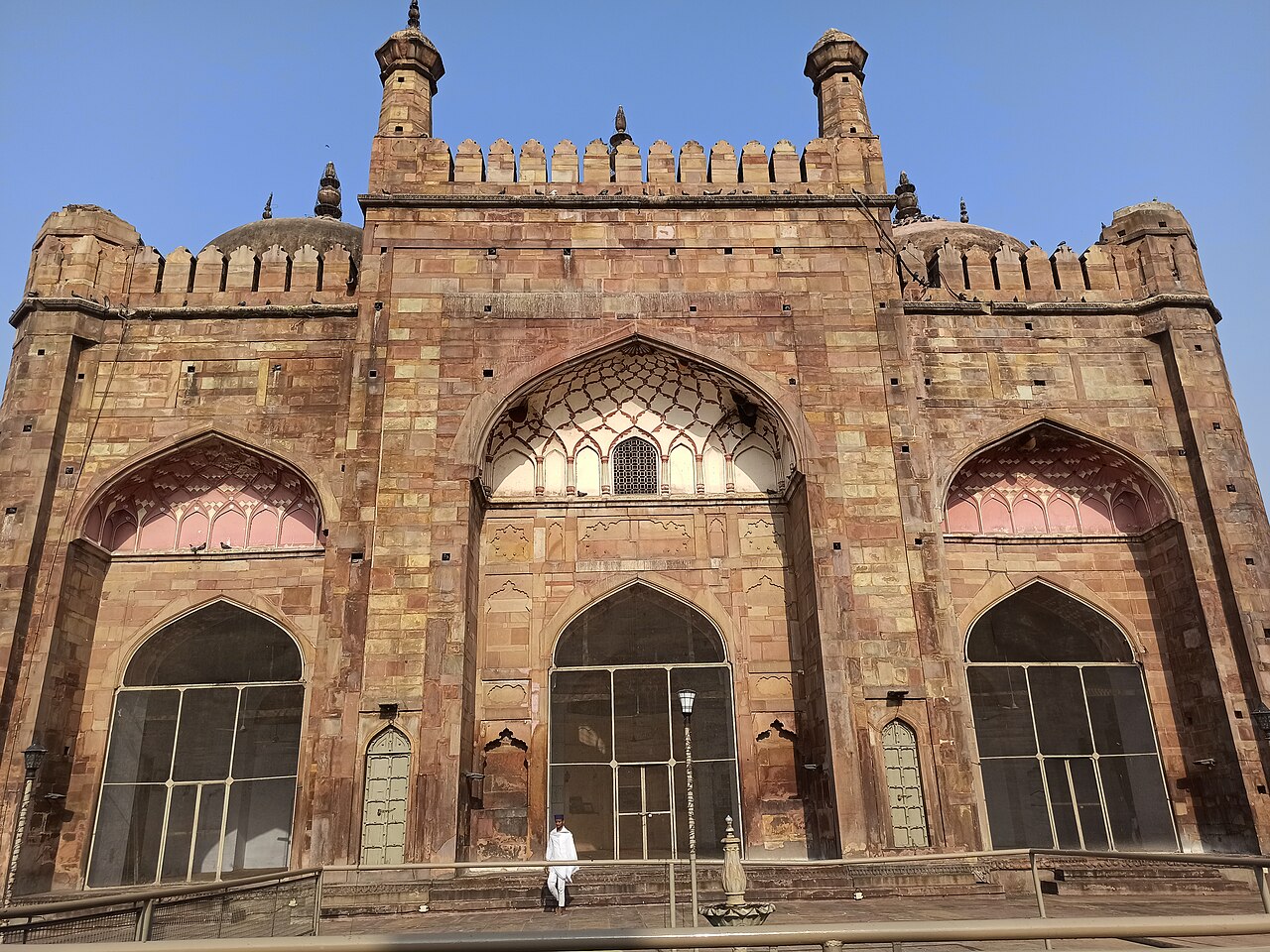
Rising above the ancient city of Jaunpur in the state of Uttar Pradesh, the Atala Masjid, also rendered as the Atala Mosque, belongs to a tradition of devotional building that shaped the region's skyline during the early centuries of Islamic rule in India. The mosque's very name has echoed through centuries of prayer and pilgrimage, drawing the faithful to its precincts across generations.
Among the mosque's most celebrated features is its commanding central pishtaq, a tall, arched gateway screen that frames the entrance with monumental dignity. Flanking this centrepiece are side pishtaqs of harmonious proportion, and the interior is enriched by rows of pillars that lend the prayer hall a solemn, rhythmic beauty. The spacious open courtyard at the heart of the complex provides a serene gathering place, where stone and sky meet in quiet communion.
Jaunpur itself was once the seat of a flourishing Sultanate, and the Atala Masjid reflects the ambition and piety of that court. The mosque's architectural vocabulary draws on both indigenous craftsmanship and the new formal language brought by Islamic building traditions, producing a structure that feels neither foreign nor purely local, but distinctly of its time and place.
History
Construction began around 1376 CE, in the reign of the Delhi Sultanate ruler Firuz Shah Tughlaq, and the mosque was completed in 1408 CE under Sultan Ibrahim Shah Sharqi, ruler of the newly independent Sharqi Sultanate of Jaunpur. Its commanding central pishtaq, flanked by two secondary portals and rising close to twenty-three metres, became the architectural model that later Sharqi-era mosques across the city would follow. British-period land revenue records show the site registered as a mosque from an 1882 settlement, and it has remained in continuous use as a place of Muslim worship through to the present day.
Significance
For Jaunpur's Muslim community the Atala Masjid remains a living congregational mosque, gathering worshippers for the five daily prayers and for Jumu'ah beneath its towering central arch, and it is registered with the Uttar Pradesh Sunni Central Waqf Board. As the first great mosque raised after Jaunpur's independence from Delhi, its pishtaq facade and pillared prayer hall set the pattern for the Sharqi mosques that followed it, making it the founding monument of the city's own school of Indo-Islamic architecture. The Archaeological Survey of India protects the complex today, and its carved sandstone galleries, arcaded courtyard, and ablution tank continue to draw worshippers and visitors alike.
Architecture
Sharqi Sultanate Indo-Islamic architecture; a monumental central pishtaq facade flanked by secondary portals, built of grey sandstone and granite with a domed prayer chamber and pillared arcades
Visiting
Hours
Hours not listed.
Contact
No contact details listed yet.
Engage with Atala Masjid
Through the four pathways
Seva सेवा — Service
Offer your time and skills here. The following opportunities are open at Atala Masjid:
No Seva offerings listed yet.
Sādhana साधना — Practice
Learn the worship and practice associated with Atala Masjid:
No Sādhana offerings listed yet.
Sandhāna सन्धान — Wisdom
Unite with the wisdom of this tradition:
No Sandhāna offerings listed yet.
Sādhya साध्य — Giving
Support this sacred place according to your means:
No Sādhya offerings listed yet.
All giving flows directly to Atala Masjid. Adisthan does not take a commission.
Gallery
Related sacred places
 Islam
IslamAbu'l-Fida Mosque
Hama · Syria · mosque
A fourteenth-century Ayyubid mausoleum and Mamluk-era congregational mosque on the banks of the Orontes in Hama, Syria, known locally as the Mosque of the Serpents for the carved pillars at its windows.
 Islam
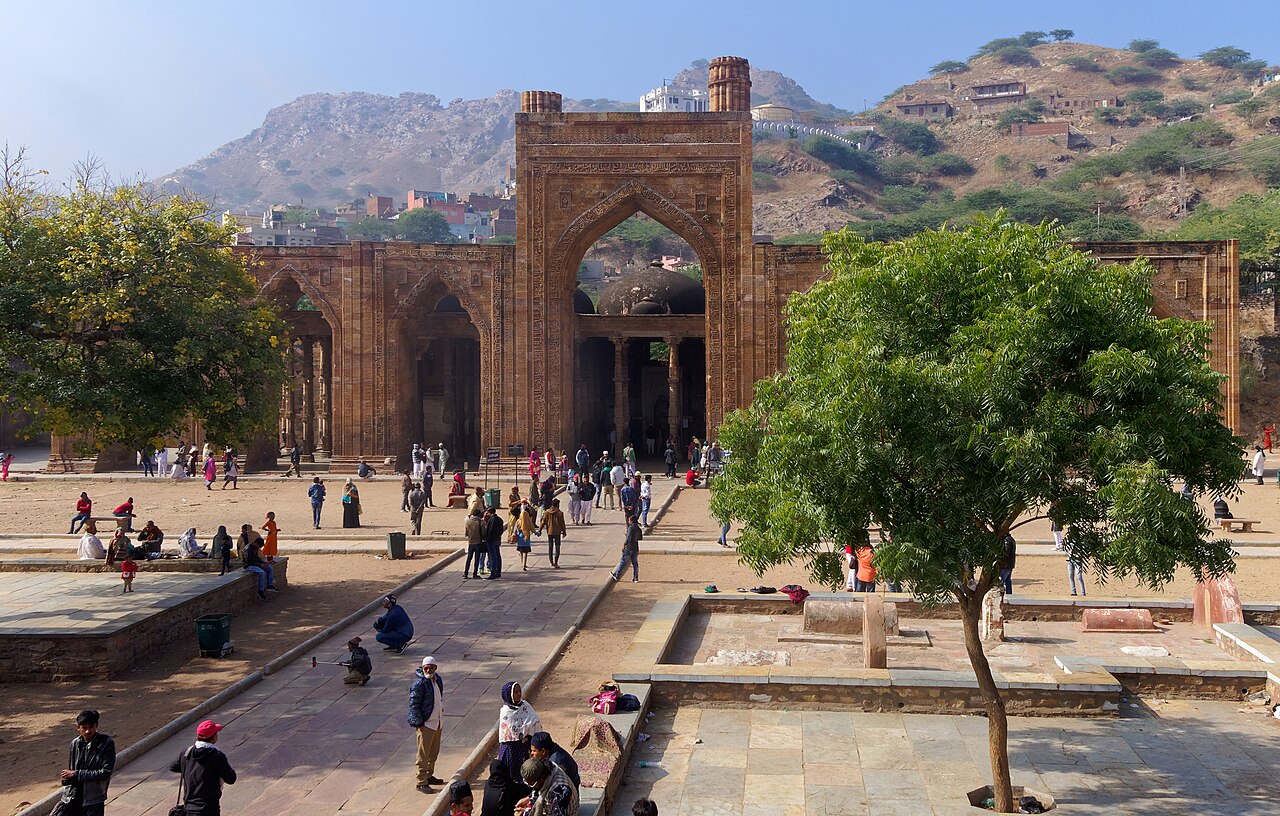
IslamAdhai Din Ka Jhonpra
Ajmer · India · mosque
The oldest surviving monument in Ajmer and among the earliest Indo-Islamic mosques in India, its 1199 CE prayer hall and Iltutmish's 1213 CE arched screen rise on 344 pillars carved by Hindu and Jain craftsmen from earlier Temples.
 Islam
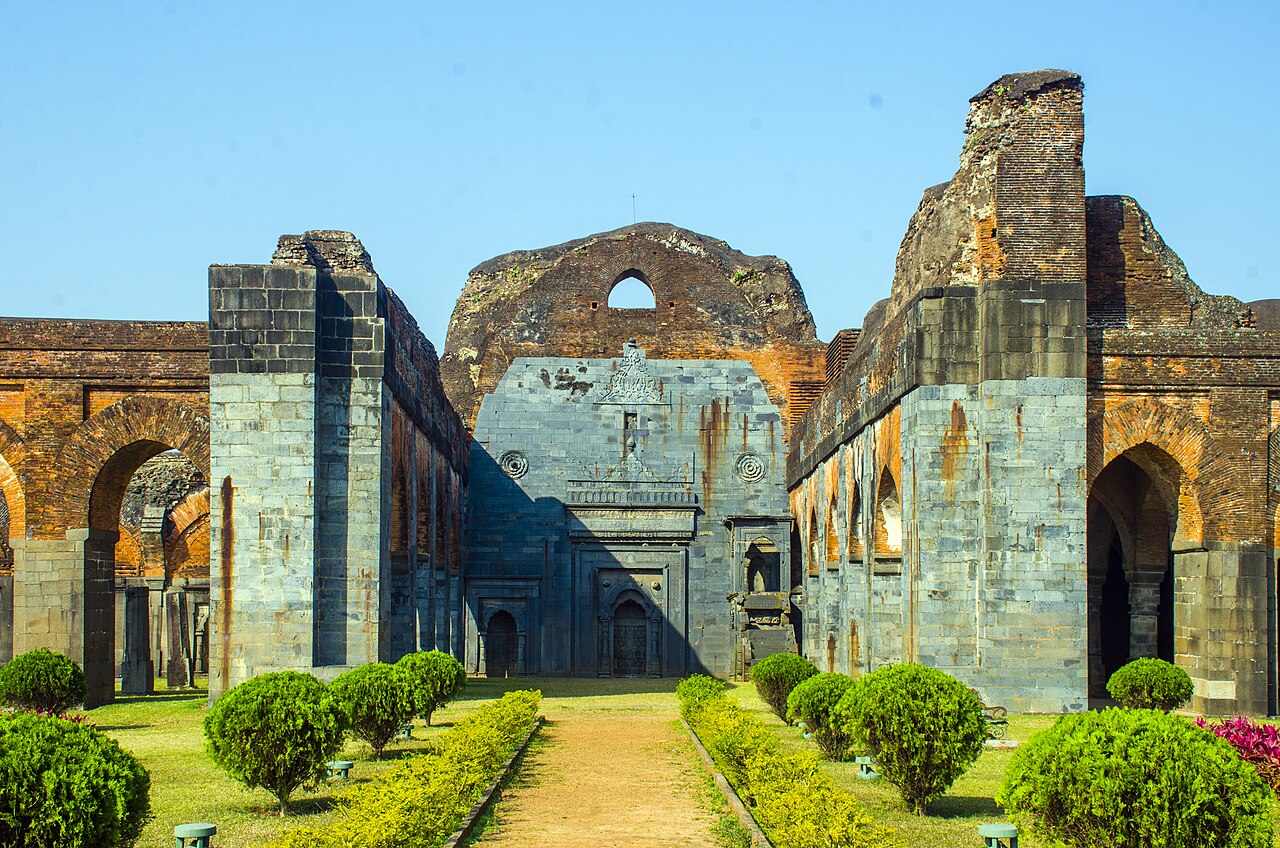
IslamAdina Mosque
Pandua · India · mosque
Once the largest mosque on the Indian subcontinent, the Adina Mosque at Pandua in West Bengal was raised by Sultan Sikandar Shah between 1373 and 1375 as the congregational mosque of the Bengal Sultanate, and holds his tomb within its western wall.
 Islam
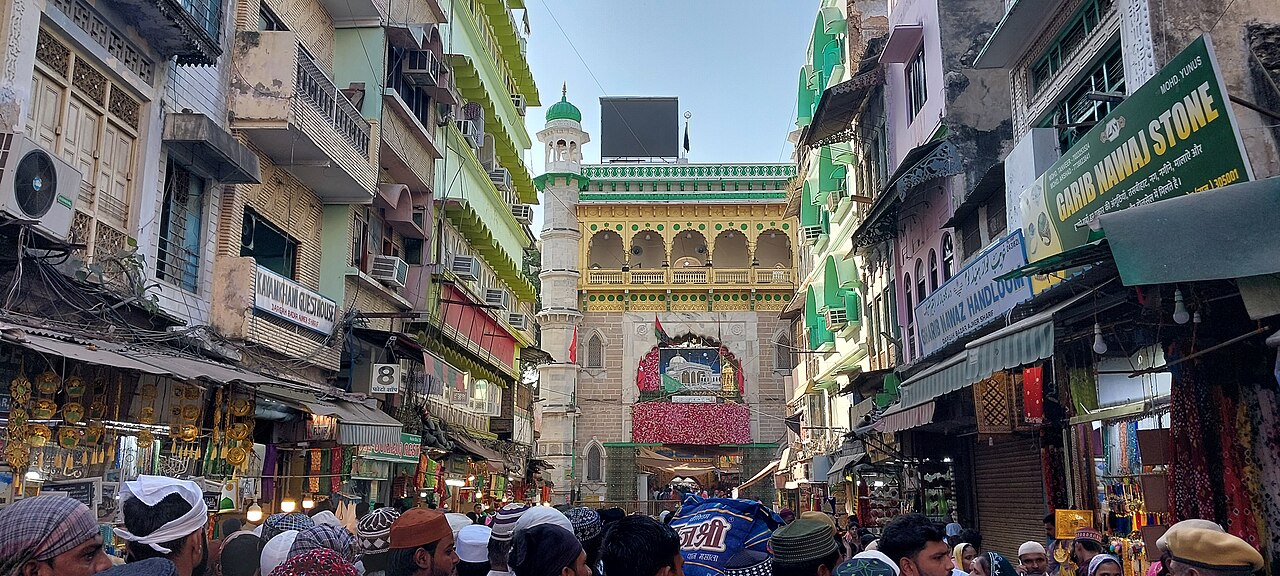
IslamAjmer Sharif Dargah
Ajmer · India · dargah
The tomb of Hazrat Khwaja Moinuddin Chishti, Gharib Nawaz, the benefactor of the poor, and the principal Sufi dargah of South Asia, where pilgrims of every community have offered chadars and shared the sweet rice of the great deghs for eight centuries.
Akbarabadi Mosque
Delhi · India · mosque
A mosque raised in 1650 by Akbarabadi Begum, a wife of the Mughal emperor Shah Jahan, in the walled city of Shahjahanabad, demolished by British forces in the aftermath of the 1857 Uprising and today marked only by disputed, unexcavated remains beneath Netaji Subhash Park in Old Delhi.
 Islam
IslamAlamgir Mosque
Varanasi · India · mosque
Raised in 1669 by the Mughal emperor Aurangzeb on the high bank above Panchganga Ghat in Varanasi, the Alamgir Mosque stands where wide stone steps meet the Ganges, its domes and surviving corner turret rising over a site earlier accounts describe as the Hindu Temple of Bindu Madhava.