Bengal Buddhist Association
Bauddha Dharmankur Sabha · Dharmankur Vihara · Dharmankur Buddhist Temple · Bauddha Dharmankur Vihar (বৌদ্ধ ধর্মাঙ্কুর বিহার)
About
The Bengal Buddhist Association stands as one of the oldest formal Buddhist bodies in modern India, rooted in the city of Kolkata and dedicated to keeping the flame of the Buddhadhamma alive in a region where it had long receded. Known also by its Bengali name, Bôuddhô Dhôrmāṅkurô Sôbhā, the organisation has served generations of practitioners, scholars, and seekers drawn to the Buddha's path.
The association's mission has always been threefold: to revive the living practice of Buddhism, to support its study and propagation across the subcontinent, and to provide a gathering place for the faithful. In 1903, it gave Kolkata a dedicated sanctuary when the Dharmankur Buddhist Temple was established in the Bow Barracks neighbourhood, a place where devotees could observe rites, offer pūjā, and find community.
The organisation has also served as a voice for Buddhist thought through the written word. In 1908, it began publishing its journal Jagajjyoti, a platform that brought Buddhist teachings and discussions to a wider readership and helped sustain intellectual engagement with the tradition long before such resources were easy to find.
History
The Bengal Buddhist Association was founded on 5 October 1892 through the effort of Kripasaran Mahasthavir, who had come to Kolkata to serve the Buddhist community and revive the Dharma in the land of its birth. The Association arose alongside the Mahabodhi Society, founded in Calcutta the previous year by Anagarika Dharmapala, at a moment of considerable cross-cultural ferment, drawing on modernist Buddhist currents then gaining strength in Sri Lanka as well as on Western Oriental scholarship and the Theosophical movement.
In 1903 the Association consecrated the Dharmankur Vihara at Nalanda Square on what is now Buddhist Temple Street, at the eastern edge of the Bow Barracks quarter, giving the city's Buddhist community its first dedicated Temple in eastern India. The ground floor shrine holds a golden image of the Buddha, and the wider compound has grown to hold a library, a guest house open to Buddhist students and pilgrims of every faith, and a school. In 1908 the Association began publishing its journal Jagajjyoti, extending its reach into Bengal's intellectual life. Branch viharas followed in Lucknow (1907), Darjeeling (1910), Shillong (1918), and later Rajgir and Sarnath (both 1974).
Significance
The Bengal Buddhist Association occupies a quiet but important place in the story of Buddhism's revival on the Indian subcontinent. By establishing an institutional home for Buddhist practice and scholarship in Kolkata during the late nineteenth century, a period when such structures were rare in India, it helped lay the groundwork for the broader Buddhist revival that gathered pace through the twentieth century. The Dharmankur Vihara is listed by the Kolkata Municipal Corporation as a Grade I heritage building, and the Association's Temple, library, and journal have together made it a point of reference and belonging for Buddhist communities in Bengal and beyond.
Architecture
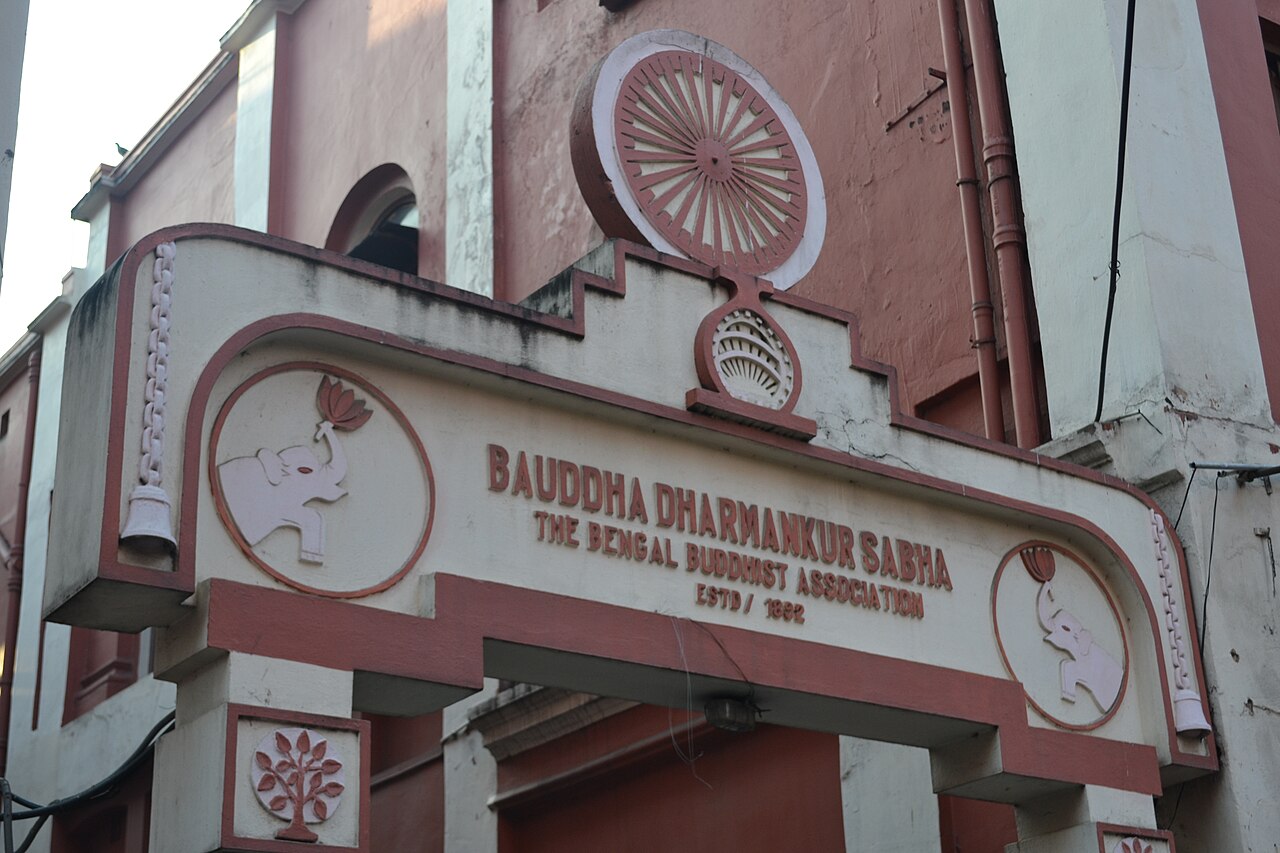
Early twentieth-century Kolkata institutional building; its arched compound entrance carries a carved dharmachakra (Dharma wheel), a Bodhi-leaf medallion, and paired elephants bearing lotus flowers
Visiting
Hours
Hours not listed.
Contact
No contact details listed yet.
Address
Engage with Bengal Buddhist Association
Through the four pathways
Seva सेवा — Service
Offer your time and skills here. The following opportunities are open at Bengal Buddhist Association:
No Seva offerings listed yet.
Sādhana साधना — Practice
Learn the worship and practice associated with Bengal Buddhist Association:
No Sādhana offerings listed yet.
Sandhāna सन्धान — Wisdom
Unite with the wisdom of this tradition:
No Sandhāna offerings listed yet.
Sādhya साध्य — Giving
Support this sacred place according to your means:
No Sādhya offerings listed yet.
All giving flows directly to Bengal Buddhist Association. Adisthan does not take a commission.
Gallery
Related sacred places
 Buddhism
Angkor Wat
Siem Reap · Cambodia · temple
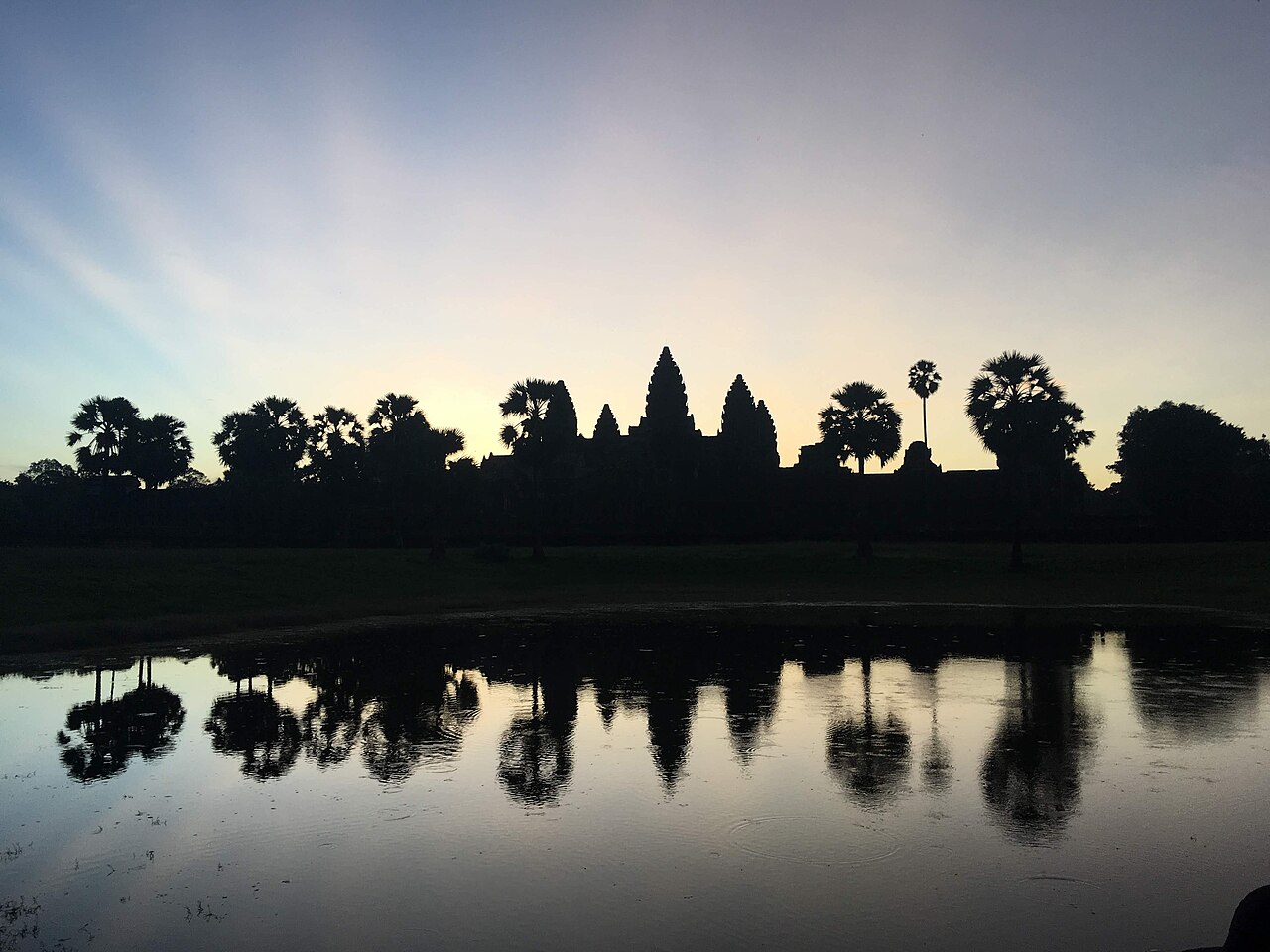
The largest religious monument on earth, built for Lord Vishnu by Suryavarman II in the 12th century and in continuous worship ever since: a living Theravada Buddhist Temple whose five towers stand on the Cambodian flag.
 Buddhism
Bangka Lungshan Temple
Taipei (Wanhua) · Taiwan · temple
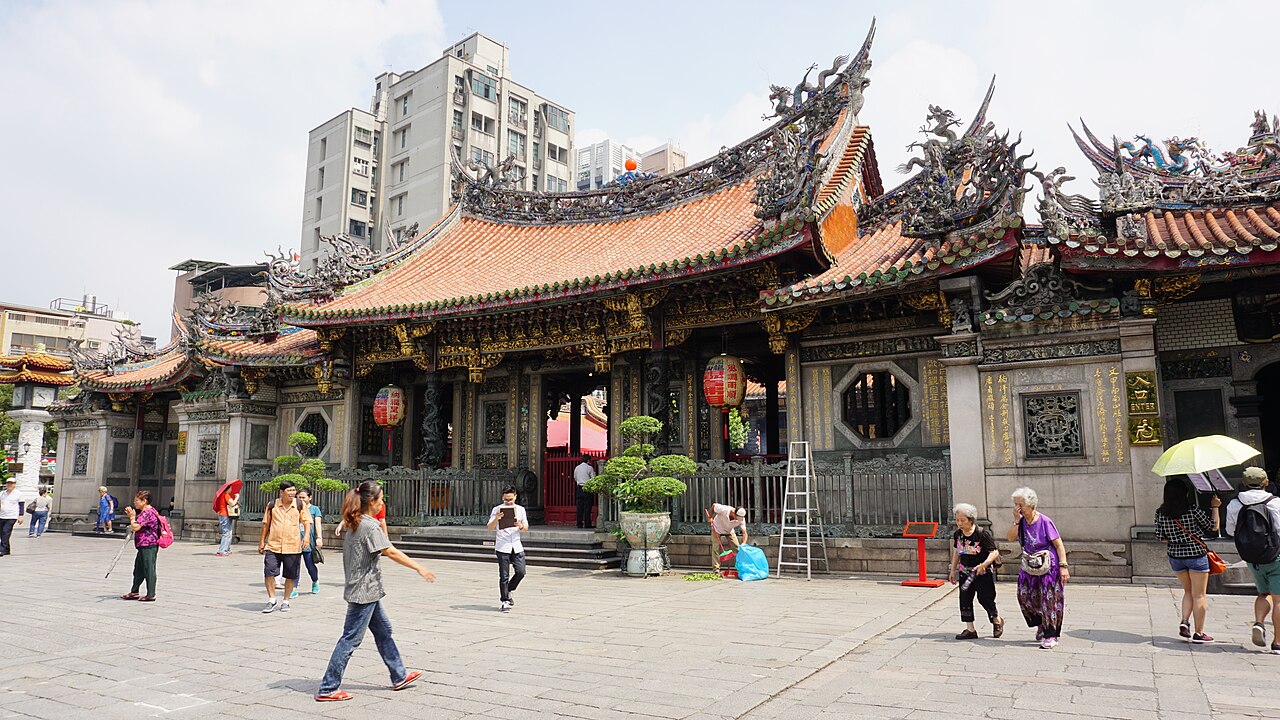
Taipei's mother Temple to Guanshiyin, founded by Fujian settlers in 1738 in the old Bangka quarter: a front hall to the bodhisattva of compassion and a rear hall of more than a hundred Taoist and folk gods, whose Guanyin statue survived the 1945 bombing intact.
 Buddhism
Bhot Bagan Math
Ghusuri · India · monastery
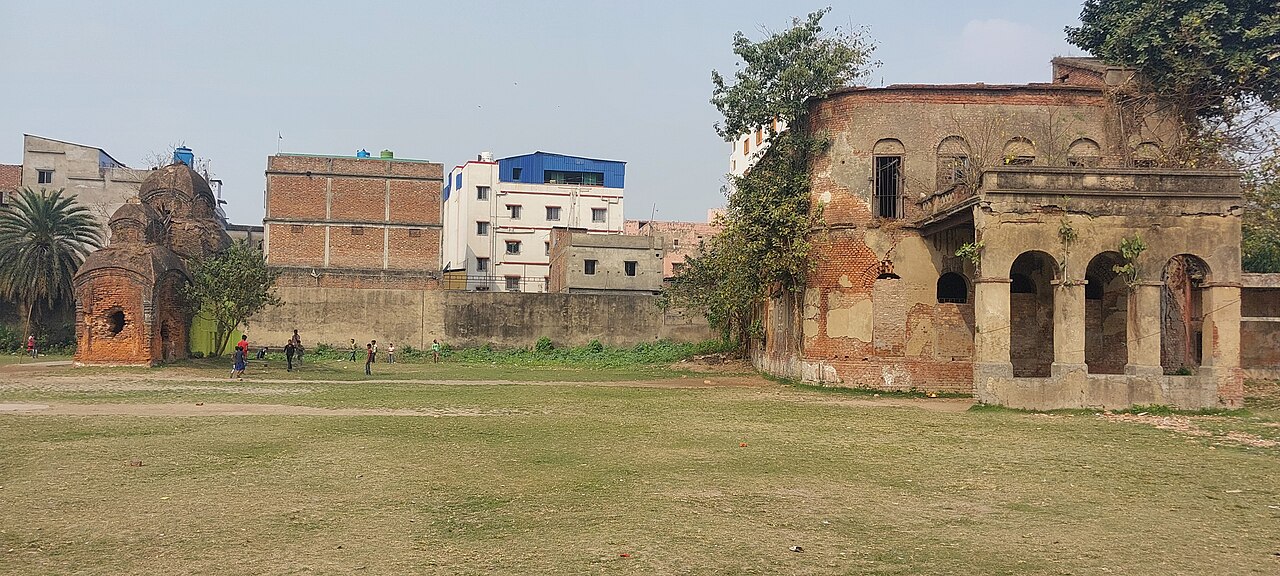
A brick monastery on the Hooghly riverside at Ghusuri, Howrah, founded in 1776 as the first Tibetan Buddhist religious foundation on the plains of India and still known popularly as Mahakal Math for the Tibetan deity images once installed in its sanctum.
 Buddhism
Borobudur
Magelang · Indonesia · temple
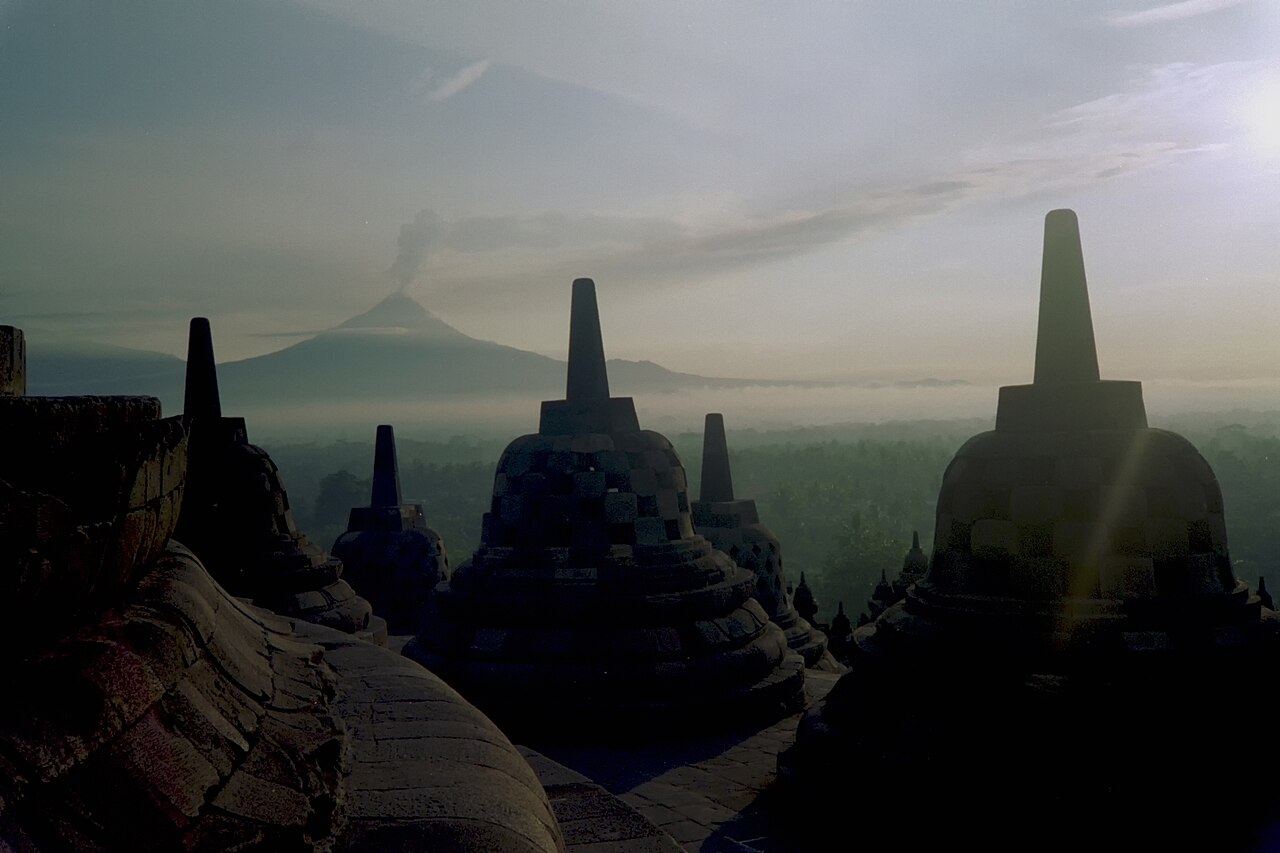
The world's largest Buddhist Temple: a ninth-century mandala in stone on Java's Kedu Plain, nine terraces rising through the three realms to 72 latticed stupas, each sheltering a seated Buddha.
 Buddhism
Boudhanath Stupa
Kathmandu · Nepal · stupa
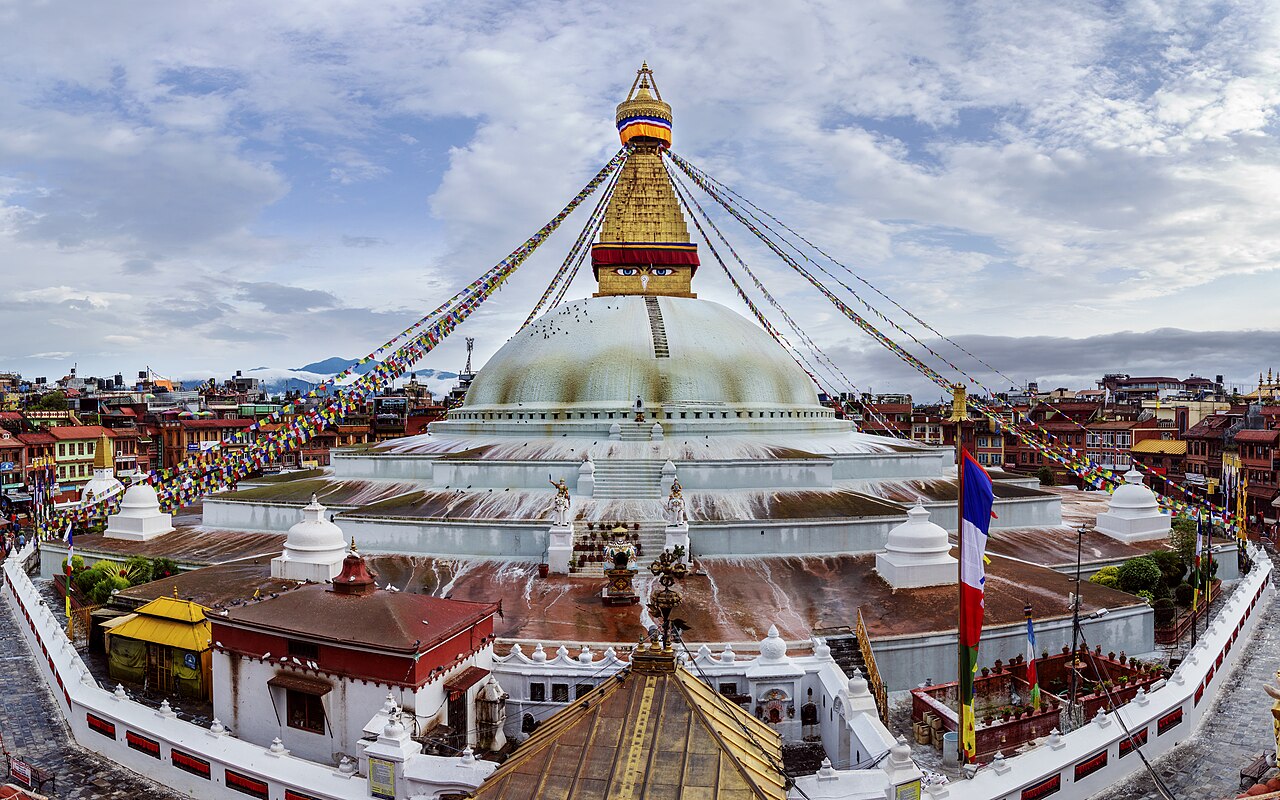
The largest spherical stupa in Nepal, its all-seeing Buddha eyes watching over the kora walked daily by the Tibetan Buddhist community of Boudha, the heart of Vajrayana practice in the Kathmandu Valley.
 Buddhism
Buddha Samyak Darshan Museum and Memorial Stupa
Vaishali · India · stupa
A newly completed museum and memorial stupa at Vaishaligarh in Bihar, raised entirely in pink sandstone beside the ancient Pushkarni pond to enshrine bodily relics of Gautama Buddha and to house a museum of Buddhist heritage.