Bhot Bagan Math
Bhot Bagan Moth · Mahakal Math
About
Situated in Ghusuri, on the banks of the Hooghly in West Bengal's Howrah district, Bhot Bagan Math, widely called Mahakal Math, stands as a living testament to the bridges once built between Tibet and India. Founded in 1776, it claims a historically unrivalled position as the foremost Tibetan Buddhist monastic foundation to take root in the lowland plains of the subcontinent.
What makes the complex especially rare is the spiritual synthesis it embodies. Under the stewardship of Puran Giri, a celebrated Dashnami saint, the monastery became a space where Śaiva worship and Tibetan Buddhist ritual practice coexisted and intermingled, an unusual confluence that reflects the ecumenical currents flowing between the Himalayan world and the Gangetic heartland in the late eighteenth century.
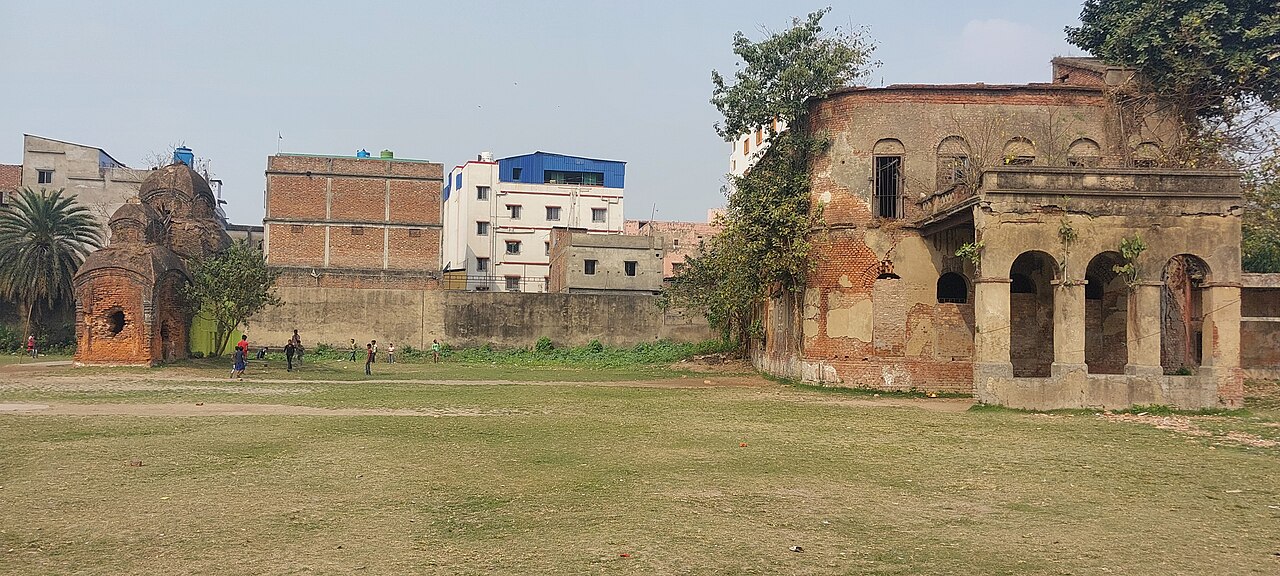
Today the compound, protected under the West Bengal Heritage Commission, comprises a cluster of brick-built structures, many now in a state of gentle ruin, alongside a Vaishnava Mahanta graveyard. Their weathered forms speak quietly of centuries of devotion, upheaval, and the passage of sacred time.
History
The third Panchen Lama, Lobsang Palden Yeshe, asked the East India Company envoy George Bogle in 1774 for a place on the Ganges where his people could pray, and Governor General Warren Hastings granted land at Ghusuri to Puran Giri, a Dashnami Shaiva monk serving as the Lama's envoy, formalised by charter in 1778. In 1780 the Panchen Lama sent images of Mahakala and Tara from Tibet for the new monastery's sanctum, but in 1795 armed dacoits attacked the math and killed Puran Giri as he defended it, carrying off the Mahakala image; the Tara image that survived is still popularly, if inaccurately, called Mahakal today. Qing-era restrictions ended the direct Tibetan connection by the early nineteenth century, Dashnami Shaiva successors took on lasting stewardship of the site, and the math was abandoned after 1905.
Significance
Bhot Bagan Math holds a documented place as the earliest Tibetan Buddhist monastic foundation on the Indian plains, born from an eighteenth-century diplomatic and spiritual exchange between the Panchen Lama's Tibet and Warren Hastings' Bengal. Its surviving brick shrines, raised in the Bengali atchala style beside a Vaishnava Mahanta graveyard, embody a genuine fusion of Tibetan Buddhist and Dashnami Shaiva devotion within one sacred precinct. Most of the complex stands in ruin and under West Bengal Heritage Commission protection today, though a caretaker family and a local priest are reported to continue simple daily worship at the site.
Architecture
Late 18th-century Bengal monastic brick architecture; the surviving Dashnami Shaiva shrines take the atchala (eight-sloped roof) form typical of Bengali samadhi mandirs
Visiting
Hours
Hours not listed.
Contact
No contact details listed yet.
Engage with Bhot Bagan Math
Through the four pathways
Seva सेवा — Service
Offer your time and skills here. The following opportunities are open at Bhot Bagan Math:
No Seva offerings listed yet.
Sādhana साधना — Practice
Learn the worship and practice associated with Bhot Bagan Math:
No Sādhana offerings listed yet.
Sandhāna सन्धान — Wisdom
Unite with the wisdom of this tradition:
No Sandhāna offerings listed yet.
Sādhya साध्य — Giving
Support this sacred place according to your means:
No Sādhya offerings listed yet.
All giving flows directly to Bhot Bagan Math. Adisthan does not take a commission.
Gallery
Related sacred places
 Buddhism
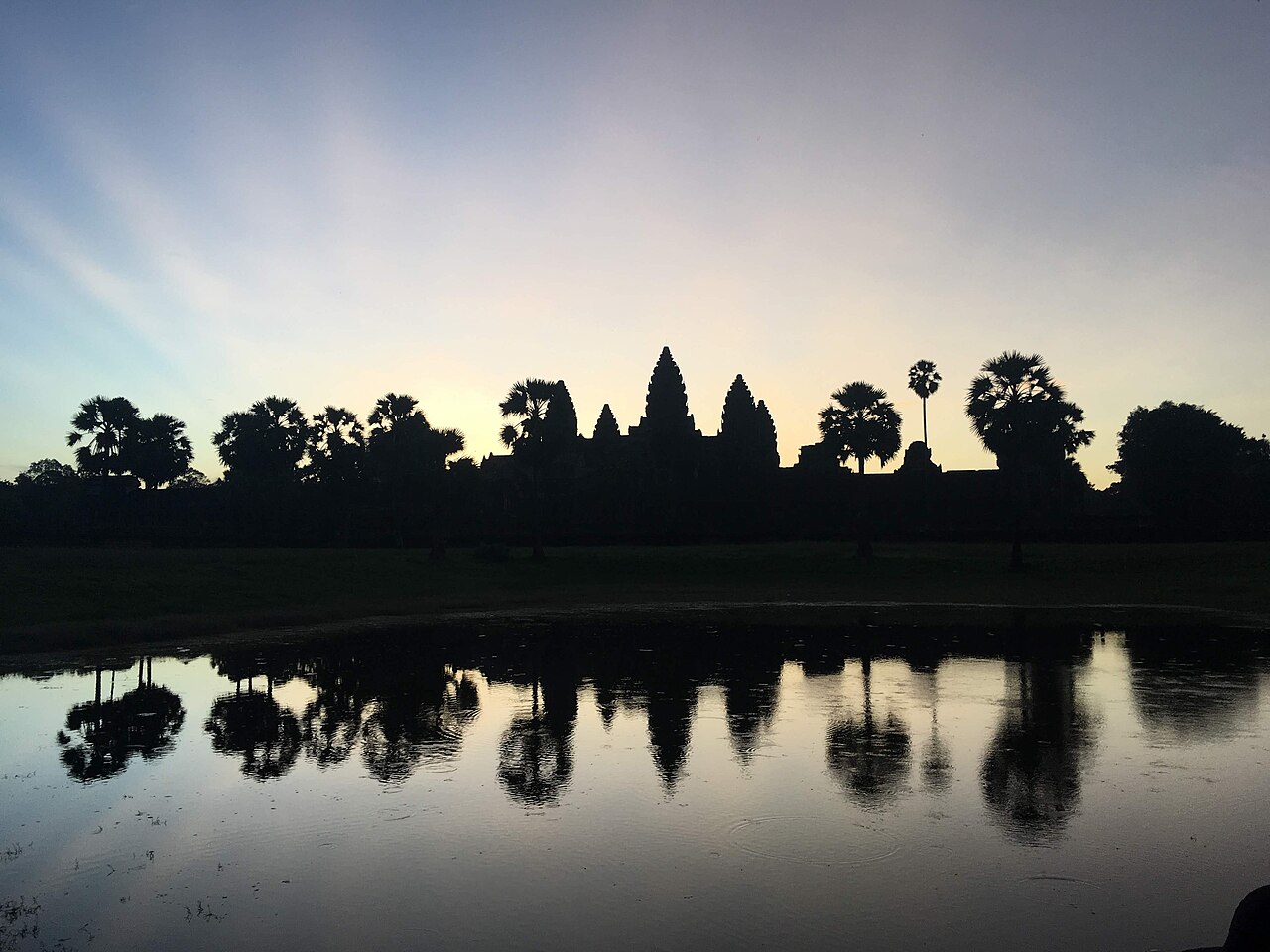
Angkor Wat
Siem Reap · Cambodia · temple
The largest religious monument on earth, built for Lord Vishnu by Suryavarman II in the 12th century and in continuous worship ever since: a living Theravada Buddhist Temple whose five towers stand on the Cambodian flag.
 Buddhism
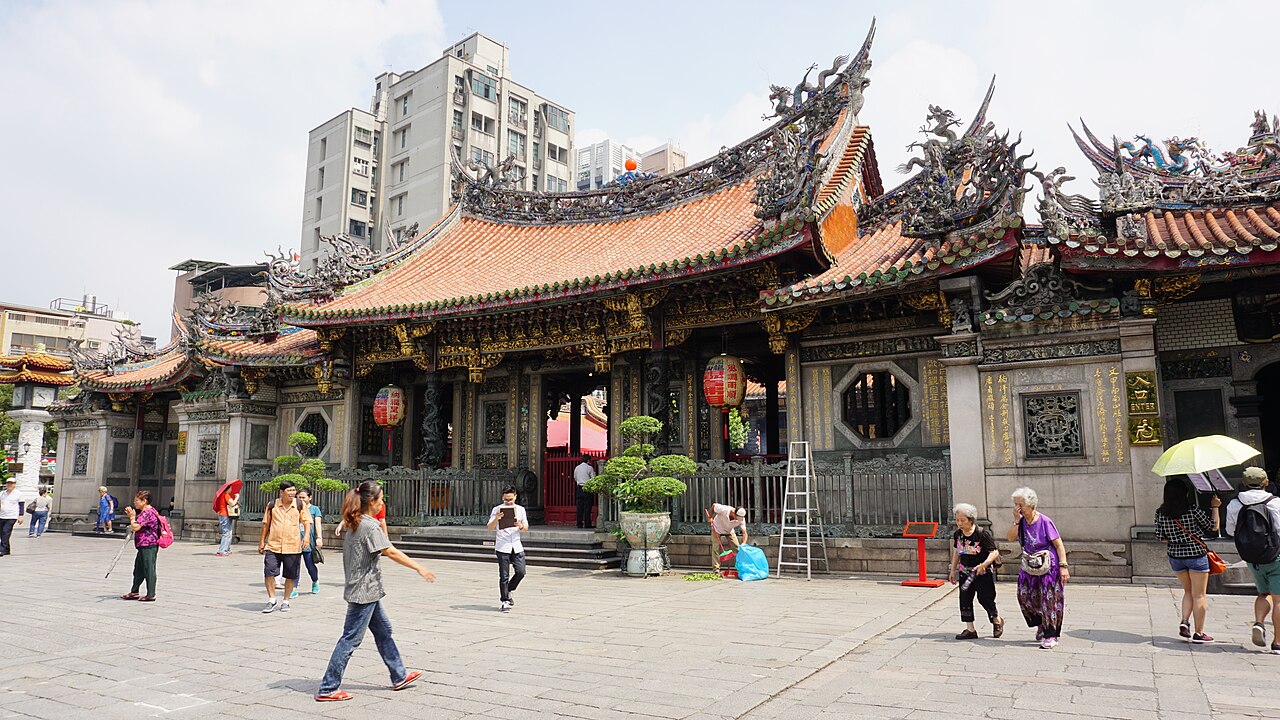
Bangka Lungshan Temple
Taipei (Wanhua) · Taiwan · temple
Taipei's mother Temple to Guanshiyin, founded by Fujian settlers in 1738 in the old Bangka quarter: a front hall to the bodhisattva of compassion and a rear hall of more than a hundred Taoist and folk gods, whose Guanyin statue survived the 1945 bombing intact.
 Buddhism
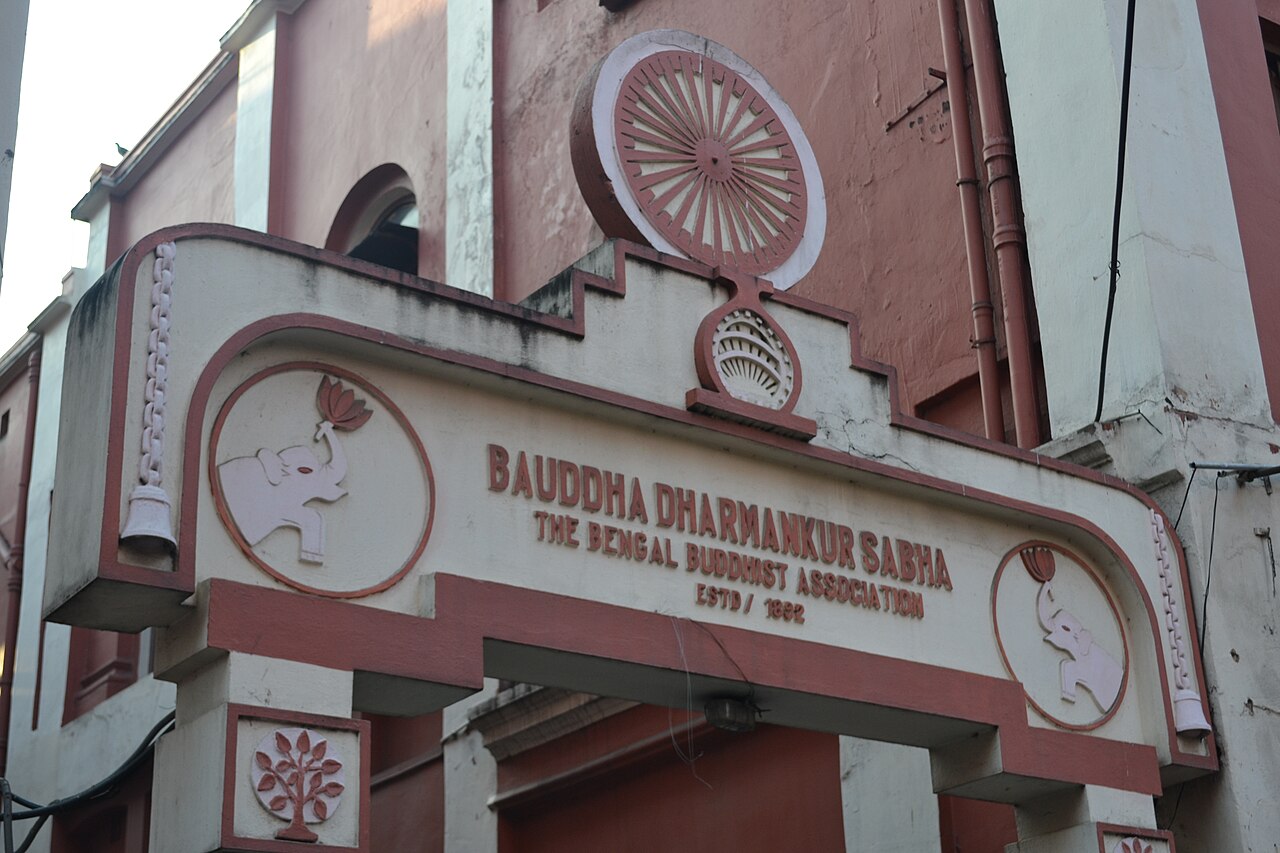
Bengal Buddhist Association
Kolkata · India · monastery
Founded in Kolkata in 1892 by Kripasaran Mahasthavir, the Bengal Buddhist Association, known in Bengali as Bauddha Dharmankur Sabha, raised the Dharmankur Vihara at Bow Barracks in 1903 and has worked for over a century to revive the Dharma in eastern India.
 Buddhism
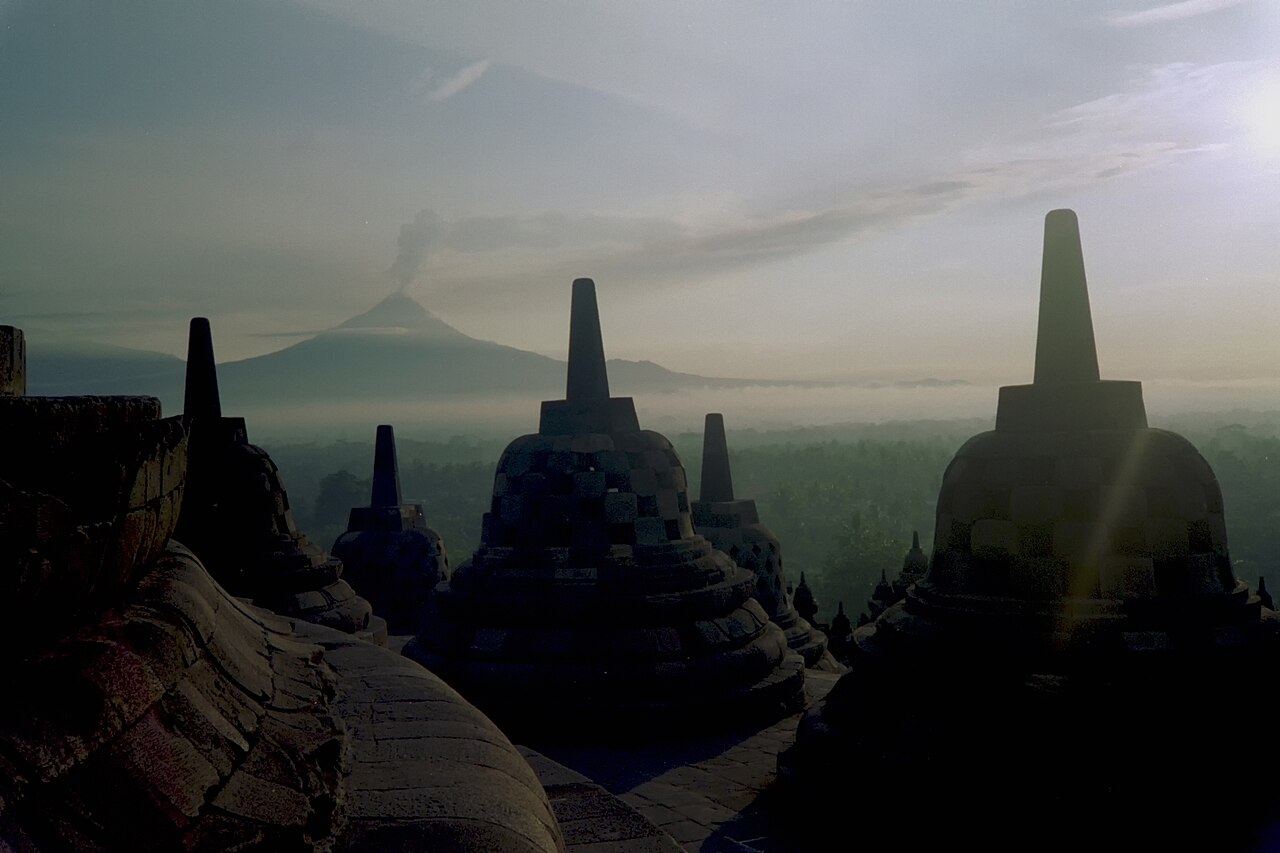
Borobudur
Magelang · Indonesia · temple
The world's largest Buddhist Temple: a ninth-century mandala in stone on Java's Kedu Plain, nine terraces rising through the three realms to 72 latticed stupas, each sheltering a seated Buddha.
 Buddhism
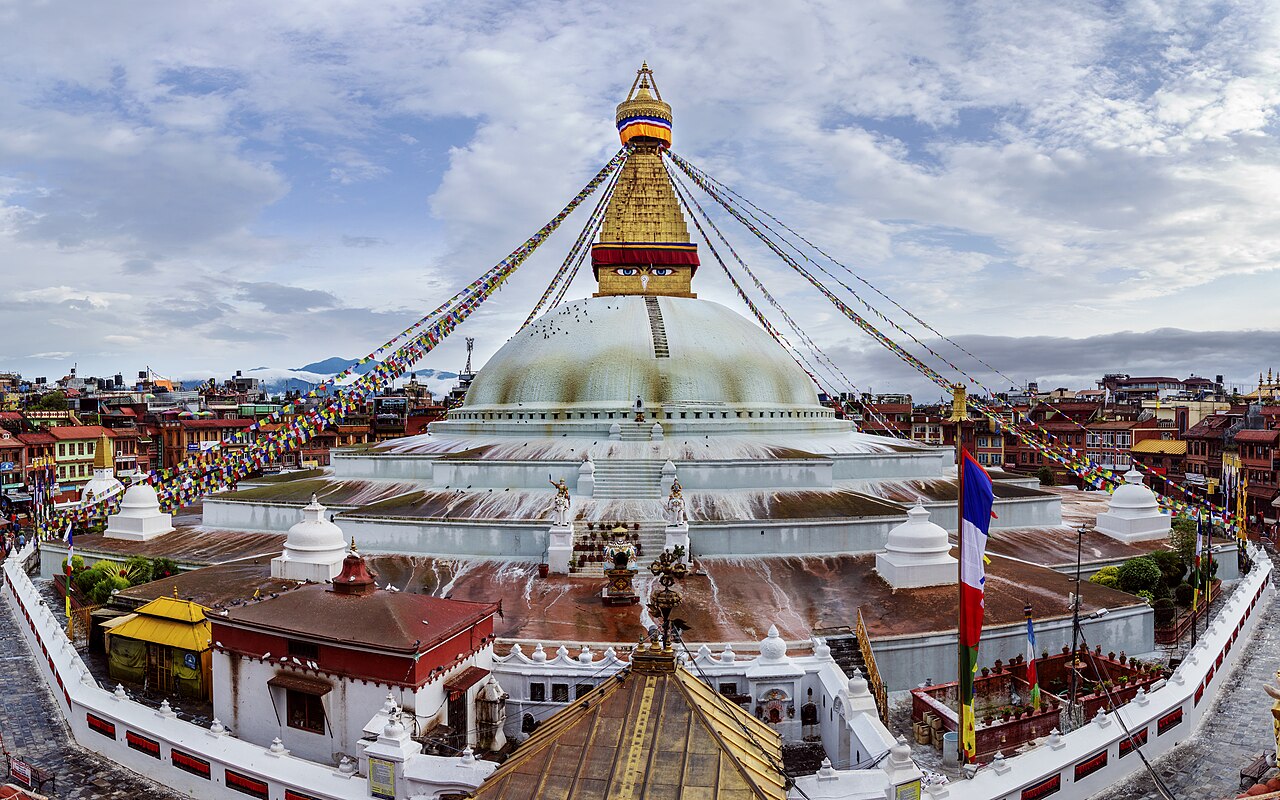
Boudhanath Stupa
Kathmandu · Nepal · stupa
The largest spherical stupa in Nepal, its all-seeing Buddha eyes watching over the kora walked daily by the Tibetan Buddhist community of Boudha, the heart of Vajrayana practice in the Kathmandu Valley.
 Buddhism
Buddha Samyak Darshan Museum and Memorial Stupa
Vaishali · India · stupa
A newly completed museum and memorial stupa at Vaishaligarh in Bihar, raised entirely in pink sandstone beside the ancient Pushkarni pond to enshrine bodily relics of Gautama Buddha and to house a museum of Buddhist heritage.