
Buddha Samyak Darshan Museum and Memorial Stupa
Buddha Smriti Stupa · Buddha Samyak Darshan Sangrahalya · Buddha Samyak Darshan Museum-cum-Smriti Stupa
About
Rising from seventy-two acres of land near the ancient city of Vaishali in Bihar, the Buddha Samyak Darshan Museum and Memorial Stupa is one of the most ambitious Buddhist cultural projects in contemporary India. The complex brings together a monumental stupa and a purpose-built museum dedicated to Gautama Buddha's life, teachings, and the long tradition of relic veneration that his passing set in motion. At its devotional heart are the sacred bone relics of the Buddha, fragments of his physical remains unearthed in the late twentieth century and now placed on public display for the first time in their history.
The structure is built entirely of sandstone, with more than forty-two thousand blocks quarried at Vanshi Paharpur in Rajasthan and assembled using earthquake-resistant techniques that deliberately avoid modern reinforcements, honouring traditional craft alongside contemporary safety standards. The Indian Institute of Technology Delhi provided technical oversight for the engineering. Facilities within the complex include a meditation centre, an amphitheatre, a research library, visitor galleries with artefacts and multimedia presentations, solar energy installations, and a large statue of the Buddha crafted by artisans in Odisha.
The project was developed by the Shapoorji Pallonji Group at a revised cost of ₹550.48 crore, and construction reached completion around July 2025. The museum is conceived along the lines of the Global Vipassana Pagoda in Mumbai, using three-dimensional models, animated films, and an interpretation centre to introduce pilgrims and visitors to the depth of Buddhism's living heritage. Bihar Chief Minister Nitish Kumar inaugurated the complex, with delegations from more than fifteen Buddhist-majority countries anticipated at the opening ceremony.
History
The relics enshrined here trace back to the Buddha's parinirvana at Kushinagar in the sixth century BCE, when the Licchavi rulers of Vaishali received their share of his bodily remains and raised a stupa over them at this site. That ancient relic stupa lay unmarked for centuries after the Chinese pilgrim Xuanzang recorded it in the seventh century CE, until archaeologist Anant Sadashiv Altekar excavated the relic casket between 1958 and 1962; the original casket has since been kept at the Patna Museum. The Bihar state cabinet approved a new museum and memorial stupa on this same ground in February 2013, construction began in February 2019, and Chief Minister Nitish Kumar inaugurated the completed complex on 29 July 2025 with Buddhist monks from some fifteen countries in attendance.
Significance
Vaishali was among the cities Gautama Buddha visited and taught in, and the Licchavi share of his bodily relics makes this one of a small number of places where an authenticated portion of the historical Buddha's remains can be venerated by pilgrims. Built without cement, concrete, or brick from roughly 38,500 interlocking pink sandstone blocks, the 33.10-metre stupa is described by its engineers and Bihar state media as the tallest stone stupa in India. Alongside it, the museum's galleries set this relic tradition within the wider span of Buddhist heritage for visitors from across the Buddhist world.
Architecture
Modern dry-stone stupa architecture in pink sandstone, built without cement or concrete from an estimated 38,500 interlocking blocks quarried at Bansi Paharpur, Rajasthan, with earthquake-resistant engineering reviewed by IIT Delhi; classical stupa form of hemispherical anda, harmika, and chatra finial, 33.10 metres tall with a 49.80-metre external diameter
Visiting
Hours
Hours not listed.
Contact
No contact details listed yet.
Engage with Buddha Samyak Darshan Museum and Memorial Stupa
Through the four pathways
Seva सेवा — Service
Offer your time and skills here. The following opportunities are open at Buddha Samyak Darshan Museum and Memorial Stupa:
No Seva offerings listed yet.
Sādhana साधना — Practice
Learn the worship and practice associated with Buddha Samyak Darshan Museum and Memorial Stupa:
No Sādhana offerings listed yet.
Sandhāna सन्धान — Wisdom
Unite with the wisdom of this tradition:
No Sandhāna offerings listed yet.
Sādhya साध्य — Giving
Support this sacred place according to your means:
No Sādhya offerings listed yet.
All giving flows directly to Buddha Samyak Darshan Museum and Memorial Stupa. Adisthan does not take a commission.
Gallery
Related sacred places
 Buddhism
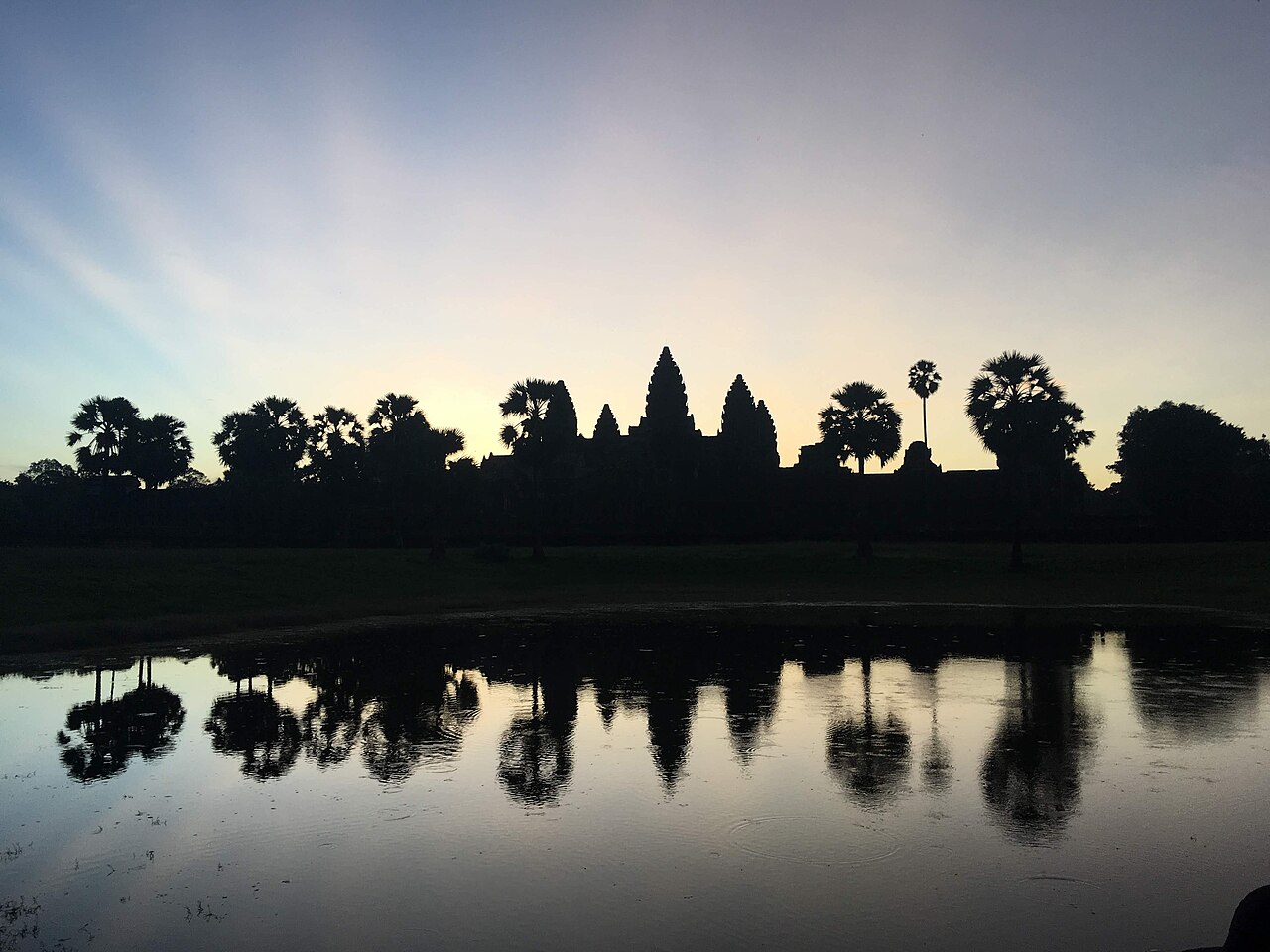
Angkor Wat
Siem Reap · Cambodia · temple
The largest religious monument on earth, built for Lord Vishnu by Suryavarman II in the 12th century and in continuous worship ever since: a living Theravada Buddhist Temple whose five towers stand on the Cambodian flag.
 Buddhism
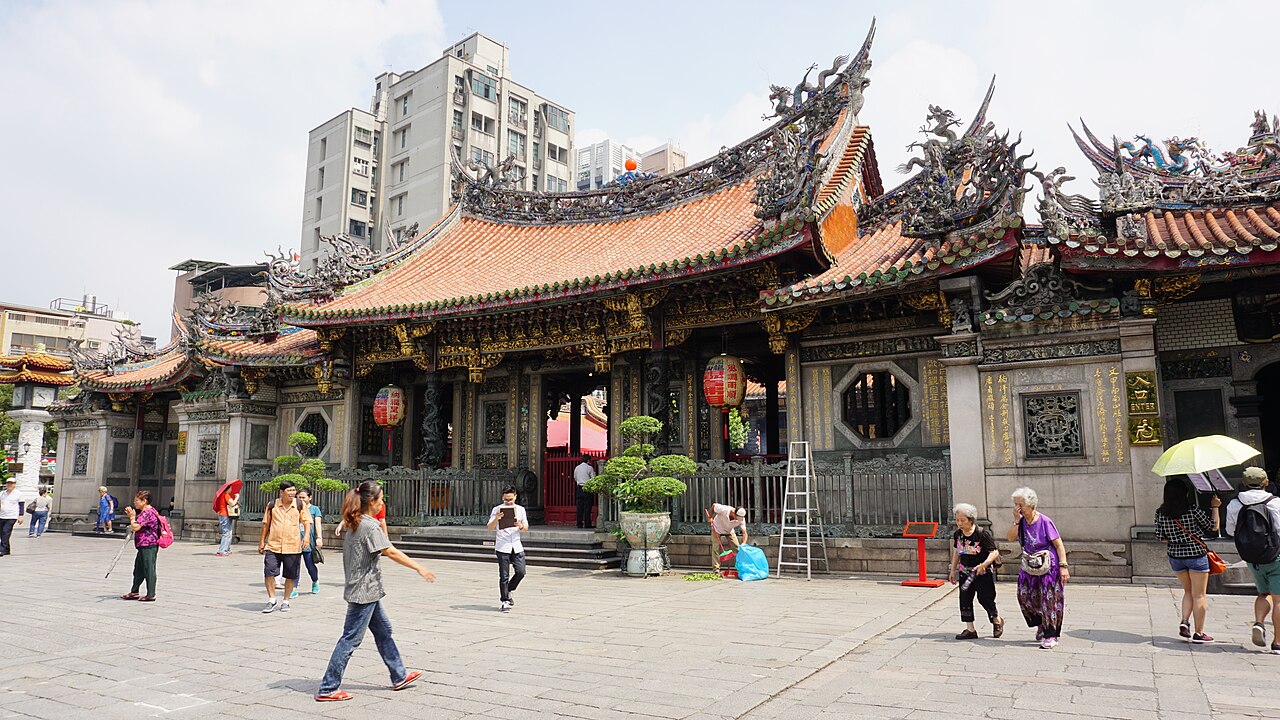
Bangka Lungshan Temple
Taipei (Wanhua) · Taiwan · temple
Taipei's mother Temple to Guanshiyin, founded by Fujian settlers in 1738 in the old Bangka quarter: a front hall to the bodhisattva of compassion and a rear hall of more than a hundred Taoist and folk gods, whose Guanyin statue survived the 1945 bombing intact.
 Buddhism
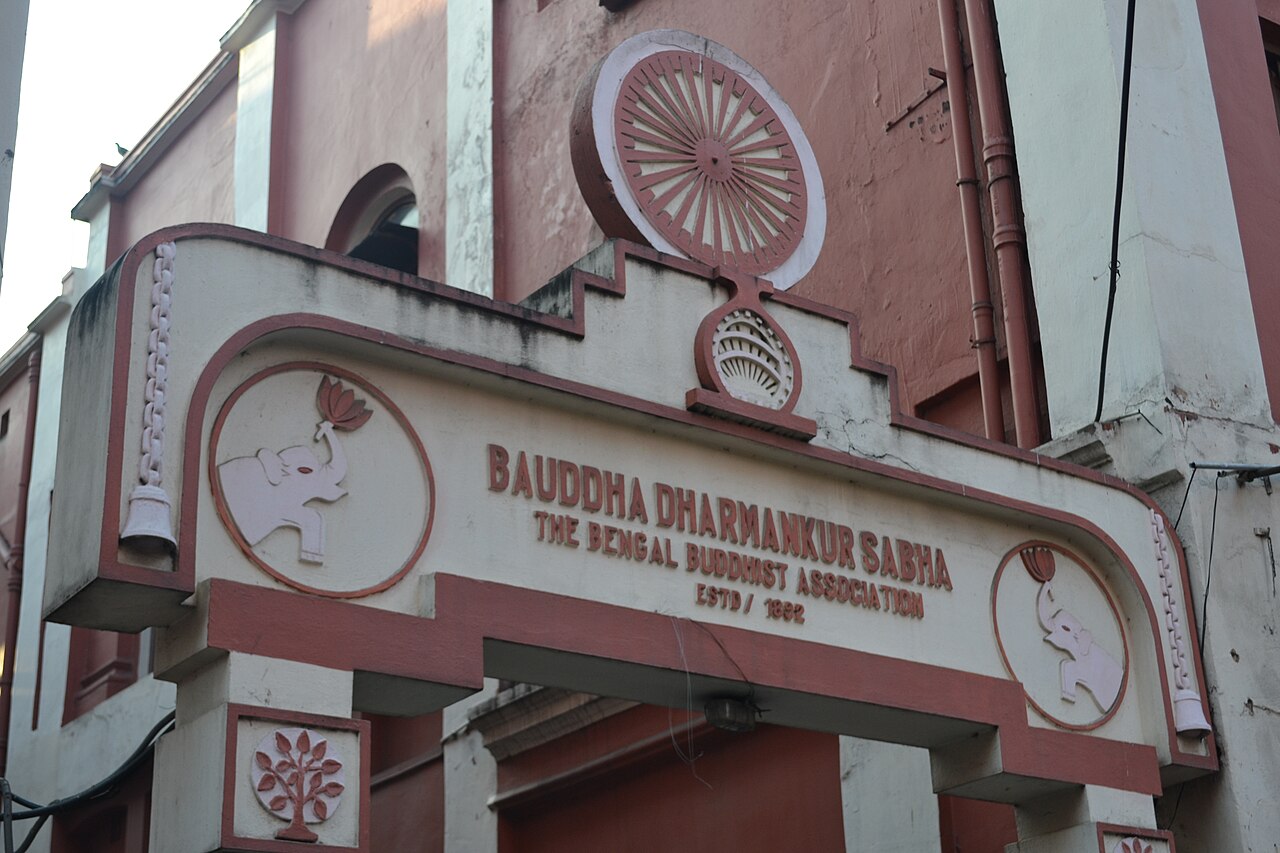
Bengal Buddhist Association
Kolkata · India · monastery
Founded in Kolkata in 1892 by Kripasaran Mahasthavir, the Bengal Buddhist Association, known in Bengali as Bauddha Dharmankur Sabha, raised the Dharmankur Vihara at Bow Barracks in 1903 and has worked for over a century to revive the Dharma in eastern India.
 Buddhism
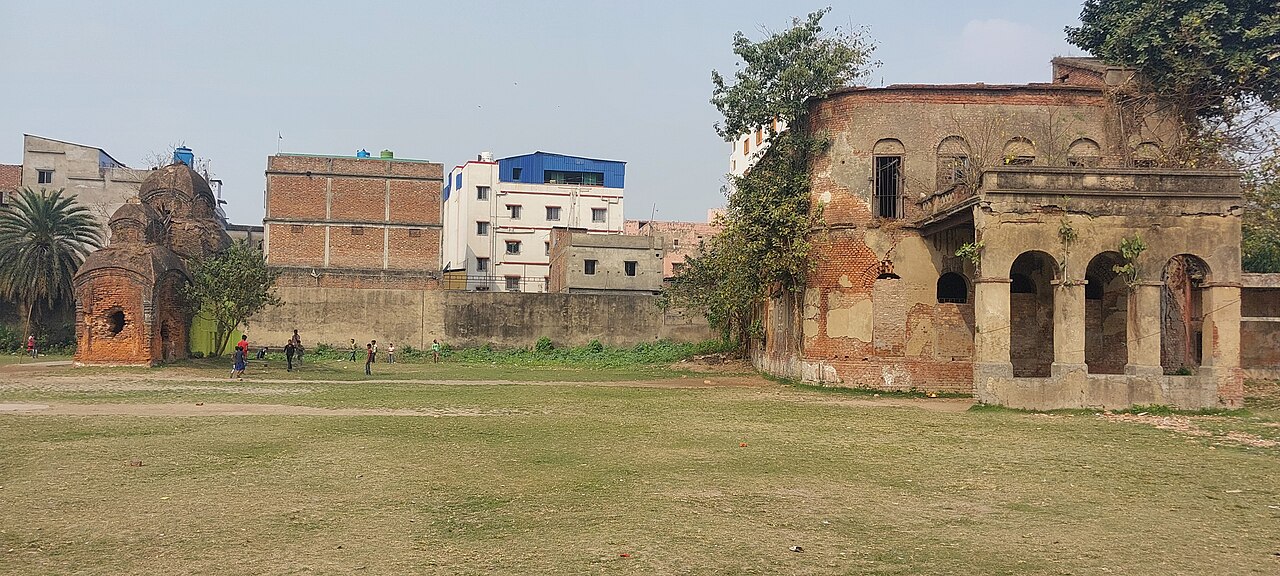
Bhot Bagan Math
Ghusuri · India · monastery
A brick monastery on the Hooghly riverside at Ghusuri, Howrah, founded in 1776 as the first Tibetan Buddhist religious foundation on the plains of India and still known popularly as Mahakal Math for the Tibetan deity images once installed in its sanctum.
 Buddhism
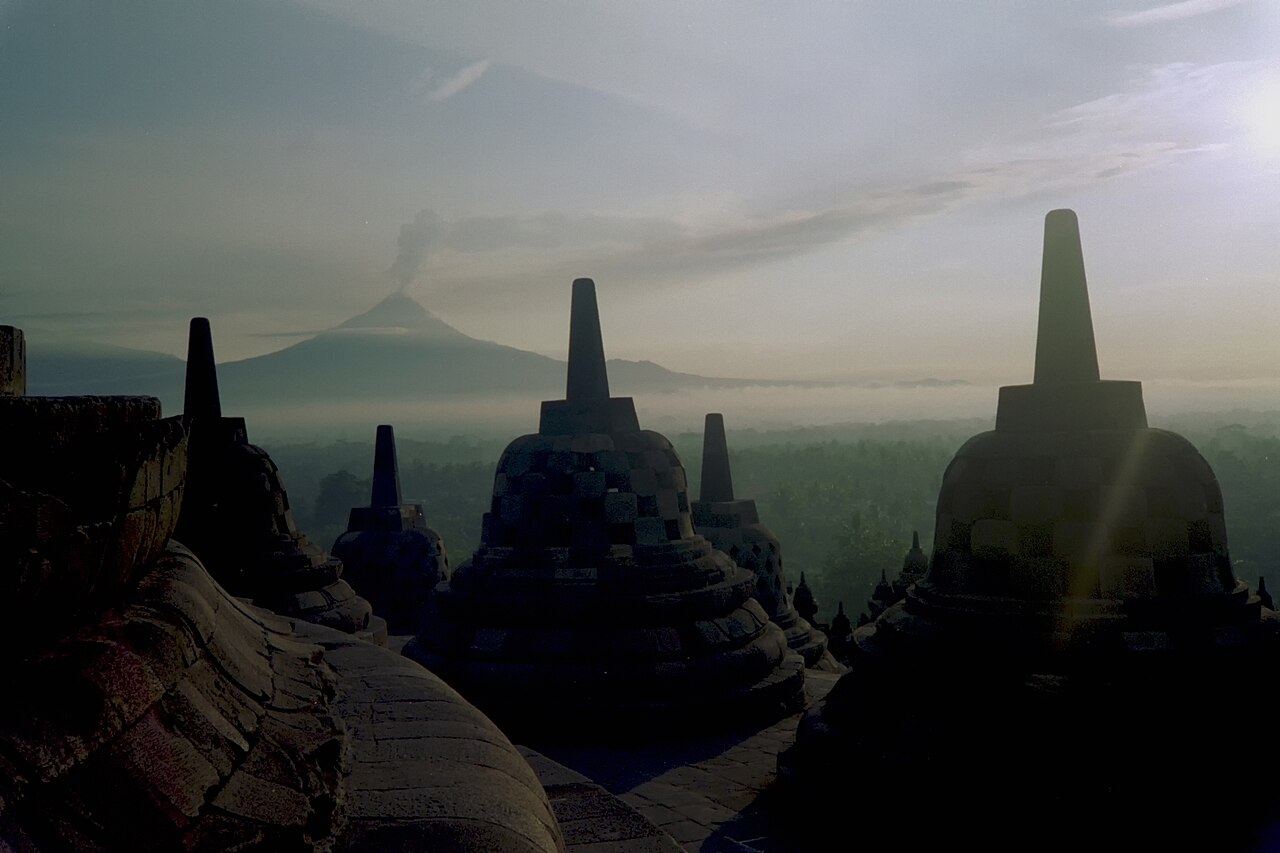
Borobudur
Magelang · Indonesia · temple
The world's largest Buddhist Temple: a ninth-century mandala in stone on Java's Kedu Plain, nine terraces rising through the three realms to 72 latticed stupas, each sheltering a seated Buddha.
 Buddhism
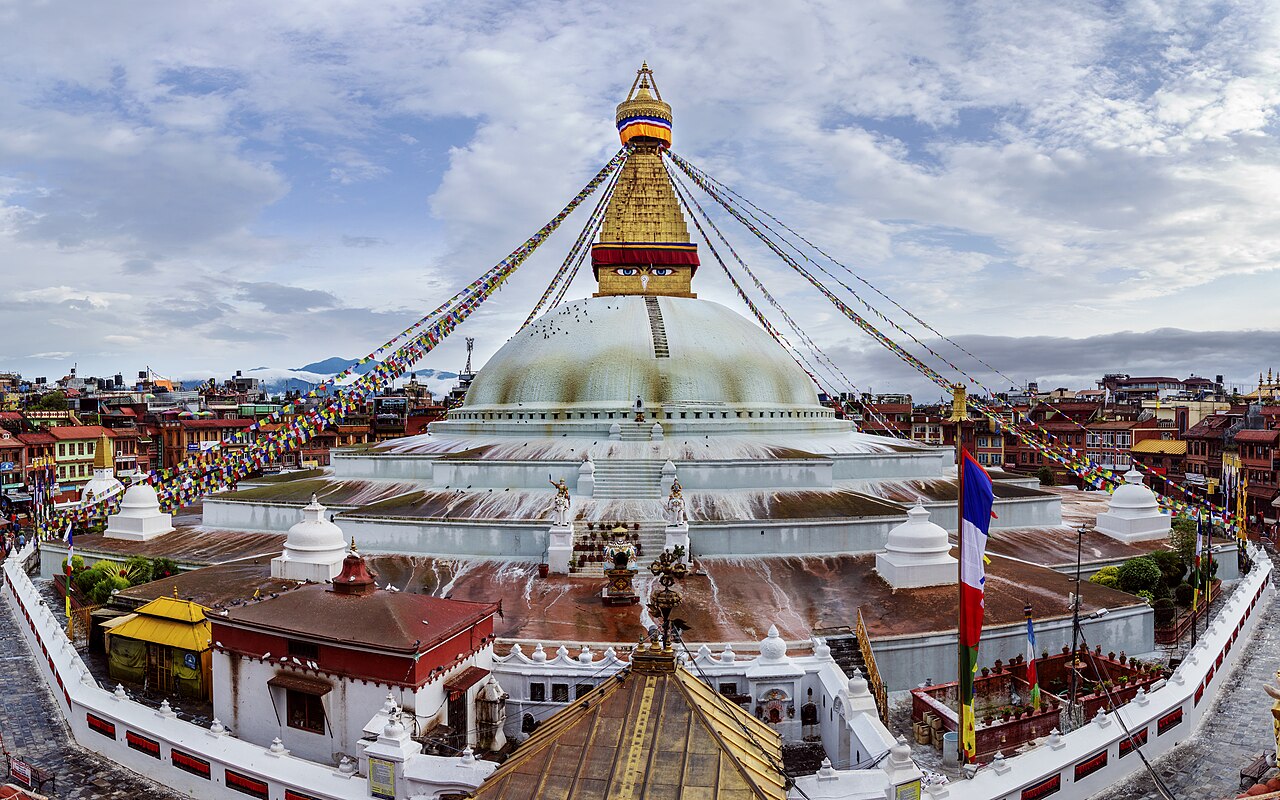
Boudhanath Stupa
Kathmandu · Nepal · stupa
The largest spherical stupa in Nepal, its all-seeing Buddha eyes watching over the kora walked daily by the Tibetan Buddhist community of Boudha, the heart of Vajrayana practice in the Kathmandu Valley.