
Biraja Temple
About
In the town of Jajpur, roughly 125 kilometres north of Bhubaneswar, stands the Biraja Temple, a shrine so central to the town's identity that Jajpur itself is known by the goddess's names, Birajā Kṣētra and Birajā Pīṭha. The structure seen today dates to the 11th century CE, though the site's sanctity reaches further back through Odisha's devotional history. Here Devi Durga is enshrined as Virajā, also called Birajā or Girijā, and the temple grounds spread wide enough to hold numerous subsidiary shrines honoring Shiva and other deities alongside her.
The presiding image is unusual among Durga forms: two-armed rather than many-armed, she drives a spear into the chest of the buffalo-demon Mahishasura with one hand while gripping his tail with the other, one foot planted on a lion and the other pressing down upon the demon himself. Her crown carries three further emblems: a figure of Ganesha, a crescent moon, and a lingam, binding Shaiva and Shakta symbolism into a single icon. Tradition holds, per the Skanda Purana, that the site purifies those who come to it, and it is on these grounds that the names Virajā Kṣētra and Birajā Kṣētra rest.
Jajpur's sacred landscape does not end with the temple itself. Local belief holds the town encompasses some ten million Shiva lingams scattered through its precincts, making the Biraja Temple one anchor within a far larger field of devotion rather than an isolated monument. A separate sanctum within the complex is set aside for Shri Bagalamukhi Devi, one of the ten Mahāvidyās, whose temples elsewhere are relatively rare, and it stands just to the goddess's right.
History
Tantric literature situates Biraja within a wider network of goddess worship across South Asia. The Brahmayamala Tantra's hymn to Shakti, the Ādya Stōtra, names Vimala as the goddess of Puri and Viraja, also called Girija, as the goddess of the old Utkala kingdom that became Odisha. The Tantra Cūḍamaṇi links the site to the Sati legend, holding that her navel fell within Utkala, thereafter known as Virajā Kṣētra, and Adi Shankara's Aṣṭadaśa Śakti Pīṭha Stuti likewise names the goddess here as Girija. Tantric texts also place the Ōḍḍiyāna Pīṭha, named for an ornament worn at the navel, in this same stretch of eastern India near the Baitarani River, reinforcing the temple's identity as a navel-seat among the Śakti Pīṭhas.
This navel symbolism carries into ritual practice as Nabhi Gaya: while Pitapuram in the south is associated with Pada Gaya (the feet) and a site in Bihar with Sira Gaya (the head), Jajpur's temple holds the Nabhi Gaya, marked by a sacred well, where pilgrims come to perform ancestral rites such as Pinda Dana, Tarpana, and Tithi offerings, with priests and ritual materials arranged by the temple itself.
Significance
The temple's ritual calendar centers on Sharadiya Durga Puja, which opens on the night of Krishna Paksha Ashtami ahead of Mahalaya and closes on Ashwin Shukla Paksha Navami; known as Shodasha Dinatatmika Puja, the observance unfolds over sixteen days. A chariot procession called Simhadhwaja, its banner marked with a lion, forms part of the festivities, and as the lunar days move from Shukla Ashtami toward Shukla Navami, an offering of animal sacrifice known as Bali Dāna takes place. Navratri here takes the form of Aparajita Puja, and the yearly round of observance further includes Nakshatra, Shravana, Prathamastami, Maha Bishuba or Pana Sankranti, Raja Parva, and Navanna. Day to day, Jajpur's Brahmin priests worship the goddess as Mahishasuramardini according to Tantra and Agama tradition, sustaining a devotional rhythm that has continued largely unbroken since the temple's founding.
Visiting
Engage with Biraja Temple
Through the four pathways
Seva सेवा — Service
Offer your time and skills here. The following opportunities are open at Biraja Temple:
No Seva offerings listed yet.
Sādhana साधना — Practice
Learn the worship and practice associated with Biraja Temple:
No Sādhana offerings listed yet.
Sandhāna सन्धान — Wisdom
Unite with the wisdom of this tradition:
No Sandhāna offerings listed yet.
Sādhya साध्य — Giving
Support this sacred place according to your means:
No Sādhya offerings listed yet.
All giving flows directly to Biraja Temple. Adisthan does not take a commission.
Related sacred places
 Hinduism
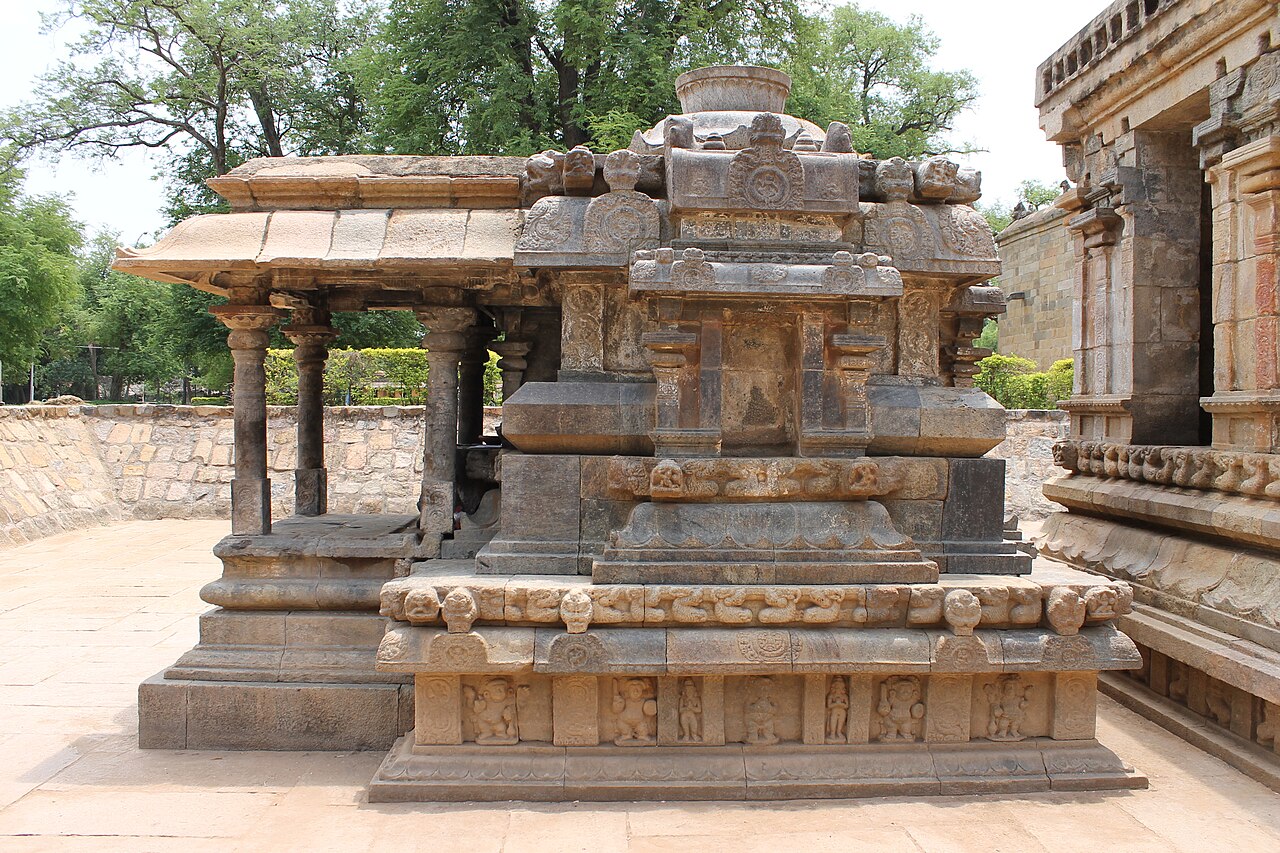
Airavatesvara Temple
· India · temple
A jewel of 12th-century Chola craftsmanship at Darasuram near Kumbakonam in Tamil Nadu, this Śaiva shrine dedicated to Lord Śiva stands among the UNESCO-listed Great Living Chola Temples for its extraordinary sculptural refinement.
Aisanyesvara Siva Temple
· India · temple
A living Śaiva temple from the thirteenth century, nestled near the western boundary of the great Lingarāja complex in Bhubaneswar, Odisha, where a Śivaliṅgam receives daily worship and the sacred rhythms of the liturgical year continue unbroken.
 Hinduism
Akhadachandi Temple
· India · temple
A 10th-century Hindu temple in the heart of Bhubaneswar's old town, Akhadachandi Temple stands on the southwestern shore of the sacred Bindusagar tank, honouring the goddess Mahiṣāsuramardinī in the ancient Kalinga style.
 Hinduism
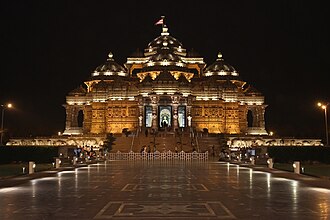
Akshardham
· India · temple
Swaminarayan Akshardham in Delhi is a vast Hindu mandir complex dedicated to devotion, learning, and harmony, drawing millions of pilgrims each year to its intricately carved sandstone and marble monument on the Yamuna's western bank.
 Hinduism
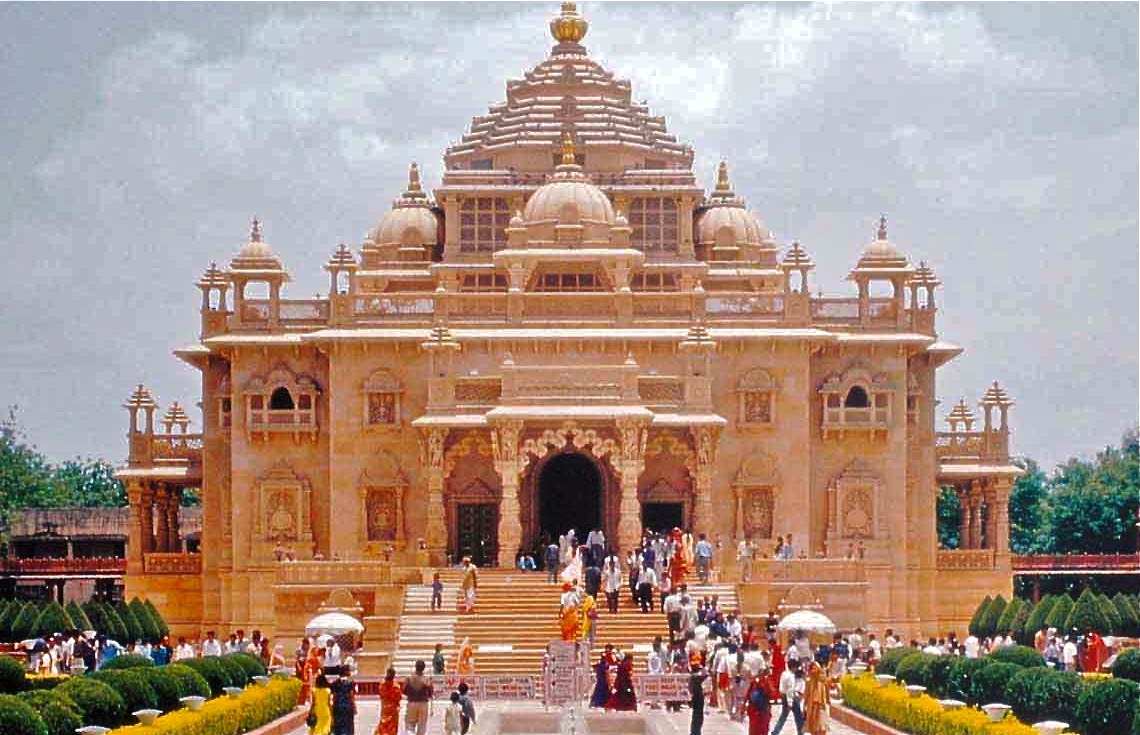
Akshardham (Gandhinagar)
· India · temple
A vast spiritual and cultural complex in Gujarat's capital, Gandhinagar, Swaminarayan Akshardham was conceived through the vision of Yogiji Maharaj and realized by Pramukh Swami Maharaj — a living testimony to the BAPS tradition's commitment to devotion, learning, and harmony.
 Hinduism
Alopi Devi Mandir
· India · temple
Alopi Devi Mandir is a Hindu temple in the Alopibagh neighborhood of Prayagraj, Uttar Pradesh, close to the sacred Sangam where the Ganges, the Yamuna, and the legendary Sarasvati are believed to converge.