
Chaneti Buddhist Stupa
Buddhist Stupa Chaneti · Chaneti Stupa · Chaneti Buddha Stupa
About
Rising from the plains of Haryana near the town of Jagadhri, the Chaneti Buddhist Stupa is among the oldest surviving sacred structures in northern India, raised during the 3rd century BC and held in the care of the Government of India as a protected monument. It stands approximately three kilometres to the east of Jagadhri and a similar distance northwest of the ancient archaeological site of Sugh, situating it within a landscape long layered with spiritual and historical resonance.
The stupa is built in the classic hemispherical form, its rounded silhouette composed of fired bricks arranged in careful concentric layers one upon another, a construction method that has endured the passage of more than two millennia. This patient, orderly masonry speaks to the devotion of those who built it: each brick placed as an act of merit, the whole form a symbol of the Buddha's mind and the path toward liberation.
The site earned a mention from Hiuen Tsang, the learned 7th-century Chinese monk whose westward pilgrimage brought him through the sacred geography of the Indian subcontinent. His reference lends the stupa a place not only in the Buddhist memory of the region but also in the broader tradition of pilgrimage scholarship. Today it remains a quiet landmark amid the agricultural landscape of Haryana, inviting reflection on the depth of the Buddhist presence that once flourished across this part of the subcontinent.
History
Historians identify Chaneti as one of the stupas the seventh-century Chinese pilgrim-monk Hiuen Tsang recorded scattered around Shrughna, the ancient city whose remains survive at nearby Sugh, describing a landscape adorned with stupas and a monastery as Buddhism spread during the Mauryan era of Emperor Ashoka. Built in the third century BC of fired brick laid in concentric courses to raise its hemispherical form, the stupa was later enlarged during the Kushan period, when four small shrines were added at its cardinal points along the old circumambulatory path. Haryana's Directorate of Archaeology and Museums first held the site under state protection before handing it to the Archaeological Survey of India in 2005 for conservation.
Significance
Chaneti's brick mound, roughly eight metres high, belongs to the same hemispherical tradition as the Dharmarajika and Shahpur stupas at Taxila, and its long, patient courses of brick stand as a quiet testimony to a Buddhist presence in Haryana far less visited than Bodh Gaya or Sarnath. No resident community worships here today: the stupa survives as an ancient monument, protected and conserved, open to whoever walks the fields near Jagadhri to see it.
Architecture
Mauryan-Kushan era Buddhist stupa architecture: a solid hemispherical brick anda built in concentric courses, in the same tradition as the Dharmarajika and Shahpur stupas at Taxila
Visiting
Hours
Hours not listed.
Contact
No contact details listed yet.
Address
Engage with Chaneti Buddhist Stupa
Through the four pathways
Seva सेवा — Service
Offer your time and skills here. The following opportunities are open at Chaneti Buddhist Stupa:
No Seva offerings listed yet.
Sādhana साधना — Practice
Learn the worship and practice associated with Chaneti Buddhist Stupa:
No Sādhana offerings listed yet.
Sandhāna सन्धान — Wisdom
Unite with the wisdom of this tradition:
No Sandhāna offerings listed yet.
Sādhya साध्य — Giving
Support this sacred place according to your means:
No Sādhya offerings listed yet.
All giving flows directly to Chaneti Buddhist Stupa. Adisthan does not take a commission.
Gallery
Related sacred places
 Buddhism
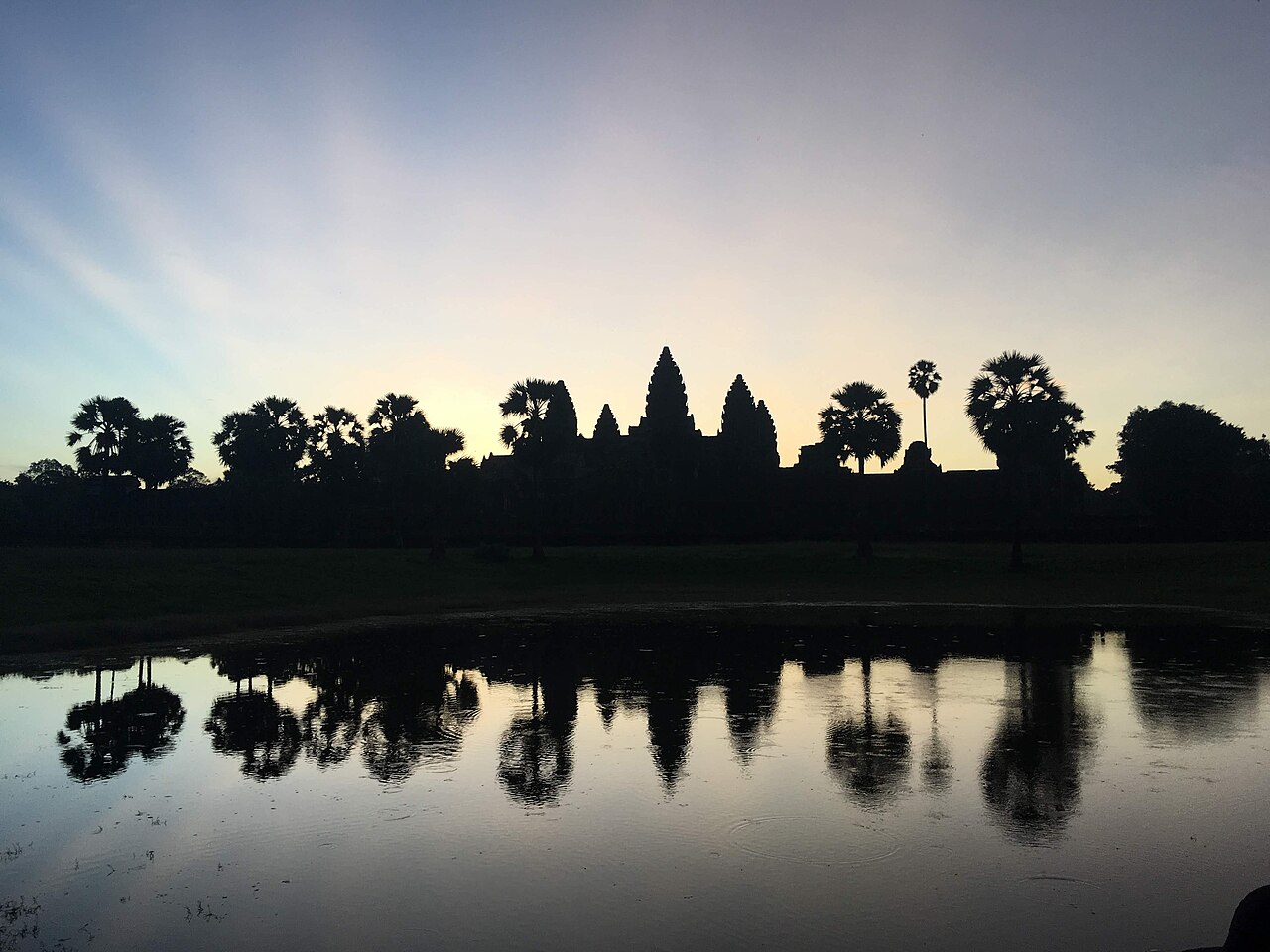
Angkor Wat
Siem Reap · Cambodia · temple
The largest religious monument on earth, built for Lord Vishnu by Suryavarman II in the 12th century and in continuous worship ever since: a living Theravada Buddhist Temple whose five towers stand on the Cambodian flag.
 Buddhism
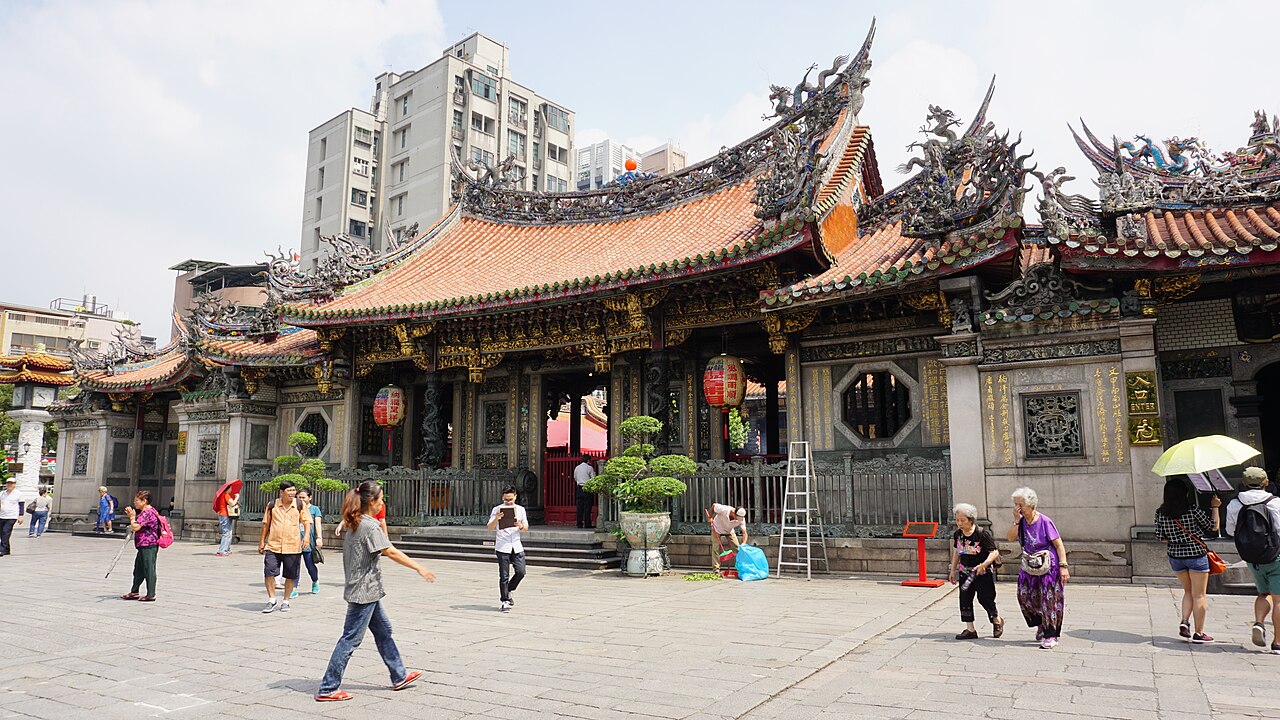
Bangka Lungshan Temple
Taipei (Wanhua) · Taiwan · temple
Taipei's mother Temple to Guanshiyin, founded by Fujian settlers in 1738 in the old Bangka quarter: a front hall to the bodhisattva of compassion and a rear hall of more than a hundred Taoist and folk gods, whose Guanyin statue survived the 1945 bombing intact.
 Buddhism
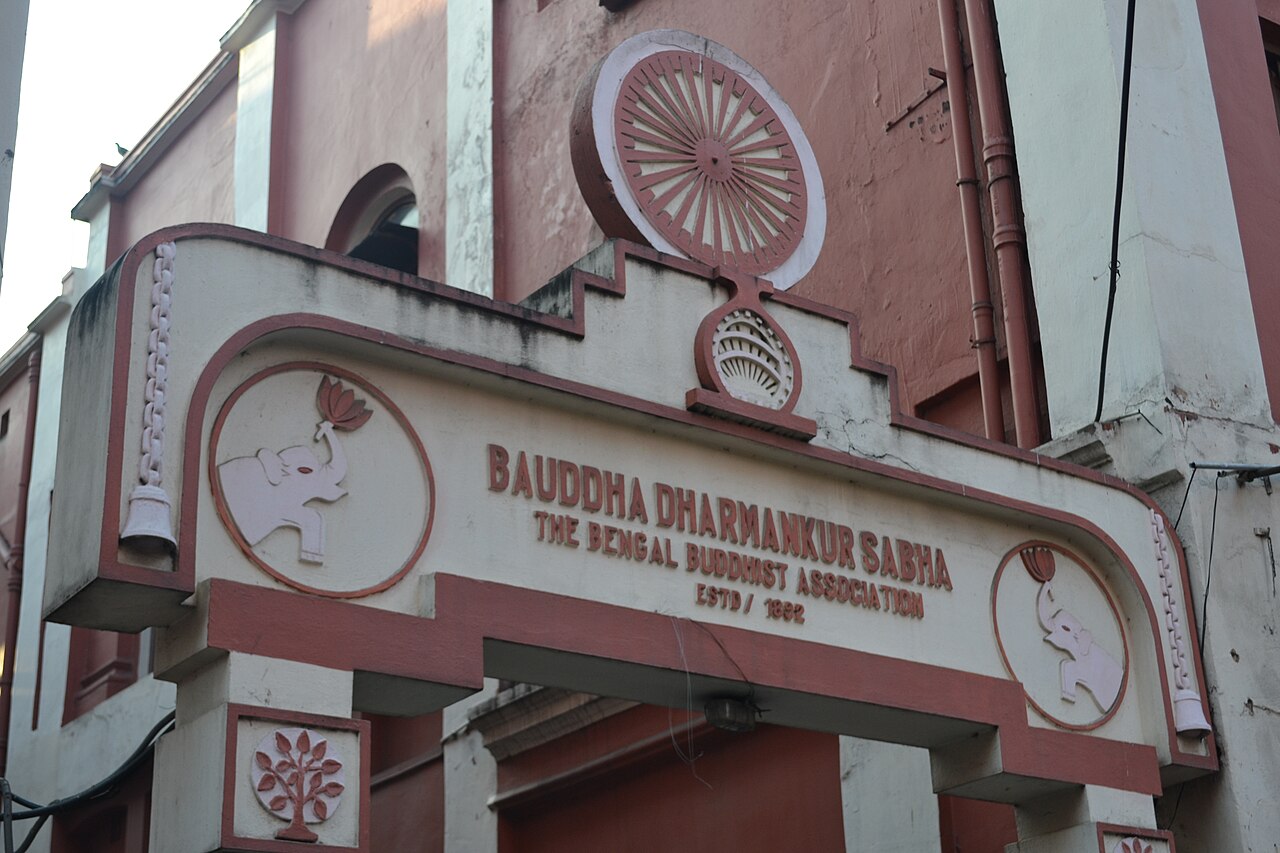
Bengal Buddhist Association
Kolkata · India · monastery
Founded in Kolkata in 1892 by Kripasaran Mahasthavir, the Bengal Buddhist Association, known in Bengali as Bauddha Dharmankur Sabha, raised the Dharmankur Vihara at Bow Barracks in 1903 and has worked for over a century to revive the Dharma in eastern India.
 Buddhism
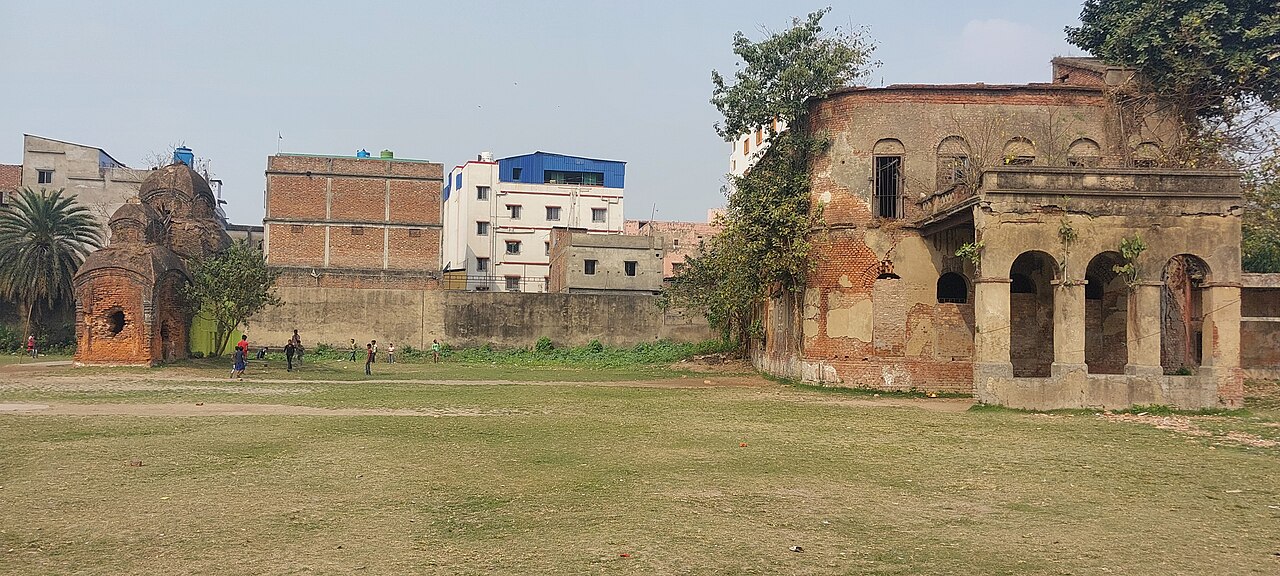
Bhot Bagan Math
Ghusuri · India · monastery
A brick monastery on the Hooghly riverside at Ghusuri, Howrah, founded in 1776 as the first Tibetan Buddhist religious foundation on the plains of India and still known popularly as Mahakal Math for the Tibetan deity images once installed in its sanctum.
 Buddhism
Borobudur
Magelang · Indonesia · temple
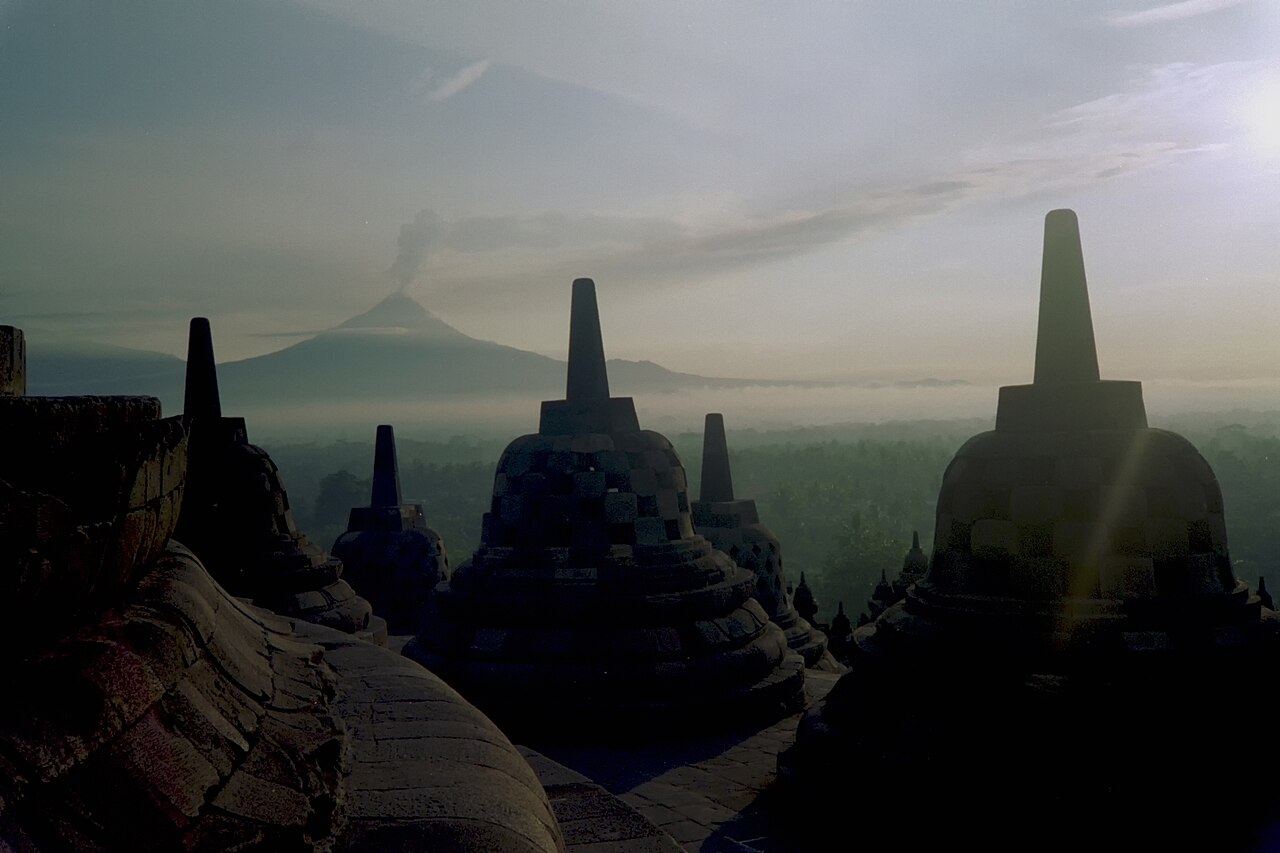
The world's largest Buddhist Temple: a ninth-century mandala in stone on Java's Kedu Plain, nine terraces rising through the three realms to 72 latticed stupas, each sheltering a seated Buddha.
 Buddhism
Boudhanath Stupa
Kathmandu · Nepal · stupa
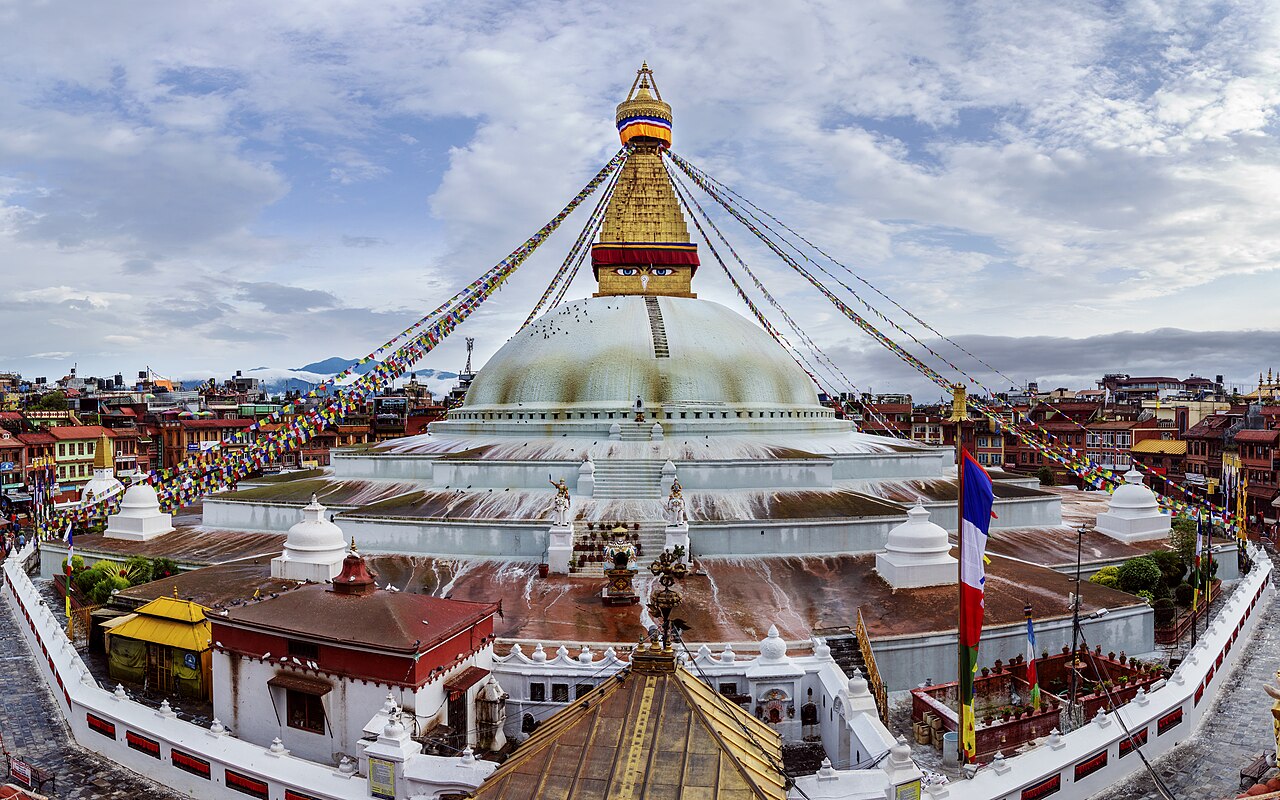
The largest spherical stupa in Nepal, its all-seeing Buddha eyes watching over the kora walked daily by the Tibetan Buddhist community of Boudha, the heart of Vajrayana practice in the Kathmandu Valley.