
Chaukhandi Stupa
About
Rising above the sacred landscape of Sarnath some eight kilometres from Varanasi, the Chaukhandi Stūpa stands as a quiet witness to one of the most consequential moments in Buddhist memory: the meeting of the newly enlightened Gautama with the five companions who would become his earliest followers. The mound itself is a substantial earthen mass faced with fired brick, its bulk conveying age and endurance rather than ornamental delicacy.
Crowning the ancient structure is an octagonal tower of Mughal workmanship, its angular geometry sitting in deliberate contrast to the rounded mass below. The juxtaposition of Buddhist foundation and Mughal superstructure gives the monument a layered visual character, each stratum representing a distinct chapter in the long human story of this ground.
The Archaeological Survey of India maintains the site and formally recognised its exceptional value by designating it a monument of national importance in June 2019. For pilgrims arriving along the dusty roads of Uttar Pradesh, the stūpa serves as a threshold, an invitation to pause and recall the moment when the Dharma first passed from teacher to student.
History
Archaeologists generally date the original terraced structure to the Gupta period, around the fourth or fifth century CE, and the seventh-century Chinese pilgrim Xuanzang recorded a stupa at this spot during his travels through the sacred geography of Sarnath. Excavations carried out in 1835 and again in 1904-05 uncovered a stepped brick mound rising in three terraces to a height of roughly ninety-three feet, its wall niches once holding images of the Buddha in the dharmachakra pravartana mudra, the gesture of turning the Wheel of Dharma. In 1588, during the reign of the Mughal emperor Akbar, Govardhan, son of the finance minister Raja Todar Mal, raised the octagonal brick tower that still crowns the mound, built, an Arabic inscription over its northern gate records, to commemorate the visit of the emperor Humayun to this ground. The Archaeological Survey of India has cared for the site since, and in June 2019 declared it a monument of national importance.
Significance
For Buddhists this ground holds the memory of a reunion, not yet the teaching itself: the moment when the newly awakened Buddha, walking from Bodh Gaya toward the Deer Park, found again the five ascetics who had once shared his years of austerity and had left him when he abandoned that path. Tradition holds that recognition passed between them here, before the six walked on together to the ground where the first sermon would be given. The stupa's later crown, a Mughal watchtower raised to mark an emperor's passing visit, leaves the monument carrying two histories in one silhouette: Buddhist memory at its base, Mughal memory at its summit.
Architecture
Gupta-period Buddhist stupa, a terraced brick mound in three diminishing tiers, crowned by a 1588 CE Mughal octagonal brick watchtower, a single structure spanning two distinct architectural traditions
Visiting
Hours
Hours not listed.
Contact
No contact details listed yet.
Engage with Chaukhandi Stupa
Through the four pathways
Seva सेवा — Service
Offer your time and skills here. The following opportunities are open at Chaukhandi Stupa:
No Seva offerings listed yet.
Sādhana साधना — Practice
Learn the worship and practice associated with Chaukhandi Stupa:
No Sādhana offerings listed yet.
Sandhāna सन्धान — Wisdom
Unite with the wisdom of this tradition:
No Sandhāna offerings listed yet.
Sādhya साध्य — Giving
Support this sacred place according to your means:
No Sādhya offerings listed yet.
All giving flows directly to Chaukhandi Stupa. Adisthan does not take a commission.
Gallery
Related sacred places
 Buddhism
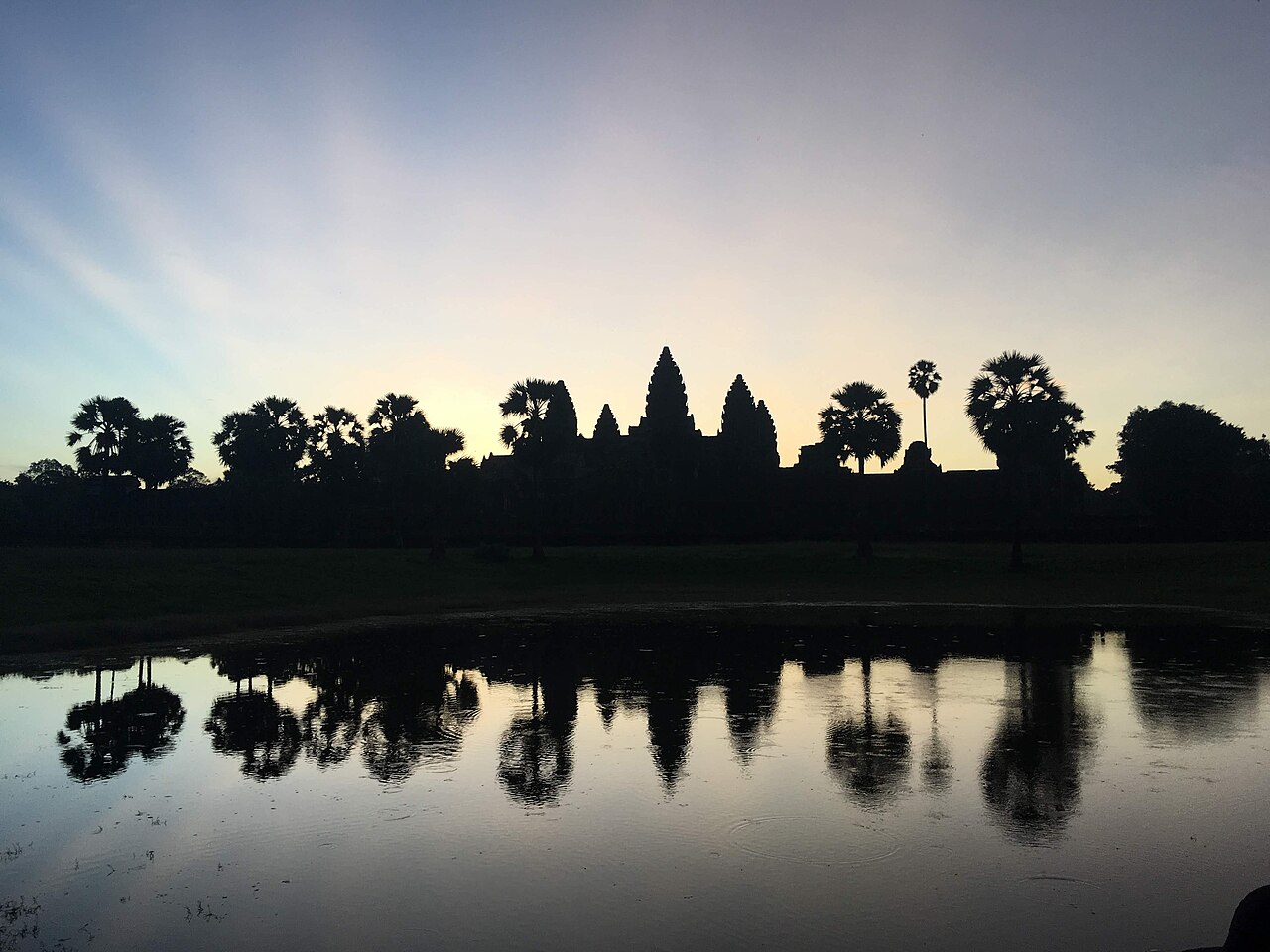
Angkor Wat
Siem Reap · Cambodia · temple
The largest religious monument on earth, built for Lord Vishnu by Suryavarman II in the 12th century and in continuous worship ever since: a living Theravada Buddhist Temple whose five towers stand on the Cambodian flag.
 Buddhism
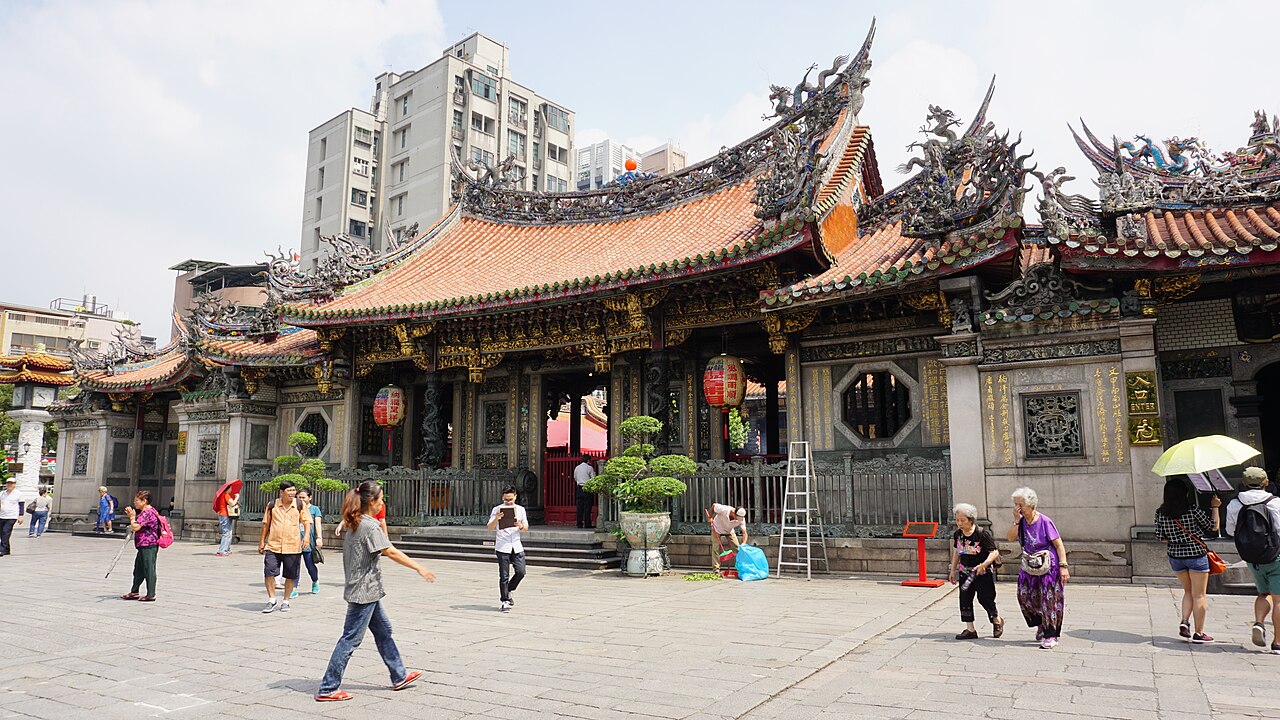
Bangka Lungshan Temple
Taipei (Wanhua) · Taiwan · temple
Taipei's mother Temple to Guanshiyin, founded by Fujian settlers in 1738 in the old Bangka quarter: a front hall to the bodhisattva of compassion and a rear hall of more than a hundred Taoist and folk gods, whose Guanyin statue survived the 1945 bombing intact.
 Buddhism
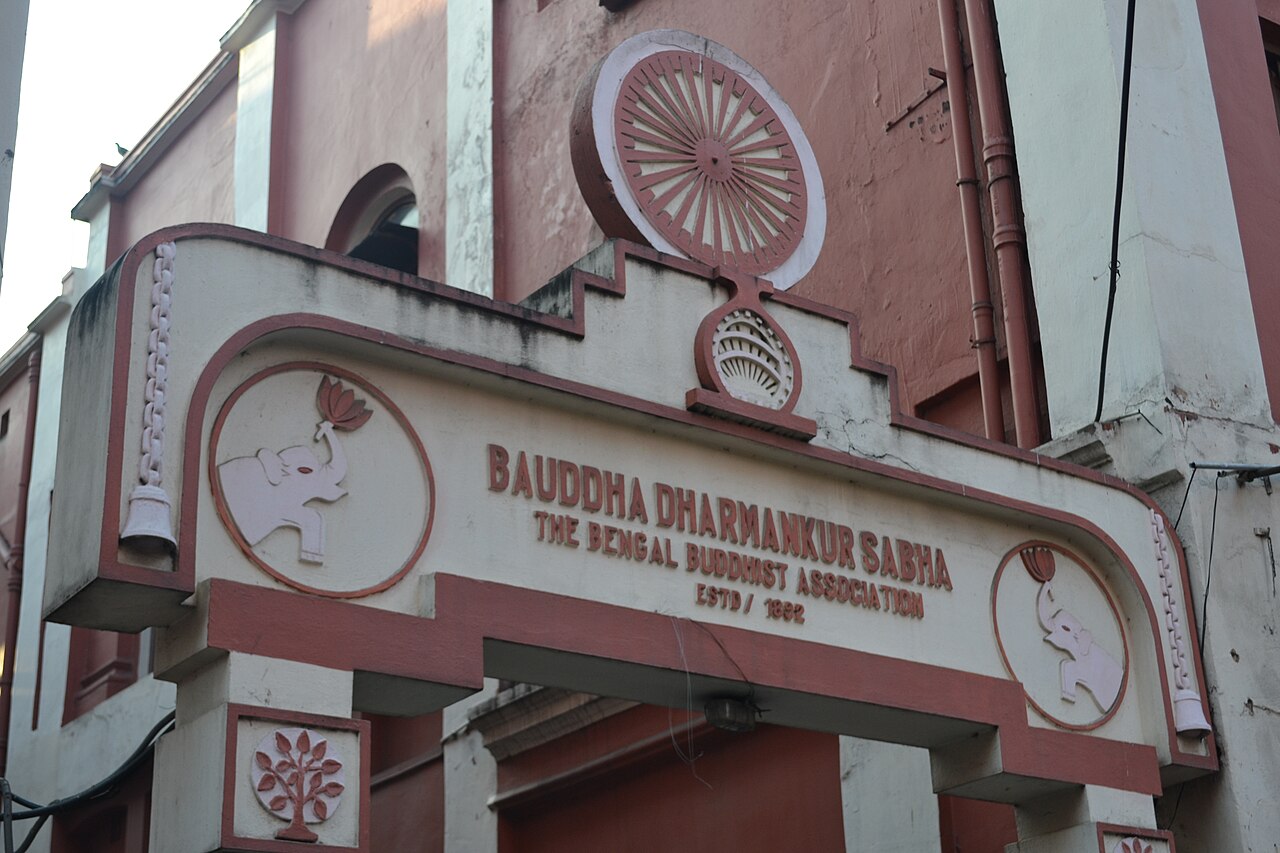
Bengal Buddhist Association
Kolkata · India · monastery
Founded in Kolkata in 1892 by Kripasaran Mahasthavir, the Bengal Buddhist Association, known in Bengali as Bauddha Dharmankur Sabha, raised the Dharmankur Vihara at Bow Barracks in 1903 and has worked for over a century to revive the Dharma in eastern India.
 Buddhism
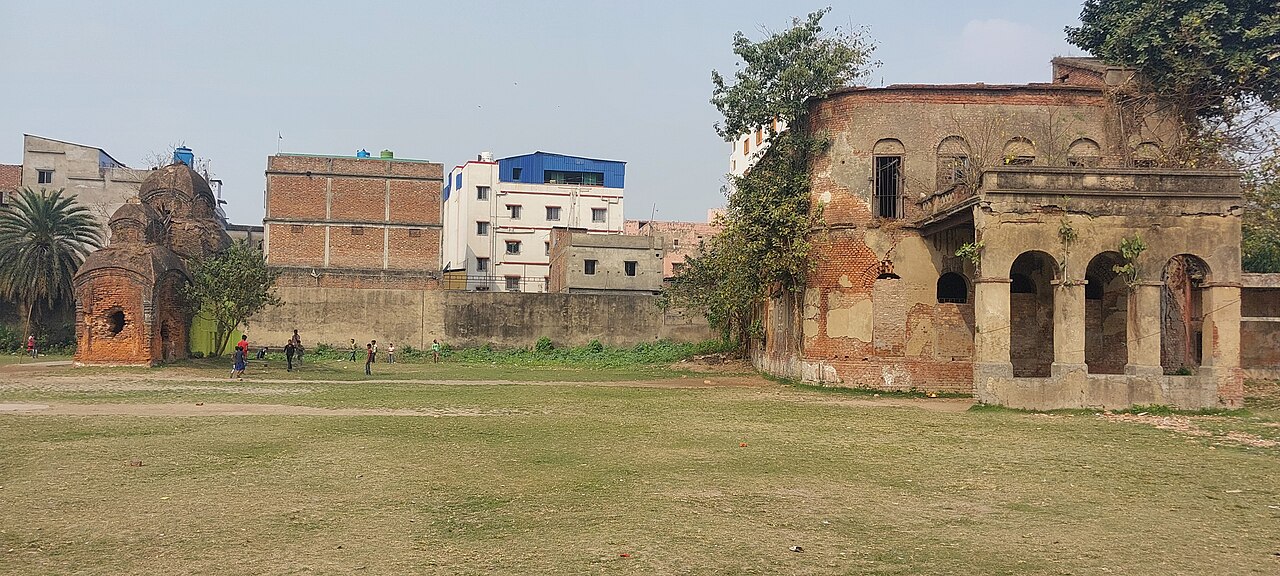
Bhot Bagan Math
Ghusuri · India · monastery
A brick monastery on the Hooghly riverside at Ghusuri, Howrah, founded in 1776 as the first Tibetan Buddhist religious foundation on the plains of India and still known popularly as Mahakal Math for the Tibetan deity images once installed in its sanctum.
 Buddhism
Borobudur
Magelang · Indonesia · temple
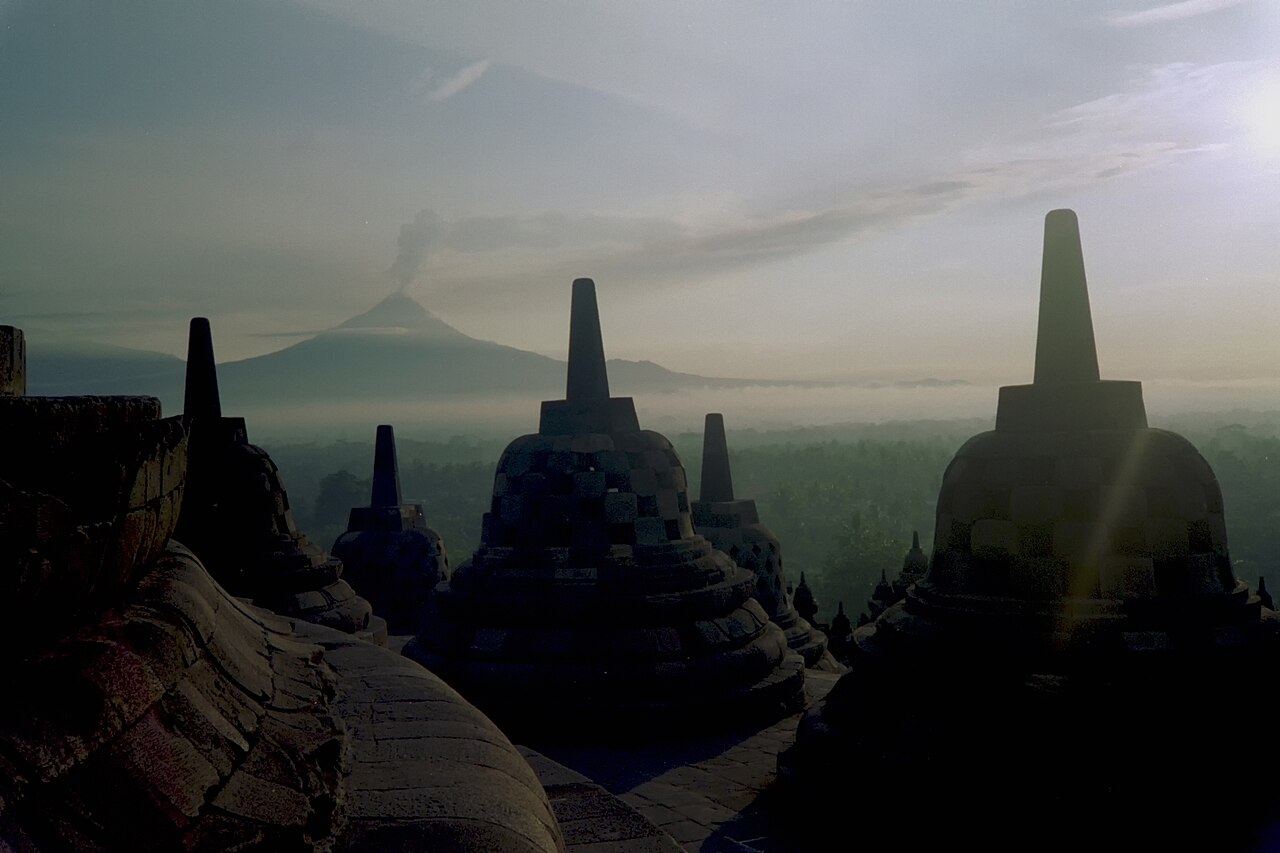
The world's largest Buddhist Temple: a ninth-century mandala in stone on Java's Kedu Plain, nine terraces rising through the three realms to 72 latticed stupas, each sheltering a seated Buddha.
 Buddhism
Boudhanath Stupa
Kathmandu · Nepal · stupa
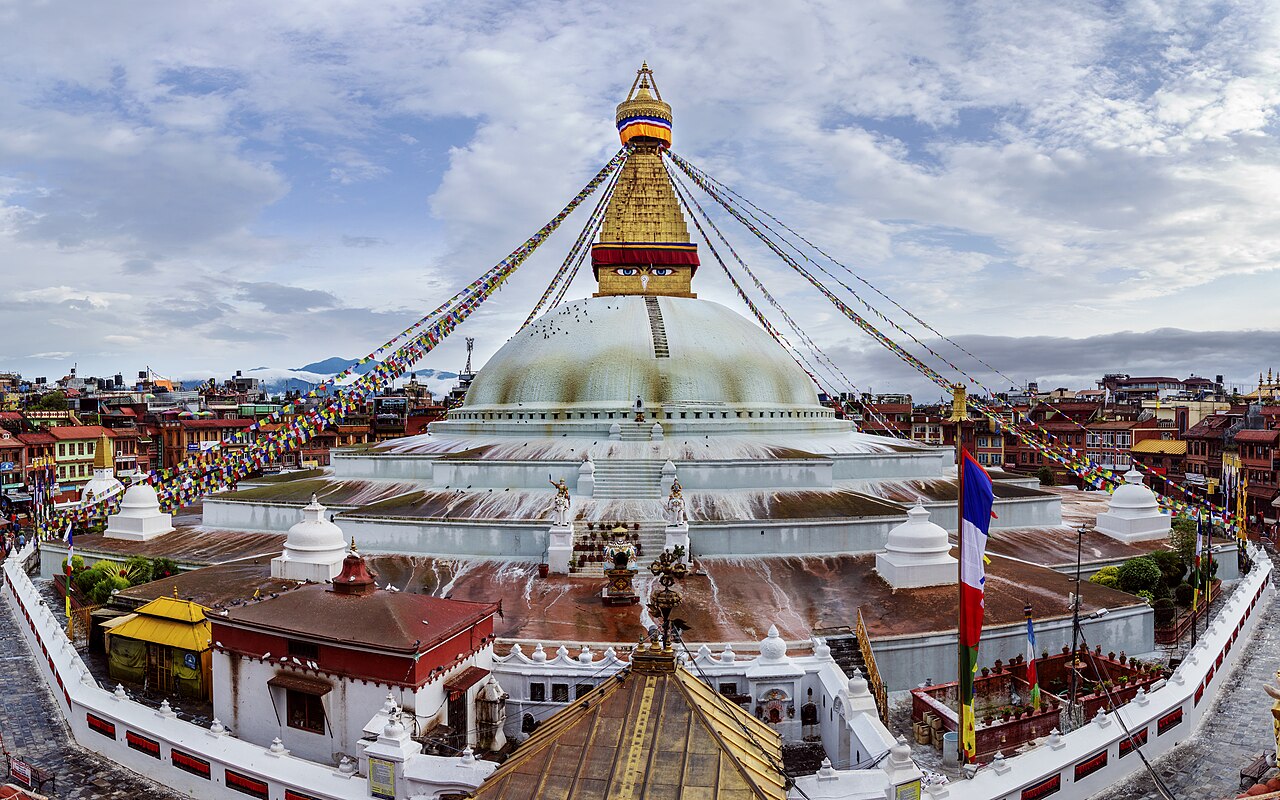
The largest spherical stupa in Nepal, its all-seeing Buddha eyes watching over the kora walked daily by the Tibetan Buddhist community of Boudha, the heart of Vajrayana practice in the Kathmandu Valley.