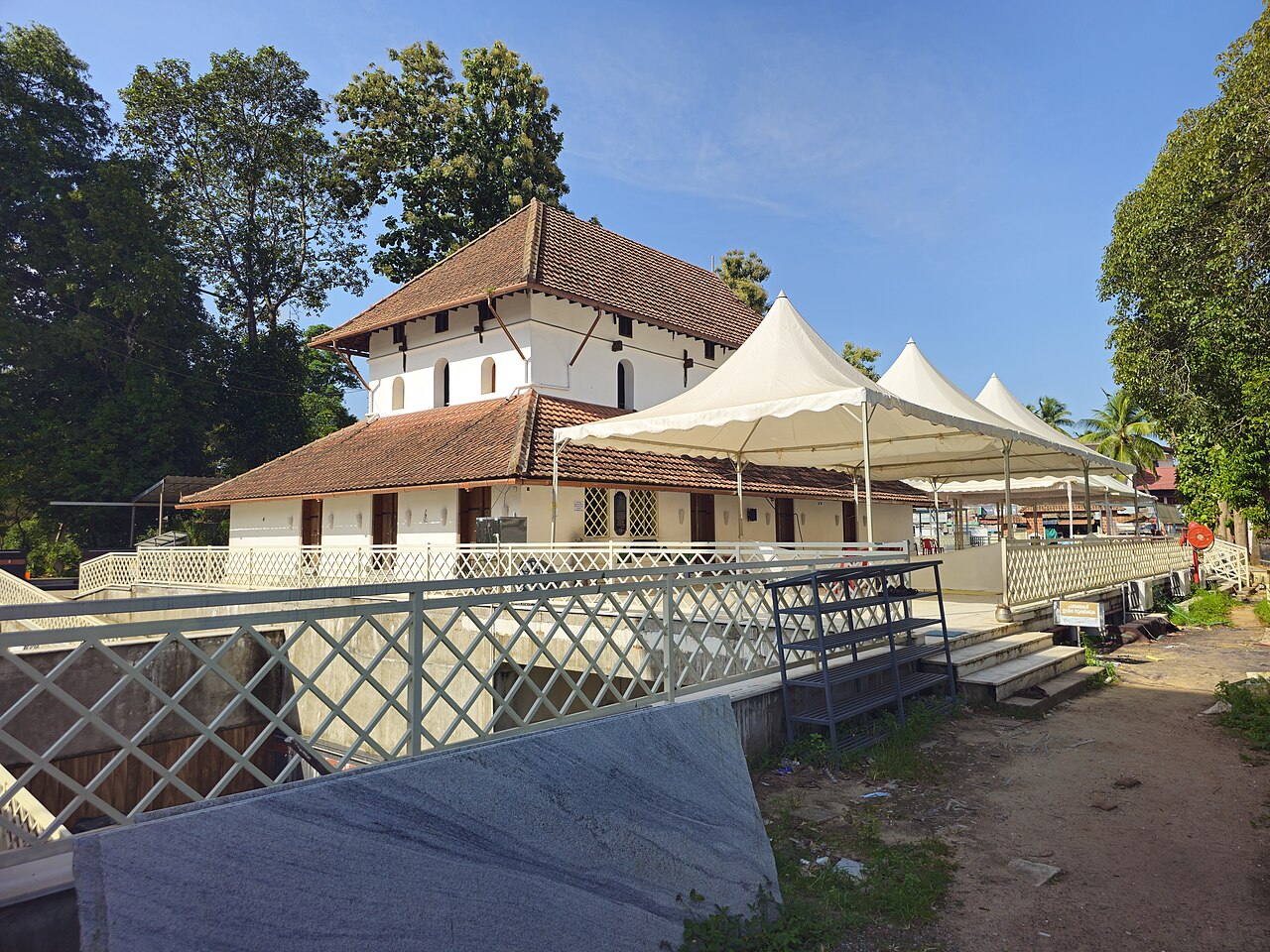
Cheraman Juma Masjid
Cheraman Juma Mosque · Cheraman Mosque · Cheraman Perumal Juma Masjid
About
Nestled in the town of Kodungallur within Kerala's Thrissur district, the Cheraman Juma Masjid stands as one of the most storied Islamic sacred sites anywhere on the subcontinent. Its very name evokes the ancient coastal world of the Malabar region, where Arab seafarers and local rulers forged deep ties of commerce and faith across the Indian Ocean long before Islam had taken root across much of Asia.
The mosque carries the weight of a cherished founding narrative: that it was erected in 629 CE by the Arab missionary Malik Bin Dinar, making it a living relic of Islam's earliest expansion beyond the Arabian Peninsula. If this account is accepted, the structure predates the great mosques of Central Asia and rivals the oldest congregational spaces in the wider Islamic world. Some scholars, however, propose a considerably later date of construction, situating the building in the 14th or 15th century and suggesting that the origin story belongs more to the realm of pious legend than datable history.
Whatever its precise age, the mosque continues to draw Muslim devotees who regard it with deep reverence, and it functions as an active place of Friday congregational prayer to this day. Its endurance across many centuries, through renovation, political change, and the slow transformation of Kerala's coastal landscape, speaks to the unbroken vitality of the community that has tended it.
History
Tradition holds that the Cheraman Juma Masjid was raised in 629 CE, during the lifetime of the Prophet Muhammad (peace be upon him), after the Chera king Cheraman Perumal dreamed of the moon splitting in two. Arab traders passing through his court explained the dream as the Prophet's own miracle described in the Quran, and the king is said to have sailed to Arabia, met the Prophet, and embraced Islam before his death in Oman. By the mosque's own account, the king wrote home asking his kin to receive the missionary Malik Bin Dinar, who then raised this mosque and several others along the Malabar coast and served as its first religious leader.
Historians who have examined the building's own fabric read its history differently. The scholar Mehrdad Shokoohy dated the standing structure on architectural grounds to the 14th or 15th century, and other researchers of the Malabar coast's Islamic history have treated the 629 CE founding story as a later legend rather than documented fact, even as the historian M.G.S. Narayanan has argued there is no reason to doubt that a Chera king did travel to Arabia and accept Islam. The mosque has been rebuilt and repaired many times since, most substantially in 1568. Between 2019 and 2022 the Muziris Heritage Project stripped away later concrete corridors and a 1994 dome and minaret addition, restoring the sanctuary's wooden ceilings, rounded window arches, and tiled roof to their earlier form, and raised Kerala's first Islamic history museum on the same grounds.
Significance
For Muslim devotees across India the Cheraman Juma Masjid carries the weight of a first: whether or not its walls reach back to 629 CE, it stands in the popular and devotional imagination as the place where Islam found a permanent home on Indian soil, born of the ancient trading ties between Arabia and the Malabar coast. Friday jumu'ah prayer continues here as it has for centuries, watched over by an oil lamp the mosque's own community says has burned without interruption since its founding. The 2022 restoration and its new heritage museum have made the mosque as much a place of shared memory, visited by people of many faiths, as it remains a living house of worship for the roughly ten thousand members of its congregation.
Architecture
Kerala-Islamic vernacular architecture: tiered, sloping Mangalore-tiled gabled roofs, whitewashed walls, rounded window arches and carved wooden eaves brackets, restored 2019-2022 after later concrete corridors and a 1994 dome-and-minaret addition were removed
Visiting
Daily worship
| Mosque and grounds open to visitors | 05:30 to 18:00 |
Hours
Hours not listed.
Contact
No contact details listed yet.
Engage with Cheraman Juma Masjid
Through the four pathways
Seva सेवा — Service
Offer your time and skills here. The following opportunities are open at Cheraman Juma Masjid:
No Seva offerings listed yet.
Sādhana साधना — Practice
Learn the worship and practice associated with Cheraman Juma Masjid:
No Sādhana offerings listed yet.
Sandhāna सन्धान — Wisdom
Unite with the wisdom of this tradition:
No Sandhāna offerings listed yet.
Sādhya साध्य — Giving
Support this sacred place according to your means:
No Sādhya offerings listed yet.
All giving flows directly to Cheraman Juma Masjid. Adisthan does not take a commission.
Gallery
Related sacred places
 Islam
IslamAbu'l-Fida Mosque
Hama · Syria · mosque
A fourteenth-century Ayyubid mausoleum and Mamluk-era congregational mosque on the banks of the Orontes in Hama, Syria, known locally as the Mosque of the Serpents for the carved pillars at its windows.
 Islam
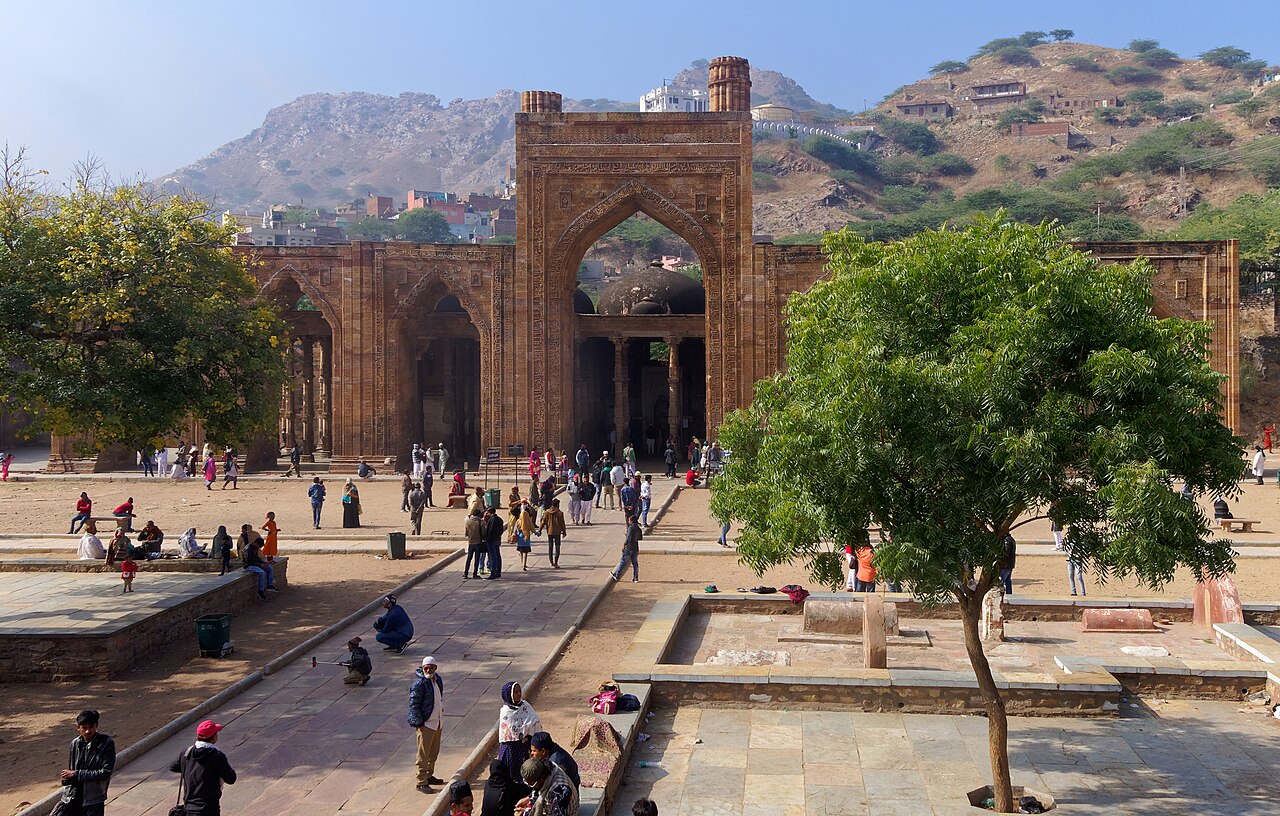
IslamAdhai Din Ka Jhonpra
Ajmer · India · mosque
The oldest surviving monument in Ajmer and among the earliest Indo-Islamic mosques in India, its 1199 CE prayer hall and Iltutmish's 1213 CE arched screen rise on 344 pillars carved by Hindu and Jain craftsmen from earlier Temples.
 Islam
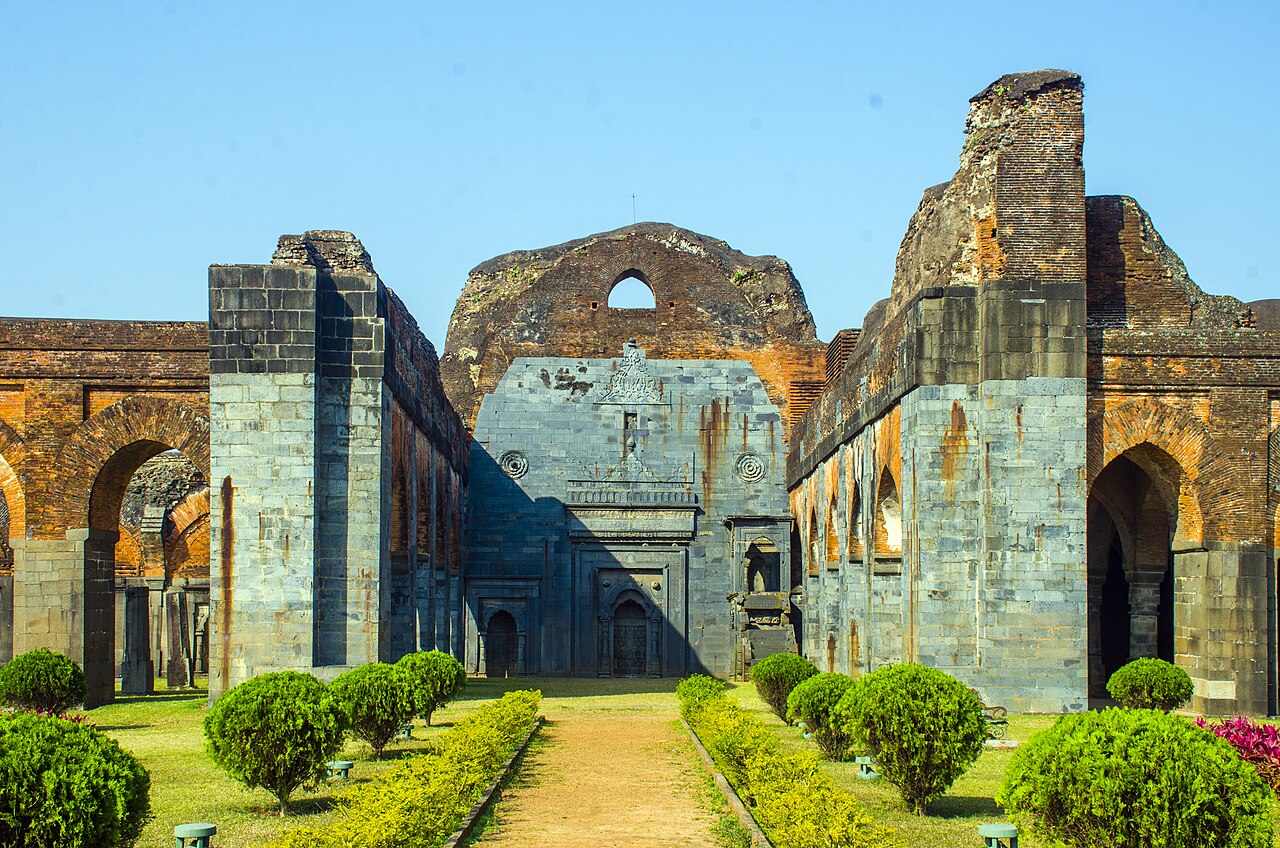
IslamAdina Mosque
Pandua · India · mosque
Once the largest mosque on the Indian subcontinent, the Adina Mosque at Pandua in West Bengal was raised by Sultan Sikandar Shah between 1373 and 1375 as the congregational mosque of the Bengal Sultanate, and holds his tomb within its western wall.
 Islam
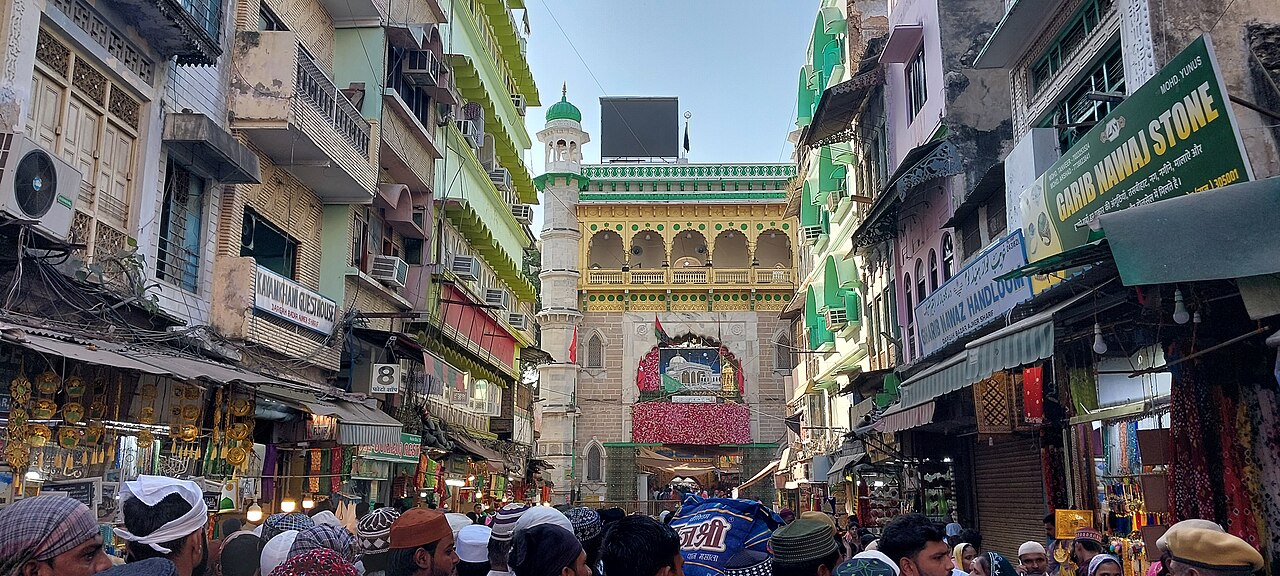
IslamAjmer Sharif Dargah
Ajmer · India · dargah
The tomb of Hazrat Khwaja Moinuddin Chishti, Gharib Nawaz, the benefactor of the poor, and the principal Sufi dargah of South Asia, where pilgrims of every community have offered chadars and shared the sweet rice of the great deghs for eight centuries.
Akbarabadi Mosque
Delhi · India · mosque
A mosque raised in 1650 by Akbarabadi Begum, a wife of the Mughal emperor Shah Jahan, in the walled city of Shahjahanabad, demolished by British forces in the aftermath of the 1857 Uprising and today marked only by disputed, unexcavated remains beneath Netaji Subhash Park in Old Delhi.
 Islam
IslamAlamgir Mosque
Varanasi · India · mosque
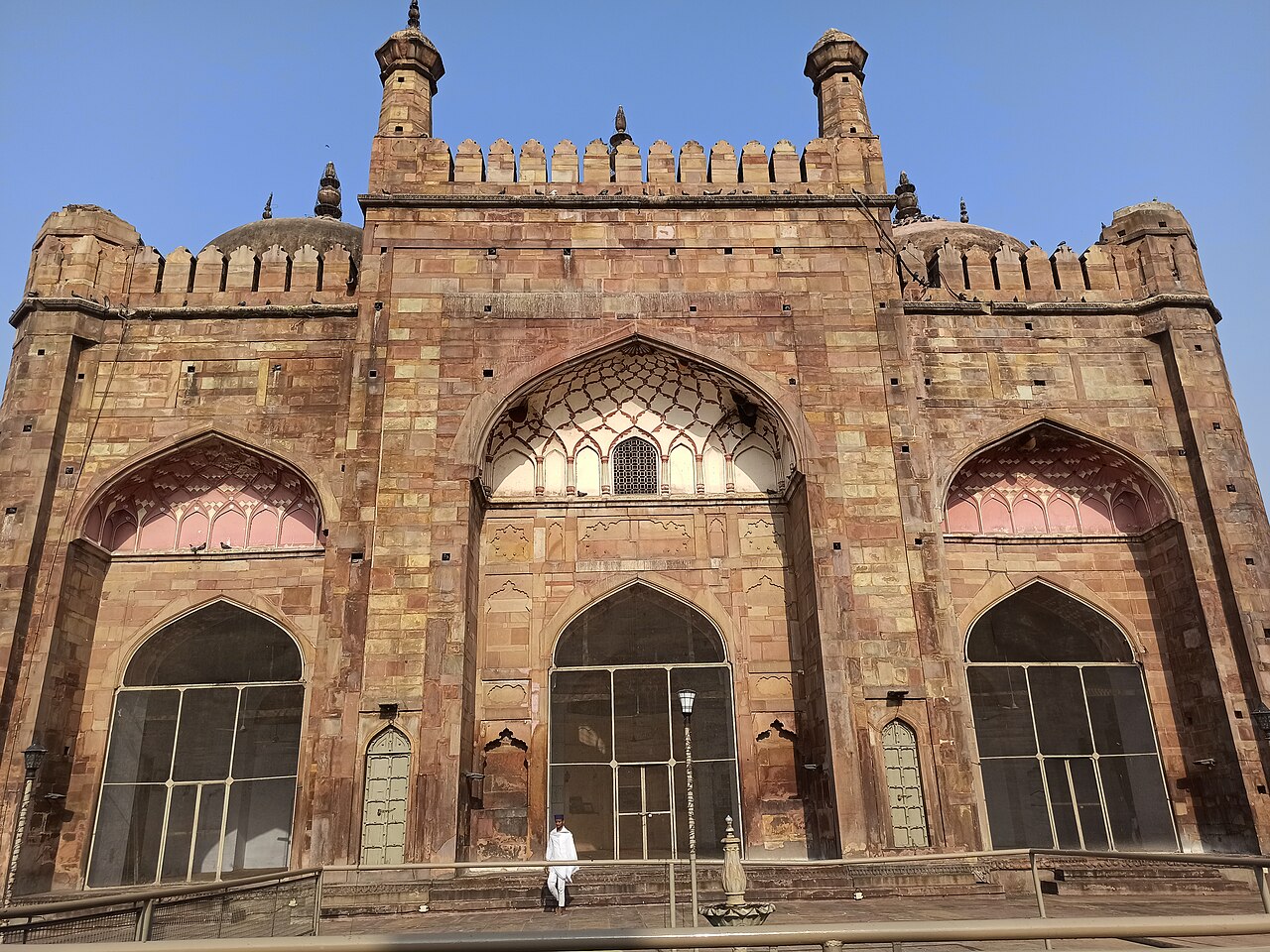
Raised in 1669 by the Mughal emperor Aurangzeb on the high bank above Panchganga Ghat in Varanasi, the Alamgir Mosque stands where wide stone steps meet the Ganges, its domes and surviving corner turret rising over a site earlier accounts describe as the Hindu Temple of Bindu Madhava.