
Chitharal Jain Monuments
Chitharal Jain Monuments and Bhagavati Temple · Chitharal Malai Kovil · Thirucharanathu Malai
About
Tucked among the hills near Chitharal village at the southern tip of Tamil Nadu, these two ancient shrines form one of the most quietly remarkable sacred complexes in the region. The elder of the pair is a Jain Temple carved directly into the rock face, its outer walls adorned with sculpted reliefs depicting figures from the Jain tradition, including a bas-relief of Padmavati Devi. Stone beds bearing inscriptions are also present at the site, offering rare epigraphic testimony to the community that once worshipped here.
Adjacent to the Jain sanctuary stands a shrine dedicated to the Hindu goddess Bhagavati. Unlike the fully rock-cut Jain Temple, the Bhagavati shrine blends the original carved rock with structural stonework added at a later period, resulting in a hybrid form that speaks to the site's evolving sacred life across centuries.
Both monuments date to the 9th century CE and carry the quiet dignity of places that have drawn devotees for over a millennium. The ensemble is an eloquent reminder that the far south of India once sustained flourishing Jain communities alongside Hindu worship, and that sacred ground in this land has rarely belonged to a single tradition alone.
History
Digambara Jain ascetics carved the sanctuary's three chambers from a natural cavern on Thirucharanathu Malai hill in the 9th century CE, dedicating them to Lord Parshvanatha on the left, Lord Mahavira at the centre, and the yakshini Padmavati Devi on the right. Vatteluttu inscriptions beneath the rock-cut figures record gifts from lay disciples into at least the middle of the 13th century, among them a donation of gold ornaments dated to the 28th regnal year, around 911-912 CE, of Vikramaditya Varaguna, styled 'Pandya' on the Archaeological Survey of India's own site signage though identified in dedicated historical scholarship as a ruler of the Ay dynasty. A structural mandapa was added to the cave in stone, and official district sources date the hillside's Hindu Bhagavati shrine to the 13th century CE; a Tamil inscription on the mandapa, dated equivalent to 1300 CE, records a further gift toward the Bhagavati Temple's own upkeep.
Significance
Chitharal ranks among the southernmost surviving Jain sacred sites in India, its rock-cut reliefs and inscribed stone beds, carved directly from the living rock and never retouched, preserving rare testimony to a Digambara community that once thrived at the tip of the subcontinent. The hill's Bhagavati shrine reflects a broader, documented pattern across the old Tamil-Kerala country in which Jain sanctuaries were gradually joined by, and in many places absorbed into, Bhagavathy and Devi worship as royal patronage shifted toward Brahmanical Hinduism. Centrally protected by the Archaeological Survey of India since 1964, the hill still draws Jain pilgrims tracing their tradition's ancient roots in the far south.
Architecture
Rock-cut Digambara Jain cave-temple architecture of the 9th-10th century Tamil south, its natural cavern sanctums later joined by a structural mandapa and Dravidian-style stonework built for Hindu worship
Visiting
Daily worship
| Site open to visitors | 08:00 to 16:00 |
Hours
Hours not listed.
Contact
No contact details listed yet.
Address
Engage with Chitharal Jain Monuments
Through the four pathways
Seva सेवा — Service
Offer your time and skills here. The following opportunities are open at Chitharal Jain Monuments:
No Seva offerings listed yet.
Sādhana साधना — Practice
Learn the worship and practice associated with Chitharal Jain Monuments:
No Sādhana offerings listed yet.
Sandhāna सन्धान — Wisdom
Unite with the wisdom of this tradition:
No Sandhāna offerings listed yet.
Sādhya साध्य — Giving
Support this sacred place according to your means:
No Sādhya offerings listed yet.
All giving flows directly to Chitharal Jain Monuments. Adisthan does not take a commission.
Gallery
Related sacred places
 Jainism
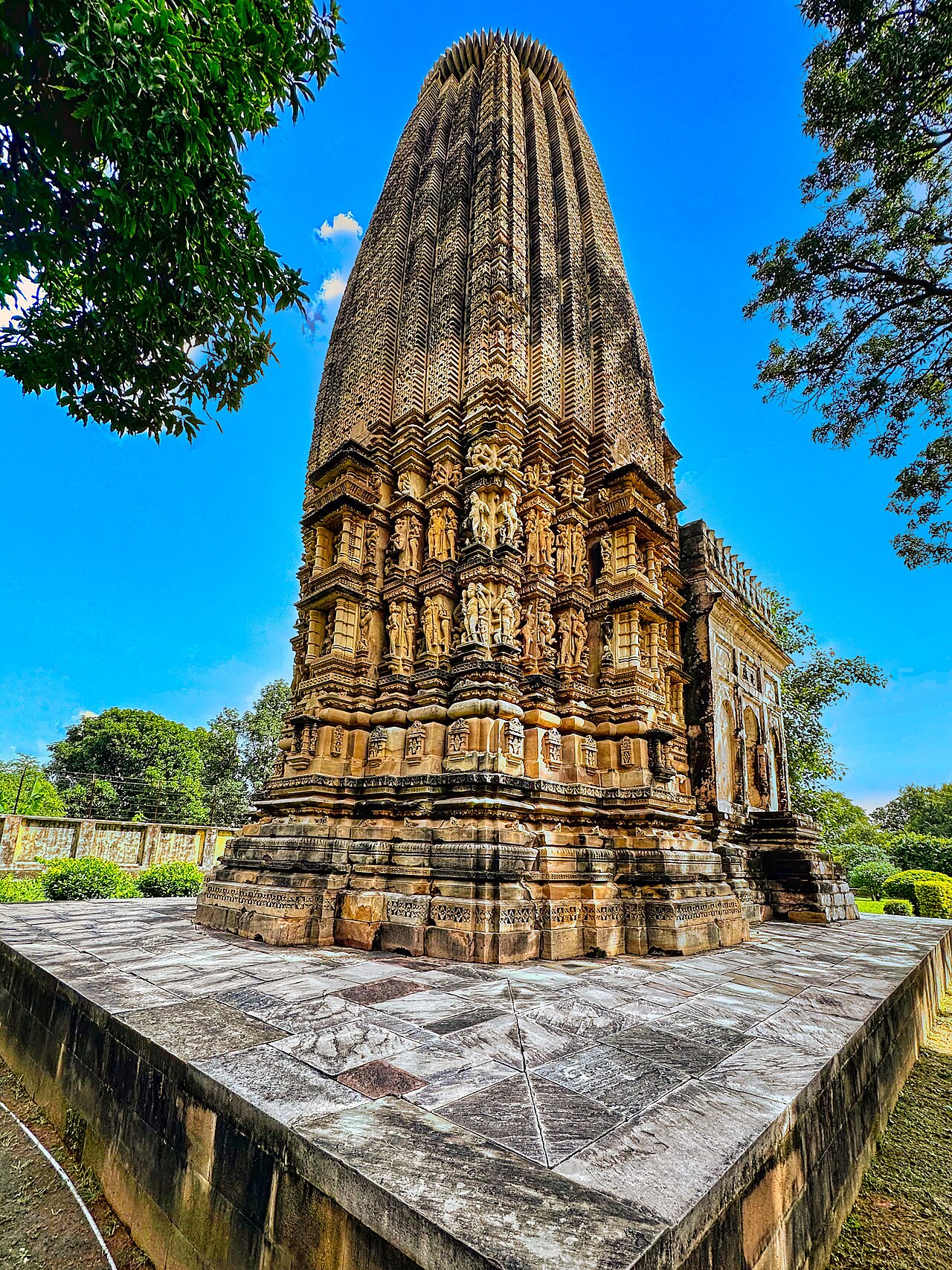
Adinatha Temple
Khajuraho · India · temple
A Digambara Jain shrine within Khajuraho's Eastern Group of Temples, dedicated to Lord Adinatha, the first tirthankara, its curvilinear sandstone tower carved in the late eleventh century for a Hindu patron before passing into Jain hands.
 Jainism
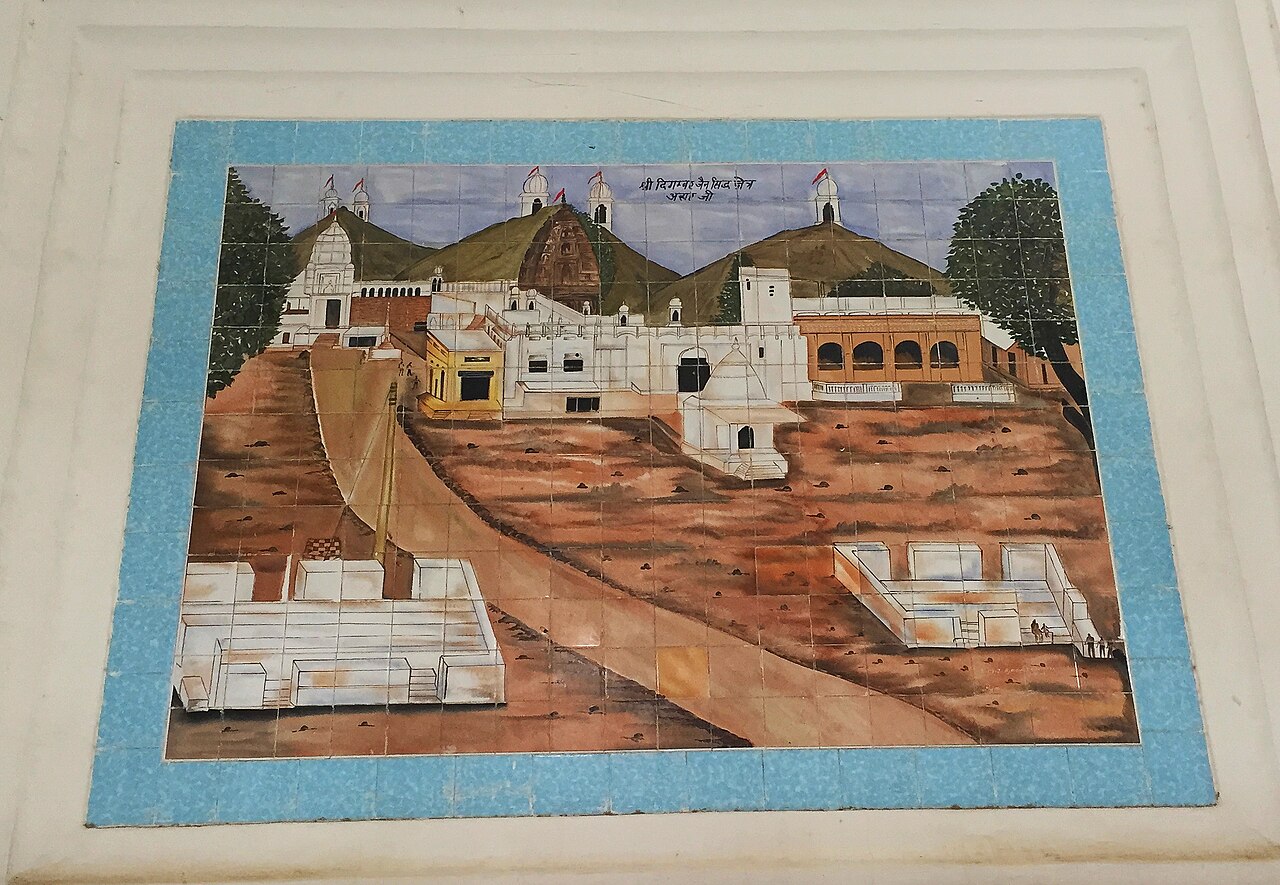
Aharji
Aharji · India · temple
A Digambara Jain tirtha in the Bundelkhand region of Madhya Pradesh, where an eighteen-foot Chandella-era colossus of Lord Shantinatha stands in silent meditation at the heart of a Temple complex raised across three centuries.
 Jainism
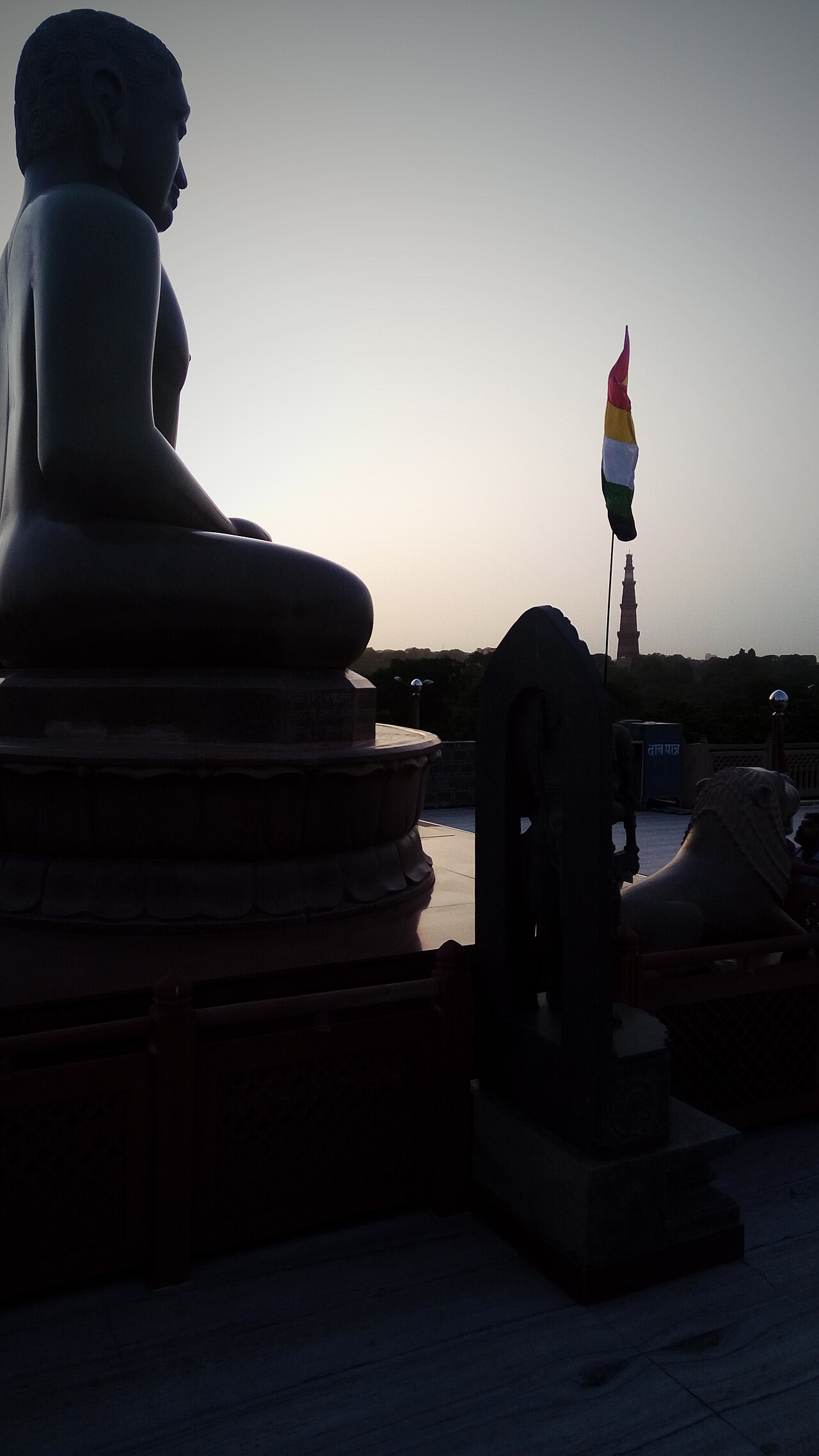
Ahinsa Sthal
New Delhi · India · temple
A modern Digambara Jain shrine on a terrace in Mehrauli, New Delhi, built in 1980 around a colossal granite image of Lord Mahavira seated in deep meditation, its very name declaring the tradition's central vow: ahimsa, harmlessness toward every living being.
 Jainism
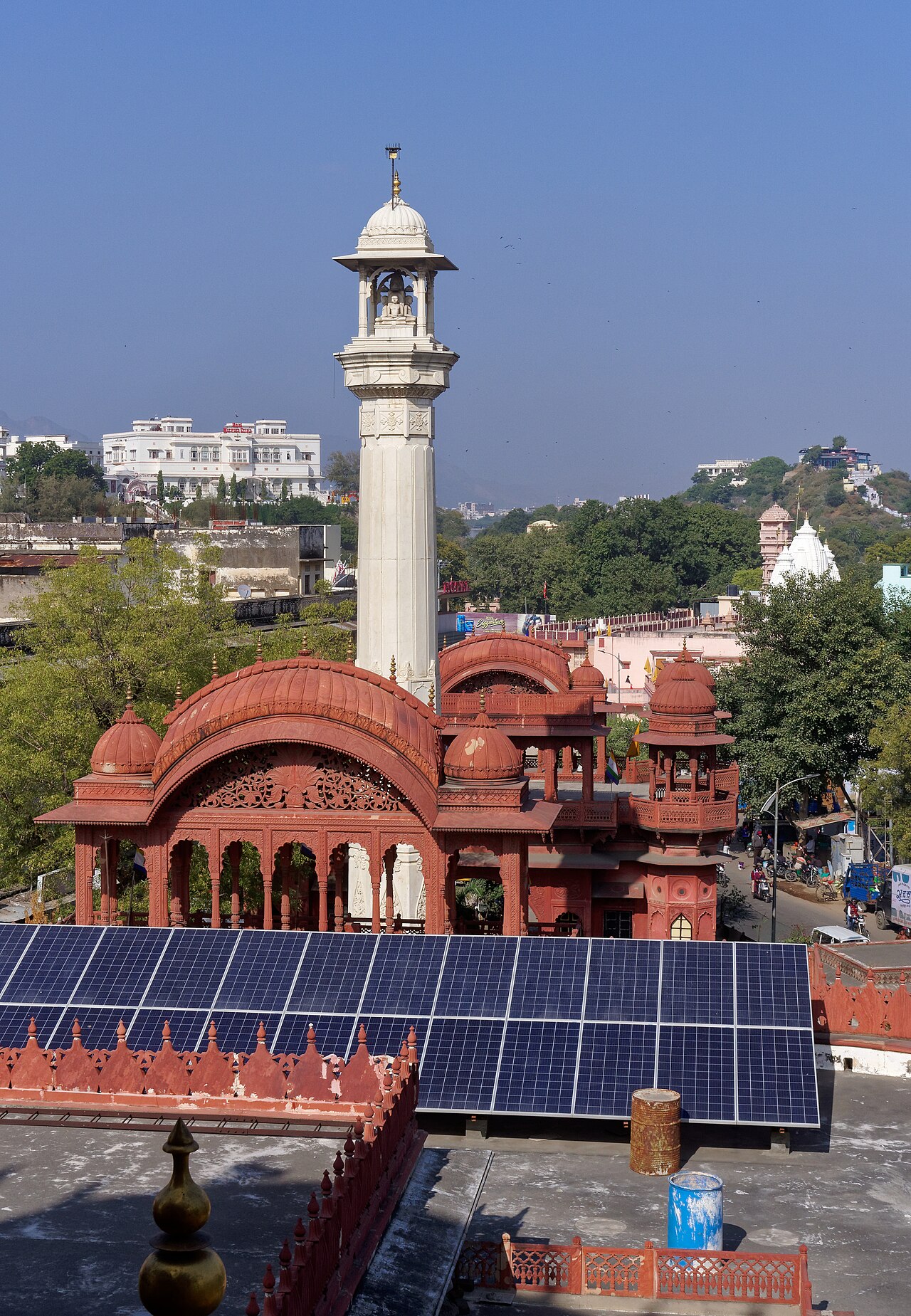
Ajmer Jain Temple
Ajmer · India · temple
Popularly called Soniji Ki Nasiyan or the Red Temple, this Digambara Jain Temple on Prithviraj Marg in Ajmer pairs a red sandstone sanctuary, crowned by an eighty two foot marble pillar, with a golden upper hall whose gilded tableaux retell the life of Lord Rishabhdev, the first tirthankara.
 Jainism
Akkana Basadi
Shravanabelagola · India · temple
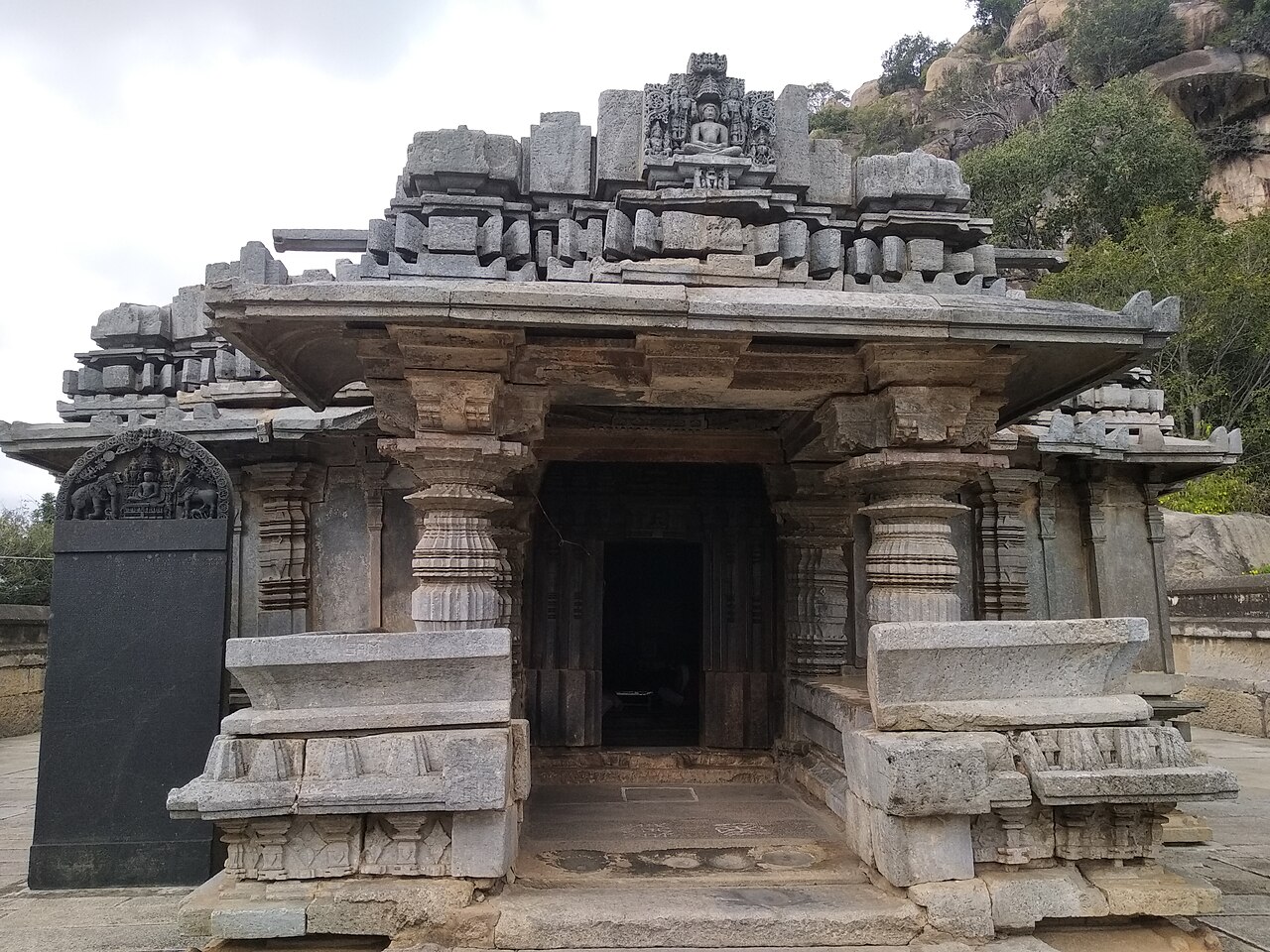
Consecrated in 1181 CE on Chandragiri hill at Shravanabelagola, Karnataka, Akkana Basadi is a Hoysala-era Jain basadi raised by the devout laywoman Achiyakka in honour of Tirthankara Parshvanatha, its deliberately plain stone walls and lathe-turned pillars a quiet expression of Jain austerity.
 Jainism
Bawangaja
Bawangaja · India · temple
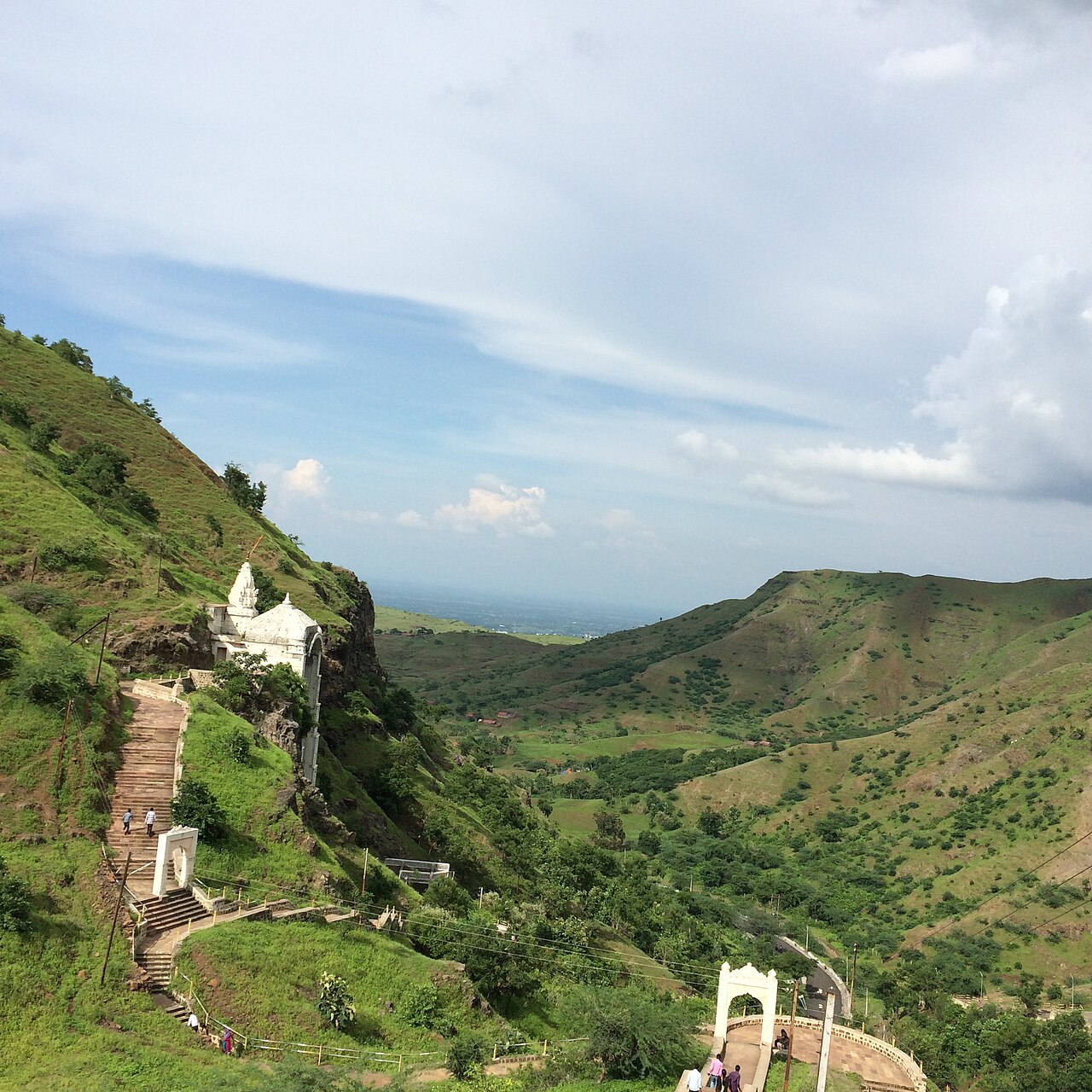
A Digambara Jain tirtha in the Satpura hills of Barwani district, Madhya Pradesh, where an 84-foot monolithic image of Lord Rishabhanatha (Adinatha), the first Tirthankara, stands carved directly from the mountain.