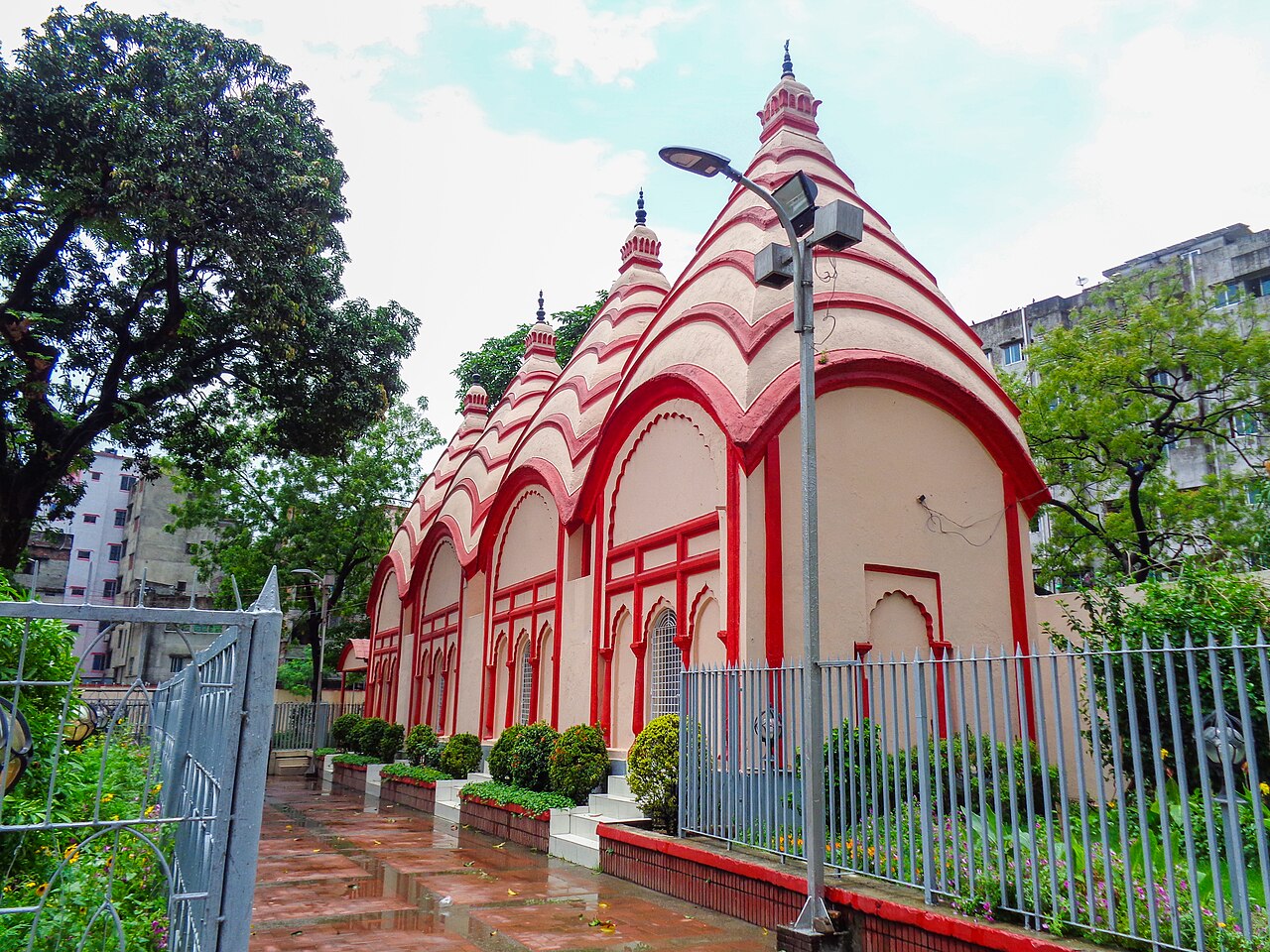
Dhakeshwari Temple
About
Dhākeśvarī National Temple (ঢাকেশ্বরী জাতীয় মন্দির) stands in Old Dhaka, Bangladesh, where it is honoured as the state's principal Hindu sanctuary. State-owned, it carries the formal title of the country's National Temple — Bangladesh being the only Muslim-majority nation in the world to so designate a Hindu place of worship.
The presiding deity is the goddess Dhākeśvarī — literally 'the goddess of Dhaka' — and the city itself is named after her. Tradition counts the temple among the fifty-one Śākta Pīṭhas of the Indian subcontinent, in this case as the place where the jewel from the crown of Devī Satī is said to have fallen. The jewel itself was lost long ago, and the principal ancient metal mūrti of the goddess was carried to Kumortuli in Kolkata at the time of partition, where it continues to be worshipped today; a faithful replica now serves as the presiding image at Dhākeśvarī.
Since the destruction of the Ramna Kālī Mandir by the Pakistan Army during the 1971 Liberation War, Dhākeśvarī has been the most important Hindu place of worship in Bangladesh, and it remains the largest Hindu temple in the country.
History
Tradition ascribes the founding of the temple to King Ballāla Sena of the Sena dynasty in the twelfth century — about 1100 CE — though successive cycles of repair, renovation, and rebuilding mean that little of the present architecture can be securely dated to that period. The temple's connection with the name of Dhaka itself, and its place among the Śākta Pīṭhas, secured its standing through the Sultanate, Mughal, colonial, and modern periods. The original mūrti was carried to Kumortuli, Kolkata at partition by the chief priest in response to growing violence against Hindu temples in eastern Bengal; in 1950 the businessman Debendranath Chaudhary built a temple for the goddess there. The image is about 1.5 feet tall and shows the goddess as Kātyāyanī Mahiṣāsuramardinī Durga — ten-armed, mounted on her lion, with Lakṣmī, Sarasvatī, Kārtikeya, and Gaṇeśa at her sides.
Significance
Dhākeśvarī is at once a Śākta Pīṭha, the namesake shrine of a national capital, and the National Temple of Bangladesh. For Bengali Hindus on both sides of the border, the goddess Dhākeśvarī — whether worshipped in Old Dhaka or in her ancient image at Kumortuli — remains a deeply living presence.
Visiting
Engage with Dhakeshwari Temple
Through the four pathways
Seva सेवा — Service
Offer your time and skills here. The following opportunities are open at Dhakeshwari Temple:
No Seva offerings listed yet.
Sādhana साधना — Practice
Learn the worship and practice associated with Dhakeshwari Temple:
No Sādhana offerings listed yet.
Sandhāna सन्धान — Wisdom
Unite with the wisdom of this tradition:
No Sandhāna offerings listed yet.
Sādhya साध्य — Giving
Support this sacred place according to your means:
No Sādhya offerings listed yet.
All giving flows directly to Dhakeshwari Temple. Adisthan does not take a commission.
Gallery
Related sacred places
 Hinduism
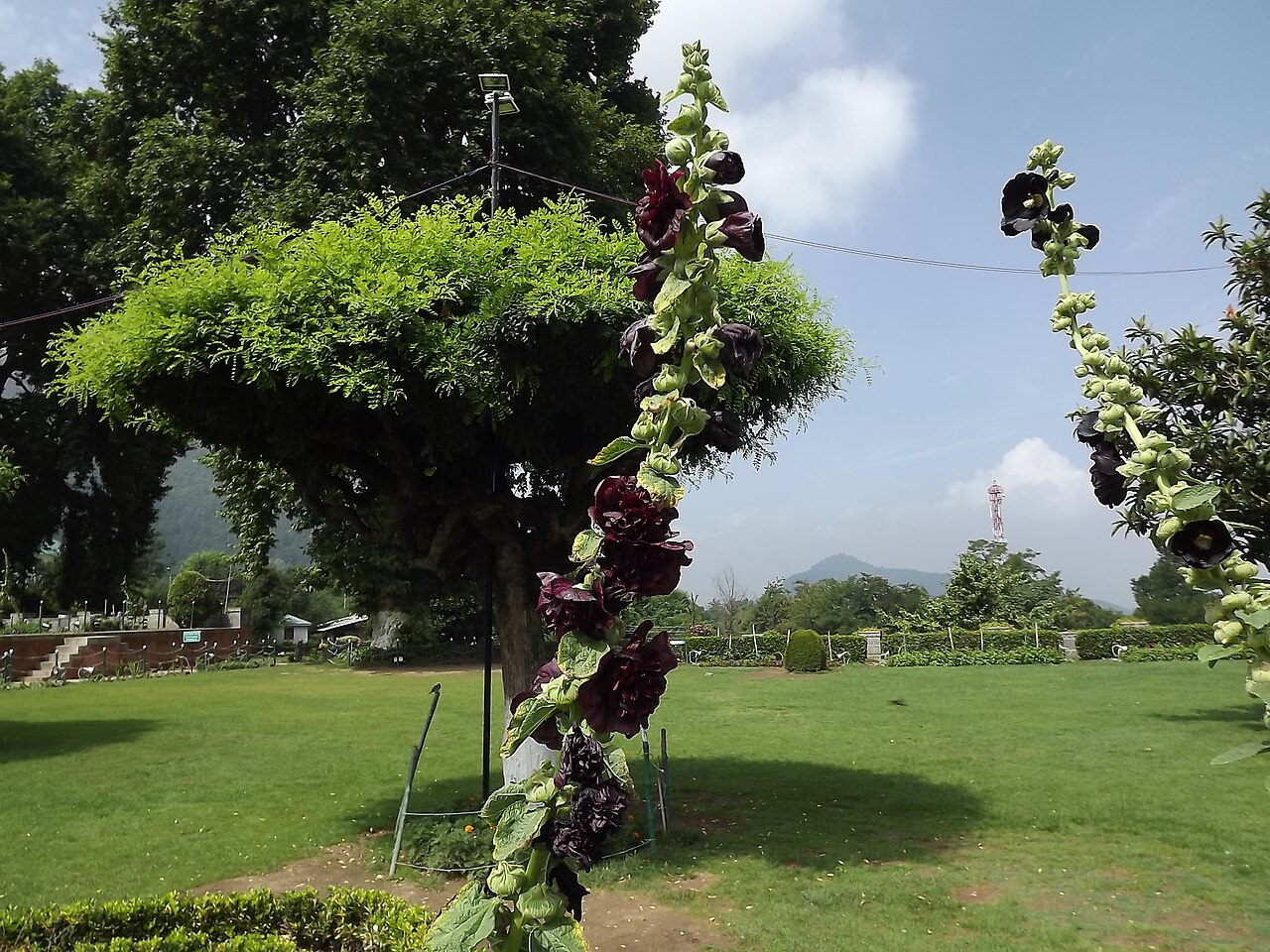
Amarnath Temple
· India · temple
A high Himalayan cave shrine in Jammu and Kashmir where a naturally forming ice lingam is venerated as Lord Śiva, drawing one of India's great seasonal pilgrimages.
 Hinduism
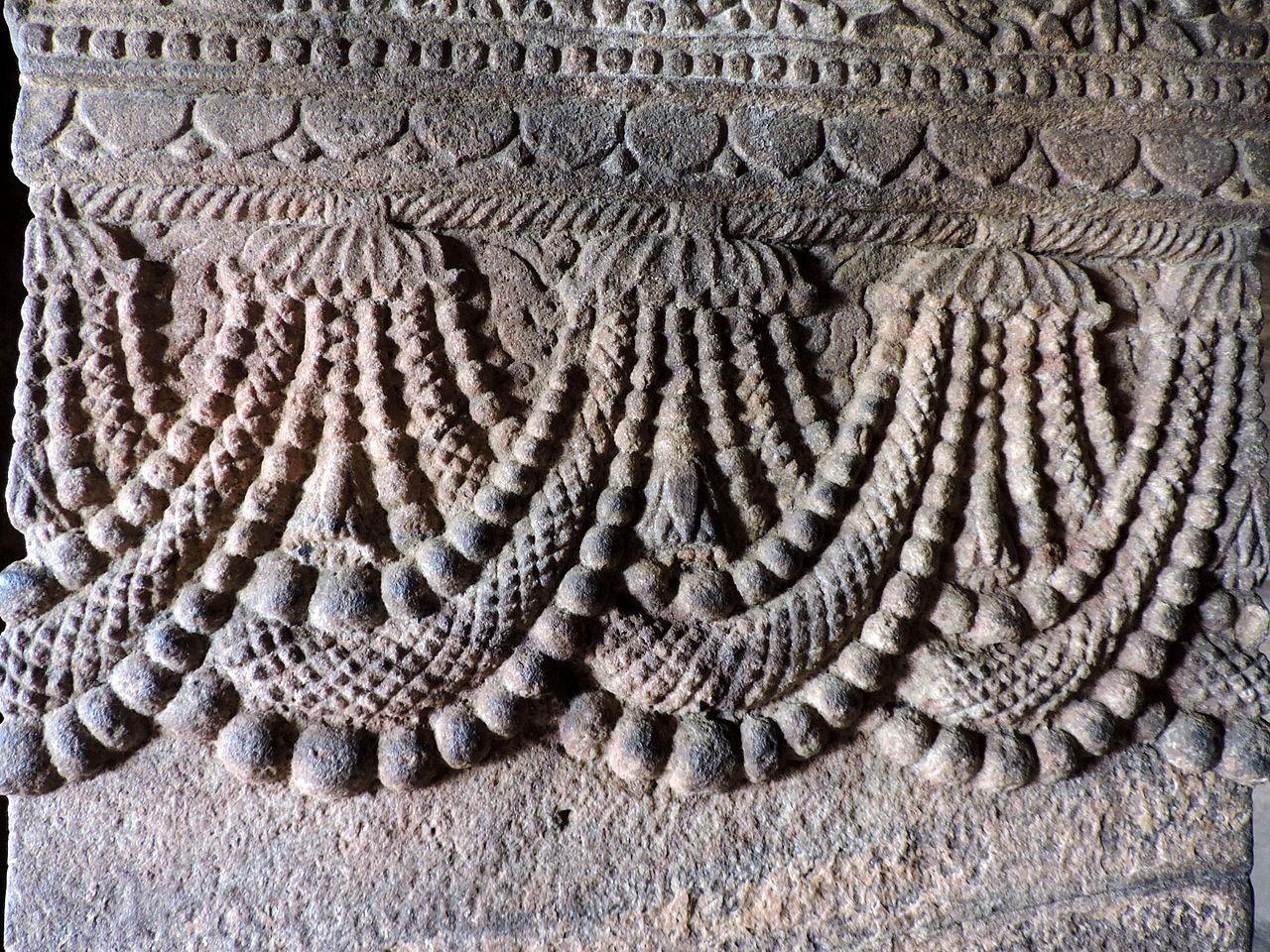
Badami cave temples
· India · temple
A celebrated complex of sixth- to eighth-century Hindu, Jain, and (likely) Buddhist cave temples carved into the red sandstone cliffs of Badami in northern Karnataka, India.
 Hinduism
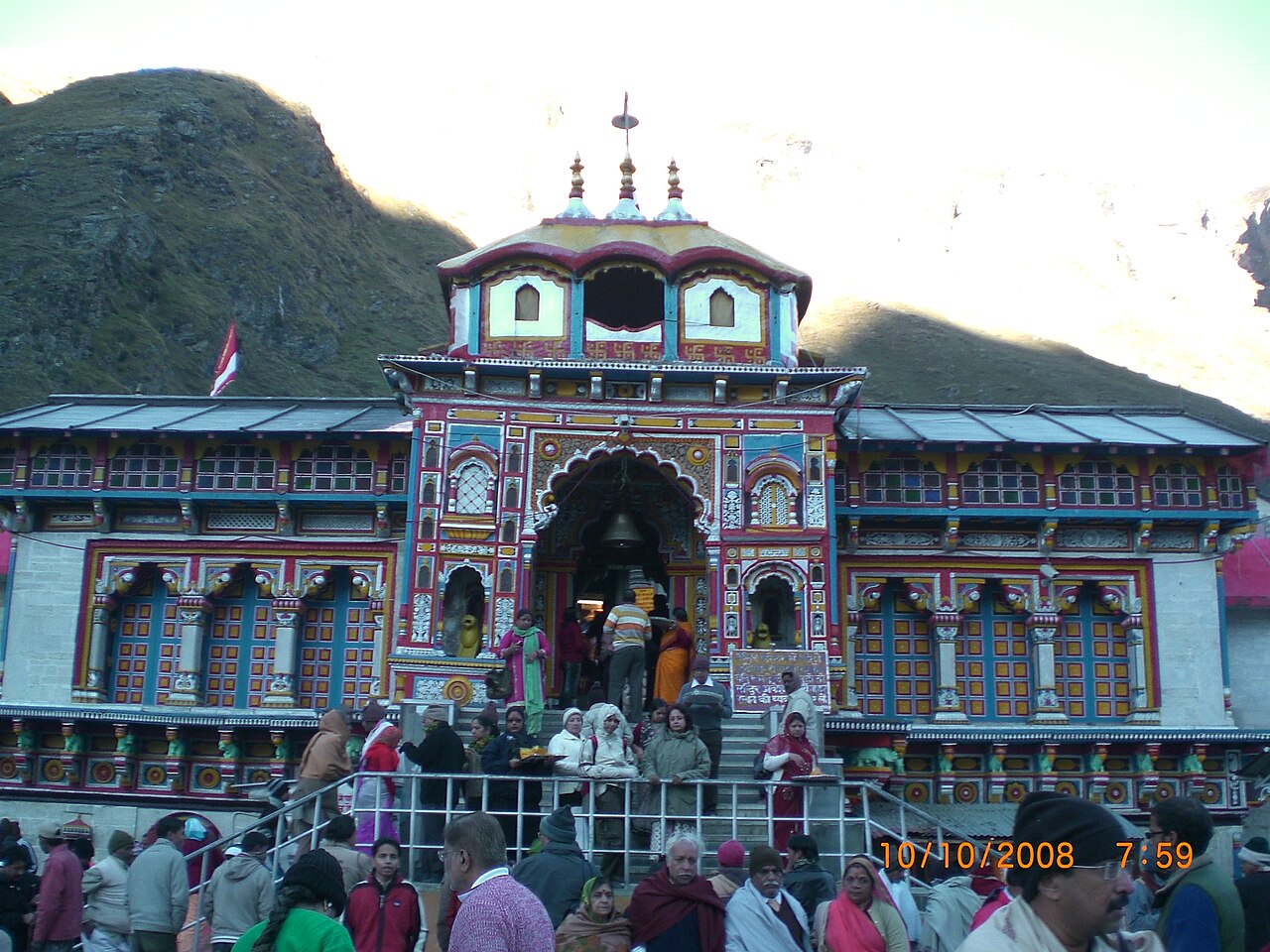
Badrinath Temple
· India · temple
A major Himalayan Vaiṣṇava pilgrimage temple in Uttarakhand, India — one of the four Char Dham and one of the 108 Divya Desams sacred to the worship of Lord Vishnu.
 Hinduism
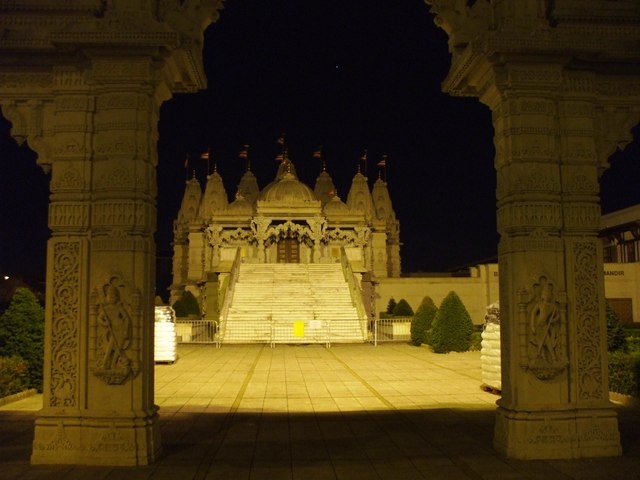
BAPS Shri Swaminarayan Mandir London
· United Kingdom · temple
A traditional Swaminarayan Hindu mandir in Neasden, north-west London — celebrated as the first authentically built Hindu stone temple in Britain and in Europe.
 Hinduism
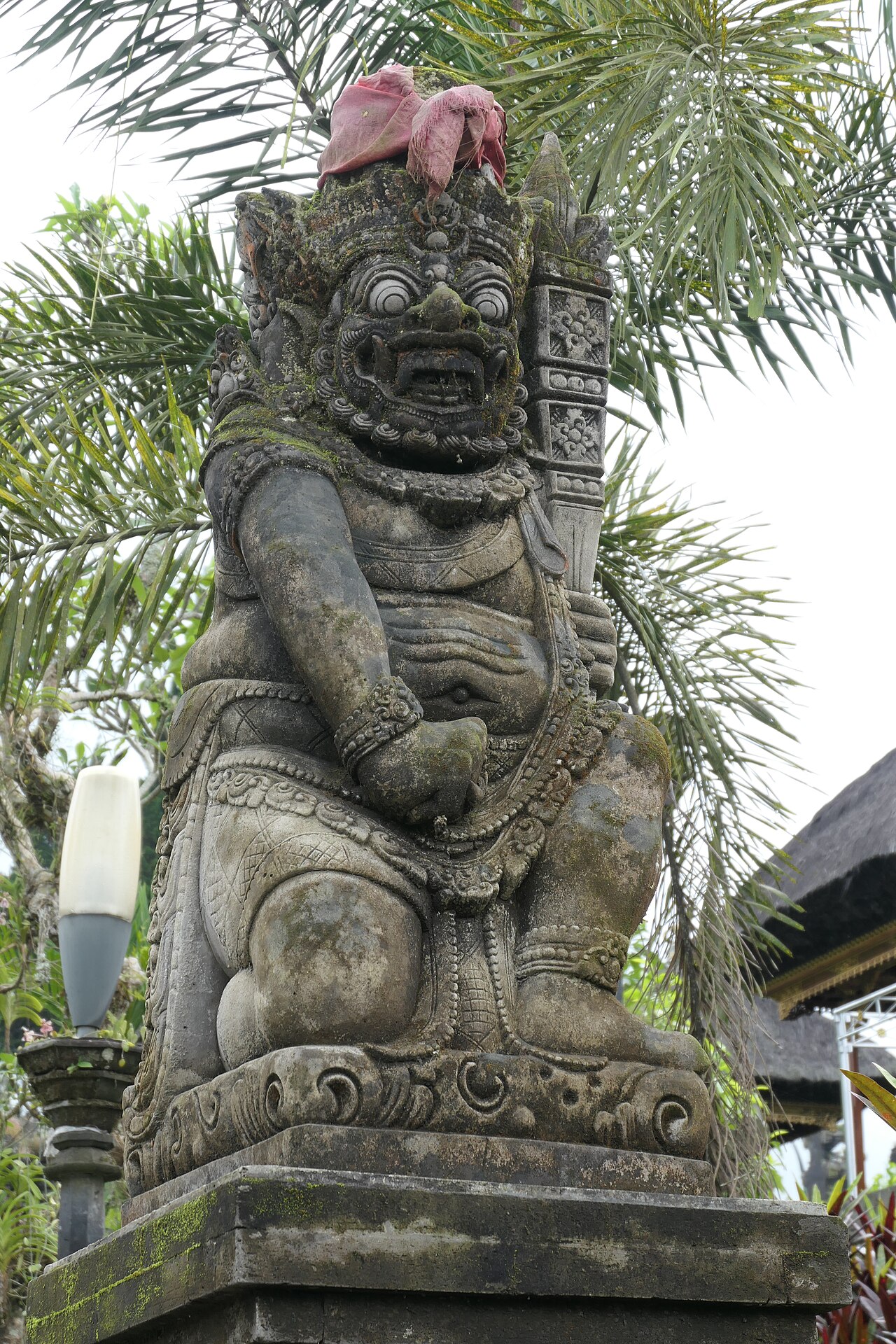
Besakih
· Indonesia · temple
Bali's principal Hindu sanctuary — the 'Mother Temple' (Pura Besakih) — set high on the slopes of the sacred volcano Gunung Agung in eastern Bali, Indonesia.
 Hinduism
Bhimashankar Temple
· India · temple
A revered Śiva temple in the forested Sahyadri hills of Maharashtra, India, enshrining one of the twelve Jyotirliṅgas and standing close to the source of the Bhīmā River.