Ghantai Temple
Ghanti Temple
About
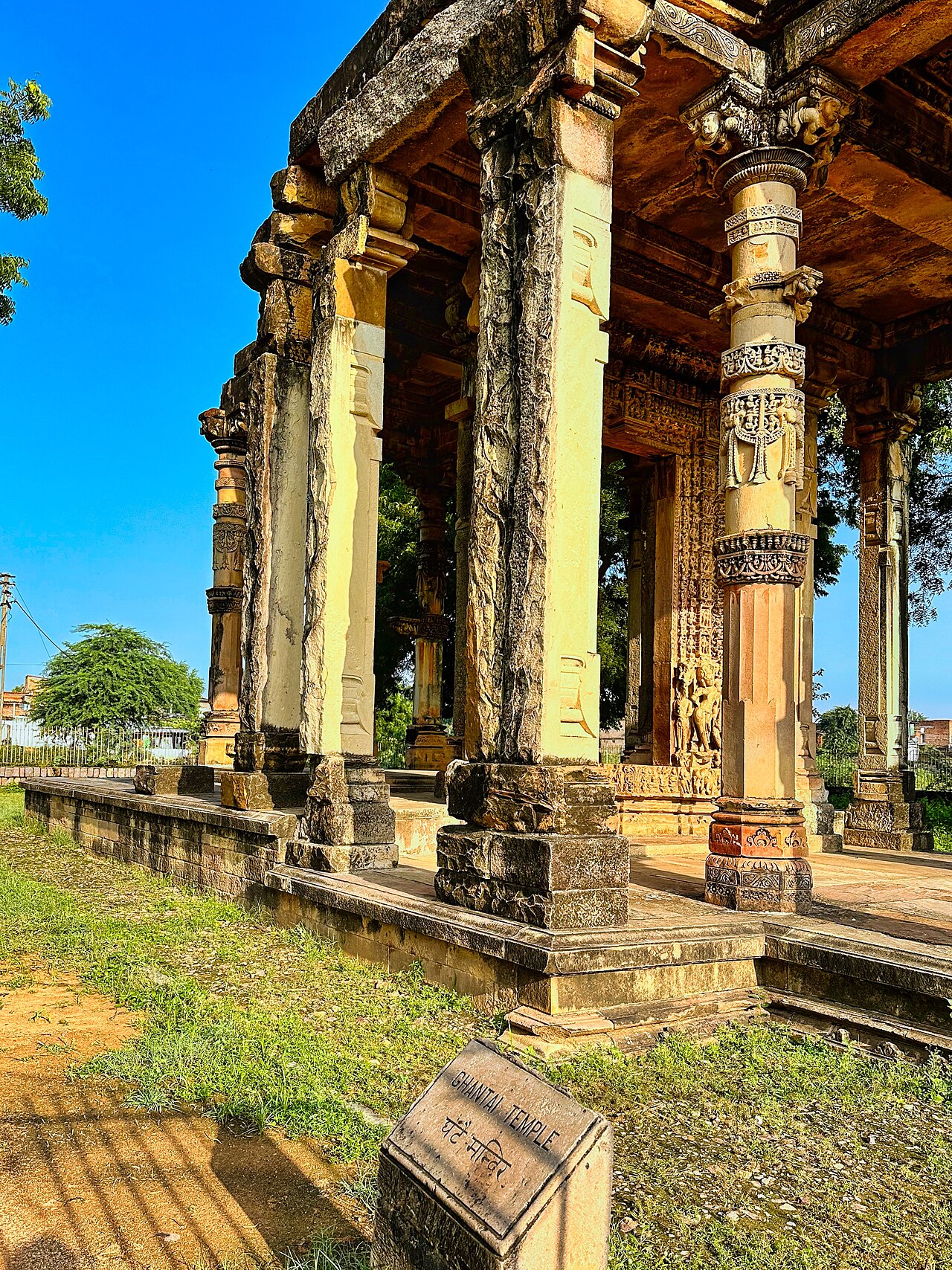
Rising from the sacred landscape of Khajuraho in Madhya Pradesh, the Ghantai Temple stands as a testament to the Digambara Jain tradition's flourishing under the Chandela dynasty. Though time and neglect have reduced much of its fabric to ruins, what remains speaks with quiet eloquence of a devotional culture that valued both architectural grandeur and intricate sacred imagery. The Temple was consecrated to Rishabhanatha, revered also as Adinatha, the first of the twenty-four Jain tirthankaras, whose veneration was honoured here on a scale that surpassed even the celebrated Parshvanatha shrine nearby.
Among the surviving elements, the pillars of the entrance porch and the great maha-mandapa (main congregational hall) are the most arresting. What the walls once enclosed can only be imagined; they have long since fallen. Yet the doorway leading into the maha-mandapa retains an elaborate carved composition, and the pillars themselves bear a distinctive chain-and-bell motif, ghanti in Sanskrit, from which the Temple draws its popular name. The door lintel presents Chakreshvari, the yakshini attendant of Adinatha: eight-armed, enthroned upon a garuda, rendered with precision typical of Chandela craftsmanship. Across the architrave, six auspicious dream-symbols are carved, the visions said to have come to Mahavira's mother during her pregnancy. The porch ceiling is coffered, its oblong border panels animated by rows of dancers and musicians.
A remarkable sculpture recovered from the Ghantai ruins, now preserved at the Khajuraho museum, depicts fifty-two Jinas arrayed around a central image of Rishabhanatha standing in kayotsarga (the erect meditational posture). Sarvanubhuti appears to its left; a four-armed Chakreshvari to its right. The ensemble offers a compressed vision of the Jain celestial order that would once have filled this now-open sanctuary.
History
Built in the closing years of the tenth century during the reign of the Chandela king Dhanga, Ghantai Temple followed the plan of the nearby Parshvanatha Temple but at nearly twice the scale, suggesting it was conceived as a still grander offering. When Alexander Cunningham surveyed the ruins in the nineteenth century, a Buddha image found nearby led him to mistake it for a Buddhist shrine; later scholarship firmly established its Jain identity. Only the pillars of its entrance porch and its maha-mandapa survive today, the enclosing walls long since collapsed.
Significance
What remains preserves some of the finest Chandela-era carving at Khajuraho: pillars strung with the chain-and-bell motif that gives the Temple its name, a door lintel showing the eight-armed yakshini Chakreshvari enthroned on a garuda, and an architrave carved with the six auspicious dreams said to have come to Mahavira's mother. No image survives in the open sanctum today, and unlike its actively worshipped Jain neighbours at Khajuraho, Ghantai now stands as a heritage ruin rather than a living shrine. The Archaeological Survey of India protects it as a Monument of National Importance within the UNESCO-inscribed Khajuraho Group of Monuments.
Architecture
Chandela-era Nagara Temple architecture (Digambara Jain); only the pillared entrance porch and maha-mandapa survive, the enclosing walls long collapsed
Visiting
Hours
Hours not listed.
Contact
No contact details listed yet.
Engage with Ghantai Temple
Through the four pathways
Seva सेवा — Service
Offer your time and skills here. The following opportunities are open at Ghantai Temple:
No Seva offerings listed yet.
Sādhana साधना — Practice
Learn the worship and practice associated with Ghantai Temple:
No Sādhana offerings listed yet.
Sandhāna सन्धान — Wisdom
Unite with the wisdom of this tradition:
No Sandhāna offerings listed yet.
Sādhya साध्य — Giving
Support this sacred place according to your means:
No Sādhya offerings listed yet.
All giving flows directly to Ghantai Temple. Adisthan does not take a commission.
Gallery
Related sacred places
 Jainism
Adinatha Temple
Khajuraho · India · temple
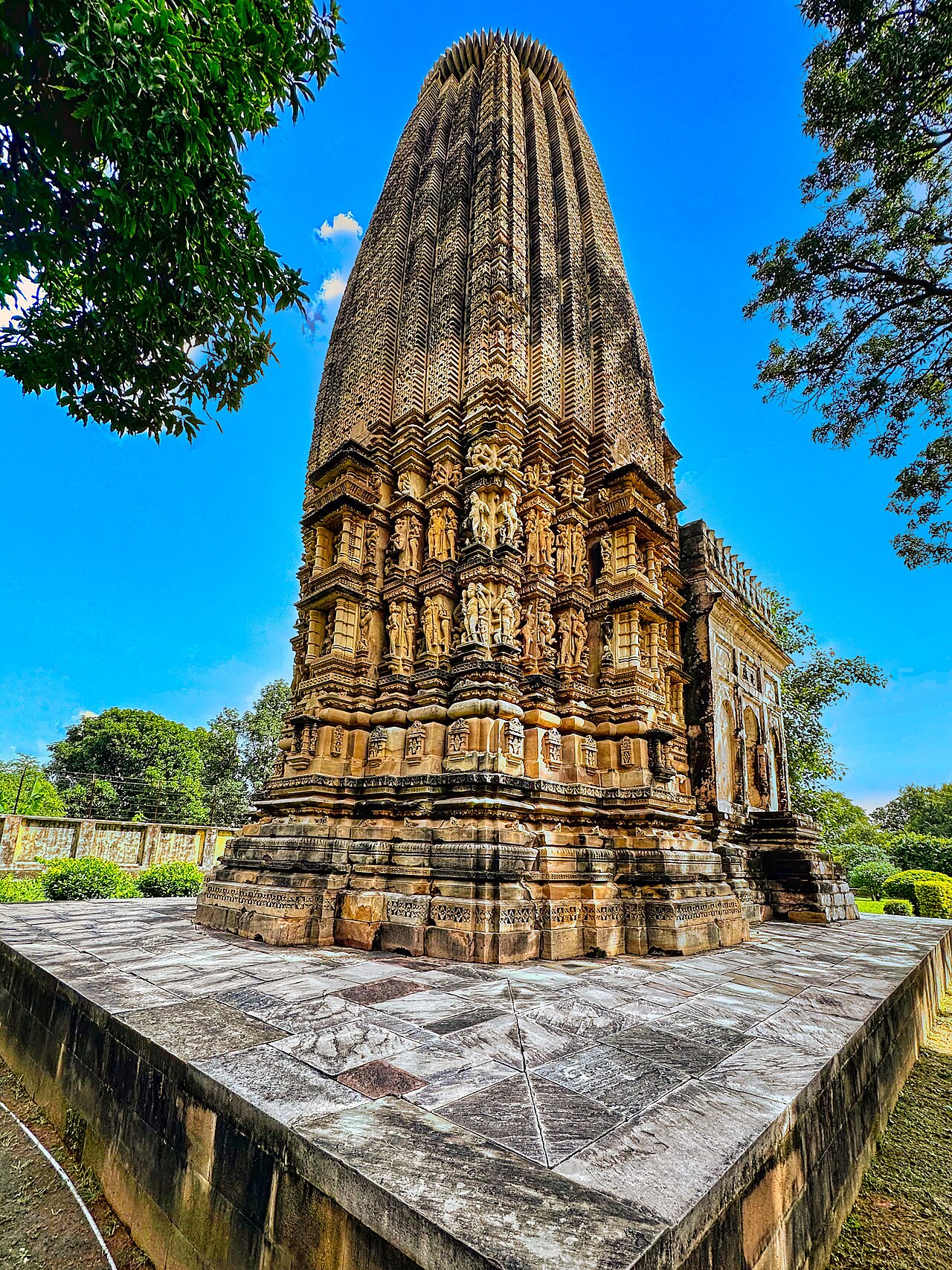
A Digambara Jain shrine within Khajuraho's Eastern Group of Temples, dedicated to Lord Adinatha, the first tirthankara, its curvilinear sandstone tower carved in the late eleventh century for a Hindu patron before passing into Jain hands.
 Jainism
Aharji
Aharji · India · temple
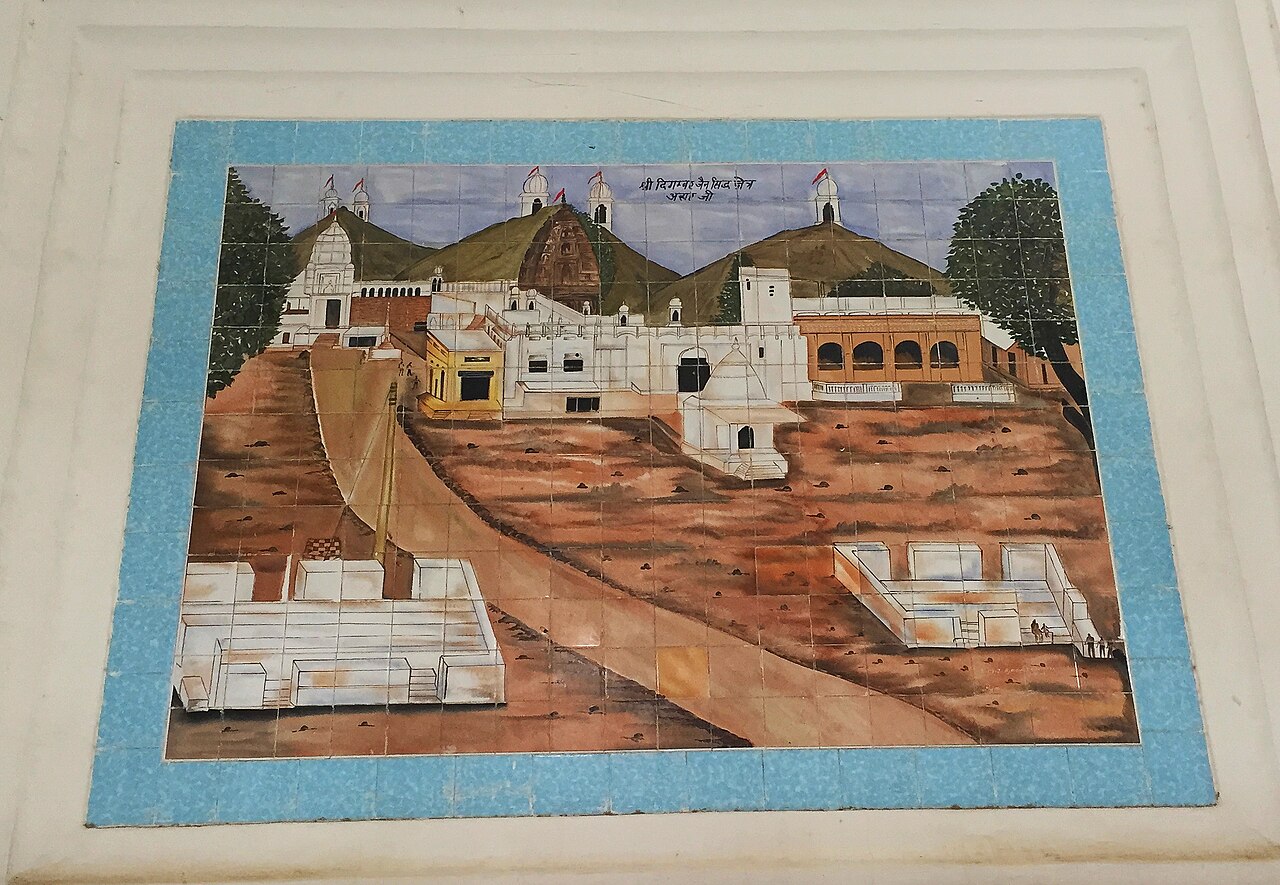
A Digambara Jain tirtha in the Bundelkhand region of Madhya Pradesh, where an eighteen-foot Chandella-era colossus of Lord Shantinatha stands in silent meditation at the heart of a Temple complex raised across three centuries.
 Jainism
Ahinsa Sthal
New Delhi · India · temple
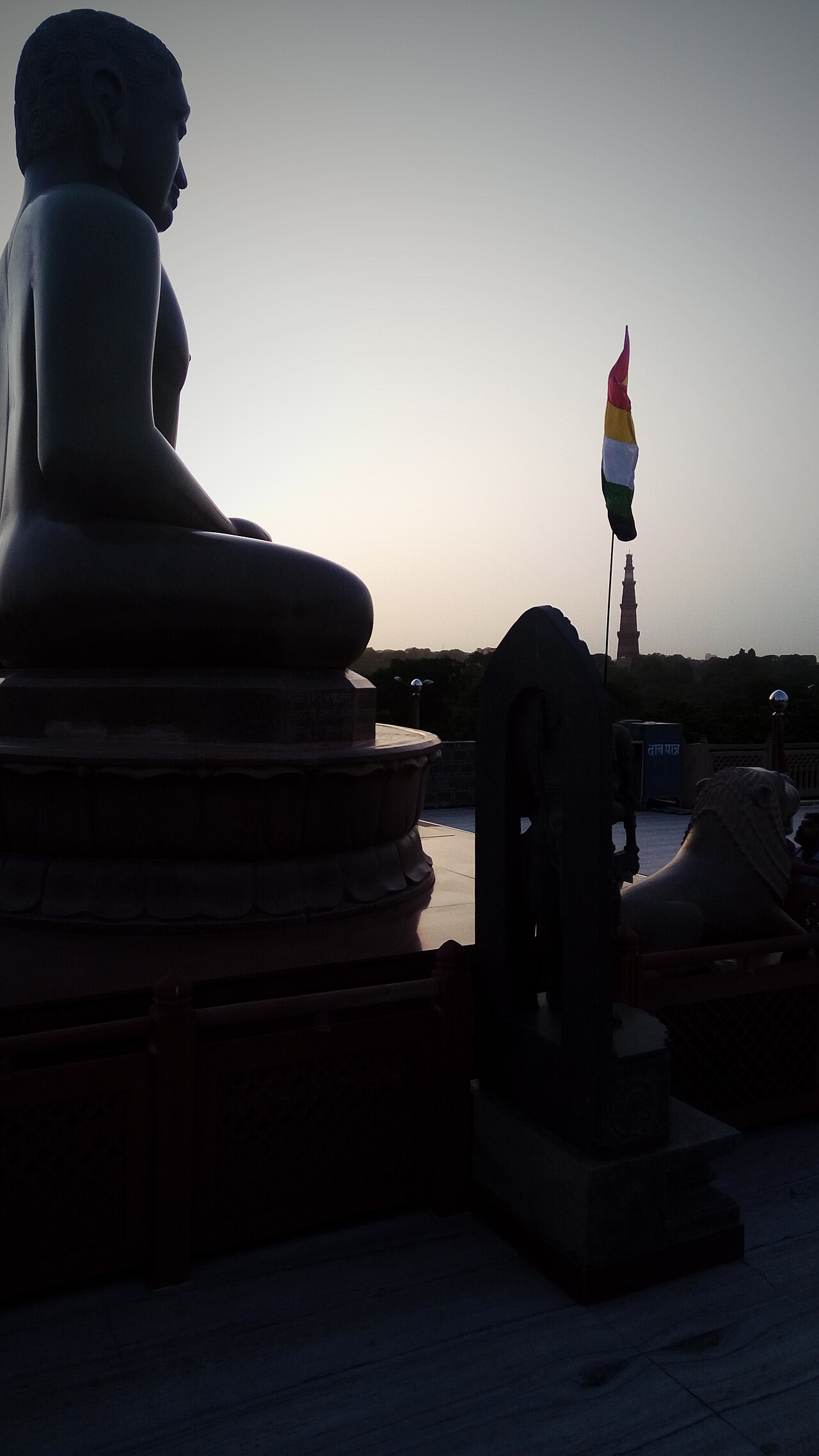
A modern Digambara Jain shrine on a terrace in Mehrauli, New Delhi, built in 1980 around a colossal granite image of Lord Mahavira seated in deep meditation, its very name declaring the tradition's central vow: ahimsa, harmlessness toward every living being.
 Jainism
Ajmer Jain Temple
Ajmer · India · temple
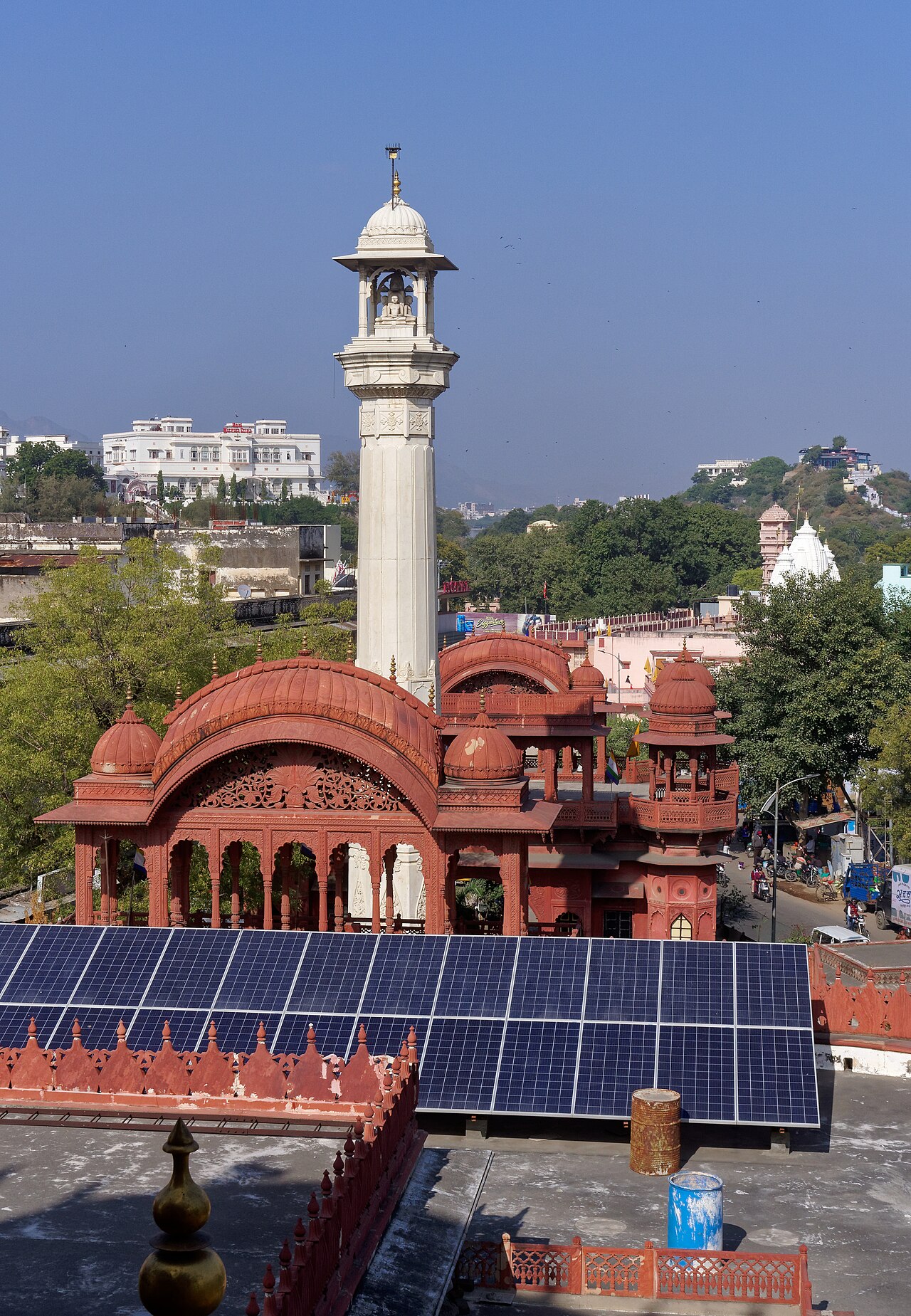
Popularly called Soniji Ki Nasiyan or the Red Temple, this Digambara Jain Temple on Prithviraj Marg in Ajmer pairs a red sandstone sanctuary, crowned by an eighty two foot marble pillar, with a golden upper hall whose gilded tableaux retell the life of Lord Rishabhdev, the first tirthankara.
 Jainism
Akkana Basadi
Shravanabelagola · India · temple
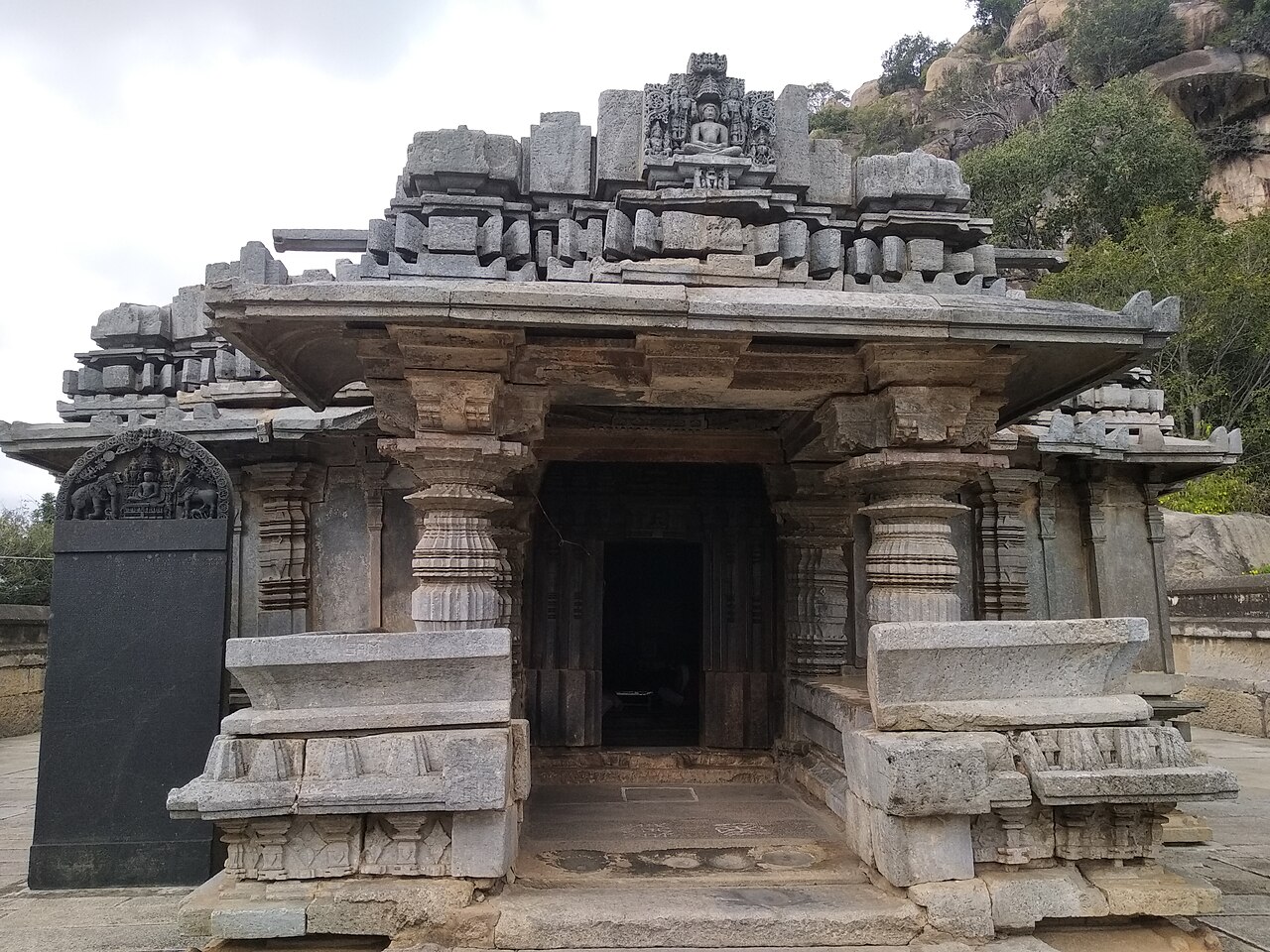
Consecrated in 1181 CE on Chandragiri hill at Shravanabelagola, Karnataka, Akkana Basadi is a Hoysala-era Jain basadi raised by the devout laywoman Achiyakka in honour of Tirthankara Parshvanatha, its deliberately plain stone walls and lathe-turned pillars a quiet expression of Jain austerity.
 Jainism
Bawangaja
Bawangaja · India · temple
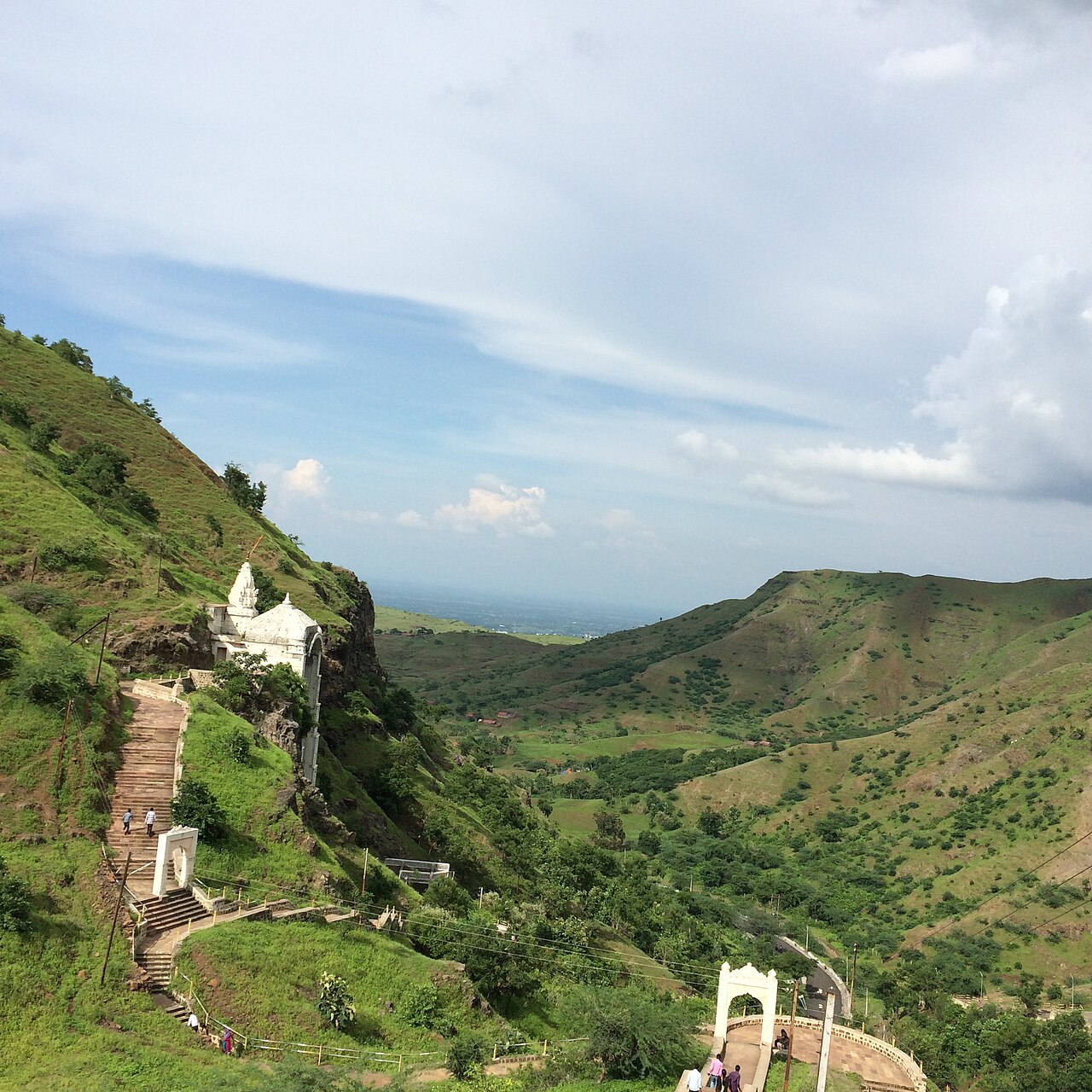
A Digambara Jain tirtha in the Satpura hills of Barwani district, Madhya Pradesh, where an 84-foot monolithic image of Lord Rishabhanatha (Adinatha), the first Tirthankara, stands carved directly from the mountain.