
Giriyak Stupa
Jarasandha-ka-Baithak · Jarasandha's Throne
About
Perched amid the Rajgir Hills in the Nalanda district of Bihar, the Giriyak Stupa stands on the western bank of the Panchane River, across from the small village that shares its name. The structure carries two identities: its Buddhist designation as a stupa and its folk name, Jarasandha-ka-baithak, meaning the seat or throne of Jarasandha, the celebrated king of ancient Magadha said to be the son of King Brihadratha.
As it appears today, the monument takes the form of a cylindrical tower faced with brickwork, measuring roughly 8.5 metres across and 6.5 metres tall, set upon a square foundation approximately 4.4 metres high. When the structure was complete, perhaps fifteen centuries ago, a solid brick dome crowned the cylinder and a stone umbrella canopy, the ceremonial chattravali, rose above that, bringing the total height from foundation base to canopy tip to an estimated 16.7 metres. The decorative vocabulary of the masonry belongs clearly to the Gupta period, the fourth through sixth centuries CE, sharing an aesthetic kinship with the great Mahabodhi Temple at Bodh Gaya.
The surroundings deepen the site's layered sacred character. Ruins of a Gupta-era brick Buddhist Temple lie close by, and structural remnants from the Mauryan period, fourth to second century BCE, and the Pala period, eighth to twelfth century CE, are scattered across the same hillside, composing a quiet palimpsest of Buddhist presence spanning more than a millennium.
History
The Chinese pilgrim Faxian passed this hill around 400 CE without recording a stupa, but his fellow pilgrim Xuanzang described one here around 622 CE, leading Alexander Cunningham to date its construction to roughly 500 CE. Local legend holds that Buddhist monks raised the stupa over the body of a sacred goose, a tradition Cunningham found some support for when he unearthed a broken sculpture carved with a goose on its pedestal. Francis Buchanan-Hamilton noted a treasure hunter's tunnel at its base in 1811, and Cunningham's own 1870 excavation, a shaft sunk from the crown to the foundation, uncovered nothing further about its history. The Archaeological Survey of India restored the decayed cylindrical wall between 2011 and 2016 and sealed the old tunnel.
Significance
The stupa stands in the Rajgir Hills, a landscape where the Buddha himself is remembered to have kept several monsoon retreats, and its Gupta-period brickwork shares a family resemblance with the Mahabodhi Temple at Bodh Gaya. For those who honour the epic memory of Magadha, its name keeps alive the throne of Jarasandha, giving this quiet hilltop a double resonance for pilgrims of two very different traditions.
Architecture
Gupta-period Buddhist stupa architecture; cylindrical brick tower on a square foundation, restored by the ASI 2011-2016
Visiting
Hours
Hours not listed.
Contact
No contact details listed yet.
Engage with Giriyak Stupa
Through the four pathways
Seva सेवा — Service
Offer your time and skills here. The following opportunities are open at Giriyak Stupa:
No Seva offerings listed yet.
Sādhana साधना — Practice
Learn the worship and practice associated with Giriyak Stupa:
No Sādhana offerings listed yet.
Sandhāna सन्धान — Wisdom
Unite with the wisdom of this tradition:
No Sandhāna offerings listed yet.
Sādhya साध्य — Giving
Support this sacred place according to your means:
No Sādhya offerings listed yet.
All giving flows directly to Giriyak Stupa. Adisthan does not take a commission.
Related sacred places
 Buddhism
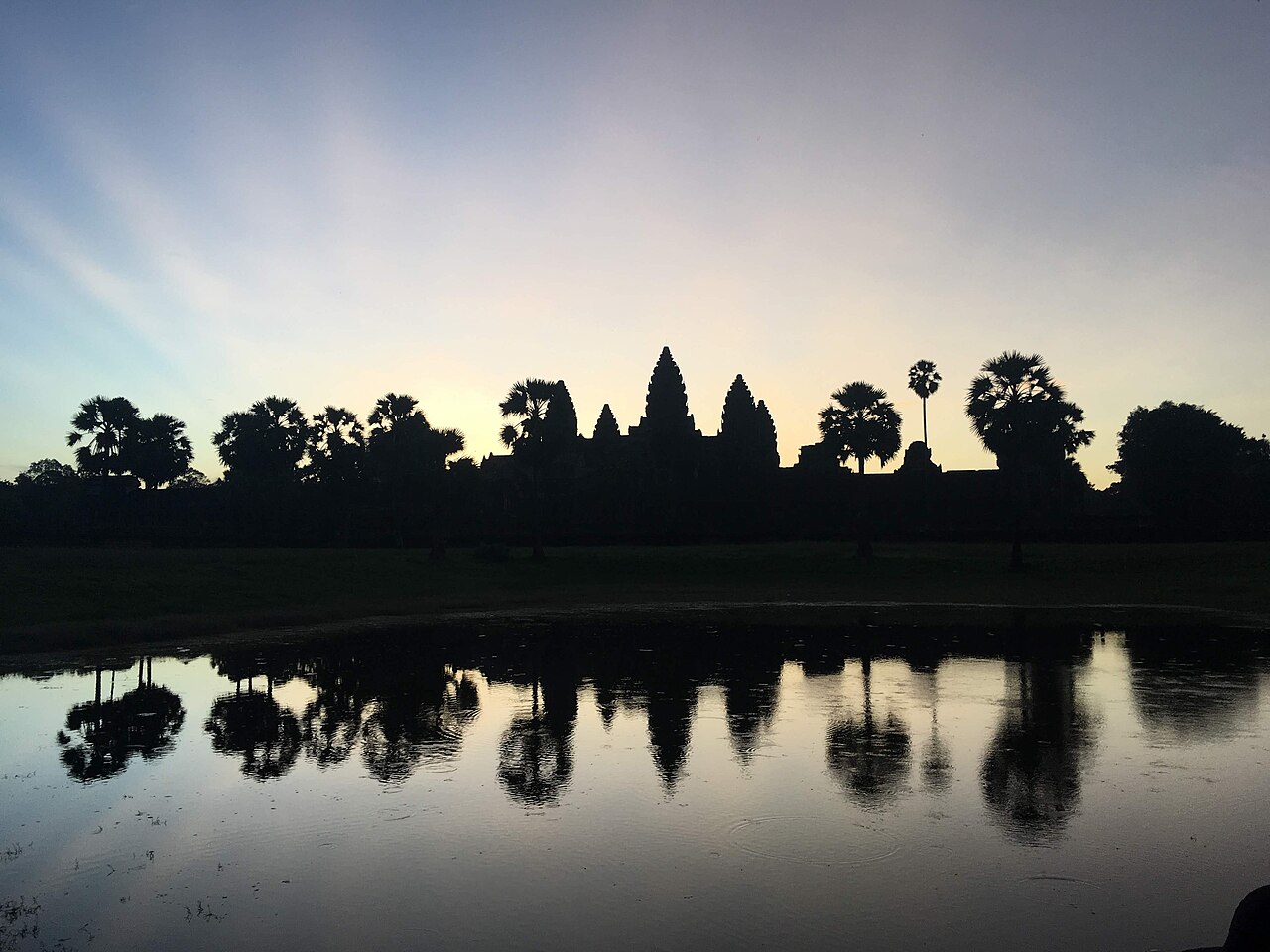
Angkor Wat
Siem Reap · Cambodia · temple
The largest religious monument on earth, built for Lord Vishnu by Suryavarman II in the 12th century and in continuous worship ever since: a living Theravada Buddhist Temple whose five towers stand on the Cambodian flag.
 Buddhism
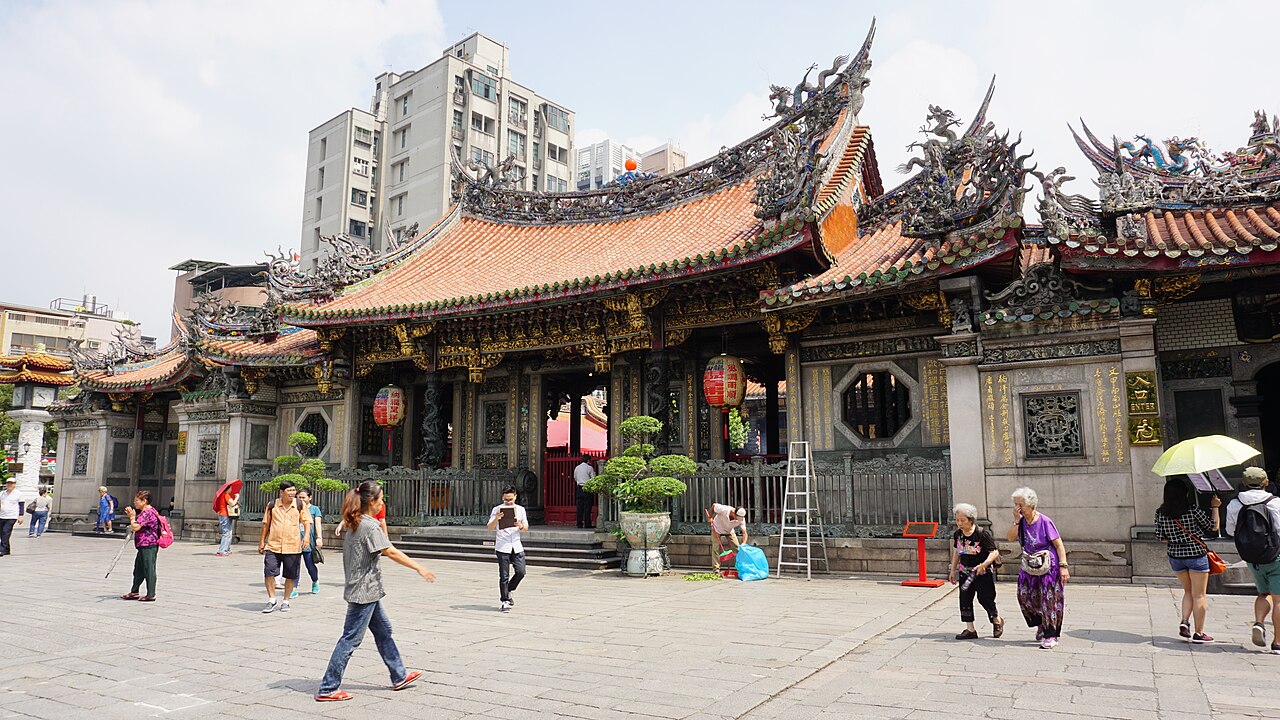
Bangka Lungshan Temple
Taipei (Wanhua) · Taiwan · temple
Taipei's mother Temple to Guanshiyin, founded by Fujian settlers in 1738 in the old Bangka quarter: a front hall to the bodhisattva of compassion and a rear hall of more than a hundred Taoist and folk gods, whose Guanyin statue survived the 1945 bombing intact.
 Buddhism
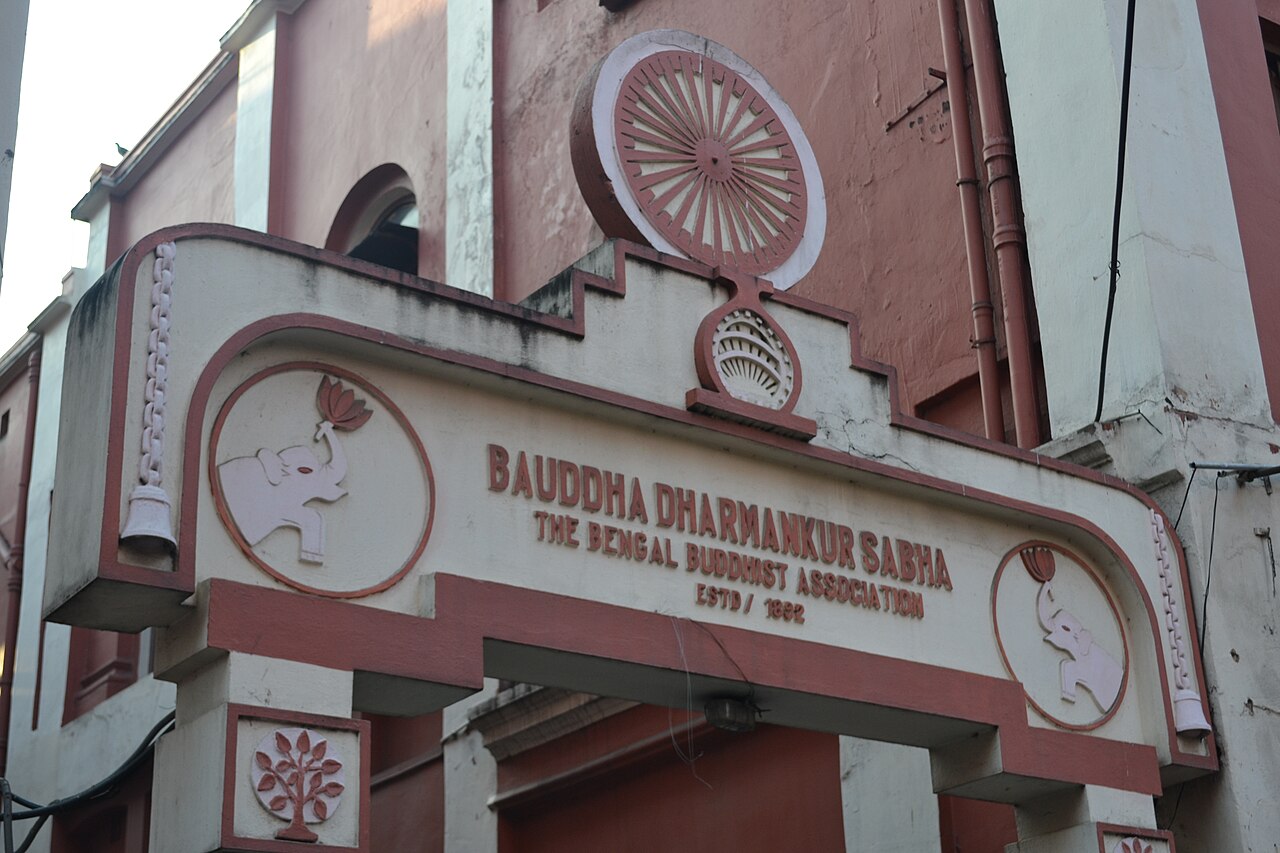
Bengal Buddhist Association
Kolkata · India · monastery
Founded in Kolkata in 1892 by Kripasaran Mahasthavir, the Bengal Buddhist Association, known in Bengali as Bauddha Dharmankur Sabha, raised the Dharmankur Vihara at Bow Barracks in 1903 and has worked for over a century to revive the Dharma in eastern India.
 Buddhism
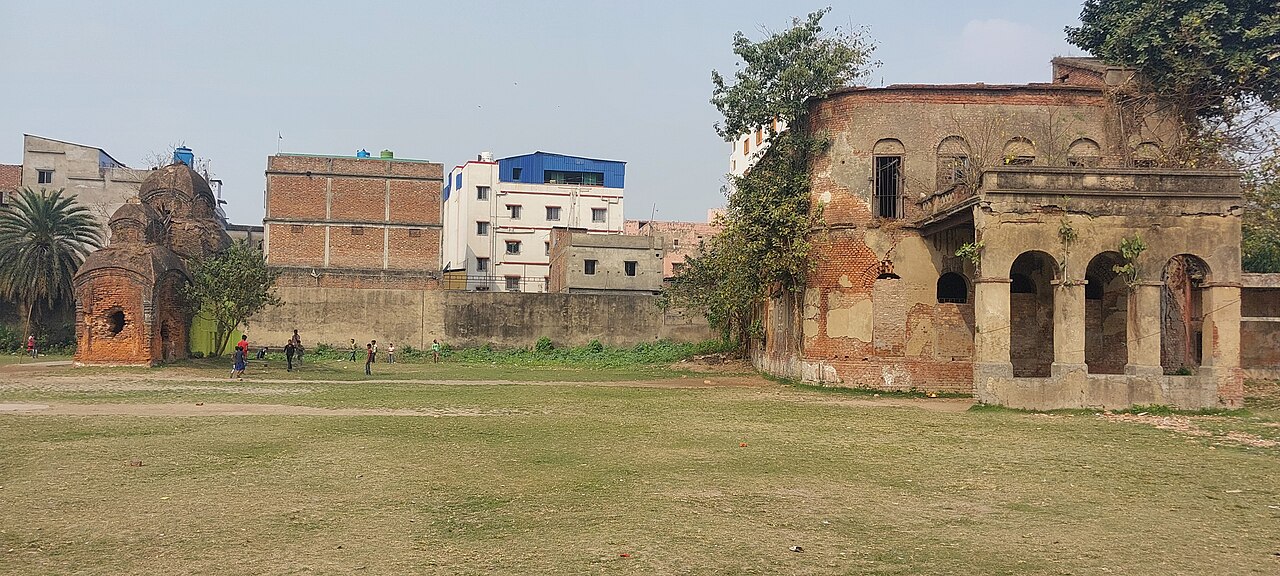
Bhot Bagan Math
Ghusuri · India · monastery
A brick monastery on the Hooghly riverside at Ghusuri, Howrah, founded in 1776 as the first Tibetan Buddhist religious foundation on the plains of India and still known popularly as Mahakal Math for the Tibetan deity images once installed in its sanctum.
 Buddhism
Borobudur
Magelang · Indonesia · temple
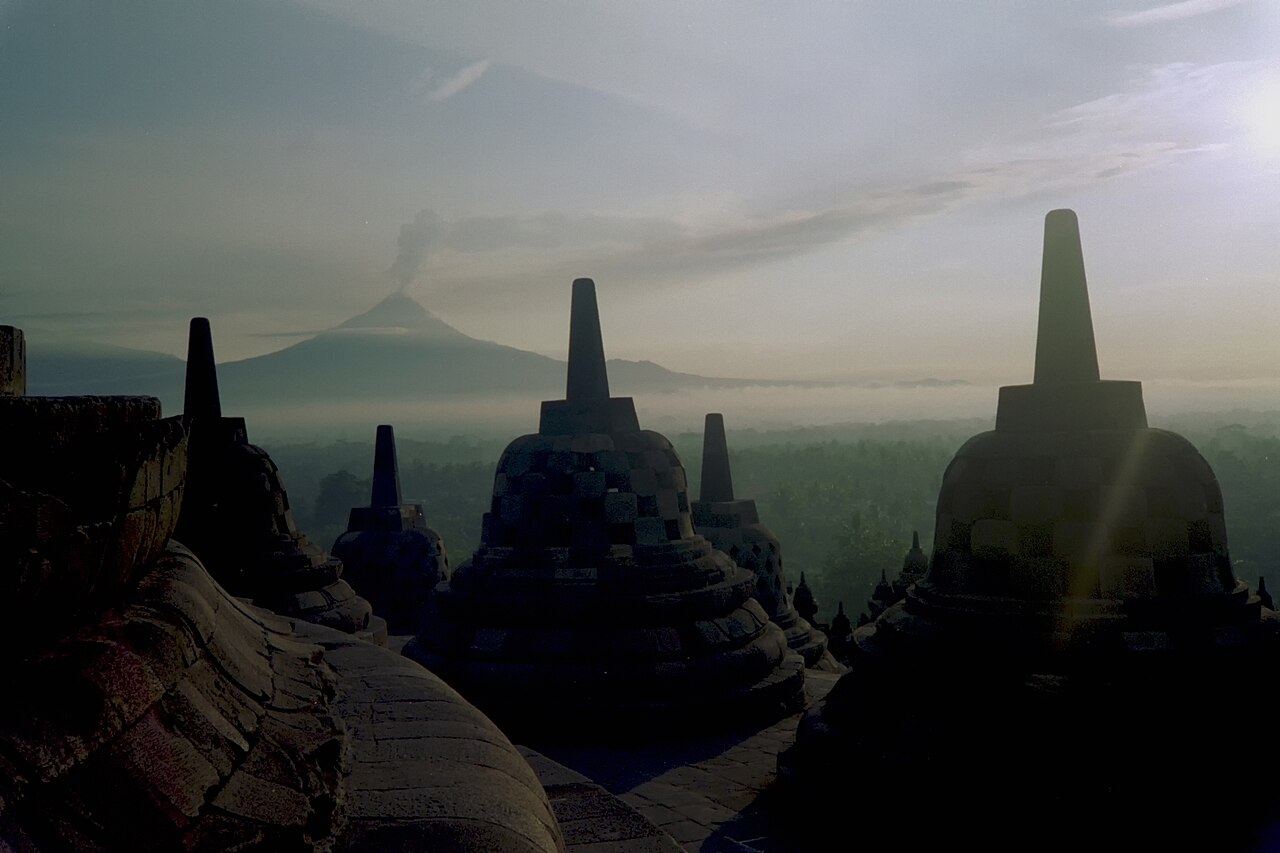
The world's largest Buddhist Temple: a ninth-century mandala in stone on Java's Kedu Plain, nine terraces rising through the three realms to 72 latticed stupas, each sheltering a seated Buddha.
 Buddhism
Boudhanath Stupa
Kathmandu · Nepal · stupa
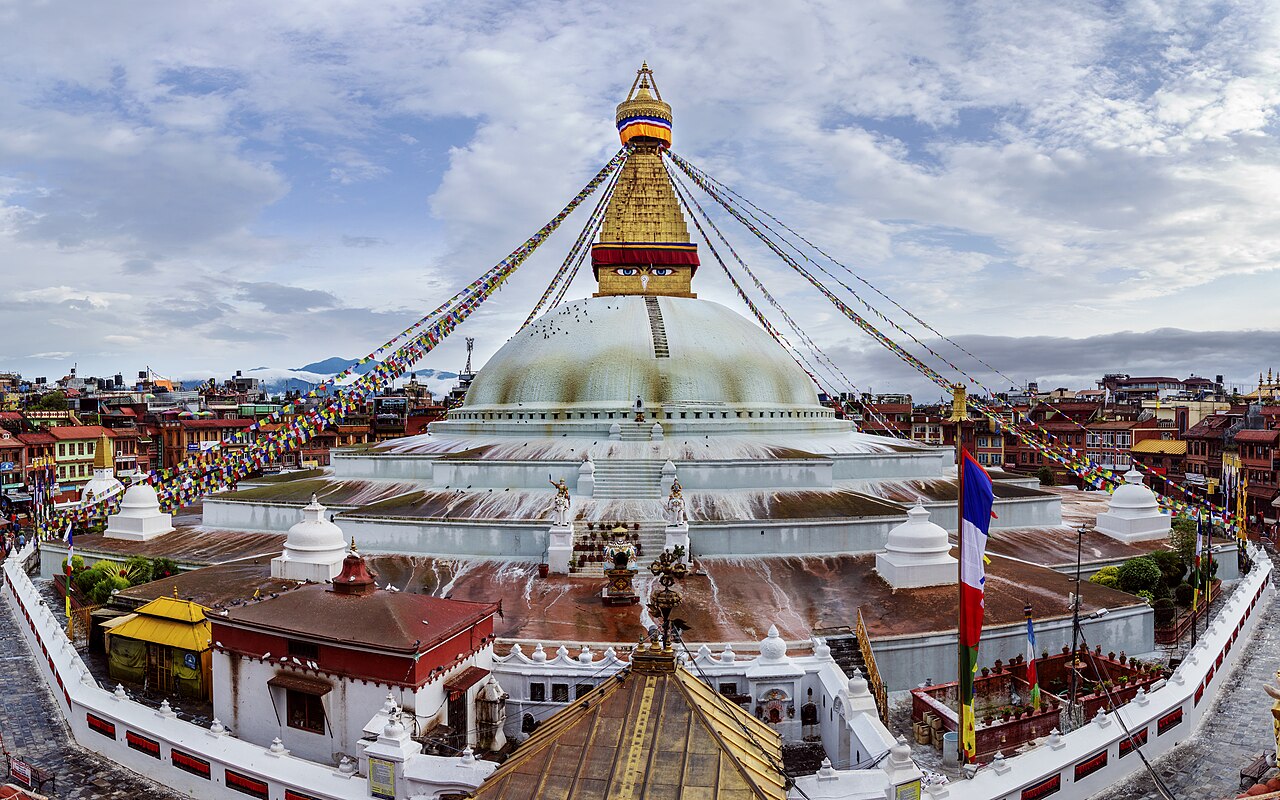
The largest spherical stupa in Nepal, its all-seeing Buddha eyes watching over the kora walked daily by the Tibetan Buddhist community of Boudha, the heart of Vajrayana practice in the Kathmandu Valley.