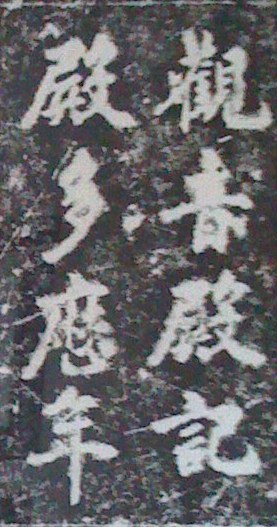
Hall of Guanyin
About
Throughout Chinese Buddhist Temple compounds, the Guanyin Hall holds pride of place among all secondary shrines, serving as the dedicated dwelling of Avalokiteśvara, known in Chinese as Guanyin (觀音), also rendered as Guanshiyin (觀世音), meaning "the one who perceives the sounds of the world." This bodhisattva stands at the very heart of East Asian Buddhist devotion, attending upon Amitabha Buddha as one of the three sacred figures of the Western Pure Land, a grouping honoured as the "Western Three Saints" (西方三聖).
Guanyin embodies the Buddhist virtue of compassion more fully than any other figure in the tradition's vast pantheon. The sacred text known as the Chapter of the Universal Gate (《觀世音菩薩普門品》) teaches that those who call upon Guanyin in moments of danger will be heard and delivered, a promise that has drawn countless devotees into these halls across the centuries. Because Guanyin manifests in many forms, the statues enshrined within these sacred chambers vary considerably: some halls house Sheng Guanyin (圣觀音), the "holy" or canonical form; others enshrine Guanzizai (觀自在), meaning "the freely perceiving one"; and still others shelter the magnificent Thousand-Armed and Thousand-Eyed Guanyin (千手千眼觀音菩薩), whose countless limbs and eyes symbolise an inexhaustible capacity to reach every suffering being simultaneously.
The atmosphere within a Guanyin Hall is typically one of quiet petition and gentle hope. Incense drifts toward an image of serene, boundless compassion, and the space welcomes all, those carrying grief, illness, longing, or gratitude, without distinction of status or learning.
Significance
The Guanyin Hall occupies a singular place in East Asian Buddhist life as the foremost ancillary hall of the Chinese Temple, a status reflecting Guanyin's unparalleled centrality to popular devotion across the region. Venerated in China, Korea (as Gwaneumjeon, 관음전), Japan (as Kannondō, 観音堂), and Vietnam, this bodhisattva transcends sectarian boundaries within Buddhism and is approached by lay devotees and monastics alike. The scriptural promise that Guanyin hears every cry of distress has made these halls places of profound refuge, where the teachings of compassion are not merely contemplated but actively sought and trusted.
Visiting
Hours
Hours not listed.
Contact
No contact details listed yet.
Address
Engage with Hall of Guanyin
Through the four pathways
Seva सेवा — Service
Offer your time and skills here. The following opportunities are open at Hall of Guanyin:
No Seva offerings listed yet.
Sādhana साधना — Practice
Learn the worship and practice associated with Hall of Guanyin:
No Sādhana offerings listed yet.
Sandhāna सन्धान — Wisdom
Unite with the wisdom of this tradition:
No Sandhāna offerings listed yet.
Sādhya साध्य — Giving
Support this sacred place according to your means:
No Sādhya offerings listed yet.
All giving flows directly to Hall of Guanyin. Adisthan does not take a commission.
Gallery
Related sacred places
 Buddhism
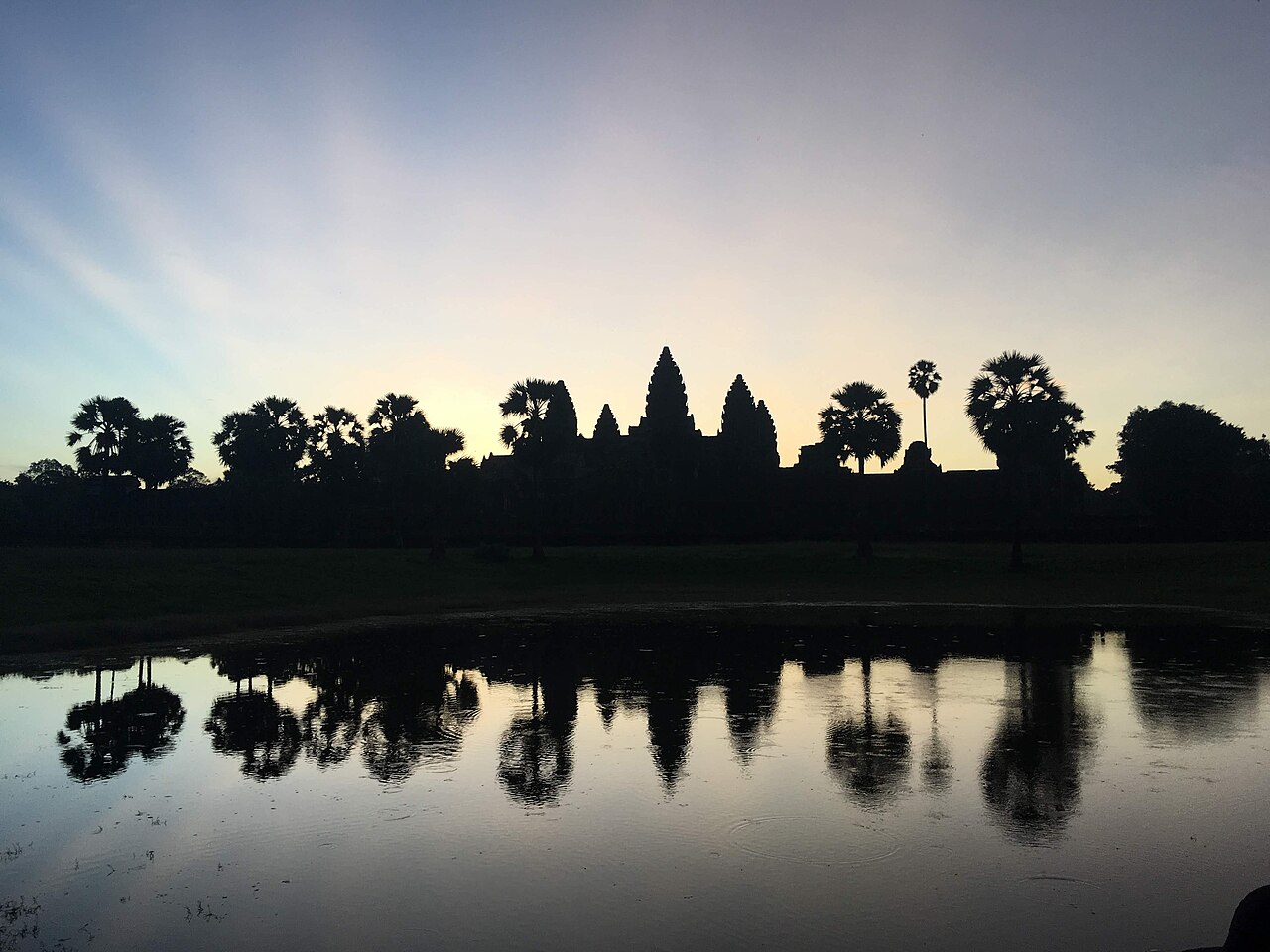
Angkor Wat
Siem Reap · Cambodia · temple
The largest religious monument on earth, built for Lord Vishnu by Suryavarman II in the 12th century and in continuous worship ever since: a living Theravada Buddhist Temple whose five towers stand on the Cambodian flag.
 Buddhism
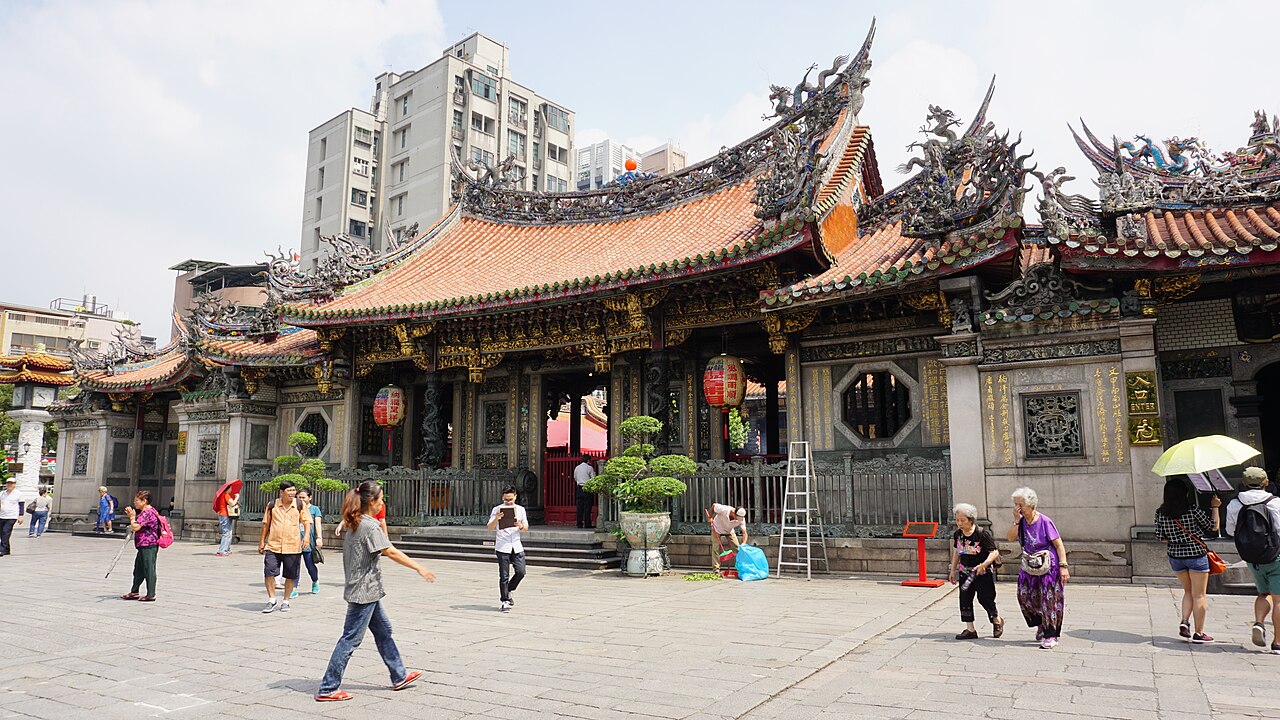
Bangka Lungshan Temple
Taipei (Wanhua) · Taiwan · temple
Taipei's mother Temple to Guanshiyin, founded by Fujian settlers in 1738 in the old Bangka quarter: a front hall to the bodhisattva of compassion and a rear hall of more than a hundred Taoist and folk gods, whose Guanyin statue survived the 1945 bombing intact.
 Buddhism
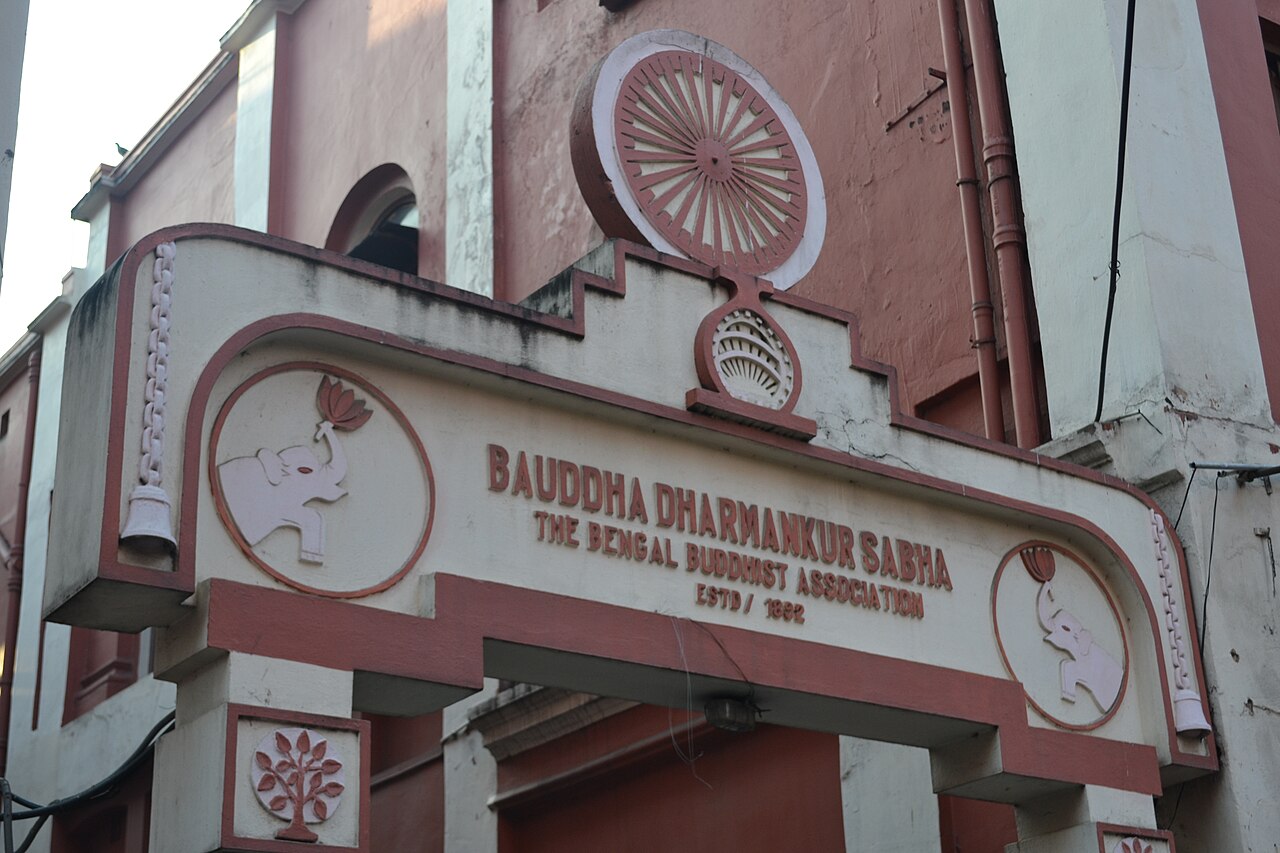
Bengal Buddhist Association
Kolkata · India · monastery
Founded in Kolkata in 1892 by Kripasaran Mahasthavir, the Bengal Buddhist Association, known in Bengali as Bauddha Dharmankur Sabha, raised the Dharmankur Vihara at Bow Barracks in 1903 and has worked for over a century to revive the Dharma in eastern India.
 Buddhism
Bhot Bagan Math
Ghusuri · India · monastery
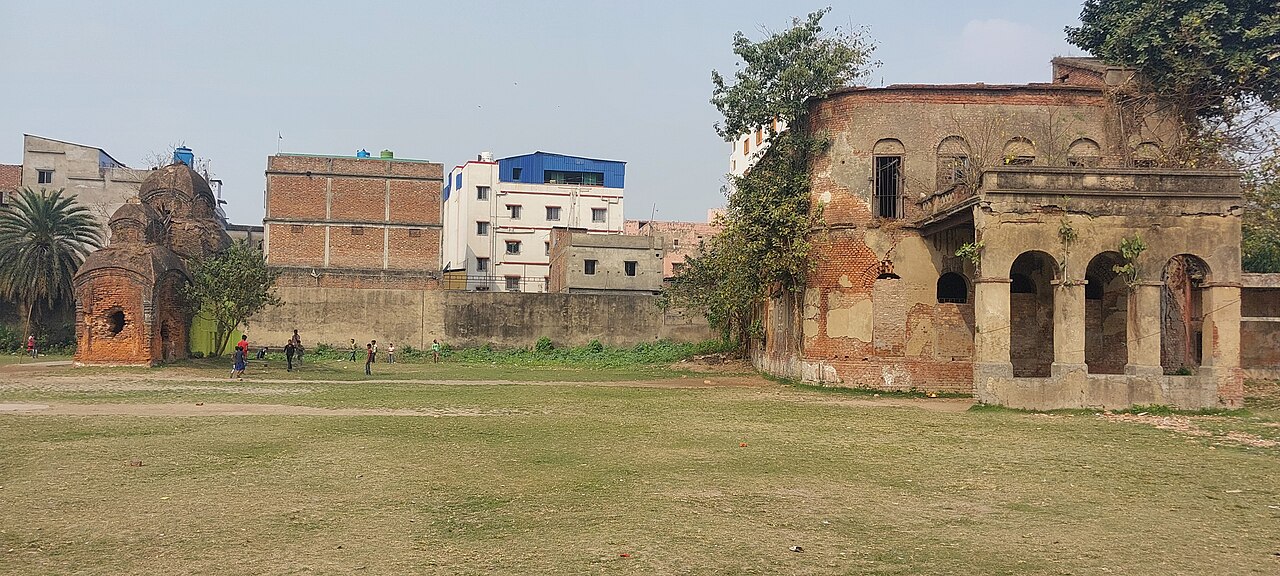
A brick monastery on the Hooghly riverside at Ghusuri, Howrah, founded in 1776 as the first Tibetan Buddhist religious foundation on the plains of India and still known popularly as Mahakal Math for the Tibetan deity images once installed in its sanctum.
 Buddhism
Borobudur
Magelang · Indonesia · temple
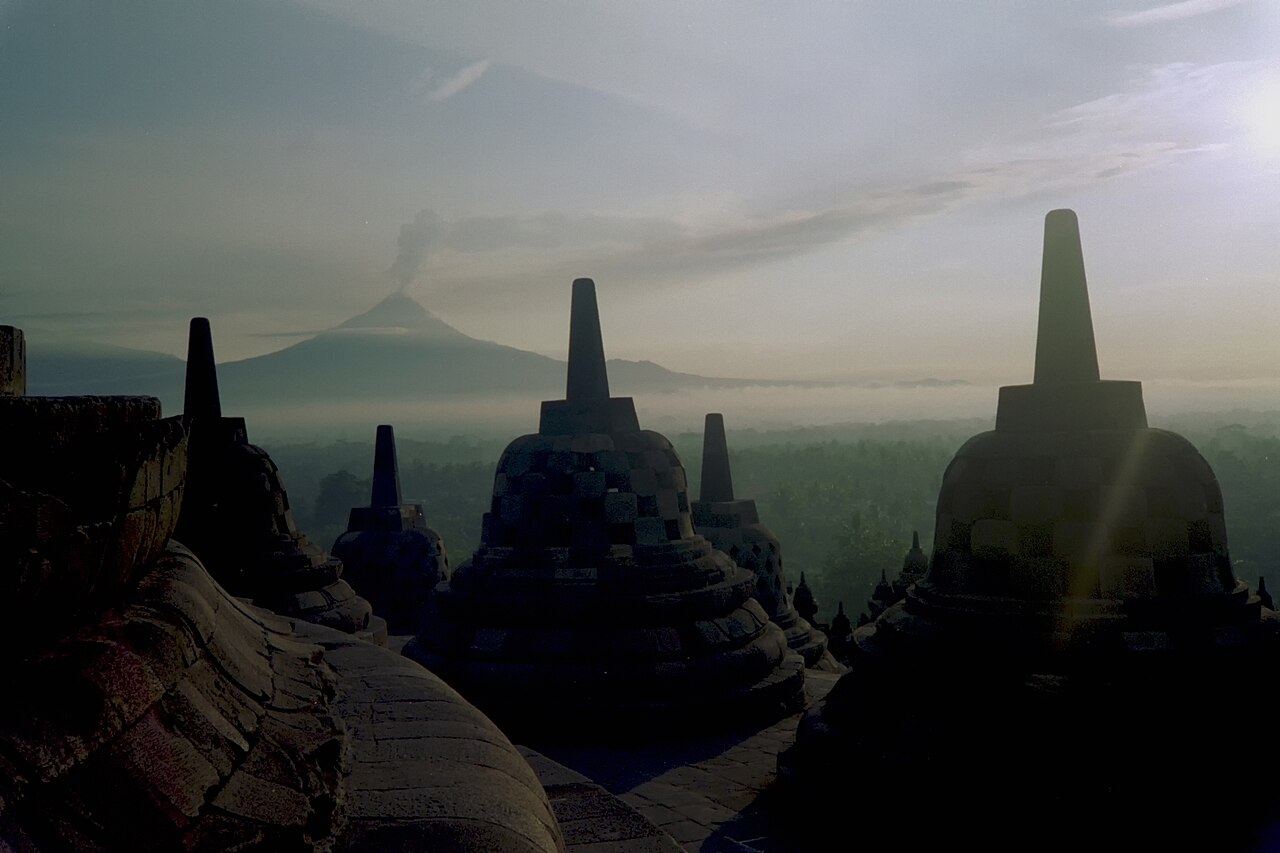
The world's largest Buddhist Temple: a ninth-century mandala in stone on Java's Kedu Plain, nine terraces rising through the three realms to 72 latticed stupas, each sheltering a seated Buddha.
 Buddhism
Boudhanath Stupa
Kathmandu · Nepal · stupa
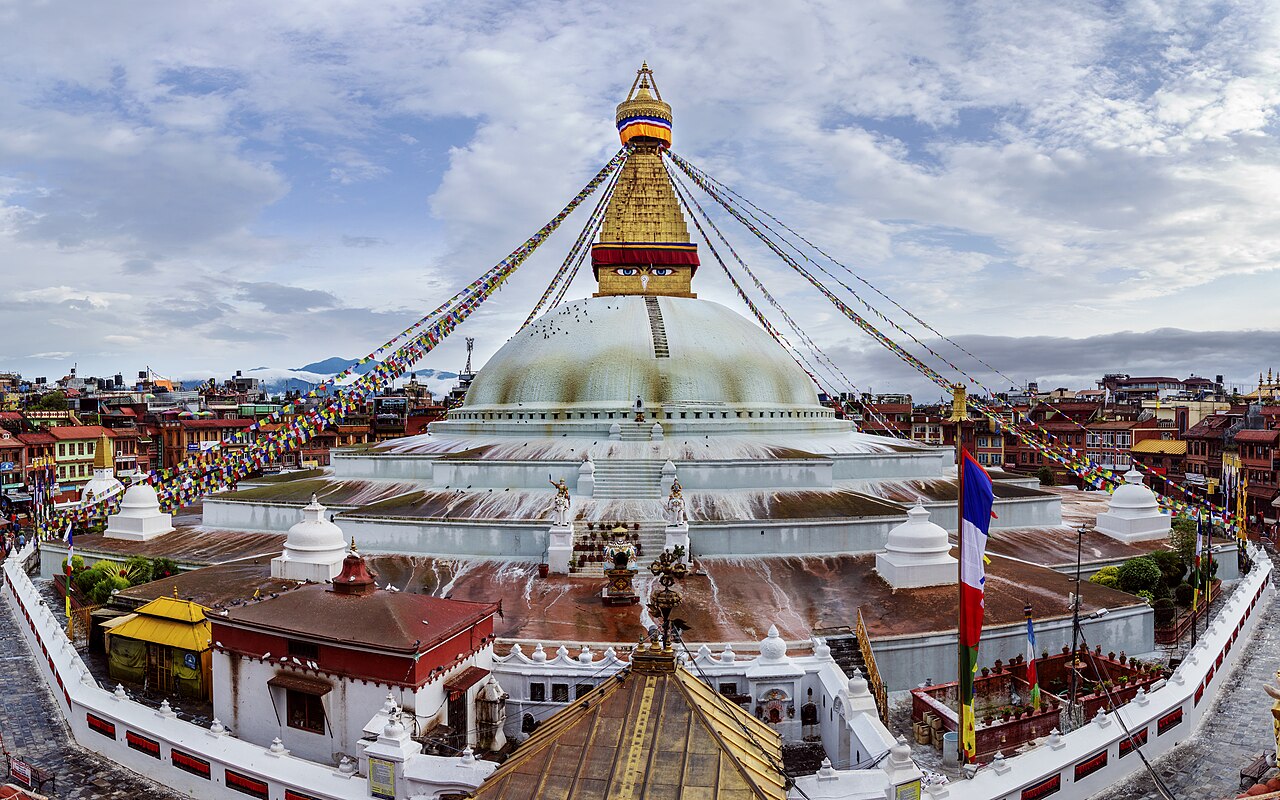
The largest spherical stupa in Nepal, its all-seeing Buddha eyes watching over the kora walked daily by the Tibetan Buddhist community of Boudha, the heart of Vajrayana practice in the Kathmandu Valley.