
Hutheesing Jain Temple
Hathisingh Jain Temple · Hathee Singh Jain Temple · Hutheesing Jain Derasar
About
The Hutheesing Temple rises just outside the Delhi Darwaza of the old city of Ahmedabad, a serene white marble sanctuary set within a colonnaded courtyard. Built in 1848 by the Hutheesing family of merchants, it weaves together the classical Maru-Gurjara Temple idiom with elements drawn from the Gujarati haveli.
The principal shrine is dedicated to Bhagvan Dharmanatha, whose marble image is enshrined in the central garbhagriha. The Temple is of the nirandhara-prasada type, without a circumambulatory passage, and rises in two storeys. Its plan unfolds in a line of garbhagriha, gudhamandapa, vestibule, and sabhamandapa, each crowned by its own shikhara, while a richly carved ridged dome above the gudhamandapa is borne on twelve ornate pillars.
The principal Temple honours eleven Tirthankaras, five in the upper sanctuaries and six in the basement. Around the central shrine, an open courtyard is lined by a cloister of fifty-two devakulikas, each a small subsidiary shrine housing a sacred image. In the outer court rises a manastambha, a six-storey column of honour about seventy-eight feet tall, raised to mark the 2500th birth anniversary of Bhagvan Mahavira.
The Maru-Gurjara carving here takes its place in the wider Solanki-era tradition that flowered at Bhadreshwar and Ranakpur. The Temple is also known for its rainwater harvesting system, a quiet sign of the Jain commitment to care for the elements of nature.
History
The Temple was conceived by the Ahmedabad merchant Sheth Hutheesing Kesarisinh and, after his death at forty-nine, carried to completion by his widow Harkunwar under the design of the chief sthapati Premchand Salat. Construction fell during a severe famine in Gujarat, and the two years of work it gave to hundreds of skilled artisans became itself a form of dana, sustaining the craft community through hardship. A six-storey manastambha nearly seventy-eight feet tall was later raised in the outer courtyard to mark the 2,500th birth anniversary of Lord Mahavira.
Significance
The Temple's marble image of Lord Dharmanatha sits at the centre of a cloistered courtyard lined by fifty-two devakulikas, each sheltering its own sacred image, while the surrounding carving of elephants, dancers, and celestial figures carries the Maru-Gurjara idiom seen at Bhadreshwar and Ranakpur forward into the nineteenth century. The Temple remains in the care of the Hutheesing family trust and is known also for its rainwater harvesting system, a quiet expression of Jain regard for the elements.
Architecture
Maru-Gurjara Temple architecture blended with Gujarati haveli elements, built in white marble
Visiting
Daily worship
| Darshan hours | 08:00 to 17:00 |
Hours
Hours not listed.
Contact
No contact details listed yet.
Engage with Hutheesing Jain Temple
Through the four pathways
Seva सेवा — Service
Offer your time and skills here. The following opportunities are open at Hutheesing Jain Temple:
No Seva offerings listed yet.
Sādhana साधना — Practice
Learn the worship and practice associated with Hutheesing Jain Temple:
No Sādhana offerings listed yet.
Sandhāna सन्धान — Wisdom
Unite with the wisdom of this tradition:
No Sandhāna offerings listed yet.
Sādhya साध्य — Giving
Support this sacred place according to your means:
No Sādhya offerings listed yet.
All giving flows directly to Hutheesing Jain Temple. Adisthan does not take a commission.
Festivals & Events
- Sept
Paryushan Parva
8 September 2026 · annual
The Shvetambara community's most sacred period of the year, eight days of fasting, scripture, and self-reflection closing on Samvatsari, the day of universal forgiveness.
- Apr
Mahavir Jayanti
19 April 2027 · annual
The birth anniversary of Lord Mahavira, the twenty-fourth and final Tirthankara, marked at the Temple with special darshan and readings from Jain scripture.
Gallery
Related sacred places
 Jainism
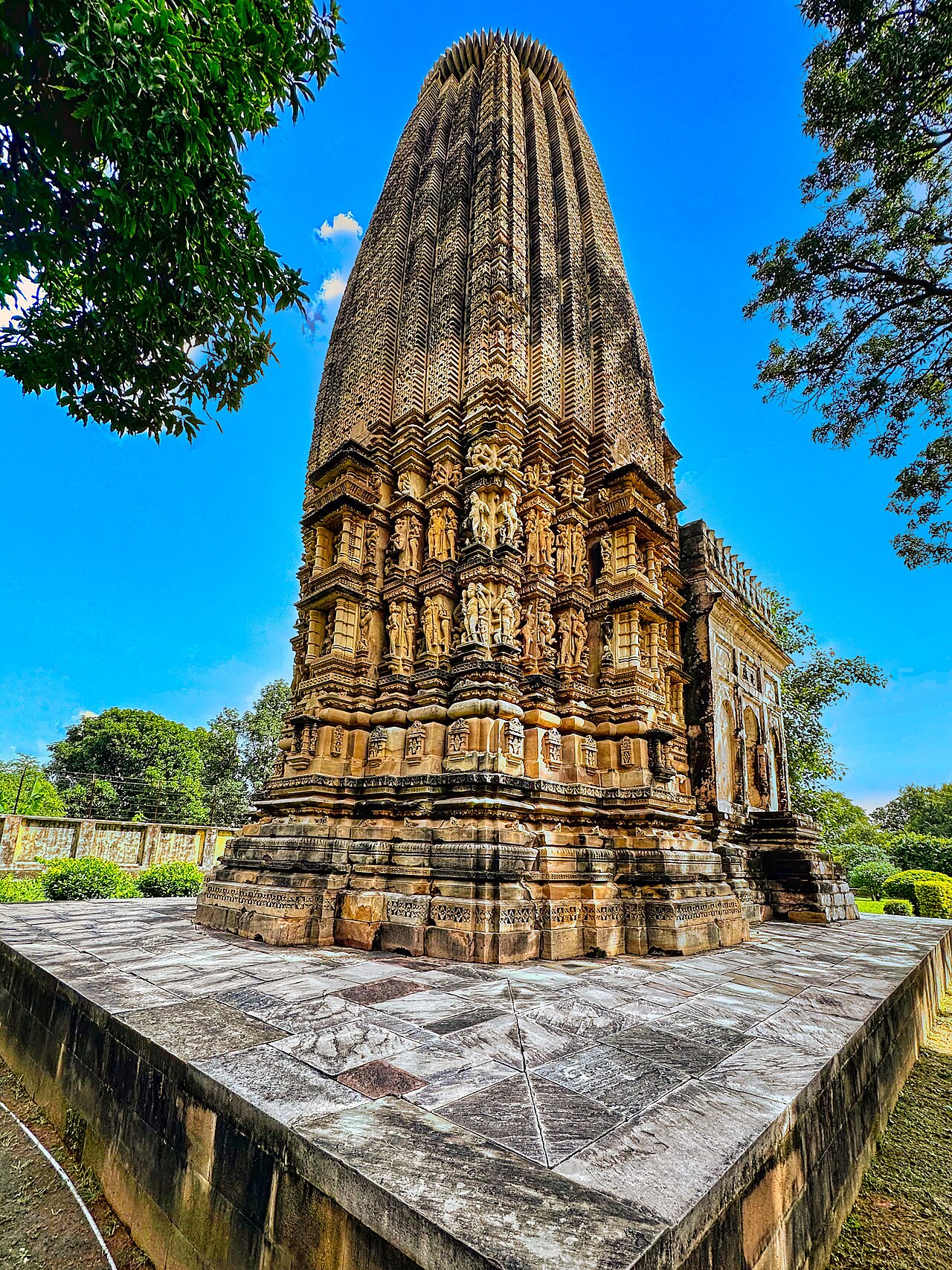
Adinatha Temple
Khajuraho · India · temple
A Digambara Jain shrine within Khajuraho's Eastern Group of Temples, dedicated to Lord Adinatha, the first tirthankara, its curvilinear sandstone tower carved in the late eleventh century for a Hindu patron before passing into Jain hands.
 Jainism
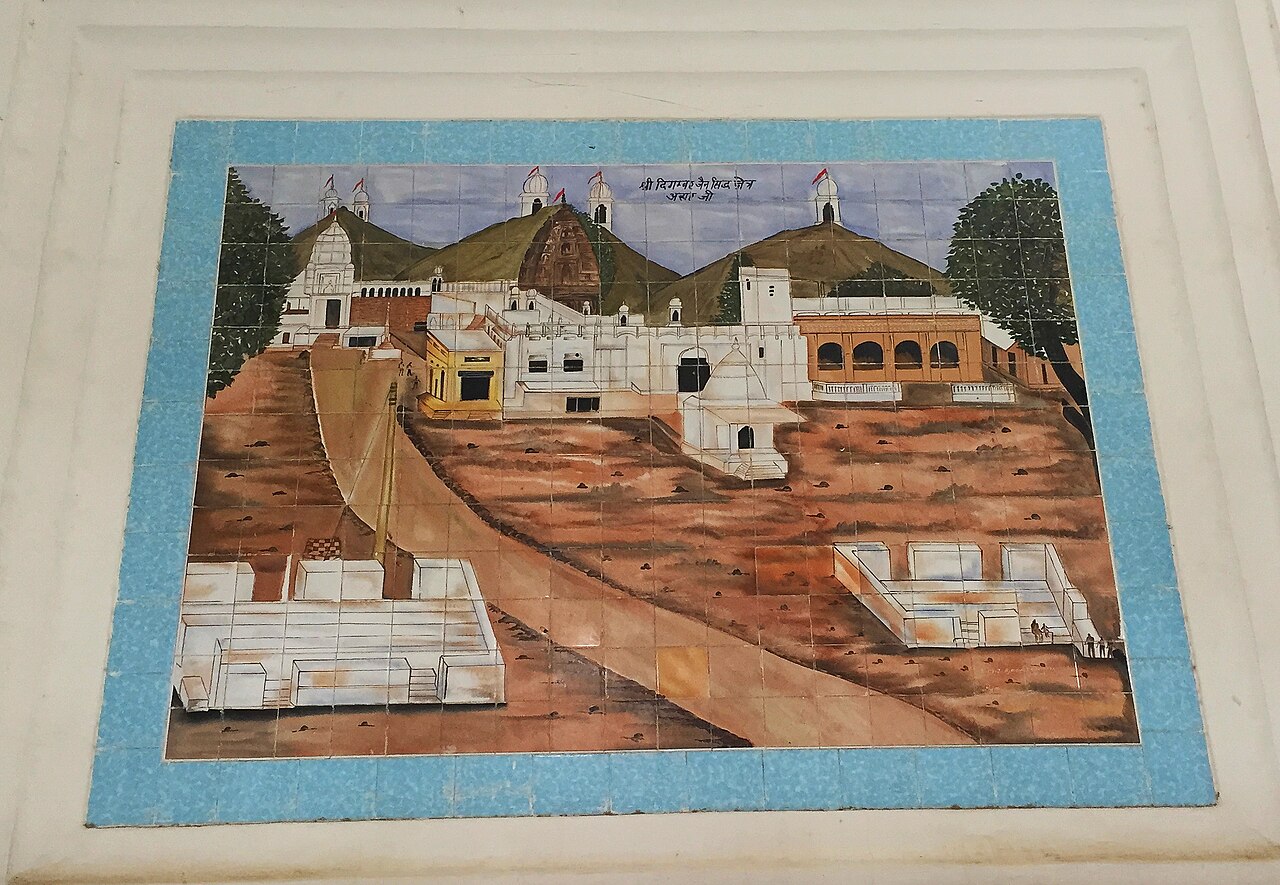
Aharji
Aharji · India · temple
A Digambara Jain tirtha in the Bundelkhand region of Madhya Pradesh, where an eighteen-foot Chandella-era colossus of Lord Shantinatha stands in silent meditation at the heart of a Temple complex raised across three centuries.
 Jainism
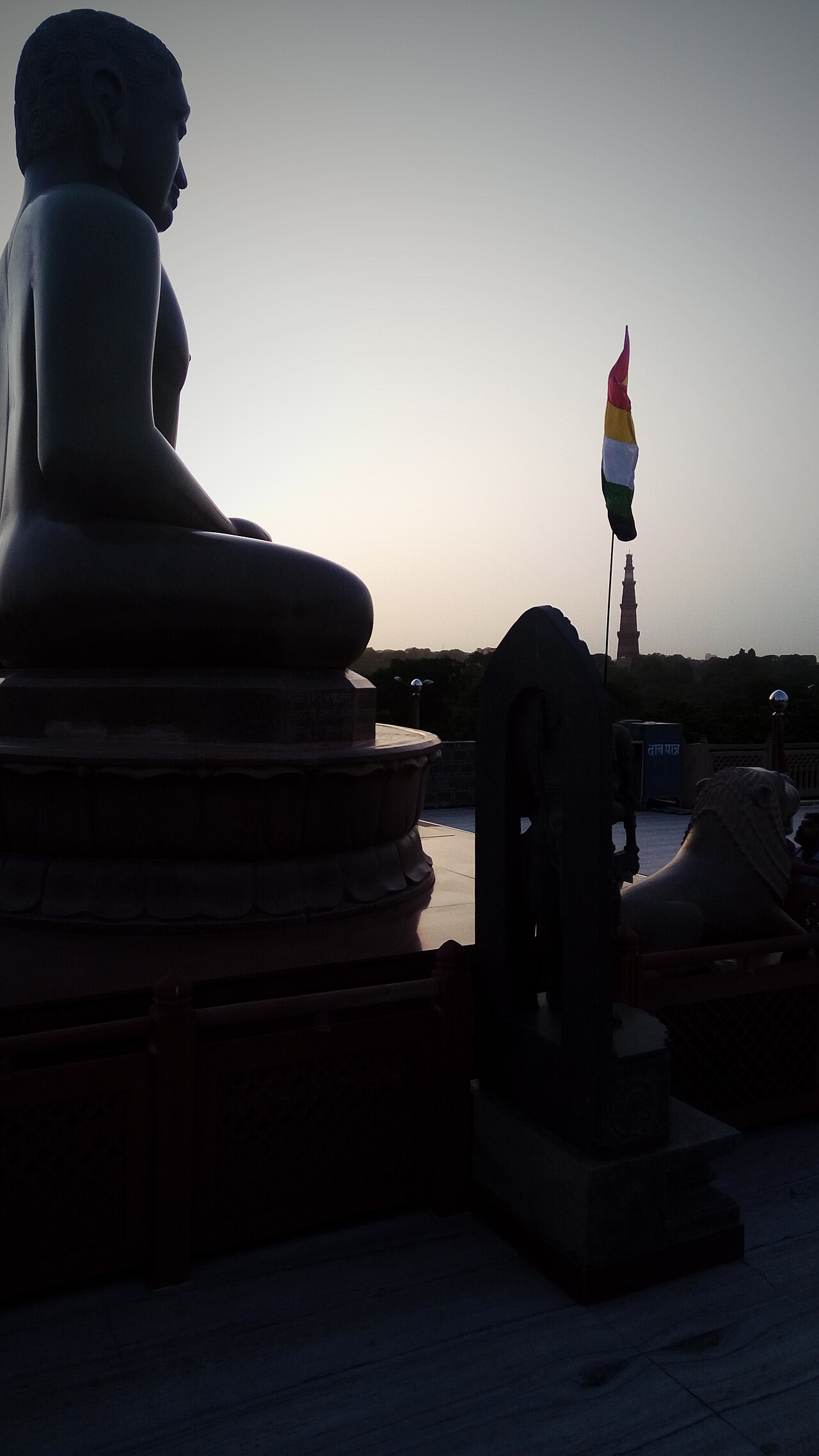
Ahinsa Sthal
New Delhi · India · temple
A modern Digambara Jain shrine on a terrace in Mehrauli, New Delhi, built in 1980 around a colossal granite image of Lord Mahavira seated in deep meditation, its very name declaring the tradition's central vow: ahimsa, harmlessness toward every living being.
 Jainism
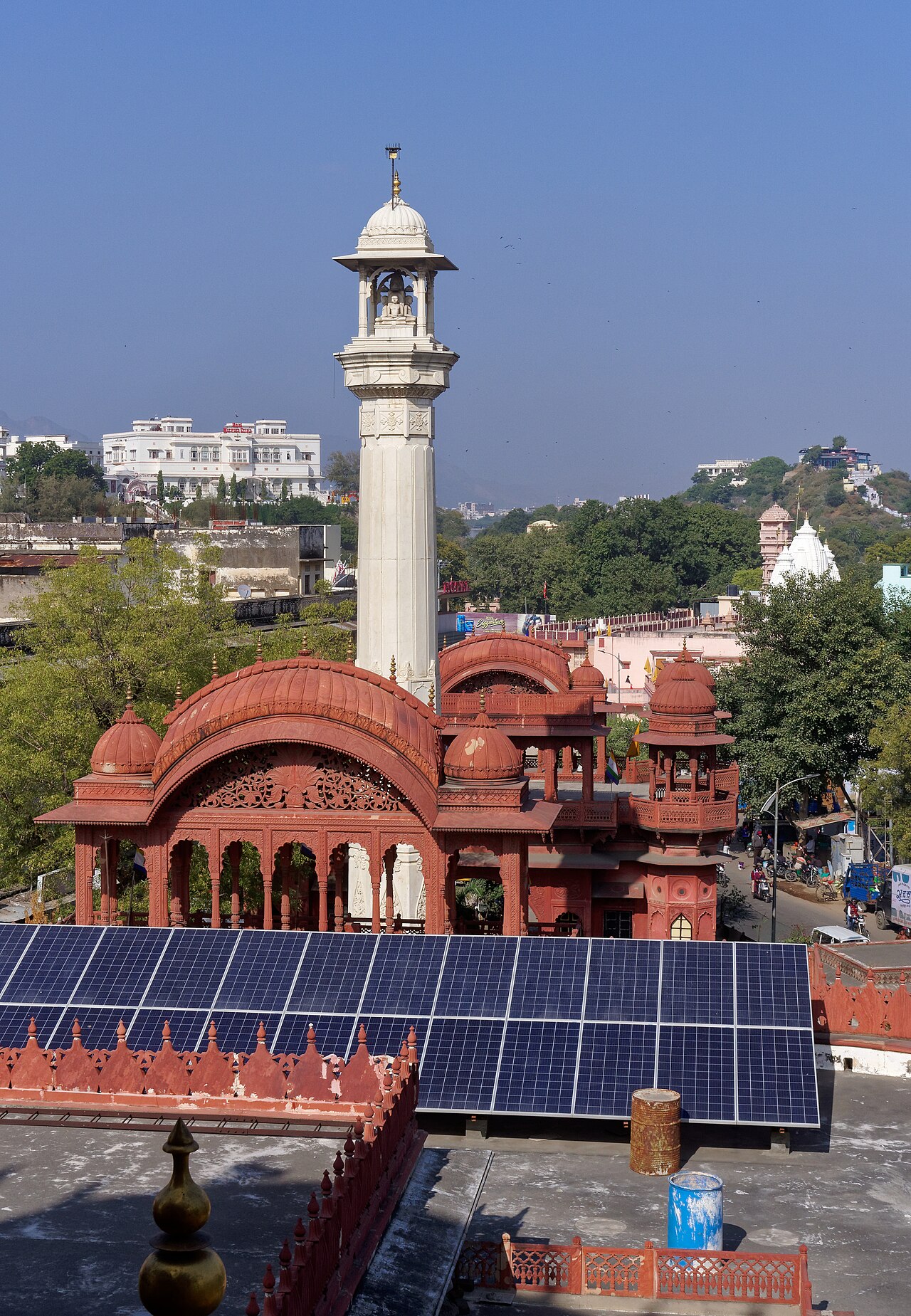
Ajmer Jain Temple
Ajmer · India · temple
Popularly called Soniji Ki Nasiyan or the Red Temple, this Digambara Jain Temple on Prithviraj Marg in Ajmer pairs a red sandstone sanctuary, crowned by an eighty two foot marble pillar, with a golden upper hall whose gilded tableaux retell the life of Lord Rishabhdev, the first tirthankara.
 Jainism
Akkana Basadi
Shravanabelagola · India · temple
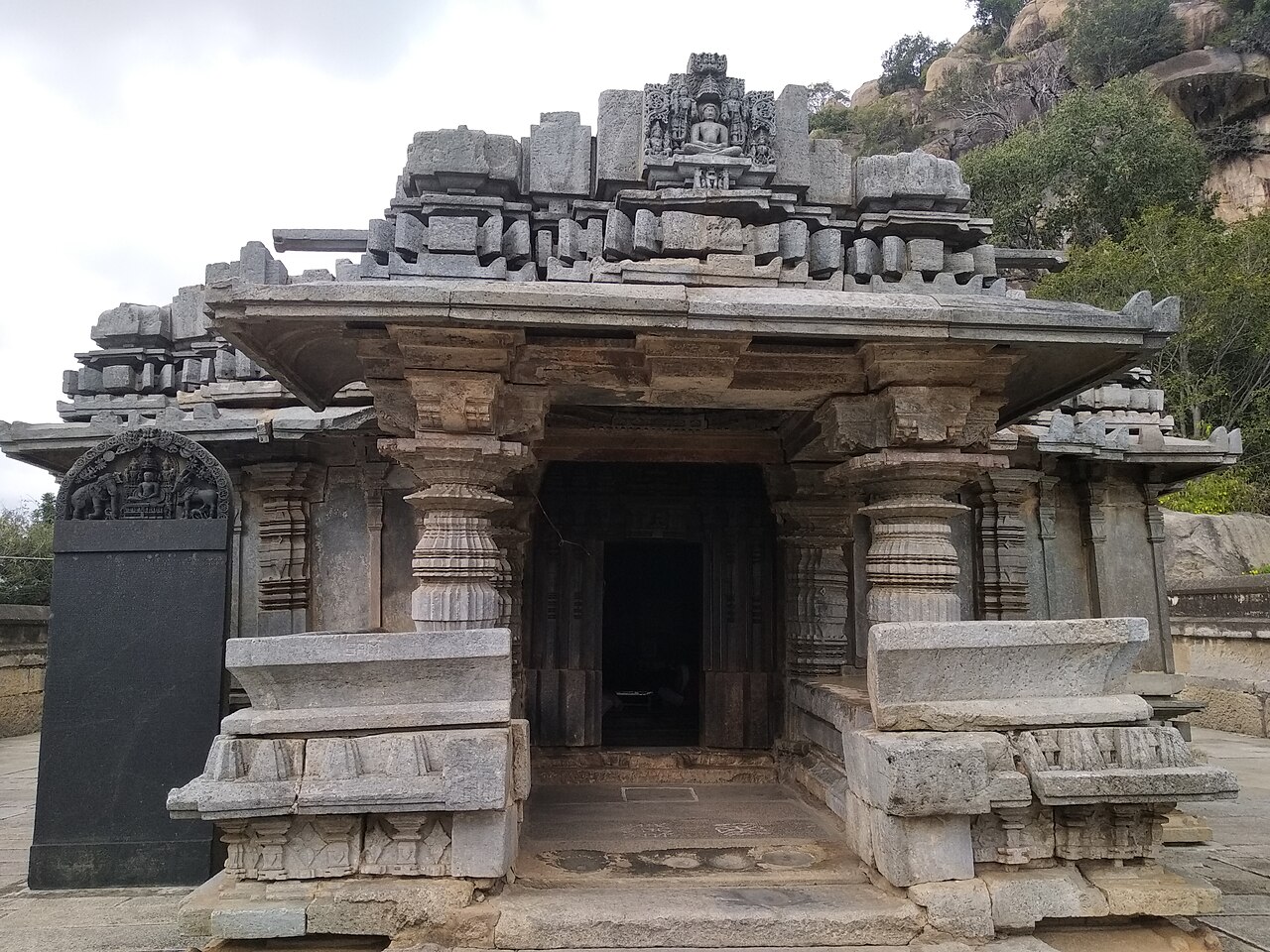
Consecrated in 1181 CE on Chandragiri hill at Shravanabelagola, Karnataka, Akkana Basadi is a Hoysala-era Jain basadi raised by the devout laywoman Achiyakka in honour of Tirthankara Parshvanatha, its deliberately plain stone walls and lathe-turned pillars a quiet expression of Jain austerity.
 Jainism
Bawangaja
Bawangaja · India · temple
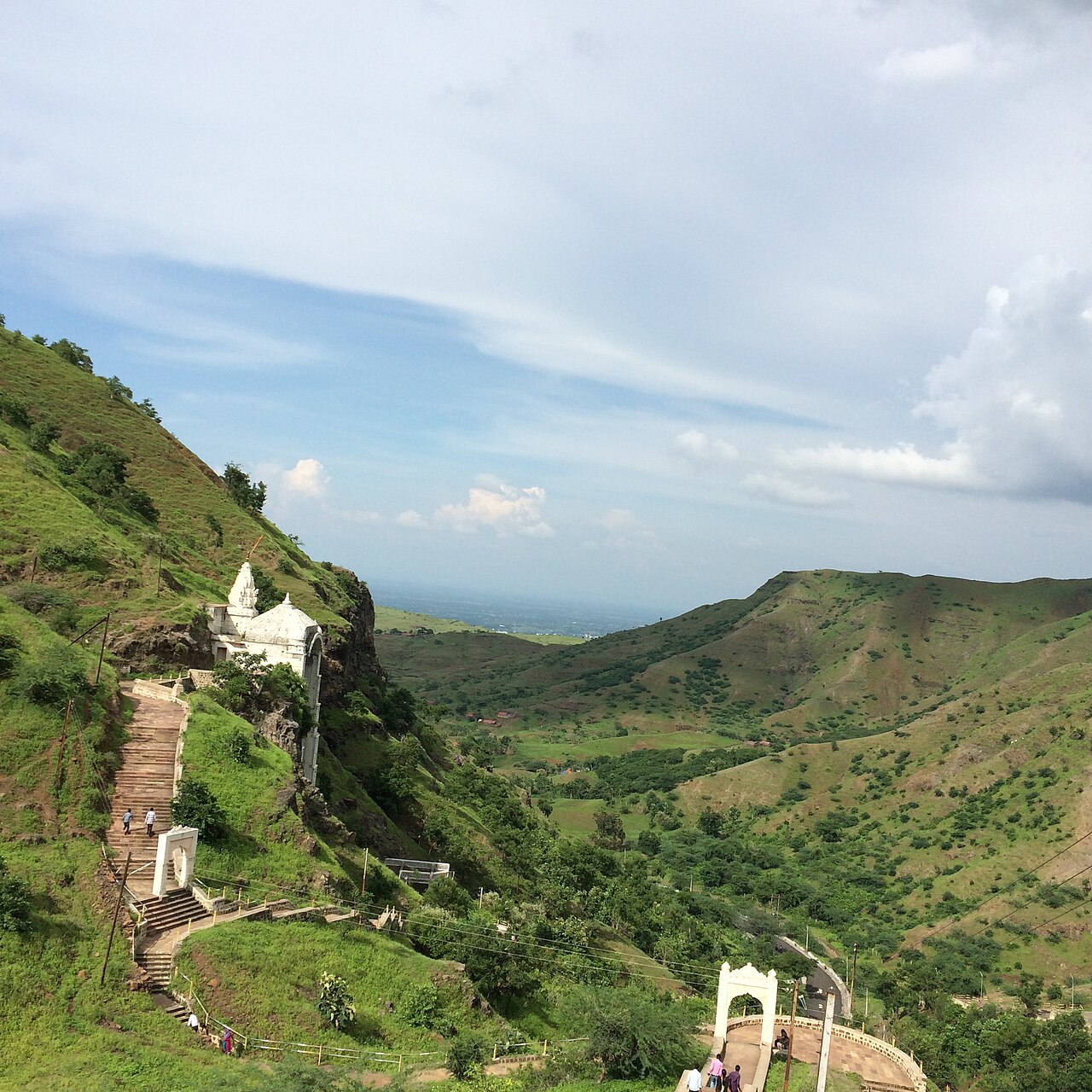
A Digambara Jain tirtha in the Satpura hills of Barwani district, Madhya Pradesh, where an 84-foot monolithic image of Lord Rishabhanatha (Adinatha), the first Tirthankara, stands carved directly from the mountain.