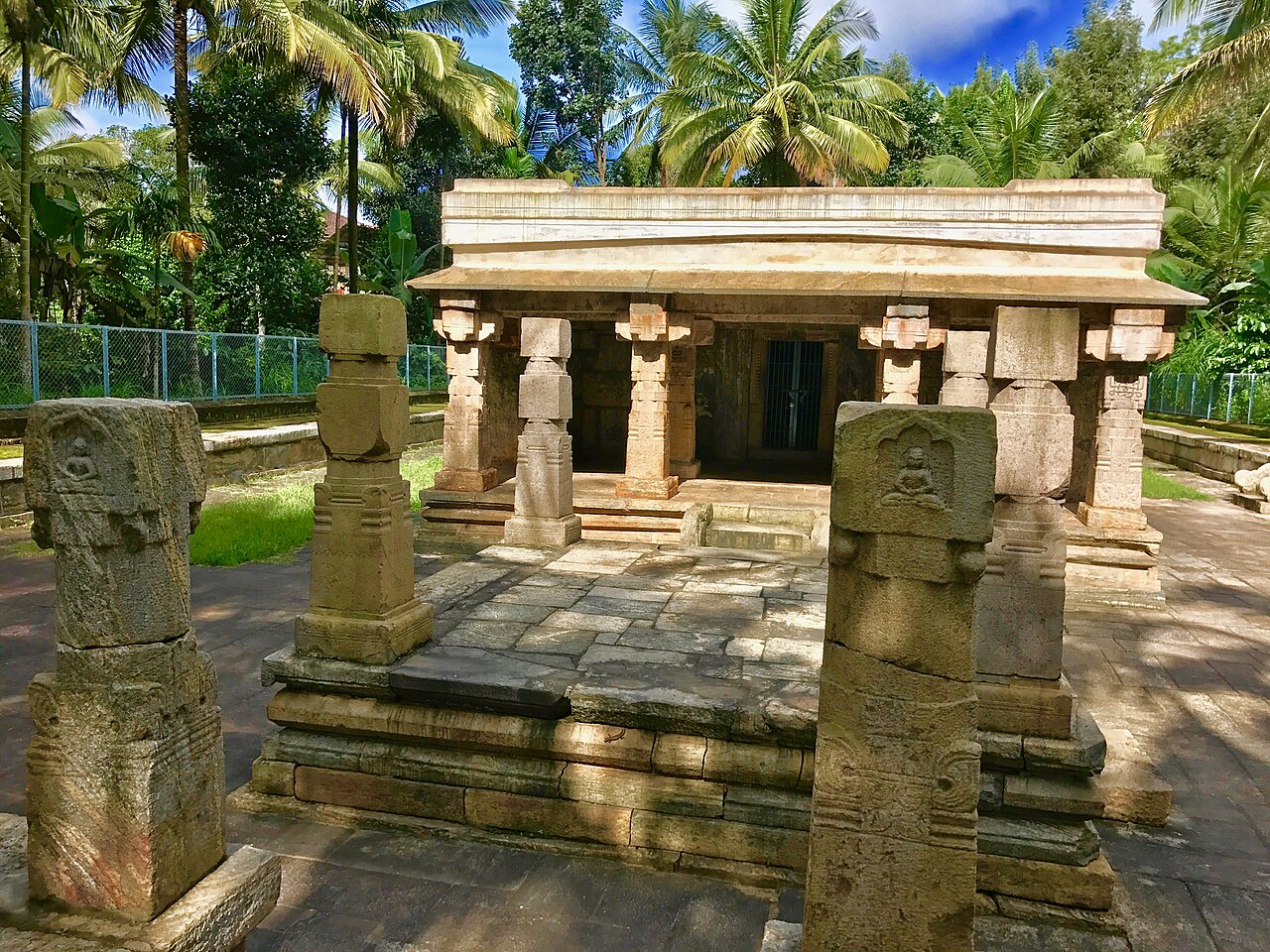
Jain Temple, Kidanganad
About
Rising quietly amid the hilly terrain of Sultan Bathery, the town formerly called Kidanganad, this ancient place of Jain worship is one of Kerala's most evocative medieval monuments. Built sometime between the thirteenth and fourteenth centuries, the Temple bears witness to a time when Jain merchants and settlers from Tamil Nadu and Karnataka made their way into the Wayanad region and established lasting communities of faith.
The structure measures approximately 25 by 7.5 by 4 metres and is distinguished by its finely carved stone columns and a flat roof composed of stone slabs, a form of craftsmanship typical of Jain sacred architecture of the Vijayanagara period, under whose rule it was raised. The columns in particular carry ornamental detail that repays close attention, speaking of devotion expressed through skilled hands and patient labour.
Today the Temple stands as a protected monument under the Archaeological Survey of India and forms part of the recognised Jain pilgrimage circuit of Kerala. Visitors arrive not only to honour the tradition that raised these walls but also to contemplate the extraordinary layering of history that has shaped the site over seven centuries.
History
Jain migrants from Tamil Nadu and Karnataka erected this sanctuary during the 13th century CE, at a period when the Vijayanagara Empire held sway across much of southern India. The Temple served as a significant centre of Jain religious life in the region for several centuries. Its fortunes changed dramatically in the 18th century when Tipu Sultan, ruler of the Kingdom of Mysore, occupied the site and repurposed the building as an ammunition store, a use that gave the surrounding town its present name, Sultan Bathery, a corruption of "Sultan's Battery." The Temple's conversion into a military depot displaced its sacred function and left the structure in partial ruin, the state in which it has largely come down to us.
Significance
The Jain Temple at Kidanganad holds an important place within the Jain heritage of Kerala, standing as one of the most tangible reminders of the medieval Jain presence in the state's forested uplands. Its inclusion in the Jain circuit of Kerala affirms its ongoing relevance for Jain pilgrims and scholars alike. Protected by the Archaeological Survey of India, the site is valued not only as a monument of Jain devotion but as a layered record of south Indian history, carrying within its stones the memory of a merchant community's faith, an empire's patronage, and a later ruler's conquest.
Visiting
Engage with Jain Temple, Kidanganad
Through the four pathways
Seva सेवा — Service
Offer your time and skills here. The following opportunities are open at Jain Temple, Kidanganad:
No Seva offerings listed yet.
Sādhana साधना — Practice
Learn the worship and practice associated with Jain Temple, Kidanganad:
No Sādhana offerings listed yet.
Sandhāna सन्धान — Wisdom
Unite with the wisdom of this tradition:
No Sandhāna offerings listed yet.
Sādhya साध्य — Giving
Support this sacred place according to your means:
No Sādhya offerings listed yet.
All giving flows directly to Jain Temple, Kidanganad. Adisthan does not take a commission.
Gallery
Related sacred places
 Jainism
Adinatha Temple
Khajuraho · India · temple
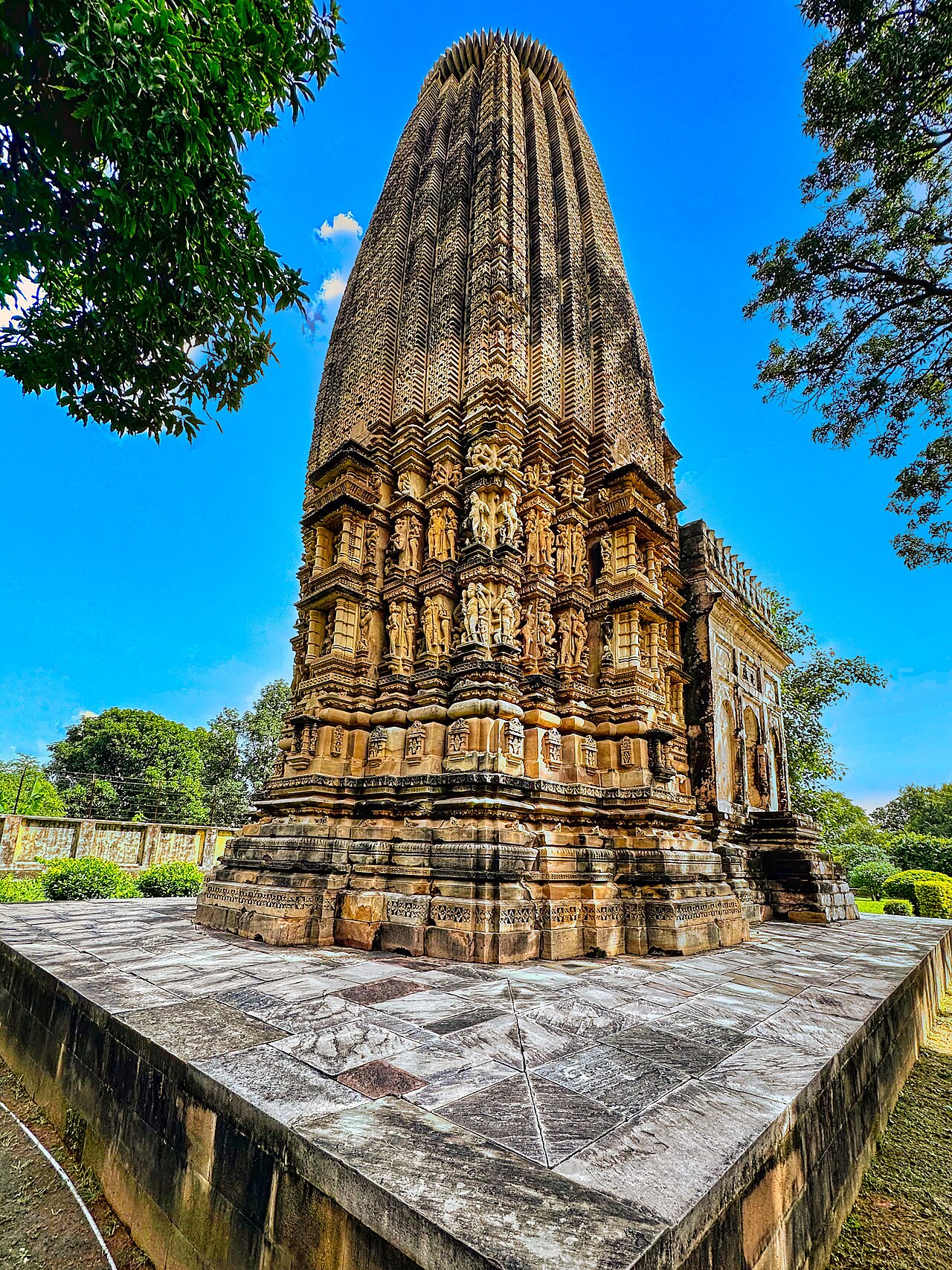
A Digambara Jain shrine within Khajuraho's Eastern Group of Temples, dedicated to Lord Adinatha, the first tirthankara, its curvilinear sandstone tower carved in the late eleventh century for a Hindu patron before passing into Jain hands.
 Jainism
Aharji
Aharji · India · temple
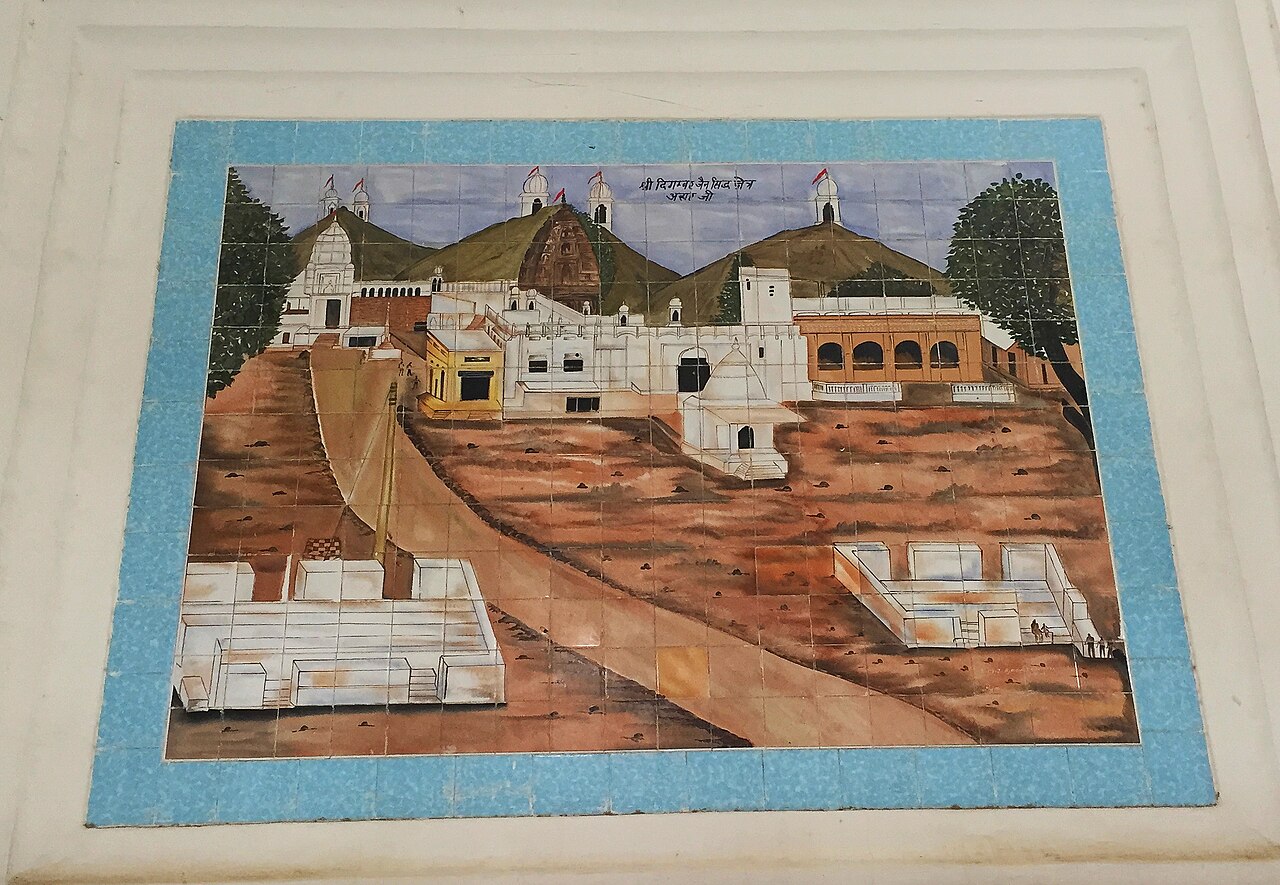
A Digambara Jain tirtha in the Bundelkhand region of Madhya Pradesh, where an eighteen-foot Chandella-era colossus of Lord Shantinatha stands in silent meditation at the heart of a Temple complex raised across three centuries.
 Jainism
Ahinsa Sthal
New Delhi · India · temple
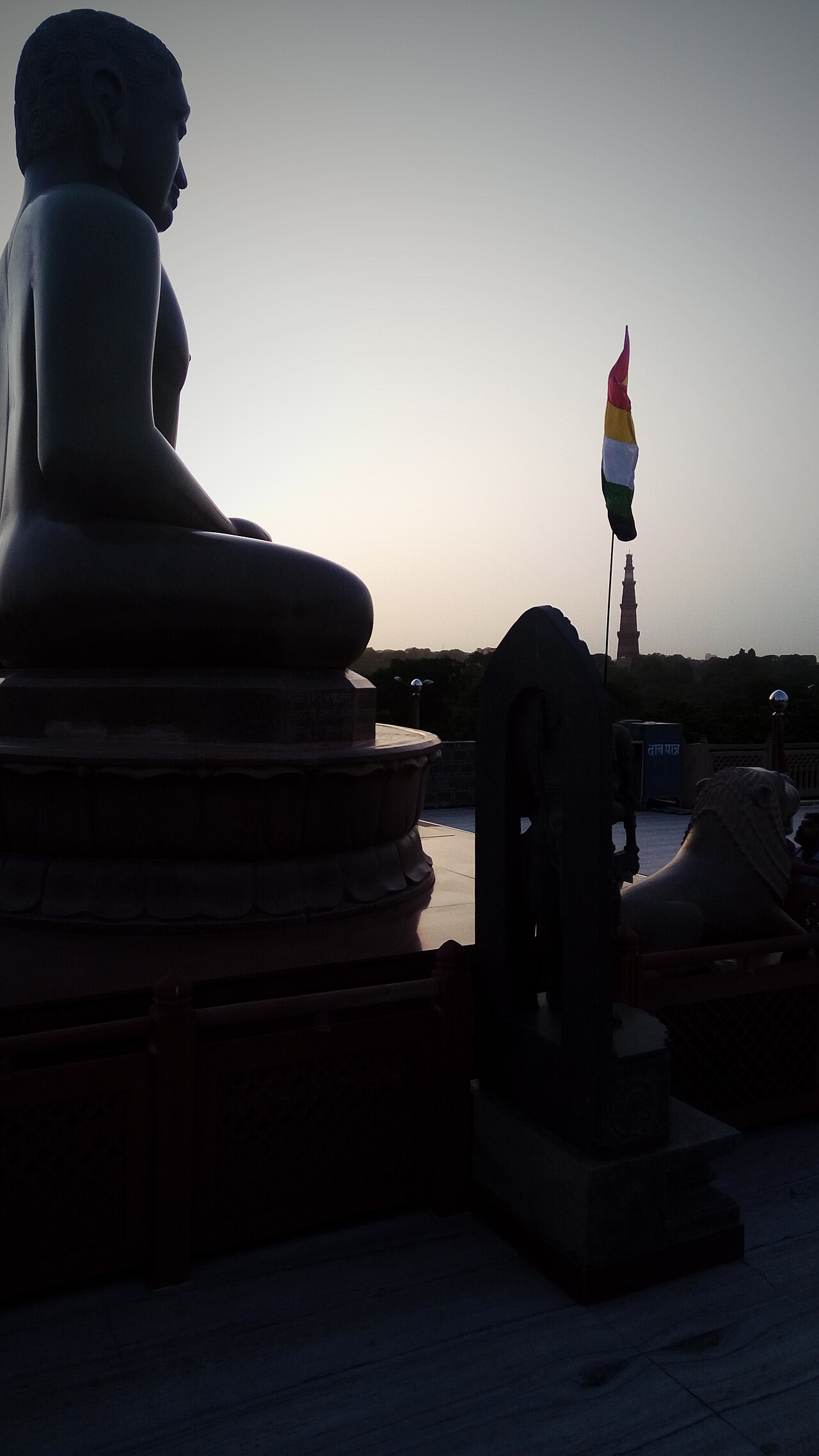
A modern Digambara Jain shrine on a terrace in Mehrauli, New Delhi, built in 1980 around a colossal granite image of Lord Mahavira seated in deep meditation, its very name declaring the tradition's central vow: ahimsa, harmlessness toward every living being.
 Jainism
Ajmer Jain Temple
Ajmer · India · temple
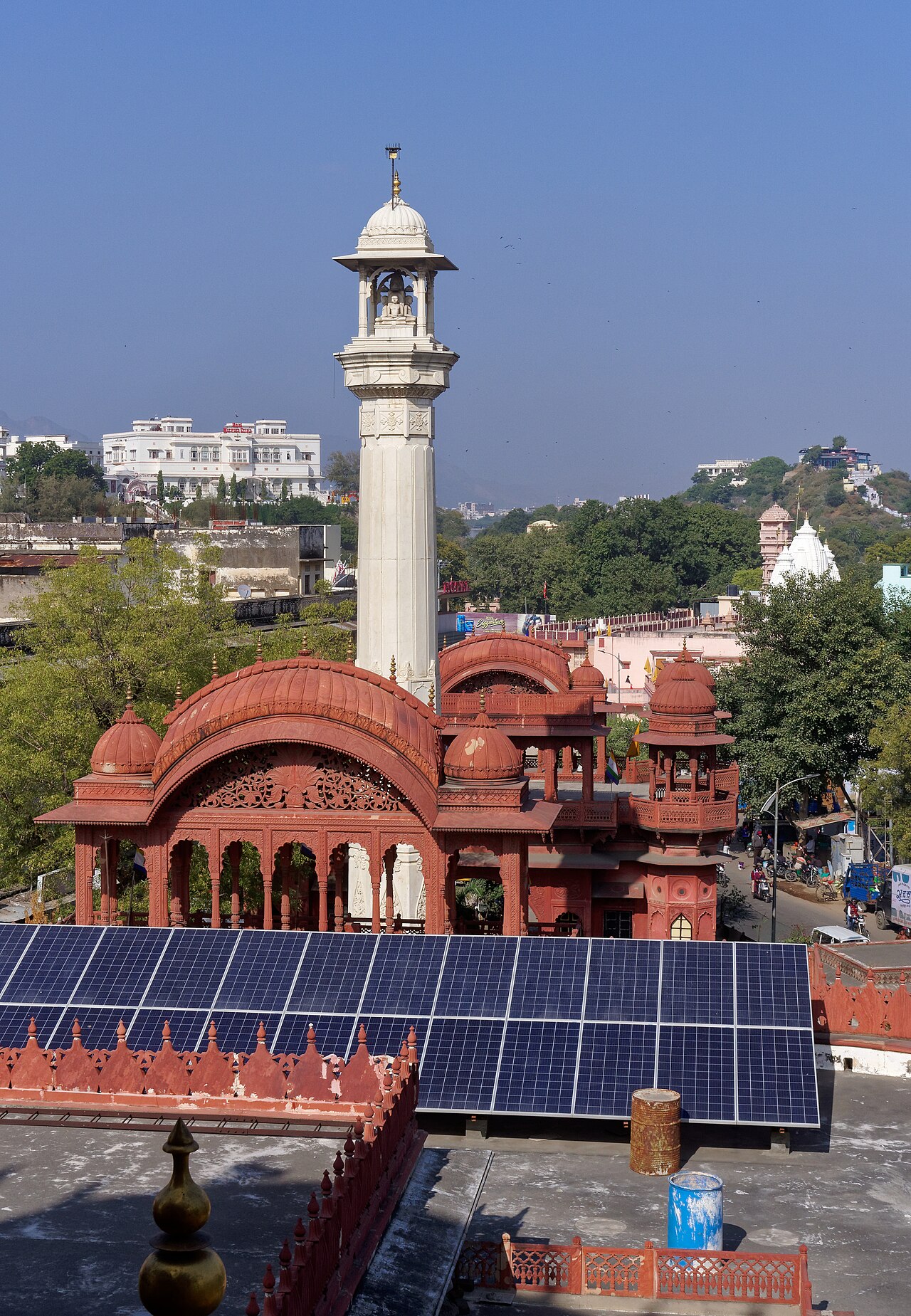
Popularly called Soniji Ki Nasiyan or the Red Temple, this Digambara Jain Temple on Prithviraj Marg in Ajmer pairs a red sandstone sanctuary, crowned by an eighty two foot marble pillar, with a golden upper hall whose gilded tableaux retell the life of Lord Rishabhdev, the first tirthankara.
 Jainism
Akkana Basadi
Shravanabelagola · India · temple
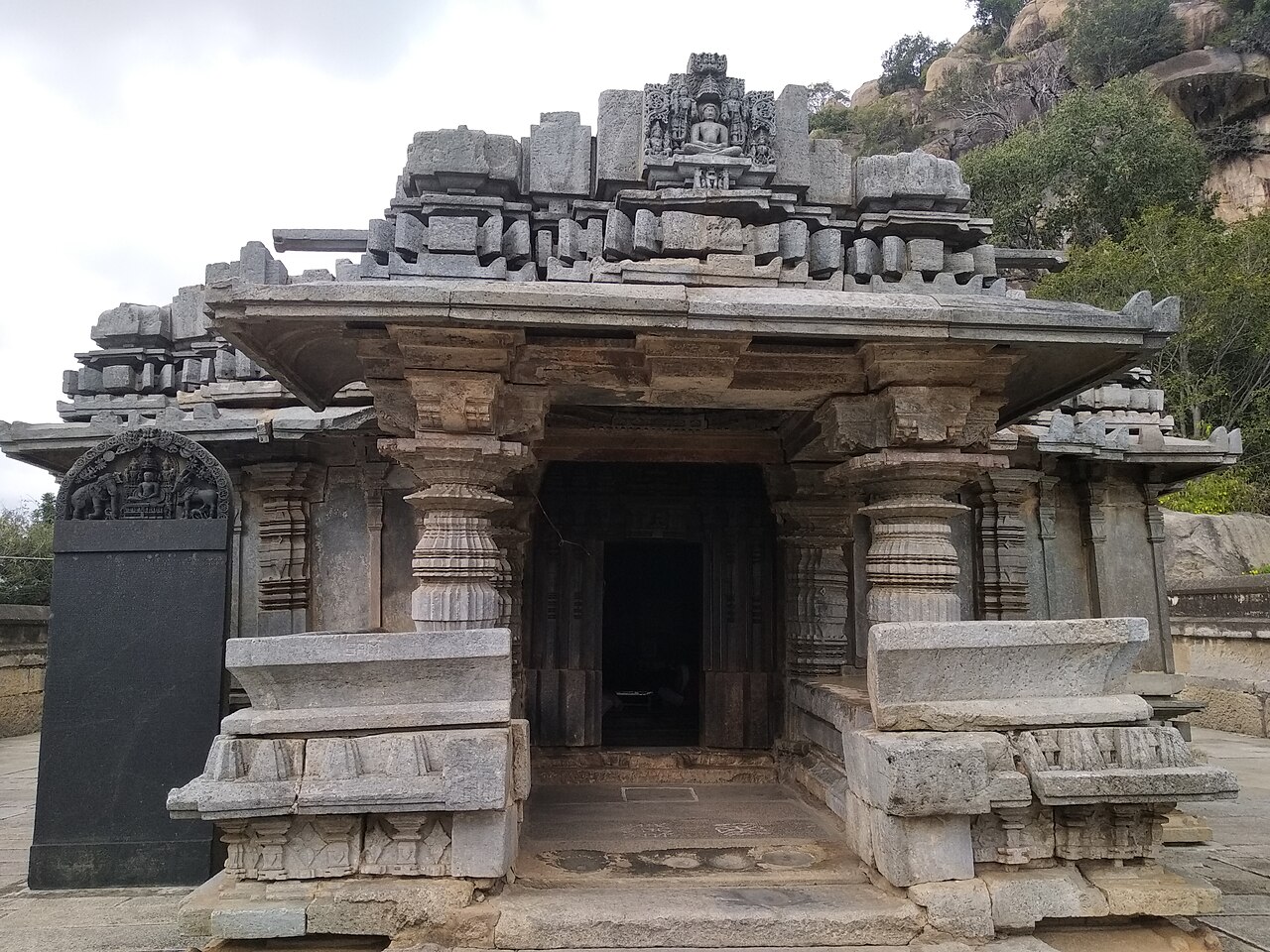
Consecrated in 1181 CE on Chandragiri hill at Shravanabelagola, Karnataka, Akkana Basadi is a Hoysala-era Jain basadi raised by the devout laywoman Achiyakka in honour of Tirthankara Parshvanatha, its deliberately plain stone walls and lathe-turned pillars a quiet expression of Jain austerity.
 Jainism
Bawangaja
Bawangaja · India · temple
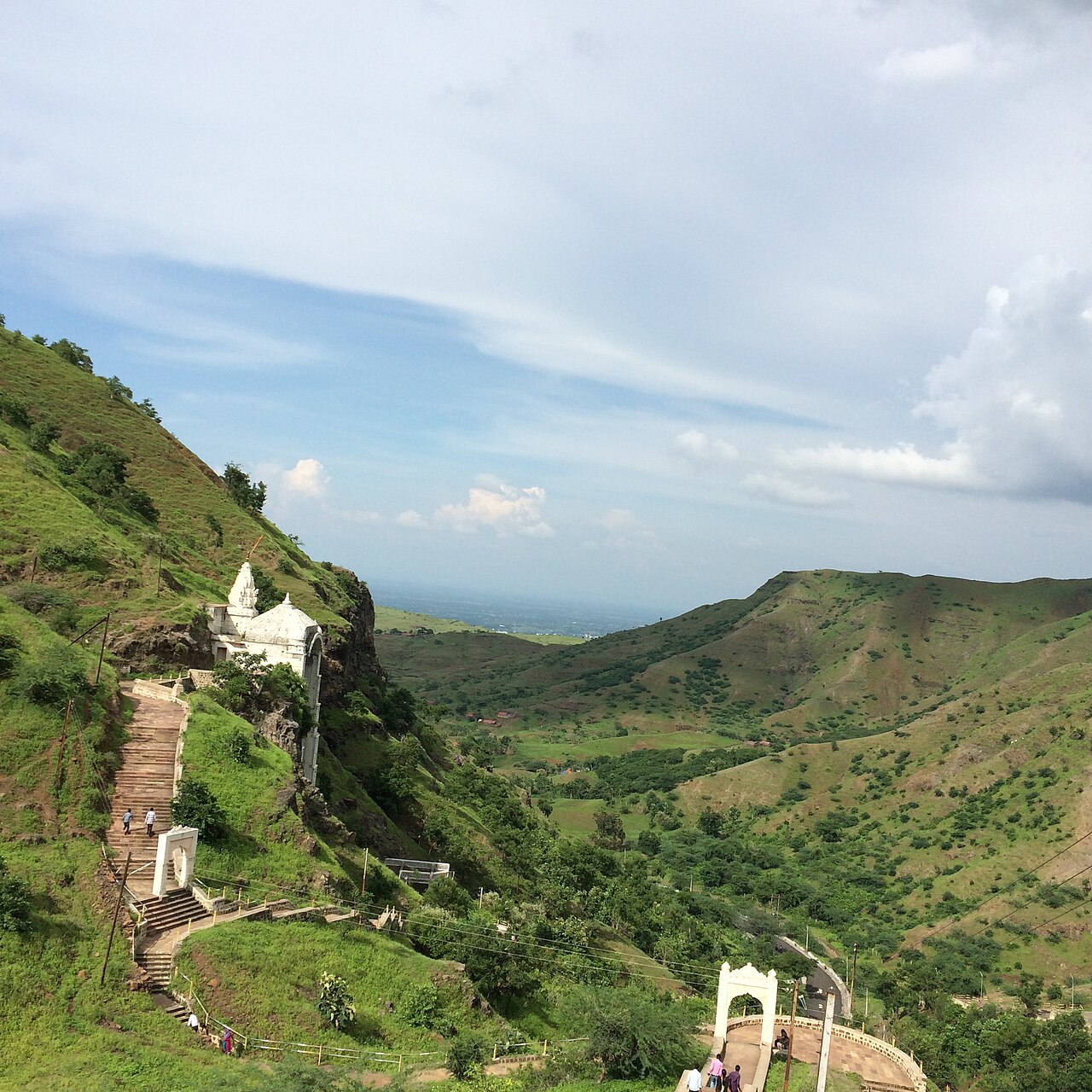
A Digambara Jain tirtha in the Satpura hills of Barwani district, Madhya Pradesh, where an 84-foot monolithic image of Lord Rishabhanatha (Adinatha), the first Tirthankara, stands carved directly from the mountain.