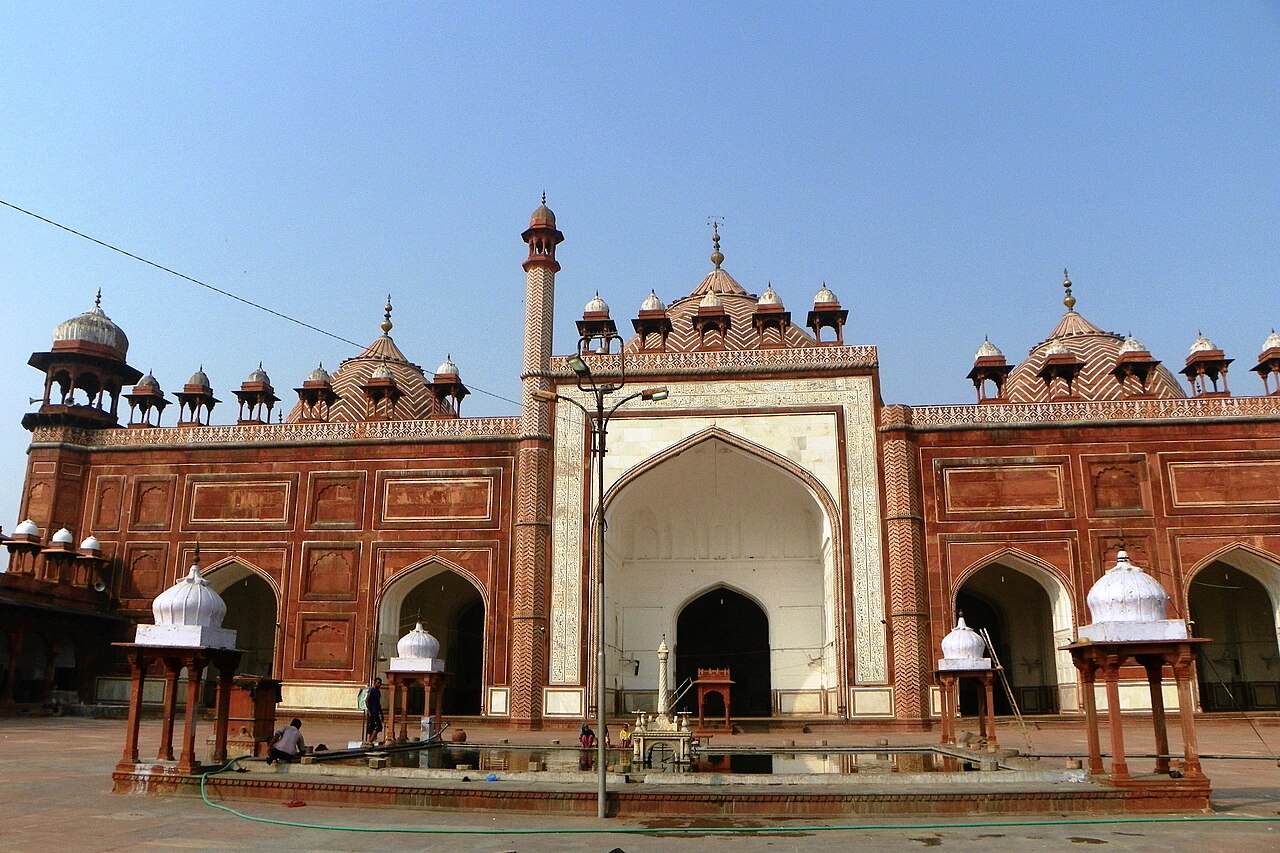
Jama Masjid, Agra
Jama Mosque, Agra · Jami Masjid · Masjid-i Jami
About
The Jama Masjid of Agra stands as one of the city's most revered Islamic monuments, its sandstone and marble form rising in testimony to the devotion of the Mughal imperial family. The mosque is dedicated to Jahanara Begum, the eldest daughter of Emperor Shah Jahan, a princess renowned for her piety, learning, and close connection to the Sufi tradition. Her name is inseparable from this place of worship, and devotees who come here step into a space shaped by that enduring personal faith.
As a congregational mosque, known in Arabic as a masjid jāmi', it was designed to gather the Muslim community for the Friday noon prayers of jumu'ah, the holiest communal gathering of the Islamic week. In early Islamic tradition, such mosques served not only as houses of prayer but as centres of civic life, where judicial proceedings, scholarly discussions, and matters of the wider community were also conducted. The Agra mosque inherits this layered role: a space simultaneously sacred and communal.
The courtyard and prayer hall invite a stillness that the city beyond its walls seldom offers. Visitors who enter find the proportions of the space drawing the eye upward and inward, a quiet geometry that orients the worshipper toward contemplation. The mosque continues to serve an active congregation, its call to prayer weaving through the fabric of daily life in Agra as it has for centuries.
History
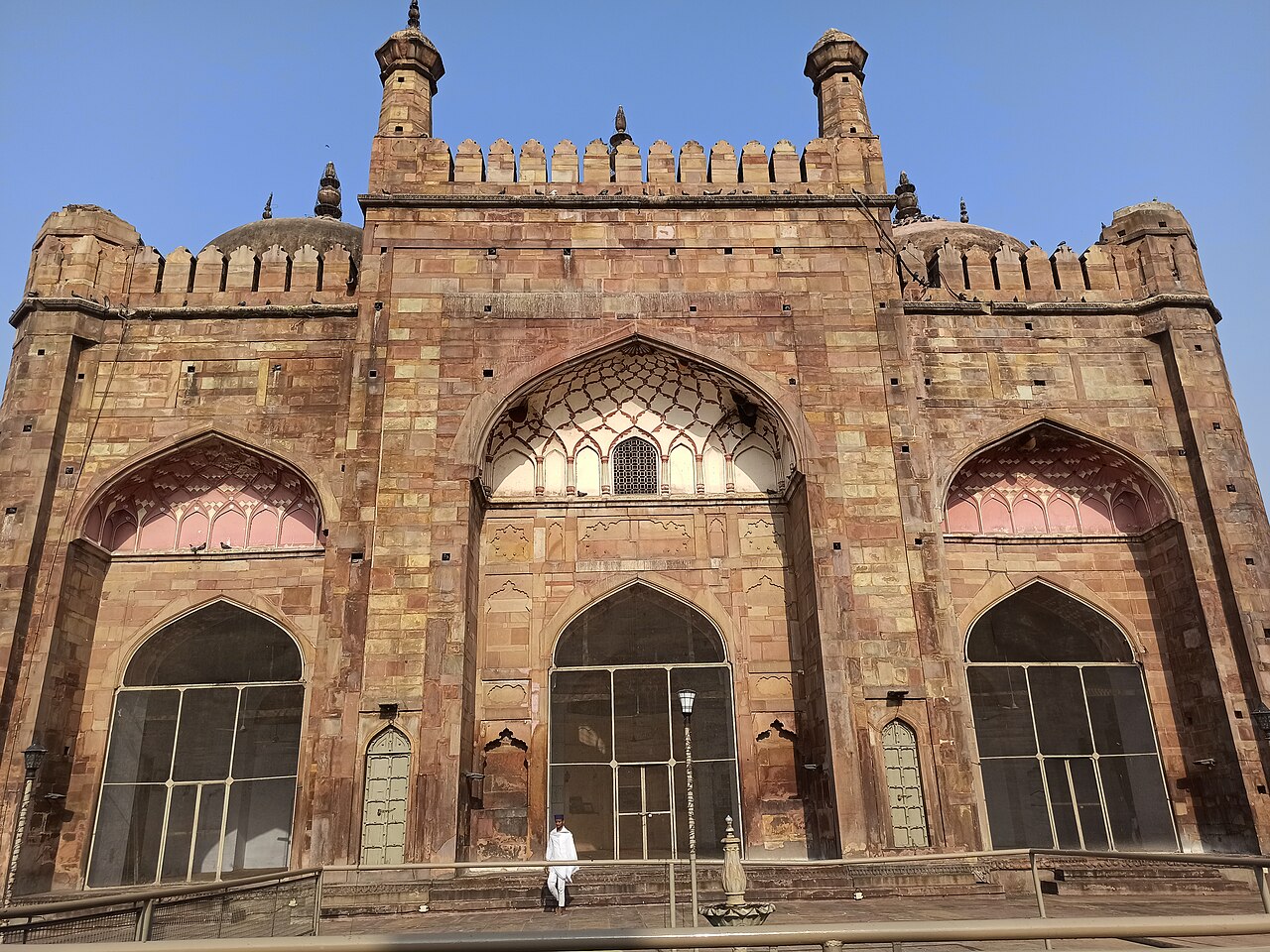
Shah Jahan ordered a new congregational mosque for Agra in 1637, to stand beside a new plaza before the fort's Delhi Gate after an earlier riverside mosque was abandoned in favour of completing the Taj Mahal. Jahanara Begum asked her father's permission to endow the mosque herself, and construction, delayed by the purchase of private land, ran from 1643 to 1648 at a recorded cost of five lakh rupees. During the 1857 uprising against East India Company rule, a British garrison in the fort demolished the mosque's main gate and eastern enclosure to clear a line of fire, and mined the building itself as a precaution, though the prayer hall survived.
Significance
The mosque remains an active house of Friday jumu'ah prayer in the heart of old Agra, its five-arched prayer chamber and herringbone-patterned domes ranking it among the finest of Shah Jahan's city mosques. Its endowment by Jahanara Begum, a princess remembered for her own learning and devotion, marks it as a monument to the part Mughal women played in the architectural and spiritual life of the empire.
Architecture
Mughal congregational-mosque architecture; red sandstone with white marble inlay, three bulbous domes in a herringbone pattern, a high central pishtaq
Visiting
Hours
Hours not listed.
Contact
No contact details listed yet.
Engage with Jama Masjid, Agra
Through the four pathways
Seva सेवा — Service
Offer your time and skills here. The following opportunities are open at Jama Masjid, Agra:
No Seva offerings listed yet.
Sādhana साधना — Practice
Learn the worship and practice associated with Jama Masjid, Agra:
No Sādhana offerings listed yet.
Sandhāna सन्धान — Wisdom
Unite with the wisdom of this tradition:
No Sandhāna offerings listed yet.
Sādhya साध्य — Giving
Support this sacred place according to your means:
No Sādhya offerings listed yet.
All giving flows directly to Jama Masjid, Agra. Adisthan does not take a commission.
Gallery
Related sacred places
 Islam
IslamAbu'l-Fida Mosque
Hama · Syria · mosque
A fourteenth-century Ayyubid mausoleum and Mamluk-era congregational mosque on the banks of the Orontes in Hama, Syria, known locally as the Mosque of the Serpents for the carved pillars at its windows.
 Islam
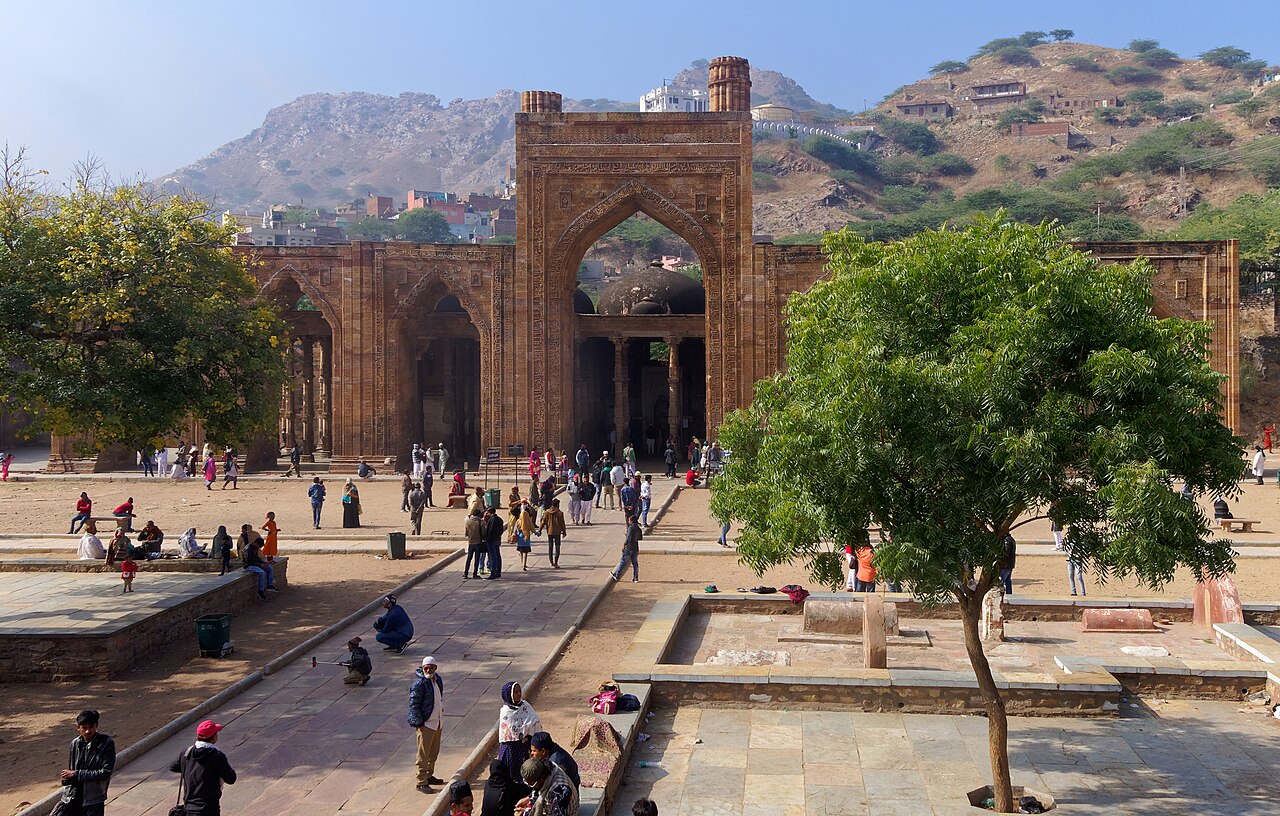
IslamAdhai Din Ka Jhonpra
Ajmer · India · mosque
The oldest surviving monument in Ajmer and among the earliest Indo-Islamic mosques in India, its 1199 CE prayer hall and Iltutmish's 1213 CE arched screen rise on 344 pillars carved by Hindu and Jain craftsmen from earlier Temples.
 Islam
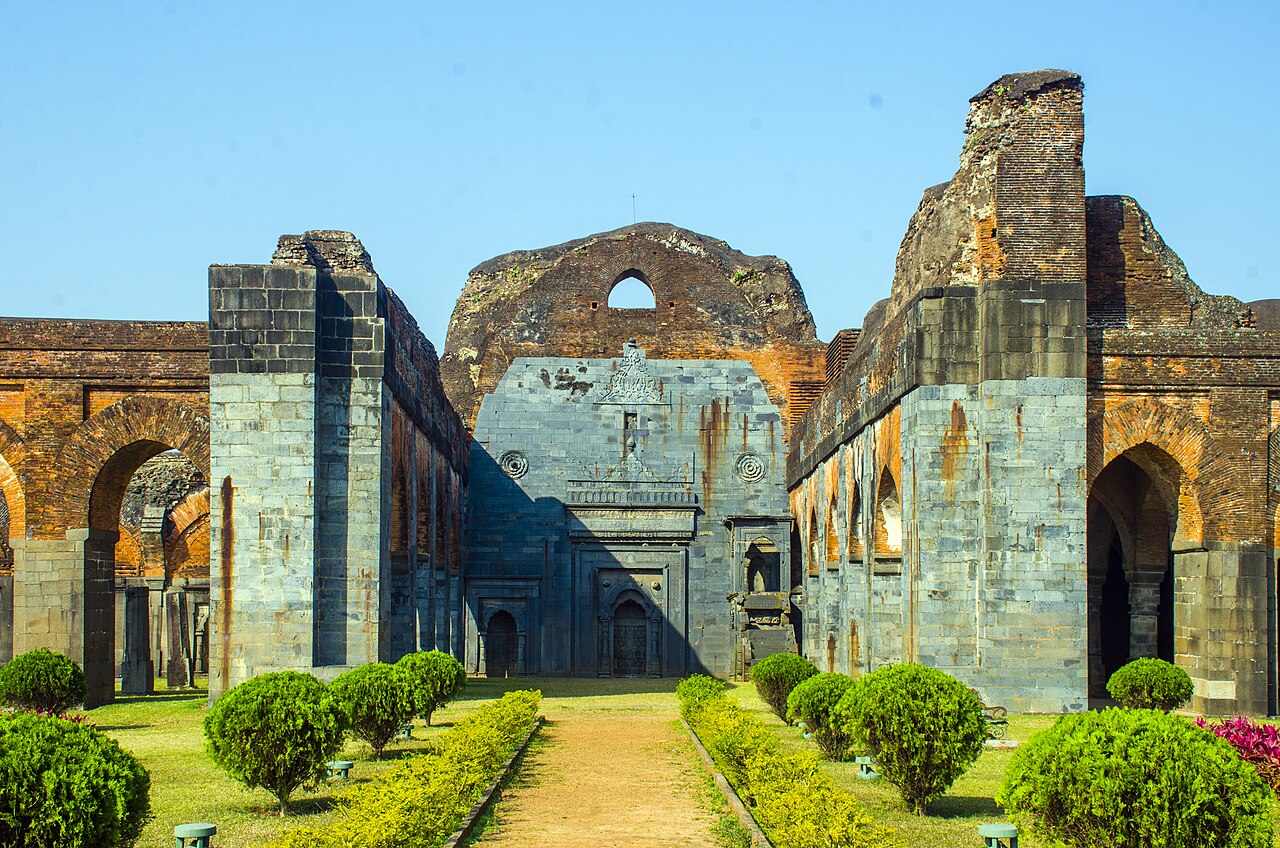
IslamAdina Mosque
Pandua · India · mosque
Once the largest mosque on the Indian subcontinent, the Adina Mosque at Pandua in West Bengal was raised by Sultan Sikandar Shah between 1373 and 1375 as the congregational mosque of the Bengal Sultanate, and holds his tomb within its western wall.
 Islam
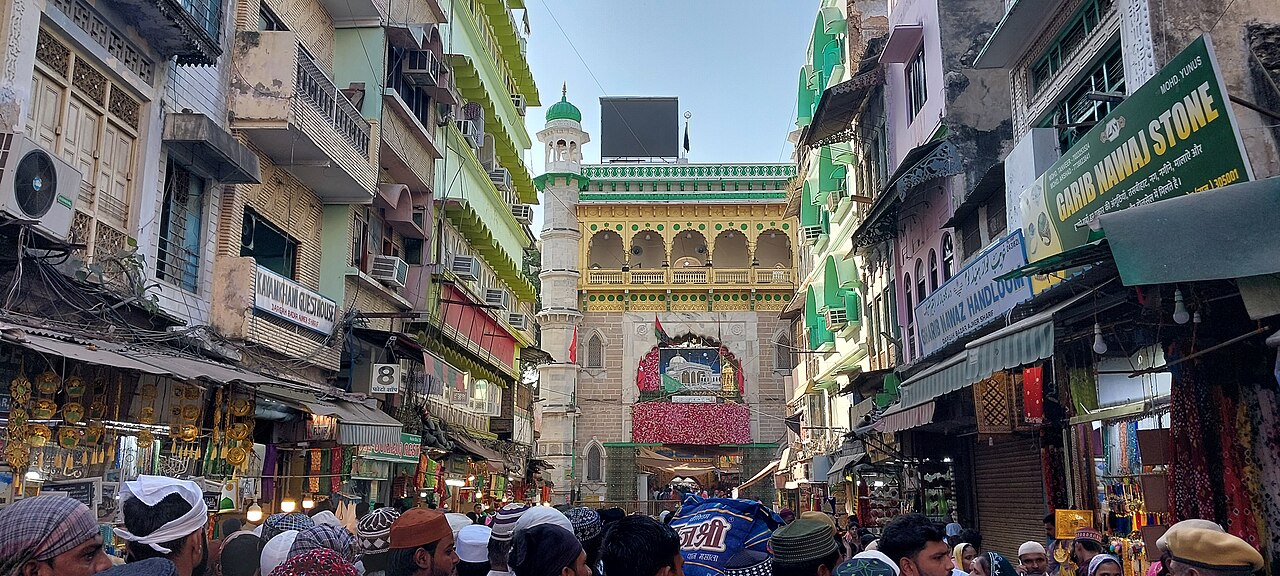
IslamAjmer Sharif Dargah
Ajmer · India · dargah
The tomb of Hazrat Khwaja Moinuddin Chishti, Gharib Nawaz, the benefactor of the poor, and the principal Sufi dargah of South Asia, where pilgrims of every community have offered chadars and shared the sweet rice of the great deghs for eight centuries.
Akbarabadi Mosque
Delhi · India · mosque
A mosque raised in 1650 by Akbarabadi Begum, a wife of the Mughal emperor Shah Jahan, in the walled city of Shahjahanabad, demolished by British forces in the aftermath of the 1857 Uprising and today marked only by disputed, unexcavated remains beneath Netaji Subhash Park in Old Delhi.
 Islam
IslamAlamgir Mosque
Varanasi · India · mosque
Raised in 1669 by the Mughal emperor Aurangzeb on the high bank above Panchganga Ghat in Varanasi, the Alamgir Mosque stands where wide stone steps meet the Ganges, its domes and surviving corner turret rising over a site earlier accounts describe as the Hindu Temple of Bindu Madhava.