
Jama Masjid, Ahmedabad
Jama Mosque, Ahmedabad · Jami' Masjid · Jumah Mosque · Shahi Jama Masjid
About
Standing on Gandhi Road not far from the historic Teen Darwaza gateway, the Jama Masjid of Ahmedabad occupies a quietly commanding position within the old quarters of one of India's most storied cities. The surrounding neighbourhood is organised into the traditional residential clusters known as pols, and the mosque rises among them as a gathering place for Friday congregational prayer that has served the Muslim community of Gujarat for six centuries.
The prayer hall opens onto a spacious courtyard that invites stillness, and the carved stonework carries the distinctive character of the early Sultanate period, a style in which local Gujarati craftsmanship blended with incoming Islamic forms to produce something neither purely indigenous nor purely imported, but genuinely its own. The central mihrab, indicating the direction of Mecca, bears an inscription recording the mosque's consecration in the Islamic year 827 AH, corresponding to early January of 1424 CE.
The building sits outside the precincts of Bhadra Fort, in a part of the old walled city that retains much of its medieval grain. For those who walk the lanes of Ahmedabad's historic core, the mosque represents both a living place of worship and an enduring marker of the city's layered past.
History
Ahmad Shah I founded Ahmedabad itself on 26 February 1411, and the Jama Masjid he raised there thirteen years later was the fifth mosque of his reign and by far its grandest, breaking decisively from the modest private mosques that preceded it. The mihrab's own inscription records the mosque's inauguration on the 1st of Sarar, 827 AH, corresponding to 4 January 1424, and to its east the sultan built his own tomb, the Badshah no Hajiro, in a matching style. The Sunni Muslim Waqf Committee has maintained the mosque as a living place of worship ever since, balancing continued Friday prayer against the demands of preserving a six-century-old monument.
Significance
Built with pillars and craftsmen drawn from Gujarat's Hindu and Jain Temple traditions, the mosque's carved domes rise in the form of lotus flowers and its columns carry bells hanging on chains, syncretic motifs that make it a founding monument of the distinctive Gujarat style of Indo-Islamic architecture. It stands today as a Monument of National Importance and remains, six centuries after Ahmad Shah I's inauguration, an active mosque gathering worshippers for Friday jumu'ah.
Architecture
Gujarat Sultanate style; yellow sandstone with white marble courtyard flooring, 260 columns, 15 carved domes with Hindu and Jain syncretic motifs
Visiting
Hours
Hours not listed.
Contact
No contact details listed yet.
Engage with Jama Masjid, Ahmedabad
Through the four pathways
Seva सेवा — Service
Offer your time and skills here. The following opportunities are open at Jama Masjid, Ahmedabad:
No Seva offerings listed yet.
Sādhana साधना — Practice
Learn the worship and practice associated with Jama Masjid, Ahmedabad:
No Sādhana offerings listed yet.
Sandhāna सन्धान — Wisdom
Unite with the wisdom of this tradition:
No Sandhāna offerings listed yet.
Sādhya साध्य — Giving
Support this sacred place according to your means:
No Sādhya offerings listed yet.
All giving flows directly to Jama Masjid, Ahmedabad. Adisthan does not take a commission.
Gallery
Related sacred places
 Islam
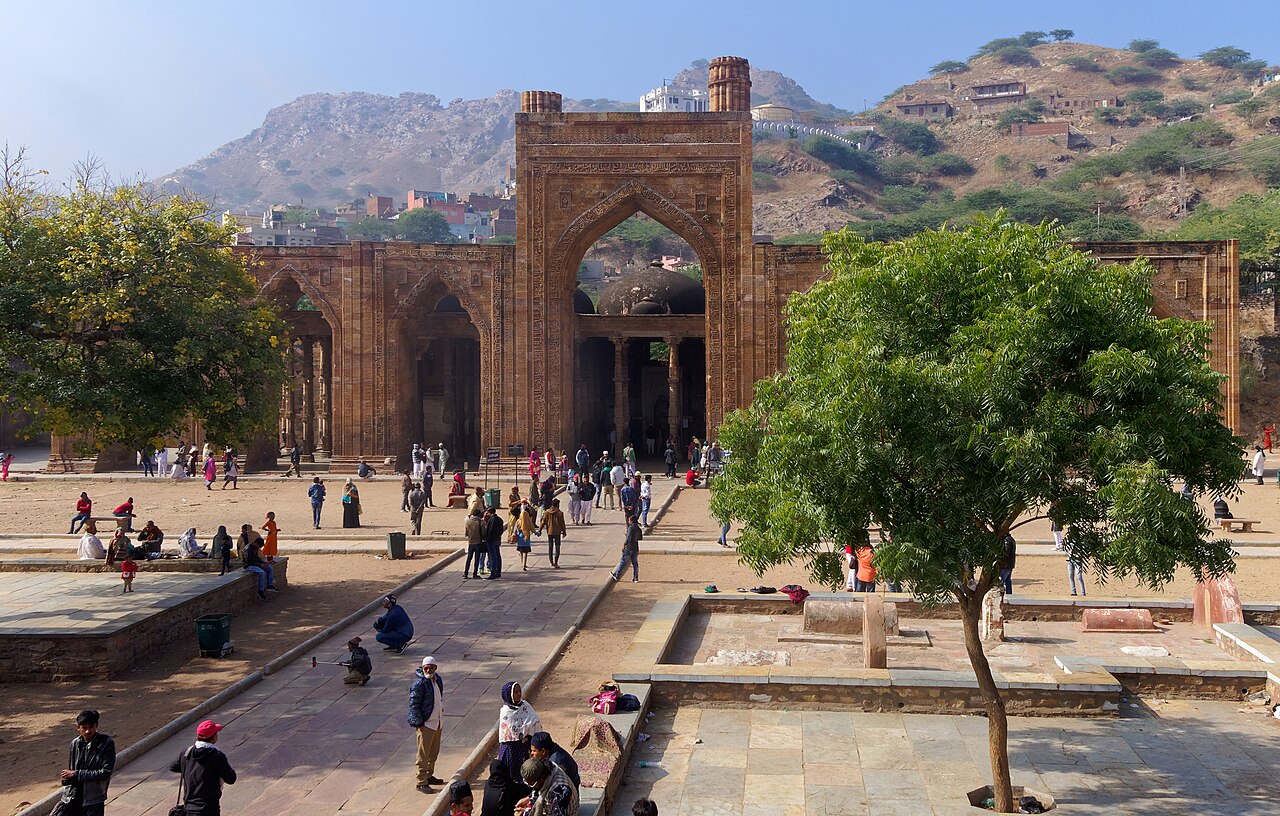
IslamAbu'l-Fida Mosque
Hama · Syria · mosque
A fourteenth-century Ayyubid mausoleum and Mamluk-era congregational mosque on the banks of the Orontes in Hama, Syria, known locally as the Mosque of the Serpents for the carved pillars at its windows.
 Islam
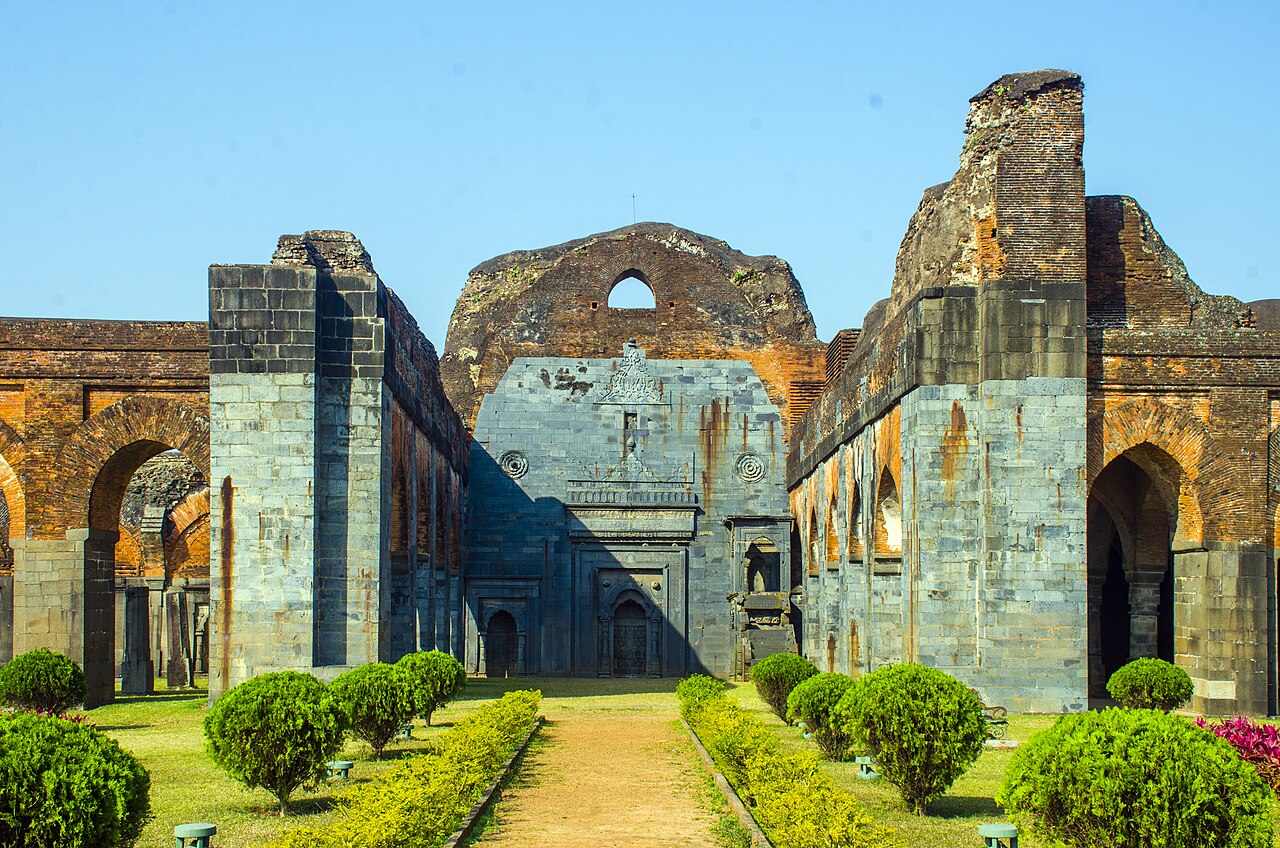
IslamAdhai Din Ka Jhonpra
Ajmer · India · mosque
The oldest surviving monument in Ajmer and among the earliest Indo-Islamic mosques in India, its 1199 CE prayer hall and Iltutmish's 1213 CE arched screen rise on 344 pillars carved by Hindu and Jain craftsmen from earlier Temples.
 Islam
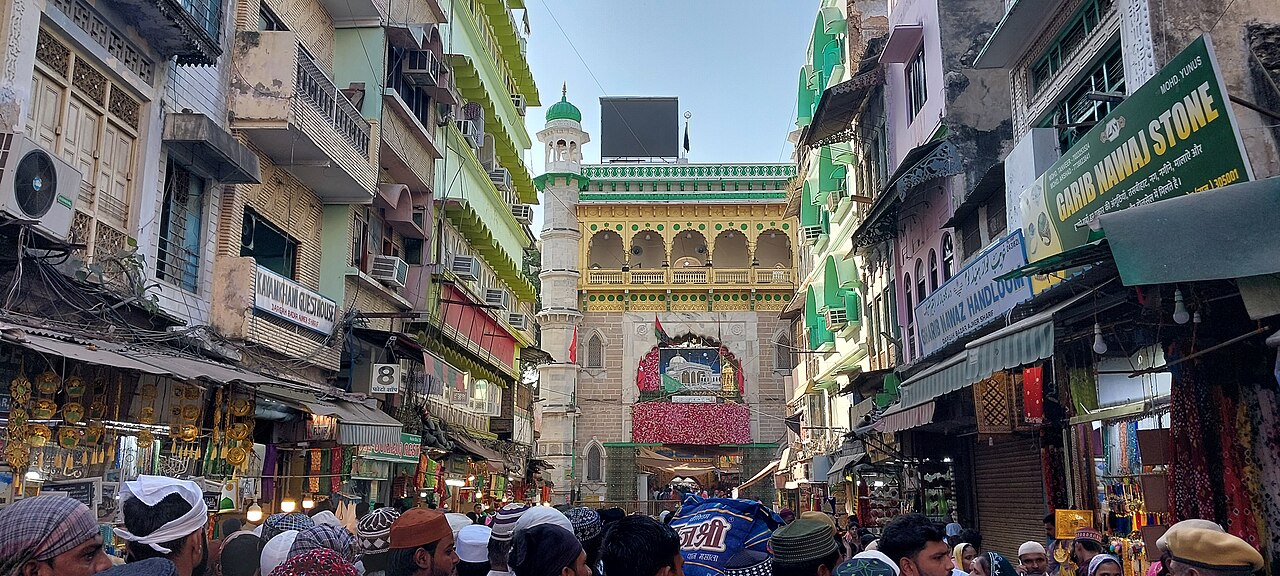
IslamAdina Mosque
Pandua · India · mosque
Once the largest mosque on the Indian subcontinent, the Adina Mosque at Pandua in West Bengal was raised by Sultan Sikandar Shah between 1373 and 1375 as the congregational mosque of the Bengal Sultanate, and holds his tomb within its western wall.
 Islam
IslamAjmer Sharif Dargah
Ajmer · India · dargah
The tomb of Hazrat Khwaja Moinuddin Chishti, Gharib Nawaz, the benefactor of the poor, and the principal Sufi dargah of South Asia, where pilgrims of every community have offered chadars and shared the sweet rice of the great deghs for eight centuries.
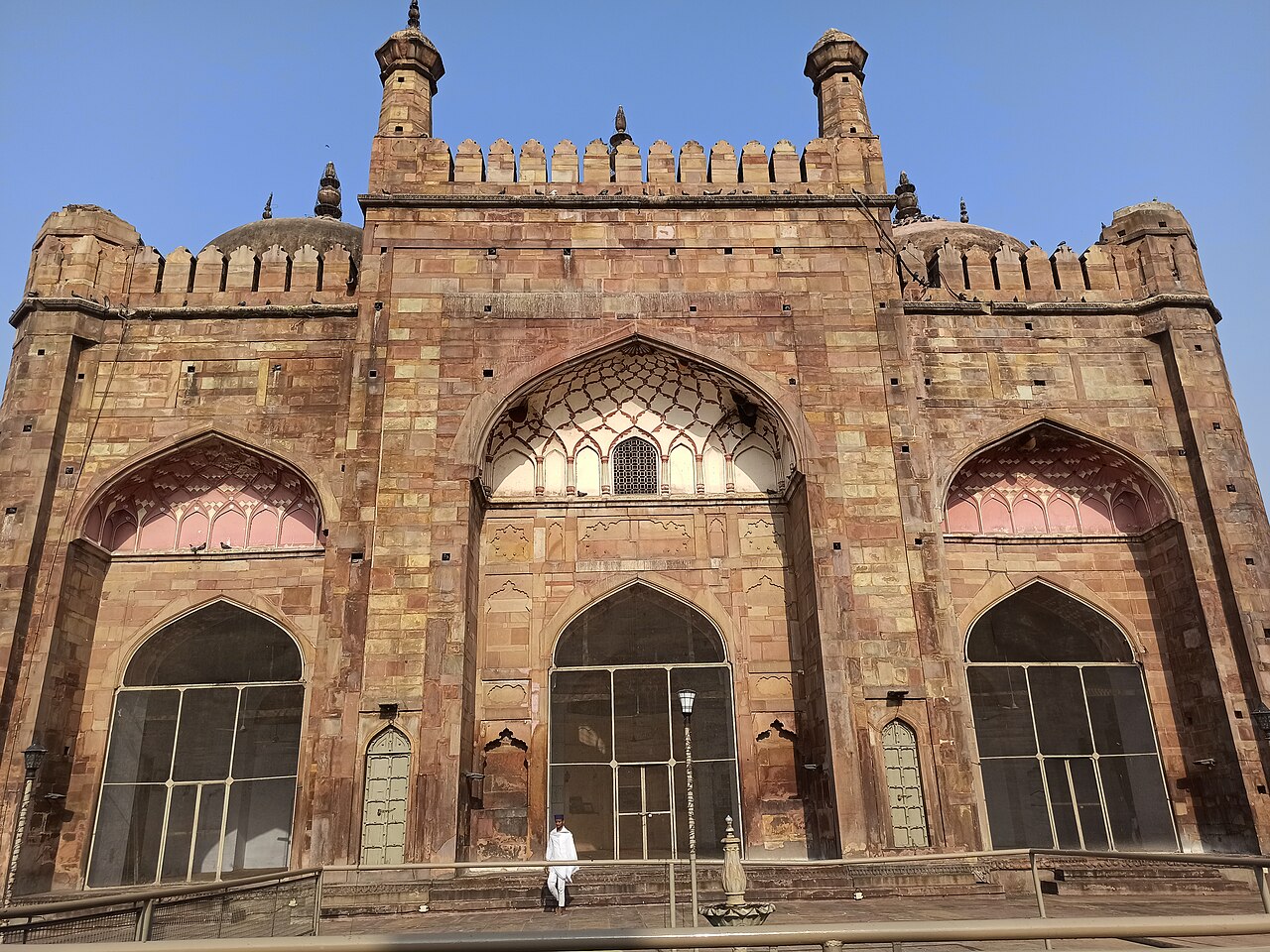
Akbarabadi Mosque
Delhi · India · mosque
A mosque raised in 1650 by Akbarabadi Begum, a wife of the Mughal emperor Shah Jahan, in the walled city of Shahjahanabad, demolished by British forces in the aftermath of the 1857 Uprising and today marked only by disputed, unexcavated remains beneath Netaji Subhash Park in Old Delhi.
 Islam
IslamAlamgir Mosque
Varanasi · India · mosque
Raised in 1669 by the Mughal emperor Aurangzeb on the high bank above Panchganga Ghat in Varanasi, the Alamgir Mosque stands where wide stone steps meet the Ganges, its domes and surviving corner turret rising over a site earlier accounts describe as the Hindu Temple of Bindu Madhava.