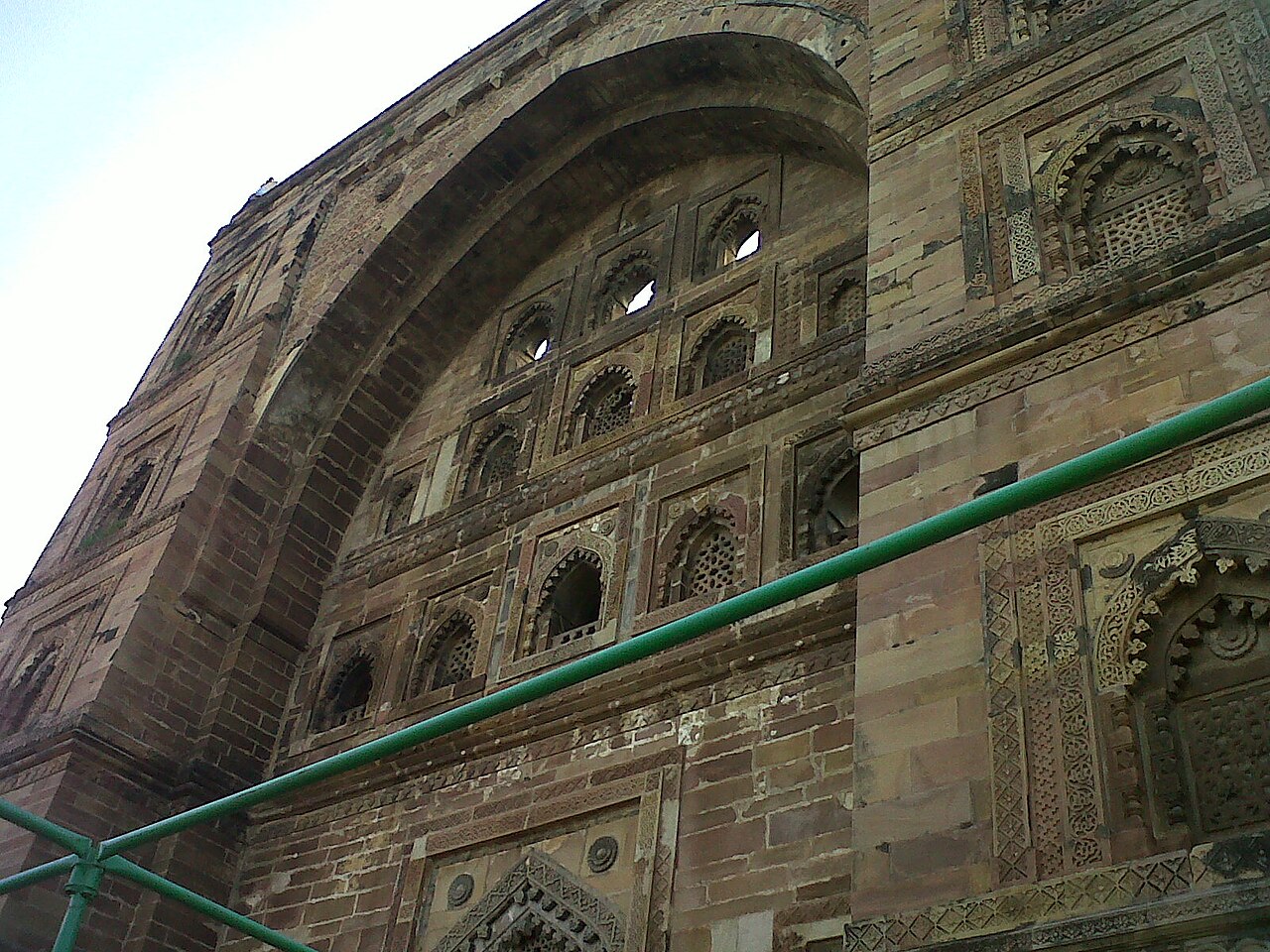
Jama Masjid, Jaunpur
Jami Masjid, Jaunpur · Badi Masjid
About
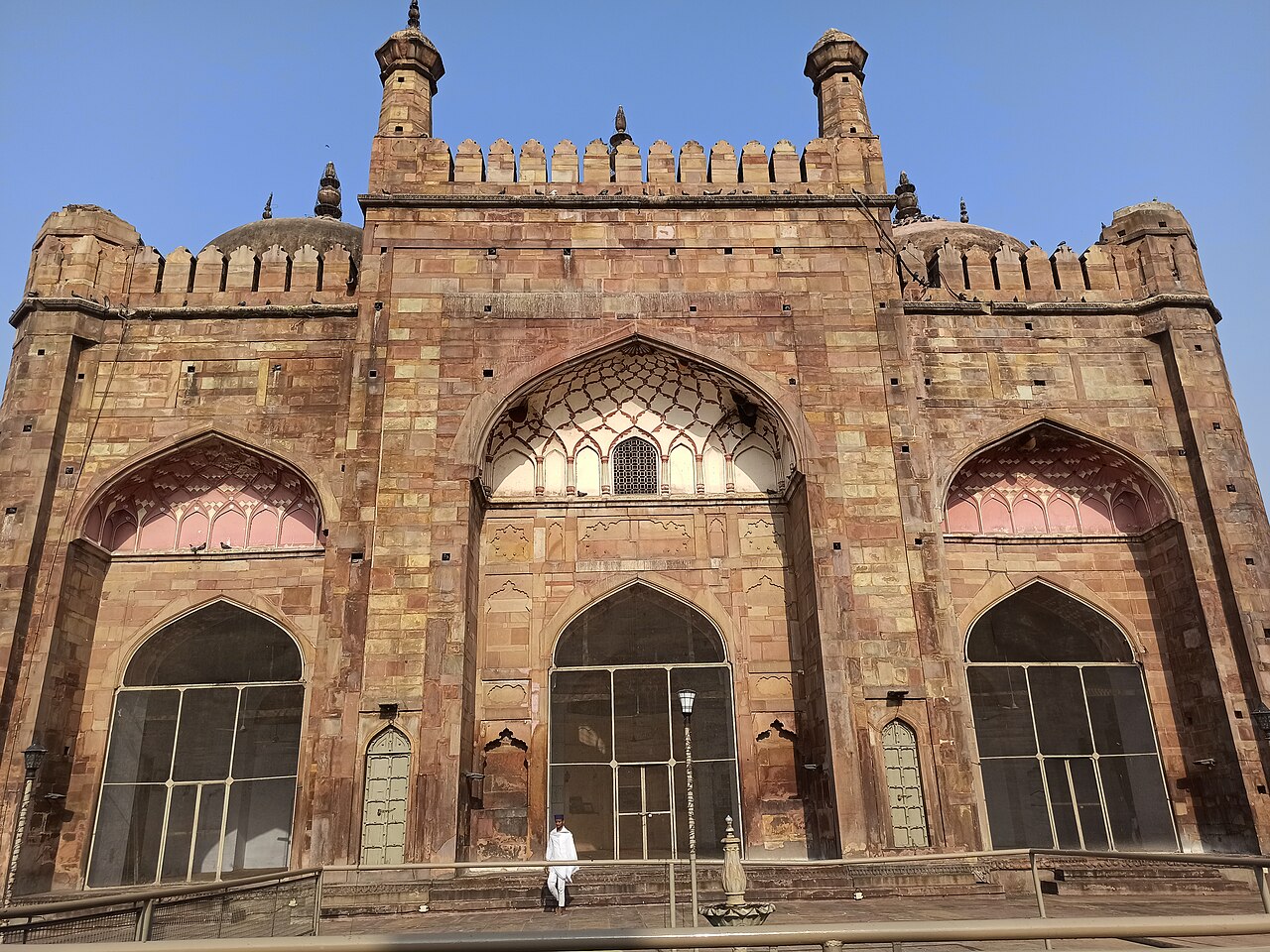
Rising from the plains of Uttar Pradesh, the Jama Masjid of Jaunpur is a monument of considerable scale and spiritual gravity. Known variously as Jami Masjid or Badi Masjid, the mosque belongs to the golden age of the Jaunpur Sultanate, when this city on the Gomti river became a celebrated centre of Islamic scholarship and architectural ambition.
The structure announces itself through a grand arcade, its central pishtaq, the towering portal arch characteristic of Indo-Islamic architecture, framing the prayer hall with an authority that has endured for more than five centuries. Vaulted passages and ornamental stone carving within the interior speak to craftsmen who married local traditions with the refined aesthetic sensibilities of the Sharqi court.
The mosque stands approximately one kilometre from the older Atala Mosque, and together these two monuments define the sacred landscape of Jaunpur's historic quarter. The Jama Masjid's scale distinguishes it even within that distinguished company, its massing communicating the ambition of a sultanate that, at its height, rivalled the Lodi dynasty of Delhi in cultural prestige.
For worshippers who gather here across the week, and for the wider community whose collective memory is rooted in this place, the mosque is not a relic but a living house of prayer, its arches still channelling the call to remembrance that first rang out when Hussain Shah Sharqi dedicated it to the service of God.
History
Sultan Hussain Shah Sharqi completed the mosque around 1470, the crowning work of a dynasty that had made Jaunpur into a city celebrated as the Shiraz of the East for its learning and architecture. Its congregation gathers beneath arcades vaulted in a style the Sharqi sultans made their own, distinct from the Delhi Sultanate they had broken from a century earlier, and the mosque still stands a kilometre from Jaunpur's older Atala Masjid, the two together forming the heart of the old city's sacred geography.
Significance
The central pishtaq climbs more than two hundred feet above twenty seven steps, framing tiers of carved niche windows within an arch broad enough to be counted among the largest surviving from Sultanate India, while the courtyard's tank and colonnades still shelter worshippers as they did under Hussain Shah. As one of the principal monuments the Sharqi sultans left behind, it embodies a regional Indo-Islamic style that grew independently of Delhi and Agra, and it remains today what it was built to be: a living house of Friday prayer for Jaunpur's Muslim community.
Architecture
Sharqi Sultanate Indo-Islamic architecture; a monumental pishtaq gateway, vaulted brick and stone arcades, tiered niche windows
Visiting
Hours
Hours not listed.
Contact
No contact details listed yet.
Engage with Jama Masjid, Jaunpur
Through the four pathways
Seva सेवा — Service
Offer your time and skills here. The following opportunities are open at Jama Masjid, Jaunpur:
No Seva offerings listed yet.
Sādhana साधना — Practice
Learn the worship and practice associated with Jama Masjid, Jaunpur:
No Sādhana offerings listed yet.
Sandhāna सन्धान — Wisdom
Unite with the wisdom of this tradition:
No Sandhāna offerings listed yet.
Sādhya साध्य — Giving
Support this sacred place according to your means:
No Sādhya offerings listed yet.
All giving flows directly to Jama Masjid, Jaunpur. Adisthan does not take a commission.
Gallery
Related sacred places
 Islam
IslamAbu'l-Fida Mosque
Hama · Syria · mosque
A fourteenth-century Ayyubid mausoleum and Mamluk-era congregational mosque on the banks of the Orontes in Hama, Syria, known locally as the Mosque of the Serpents for the carved pillars at its windows.
 Islam
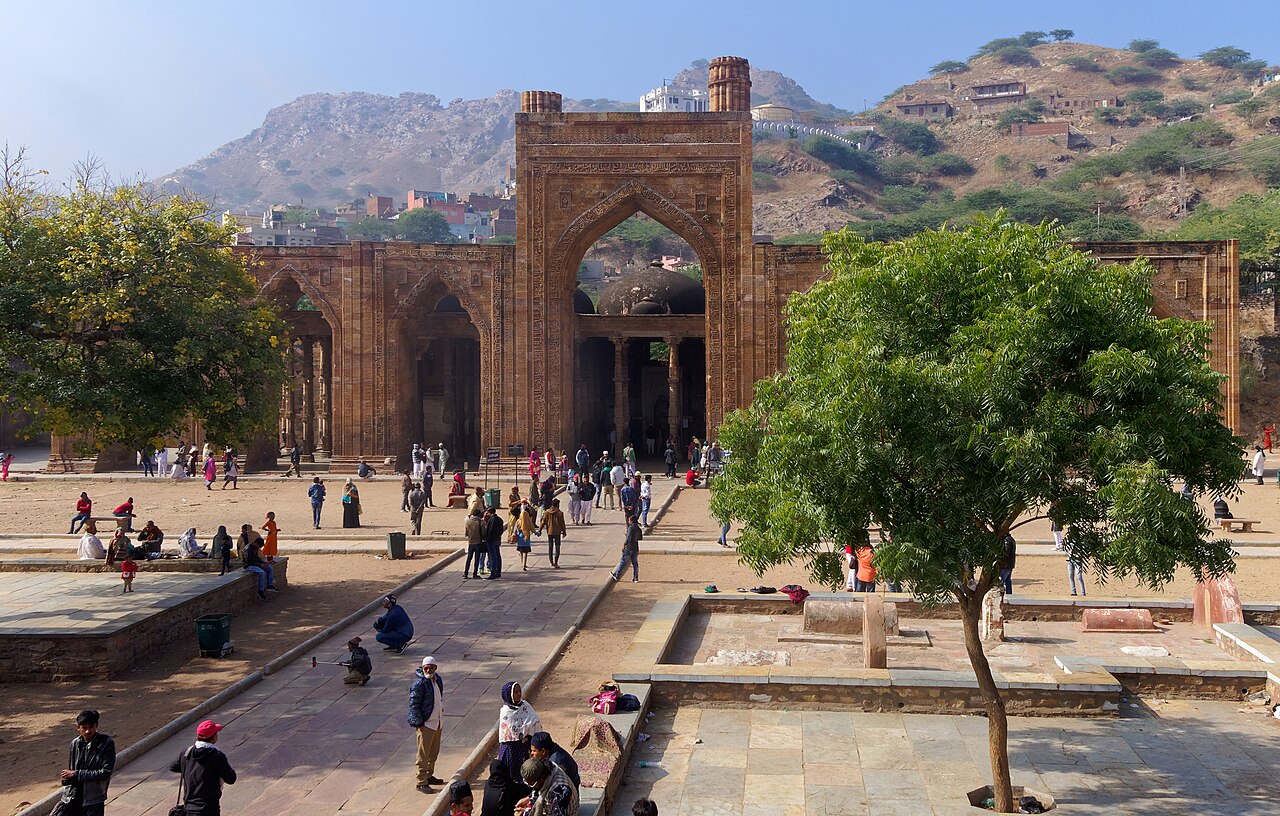
IslamAdhai Din Ka Jhonpra
Ajmer · India · mosque
The oldest surviving monument in Ajmer and among the earliest Indo-Islamic mosques in India, its 1199 CE prayer hall and Iltutmish's 1213 CE arched screen rise on 344 pillars carved by Hindu and Jain craftsmen from earlier Temples.
 Islam
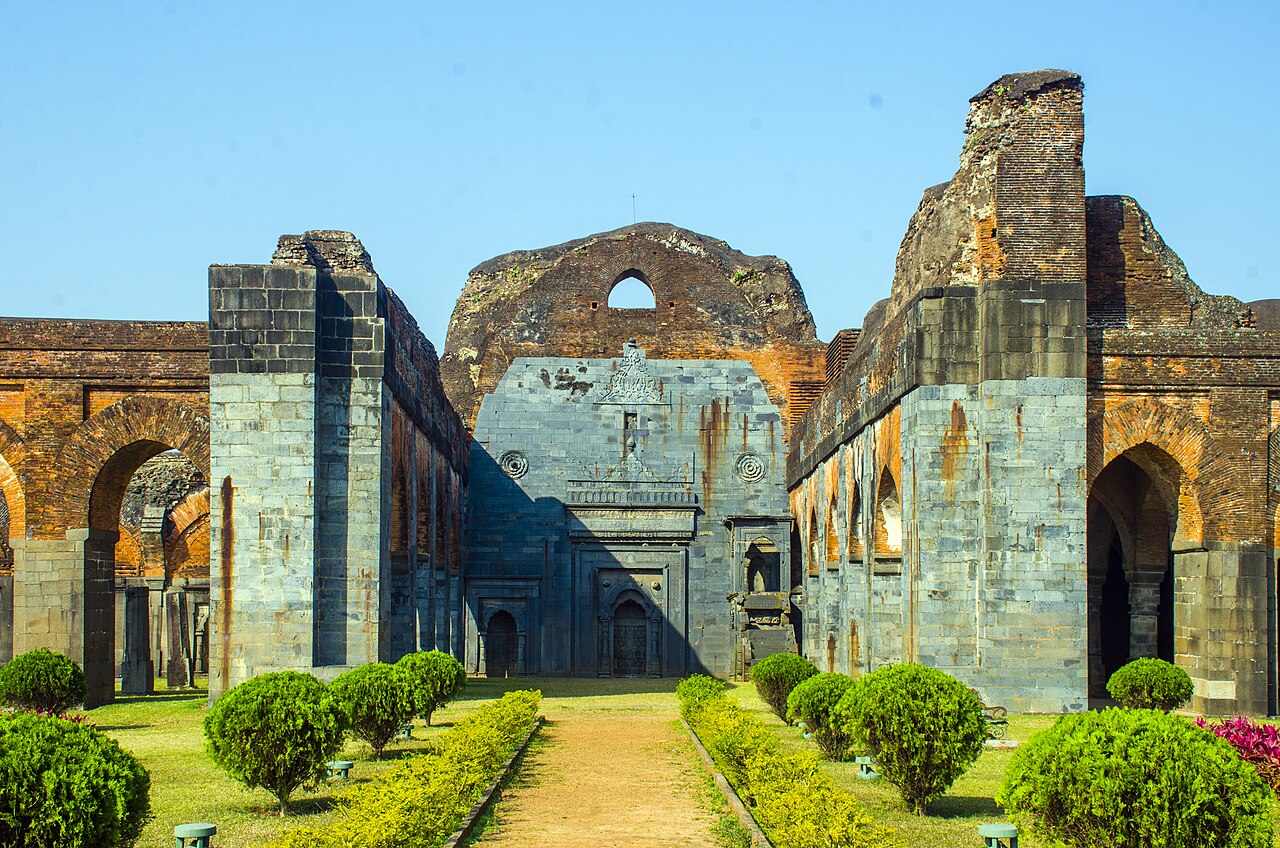
IslamAdina Mosque
Pandua · India · mosque
Once the largest mosque on the Indian subcontinent, the Adina Mosque at Pandua in West Bengal was raised by Sultan Sikandar Shah between 1373 and 1375 as the congregational mosque of the Bengal Sultanate, and holds his tomb within its western wall.
 Islam
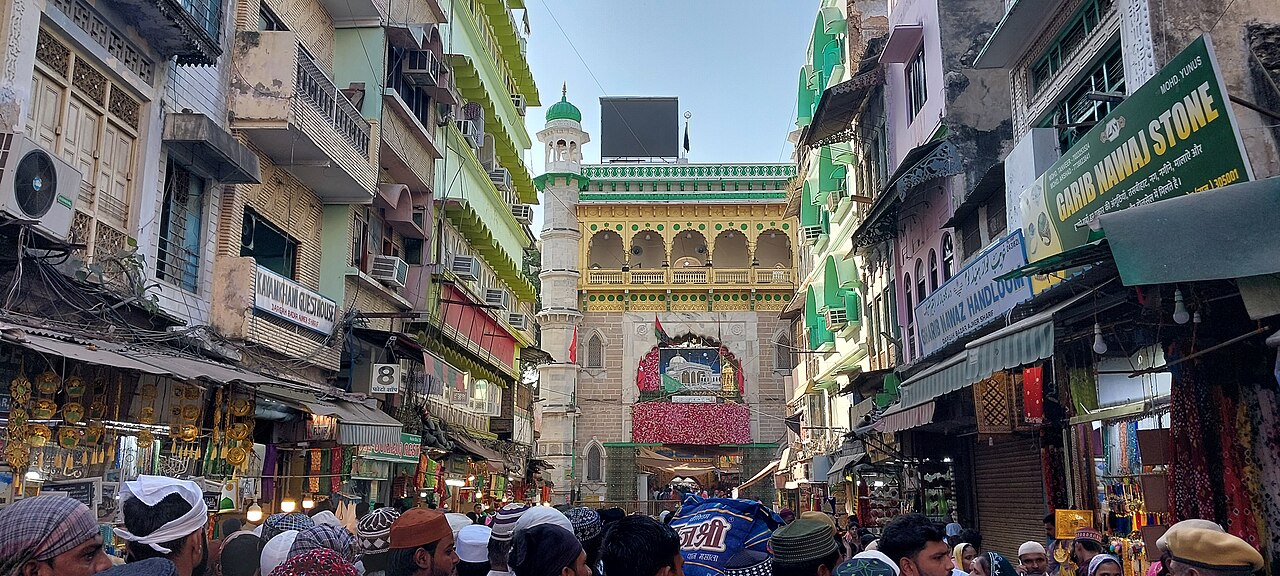
IslamAjmer Sharif Dargah
Ajmer · India · dargah
The tomb of Hazrat Khwaja Moinuddin Chishti, Gharib Nawaz, the benefactor of the poor, and the principal Sufi dargah of South Asia, where pilgrims of every community have offered chadars and shared the sweet rice of the great deghs for eight centuries.
Akbarabadi Mosque
Delhi · India · mosque
A mosque raised in 1650 by Akbarabadi Begum, a wife of the Mughal emperor Shah Jahan, in the walled city of Shahjahanabad, demolished by British forces in the aftermath of the 1857 Uprising and today marked only by disputed, unexcavated remains beneath Netaji Subhash Park in Old Delhi.
 Islam
IslamAlamgir Mosque
Varanasi · India · mosque
Raised in 1669 by the Mughal emperor Aurangzeb on the high bank above Panchganga Ghat in Varanasi, the Alamgir Mosque stands where wide stone steps meet the Ganges, its domes and surviving corner turret rising over a site earlier accounts describe as the Hindu Temple of Bindu Madhava.