
Kalighat Kali Temple
About
Set in the Kalighat neighbourhood of South Kolkata, the temple is the foremost place of pilgrimage for devotees of Maa Kali in Bengal and across the Hindu world. The Goddess is honoured here as one of the ten Mahavidyas of the Hindu tantric tradition and as the supreme deity of the Kalikula school of Shakta worship.
The murti enshrined in the sanctum is small and ancient, with a face of black stone, three brilliant eyes, and a long protruding tongue, accompanied by representations of the Goddess's fierce ornaments and weapons. Devotees offer hibiscus flowers, the favoured blossom of Maa Kali, along with sweets, vermilion, and water from the Hooghly.
The temple is counted among the fifty-one Shakti Pithas, the places sanctified where the dismembered form of Sati came to earth after Shiva's grief-stricken tandava. At Kalighat, tradition holds that the toes of Sati's right foot fell, anchoring this place within the most sacred geography of the Devi tradition.
Daily worship follows the long lineage of priestly families known as the haldars who have served the temple across generations. Special observances mark Kali Puja, Durga Puja, and the great pilgrimages of the lunar calendar, when thousands of devotees gather to receive the darshan of the Devi.
History
The Kalighat shrine is ancient in tradition, mentioned in the Puranic Pitha lists and in the medieval Bengali Mangal Kavya literature. The present temple structure was raised in the early eighteenth century by the Sabarna Roy Choudhury family of Barisha, who had long served as guardians of the older shrine in the Kalighat tract.
The original shrine is believed to have stood on the banks of an ancient course of the Hooghly known as the Adi Ganga, which once flowed past the temple and gave it its position as a tirtha along sacred waters. As Calcutta grew up around it from the eighteenth century onwards, the temple remained the spiritual heart of the south of the city, drawing the long line of saints and devotees who shaped Bengali Shakta devotion, including Sri Ramakrishna Paramahamsa, who lived for many years across the river at Dakshineswar.
Significance
Kalighat is the foremost Kali tirtha of Bengal, and one of the principal Shakti Pithas of India. For Shakta devotees, a visit to Kalighat is a returning to the very ground sanctified by the body of Sati and to the abode where Maa Kali is believed to dwell most accessibly for those who call upon her.
Visiting
Engage with Kalighat Kali Temple
Through the four pathways
Seva सेवा — Service
Offer your time and skills here. The following opportunities are open at Kalighat Kali Temple:
No Seva offerings listed yet.
Sādhana साधना — Practice
Learn the worship and practice associated with Kalighat Kali Temple:
No Sādhana offerings listed yet.
Sandhāna सन्धान — Wisdom
Unite with the wisdom of this tradition:
No Sandhāna offerings listed yet.
Sādhya साध्य — Giving
Support this sacred place according to your means:
No Sādhya offerings listed yet.
All giving flows directly to Kalighat Kali Temple. Adisthan does not take a commission.
Gallery
Related sacred places
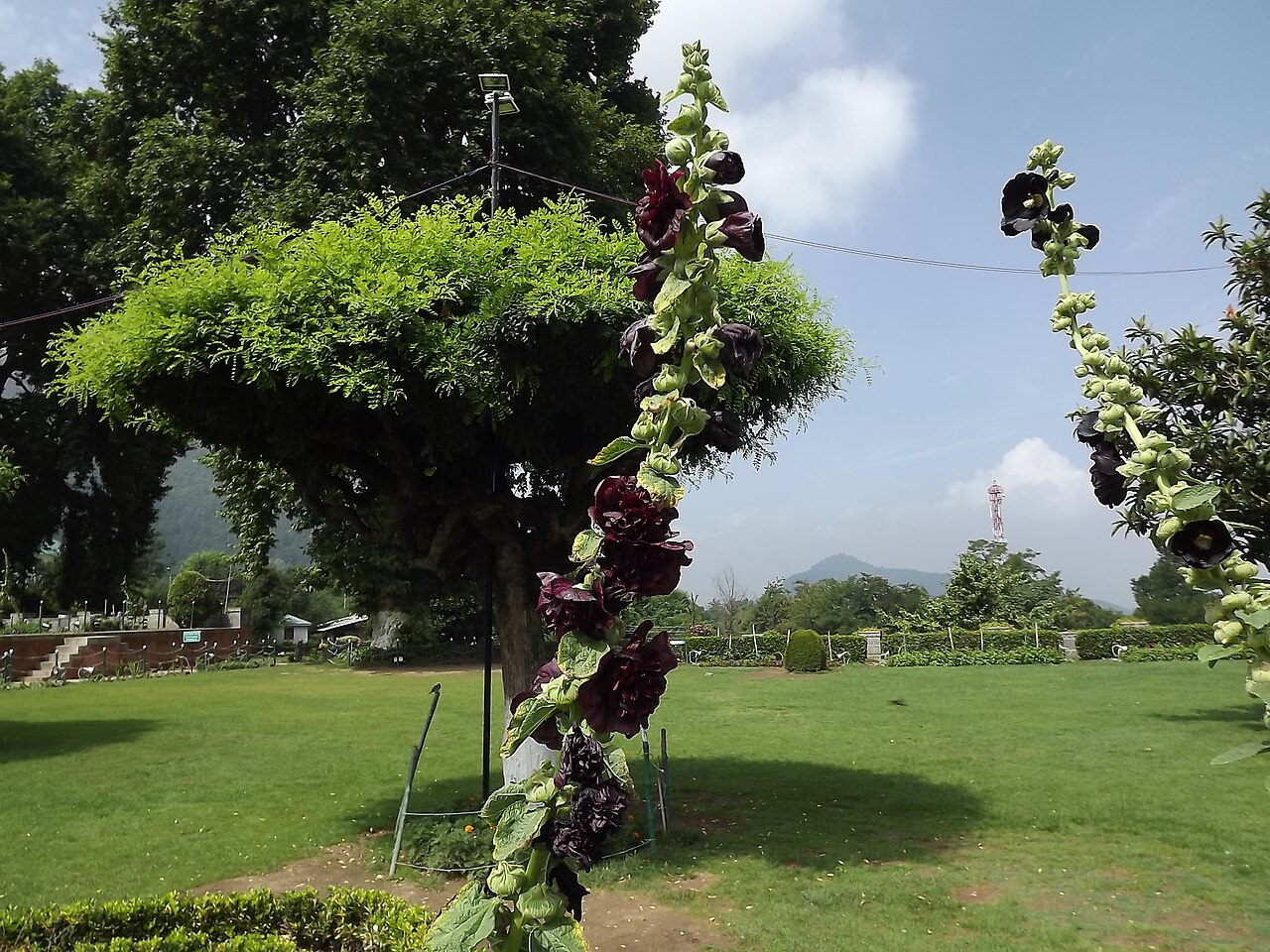 Hinduism
Amarnath Temple
· India · temple
A high Himalayan cave shrine in Jammu and Kashmir where a naturally forming ice lingam is venerated as Lord Śiva, drawing one of India's great seasonal pilgrimages.
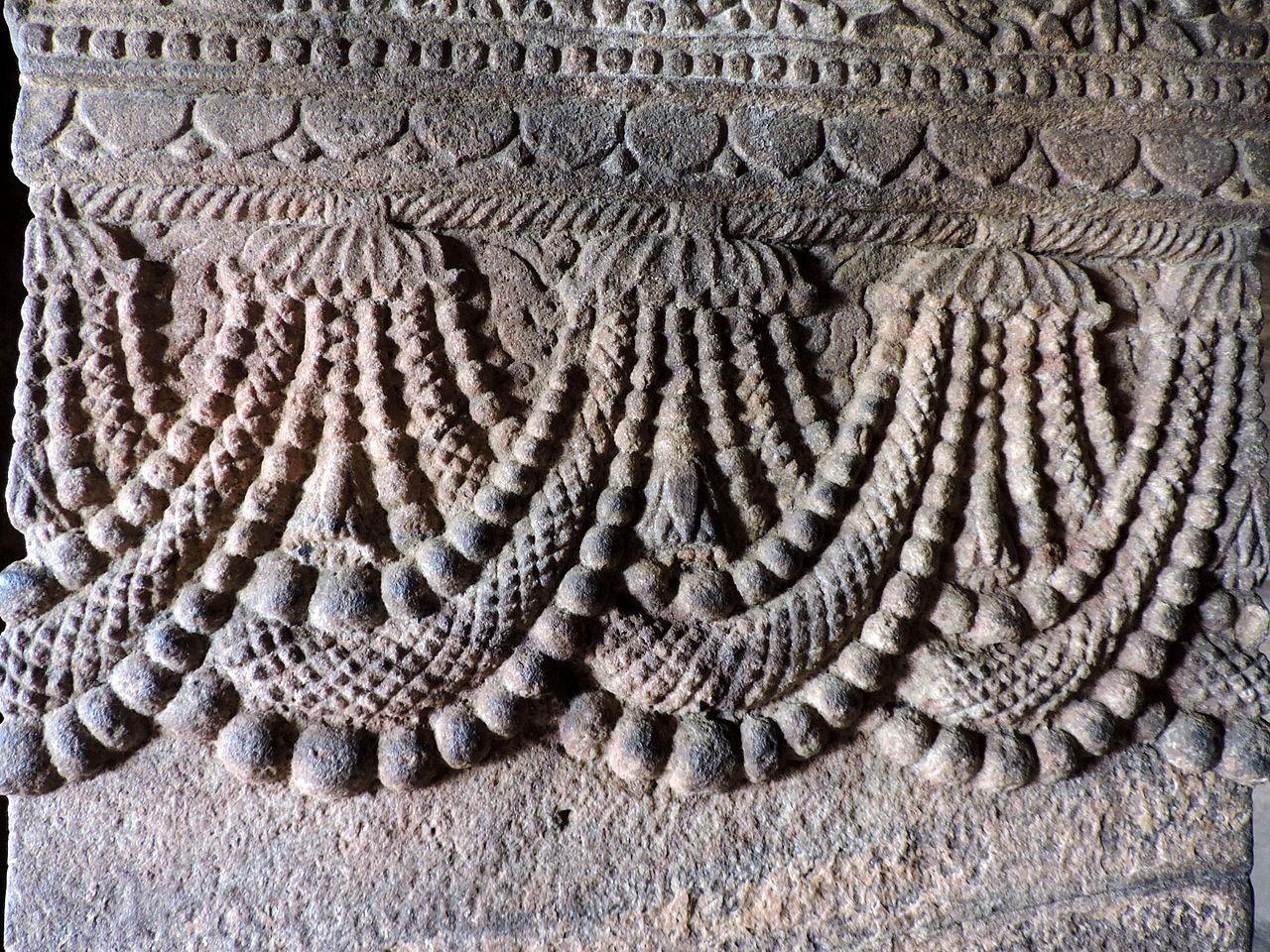 Hinduism
Badami cave temples
· India · temple
A celebrated complex of sixth- to eighth-century Hindu, Jain, and (likely) Buddhist cave temples carved into the red sandstone cliffs of Badami in northern Karnataka, India.
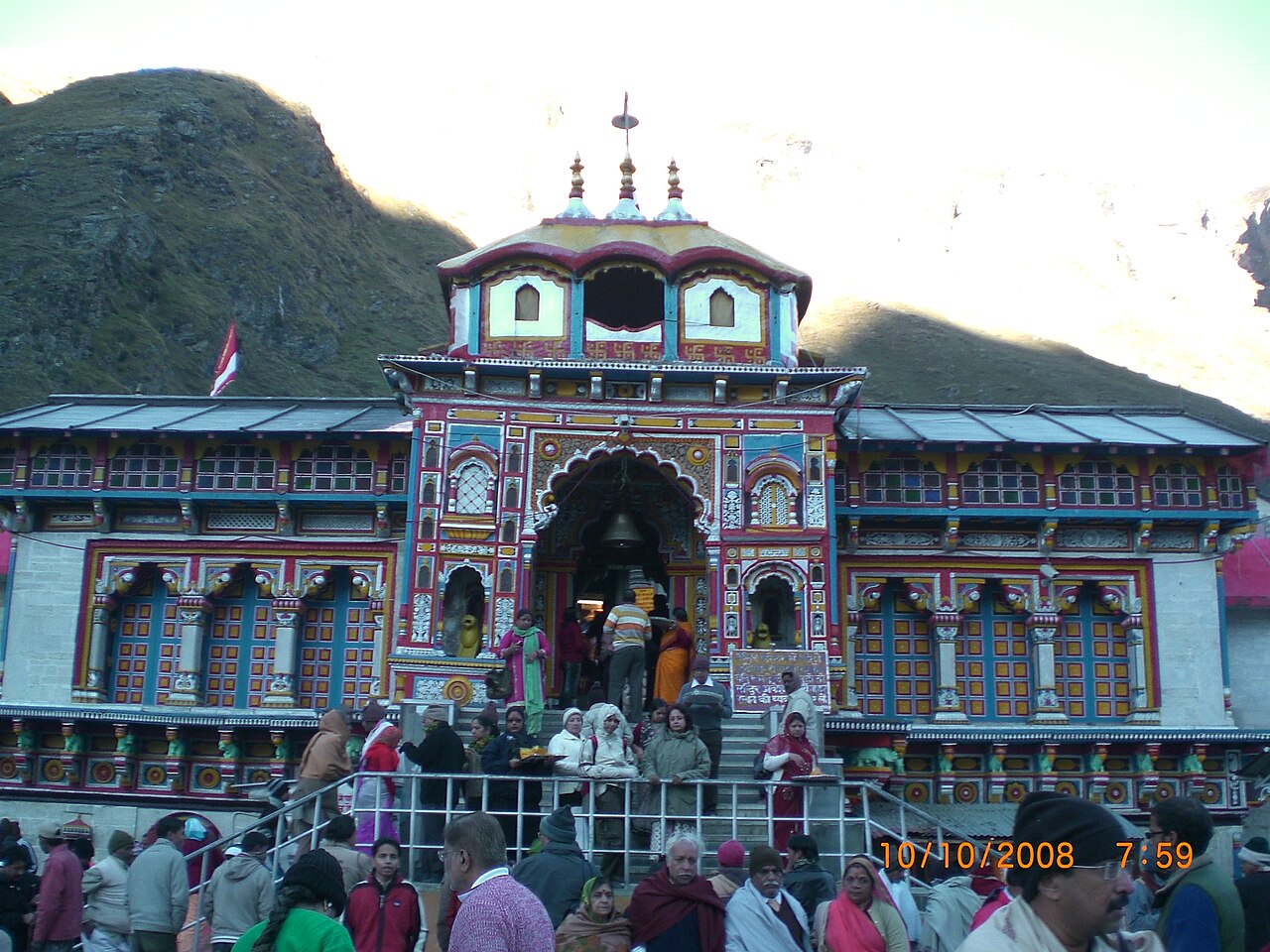 Hinduism
Badrinath Temple
· India · temple
A major Himalayan Vaiṣṇava pilgrimage temple in Uttarakhand, India — one of the four Char Dham and one of the 108 Divya Desams sacred to the worship of Lord Vishnu.
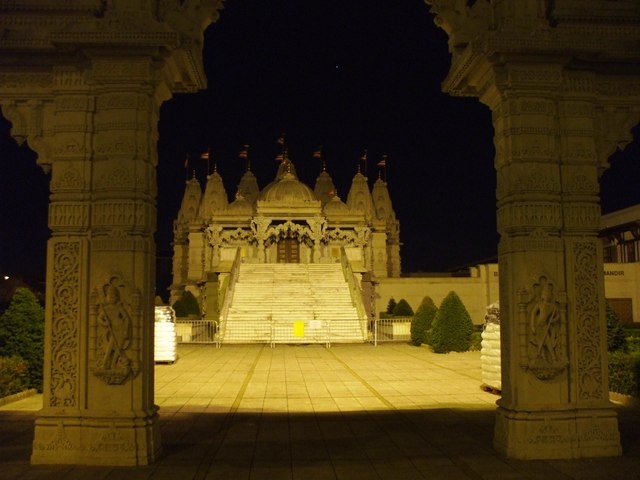 Hinduism
BAPS Shri Swaminarayan Mandir London
· United Kingdom · temple
A traditional Swaminarayan Hindu mandir in Neasden, north-west London — celebrated as the first authentically built Hindu stone temple in Britain and in Europe.
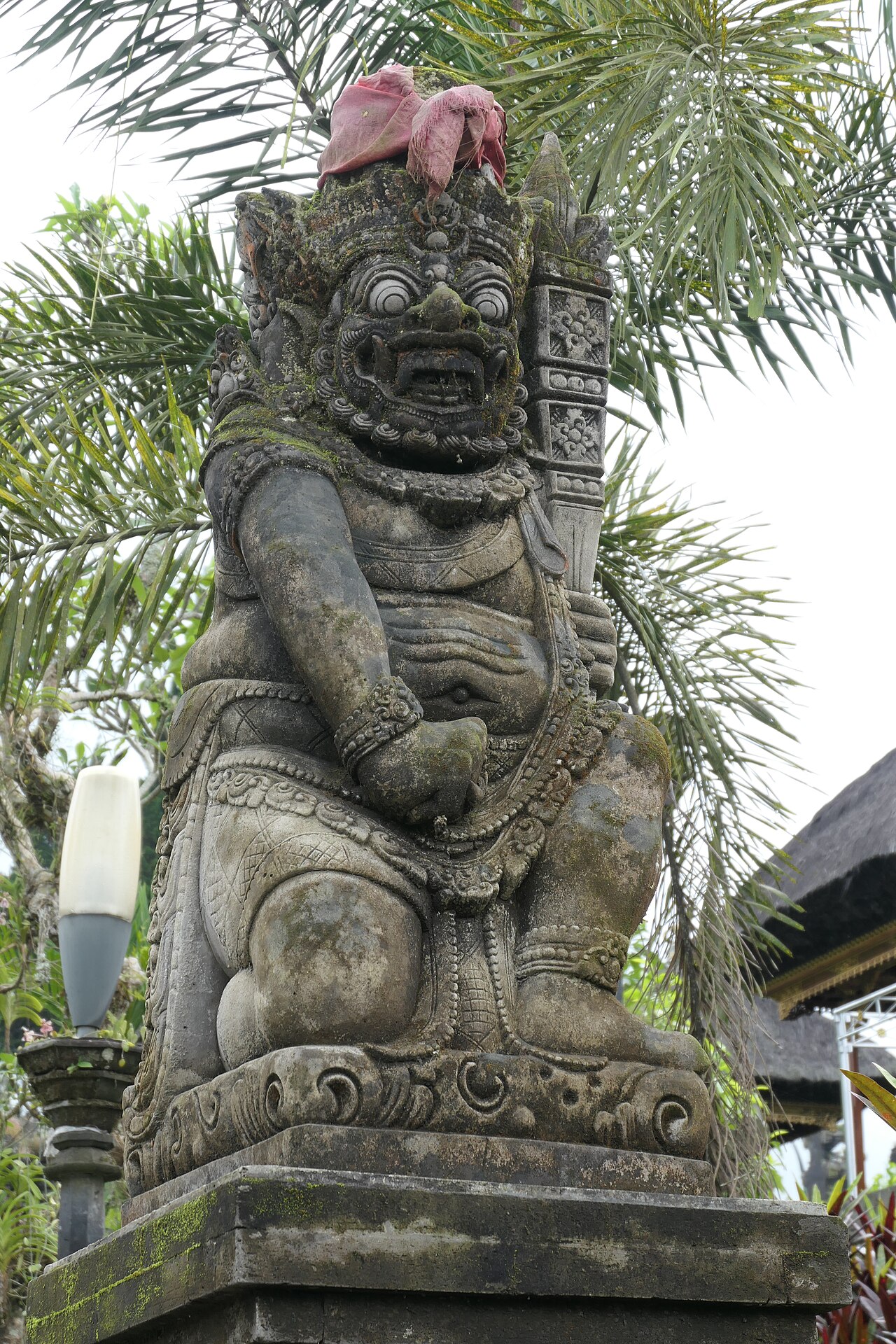 Hinduism
Besakih
· Indonesia · temple
Bali's principal Hindu sanctuary — the 'Mother Temple' (Pura Besakih) — set high on the slopes of the sacred volcano Gunung Agung in eastern Bali, Indonesia.
 Hinduism
Bhimashankar Temple
· India · temple
A revered Śiva temple in the forested Sahyadri hills of Maharashtra, India, enshrining one of the twelve Jyotirliṅgas and standing close to the source of the Bhīmā River.