
Kankalitala
About
Kankalitala lies in West Bengal's Birbhum district, within the Bolpur subdivision and the Bolpur Sriniketan community development block. The town sits roughly nine kilometres from Bolpur along the road to Labhpur, resting on the bank of the Kopai River. Several temples stand within it, and among them the site is counted as one of the fifty-one Shakta pithas of Sanskrit tradition, sacred abodes said to correspond to the fifty-one letters of the Sanskrit alphabet.
The pithas trace their origin to the story of Daksha's great sacrifice and the self-immolation of Sati. When Shiva, overcome with grief, lifted her body and roamed the world with it, her form is said to have come apart piece by piece, and wherever a fragment touched the earth, a shrine to the Goddess arose. At Kankalitala, devotion holds that the waist, called kankal in Bengali, is what fell to the ground, giving the town its name. Each such shrine pairs a form of Shakti with a guardian Kalabhairava; here the Goddess is known as Devgarbha and her attendant Bhairava as Ruru.
Within the wider Kankalitala Temple complex stands a further shrine, the Kanchishwar Temple, adding to the town's standing as a gathering place for worship. The site continues to draw devotees as a well-known Hindu pilgrimage destination in West Bengal, its riverside setting lending a quiet, contemplative air to those who come to honor the Mother Goddess.
Significance
Kankalitala's standing rests on its place among the fifty-one Shakta pithas, the constellation of shrines through which the Goddess is honored across the Indian subcontinent. Pilgrims visit in the belief that the waist of Sati Devi came to rest here, making the town, though modest in size, a meaningful stop for devotees of Shakti tradition in Bengal.
Visiting
Engage with Kankalitala
Through the four pathways
Seva सेवा — Service
Offer your time and skills here. The following opportunities are open at Kankalitala:
No Seva offerings listed yet.
Sādhana साधना — Practice
Learn the worship and practice associated with Kankalitala:
No Sādhana offerings listed yet.
Sandhāna सन्धान — Wisdom
Unite with the wisdom of this tradition:
No Sandhāna offerings listed yet.
Sādhya साध्य — Giving
Support this sacred place according to your means:
No Sādhya offerings listed yet.
All giving flows directly to Kankalitala. Adisthan does not take a commission.
Gallery
Related sacred places
 Hinduism
Airavatesvara Temple
· India · temple
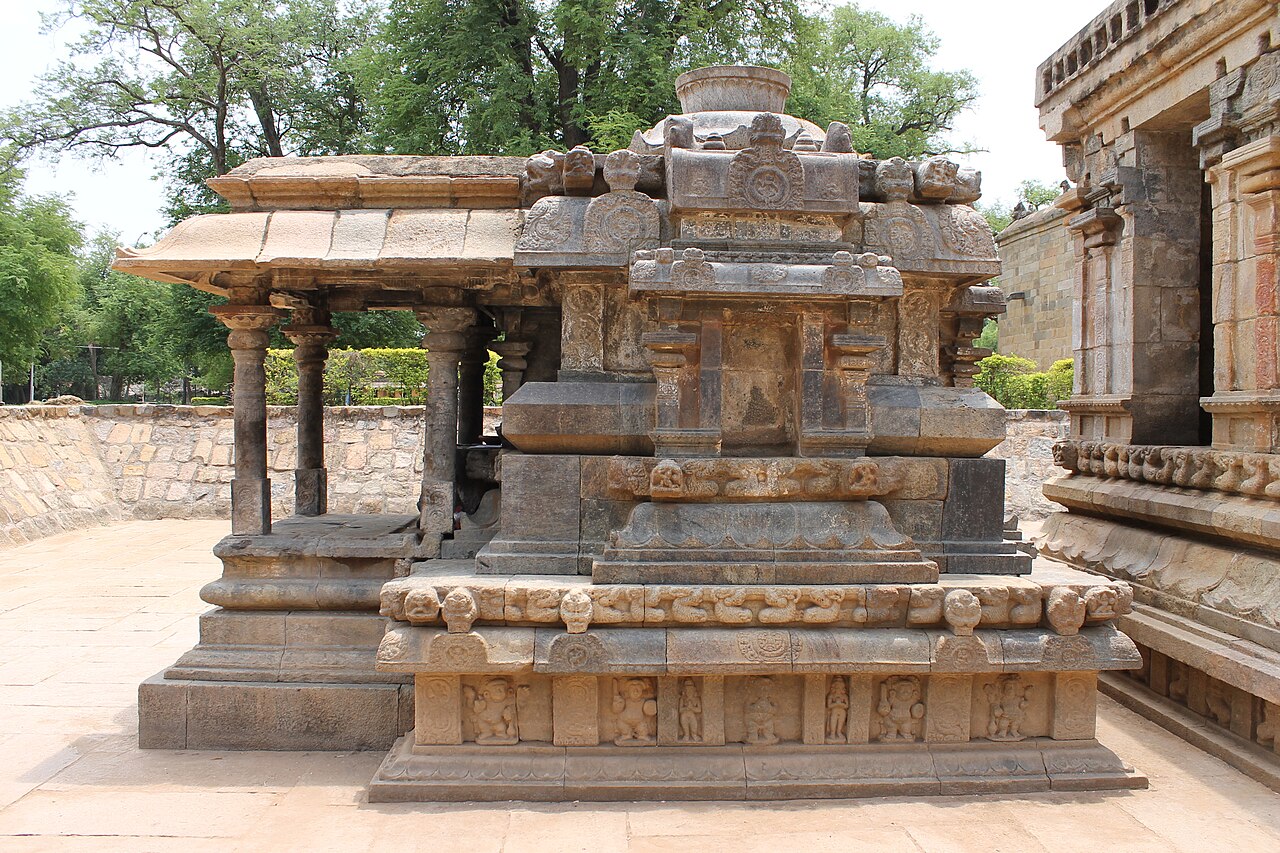
A jewel of 12th-century Chola craftsmanship at Darasuram near Kumbakonam in Tamil Nadu, this Śaiva shrine dedicated to Lord Śiva stands among the UNESCO-listed Great Living Chola Temples for its extraordinary sculptural refinement.
Aisanyesvara Siva Temple
· India · temple
A living Śaiva temple from the thirteenth century, nestled near the western boundary of the great Lingarāja complex in Bhubaneswar, Odisha, where a Śivaliṅgam receives daily worship and the sacred rhythms of the liturgical year continue unbroken.
 Hinduism
Akhadachandi Temple
· India · temple
A 10th-century Hindu temple in the heart of Bhubaneswar's old town, Akhadachandi Temple stands on the southwestern shore of the sacred Bindusagar tank, honouring the goddess Mahiṣāsuramardinī in the ancient Kalinga style.
 Hinduism
Akshardham
· India · temple
Swaminarayan Akshardham in Delhi is a vast Hindu mandir complex dedicated to devotion, learning, and harmony, drawing millions of pilgrims each year to its intricately carved sandstone and marble monument on the Yamuna's western bank.
 Hinduism
Akshardham (Gandhinagar)
· India · temple
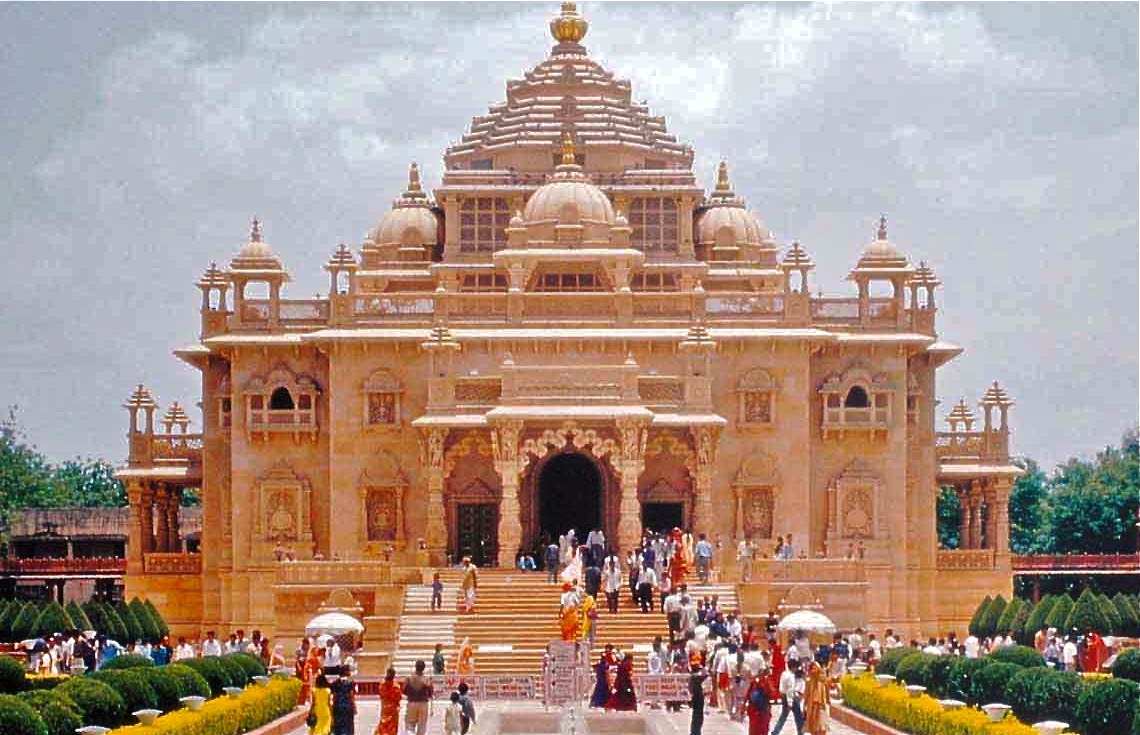
A vast spiritual and cultural complex in Gujarat's capital, Gandhinagar, Swaminarayan Akshardham was conceived through the vision of Yogiji Maharaj and realized by Pramukh Swami Maharaj — a living testimony to the BAPS tradition's commitment to devotion, learning, and harmony.
 Hinduism
Alopi Devi Mandir
· India · temple
Alopi Devi Mandir is a Hindu temple in the Alopibagh neighborhood of Prayagraj, Uttar Pradesh, close to the sacred Sangam where the Ganges, the Yamuna, and the legendary Sarasvati are believed to converge.